Table of Contents
Accessing safe drinking water stands as one of the most critical challenges when venturing into remote wilderness areas. Whether you’re planning a multi-week trek through alpine terrain or a weekend escape to backcountry lakes, the ability to transform questionable water sources into clean, potable hydration can make or break your expedition. As we look toward 2026, water filtration technology continues to evolve, offering backpackers increasingly sophisticated tools that balance weight, efficiency, and reliability in ways that weren’t possible just a few years ago.
Understanding what separates an adequate filter from an exceptional one requires more than just comparing spec sheets. The ideal system depends on your specific adventure style, group size, destination risks, and personal preferences. This comprehensive guide walks you through everything you need to know about selecting the perfect water filtration solution for your backcountry journeys, from deciphering technical jargon to evaluating real-world performance factors that matter when you’re miles from civilization.
Top 10 Camping Water Filters
Detailed Product Reviews
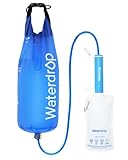
1. Waterdrop Gravity Water Filter Straw, Camping Water Filtration System, Water Purifier Survival for Travel, Backpacking and Emergency Preparedness, 1.5 gal Bag, 5 Stage Filtration, Pack of 1
Overview:
The Waterdrop Gravity Water Filter Straw combines a 5-stage filtration system with a 1.5-gallon gravity-fed bag for hands-free water purification in outdoor and emergency scenarios. This system uses coconut shell activated carbon and a 0.1-micron ultrafiltration membrane to eliminate chlorine, sediment, bacteria, and unpleasant tastes. Designed for campers, backpackers, and emergency preppers, the kit delivers filtered water without the need for pumping or squeezing.
What Makes It Stand Out:
The gravity-fed design is the star feature—simply hang the bag and let physics do the work. The innovative backwash purifier function extends the filter’s life by allowing you to clean the internal components with clean water, preventing clogging and maintaining flow. The system’s versatility shines through its ability to connect to both the included water bag and standard 27.5mm threaded bottles, adapting to various water sources and containers.
Value for Money:
With a lifespan of 1,400 gallons (5,300 liters), this single system replaces thousands of plastic water bottles. At its price point, it offers substantial savings over disposable filters and provides enough capacity for extended group trips or emergency reserves. The included 1.5-gallon bag eliminates the need for separate storage containers.
Strengths and Weaknesses:
Pros include the effortless gravity operation, impressive filtration capacity, easy maintenance via backwashing, and multi-use connectivity. Cons involve potential bag durability concerns with rough handling, and flow rate may decrease as the filter approaches end-of-life. The bag’s bulk may challenge ultralight backpackers despite its packability.
Bottom Line:
The Waterdrop Gravity system excels for basecamp scenarios and emergency preparedness where volume and convenience matter. It’s a reliable, cost-effective solution for groups needing abundant safe water without constant pumping.
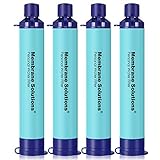
2. Membrane Solutions Personal Water Filter, Survival Filtration Straw Portable Gear, Emergency Preparedness, Supply for Drinking Hiking Camping Travel Hunting Fishing Team Family Outing (Blue, 4 Pack)
Overview:
The Membrane Solutions Personal Water Filter 4-Pack delivers scientifically certified water purification for families and adventure teams. Each straw employs a 5-stage filtration process with NSF/ANSI 42, 372, and 401 certifications, removing 99.9999% of coliforms including E. coli. The 0.1-micron hollow fiber ultrafiltration membrane targets bacteria while preserving essential minerals, making it ideal for hiking, camping, and international travel.
What Makes It Stand Out:
Triple NSF certification sets this apart from many competitors, providing verified protection against chlorine, lead, and microplastics. The four-pack configuration offers immediate value for group outings or family emergency kits. Weighing just 2 ounces each, these straws thread onto any standard 28mm bottle, creating a versatile drinking system. The upgrade design features removable ends for thorough cleaning and extended lifespan.
Value for Money:
With each filter lasting 1,320 gallons (5,000 liters), the four-pack provides over 5,000 gallons of safe water. The per-unit cost in this multi-pack significantly undercuts buying individual filters, making it economical for outfitting multiple family members or keeping backups in vehicles and go-bags. This represents exceptional value for certified protection.
Strengths and Weaknesses:
Pros include rigorous NSF certifications, compact portability, mineral retention, and team-ready packaging. The 16.9 oz/min flow rate balances speed with filtration. Cons include slower flow compared to pump systems, and the explicit statement that it doesn’t lower TDS may confuse users expecting total dissolved solids reduction. No gravity bag included.
Bottom Line:
For families prioritizing certified water safety across multiple members, this 4-pack is unmatched. It combines scientific validation with practical group value, making it essential for team adventures and comprehensive emergency planning.
3. Camco Tastepure RV Water Filter - Advanced RV Inline Water Filter with Flexible Hose Protector - GAC & KDF Filtration - Made in USA - Camping Essentials for Fresh Drinking Water (40043)

Overview:
The Camco Tastepure RV Water Filter (40043) provides advanced inline filtration for recreational vehicles, boats, and outdoor applications. Featuring proprietary Hex-Flow Technology with a 6-step filtration process, this USA-made unit combines granular activated carbon (GAC) and KDF media to reduce chlorine, sediment, bad tastes, and odors while controlling bacterial growth during storage. It connects to any standard garden hose for immediate clean water access.
What Makes It Stand Out:
The patented Hex-Flow Technology ensures even water distribution through six distinct filtration layers, maximizing contact time and contaminant removal. KDF media is a game-changer, preventing bacteria and mold proliferation when the filter sits unused—critical for seasonal RVers. Its CSA certification to NSF/ANSI 372 guarantees lead-free construction, addressing health concerns in older campground plumbing.
Value for Money:
While priced higher than basic inline filters, the 6-step process and KDF protection justify the premium. For RV owners, the cost per gallon over a typical camping season is minimal compared to bottled water expenses. The durable construction and patented design offer longevity that budget alternatives lack, reducing replacement frequency.
Strengths and Weaknesses:
Pros include superior 6-stage filtration, bacteria-resistant KDF media, USA manufacturing quality, and versatile hose connectivity for pets, gardening, and washing. Cons involve the larger size limiting portability for backpacking, reduced flow rate compared to unfiltered hoses, and the need for periodic replacement without a clear end-of-life indicator. Not designed for personal straw-style use.
Bottom Line:
This Camco filter is the gold standard for RV and camper water quality. Its advanced filtration and bacterial control make it worth every penny for seasonal outdoor enthusiasts who prioritize taste and safety at their home-away-from-home.
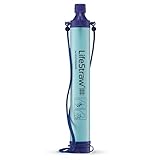
4. LifeStraw Personal Water Purifier for Hiking, Camping, Travel, and Emergency Preparedness
Overview:
The LifeStraw Personal Water Purifier has become synonymous with portable water safety, removing 99.999999% of waterborne bacteria and 99.999% of parasites through its microfiltration membrane. This essential survival tool eliminates E. coli, Salmonella, Giardia, and Cryptosporidium while filtering microplastics down to 1 micron. Weighing mere ounces and requiring no power, it’s a staple for hikers, campers, and emergency kits worldwide.
What Makes It Stand Out:
LifeStraw’s rigorous third-party testing using US EPA, NSF, and ASTM protocols provides unmatched credibility. The 4,000-liter (1,000-gallon) lifespan exceeds many competitors, while the social impact mission delivers safe water to school children for each purchase. Its simplicity—just sip directly from water sources—eliminates complex setup, and it reduces turbidity to 0.2 microns for crystal-clear results.
Value for Money:
Priced competitively for a certified purifier, LifeStraw’s extended lifespan and proven reliability offer excellent long-term value. The brand’s established reputation means you’re investing in tested technology rather than unverified claims. When factoring in the humanitarian impact, the value proposition extends beyond personal use.
Strengths and Weaknesses:
Pros include exceptional pathogen removal, lightweight portability, no chemical aftertaste, verified lab testing, and philanthropic impact. Cons include inability to filter viruses, chemicals, or heavy metals; lack of integration with water bottles in basic model; and the direct-sip design requiring proximity to water sources. Flow resistance increases as filter loads.
Bottom Line:
LifeStraw remains a must-have for any survival kit or ultralight backpacking setup. While not a universal purifier, its proven bacteria and parasite removal makes it indispensable for backcountry water where biological contaminants are the primary concern.
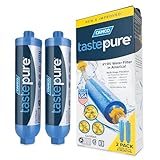
5. Camco Tastepure RV Water Filter - Advanced 6-Step Patent-Protected Filtration - Camping Essentials for Fresh Drinking Water - 2-Pack of RV Inline Water Filters, Made in USA (40045)
Overview:
The Camco Tastepure 2-Pack delivers the same advanced 6-step Hex-Flow filtration as the single unit, providing twin inline RV water filters for extended camping seasons or multiple setups. These USA-made filters combine GAC and KDF technology to reduce chlorine, sediment, odors, and tastes while preventing bacterial growth during storage. Each unit attaches to standard garden hoses, delivering cleaner water to RVs, boats, and outdoor applications.
What Makes It Stand Out:
The twin-pack configuration allows RV owners to maintain continuous filtration—use one while the other is being cleaned or stored, or equip both drinking and utility hoses simultaneously. The patented Hex-Flow Technology ensures comprehensive water treatment through six integrated layers, while KDF media provides ongoing protection against microbial contamination, a critical feature for filters that sit unused between trips.
Value for Money:
The 2-pack offers approximately 15-20% savings per unit compared to individual purchases, making it economical for serious campers with multiple water lines or those wanting seasonal backups. Over a typical two-year camping period, the cost per gallon remains extremely low versus purchasing bottled water. The dual units provide redundancy that single-filter users lack.
Strengths and Weaknesses:
Pros include bulk savings, backup readiness, same superior filtration quality, USA manufacturing, and KDF bacteria control. Cons include higher upfront investment, identical limitations to the single unit (not portable, flow rate reduction), and potential waste if storage conditions degrade the second filter before use. Requires planning to maximize the dual-unit advantage.
Bottom Line:
For dedicated RV enthusiasts or campers managing multiple water sources, this 2-pack is the smart investment. It ensures uninterrupted access to clean, great-tasting water while providing essential backup for demanding outdoor lifestyles.
6. LifeStraw Personal Water Filter for Hiking, Camping, Travel, and Emergency Preparedness, 2 Pack, Blue
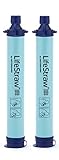
Overview: The LifeStraw 2-Pack delivers two ultralight personal water filters designed for emergency hydration and outdoor adventures. Weighing under two ounces each, these straws remove 99.999999% of bacteria, 99.999% of parasites, and 99.999% of microplastics from freshwater sources. Each filter processes up to 1,000 gallons—enough for five years of personal drinking water.
What Makes It Stand Out: LifeStraw’s social impact program distinguishes it from competitors: each purchase provides one child with safe water for a year. The unlimited shelf life makes these ideal for emergency kits that may sit unused. The filtration exceeds EPA standards with eight-log bacterial reduction, offering peace of mind in the harshest conditions worldwide.
Value for Money: At approximately $15-20 per filter in this two-pack, you’re paying a small premium over generic brands but gaining proven reliability and humanitarian impact. The cost per gallon over the filter’s lifespan is pennies, making it cheaper than bottled water for emergency reserves. Bulk packs reduce per-unit price versus single purchases.
Strengths and Weaknesses: Strengths include extreme portability, no shelf life limitations, validated lab testing, and the charitable component. The straw-only design is simple and foolproof. Weaknesses: the 1,000-gallon lifespan pales next to Sawyer’s 100,000-gallon claims. No included backflushing mechanism means clogging can permanently reduce flow. The straw format requires lying prone at water sources, which can be awkward.
Bottom Line: Perfect for emergency preparedness kits, travel, and occasional hikers who prioritize simplicity and social responsibility. For frequent backcountry use, consider alternatives with longer lifespans and maintenance tools.
7. 5 High-Capacity Emergency Water Straws – Lightweight, Reusable, 1800-gallon Filters for Camping, Hiking, Travel, Biking, Survival, and Emergencies. No Expiration Date, Perfect for preparedness

Overview: This five-pack of emergency water straws offers bulk preparedness for families or groups. Each 2-ounce filter claims to remove 99.99% of bacteria and parasites down to 0.1 microns, with an impressive 1,800-gallon lifespan per unit. The package includes individual backflushing plungers for each filter, extending practical use.
What Makes It Stand Out: The quantity-to-price ratio is compelling—five individually sealed filters with maintenance tools. The extended 1,800-gallon rating per filter theoretically provides a decade of drinking water. The inclusion of backflush plungers addresses a common weakness in straw-only designs, potentially preventing premature clogging in sediment-heavy water.
Value for Money: Bulk purchasing drives the per-filter cost below premium brands, offering excellent value for equipping multiple family members or vehicles. However, the unknown manufacturer lacks LifeStraw’s or Sawyer’s established testing reputation. The value proposition depends on trusting unverified performance claims against potentially life-threatening contaminants.
Strengths and Weaknesses: Strengths: bulk packaging, included maintenance tools, long claimed lifespan, and no expiration date. Weaknesses: lower filtration percentages (99.99% vs 99.99999%), no mention of independent lab testing or certifications, and generic branding raises quality control questions. The marketing language is vague about specific testing protocols.
Bottom Line: A budget-friendly option for stocking multiple emergency kits or vehicles, but critical users should verify certifications independently. Best suited for secondary backup rather than primary wilderness reliance.
8. Sawyer Products SP128 Mini Water Filtration System, Single, Blue

Overview: The Sawyer MINI is a palm-sized filtration powerhouse weighing just two ounces. This single-unit system removes 99.99999% of bacteria and 99.9999% of protozoa, plus 100% of microplastics. The versatile design attaches to included squeeze pouches, standard bottles, hydration packs, or functions as a straw. Rated for an astonishing 100,000 gallons with proper maintenance.
What Makes It Stand Out: Every MINI unit is individually tested three times to performance standards—unprecedented quality assurance in this category. The 100,000-gallon lifespan dwarfs competitors, offering decades of use. Its adaptability across multiple configurations (squeeze, inline, straw) makes it infinitely more practical than straw-only designs for varied scenarios.
Value for Money: Though pricier than basic straws upfront, the per-gallon cost is negligible over the filter’s lifetime. Included accessories (16-ounce pouch, straw, cleaning plunger) add value. For frequent adventurers, the longevity eliminates replacement costs, making it cheaper long-term than any competitor.
Strengths and Weaknesses: Strengths: exceptional filtration rates, triple testing verification, massive lifespan, versatile configuration options, and effective backflushing capability. Weaknesses: the 16-ounce pouch is small for group use, and the single-unit price feels high compared to multi-pack alternatives. Requires diligent backflushing maintenance to achieve full lifespan.
Bottom Line: The gold standard for serious outdoor enthusiasts and survivalists. Invest in this over cheaper alternatives if you regularly depend on untreated water sources. The testing rigor justifies every penny.
9. Sawyer Squeeze Water Filtration System, Cnoc Premium 2 Liter Bladder

Overview: This premium system pairs Sawyer’s proven Squeeze filter with a Cnoc 2-liter TPU bladder for high-capacity water processing. The setup filters bacteria, protozoa, cysts, and 100% of microplastics. Weighing under six ounces total, it processes water for groups or basecamp use. The filter maintains Sawyer’s 100,000-gallon rating with thicker fiber walls for aggressive backwashing.
What Makes It Stand Out: The 2-liter bladder transforms the Squeeze from personal to group-capable, filling containers quickly. Cnoc’s wide-mouth design simplifies source filling, while the TPU material exceeds typical pouch durability. Sawyer’s thicker hollow fiber membranes withstand more rigorous cleaning, combating clogging in silty conditions better than standard designs.
Value for Money: This integrated system costs more than a basic MINI but saves money versus buying components separately. For couples or families, processing two liters at once is far more efficient than individual straw sipping. The durability reduces replacement frequency, offsetting the premium price through years of reliable service.
Strengths and Weaknesses: Strengths: high-volume processing, superior bladder quality, proven 100,000-gallon filter, included cleaning tools, and individually tested performance. Weaknesses: higher price point, slightly more complex than straw designs, and the system requires careful drying to prevent mold in the bladder. Bulkier than minimalist options.
Bottom Line: Ideal for backpackers prioritizing efficiency and groups sharing water treatment duties. The Cnoc bladder’s quality justifies the upgrade over standard Sawyer pouches. A worthwhile investment for frequent multi-day trips.
10. LifeStraw Personal Water Filter for Hiking, Camping, Travel, and Emergency Preparedness, 3 Pack, Blue

Overview: The LifeStraw 3-Pack extends the popular personal filter’s reach for families or comprehensive emergency planning. Each unit weighs under two ounces and eliminates 99.999999% of bacteria, 99.999% of parasites, and 99.999% of microplastics. With a 1,000-gallon lifespan per filter and unlimited shelf life, this pack equips three individuals for over five years each.
What Makes It Stand Out: The three-pack multiplies LifeStraw’s signature social impact—three purchases provide three children with safe water for a year. The packaging offers better per-unit value than buying individually or in two-packs. These filters require no batteries, chemicals, or moving parts, ensuring reliability when distributed across vehicles, bug-out bags, and home emergency kits.
Value for Money: Bulk pricing reduces the per-filter cost to compete with lesser-known brands while retaining LifeStraw’s verified performance credentials. For families, the three-pack ensures everyone has personal filtration without sharing devices. The cost per gallon remains extremely low, though higher than Sawyer’s 100,000-gallon options over decades.
Strengths and Weaknesses: Strengths: proven filtration efficacy, ultralight portability, unlimited storage life, charitable impact, and simplified distribution across multiple kits. Weaknesses: 1,000-gallon lifespan requires eventual replacement, straw-only design limits versatility, and no maintenance tools are included for clearing clogs. Requires direct source contact, which can be inconvenient.
Bottom Line: An excellent choice for families equipping multiple members or preppers storing devices in various locations. The humanitarian benefit adds meaningful value. For heavy users, consider supplementing with a maintainable squeeze system.
Why Water Filtration Matters in the Backcountry
The Risks of Untreated Water
Natural water sources, no matter how pristine they appear, can harbor microscopic threats that overwhelm your immune system. Bacteria like E. coli and Salmonella, protozoa such as Giardia and Cryptosporidium, and viruses including Norovirus lurk in even the clearest mountain streams. These pathogens originate from wildlife feces, decaying organic matter, and human contamination upstream. The consequences of ingesting these organisms range from mild digestive discomfort to severe, expedition-ending illness that requires medical evacuation.
Understanding Contaminant Types
Backcountry water contaminants fall into three primary categories that affect filter selection. Microbiological threats (bacteria, protozoa, viruses) represent the most immediate concern for backpackers. Sediment and particulates affect water clarity and taste but pose less health risk. Chemical contaminants from agricultural runoff or industrial sources require different treatment approaches. Most backcountry filters focus on microbiological protection, which covers the majority of risks in remote wilderness areas.
Regulatory Standards and Certifications
Look for filtration systems that meet EPA standards for microbiological water purifiers or NSF/ANSI certifications for specific contaminant reduction. These independent validations ensure the filter performs as advertised under controlled testing conditions. Standards like NSF P231 and NSF 53 provide confidence that the system removes bacteria, protozoa, and viruses to safe levels. Understanding these certifications helps you cut through marketing claims and select equipment backed by scientific verification.
Types of Backcountry Water Filters
Pump Filters
Pump systems force water through a filter cartridge using manual pressure created by a hand-operated pump mechanism. These units typically offer excellent reliability and allow you to draw water from shallow or hard-to-reach sources like puddles or seeps. The physical pumping action gives you control over the filtration process and lets you fill multiple containers efficiently. However, they require more effort and maintenance than other designs.
Gravity Filtration Systems
Gravity filters use the simple physics of water flowing downhill through a filter element. You fill a dirty water reservoir, hang it from a tree branch, and let gravity do the work while you set up camp or relax. These systems excel at processing large volumes for groups with minimal effort. The trade-off includes slower flow rates and the need for a suitable hanging location. They’re ideal for basecamp scenarios where time isn’t critical.
Squeeze and Bottle Filters
Squeeze systems integrate the filter directly into a flexible bottle or pouch that you compress to push water through the element. These lightweight, compact options have become increasingly popular for solo hikers and minimalists. The simplicity is appealing—fill, screw on the filter, and squeeze into your clean bottle. Performance can degrade with murky water, and the pouches require careful handling to avoid punctures.
Straw and Personal Filters
Straw-style filters allow you to drink directly from a water source through a filtration element. These ultralight options work well as emergency backups or for day hikers confident they’ll find frequent water sources. The limitation is obvious—you can only drink directly, not carry filtered water with you. They’re best suited as secondary protection or for specific fast-and-light missions.
UV Purification Devices
UV light pens and devices disrupt the DNA of microorganisms, rendering them harmless. These electronic systems work quickly and don’t affect water taste. However, they require batteries, clear water to be effective, and don’t remove particulates. Many backpackers use them as a secondary treatment method or in areas with reliably clear water sources.
Chemical Treatment Options
Tablets and drops using chlorine dioxide or iodine provide lightweight backup purification. Modern formulations kill bacteria, protozoa, and viruses but require wait times of 30 minutes to 4 hours. Chemical treatments leave a taste and don’t remove sediment. They’re invaluable as emergency backups but rarely serve as primary filtration for extended trips.
Filter Technologies Explained
Hollow Fiber Membrane Technology
Hollow fiber filters consist of thousands of tiny straw-like tubes with microscopic pores. Water flows through these pores while contaminants get trapped on the outside. This technology offers excellent flow rates, durability, and the ability to be backflushed to restore performance. Most modern pump and gravity systems use this approach. The pore size typically measures 0.1 or 0.2 microns, effectively blocking bacteria and protozoa.
Ceramic Filters
Ceramic elements provide exceptional durability and can be cleaned repeatedly by scrubbing the surface. These filters often incorporate silver impregnation to inhibit bacterial growth within the filter itself. Ceramic works well with extremely turbid water but generally offers slower flow rates than hollow fiber systems. The brittleness requires careful handling to avoid cracking, and they’re heavier than modern alternatives.
Glass Fiber Filters
Glass fiber elements deliver high flow rates and good contaminant removal but are more fragile than ceramic or hollow fiber options. These filters work best in pump systems where they’re protected within a housing. They cannot be cleaned and must be replaced when clogged, making them less economical for long expeditions. The performance-to-weight ratio appeals to some users despite the durability concerns.
Activated Carbon Components
Many filters include activated carbon to improve taste and reduce chemicals. Carbon absorbs chlorine, pesticides, and some organic compounds that affect flavor. While carbon doesn’t remove microbiological threats, it complements mechanical filtration beautifully. The carbon component requires periodic replacement as it becomes saturated. For backcountry use, treat carbon as a bonus feature rather than primary protection.
Combined and Multi-Stage Systems
The most effective filters combine multiple technologies in sequence. A typical system might use a pre-filter for sediment, a hollow fiber element for microorganisms, and activated carbon for taste improvement. This layered approach maximizes protection while extending the life of the primary filter element. Multi-stage systems weigh more but deliver comprehensive water treatment.
Key Performance Metrics
Micron Ratings and What They Mean
Micron ratings indicate the smallest particle a filter can reliably remove. A 0.1-micron filter stops bacteria and protozoa but may allow some viruses through. Absolute ratings guarantee removal at that level, while nominal ratings indicate average performance. For backcountry use where viruses are less common, 0.2-micron absolute filtration provides excellent protection against the most likely threats.
Flow Rate Considerations
Flow rate, measured in liters per minute, determines how long you’ll spend at water sources. Gravity systems typically process 1-2 liters per minute, while pump filters can achieve 1-3 liters per minute depending on your effort. Squeeze filters vary widely based on water clarity and how forcefully you compress the bottle. Consider your daily water needs and patience level when evaluating flow rates.
Filter Lifespan and Capacity
Filter lifespan ranges from hundreds to thousands of liters before replacement. Ceramic and hollow fiber elements often last 1,500-2,000 liters with proper maintenance. Glass fiber cartridges may need replacement after 200-500 liters. Calculate your expected usage and factor replacement costs into your decision. Some filters allow element replacement, while others require buying entirely new units.
Pressure and Effort Requirements
Pump filters demand physical effort that increases as the filter clogs. High-effort systems tire you after processing several liters. Gravity filters require minimal effort once set up but need elevation difference. Squeeze filters need hand strength, which can be challenging in cold conditions. Test the effort required before committing to a system for long expeditions.
Weight and Packability Factors
Ultralight Solo Options
Solo backpackers obsess over every ounce, and water filtration offers significant weight savings opportunities. Straw filters and minimalist squeeze systems weigh under 3 ounces, while comprehensive pump systems can exceed 16 ounces. Evaluate whether the weight savings justify the limitations of ultralight options for your risk tolerance and water source reliability.
Group Systems Weight Distribution
For group expeditions, distributing components among team members reduces individual burden. The dirty reservoir, clean reservoir, filter element, and hoses can be split across multiple packs. Gravity systems particularly lend themselves to sharing. Calculate the per-person weight when evaluating group options rather than looking at total system weight.
Packed Size vs. Operational Size
Some filters pack small but expand for use, while others maintain consistent dimensions. Consider both packed volume and the space needed for operation. Pump handles that detach, collapsible reservoirs, and modular hose systems reduce pack volume. Measure your pack’s available space and compare it to the filter’s packed dimensions before purchasing.
Material Weight Comparisons
Titanium and carbon fiber components reduce weight but increase cost. Aluminum offers a middle ground, while durable plastics keep prices reasonable. Ceramic elements weigh more than hollow fiber but may last longer. Balance weight savings against durability needs based on your typical terrain and how roughly you treat gear.
Durability and Field Maintenance
Construction Materials and Build Quality
Examine the materials used in critical components like pump handles, hose connections, and filter housings. Reinforced plastics, stainless steel hardware, and robust seals indicate better field durability. Cheap components fail when you need them most. Look for systems with minimal moving parts and robust construction that can withstand being dropped or packed tightly.
Cleaning Methods in the Field
All filters eventually clog from sediment and organic matter. Backflushing—forcing clean water backward through the filter—restores flow in hollow fiber systems. Ceramic elements require surface scrubbing with an abrasive pad. Some systems include integrated backflush syringes or mechanisms. Understand the cleaning process before your trip and practice at home. Easy field maintenance extends filter life dramatically.
Freeze Protection Strategies
Freezing temperatures destroy filter elements by expanding water trapped inside the pores. In cold conditions, keep your filter in your sleeping bag at night and close to your body during the day. Some manufacturers claim freeze-resistant elements, but skepticism is warranted. If a filter freezes, assume it’s compromised and replace it. Chemical backups become essential in winter environments.
Common Failure Points and Prevention
Hose connections leak, O-rings crack, and filter housings crack under pressure. Carry spare O-rings and know how to repair connections with duct tape or hose clamps. Protect the filter element from impact with a protective case. Regular inspection before trips catches wear before it becomes failure. Redundant treatment methods provide insurance against primary system failure.
Capacity and Group Size Considerations
Solo Backpacker Needs
Solo hikers typically need 2-4 liters of drinking water daily, plus cooking water. A system processing 1-2 liters at a time suffices, with priority on weight and simplicity. Fast access to water sources allows frequent refilling, reducing the need for large capacity. Focus on reliability and ease of use when you’re tired and alone.
Two-Person Systems
Couples or hiking partners benefit from slightly larger capacity systems that process 2-4 liters efficiently. Gravity systems shine for two people, providing water for both drinking and cooking with minimal effort. Shared equipment reduces individual weight while maintaining redundancy. Consider one primary system plus a lightweight backup for safety.
Small Group Solutions (3-5 People)
Groups of 3-5 people move through water quickly and need systems that can process 6-10 liters per stop. Large gravity reservoirs or efficient pump filters become necessary. Multiple filters allow parallel processing and provide backup. Assign water procurement responsibilities to rotate the physical burden and ensure everyone understands the system.
Large Expedition Planning
Expeditions of 6+ people require serious water planning. Multiple high-capacity gravity systems or a designated water manager with a robust pump filter works best. Calculate water needs for cooking, drinking, and hygiene. Consider basecamp setups separate from mobile systems. Group dynamics and schedule flexibility improve with adequate water processing capacity.
Seasonal and Environmental Adaptability
Cold Weather Performance
Winter and high-altitude expeditions challenge filtration systems. Water sources may be frozen, requiring you to melt snow—a slow, fuel-intensive process. Filters freeze quickly in sub-zero temperatures, necessitating chemical backups or stove-based boiling. Some systems perform better in cold, but all require careful management. Plan for 100% redundancy in winter conditions.
Silty Water Pre-Filtration
Glacial melt, desert potholes, and storm-runoff streams contain heavy sediment that clogs filters instantly. Use a bandana, coffee filter, or dedicated pre-filter to remove large particles before primary filtration. Some systems include pre-filters attached to the intake hose. Processing a separate settling container lets sediment sink before filtering the clearer water from the top.
High-Altitude Considerations
Thin air and cold temperatures at altitude affect both you and your filter. Pumping becomes more physically demanding above 10,000 feet. UV devices may have battery issues in cold. Gravity systems work reliably regardless of altitude. Consider the effort required at elevation when selecting your system, and test it on training hikes at similar altitudes.
Tropical and High-Risk Areas
Regions with dense human or animal populations increase virus risk beyond typical backcountry concerns. Consider filters rated for virus removal or pair mechanical filtration with chemical treatment. Fast-flowing streams generally present lower risk than slow-moving ponds. Research region-specific waterborne illness risks before departure and choose protection accordingly.
Budget and Value Analysis
Initial Investment vs. Long-Term Costs
Entry-level filters cost $20-40, while premium systems exceed $200. However, replacement element costs often exceed the initial purchase price over the filter’s lifetime. Calculate the total cost of ownership based on your expected usage. A $150 system with $30 replacements every 1,500 liters costs less per liter than a $40 system requiring $25 replacements every 200 liters.
Replacement Component Availability
Before purchasing, verify that replacement cartridges are readily available from multiple retailers. Obscure systems with proprietary elements become expensive paperweights when you can’t find replacements. Popular models from established manufacturers ensure long-term support. Some filters use standardized elements compatible across multiple brands, providing flexibility.
Warranty and Manufacturer Support
Quality filters typically include 1-3 year warranties against manufacturing defects. Read warranty terms carefully—many exclude freeze damage or normal wear. Responsive customer support proves invaluable when you need troubleshooting help from the trail. Check online reviews for warranty claim experiences before committing to a brand.
Cost Per Liter Analysis
Calculate the true cost by dividing the total system price (including replacements) by the rated liter capacity. A $100 filter processing 1,000 liters costs $0.10 per liter. Compare this to bottled water costs and the value becomes clear. Factor in the intangible value of safety and convenience when evaluating expense.
Safety Protocols and Best Practices
Pre-Trip Testing and Preparation
Never take a new filter directly into the backcountry without testing it at home. Practice assembly, filtering, cleaning, and disassembly until the process becomes automatic. Verify all components are present and functional. This rehearsal reveals learning curves and ensures you understand the system before your safety depends on it.
Field Hygiene and Cross-Contamination Prevention
Designate “dirty” and “clean” water containers clearly, using different colors or labels. Never let the output nozzle touch contaminated surfaces. Wash hands after handling the dirty reservoir before touching clean water or food. A single drop of contaminated water can undermine your entire filtration effort. Establish strict protocols and enforce them within your group.
Knowing When to Replace Your Filter
Most filters show reduced flow rate when approaching end-of-life. Some include indicators or measuring devices to track usage. When backflushing no longer restores performance, replace the element. Don’t push a filter beyond its rated capacity in risky water sources. The small savings aren’t worth the health risk. Keep a log of liters processed if the filter lacks an indicator.
Backup Purification Methods
Always carry a secondary treatment method. Chemical tablets weigh almost nothing and provide insurance against filter failure, freezing, or loss. Boiling water for one minute (three minutes above 6,500 feet) kills all pathogens but requires time and fuel. A backup plan transforms potential crisis into minor inconvenience.
Troubleshooting Common Issues
Addressing Clogging and Slow Flow
Clogging represents the most common field problem. Backflush immediately when you notice reduced flow. For severe clogs, soak the element in clean water before backflushing. Pre-filtering sediment-heavy water prevents most clogging issues. In extended trips, schedule daily backflushing as preventive maintenance rather than waiting for performance to degrade.
Fixing Leaks and Seal Failures
Leaks usually occur at hose connections or filter housing seals. Tighten connections first, but avoid over-tightening which can crack plastic. Carry spare O-rings sized for your system. Temporary fixes include wrapping threads with teflon tape or using hose clamps on barbed fittings. Duct tape can seal small housing cracks in emergencies.
Eliminating Taste and Odor Issues
Musty or chemical tastes often indicate a contaminated filter element. Replace carbon components regularly. A new filter may have a plastic taste that disappears after filtering several liters. Stagnant water in hoses can taste bad—purge hoses before collecting drinking water. Some tastes indicate actual contamination the filter isn’t removing, requiring additional treatment.
Resolving Airlock Situations
Air bubbles trapped in the filter housing prevent water flow. Tap the housing gently to dislodge air, or operate the pump slowly to allow air to escape. With gravity systems, ensure the dirty reservoir is sufficiently higher than the clean reservoir. Some systems include bleed valves to release trapped air. Proper priming before first use prevents most airlock issues.
Environmental Responsibility
Leave No Trace Water Procurement
Collect water away from shorelines to minimize disturbance and avoid stirring up sediment. Don’t create new access paths to water sources. Use established collection points when available. In sensitive alpine areas, consider carrying water from lower elevations to protect fragile riparian zones. Your filtration system enables responsible water collection practices.
Filter Disposal and Recycling
Used filter elements contain trapped contaminants and shouldn’t be disposed of in regular trash when possible. Some manufacturers offer recycling programs for spent cartridges. Ceramic elements can be crushed and buried in cat holes away from water sources. Check local regulations for proper disposal methods. Plan for pack-out in protected wilderness areas.
Minimizing Water Waste During Filtration
Backflushing uses clean water that must be carried or collected. Gravity systems drip during disconnection. Capture this “waste” water for cooking or cleaning tasks. Use minimal water for backflushing—just enough to clear the element. Efficient operation reduces your environmental impact and conserves precious water in arid environments.
Sustainable Manufacturing Considerations
Some manufacturers prioritize recycled materials and reduced packaging. Durable, repairable designs reduce long-term waste. Consider the company’s environmental policies when selecting equipment. A filter that lasts twice as long generates half the waste, even if initial manufacturing impact is higher. Quality over disposability benefits both you and the planet.
Emerging Technologies for 2026
Smart Filter Features
New filters incorporate electronic indicators that monitor flow rate, track usage, and alert you to replacement needs via smartphone apps. While adding minimal weight, these features help optimize maintenance timing. Some systems include pressure sensors that detect clogging before it becomes severe. Evaluate whether the tech adds value or just complexity for your use case.
Advanced Material Science
Nanofiber membranes and improved ceramic composites promise longer life and better virus removal without chemical additives. These materials maintain high flow rates while reducing pore size below 0.1 microns. Graphene-based filters in development may revolutionize the industry, but remain expensive and unproven for field use as of 2026.
Integration with Hydration Systems
Modern filters increasingly connect directly to hydration reservoirs and smart water bottles, creating seamless systems that filter as you drink or fill. Quick-connect fittings compatible with popular reservoir brands reduce the need for separate clean containers. This integration simplifies the water management process but may limit flexibility.
Improved Virus Protection
Traditional filters relied on size exclusion that couldn’t reliably remove viruses. Newer mechanical systems achieve virus removal through advanced membranes or electrostatic attraction. This eliminates the need for secondary chemical treatment in high-risk areas. Verify independent testing confirms virus removal claims, as this remains a challenging technical hurdle.
Making Your Final Decision
Creating Your Personal Priority List
Rank your needs: weight, speed, group size, water source type, budget, and virus risk. No single filter excels at everything. A solo ultralight backpacker prioritizes weight over speed, while a family basecamper values capacity and ease of use. Your priority list becomes the lens through which you evaluate all options objectively.
Testing Before Critical Expeditions
Take your chosen system on a shakedown hike with similar water sources to your target expedition. Process several liters under realistic conditions. This reveals ergonomics issues, flow rate realities, and maintenance needs. A filter that seems perfect in your living room may frustrate you on day three of a ten-day trek. Real-world testing is non-negotiable.
Building a Redundant System
Your primary filter should be backed by a secondary method weighing less than 2 ounces. This could be chemical tablets, a small UV device, or even a simple boil plan. Redundancy doesn’t mean carrying two full-size filters—it means having an alternative when your primary system fails. The backup method should be simple enough to use when you’re exhausted or injured.
Learning from Real-World User Experiences
Read detailed user reviews from people with similar use cases to yours. Pay attention to long-term durability reports and field maintenance experiences. Online forums and hiking communities offer unfiltered feedback about real performance. Look for patterns in complaints rather than isolated issues. The collective experience of the backpacking community provides invaluable insights beyond manufacturer specifications.
Frequently Asked Questions
How often should I clean my water filter during a trip?
Clean your filter whenever you notice flow rate decreasing, or proactively every 2-3 days on extended trips. In silty water conditions, backflush daily. Always backflush when you return home before storing the filter. Regular maintenance extends filter life and ensures reliable performance when you need it most.
Can I filter salt water for drinking?
Standard backcountry filters cannot remove dissolved salts from seawater or brackish water. Desalination requires reverse osmosis or distillation—technologies too heavy and complex for backpacking. In coastal areas, search for freshwater sources inland or collect rainwater. Never rely on a typical camping filter for salt water conversion.
What’s the difference between a water filter and a water purifier?
Filters physically remove contaminants based on size, typically blocking bacteria and protozoa. Purifiers also remove or inactivate viruses, usually through chemical, UV, or advanced mechanical means. In North American backcountry, filters usually suffice. In developing countries or areas with human waste contamination, purifiers provide necessary virus protection.
How do I know if my filter has frozen and is damaged?
If your filter has been exposed to temperatures below freezing with water inside, assume it’s compromised. Ice crystals tear the filter matrix, creating holes that allow pathogens through. Some manufacturers offer freeze indicators, but these aren’t foolproof. When in doubt, replace the element. The risk isn’t worth the savings.
Should I filter water from high-altitude snowmelt?
Yes, absolutely. While snowmelt appears pristine, it can contain microorganisms from animals that visited the area. Giardia exists even in remote alpine zones. Additionally, melting snow concentrates any contaminants present. Always filter or treat snowmelt water, regardless of how clean it looks or how high the source.
How long do water filter cartridges actually last in real use?
Real-world lifespan varies dramatically based on water clarity. A cartridge rated for 1,500 liters might process only 500 liters of glacial silt-laden water before clogging irreversibly. Track your processed volume and water conditions. Replace when backflushing no longer restores adequate flow, regardless of the rated capacity remaining.
Can I share my personal filter with a hiking partner?
Yes, but establish strict hygiene protocols to avoid cross-contamination. The person handling the dirty water should not touch clean water containers or food. Use separate color-coded bottles for dirty and clean water. Consider that sharing slows down water procurement for both people compared to each having their own system.
What’s the best filter for international travel versus domestic backpacking?
International travel often requires virus protection beyond typical backcountry filters. Choose a purifier-rated system or plan to pair a filter with chemical treatment. Consider water source availability—some regions have abundant tap water that just needs improvement, while others require treating sketchy surface water. Multi-stage systems with carbon improve taste and reduce chemicals common in municipal sources abroad.
How do I store my filter between trips?
After final backflushing, allow the filter to air dry completely for at least a week. Store in a breathable container, not sealed plastic which can trap moisture and grow mold. Keep it in a cool, dry place away from direct sunlight. Some manufacturers recommend storing elements in the freezer once dry to prevent bacterial growth—check your specific model’s instructions.
Are expensive filters really worth the cost for occasional weekend hikers?
For occasional use, a mid-range filter often provides better value than premium options. However, don’t buy the cheapest filter available—reliability matters even on short trips. A $60-80 filter from a reputable manufacturer typically offers good performance with reasonable replacement costs. The key is matching the filter’s capabilities to your actual needs rather than buying features you’ll never use.
Related Buying Guides
- The 10 Best Gravity Water Filters for Camping Families in 2026
- 10 Best Value Gravity Water Filters for Family Camping in 2026
- The Complete Guide to the 10 Best Gravity Water Filters for Group Camping in 2026
- Stop Drinking Contaminated Water with the 10 Best Camping Water Filters in 2026
- Stop Drinking Unsafe Water with the 10 Best Camping Water Filters This Year