Table of Contents
Precision archery demands equipment that works as an extension of your instincts, and nothing exemplifies this principle better than the modern single pin bow sight. As we move through 2026, these minimalist marvels have evolved from niche tools into mainstream essentials for serious archers who refuse to compromise on accuracy. The beauty of a single pin system lies in its elegant simplicity—one focal point, zero confusion, and the freedom to place your entire concentration on form and execution rather than deciphering which pin belongs to which distance.
The landscape of bow sight technology continues to shift dramatically, with manufacturers pushing boundaries in fiber optic brightness, micro-adjustment precision, and materials that laugh off weather and wear. Whether you’re a seasoned target shooter chasing sub-MOA groups or a bowhunter who needs absolute confidence when that trophy buck steps into your lane, understanding what separates an exceptional sight from a mediocre one has never been more critical. This comprehensive guide walks you through every consideration that matters when evaluating single pin sights, helping you make an informed decision based on your unique shooting style and performance goals.
Top 10 Single Pin Bow Sights
Detailed Product Reviews
1. Trophy Ridge Drive Slider Bow Sight , Black
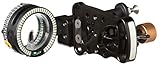
Overview: The Trophy Ridge Drive Slider delivers entry-level slider sight performance with thoughtful features for hunting applications. This single-pin sight employs a .029" fiber optic pin and includes a built-in sight light, bubble level, and adjustable indicator pin for environmental compensation. The nylon bushing system ensures silent operation while providing smooth vertical adjustments through the slider mechanism.
What Makes It Stand Out: The Drive Slider distinguishes itself through its whisper-quiet nylon bushings that eliminate metal-on-metal contact—a crucial feature for close-range hunting. The included sight light adds value rarely found at this price point. The .029" vertical fiber optic pin offers excellent brightness for low-light conditions, while the adjustable indicator pin allows for quick compensation when temperature or elevation changes affect your arrow trajectory.
Value for Money: Positioned as a budget-friendly slider option, this sight competes favorably against non-slider models in its price bracket. While it lacks micro-adjustments of premium offerings, it provides core slider functionality at approximately half the cost of high-end alternatives. The included accessories eliminate immediate additional purchases, making it an economical entry into single-pin slider technology for hunters upgrading from multi-pin fixed sights.
Strengths and Weaknesses: Pros: Silent operation via nylon bushings; included sight light; easy-to-see .029" pin; bubble level for consistent alignment; straightforward adjustments suitable for beginners.
Cons: Larger .029" pin diameter may obscure small targets at longer ranges; lacks micro-adjust precision; standard adjustment mechanism requires more trial-and-error than premium models; limited third-axis adjustment capabilities.
Bottom Line: The Trophy Ridge Drive Slider serves as an excellent gateway sight for hunters wanting slider simplicity without premium pricing. Its quiet operation and included light make it particularly suited for tree stand and ground blind hunting where stealth matters most.
2. Tactic Hybrid, 1 Pin, 0.019" Fibers

Overview: The Tactic Hybrid targets technical archers seeking precision adjustment capabilities in a mid-range package. This single-pin sight features .019" blade pins and incorporates advanced adjustment systems including a rapid stop mechanism, laser-engraved markings, and multi-position mounting options. The design emphasizes repeatable accuracy through visual reference points and tool-accessible micro-adjustments for both windage and elevation.
What Makes It Stand Out: This sight excels through its rapid stop feature that instantly returns to your maximum yardage setting without overshooting. The smart mount system offers unprecedented flexibility with multiple mounting hole positions, accommodating various peep sights and anchor points. Laser-engraved markings provide precise, repeatable adjustments that you can document and replicate, eliminating guesswork when returning to previously established settings.
Value for Money: The Tactic Hybrid punches above its weight class, offering features typically reserved for $300+ sights at a competitive mid-market price. While the brand lacks the recognition of established names, the engineering demonstrates serious attention to detail. For archers who value precision over brand prestige, this represents exceptional value, though long-term durability remains unproven compared to legacy manufacturers.
Strengths and Weaknesses: Pros: Rapid stop prevents over-travel; laser-engraved micro-adjustments; versatile smart mount system; .019" pin provides precise aiming point; excellent tactile feedback on adjustments.
Cons: Lesser-known brand with limited dealer support; no included sight light; blade pins more fragile than wrapped fiber; may require additional purchase for lens compatibility; finish durability concerns in harsh conditions.
Bottom Line: The Tactic Hybrid suits experienced archers comfortable with a technical, feature-rich sight from an emerging manufacturer. Its adjustment precision makes it ideal for 3D shooters and hunters who frequently change distances and demand repeatable accuracy.
3. TRUGLO Range Rover Single-Pin .019" Dia Right-Handed Archery Hunting Moving Black Bow Sight with Standard Adjustment - Light Not Included

Overview: The TRUGLO Range Rover represents a proven benchmark in single-pin hunting sights, combining robust construction with hunter-friendly functionality. This CNC-machined aluminum sight features a 1.8" aperture, .019" metal pin, and glow-in-the-dark shooter’s ring. The toolless yardage lock and adjustable end-of-travel stop provide practical field adjustments, while accepting aftermarket 1.87" scope lenses for enhanced clarity.
What Makes It Stand Out: TRUGLO’s reputation for reliability shines through the Range Rover’s ultra-smooth one-hand adjustment mechanism that operates silently even in freezing conditions. The large circular field of view maximizes visibility in thick cover, and the glow-in-the-dark ring provides rapid centering in dawn/dusk scenarios. The quiver-mounting compatibility reduces bow weight by eliminating separate brackets, streamlining your setup for mobile hunting.
Value for Money: As a mid-tier offering from an industry staple, the Range Rover delivers proven performance but leaves value on the table by omitting the sight light. The sight housing requires separate lens purchase for optimal performance, pushing total investment toward premium territory. Compared to newer competitors including lights and micro-adjustments at similar prices, this veteran design feels slightly dated but commands respect for its track record.
Strengths and Weaknesses: Pros: Trusted brand with excellent warranty support; smooth, reliable adjustment mechanism; quiver-compatible bracket; CNC-machined durability; toolless yardage lock; large sight window.
Cons: No included sight light; standard adjustments lack micro-precision; metal pin less bright than fiber-wrapped alternatives; requires additional lens purchase; heavier than modern skeletonized designs.
Bottom Line: The Range Rover remains a dependable workhorse for hunters prioritizing proven reliability over cutting-edge features. Its smooth operation and durable construction make it ideal for harsh hunting environments where equipment failure isn’t an option.
4. HHA Optimizer Lite X with Rheostat LX-5519 RH, Black

Overview: The HHA Optimizer Lite X LX-5519 occupies the premium tier of single-pin slider sights, engineered for archers who demand uncompromising precision. This flagship model features HHA’s legendary dead-stop travel system, .019" fiber optic pin, and integrated rheostat for infinite brightness control. The CNC-machined aluminum construction and tool-free micro-adjustments reflect HHA’s commitment to tournament-grade accuracy in a hunting platform.
What Makes It Stand Out: The rheostat-controlled LED system provides unmatched pin brightness customization for any lighting condition, eliminating washout on snow or dark timber scenarios. HHA’s exclusive Blue Burst light technology offers a clean, crisp pin without halo effects. The Optimizer’s micro-adjust windage and elevation gangs provide tactile, repeatable 0.001" adjustments, while the friction-drive system maintains zero under heavy recoil and extreme temperature fluctuations.
Value for Money: Commanding premium pricing, the Optimizer Lite X justifies its cost through bulletproof construction and precision that rivals top-tier target sights. The included rheostat light alone represents a $40-60 value, while the sight’s resale value remains exceptionally strong. For serious bowhunters and competitive 3D shooters, this is a lifetime investment that eliminates the upgrade cycle, though beginners may never utilize its full capability.
Strengths and Weaknesses: Pros: Unmatched micro-adjust precision; rheostat-controlled brightness; rock-solid zero retention; excellent warranty and customer service; accepts multiple lens sizes; lightweight skeletonized design.
Cons: Premium price point; complex features overwhelm novices; requires careful setup to maximize potential; limited dealer network in some regions; over-engineered for casual weekend hunters.
Bottom Line: The HHA Optimizer Lite X is the definitive choice for dedicated archers seeking the last sight they’ll ever need. Its precision and durability justify the investment for those who hunt extreme terrain or compete at high levels where equipment limitations cannot exist.
5. Archery Compound Bow Sight Aluminum Alloy 0.019" Fiber Optic 1/2 Pin Bow Sight Micro-Adjustable Aim Sight Toolless Quickset with Sight Light Compound Bow Accessory (Bow Sight/1 pin)

Overview: This budget-oriented single-pin sight delivers surprising functionality for cost-conscious archers. Constructed from aluminum alloy, it features .019" fiber optic pins, integrated level, and tool-free adjustment mechanisms. The vertical lever provides rapid coarse adjustments, while horizontal fine-tuning utilizes a wrench-based micro-adjust system. An included sight light enhances low-light performance typically absent in economy sights.
What Makes It Stand Out: The hybrid adjustment system offers unique versatility: press-lever vertical adjustment for quick field changes and wrench-driven horizontal micro-adjustments for precise tuning. This combination provides both speed and accuracy without premium pricing. The fully contained fiber optic design protects delicate components from brush snags and weather exposure. Most impressively, the included sight light and integrated level match features found on sights costing three times as much.
Value for Money: This sight redefines economy performance, delivering core features of $150+ sights at a fraction of the cost. While material quality and finish won’t match CNC-machined alternatives, the functional feature set is remarkably complete. For beginners, youth archers, or as a backup sight, the value proposition is undeniable. The primary risk involves long-term durability and potential quality control inconsistencies common with unbranded imports.
Strengths and Weaknesses: Pros: Exceptional price point; included sight light; tool-free vertical adjustment; protected fiber optics; micro-adjust capability; integrated level.
Cons: Unknown manufacturer with limited support; cast aluminum construction less durable than CNC; fit and finish inconsistencies; wrench required for windage adjustments; questionable zero retention under heavy use; no warranty documentation.
Bottom Line: This sight serves as an ideal entry point for new archers or a functional backup for seasoned hunters. While it lacks the refinement and reliability of established brands, its feature set and price make it a low-risk introduction to single-pin shooting, perfect for those testing the waters before investing in premium optics.
6. REDLINE Single Pin Slider Bow Sight - .019 Fiber Pin with 2nd & 3rd Axis Adjustments and Enclosed Fiber Optic Ring - Black - Left Handed

Overview: The REDLINE RL-2 is a specialized single-pin slider sight engineered exclusively for left-handed bowhunters. This rugged, lightweight sight features a .019 fiber optic pin housed within a protective enclosed ring, delivering exceptional brightness and durability. With tool-free adjustments and second/third axis calibration, it prioritizes field-ready performance for serious hunters who demand precision without compromise.
What Makes It Stand Out: Unlike universal sights that force left-handed archers to adapt, the REDLINE RL-2 is purpose-built for southpaw shooters. The tool-free locking knob allows silent yardage adjustments without digging for Allen wrenches in low-light conditions. Its enclosed fiber optic ring prevents brush snags while maximizing light collection, and the included rheostat light extends effective hunting time during dawn and dusk periods when game is most active.
Value for Money: This sight punches above its weight class for left-handed specialists. While ambidextrous models often carry premium pricing without optimizing ergonomics, the REDLINE delivers authentic left-hand functionality at a competitive price point. The included yardage tape and integrated lighting eliminate hidden costs, and its bombproof construction ensures seasons of reliable service, making it a prudent long-term investment.
Strengths and Weaknesses: Strengths include genuine left-hand ergonomics, ultra-smooth and quiet adjustment wheel, protective enclosed fiber design, and comprehensive axis adjustments. The tool-free system proves invaluable in hunting scenarios. The primary weakness is its lack of lens capability, limiting appeal for target archers. Additionally, the left-hand-only design prevents sharing or resale to the right-handed majority.
Bottom Line: For left-handed hunters seeking a no-compromise sight, the REDLINE RL-2 delivers exceptional performance. Its specialized design and rugged build make it ideal for dedicated southpaw archers, though target shooters should consider lens-compatible alternatives.
7. Perogen Archery Compound Bow Sight Single Pin One Pin Lightweight Durable Machined Aluminum .019" Fiber Optic ¡
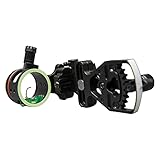
Overview: The Perogen single-pin sight offers a streamlined, machined aluminum solution for archers seeking reliability without complexity. Constructed from 100% CNC-machined aluminum with a .019-inch fiber optic pin, this lightweight sight provides essential adjustability through tool-free locking mechanisms. Its ambidextrous design and pre-installed blank scale tape make it accessible to shooters of all skill levels and hand orientations.
What Makes It Stand Out: This sight excels in universal accessibility, accommodating both left and right-handed archers without requiring separate models. The tool-free target locking device operates with silky-smooth precision and eliminates metal-on-metal contact for whisper-quiet adjustments. The integrated rheostat light allows brightness customization across varying conditions, while the pre-installed blank tape simplifies the sighting-in process for novices and experienced shooters alike.
Value for Money: As an entry-to-mid-level machined aluminum sight, the Perogen delivers substantial value. It provides core features typically found in premium models—CNC construction, rheostat lighting, and tool-free adjustments—at a budget-friendly price point. The ambidextrous capability effectively doubles its utility for households with multiple archers, eliminating the need for separate purchases.
Strengths and Weaknesses: Strengths include versatile ambidextrous design, truly silent operation, lightweight durability, and user-friendly tool-free adjustments. The pre-installed tape saves setup time. Weaknesses involve limited advanced features—no mention of axis adjustments, scope lens compatibility, or extended adjustment ranges that serious target archers require. The basic fiber housing may be more vulnerable to field damage than enclosed designs.
Bottom Line: The Perogen sight is an excellent choice for recreational archers, families, and budget-conscious hunters needing a reliable, versatile sight. While it lacks high-end refinements, its core functionality and ambidextrous design make it a practical, cost-effective solution for most shooting applications.
8. SOPOGER Archery Bow Sight for Compound Bows Target Hunting Single Pin or 5 Pin Bow Sight with 6X 1.75 Scope Lens Long Bar Right Hand for Quicker Sight Acquisition - Combos Available (1 Pin(6X)

Overview: The SOPOGER sight system targets serious archers with a CNC-machined aluminum platform offering both single-pin and five-pin configurations. This right-handed model includes a 6X magnification scope lens, delivering enhanced target acquisition for hunting and target shooting. With tool-free micro-adjustments, waterproof/fogproof construction, and an 8-inch extension bar, it provides professional-grade flexibility in challenging conditions.
What Makes It Stand Out: The integrated 6X scope lens sets this sight apart, eliminating separate purchases and ensuring optimal pin-to-lens alignment. The glow-in-the-dark aiming frame maintains visibility in extreme low light, while the engraved scales on adjustment knobs remove reliance on adhesive sight tapes that can peel or fade. Dual mounting positions on the extended bar accommodate varying peep sight heights and anchor points.
Value for Money: Including a quality scope lens at this price point represents exceptional value. Comparable setups often require $100+ in additional lens purchases plus mounting hardware. The robust CNC construction and weatherproofing ensure longevity, while the versatile configuration options adapt to both hunting and 3D target applications, maximizing return on investment across disciplines.
Strengths and Weaknesses: Strengths include the comprehensive lens-inclusive package, tool-free micro-adjustments with audible clicks, durable weatherproof construction, and flexible mounting options. The glow-in-dark frame is genuinely useful. Weaknesses are the right-hand-only limitation, potential weight increase from the scope lens, and complexity that may overwhelm beginners. The 8-inch bar may require larger stabilizers for proper balance.
Bottom Line: For intermediate to advanced archers wanting a complete, lens-ready system, the SOPOGER delivers exceptional versatility and value. Its professional features and included optics make it ideal for serious hunters and competitive target shooters seeking a one-purchase solution.
9. HNZMDY Compound Bow Sight Single Pin Bow Sight 0.019" Fiber 4X 6X 8X Lens Carbon Fiber Bar Micro Adjustable Bow Sights (Bow Sight)

Overview: The HNZMDY sight caters to precision-focused archers through its innovative carbon fiber extension bar and comprehensive six-direction adjustment system. This single-pin configuration features a .019-inch green fiber optic with micro-adjustable elevation and windage controlled via tool-free knobs. The carbon fiber construction reduces weight while maintaining rigidity, and the integrated quiver mount adds functional versatility for hunters.
What Makes It Stand Out: The six-direction adjustment capability—front/back/up/down/left/right with independent locking functions—provides unparalleled customization typically reserved for top-tier competition sights. The carbon fiber extension bar offers superior vibration dampening compared to aluminum while shaving ounces from your setup. Locking mechanisms prevent drift from vibration or impacts, maintaining zero across seasons of heavy use.
Value for Money: Positioned in the premium segment, the HNZMDY justifies its price through advanced materials and adjustability. Carbon fiber bars alone often cost $80-120 as upgrades, making this sight package cost-effective for shooters seeking these features. While lens must be purchased separately, the foundation supports 4X, 6X, and 8X optics, providing growth potential without requiring complete replacement.
Strengths and Weaknesses: Strengths include exceptional adjustability, lightweight carbon construction, positive locking systems, and integrated quiver mount compatibility. The tool-free micro-adjustments are precise and repeatable. Weaknesses involve the separate lens purchase requirement, complexity that may intimidate novice archers, and premium pricing that positions it above casual shooter budgets.
Bottom Line: The HNZMDY sight is ideal for serious hunters and competitive archers demanding maximum adjustability and premium materials. Its carbon fiber construction and six-way adjustment system deliver professional-grade performance, making it worth the investment for dedicated shooters who prioritize precision and customization.
10. Trophy Ridge Alpha React 1 Pin Sight .019, Black

Overview: The Trophy Ridge Alpha React 1 Pin Sight revolutionizes single-pin archery with its patented React Technology and innovative A-shaped pin design. This sleek black sight features a .019-inch fiber optic pin configured in an angular orientation that naturally guides the eye to the target. Built for hunters seeking technological advantages, it automatically calculates yardage markers after only two manual sight-in adjustments.
What Makes It Stand Out: React Technology eliminates tedious yardage tape creation by automatically generating accurate markers across your entire shooting range. The unique A-shaped pin maintains an unobstructed sight picture while the angular design subconsciously directs focus to the target. Third-axis leveling capability ensures precision at severe angles and extended distances, critical for tree stand hunters and mountain terrain.
Value for Money: As a premium Trophy Ridge product, the Alpha React commands a higher price but delivers time-saving technology that justifies the cost. The React system saves hours of trial-and-error sighting while providing confidence in yardage accuracy. For hunters who value simplicity and technological edge over manual calculations, this sight offers compelling value despite its premium positioning.
Strengths and Weaknesses: Strengths include groundbreaking React Technology, unique pin geometry that enhances target focus, reliable third-axis adjustment, and Trophy Ridge’s established quality reputation. The system dramatically simplifies sight setup. Weaknesses are the premium price point, potential durability concerns with the pin’s angular design, and the learning curve associated with trusting automated calculations. It lacks included lighting or lens compatibility.
Bottom Line: For tech-savvy hunters wanting to streamline their setup process, the Trophy Ridge Alpha React delivers unmatched convenience. Its innovative technology and thoughtful design make it a worthwhile investment for those prioritizing ease of use and accuracy, though traditionalists may prefer manual adjustment systems.
Why Single Pin Sights Dominate Precision Shooting
The Clarity Advantage
Single pin sights eliminate the visual clutter that plagues multi-pin configurations, giving your eye a single, crisp reference point against your target. This clarity becomes especially crucial during high-pressure moments when mental bandwidth shrinks and decision-making speed matters. Your brain processes one piece of information exponentially faster than five or seven competing pins, reducing the cognitive load that can introduce subtle form breakdowns at full draw.
Reduced Target Obstruction
When that animal of a lifetime fills your viewport or you’re aiming at a distant 3D target ring, the last thing you want is a forest of pins blocking your view. A single pin positions precisely where you need it, leaving the surrounding target area completely unobstructed. This transparency allows for better shot placement judgment, especially on angled shots or when targeting small vital zones. The minimal obstruction also improves your ability to read animal body language and wind conditions in real-time.
Mental Focus and Confidence
There’s profound psychological power in simplicity. Knowing exactly where your pin sits at any given moment builds an intuitive shooting rhythm that multi-pin setups struggle to replicate. You develop a muscle memory relationship with your sight tape or dial, turning yardage adjustment into a subconscious action. This mental clarity translates directly into confidence at full draw, and confidence remains the most underrated accuracy enhancer in archery.
Key Features to Evaluate in 2026 Models
Micro-Adjustable Windage and Elevation
Modern single pin sights feature tool-less micro-adjustments that let you dial in perfect zero with quarter-turn precision. Look for systems offering audible clicks and tactile feedback that prevent accidental shifts while allowing deliberate, measured changes. The best mechanisms provide both coarse and fine adjustment modes, enabling rapid initial setup followed by surgical refinement. Pay attention to the adjustment range—some sights offer 60+ minutes of angle correction, crucial for archers shooting extreme distances or using unconventional setups.
Fiber Optic Technology and Brightness
Today’s fiber optic collections have evolved beyond simple light-gathering rods. Advanced models now incorporate multiple fiber strands in varying diameters, creating a pin that remains visible from dawn through dusk without battery-powered illumination. The length of fiber wrapped around the sight housing directly correlates with brightness—longer wraps capture more ambient light. Some 2026 innovations include fiber management systems that protect delicate strands from snags while maximizing light transmission. Consider pin brightness that automatically scales with conditions rather than overwhelming your eye in bright sunlight.
Pin Size and Material Options
Pin diameters typically range from .010" to .029", with each size serving specific purposes. Thinner pins cover less target area at long range, enabling precise aiming on small targets. However, they can disappear against dark backgrounds or in low light. Thicker pins remain highly visible but may obscure small targets beyond 50 yards. Advanced materials like titanium and coated stainless steel offer durability without excessive weight. Some manufacturers now offer interchangeable pin kits, letting you customize based on shooting conditions or personal preference.
Dial-of-Death vs. Slider Mechanisms
The yardage adjustment system represents the heart of any single pin sight. Dial-of-death mechanisms feature large, knurled knobs with precise click adjustments and clear sight tapes. These excel in hunting scenarios where quick, quiet changes matter. Slider systems typically use a lever or button release, allowing faster gross adjustments but potentially sacrificing some precision. Evaluate the locking mechanism strength—nothing’s worse than your sight drifting mid-hunt. Consider models with zero-stop features that prevent dialing below your minimum pre-set distance.
Second and Third Axis Adjustments
Serious archers understand that axis alignment directly impacts accuracy, especially on steep uphill or downhill shots. Second axis adjustment levels your sight housing relative to your bow riser, ensuring your pin moves vertically on true plumb. Third axis adjustment tilts the sight housing toward or away from you, compensating for canting errors during angled shots. Look for sights offering tool-less third axis adjustment with clear reference marks. This feature becomes non-negotiable for mountain hunters and 3D archers who regularly face extreme shot angles.
Bubble Level Integration
A quality bubble level helps eliminate bow cant, a subtle form error that torpedoes accuracy at distance. Modern sights integrate levels into the sight housing or mount them on extended arms for better visibility. Illuminated levels using fiber optics or tritium prove invaluable during dawn and dusk hunts. Consider level size and positioning—too prominent and it distracts from your pin; too small and you can’t see it under pressure. Some advanced systems now offer cant correction directly through the sight mechanism itself.
Sight Housing and Guard Design
The housing protects your pin and provides a consistent reference frame for aiming. Larger diameters (around 2-3 inches) offer more light transmission and a bigger viewport but add weight. Smaller housings shave ounces but can feel cramped. Look for machined aluminum guards that protect fiber optic wraps without creating glare. Some designs incorporate windage marks or rangefinder brackets directly into the housing. The aperture shape—circular vs. square—comes down to personal preference, though most shooters prefer the natural feel of a round viewport.
Material Construction and Durability
2026’s premium sights leverage aircraft-grade aluminum alloys, carbon fiber components, and stainless steel hardware to create structures that withstand years of field abuse without weighing down your setup. Evaluate anodizing quality—Type III hard coat anodizing resists scratches and corrosion far better than standard finishes. Check all connection points and adjustment screws for metal-on-metal contact; plastic components in high-stress areas signal compromise. Water-resistant designs with sealed adjustment mechanisms maintain smooth operation through rain, snow, and dust.
Matching Your Sight to Your Shooting Style
Hunter vs. Target Archer Considerations
Hunters prioritize speed, durability, and low-light performance. You need a sight that adjusts silently, locks securely, and remains visible during legal shooting hours’ bookends. Target archers, conversely, value infinite adjustability, magnification compatibility, and precise repeatability above all else. Consider your primary application before falling for features that sound impressive but serve no purpose in your world. A 3D shooter might love micro-click adjustments, while a tree stand hunter needs rapid yardage changes without looking away from their quarry.
Fixed vs. Movable Pin Configurations
While this guide focuses on movable single pins, some archers prefer a fixed pin set to a specific distance with a floater pin for longer shots. This hybrid approach works well for hunters who take most shots within a narrow window but want insurance for that occasional long-range opportunity. Evaluate whether you want true single-pin simplicity or a modified system offering backup references. The fixed pin can serve as a rangefinding aid or provide confidence during rushed shots.
Yardage Adjustment Speed
Consider how quickly you can move from 20 to 60 yards and back again. Some dials require multiple full rotations, while others use rapid-travel mechanisms covering the same range in half a turn. Test the effort required—stiff adjustments fatigue your hand and create noise, while overly loose settings risk accidental movement. The knob’s position matters too; side-mounted dials offer better leverage but can snag on brush, while front-mounted versions stay cleaner but may require more dexterity to operate.
Low-Light Performance Needs
If you hunt during prime time, prioritize sights with exceptional fiber optic brightness and optional battery-powered illumination. Some models feature rheostat-controlled LED backlighting that floods the pin without creating halo effects. Consider how well the sight tape or yardage markings remain visible in darkness—glow-in-the-dark or tritium-illuminated tapes prove invaluable. The housing color matters too; black blends into low-light conditions, while silver or camo patterns can provide subtle contrast.
Installation and Setup Fundamentals
Mounting Systems and Compatibility
Most modern sights attach via standard 10-32 screws to your bow’s sight mounting holes, but variations exist. Check the sight’s mounting bracket design—some offer extended rails for better peep sight alignment, while others sit close to the riser for a compact profile. Ensure the sight clears your stabilizer and quiver without interference. Consider whether you need a sight that can be quickly removed for transport or one that stays permanently mounted. The mounting system’s rigidity directly impacts your sight’s ability to hold zero.
Peep Sight Alignment
Your single pin sight must align perfectly with your peep sight for consistent accuracy. Start by setting your peep at the proper height—at full draw, you should see the entire sight housing centered without straining your neck. The sight housing should fill approximately 80% of your peep aperture, creating a consistent sight picture. Use a bow vise and level to ensure both your bow and sight are perfectly vertical during initial alignment. Take time with this step; a misaligned peep-sight relationship introduces torque and inconsistency.
Initial Sighting-In Process
Begin at close range (10 yards) to establish windage alignment, then move to 20 yards for initial pin setting. Use a large target to ensure you hit paper while making gross adjustments. Once close, shoot multiple arrow groups between adjustments—single pin sights respond to small changes, and patience prevents over-correction. Document every adjustment direction and amount; this creates a reference if you need to return to previous settings. Consider using a laser bore sighter for initial alignment, though nothing replaces actual arrow flight verification.
Tuning for Maximum Accuracy
After basic zeroing, fine-tune your sight by shooting at multiple distances to verify linear pin movement. Shoot groups at 20, 40, and 60 yards—if your arrows drift left or right as distance increases, you likely have a second or third axis issue. Use a bow square and level to verify all alignments. Once mechanically perfect, create a custom sight tape by shooting actual distances rather than relying on factory markings. Every bow setup is unique, and personalized tapes deliver unmatched precision. Test your tape at odd distances like 27 or 53 yards to verify consistency.
Maintenance and Longevity Tips
Regular Cleaning Protocols
Dust, pollen, and moisture degrade performance over time. Clean your sight housing weekly during heavy use with a soft brush and compressed air. Avoid harsh chemicals that can damage fiber optics or anodizing. Wipe adjustment knobs with a damp cloth to remove grime that could work its way into mechanisms. Inspect all screws and connections monthly, tightening to manufacturer specifications. A small amount of removable thread locker on critical fasteners prevents vibration-induced loosening without creating permanent bonds.
Fiber Optic Care
Fiber optic strands are surprisingly durable but vulnerable to kinking and abrasion. Never pull or twist exposed fiber during cleaning. If strands become dirty, use a cotton swab moistened with isopropyl alcohol, working from the housing toward the pin tip. Inspect fiber wraps regularly for breaks—partial breaks reduce brightness and require immediate attention. Some sights allow fiber replacement; keep spare fiber kits in your tackle box. Protect fiber tips from direct sunlight when storing your bow, as UV degradation dulls brightness over time.
Mechanical Component Lubrication
Adjustment mechanisms need occasional lubrication to maintain smooth operation. Use a dry graphite lubricant on metal-on-metal contact points—wet oils attract dust and create grinding paste. Apply sparingly with a precision applicator, working the adjustment back and forth to distribute evenly. Never lubricate fiber optic channels or around the pin itself. Check manufacturer recommendations; some sealed systems require no lubrication. Over-lubrication causes more problems than under-lubrication, so exercise restraint.
Storage Best Practices
Store your bow with the sight protected from impact and pressure. Use a padded case that supports the sight housing without pressing on adjustment knobs. Release tension from the sight’s locking mechanisms during long-term storage to prevent spring fatigue. Keep desiccant packs in your case to control moisture, especially in humid climates. Never leave your bow in direct sunlight or extreme temperatures—heat can warp sight tapes and degrade fiber optics. If removing the sight for storage, mark its exact position with witness marks to simplify reinstallation.
Frequently Asked Questions
What exactly is a single pin bow sight and how does it work?
A single pin bow sight uses one movable aiming reference that you adjust to match your target’s exact distance. Unlike multi-pin sights with fixed yardage markers, you dial your estimated or ranged distance into the sight mechanism, positioning the pin precisely where you need it. This eliminates pin-gapping and mental calculations, giving you one clear focal point for every shot.
Why would I choose a single pin over a multi-pin sight?
Single pins offer unmatched clarity and precision for shooters comfortable ranging and adjusting. They remove visual clutter, allowing you to see more of your target and surroundings. The mental simplicity of one reference point builds confidence and consistency. However, they require more time to adjust between shots, making them better suited for deliberate shooting situations rather than fast-paced hunting scenarios with multiple targets.
How quickly can I adjust yardage in a hunting situation?
With practice, most hunters can adjust from 20 to 40 yards in 2-3 seconds silently. The key is pre-setting your sight tape and developing muscle memory with your specific dial. Some hunters mark common distances with tactile reference points on their dial. Speed comes from familiarity, so practice adjustments during off-season shooting sessions until it becomes automatic.
What pin size works best for most situations?
The .019" pin diameter offers the best compromise for most archers—visible enough for hunting in low light while fine enough for precise target shooting. If you primarily hunt in thick cover at close range, consider .029" for maximum visibility. Dedicated long-range target shooters often prefer .010" or .015" pins that obscure minimal target area at 80+ yards.
Can I use a single pin sight for 3D archery competitions?
Absolutely. Many top 3D shooters prefer single pins for their precision and unobstructed view of scoring rings. The key is developing a rapid adjustment system and memorizing your sight tape. Some competitors use modified tapes with yardage marked in 5-yard increments for faster dialing. Practice estimating distances and adjusting quickly to stay competitive.
How do I maintain my sight’s zero during rough hunting conditions?
Choose a sight with robust locking mechanisms and witness mark all adjustments. Check zero after any significant impact or drop. Use blue thread locker on mounting screws. Consider a sight with a built-in level to detect if your bow has been knocked out of alignment. Many hunters carry a small Allen wrench to verify tightness before each hunt.
What’s the learning curve when switching from multi-pin to single pin?
Most archers adapt within 2-3 weeks of regular practice. The biggest adjustment is developing the habit of ranging and dialing before every shot. Start by shooting at known distances to build trust in your adjustments. Practice unknown distance estimation to sharpen your ranging skills. The mental shift from “pin selection” to “yardage dialing” feels awkward initially but quickly becomes second nature.
Are illuminated pins worth the extra cost?
For hunters who regularly shoot during dawn and dusk, absolutely. Modern fiber optics gather ample light in most conditions, but battery-powered illumination provides consistent brightness regardless of ambient light. Look for rheostat-controlled illumination with auto-shutoff features to conserve battery life. Target shooters rarely need illumination since competitions occur in controlled lighting.
How do I create a custom sight tape for my setup?
Shoot groups at known distances from 20 to 60 yards in 10-yard increments, marking where your pin actually needs to sit for each distance. Transfer these marks to blank tape, connecting them with a smooth curve. Many archers use software or mobile apps to generate precise tapes after inputting their measured data. Always verify your tape by shooting intermediate distances before trusting it completely.
What’s the typical lifespan of a quality single pin sight?
With proper maintenance, a premium single pin sight lasts 5-10 years of hard use. Fiber optics may need replacement every 2-3 years depending on sun exposure. Adjustment mechanisms remain reliable indefinitely if kept clean and properly lubricated. The weak link is often the sight tape, which may need replacement every few seasons as it fades or wears. Invest in a sight with replaceable components rather than disposable construction.