Table of Contents
Whether you’re drawing back on a mature buck at 30 yards or sending arrows downrange during 3D target season, the connection between your release hand and bowstring is sacred. Every serious archer knows that fraction-of-an-inch precision starts with feel, and nothing destroys that tactile feedback faster than bulky, poorly designed gloves. Fingerless hunting gloves have emerged as the go-to solution for bowhunters who refuse to compromise between protection and performance, offering that critical bare-skin contact while shielding your palms from cold, abrasion, and the elements.
As we look toward the 2026 hunting season, the evolution of glove technology continues to accelerate, with new materials and designs pushing the boundaries of what’s possible in archery accessories. But with countless options flooding the market, separating genuinely innovative features from marketing fluff becomes increasingly challenging. This comprehensive guide cuts through the noise, focusing on the essential characteristics that truly matter when selecting fingerless gloves that will enhance—not hinder—your shooting accuracy when it matters most.
Top 10 Fingerless Hunting Gloves
Detailed Product Reviews
1. North Mountain Gear Camo Hunting Gloves - Fingerless - Mossy Oak Bottomland
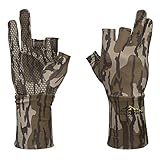
Overview: These fingerless hunting gloves target early-season hunters needing maximum dexterity for bow and firearm handling. Featuring the popular Mossy Oak Bottomland camouflage pattern, they blend effectively into woodland environments across multiple seasons. The polyester-spandex blend delivers a flexible, lightweight feel that keeps hands cool during warm early-season hunts while maintaining essential tactile feedback for precise shooting.
What Makes It Stand Out: The Sure Grip textured palm technology provides exceptional traction on weapons and gear, even when wet or muddy—a critical feature during crucial moments. The photo-realistic Mossy Oak Bottomland pattern offers superior concealment compared to generic camo prints. Designed specifically for warm-weather hunting, these gloves prioritize breathability and tactile sensitivity over insulation, making them ideal for deer and turkey hunts in temperate conditions where overheating is a concern.
Value for Money: Positioned in the budget-friendly category, these gloves deliver specialized hunting features without premium pricing. The polyester construction ensures durability through multiple seasons, while the universal sizing approach simplifies purchasing. Compared to specialized archery gloves costing twice as much, they offer comparable grip performance at a fraction of the price, making them accessible for hunters outfitting entire families.
Strengths and Weaknesses: Strengths include excellent grip texture, effective camouflage, lightweight breathability, and shooting flexibility. Weaknesses involve limited warmth for late-season hunts, one-size-fits-most may prove too large for smaller hands, and fingerless design leaves fingers exposed to elements and insects. The 94% polyester construction prioritizes durability over natural fiber comfort.
Bottom Line: Perfect for early-season bowhunters and gun hunters prioritizing dexterity and grip security. These gloves excel in warm weather but won’t replace insulated options when temperatures drop. A smart, affordable addition to any hunter’s kit that solves the early-season overheating problem effectively.
2. Merino Wool Fingerless Gloves - Hunting and Fishing Liner - Half Finger Warm Knitted Gloves - Olive Drab Large

Overview: These merino wool fingerless gloves serve as versatile liners or standalone handwear for cold-weather outdoor activities. Constructed from 90% merino wool with nylon and elastic reinforcement, they deliver natural temperature regulation and moisture-wicking performance. The olive drab color provides subtle styling suitable for hunting, fishing, and everyday winter wear while maintaining a low-profile fit under outer layers.
What Makes It Stand Out: The premium merino wool composition offers unmatched comfort next to skin, naturally managing moisture and odor during extended use. Their slim profile excels as a liner under heavier gloves or mittens, while remaining functional alone in mild conditions. The fingerless design maintains crucial dexterity for handling fishing gear, tools, or touchscreen devices without removal, solving the common problem of choosing between warmth and functionality.
Value for Money: Merino wool products typically command premium prices, but these gloves balance quality and affordability. They effectively replace disposable handwarmers and synthetic liners that lack breathability. The durability of the wool-nylon blend ensures seasons of use, making them more economical than cheaper alternatives that pill and stretch permanently after minimal use.
Strengths and Weaknesses: Strengths include superior comfort, excellent moisture management, versatile layering capability, and natural odor resistance. Weaknesses involve limited protection as a standalone in extreme cold, potential for faster wear in high-abrasion areas like fingertips, and requiring careful washing to maintain shape. The fingerless design inherently sacrifices some warmth for dexterity.
Bottom Line: An essential layering piece for serious outdoorsmen. These merino liners provide exceptional comfort and versatility for hunting, fishing, or daily winter activities. Pair with insulated outer gloves for maximum effectiveness in harsh conditions, or wear alone during high-exertion activities in cool weather.
3. Carhartt Mens Hunt Fleece Camo Flip Mitten Cold Weather Gloves, Xtra Brown, XX-Large US

Overview: Carhartt’s convertible flip mitten combines the warmth of fleece with the versatility of fingerless gloves for cold-weather hunting. The Xtra Brown camouflage pattern provides effective concealment, while the fleece shell delivers insulation. A synthetic palm reinforcement adds durability where it matters most, and the magnetic flip closure secures the mitten cap when not in use, preventing flapping and noise.
What Makes It Stand Out: The ingenious flip-mitten design offers the best of both worlds—full warmth during inactive periods and exposed fingers for shooting or gear manipulation. Carhartt’s reputation for rugged workwear translates into reinforced construction at stress points like the thumb saddle. The magnetic closure system operates silently and reliably, unlike Velcro alternatives that can spook game when opened or closed during critical moments.
Value for Money: Carhartt commands a mid-to-premium price point, justified by superior construction and brand reliability. These gloves eliminate the need to carry separate mittens and fingerless gloves, effectively providing two products in one. The durability ensures multiple seasons of use, offering better long-term value than cheaper convertible options that fail at seams or lose magnets after minimal use.
Strengths and Weaknesses: Strengths include excellent warmth retention, versatile flip design, silent magnetic closure, and reinforced high-wear areas. Weaknesses involve bulkiness that may interfere with some trigger guards, fleece can be noisy when brushing against gear or vegetation, and limited dexterity even with fingers exposed. The XX-Large sizing may be too generous for average-sized hands.
Bottom Line: Ideal for stationary hunters in cold climates who need periodic dexterity for shooting. The flip-mitten design solves the warmth-vs-control dilemma effectively. Choose these for late-season deer stands or waterfowl blinds where warmth is paramount, but be prepared for some bulk when handling fine equipment.
4. Favuit Camouflage Hunting Gloves, Lightweight Anti-Slip Full Finger Fingerless Touchscreen Camo Gloves Outdoor Tactical Hunting Gear Archery Accessories for Turkey Fishing Airsoft (Black L)

Overview: Favuit’s innovative gloves feature a three-finger convertible design, allowing hunters to switch between full coverage and fingerless function for thumb, index, and middle fingers. Constructed from lightweight polyester with realistic camouflage, they target hunters, archers, and tactical enthusiasts. The black L size accommodates most adult male hands, while silicone mesh palms ensure secure grip on weapons and equipment.
What Makes It Stand Out: The adjustable finger design offers unprecedented versatility—cover fingers for warmth and concealment, then expose them for precise bow release or touchscreen operation without removing the entire glove. Anti-slip silicone palm printing provides superior grip compared to traditional textured materials. Touchscreen compatibility adds modern convenience for GPS and smartphone use in the field, eliminating the need to expose hands to cold.
Value for Money: These gloves pack premium features—convertible design, touchscreen capability, and reinforced construction—at a competitive mid-range price. They effectively replace multiple specialized gloves, serving hunters, anglers, and airsoft players. The polyester build ensures durability while keeping costs reasonable, offering better value than buying separate gloves for each activity.
Strengths and Weaknesses: Strengths include versatile finger configuration, excellent grip, touchscreen functionality, multi-sport applicability, and reinforced cuff stitching. Weaknesses involve polyester’s limited breathability compared to natural fibers, potential sizing issues between M and L options, and insufficient insulation for extreme cold or extended stationary hunting. The black camo may not suit all environments.
Bottom Line: A versatile, tech-forward option for hunters needing flexibility. The convertible finger design adapts to changing conditions and activities seamlessly. Best for mild to cool weather hunting, archery, and outdoor photography where dexterity and grip are priorities. The touchscreen feature alone makes them worth considering for modern hunters.
5. Riverruns Wool Fingerless Gloves for Men Women, Anti-Slip with Grip Print, Thermal & Soft Winter Fingerless Knitted Gloves for Cold Weather, Hunting Fishing Hiking Kayaking (Coffee, S/M)

Overview: Riverruns blends merino wool with anti-pilling acrylic to create thermal fingerless gloves prioritizing warmth and dexterity. The coffee-colored S/M size features windproof cuffs and anti-slip grip dots, targeting outdoor enthusiasts across multiple disciplines. Seamless knit construction enhances comfort while allowing easy layering under waterproof shells for comprehensive weather protection.
What Makes It Stand Out: The merino-acrylic blend combines natural wool’s temperature regulation with synthetic durability and washability. Strategic grip dots on the palm provide secure handling of fishing rods, cameras, and tools in wet conditions—crucial for kayaking and fishing applications. The windproof cuff design effectively seals out drafts, extending comfort range in blustery conditions better than standard ribbed cuffs.
Value for Money: These gloves offer merino wool performance at an accessible price point by blending in acrylic. They function as standalone gloves in cool weather and excellent liners in winter, eliminating need for separate purchases. The durable construction withstands regular outdoor use, providing better value than pure merino options requiring delicate care and prone to premature wear.
Strengths and Weaknesses: Strengths include effective windproof cuffs, superior grip dots, four-way stretch comfort, moisture-wicking properties, and versatile sizing. Weaknesses involve fingerless design limiting extreme cold protection, S/M size may prove small for larger hands, and blended wool less soft than pure merino against sensitive skin. The coffee color shows dirt easily.
Bottom Line: Excellent for active outdoor pursuits requiring finger dexterity in cool conditions. The windproof cuffs and grip features make them particularly suitable for fishing, kayaking, and photography. Layer them for winter hunting or wear alone during transitional seasons when full-fingered gloves would cause overheating.
6. Mcguire Gear Wool Fingerless Gloves – GI Half Finger Wool Glove Inserts, Warm Glove Liners for Hunting, Hiking & Cold Weather Glove Inserts, Brown, Made in the USA

Overview: The Mcguire Gear Wool Fingerless Gloves represent classic military-inspired design crafted for modern outdoor enthusiasts. These Made in USA half-finger gloves serve as excellent standalone liners or independent handwear for activities demanding precision in cold conditions. Constructed from quality wool, they provide essential warmth while keeping fingertips exposed for unrestricted movement, making them ideal for everything from equipment handling to outdoor sports.
What Makes It Stand Out: The authentic GI-style design and domestic manufacturing set these apart in a market flooded with imports. The pure wool construction offers natural insulation and moisture-wicking properties that synthetic materials struggle to replicate. Their versatility as both liners and primary gloves provides exceptional adaptability across seasons and activities. The fingerless design specifically protects palms and knuckles while preserving tactile sensitivity critical for tasks like typing, shooting, or tool manipulation.
Value for Money: Priced competitively for American-made wool apparel, these gloves deliver substantial value. Wool’s natural durability and odor resistance means they’ll outlast cheaper acrylic alternatives, justifying the modest premium. They effectively replace both standalone fingerless gloves and liner systems, offering two-in-one functionality that saves money long-term.
Strengths and Weaknesses: Strengths include superior warmth-to-weight ratio, genuine Made in USA quality, versatile layering capability, and natural odor control. The fingerless design maximizes dexterity while protecting key hand areas. Weaknesses involve wool’s limited water resistance and potential itchiness for sensitive skin. They lack advanced grip features and provide minimal fingertip protection against abrasion or cold.
Bottom Line: These gloves excel for users prioritizing warmth, durability, and dexterity in dry, cold conditions. They’re particularly valuable for hunters, hikers, and workers needing finger mobility without sacrificing core hand warmth. The Made in USA quality and wool performance make them a worthwhile investment for serious outdoor enthusiasts.
7. Riverruns Winter Fishing Gloves Convertible Mittens Fingerless for Men Women, Ideal for Ice Fishing, Photography, Hunting, Autumn Forest, XL

Overview: The Riverruns Winter Fishing Gloves solve the classic cold-weather dilemma: warmth versus dexterity. These convertible mittens transform into fingerless gloves via a flip-top design, making them ideal for ice fishing, photography, hunting, and other winter pursuits. With water-resistant construction and fleece lining, they’re engineered for temperatures at or above freezing, providing practical hand protection without constant removal.
What Makes It Stand Out: The innovative convertible design stands out as the primary feature, allowing instant transition from maximum warmth to full finger access. The secure hook-and-loop closure keeps the mitten top in place when open, preventing interference. Water-resistant fabric with windproof properties, combined with anti-slip synthetic leather palms featuring silicone printing, creates a technical glove ready for demanding outdoor work.
Value for Money: These gloves offer excellent value by essentially providing two products in one. Competitive pricing against single-purpose winter gloves makes the versatility particularly attractive. The reinforced construction in high-wear areas like the thumb-index finger junction suggests durability that extends the investment’s lifespan through multiple seasons.
Strengths and Weaknesses: Strengths include exceptional versatility, effective water resistance, secure grip in wet conditions, and extended cuffs that seal out elements. The fleece lining provides comfortable warmth without excessive bulk. Weaknesses center on the 32°F temperature limitation—insufficient for extreme cold—and potential bulkiness compared to dedicated fingerless options. The convertible mechanism may wear over time with heavy use.
Bottom Line: Perfect for winter anglers, photographers, and outdoor workers who constantly alternate between warmth and finger access. The convertible design eliminates the frustration of removing gloves repeatedly, while water-resistant protection keeps hands functional in light precipitation. A smart choice for moderate winter conditions.
8. Nomad Mens Fingerless Turkey Glove | Camo Fingerless Hunting Glove, Mossy Oak Bottomland, Medium/Large

Overview: The Nomad Mens Fingerless Turkey Glove delivers specialized performance for serious hunters. Designed specifically for turkey hunting, these Mossy Oak Bottomland camo gloves prioritize concealment while maintaining critical dexterity for calling and equipment handling. The moisture-wicking fabric keeps hands dry during active hunts, while the exposed thumb and pointer finger enable precise trigger and call control.
What Makes It Stand Out: Hunter-driven design distinguishes these from generic fingerless gloves. The specific Mossy Oak Bottomland pattern provides industry-leading concealment in woodland environments. Hydrophobic material actively transports moisture away from skin—a crucial feature during spring turkey season when temperatures fluctuate. The gusseted finger design with grippy palm ensures secure weapon and gear handling without compromising tactile sensitivity.
Value for Money: As a niche hunting product, these command a slight premium over basic fingerless gloves. However, the specialized camouflage, moisture management technology, and hunter-specific features justify the cost for dedicated turkey hunters. The durability of materials ensures they’ll survive multiple seasons of rigorous field use.
Strengths and Weaknesses: Strengths include superior camouflage integration, excellent moisture control, targeted finger exposure for maximum dexterity, and specialized grip enhancement. They’re lightweight and packable. Weaknesses involve limited versatility outside hunting contexts and minimal warmth for cold-weather use. The partial finger coverage leaves more hand exposed than traditional fingerless designs, potentially increasing abrasion risk.
Bottom Line: An essential piece for turkey hunters needing stealth and precision. The Nomad gloves excel where generic alternatives fail, providing purpose-built features that enhance hunting success. While not ideal for general cold-weather use, they represent the best specialized option for their intended application.
9. EAmber Camouflage Hunting Gloves Fingerless Gloves Pro Anti-Slip Sun Protection Lightweight Fishing Archery Accessories Hunting Outdoors (M)

Overview: The EAmber Camouflage Hunting Gloves offer lightweight, breathable hand protection for warm-weather outdoor activities. These fingerless gloves feature a three-finger design that exposes thumb, index, and middle fingers for enhanced touchscreen and equipment compatibility. The polyester construction with silicone grip patterns provides a budget-friendly option for hunters, anglers, and archers seeking basic hand protection without thermal insulation.
What Makes It Stand Out: The selective three-finger exposure provides more comprehensive coverage than standard fingerless designs while maintaining critical dexterity. The mesh anti-slip silicone palm offers secure grip across various equipment types. Available in two sizes with clear measurement guidelines, these gloves address the common sizing confusion in online glove purchases. Their versatility across numerous activities from paintball to wildlife photography makes them unusually adaptable.
Value for Money: Extremely affordable pricing positions these as an excellent entry-level option. While lacking premium materials or advanced features, they deliver essential functionality at a fraction of costlier alternatives. For seasonal users or those needing multiple pairs, the low price point enables easy replacement when worn.
Strengths and Weaknesses: Strengths include lightweight breathability, effective anti-slip grip, versatile camouflage pattern, and exceptional affordability. The three-finger design balances protection with access. Weaknesses involve thin material offering minimal protection against abrasion or cold, limited durability compared to reinforced options, and sizing that may run small for larger hands. They’re unsuitable for cold weather.
Bottom Line: Ideal for warm-weather pursuits where grip and minimal protection matter more than warmth or durability. These gloves serve budget-conscious outdoor enthusiasts well for hunting, fishing, and shooting in mild conditions. Consider them disposable gear for rough use rather than long-term investments.
10. HYCOPROT Fingerless Gloves, Protective Breathable Lightweight Outdoor Gloves for Hunting, Motorcycling, Climbing (M, Green Camo)

Overview: The HYCOPROT Fingerless Gloves prioritize protection and durability for demanding outdoor activities. Constructed from 100% knitted nylon with strategic cushioning, these gloves defend hands against impacts and abrasions while maintaining breathability. The adjustable wrist closure and quick-detach finger design enhance functionality for motorcycling, climbing, and hunting where rapid removal and secure fit are essential.
What Makes It Stand Out: The thickened cushion and palm protection pad system offers superior impact absorption compared to standard fingerless gloves. The quick-detaching finger joint design allows instant removal without struggling with tight fits—a unique feature for safety-conscious users. Windproof nylon construction provides weather resistance while maintaining lightweight profile. The magic sticker wrist adjustment ensures personalized fit security across various activities.
Value for Money: Mid-range pricing reflects the specialized protective features and durable nylon construction. While more expensive than basic options, the reinforced padding and unique quick-release design justify the cost for users in high-impact activities. The longevity of nylon material enhances long-term value.
Strengths and Weaknesses: Strengths include excellent impact protection, adjustable fit, quick removal capability, windproof performance, and versatile camouflage pattern. The nylon material resists tearing and abrasion. Weaknesses involve reduced breathability compared to natural fibers, potential bulkiness from padding that may decrease fine dexterity, and limited thermal properties for cold weather. The fingerless design still exposes fingertips to injury.
Bottom Line: Best suited for activities where hand protection trumps absolute dexterity. Motorcyclists, climbers, and hunters navigating rough terrain will appreciate the padding and durability. The quick-detach feature adds safety value. While not ideal for fine motor tasks or cold conditions, they excel in protective performance for moderate environments.
Why Fingerless Gloves Dominate Modern Archery
The Science Behind Tactile Release Consistency
Your fingertips contain thousands of mechanoreceptors that communicate pressure, texture, and temperature directly to your brain. When you anchor and release a bowstring, this neural feedback loop allows micro-adjustments that happen faster than conscious thought. Full-finger gloves create a barrier that dulls this sensitivity, while bare fingers expose you to cold, injury, and scent contamination. Fingerless designs split the difference perfectly, protecting the hand’s meaty palm areas while leaving those critical digits free to feel every nuance of your release aid or tab.
Temperature Regulation Without Sacrifice
Hunting seasons stretch from early September heat to late December freezes. Fingerless gloves excel across this temperature spectrum by allowing your digits—your body’s natural thermostats—to regulate themselves while keeping your core hand temperature stable. This prevents the sweaty palms that cause slippage in warm weather and the stiff, clumsy fingers that result from overheating in cold conditions. The result is consistent dexterity whether you’re perched in a late-season treestand or stalking through early-season foliage.
Material Technology: What Separates Premium from Problematic
Leather Varieties and Performance Grades
Not all leather performs equally in archery applications. Premium goatskin offers exceptional tensile strength while remaining thin enough for maximum feel, making it ideal for palm panels where you grip your bow. Deerskin provides superior softness and conforms beautifully to hand contours, though it sacrifices some durability. Pigskin, often overlooked, delivers excellent abrasion resistance and actually improves with repeated wetting and drying—a huge advantage for hunters in variable weather. Avoid thick cowhide or split leathers that create bulk where you need precision.
Synthetic Innovations Worth Your Attention
Modern technical fabrics have closed the gap with natural materials in many respects. Conductive synthetic leather blends allow touchscreen compatibility without sacrificing grip texture. Four-way stretch nylon-spandex hybrids create seamless movement zones across knuckles and between fingers. Advanced microfiber suedes deliver grip performance that rivals natural leather while drying exponentially faster. The key is strategic placement—synthetics excel in moisture-wicking zones, while leather belongs in high-wear grip areas.
Hybrid Construction: Best of Both Worlds
The most sophisticated fingerless gloves now combine materials strategically. You’ll find leather reinforcement patches precisely placed at the thumb crotch and palm heel where bow torque occurs, surrounded by breathable synthetic mesh on the back of the hand. Some designs incorporate neoprene wrist cuffs for weather sealing while maintaining leather palms for grip integrity. This material mapping ensures each hand zone gets exactly what it needs—protection, breathability, stretch, or durability—without compromise.
Critical Design Elements for Archery Performance
Finger Opening Engineering and Placement
The geometry of finger openings dramatically impacts performance. Premium gloves position cuts precisely at the first knuckle, allowing full finger flexion while maximizing protected palm area. Look for bound or welded edges that won’t fray or curl after repeated washing. The opening width matters too—too narrow and you’ll have circulation issues; too wide and material bunches under your knuckles, creating pressure points during long draws. Articulated patterning that mirrors your hand’s natural resting curve prevents the “claw hand” feeling of flat-patterned gloves.
Palm Grip Texture and Patterning
Your bow hand’s pressure point sits at the base of your thumb and across your palm heel. Superior gloves employ multi-zone grip textures here—aggressive silicone or rubberized patterns at the thumb crotch for torque control, with smoother surfaces across the main palm to allow subtle bow angle adjustments. Avoid gloves with grip material extending to finger openings, as this can interfere with your release hand’s anchor points. The best designs use laser-etched or heat-pressed textures that become tackier when wet from rain or perspiration.
Wrist Closure Systems That Maintain Zero-Slip Fit
A glove that shifts mid-draw is a recipe for inconsistency. Modern closure systems have evolved beyond simple Velcro straps. Micro-adjust buckles allow one-handed tension tuning while maintaining a low profile that won’t catch on sleeves. Elasticized neoprene cuffs with integrated cinch cords distribute pressure evenly without creating hot spots. Some advanced designs use magnetic Fidlock closures that engage silently—a crucial feature when drawing on alert game. The closure should secure the glove firmly to your hand’s narrowest point without restricting wrist flexion during full draw.
Weather-Specific Performance Factors
Cold Weather Insulation Strategies
Late-season hunts demand warmth without bulk. PrimaLoft Gold insulation packs into thin layers while retaining 98% of its insulating value when wet, making it superior to down for hunting applications. Thinsulate Flex offers similar warmth with added stretch properties. The key is zoned insulation—concentrated on the back of the hand where wind hits, with minimal to no insulation in the palm to maintain bow feel. Some designs incorporate a windproof membrane layer that blocks gusts while remaining breathable enough to prevent moisture buildup during active stalks.
Wet Weather Waterproofing Essentials
Waterproof-breathable membranes like Gore-Tex Infinium or proprietary house-brand equivalents belong on the glove’s backhand, not the palm. Palm waterproofing creates a slick, inconsistent surface that destroys grip confidence. Instead, look for water-resistant leather treatments like waxed oil finishes or synthetic hydrophobic coatings that maintain texture when damp. Taped seams at finger openings prevent water ingress while articulated drainage points allow moisture to escape from the palm area. Quick-dry linings become crucial—wet leather against skin for hours leads to maceration and loss of dexterity.
Hot Weather Ventilation Architecture
Early-season hunts in 70+ degree temperatures require aggressive ventilation. Laser-perforated leather panels allow air circulation without compromising structural integrity. Mesh inserts mapped to high-sweat zones—the webbing between fingers and the backhand’s center—evacuate moisture before it pools. Some designs incorporate silver ion or copper antimicrobial treatments that prevent odor-causing bacteria growth during multi-day hunts. The lightest options use minimalist construction, eliminating any non-essential material to create a second-skin feel that you’ll forget you’re wearing.
Precision Fit and Sizing Methodology
Accurate Hand Measurement Techniques
Forget generic S/M/L sizing. Precision archery demands specific measurements. Measure your dominant hand’s circumference at the knuckles (excluding thumb) and your hand length from wrist crease to middle fingertip. Compare these to manufacturer size charts, but also consider your finger diameter—thick fingers may need the next size up even if palm measurements suggest otherwise. Some premium manufacturers offer “archer-specific” fits with proportionally longer palms and shorter finger openings optimized for release consistency.
The Break-In Timeline Reality
Even the best gloves require a break-in period. Quality leather palms will feel slightly stiff for the first 10-15 practice sessions, gradually molding to your hand’s unique contours. Plan to purchase gloves at least a month before season opens, wearing them during practice sessions to accelerate the process. Synthetic gloves typically break in within 2-3 sessions but may stretch slightly over time—consider sizing down if between sizes. During break-in, focus on shooting your full draw weight to ensure the glove performs under actual hunting conditions, not just casual plinking.
Adjustability Features for Custom Fit
Look for gloves with multiple adjustment points. Independent wrist and forearm straps allow you to fine-tune compression. Some designs feature stretch panels at the knuckles that accommodate hand swelling during long sits. Articulated thumb construction with adjustable base straps prevents the thumb from shifting—a subtle but critical detail that affects anchor consistency. Gloves with removable finger liners offer versatility, letting you adapt to temperature swings throughout the day without changing gloves entirely.
Concealment and Stealth Considerations
Camouflage Pattern Selection for Your Region
Your gloves’ camo pattern must match your primary hunting environment, but consider how your hands move. When drawing, your palm faces you while the backhand faces the deer. Patterns with high contrast between palm and backhand can create visual movement. Opt for designs with muted palm tones and more aggressive backhand patterns. For ground blind hunters, solid earth tones often outperform camo since blinds break up outlines. Treestand hunters benefit from patterns with vertical elements that match trunk bark and canopy foliage.
Noise Reduction Engineering
The sound of Velcro ripping in dead-calm conditions can spook game at 40 yards. Premium gloves now use silent magnetic closures, low-decibel zipper pulls, or simple slip-on designs with elastic retention. Leather-on-leather contact points should be suede-finished to eliminate squeaking. Avoid gloves with plastic hardware anywhere near finger openings—when cold, these can click against your release aid. Test gloves in quiet conditions by mimicking drawing and anchor motions, listening for any material-on-material sounds that could betray your position.
Scent Control Integration
Your hands produce significant odor through sweat and skin cells. Advanced gloves incorporate activated carbon liners, silver ion treatments, or zeolite-based scent-adsorbing fabrics. The most effective designs treat only the palm and inner surfaces, leaving outer layers untreated to avoid interfering with natural cover scents. Some hunters prefer unscented gloves they can treat personally with their preferred scent elimination system. Remember, no glove can replace proper wind direction awareness, but scent-controlled gloves provide an additional layer of insurance during close encounters.
Safety and Functional Enhancements
Trigger Finger Dexterity Optimization
For release aid shooters, the index finger needs unrestricted movement and sensation. The glove’s finger opening should terminate precisely at the first knuckle, with no material overlap onto the finger pad. Some designs feature a tapered opening that creates a slight compression seal, preventing the glove from riding up onto the finger during repeated releases. If you shoot a thumb release, ensure the thumb opening doesn’t interfere with the release’s rotation or your thumb’s anchor position against your jawline.
Blood Trailing and Field Dressing Utility
The same gloves you shoot in should serve you after the shot. Reinforced palm padding protects against cuts and punctures during field dressing. High-visibility orange or red liners that can be exposed by rolling back cuffs help track blood in low light. Some designs incorporate a small, flat pocket on the wrist for storing a spare broadhead wrench or release aid battery. Consider gloves with extended cuffs that protect your wrists from gut contents while still allowing you to feel your knife’s edge for precise cuts.
Maintenance for Multi-Season Performance
Cleaning Protocols That Preserve Function
Never machine wash premium leather gloves. Instead, use a damp cloth with mild saddle soap on palm areas only, avoiding saturating the leather. Synthetic components can be spot-cleaned with technical fabric wash. Never use fabric softeners—they leave residues that compromise grip texture. Air dry gloves at room temperature, never applying direct heat which can shrink leather and melt synthetic fibers. For salt stains from sweat, a 50/50 water and white vinegar solution applied sparingly can restore leather without damaging it.
Off-Season Storage Strategies
Store gloves flat or loosely rolled, never folded sharply which can create permanent creases in palm leather. Insert cedar shoe trees or acid-free paper to maintain shape and absorb residual moisture. Keep them in a breathable cotton bag, not airtight plastic which promotes mold. Store in a cool, dark place—UV light degrades both leather and synthetic materials over time. Apply a light coat of leather conditioner before long-term storage, but avoid over-conditioning which can soften palm leather too much and reduce grip consistency.
Budget Tiers and Value Proposition
Entry-Level Investment Considerations
Sub-$30 gloves typically use single-layer synthetic suede palms and basic mesh backs. While functional for occasional hunters, they lack durability for heavy use and often feature generic sizing that compromises fit. Expect to replace these annually if you hunt more than a dozen times per season. The primary advantage is trying different styles without significant financial commitment—ideal for new archers discovering their preferences.
Mid-Range Sweet Spot Performance
$40-70 gloves represent the best value for most serious hunters. This tier offers hybrid material construction, zoned insulation options, and more precise sizing. You’ll find features like articulated patterning, reinforced stress points, and legitimate weather resistance. These gloves typically last 2-3 seasons with proper care and deliver 90% of the performance of premium options. Most manufacturers’ flagship models sit in this range, balancing innovation with accessibility.
Premium Tier Justification
Gloves exceeding $80 justify their cost through specialized features: custom patterning, exotic leathers, advanced scent control, or proprietary insulation. These excel for hunters who spend 30+ days annually in the field or hunt extreme conditions. The law of diminishing returns applies—while noticeably better than mid-range options, the performance gap narrows significantly. Consider these if you hunt multiple species across wide temperature ranges and need one glove to do everything exceptionally well.
Frequently Asked Questions
How tight should fingerless archery gloves fit?
They should fit like a second skin—snug enough that material doesn’t bunch when you close your hand, but not so tight that they restrict circulation during long sits. You should be able to fully close your fist without the gloves pulling at your palm or finger openings. Test fit by simulating your full draw and anchor; if you feel any pressure points or restriction, size up. Remember, leather will stretch slightly while synthetics may relax.
Can I wear a fingerless glove on my bow hand and a full glove on my release hand?
Absolutely, and many hunters do exactly that. Your bow hand prioritizes grip and torque control (fingerless excels here), while your release hand in cold weather might benefit from a thin, full-finger liner glove under your release aid. Just ensure the liner’s material doesn’t interfere with your release’s trigger sensitivity. Some manufacturers sell “split sets” specifically for this configuration.
How do I prevent my fingerless gloves from stretching out mid-season?
Rotate two pairs if possible, allowing each to fully dry and recover its shape between hunts. Avoid pulling gloves off by the finger openings—this accelerates stretching. Instead, remove them by grasping the palm heel and wrist. For leather gloves, a light application of leather conditioner every 4-6 weeks maintains fiber structure. If they do stretch, washing leather gloves (sparingly) can cause temporary shrinkage, but this risks damaging them if done improperly.
Are fingerless gloves legal for all archery seasons?
Most archery seasons have no glove restrictions, but some states mandate minimum coverage requirements for late muzzleloader seasons that overlap with archery. Check your state’s specific regulations—Colorado, for example, requires hand coverage during certain rifle seasons even if you’re archery hunting. When in doubt, carry a backup pair of thin full-finger gloves that pack down small.
What’s the best way to waterproof fingerless gloves without ruining grip?
Apply a wax-based leather treatment like beeswax or specialized archery glove wax only to the backhand and non-grip areas of the palm. Avoid silicone sprays—they create a slick film. For the grip surface, use a hydrophobic leather cream that maintains texture. Test any treatment on a small, hidden area first. Reapply mid-season after heavy use, focusing on areas that show water darkening.
How long should quality fingerless hunting gloves last?
With proper care, mid-range to premium gloves should survive 2-4 full hunting seasons. Heavy-use indicators include: leather thinning at the thumb crotch, seam separation at finger openings, and loss of wrist closure elasticity. Rotate between two pairs to extend lifespan. Many hunters keep an older “beater” pair for practice and save their prime gloves for actual hunts.
Can I shoot a traditional bow with fingerless gloves, or are they only for compound releases?
Fingerless gloves work excellently for traditional archery, often better than full-finger options. The bare fingertips provide direct string feel critical for instinctive shooting, while the palm protection prevents blisters during long practice sessions. Ensure the finger openings don’t interfere with your preferred tab or glove style. Some traditional archers prefer a “three-under” specific fingerless design with slightly different opening placement.
Do I need different gloves for target archery versus hunting?
While you can use the same gloves, hunting-specific designs prioritize scent control, camouflage, and weather resistance that aren’t necessary for target shooting. Target archery gloves often feature brighter colors for visibility and may sacrifice some durability for ultimate sensitivity. If you shoot competitively, consider a dedicated target glove with minimal palm padding, but your hunting gloves will serve you fine for casual practice.
What’s the quietest closure system for fingerless hunting gloves?
Magnetic Fidlock closures operate silently and secure reliably, making them the current gold standard. Slip-on designs with elastic wrists eliminate closures entirely but may fit less securely. If choosing Velcro, look for low-decibel “silent” versions with fine hooks that engage quietly. Avoid metal buckles or snaps anywhere near your release hand—they click against metal releases in cold weather.
How do I clean blood off my gloves after field dressing without damaging them?
Rinse immediately in cold water, never hot (which sets proteins). Use a mild dish soap on synthetic areas; for leather palms, apply a leather cleaner specifically formulated for blood removal. Work gently with your fingers, not a brush. Rinse thoroughly and air dry. For stubborn stains, an enzyme-based cleaner like those used for laundry can break down proteins, but test on an inconspicuous spot first. Always recondition leather after any wet cleaning.
Related Buying Guides
- 10 Essential Fingerless Hunting Gloves for Precision Archery in 2026
- We Tested 50 Hunting Gloves - Here are the 10 Best for Bowhunting Precision
- Top 10 Best Bow Sights for Precision Hunting in 2026
- 10 Best Hunting Gloves for Bow Hunters in 2026
- 10 Best Hunting Gloves for Bowhunting Accuracy and Grip in 2026