Table of Contents
Elk hunting in mountain terrain presents a unique visual challenge where distance, elevation, and unpredictable weather conspire to test every piece of gear in your pack. A decoy that disappears against a backdrop of sagebrush and timber at 200 yards might as well be left at home, yet the same profile could be a magnet for bugling bulls when visibility factors align perfectly. As we look toward the 2026 hunting season, understanding what makes an elk decoy effective in high-alpine environments has become more critical than ever, with manufacturers introducing innovative materials and designs specifically engineered for mountain hunters who need to be seen to succeed.
The difference between a decoy that collects dust and one that consistently draws elk into range often comes down to a handful of visibility-focused features that many hunters overlook until they’re glassing an empty ridge line. Mountain terrain demands more than just a realistic shape—it requires strategic contrast, weather-resistant construction, and setup versatility that accounts for steep angles, swirling winds, and the harsh light found at elevation. This guide breaks down the essential characteristics that define effective elk decoys for mountain hunting, helping you evaluate options based on performance metrics rather than marketing claims.
Top 10 Elk Decoys
Detailed Product Reviews
1. Montana Decoy Eichler Elk

Overview: The Montana Decoy Eichler Elk represents a premium approach to elk decoying, combining photorealistic visuals with comprehensive educational support. This decoy leverages an actual elk photograph to create an authentic visual profile that can fool even wary bulls at close range. The included instructional DVD sets this product apart, offering practical tips and real hunt footage that helps hunters maximize their decoying success.
What Makes It Stand Out: The dual-setup system provides exceptional versatility in the field. You can deploy it using traditional leg poles for a freestanding configuration or utilize Eichler’s innovative string hanging system for quick setup in timbered areas. The twist-fold design compresses to a manageable 19" x 12" package that straps easily to a pack.
Value for Money: While positioned at a higher price point than basic decoys, the Eichler Elk justifies its cost through the added educational content and versatile deployment options. Comparable decoys without the DVD instruction typically run only slightly cheaper, making this a smart investment for hunters serious about learning advanced decoying techniques.
Strengths and Weaknesses: Pros include exceptional realism from the actual photo print, versatile mounting options, comprehensive DVD instruction, and excellent packability. Cons involve a steeper learning curve to master both setup methods and the DVD content may feel dated to experienced hunters. The string system requires practice to execute silently.
Bottom Line: This decoy excels for hunters committed to mastering elk decoying tactics. The educational component alone warrants the investment, making it ideal for both newcomers seeking instruction and veterans wanting versatile deployment options.
2. RMEF Cow Elk by Montana Decoy
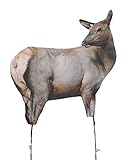
Overview: The RMEF Cow Elk by Montana Decoy combines proven decoy technology with conservation support, making it a purposeful choice for ethical hunters. This decoy features a strategic design that folds compactly while maintaining enough size to attract bulls from considerable distances, enhancing your visibility during critical stalking approaches.
What Makes It Stand Out: The partnership with the Rocky Mountain Elk Foundation distinguishes this product, as a portion of each sale directly funds habitat conservation and elk preservation initiatives. Its effectiveness across all season phases—from early archery through late rifle seasons—provides year-round utility. The lightweight construction ensures you’ll actually carry it on every hunt rather than leaving it behind due to weight concerns.
Value for Money: This decoy delivers solid mid-range value, typically priced competitively with other cow elk decoys while adding the conservation donation component. You’re essentially getting premium Montana Decoy quality while supporting RMEF’s mission, effectively getting more value from your purchase compared to standard models that don’t contribute to wildlife preservation.
Strengths and Weaknesses: Pros include easy portability, effective size for visibility, seasonal versatility, and meaningful conservation support. The setup is straightforward and quick. Cons include a less detailed print compared to premium models and the single pose may not work for all hunting scenarios. Fabric can be susceptible to wind noise if not secured properly.
Bottom Line: An excellent choice for hunters who want effective decoy performance while supporting elk conservation. The RMEF partnership adds meaningful value beyond the decoy itself, making it a purchase you can feel good about while filling your tag.
3. Montana Decoy Miss September Feeding Elk

Overview: Montana Decoy’s Miss September Feeding Elk targets the most challenging elk: call-shy bulls that have grown wary of traditional calling tactics. The feeding pose projects a relaxed, non-threatening presence that encourages skeptical elk to investigate rather than flee, making it particularly effective for archery hunters needing close encounters.
What Makes It Stand Out: The photo-realistic 3D quality creates depth and movement that flat decoys lack, while the durable polyester fabric withstands harsh mountain weather without fading or tearing. The quick-setup system allows silent deployment in seconds, crucial when working with elk in close proximity. Its collapsible design makes it pack-friendly for deep backcountry hunts.
Value for Money: Positioned in the mid-to-premium range, this decoy justifies its price through superior durability and the specialized feeding pose that can make the difference on pressured elk. While slightly more expensive than basic cow decoys, it outperforms them on heavily hunted public land where realism and subtlety matter most.
Strengths and Weaknesses: Pros include the confidence-building feeding pose, exceptional photo realism, weather-resistant polyester construction, rapid deployment, and compact storage. Cons involve the feeding posture being less versatile than alert poses for all hunting situations, and the polyester material can create unwanted noise in windy conditions if not properly staked. The 3D effect requires correct lighting to maximize.
Bottom Line: Perfect for hunters pursuing educated elk on public land or pressured areas. The feeding pose provides a unique advantage when traditional calling fails, making this a specialized tool that earns its place in serious elk hunters’ packs.
4. Montana Decoy 0078: Back Country Elk Decoy

Overview: The Montana Decoy 0078 Back Country Elk Decoy addresses the specific needs of remote wilderness hunters who count every ounce. Engineered for bowhunters venturing beyond trails and roads, this minimalist decoy prioritizes packability and versatility without sacrificing core functionality, using a genuine elk photograph for authentic visual appeal.
What Makes It Stand Out: The trekking pole compatibility revolutionizes backcountry deployment, eliminating the need to carry dedicated support poles. Whether using your trekking pole, the included leg pole, a tree top, or simply pinning it to a trunk, this decoy adapts to whatever the terrain offers. It folds exceptionally small, occupying minimal space in a pack already loaded with survival essentials.
Value for Money: This decoy offers exceptional value for backcountry specialists. Its price point typically runs lower than full-featured models while delivering the core realism needed for remote hunting. For hunters who previously left decoys behind due to weight and bulk, this model effectively pays for itself by enabling decoying tactics in areas where they were previously impossible.
Strengths and Weaknesses: Pros include ultralight weight, multiple mounting options, extreme packability, authentic photo print, and purpose-driven backcountry design. Cons include minimalist construction that lacks some detail of premium models, potential stability issues in high winds, and the single pose limiting versatility. Setup creativity is required in open terrain.
Bottom Line: An essential tool for serious backcountry bowhunters who want decoy capabilities without the weight penalty. If your hunts start where the trail ends, this decoy deserves a spot in your ultralight kit.
5. Primos Hunting Primos Hoochie Pack Call
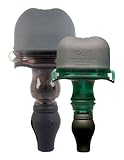
Overview: The Primos Hoochie Pack Call redefines elk calling versatility by providing a coordinated dual-call system designed to replicate authentic herd interactions. Unlike single calls that produce isolated sounds, this pair allows hunters to create layered vocalizations that mimic multiple elk simultaneously, triggering instinctive responses from bulls seeking to locate or challenge other elk.
What Makes It Stand Out: The “One for Each Hand” design enables sophisticated calling sequences that single callers cannot achieve. You can produce overlapping cow calls, calf chirps, and bull bugles with natural timing and spacing. Primos constructs these calls from quality materials tested in extreme environments, ensuring reliability when a trophy bull is within earshot. The “Create Herd Talk” capability lets you simulate realistic herd dynamics.
Value for Money: As a two-call system, this package delivers excellent value compared to purchasing separate calls individually. The durability and versatility justify the moderate price premium over basic single calls. For hunters serious about elk communication, the ability to produce complex soundscapes provides a significant advantage that cheaper, single-note calls cannot match.
Strengths and Weaknesses: Pros include dual-call versatility, professional-grade materials, realistic herd simulation, and suitability for all skill levels. The system allows both simple and advanced calling techniques. Cons include a steeper learning curve to master two-handed coordination, potentially overwhelming for absolute beginners, and the calls require more practice than single diaphragms. Bulkier than minimalist calls.
Bottom Line: Ideal for dedicated elk hunters wanting to elevate their calling game beyond basic bugles. The dual-call system creates unmatched realism, making it a powerful tool for those willing to invest practice time.
6. Delta McKenzie 22540 Pinnacle Elk 3D Hunting Archery Target Decoy
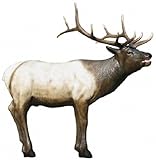
Overview: The Delta McKenzie Pinnacle Elk delivers professional-grade practice with its imposing 80-inch body length and 54-inch shoulder height. This dual-purpose 3D target handles field tips, expandable, and fixed-blade broadheads while withstanding bow speeds exceeding 350 fps, making it ideal for serious archers preparing for elk season.
What Makes It Stand Out: Unlike flat targets, the lifelike three-dimensional silhouette provides realistic shot placement practice from multiple angles. The replaceable vital section extends longevity significantly, while its decoy functionality adds hunting utility. The high-density foam self-heals remarkably well, even after repeated broadhead impacts, preserving its shape and stopping power.
Value for Money: At premium pricing, this target justifies cost through exceptional durability and dual functionality. Comparable 3D targets often require separate purchases for broadhead practice and decoy use. The replaceable core system means you’re buying one target instead of three over its lifespan, delivering substantial long-term savings for dedicated hunters.
Strengths and Weaknesses: Pros: Exceptional realism for shot placement training; handles all arrow types including fixed-blade broadheads; replaceable vital zone extends product life; doubles as hunting decoy; stable in various weather conditions. Cons: Heavy and difficult to transport alone; premium price point may deter casual archers; requires substantial storage space; broadhead removal can be challenging in cold weather.
Bottom Line: For serious elk hunters seeking realistic practice and hunting utility, the Pinnacle Elk is a worthwhile investment. Its durability and dual-purpose design outweigh portability concerns for those prioritizing authentic preparation.
7. GearOZ Elk Game Bags Hunting Meat Bag 5-Pack Reusable Rolled Heavy Duty Quarter Bags, Big Game Hunting Essentials for Elk/Caribou/Moose/Deer, 48" x4, 28" x1

Overview: GearOZ provides a complete meat care solution with this five-pack of reusable cotton game bags designed for quartering large game. The set includes four 48-inch bags for quarters and one 28-inch bag for organs, offering hunters a breathable, washable alternative to disposable options that protect meat from contamination while allowing proper cooling.
What Makes It Stand Out: The reflective strip integration solves a common frustration—locating bags in pre-dawn darkness. Unlike synthetic alternatives, the premium cotton construction balances durability with breathability, preventing meat spoilage through optimal air circulation. The included securing ropes and stretch capacity up to 21 inches accommodate bulky quarters without tearing.
Value for Money: This reusable system pays for itself after two hunts compared to disposable game bags. The tight-knit cotton withstands multiple seasons without degradation, while the five-bag configuration handles complete elk breakdown. For hunters processing multiple animals annually, the cost-per-use drops below a dollar, making it economically and environmentally superior.
Strengths and Weaknesses: Pros: Excellent breathability prevents meat spoilage; reflective strips enhance low-light visibility; machine washable and truly reusable; generous sizing handles elk quarters comfortably; includes all necessary tie-off ropes. Cons: Cotton retains moisture longer than synthetic mesh when wet; heavier than ultra-lightweight alternatives; requires proper cleaning after each use; may stain permanently from blood.
Bottom Line: GearOZ delivers exceptional value for serious big game hunters. The thoughtful design, durability, and reusable nature make these bags essential gear that protects your harvest while saving money long-term.
8. Primos Hunting 906 Elk Call, Terminator Elk Reedsper/2 Blue

Overview: The Primos Terminator Elk Reeds offer hunters a maintenance-free calling solution with pretuned silicone reeds that eliminate pre-hunt adjustments. Sold in pairs, these reeds are engineered to produce authentic elk vocalizations without the learning curve associated with traditional latex alternatives, targeting both novice and experienced callers.
What Makes It Stand Out: Silicone construction provides season-long reliability that latex simply cannot match. The pretuned design removes guesswork—no stretching, trimming, or moisture management required. Unlike traditional reeds that degrade quickly, these maintain consistent tone and pitch through temperature fluctuations and extended use, ensuring reliable performance when that bull finally responds.
Value for Money: While priced higher than basic latex reeds, the season-long durability makes these more economical over time. Most hunters replace latex reeds multiple times per season, whereas the Terminator’s silicone construction eliminates this recurring expense. For hunters making few annual trips, the convenience factor alone justifies the modest premium.
Strengths and Weaknesses: Pros: Pretuned out of the package; silicone lasts entire season without degradation; consistent performance in varying weather; no maintenance or adjustment needed; reliable tone quality. Cons: Limited tonal versatility compared to adjustable latex; slightly stiffer feel requires adaptation; higher initial cost; may not satisfy custom-tuning enthusiasts.
Bottom Line: For hunters prioritizing reliability and convenience, the Terminator reeds are a smart choice. They remove reed maintenance from your pre-hunt checklist, letting you focus on the hunt itself rather than equipment tuning.
9. Hunters Specialties Carlton’s Calls Elk Arsenal Tone Trough Diaphragm Realistic Elk Game Calls (4 Pack)

Overview: Wayne Carlton’s Elk Arsenal revolutionizes diaphragm calling with four distinct calls featuring the innovative Tone Trough design. This comprehensive set includes single, 1.5-reed cow/calf, double, and triple-reed configurations, enabling hunters to produce everything from subtle cow chirps to aggressive bugles using Infinity Latex reeds and Premium Flex frames.
What Makes It Stand Out: The Tone Trough sound chamber reduces air pressure requirements, making authentic elk sounds accessible to beginners while providing nuanced control for experts. The Infinity Latex delivers superior durability and moisture resistance compared to standard latex. Each call maintains consistent fit and stretch, eliminating the performance variation common in multi-packs.
Value for Money: This four-call system replaces purchasing individual diaphragms separately, saving approximately 30% compared to buying equivalent premium calls individually. The versatility covers every elk vocalization needed throughout the season, from locating bugles to close-range cow talk. For hunters wanting a complete calling arsenal without trial-and-error purchases, this pack delivers exceptional value.
Strengths and Weaknesses: Pros: Innovative Tone Trough eases learning curve; four distinct reed configurations for complete vocal range; Infinity Latex increases reed lifespan; consistent frame quality across all calls; designed by elk-calling legend Wayne Carlton. Cons: Triple reed may be too aggressive for early season; latex still requires moisture management; not ideal for hunters preferring external calls; frame may fit smaller mouths loosely.
Bottom Line: The Elk Arsenal provides unmatched versatility and quality for serious elk hunters. Whether you’re learning or refining your calling technique, this pack delivers professional-grade tools that perform consistently across diverse hunting scenarios.
10. Gorilla Outdoors Elk Target - Full Size Elk Archery & Rifle Target
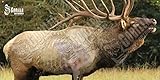
Overview: Gorilla Outdoors delivers an oversized training tool with this eight-foot by four-foot full-scale elk target, featuring detailed vital organ and skeletal anatomy. Designed for both archery and rifle practice, this paper-based target provides life-size shot placement reference at a fraction of the cost of 3D alternatives, making it ideal for pre-season preparation and sighting-in sessions.
What Makes It Stand Out: The anatomical detail surpasses standard bullseye targets, showing heart, lungs, liver, and bone structure for ethical shot education. Its massive size allows realistic distance practice—appearing true-to-scale at 40+ yards just like a real elk would. The dual-purpose design handles both arrow and bullet impacts without tearing excessively, extending usable life beyond typical paper targets.
Value for Money: At a budget price point, this target delivers 3D-level training value without the 3D cost. While it won’t stop arrows like foam, its educational value for shot placement outweighs limitations for hunters focused on ethical hunting. Compared to printing multiple smaller targets, this single large format provides better perspective and costs less per square foot.
Strengths and Weaknesses: Pros: True life-size dimensions improve distance judgment; anatomical details educate ethical shot placement; affordable for frequent practice; works for both archery and rifle; lightweight and easy to transport. Cons: Paper construction won’t stop arrows without backstop; not weather resistant for extended outdoor use; single-use nature creates waste; requires large backing surface for support.
Bottom Line: For hunters prioritizing shot placement education over equipment durability, this target is an excellent value. Use it with a proper backstop for archery, and you’ll develop better target recognition and ethical shooting skills without breaking the bank.
Understanding Mountain Terrain Challenges for Elk Decoys
Elevation and Atmospheric Effects on Visibility
At elevations above 8,000 feet, the atmosphere thins dramatically, creating intense light conditions that can either enhance or destroy decoy effectiveness. UV radiation increases approximately 4% for every 1,000 feet of elevation gain, causing certain materials to either fluoresce unnaturally or fade into the background depending on their chemical composition. Smart hunters recognize that decoys designed for lower elevations often fail spectacularly in alpine environments where harsh shadows and brilliant highlights create extreme contrast scenarios. The reduced atmospheric filtering also means colors appear more saturated at distance, making subtle earth tones pop in ways that can either help or hurt your setup depending on the surrounding vegetation.
Terrain Features That Obstruct or Enhance Decoy Visibility
Mountain landscapes are rarely uniform, with ridgelines, saddles, and bench systems creating natural funnels and visibility corridors that can work for or against decoy placement. A decoy positioned on a skyline becomes a silhouette that elk can spot from miles away, but the same placement might spook animals if the profile looks unnatural against the horizon. Understanding how rock outcroppings, timber patches, and elevation changes affect sight lines helps you position decoys where they’ll be seen by approaching elk without alerting them to human presence. The most successful mountain hunters study topographical maps and glass potential setup locations days before the hunt, identifying natural backdrops that enhance rather than compromise decoy visibility.
Weather Variability in Alpine Environments
Mountain weather can shift from clear skies to whiteout conditions in minutes, subjecting your decoy to punishing winds, driving rain, and rapid temperature swings that test every seam and stake. A decoy that flaps like a flag in 40 mph ridge-top winds does more harm than good, while one that collapses under wet snow becomes an expensive piece of trash in your pack. The best mountain-ready decoys incorporate flexible support systems that maintain their profile in gusty conditions without creating unnatural movement patterns. Consider how your decoy will perform not just in ideal conditions, but when you’re dealing with the morning frost, afternoon thunderstorms, and evening wind events that define mountain hunting.
Key Visibility Features in Modern Elk Decoys
High-Contrast Color Patterns
Visibility in mountain terrain isn’t about being the brightest object on the landscape—it’s about creating enough contrast to be recognized as an elk without triggering alarm. Modern decoys achieve this through layered color systems that incorporate both dark and light zones within the same profile, mimicking how natural elk pelage creates depth and dimension. Look for decoys that use contrasting throat patches, rump patches, and leg shading to break up the silhouette at distance while maintaining realistic close-up appearance. The most effective patterns account for how elk vision processes contrast differently than human eyes, focusing on the blue-yellow spectrum where ungulates excel.
Reflective and UV-Enhanced Materials
Some cutting-edge decoys now incorporate controlled UV reflectivity that matches the natural signature of elk hair, which can be crucial during dawn and dusk periods when elk are most active and UV light dominates the visual landscape. These materials don’t glow or shine like synthetic fabrics but instead replicate the specific wavelength reflection patterns that elk expect to see from conspecifics. Manufacturers achieve this through specialized dyes and fabric treatments that maintain their properties even after repeated exposure to mountain sun and washing. The key is subtlety—overly reflective materials create unnatural flashes that spook game, while properly tuned UV enhancement simply makes the decoy read as “alive” from a distance.
Silhouette vs. Full-Body Visibility Profiles
Mountain hunters must choose between the packability of silhouette decoys and the three-dimensional realism of full-body models, with visibility trade-offs for each style. Silhouettes excel on ridgelines where profile recognition matters most, offering wind-cutting slimness and ultra-light weight for backcountry hunts. Full-body decoys provide superior depth cues that help elk gauge distance and approach confidently, particularly in timbered benches where animals circle downwind before committing. The compromise solution involves modular systems that combine a lightweight silhouette base with attachable three-dimensional components for the head, neck, and antlers, giving you the best of both worlds without overloading your pack.
Decoy Types and Configurations for Alpine Environments
Cow Decoys for Mountain Terrain
Cow decoys represent the most versatile option for mountain hunting, as they attract both rutting bulls seeking cows and herd animals looking to join a group. In alpine settings, single cow setups often outperform multiple decoy spreads because they appear more natural—lonely cows separated from herds aren’t uncommon during the rut. The most effective mountain cow decoys feature slightly exaggerated size profiles that read clearly at 300+ yards without looking cartoonish up close. Positioning a cow decoy in a feeding pose on a visible bench can draw curious elk from adjacent drainages, especially when combined with strategic calling that suggests a content, undisturbed animal.
Bull Decoys: Antler Size and Visibility Trade-offs
Bull decoys present a double-edged sword in mountain terrain—while they can provoke aggressive responses from dominant bulls, they also risk intimidating subordinate animals or triggering caution in cows. Antler size becomes a critical visibility factor; massive racks are easier to spot but may represent an unrealistic threat to most mountain bulls, which rarely grow trophy-class headgear. Many experienced mountain hunters opt for bull decoys with medium-sized racks (around 280-300 inches) that suggest a respectable but beatable challenger. The key is ensuring antler visibility without creating a silhouette that looks top-heavy or unnatural against mountain backdrops—some designs incorporate break-down antler systems that let you adjust size based on observed local bull quality.
Feeding vs. Alert Poses in Open Country
Pose selection dramatically affects how elk interpret your decoy setup, with feeding positions generally proving less threatening and more natural in visible mountain terrain. Alert poses can work during peak rut when bulls are actively seeking confrontation, but in open alpine basins, they often cause approaching elk to pause and assess from excessive distances. Feeding decoys with slightly lowered heads and forward-angled bodies suggest security and contentment, encouraging elk to close the distance rather than hold up for observation. The most advanced decoys offer interchangeable head positions or flexible neck systems that let you adjust pose based on wind direction, time of day, and observed elk behavior patterns.
Material Considerations for High-Altitude Use
Weather-Resistant Fabrics and Coatings
Mountain decoys face environmental assault that destroys standard models, requiring fabrics that remain supple at freezing temperatures and resist UV degradation at high elevation. Premium decoys utilize ripstop nylon or polyester bases with DWR (durable water repellent) coatings that shed moisture without adding weight or stiffness. The coating should maintain flexibility even after repeated packing and unpacking in cold conditions—stiff, crackling fabrics transmit sound that alerts elk long before they see the decoy. Look for materials rated for sub-zero temperatures and tested in wind speeds exceeding 50 mph, as these specs indicate real mountain-ready performance rather than marketing hyperbole.
Weight vs. Durability Balance
Every ounce matters when you’re climbing 3,000 feet to reach a remote basin, but a decoy that shreds on the first rocky stakeout is dead weight in your pack. The optimal mountain decoy weighs between 2-4 pounds for a cow model and 4-6 pounds for a bull, striking a balance between portability and robust construction. Ultralight models under 2 pounds often sacrifice material thickness and seam strength, while heavier decoys provide durability but become burdensome on multi-day backcountry hunts. Some manufacturers offer modular weight systems where you can remove internal support frames for the hike in, then add stability components once you reach your hunting location.
Noise Reduction in Stiff Mountain Winds
A decoy that rattles, flaps, or hums in mountain winds broadcasts unnatural sounds that override any visual realism you’ve achieved. Quality mountain decoys incorporate noise-dampening features like reinforced edge binding, internal baffles that break up wind vortices, and stake systems that eliminate metal-on-metal contact. The fabric itself should produce minimal crinkling when handled—even the sound of unpacking your decoy at dawn can carry surprisingly far in calm mountain air. Test potential decoys by setting them up in windy conditions and listening from 50 yards away; if you can hear flapping or rattling, elk with their superior hearing will detect it from much farther.
Size and Profile: Balancing Realism and Portability
Packability for Backcountry Hunts
The best mountain decoy is the one you’ll actually carry into remote basins, making packability as important as visibility. Look for decoys that fold or roll into compact packages under 18 inches in any dimension, allowing them to fit inside or strapped securely to your pack without catching on branches. Some designs incorporate their own stuff sacks with compression straps that cinch the package down to the size of a sleeping pad, while others roll around their support poles for streamlined carrying. Consider how the packed decoy rides against your pack—irregular shapes that shift while hiking create noise and imbalance that wears you down before you even reach your hunting spot.
Life-Size vs. Compact Profiles
While life-size decoys offer maximum realism, slightly compacted profiles around 85-90% of actual elk dimensions often prove more practical for mountain hunting without sacrificing visibility. These scaled-down models reduce weight and packed volume significantly while maintaining the key visual cues elk use for recognition at distance. The reduction is subtle enough that elk don’t perceive the size difference, especially when the decoy is positioned on uneven terrain where depth perception becomes challenging. Compact profiles also handle wind better, presenting less surface area for gusts to catch while still providing ample visibility for approaching animals.
Two-Dimensional vs. Three-Dimensional Designs
The debate between 2D and 3D decoys intensifies in mountain terrain where every pound and every cubic inch of pack space matters. Two-dimensional silhouettes offer unbeatable portability and setup speed, but they lose effectiveness when elk approach from oblique angles or circle downwind. Three-dimensional decoys provide realistic depth from all angles but often weigh twice as much and require more complex staking systems on rocky ground. Hybrid systems that use a 2D body with a 3D head and neck section give you 80% of the realism with 50% of the weight penalty, representing a smart compromise for most mountain applications.
Color and Contrast: Standing Out in Variable Conditions
Camouflage vs. High-Visibility Patterns
Mountain terrain demands a paradoxical approach to decoy coloration—you need enough contrast to be visible at distance while maintaining camouflage that prevents elk from detecting unnatural patterns up close. The solution lies in breaking the decoy into distinct color zones: darker back and leg areas that anchor the silhouette, medium-toned body sections that blend with timber, and lighter throat and rump patches that catch light and draw attention. Avoid decoys with uniform camouflage patterns that disappear against complex backgrounds; instead, look for designs that incorporate both blending and contrasting elements strategically placed based on elk anatomy. The most advanced patterns use micro and macro contrast elements—small details for close realism and large color blocks for distance visibility.
Seasonal Color Adaptations
Elk pelage changes dramatically from early September through late October, and your decoy should reflect these shifts to maintain realism throughout the season. Early season decoys need richer, darker tones to match summer coats, while mid-to-late season models should incorporate lighter, grayer shades that mimic the transition to winter hair. Some manufacturers offer color kits or reversible designs that let you adapt a single decoy to match seasonal changes, extending its effectiveness across multiple hunting periods. In mountain environments where snow can arrive unexpectedly, having a decoy with a white or light-colored reverse side can be invaluable for late-season hunts in high basins.
Distance Visibility Testing
Before trusting a decoy in the field, conduct distance visibility tests in actual mountain terrain under various lighting conditions. Set up the decoy and walk away 100, 200, and 300 yards, noting how quickly you can spot it and whether its outline remains recognizable. Pay particular attention to how the decoy appears during the golden hours of dawn and dusk when elk are most active and lighting is most challenging. Take photos with your phone at these distances—if the decoy blends into the background in a 2-inch phone image, it will likely be invisible to elk vision at the same range. This real-world testing reveals far more than manufacturer visibility claims or showroom evaluations.
Motion and Realism Enhancements
Wind-Activated Movement Systems
Static decoys can appear lifeless in mountain terrain where natural movement is constant, but artificial motion must be subtle and directional to avoid spooking elk. Quality decoys incorporate wind-activated systems that create slight head turns, tail flicks, or ear movements using concealed springs or balanced weight systems that respond to gentle breezes. The key is limiting movement to small, intermittent motions rather than constant flapping—elk expect to see periodic adjustments as animals shift weight or respond to insects. Avoid decoys with large, sail-like surfaces that catch wind aggressively; instead, look for designs with perforated internal structures that dampen excessive movement while allowing natural-appearing motion.
Stake and Anchor Designs for Rocky Ground
Mountain terrain rarely offers the soft soil found in valley bottoms, making stake design critical for maintaining decoy position and natural appearance. The best mountain decoys include multiple stake options: long, sharp-tipped poles for meadow pockets, short rock-drilling anchors for talus slopes, and tripod bases for uneven ground. Some systems use adjustable-length poles with pivoting heads that let you level the decoy on 30-degree slopes while maintaining a natural posture. Always carry extra cordage for tying off to rocks or stumps when staking proves impossible—nothing ruins a hunt faster than watching your bull decoy tumble down a scree slope in a gust.
Decoy Spacing for Natural Herd Appearance
When using multiple decoys in mountain terrain, spacing becomes more critical than in forested areas because elk can see the entire setup from great distances. Position decoys 15-25 yards apart to mimic natural herd dispersion, with the primary decoy (usually a cow) in the most visible location and secondary decoys creating depth and context. Avoid lining decoys up in unnatural rows or perfect geometric patterns—mountain elk herds maintain loose, organic arrangements that shift with terrain and wind. Place your shooter position downwind of the decoy cluster but offset 20-30 yards to avoid being silhouetted against the setup itself, using terrain folds or vegetation to break up your outline.
Setup Strategies for Mountainous Terrain
Ridge Line and Saddle Placement
Ridge lines and saddles serve as natural elk highways in mountain terrain, making them prime locations for decoy deployment if you understand visibility angles. Position decoys just below the skyline on the leeward side of ridges where approaching elk will see them against a consistent background rather than a jagged horizon. Saddles—the low points between peaks—allow you to set decoys where elk naturally travel, but require careful placement to avoid being sky-lined yourself. The most effective ridge setups place the decoy 10-15 yards below the crest where it’s visible to elk in adjacent basins but doesn’t create an obvious silhouette for animals approaching from behind.
Using Natural Backdrops Effectively
The background behind your decoy determines whether it pops or disappears, making backdrop selection as important as decoy quality itself. Dark timber provides excellent contrast for lighter-colored decoys, while sagebrush flats require decoys with darker tones to stand out. Avoid setting decoys against complex, cluttered backgrounds like rocky talus fields or multi-colored cliff faces—these environments camouflage your setup rather than showcase it. Instead, look for simple backdrops: a uniform patch of dark timber, a grassy meadow, or a smooth rock face that creates a clean canvas for your decoy to command attention.
Elevation Angle Considerations
Mountain hunting often involves steep angles where elk approach from above or below your position, requiring decoys that look natural from multiple perspectives. Standard decoys designed for flat ground can appear foreshortened or distorted when viewed from extreme angles, so look for models with reinforced 3D head and shoulder sections that maintain realistic proportions from below. When hunting from above, position decoys where the animal’s back and rump are most visible, as these are the key recognition features elk use when looking uphill. Some mountain-specific decoys incorporate adjustable leg systems that let you tilt the entire body to match the slope angle, creating a natural appearance regardless of terrain.
Safety Considerations When Using Decoys
Hunter Orange Integration
Using elk decoys in mountain terrain shared with other hunters requires thoughtful integration of hunter orange to prevent tragic misidentification. Many modern decoys include discreet orange tabs or loops that let you attach flagging visible to other hunters but hidden from elk approaching from expected directions. Positioning your orange-clad body downhill and behind the decoy ensures you’re visible to hunters below while remaining concealed from elk approaching from above. Never set up a decoy on a skyline or in open meadows without ensuring your own position is clearly marked with hunter orange visible from 360 degrees—your safety outweighs any advantage gained from complete concealment.
Avoiding Misidentification by Other Hunters
Beyond hunter orange, strategic positioning prevents other hunters from mistaking your decoy for live game. Set up decoys where natural terrain features block the view from popular trails, roads, or other access points used by hunters. If hunting public land during rifle season, consider skipping decoys altogether in high-traffic areas—the risk of being shot at outweighs the benefits. When you do use decoys, attach a small piece of hunter orange flagging to a rear leg or the antlers where it won’t be visible to approaching elk but shows clearly to anyone viewing from behind the setup.
Bear Country Precautions
Mountain elk habitat overlaps significantly with grizzly and black bear territory, making decoy setup a potential attractant for dangerous predators. Bears, especially during fall hyperphagia, may investigate elk decoys out of curiosity or food-drive, creating hazardous encounters for hunters. Store decoys in sealed containers when not deployed, as fabric odors can attract bears to your camp. When setting up in dense bear country, position decoys where you have clear fields of view and carry bear spray accessible at all times—never let the excitement of an approaching bull make you forget you’re sharing the mountain with apex predators.
Maintenance and Care for Mountain Hunting
Cleaning After High-Altitude Exposure
Mountain environments deposit unique residues on decoys: alkaline dust from dry meadows, sap from subalpine fir, and mineral stains from snow and rain that can alter color and reflectivity. Clean your decoy after each trip using scent-free soap and cool water, avoiding harsh detergents that strip UV treatments or water-repellent coatings. Pay special attention to the head and neck areas where oils from handling accumulate and can create unnatural shine. Allow decoys to dry completely before storage, as moisture trapped in fabric folds leads to mildew that not only damages materials but also creates odors detectable to elk.
Storage in Extreme Temperatures
Mountain hunters often store gear in unheated garages, trucks, or storage units where temperature swings from sub-zero to 100+ degrees between seasons. These extremes degrade fabric coatings, weaken pole sections, and cause adhesives to fail prematurely. Store decoys in climate-controlled spaces when possible, or at minimum, keep them in insulated containers that buffer temperature fluctuations. Remove support poles and store them separately to prevent permanent bending or stress on connection points. For long-term storage, place silica gel packets inside decoy stuff sacks to absorb moisture and prevent mold growth during the off-season.
Field Repairs for Tears and Punctures
Rocky mountain terrain will eventually damage even the toughest decoy, making field repair capability essential for multi-day backcountry hunts. Carry a dedicated decoy repair kit including Tenacious Tape or similar fabric patches, UV-resistant thread for sewing tears, and flexible adhesive for sealing small punctures. Practice repairing your decoy at home before you need to do it in the field at 10,000 feet with cold fingers and approaching dusk. Some hunters reinforce high-wear areas like leg corners and stake loops with duct tape before the season starts, preventing damage rather than repairing it after the fact.
Legal Regulations and Ethical Use
State-Specific Decoy Restrictions
Regulations governing decoy use vary dramatically between western states, with some banning electronic motion features while others restrict decoy use during certain seasons. Colorado prohibits decoys with moving parts during rifle seasons, while Montana allows them year-round on private land but restricts their use in some wildlife management areas. Idaho requires decoys to be clearly marked with hunter orange during any weapon season, and Wyoming bans decoys entirely in certain elk feed grounds. Always verify current regulations with the state wildlife agency before your hunt, as rules change frequently and ignorance won’t excuse a citation.
Wilderness Area Regulations
Federal wilderness areas impose additional restrictions that can affect decoy transport and use, particularly regarding group size and commercial gear restrictions. Some wilderness managers interpret decoys as “attractants” that fall under baiting prohibitions, while others classify them as standard hunting equipment. The Wilderness Act’s prohibition on mechanical devices creates gray areas around decoys with wind-activated or adjustable components. Contact the specific wilderness ranger district before packing in decoys, and be prepared to explain your decoy’s features if questioned by backcountry rangers who may be unfamiliar with hunting gear specifics.
Fair Chase Principles with Decoys
Ethical hunters debate where decoy use falls on the fair chase spectrum, particularly when decoys incorporate realistic motion, scent, and sound features that essentially “cheat” the animal’s senses. The Boone and Crockett Club allows decoys for record-book entries as long as they don’t incorporate electronic components, while Pope and Young has similar restrictions for archery hunting. Most hunters agree that static decoys represent fair chase, but adding electronic calls, scent dispensers, or motorized movement crosses ethical lines. Consider your personal hunting philosophy and how decoy use aligns with the challenge you seek from the mountain hunting experience.
Budget Considerations and Value Factors
Entry-Level vs. Premium Features
Budget decoys costing under $100 can be effective in mountain terrain if they prioritize visibility basics over fancy features, but they typically sacrifice durability and weather resistance. Premium decoys in the $200-400 range offer advanced materials, better warranties, and modular features that extend their useful life across multiple seasons. The sweet spot for most mountain hunters lies in mid-range options ($150-250) that combine robust construction with essential visibility features without the cost of brand-name premiums. Evaluate whether expensive features like UV enhancement or modular antler systems will actually improve your success rate or just add complexity and weight.
Long-Term Investment in Durability
A $300 decoy that lasts 10 seasons represents better value than a $100 decoy that needs replacement every two years, especially when you factor in the hunt opportunities lost to equipment failure. Calculate cost-per-season by dividing purchase price by expected lifespan, factoring in the harsh realities of mountain use that accelerate wear. Premium decoys often include replaceable parts—pole sections, stake tips, fabric panels—that let you repair rather than replace the entire unit. Consider warranty terms carefully; some manufacturers offer lifetime guarantees that cover mountain-specific damage like rock tears and UV degradation, while others exclude “extreme use” that defines mountain hunting.
Multi-Season Versatility
The most cost-effective decoys work across multiple seasons and species, adapting to early archery elk, late rifle elk, and even mule deer or antelope hunts with accessory changes. Universal decoy systems with interchangeable covers or reversible designs give you more hunting opportunities per dollar spent. Evaluate whether a decoy’s coloration and size make it suitable for both September archery hunts and November rifle seasons when elk behavior and habitat use changes dramatically. Some hunters invest in a quality cow decoy that works for elk all season, then add species-specific accessories for other big game hunts, maximizing their gear investment across the entire hunting year.
Integration with Calling Strategies
Matching Decoy Position to Vocalizations
Your decoy and calling must tell the same story—a cow decoy 50 yards from your position should match the volume and direction of cow calls, while a bull decoy requires bugles that sound like they’re coming from the decoy’s location. Use a mouth diaphragm or external call positioned near the decoy when possible, or practice ventriloquism techniques that make your voice appear to originate from the decoy’s location. In mountain terrain where sound carries unpredictably, position yourself below the decoy when calling uphill, as thermals and terrain features will carry your voice upward naturally. Mismatched audio and visual cues create suspicion that no amount of decoy realism can overcome.
Timing Decoy Deployment with Rut Phases
During early September, cow decoys work best as they represent the primary focus of bulls starting to gather harems. As the rut peaks in late September, bull decoys become more effective for challenging dominant herd bulls, but should be paired with cow decoys to suggest a competitive scenario. Late October hunts see bulls becoming wary and less responsive to challenges, making subtle cow or calf decoys more effective than aggressive bull setups. Understanding these behavioral shifts helps you choose not just which decoy to deploy, but when to deploy it for maximum visibility impact during the specific phase of rut you’re hunting.
Combining Decoys with Scent Lures
Visual decoys become significantly more effective when paired with appropriate scent applications, creating a multi-sensory illusion that’s hard for elk to resist. Apply elk urine or estrus scent to the ground 5-10 yards downwind of cow decoys, creating a scent stream that leads elk directly to your setup. For bull decoys, use tarsal gland scent or challenge scent on nearby vegetation to suggest territorial marking. In mountain environments where thermals change direction throughout the day, refresh scent applications every 2-3 hours and adjust placement based on current wind patterns to maintain an authentic olfactory signature.
Common Mistakes to Avoid
Over-Decoying in Sparse Terrain
Mountain elk country often lacks the dense vegetation that makes multi-decoy spreads effective in forested areas, and setting up too many decoys can appear unnatural and alarming. A single, well-positioned decoy usually outperforms three or four decoys scattered across an open basin, especially when hunting pressured public land elk. Over-decoying also increases setup time, noise, and movement that can spook nearby elk before you even finish arranging your spread. Start with one highly visible decoy and only add a second if you’re hunting a proven location with abundant elk sign that suggests a larger group would appear natural.
Poor Placement Relative to Thermals
Mountain thermals shift predictably but dramatically, and decoys placed without considering these invisible air currents become visual lures that elk smell around. Morning thermals flow downhill, carrying your scent into basins below your position—place decoys where you can intercept elk moving up to feed while staying above them. Afternoon thermals rise uphill, requiring you to hunt benches and ridges where you can position decoys below your setup. A decoy placed perfectly for visibility but 100 yards crosswind of your scent stream will attract elk that circle downwind, catch your odor, and vanish before offering a shot.
Ignoring Wind Direction with Decoy Position
While thermals handle vertical scent movement, prevailing winds determine horizontal scent flow and must align with decoy placement for success. Always position decoys crosswind or slightly downwind of your expected shooting position, giving approaching elk a clear path to the decoy that doesn’t cross your scent stream. In mountain terrain where winds swirl and eddy, use multiple wind-checkers to confirm direction before finalizing decoy placement. A common mistake is setting decoys where they look best visually but create a scent corridor that alerts every elk in the basin to your presence before they ever see the decoy.
Future Trends in Elk Decoy Technology
Smart Materials and Adaptive Coloration
Emerging technologies promise decoys with photo-reactive fabrics that subtly shift color tone based on ambient light conditions, maintaining optimal contrast from dawn through dusk. These materials, adapted from military camouflage research, could allow a single decoy to appear darker in bright midday sun and lighter during overcast conditions. While still in development for hunting applications, some prototypes already show promise in maintaining consistent visibility across the extreme light variations mountain hunters face. Expect to see limited releases of these adaptive decoys by 2026, though premium pricing will likely limit early adoption to serious backcountry hunters.
Ultralight Composite Developments
Carbon fiber and advanced polymer composites are revolutionizing decoy support systems, promising full-body decoys that weigh under 2 pounds without sacrificing durability. These materials maintain stiffness in extreme cold and resist the micro-fractures that plague aluminum poles in mountain environments. The next generation of mountain decoys may incorporate inflatable support structures that provide 3D realism with packed sizes smaller than current silhouette models. While traditionalists may resist these high-tech approaches, the weight savings for backpack hunters covering 10+ miles daily could be game-changing.
Integrated Electronic Features
The line between decoy and electronic caller continues to blur, with manufacturers experimenting with micro-speakers embedded in decoys that broadcast location-specific sounds. These systems would allow a bull decoy to emit subtle grunts or a cow decoy to produce quiet mews that seem to originate from the visual source. Regulatory challenges likely will restrict these features to private land or special seasons, but the technology demonstrates how decoy evolution continues. Battery life, weight penalties, and durability in harsh conditions remain significant hurdles before these integrated systems become practical for serious mountain use.
Frequently Asked Questions
What makes an elk decoy effective specifically for mountain terrain versus lowland hunting?
Mountain terrain demands decoys with enhanced visibility at long distances, typically 300-500 yards, due to open country and elevation changes. Unlike forested lowlands where decoys work at close range, mountain decoys need high-contrast color patterns, UV enhancement for thin atmosphere conditions, and wind-resistant designs that maintain profile in gusty ridge-top conditions. They must also be ultralight and highly packable since mountain hunters often hike 5-10 miles into remote basins where every ounce matters.
How do I test a decoy’s visibility before committing to a purchase?
Take the decoy to actual mountain terrain and perform distance tests at 100, 200, and 300 yards during different lighting conditions. Photograph the decoy with your phone at these distances—if it’s hard to distinguish in a small image, elk will have trouble spotting it too. Check visibility during dawn and dusk when elk are most active, as these low-light periods reveal contrast issues that midday testing misses. Many quality retailers allow field testing with return policies if the decoy doesn’t meet visibility expectations.
What’s the ideal weight for a mountain elk decoy?
The optimal weight range is 2-4 pounds for cow decoys and 4-6 pounds for bull models with antlers. This provides enough heft for stability in wind while remaining manageable during long backcountry approaches. Ultralight models under 2 pounds often sacrifice durability, while decoys over 6 pounds become burdensome on multi-day hunts. Consider modular designs where you can remove support frames for hiking, then add stability components at your hunting location.
Should I choose a bull or cow decoy for mountain hunting?
Cow decoys offer greater versatility throughout the season, attracting both rutting bulls and herd animals seeking company. Bull decoys can be effective during peak rut for challenging dominant herd bulls but may intimidate younger bulls and spook cows. Most mountain hunters start with a high-quality cow decoy, adding a bull decoy later if they hunt areas with known trophy-class elk. A cow decoy also works better in open terrain where a lone bull might appear unnatural.
How do I keep my decoy stable in rocky mountain terrain?
Use decoys with multiple stake options including rock-drilling anchors and tripod bases for uneven ground. Carry 20-30 feet of parachute cord for tying off to stable rocks or stumps when soil staking isn’t possible. Position decoys in slight depressions or behind windbreaks that reduce gust impact. Some hunters carry lightweight sandbags or fillable sacks they can anchor with rocks to add base weight in extreme conditions.
Can I use the same decoy for both archery and rifle seasons?
Yes, but color and contrast requirements differ. Archery season decoys can prioritize realism over extreme visibility since shots occur at closer ranges. Rifle season demands maximum visibility at 200+ yards, potentially requiring a different decoy or reversible cover with enhanced contrast. A versatile cow decoy with neutral coloration works acceptably for both if positioned strategically, but serious hunters often optimize separate decoys for each season’s unique challenges.
How do I prevent my decoy from spooking elk in high-pressure areas?
In heavily hunted areas, simplify your setup—use a single cow decoy in a feeding pose rather than aggressive bull decoys or multi-decoy spreads. Set up in locations with natural cover that prevents elk from seeing the decoy until they’re within 200 yards, reducing the time they have to over-analyze the setup. Refresh your decoy’s position slightly each day to prevent elk from patterning it as a stationary object. Consider skipping decoys entirely during peak hunting pressure and focusing on spot-and-stalk methods instead.
What’s the best way to pack a decoy into remote mountain basins?
Roll rather than fold the decoy to prevent permanent creases that create unnatural lines. Use the decoy’s stuff sack or wrap it around its support poles for a compact, secure package. Position the decoy vertically against your pack’s back panel rather than horizontally where it catches on branches. Many hunters strap decoys to the outside of their pack’s top lid where they’re accessible for quick deployment but don’t interfere with hiking movement.
Do UV-enhanced decoys really make a difference?
UV enhancement provides measurable benefits during low-light periods and at high elevations where UV radiation is stronger. Elk see in the blue-violet spectrum where UV light dominates dawn and dusk periods, so decoys that reflect these wavelengths appear more natural and “alive.” The difference is most pronounced on cloudy days and during the first and last 30 minutes of legal shooting light. However, UV enhancement can’t overcome poor placement or unnatural movement—it’s one factor among many, not a magic solution.
How often should I replace my mountain elk decoy?
With proper care, a quality mountain decoy should last 5-10 seasons. Replace it when colors fade significantly, fabric develops permanent creases that affect profile, or UV treatments degrade (test with a UV flashlight). Damage beyond field repair capability, like large tears along seams or broken support poles, may warrant replacement. Many hunters upgrade every 3-5 seasons as technology improves, passing older but functional decoys to new hunters or using them as secondary setups.
Related Buying Guides
- The 10 Best Elk Calls for Mountain Terrain in 2026
- How to Choose the 10 Best Elk Calls for Mountain Terrain in 2026
- The Complete Guide to the 10 Best Elk Decoy Setups for Mountainous Terrain
- How to Choose the 10 Best Elk Decoys for Mountain Hunting in 2026
- The Complete Guide to the 10 Best Rain Gear Options for Deer Hunters