Table of Contents
There’s nothing quite like the primal satisfaction of a successful hunt, but few things can ruin that thrill faster than being soaked to the bone in a sudden downpour. Imagine tracking your quarry through dense woods as the sky opens up, rain lashing your face, water seeping through seams, and your core temperature plummeting. That sinking feeling isn’t just discomfort—it’s a direct threat to your focus, your endurance, and even your safety. In the unpredictable world of hunting, weather isn’t an obstacle to hope you’ll avoid; it’s a critical variable you must be prepared for, especially when pursuing game in storm-prone seasons or regions. Ignoring the quality of your rain defense turns every hunt into a gamble against the elements.
The right storm-proof rain gear transforms adversity into advantage. It’s not merely about staying dry; it’s about maintaining stealth, preserving body heat, and extending your time in the field when others have retreated. Superior rain protection means quieter movement (no crinkly fabrics betraying your position), freedom of motion for drawing a bow or shouldering a rifle, and the confidence to push through conditions that send less-prepared hunters home empty-handed. Investing in high-performance rainwear is an investment in opportunity—turning marginal weather windows into prime hunting moments. Let’s cut through the marketing hype and focus on the tangible features and smart strategies that actually keep you operational when the heavens unleash their fury.
Top 10 Rain Gear for Hunting
Detailed Product Reviews
1. FROGG TOGGS Men’s Ultra-Lite2 Waterproof Breathable Protective Rain Suit

Overview:
This minimalist rain suit delivers essential waterproof protection for light outdoor use. Designed as a jacket-pant combo, it leverages non-woven polypropylene fabric that’s ASTM-rated for waterproofing and blood penetration resistance. Targeted at casual users needing emergency coverage, it prioritizes portability over ruggedness.
What Makes It Stand Out:
Its featherlight 3.2-ounce construction and compact stuff sack make it ideal for stashing in backpacks, golf bags, or emergency kits. The breathable fabric prevents overheating during light activity, while elastic cuffs and an adjustable hood ensure a basic seal against drizzle. The affordability for a packable, full-coverage suit is unmatched for fair-weather scenarios.
Value for Money:
Priced accessibly, it’s a smart buy for occasional use where durability isn’t critical—think stadium events or brief hikes. While cheaper vinyl suits exist, they lack breathability and longevity. For frequent or harsh conditions, investing in heavier rainwear is wiser, but for its niche, it’s hard to beat.
Strengths and Weaknesses:
Strengths: Extremely lightweight (compresses to fist-size), affordable, breathable for its class, and wind-resistant. Weaknesses: Fabric tears easily against sharp objects (not for bushwhacking), minimal ventilation causes sweat buildup during exertion, and lacks pockets or advanced weatherproofing details.
Bottom Line:
An excellent emergency-only rain solution for fair-weather adventurers. Avoid for rugged trails, but perfect for golfers, festival-goers, or stashing in car trunks. Buy only if your needs align with light, intermittent use.
2. BASSDASH Men’s Rain Suit Waterproof Breathable Durable Fishing Rain Gear Packable for Hunting, Hiking, Running, Cycling FW12
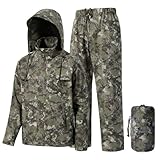
Overview:
A versatile, rugged rain suit engineered for serious outdoor pursuits like fishing and hunting. Its dual-layer PU/polyester build boasts a 5,000mm waterproof rating and PFAS-free coating, balancing durability with breathability for extended wet-weather activity.
What Makes It Stand Out:
High-frequency welded seams eliminate stitching leaks, while chest/back ventilation panels and mesh lining actively reduce condensation. Thoughtful details shine: foldable hood with adjustable brim, hook-and-loop cuff/hem seals, and double-welt pockets that repel water ingress. Packs neatly into a daisy-chain bag.
Value for Money:
Competitively priced for its technical specs, it outperforms basic rain suits in durability and comfort during prolonged use. Cheaper alternatives often sacrifice breathability or seam integrity—this suit justifies its cost for anglers or hunters needing reliable, multi-hour protection without overheating.
Strengths and Weaknesses:
Strengths: Outstanding waterproof rating, effective ventilation, durable welded seams, secure pocket design, and compact packing. Weaknesses: Slightly bulkier than ultra-lights (less ideal for fast hiking), and the PU coating may stiffen in extreme cold over time.
Bottom Line:
A top-tier choice for wet-weather anglers and hunters prioritizing dryness and breathability. Worth the investment for frequent outdoor use, though overkill for quick urban commutes.
3. Hunt Quiet Rain Suit, Waterproof, 3000g/(㎡・24h) Breathability Rating, Lightweight 2-Piece Rainwear for Men and Women, Camouflage L (Hunting, Fishing, Hiking)

Overview:
Engineered for high-mobility activities, this suit emphasizes breathability without compromising waterproofing. Its high-density polyester shell and soft-touch lining target active users—from motorcyclists to hikers—who struggle with sweat buildup in standard rain gear.
What Makes It Stand Out:
The standout 3000g breathability rating actively expels moisture vapor, a rarity in affordable rainwear. Motorcycle-inspired features include storm-proof cuffs, elastic waists, and a detachable hood. Packs into its own bag, and the camo pattern suits hunters while appealing to casual adventurers.
Value for Money:
Priced mid-range, it delivers premium breathability often found in pricier technical gear. Budget suits typically max out at 1500–2000g breathability, making this a steal for runners or cyclists. The camouflage design slightly limits urban versatility but adds hunting utility.
Strengths and Weaknesses:
Strengths: Exceptional moisture-wicking, lightweight, versatile for sports/hunting, and includes oversized pockets. Weaknesses: Sizing nuances require careful chart consultation (runs tight over thick layers), and the camo print isn’t gender-neutral for all users.
Bottom Line:
Ideal for active users needing sweat management in rain. Hunters and cyclists will love it, but urban commuters may prefer plainer styles. Always size up if layering heavily.
4. AUSCAMOTEK Woodland Camo Rain Poncho Hooded Waterproof Camouflauge Raincoat for Hunting Hiking Camping Fishing Forest Green Average Size
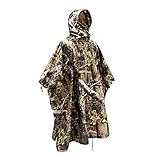
Overview:
A multipurpose military-style poncho offering basic rain protection with exceptional adaptability. Made from PU-coated ripstop nylon, it prioritizes simplicity and utility over tailored fit, serving as both rainwear and emergency shelter.
What Makes It Stand Out:
Its genius lies in versatility: functions as a raincoat, ground tarp, shelter, or picnic blanket. The oversized design fits over backpacks and hats, while the woodland camo excels for hunters. Packs into a tiny pouch, and the loose cut ensures unrestricted movement.
Value for Money:
An outstanding value for its dual role as apparel and survival gear. Budget rain jackets often lack this utility, while dedicated tarps require separate purchases. At this price, it’s a no-brainer for campers or preppers seeking a space-saving emergency item.
Strengths and Weaknesses:
Strengths: Ultra-portable, multi-functional, backpack-friendly coverage, and wide hood for hat compatibility. Weaknesses: Noisier than rain suits (rips during movement), minimal weather sealing (wind drives rain under hem), and lacks pockets or adjustability.
Bottom Line:
Essential for minimalist campers or hunters needing adaptable gear. Not ideal for windy hikes or quiet stalking, but unmatched as a packable emergency solution. Buy for utility, not refinement.
5. TIDEWE Hunting Clothes for Men with Face Mask, Silent Waterproof Hunting Jacket and Adjustable Bibs, Insulated-Lined, Safety Strap Compatible (Next Camo G2 Size 2XL)

Overview:
A specialized insulated hunting system focused on stealth and scent control. Combining a jacket, bibs, and detachable face mask, it uses odor-neutralizing tech and silent fabric for close-quarters game pursuit in cold, wet conditions.
What Makes It Stand Out:
The 170g mercerized velvet fabric minimizes rustling noise, while Agion Active lining neutralizes human scent—a rarity at this price. Fully sealed seams ensure waterproofing, and 120g insulation provides warmth. Safety strap compatibility and 8 pockets enhance field functionality.
Value for Money:
Premium-priced but justified for serious hunters. Budget suits lack odor control and insulation, while comparable high-end brands cost twice as much. The inclusion of a face mask and safety strap integration adds significant value for tree-stand or ground blind hunters.
Strengths and Weaknesses:
Strengths: Superior scent control, silent movement, warm insulation, and thoughtful pocket/suspender design. Weaknesses: Bulky for warm climates, safety strap sold separately, and insulated lining reduces breathability during high exertion.
Bottom Line:
A top pick for cold-weather hunters prioritizing stealth and dryness. Overkill for fair-weather hikes but indispensable for deer or waterfowl season. Size up if layering heavily.
6. Fousam Rain Suit, Rain Gear for Men Waterproof, Camo Rain Jacket, Lightweight Rain Coat for Fishing, Hunting, Motorcycling, Hiking, Traveling, L

Overview: The Fousam Rain Suit is a budget-friendly, camo-patterned two-piece set designed for versatile outdoor use in wet conditions, targeting activities like fishing, hunting, and hiking. Constructed from tear-resistant polyester, it prioritizes basic waterproof protection and portability. What Makes It Stand Out: Its standout features include fully waterproof dual-layer construction, an adjustable high collar for wind protection, self-adhesive adjustable cuffs and trouser legs for a customized seal, and two large waterproof pockets to safeguard essentials. The lightweight design with a carry bag enhances convenience for on-the-go use. Value for Money: Positioned as an affordable entry-level option, it delivers core waterproof functionality without advanced tech. While lacking breathability for intense activity, it surpasses ultra-cheap ponchos in durability and fit adjustability, offering solid value for occasional or casual use where premium features aren’t critical. Strengths and Weaknesses: Strengths: Effective waterproofing, tear resistance, adjustable fit points, large dry pockets, lightweight, portable, versatile camo pattern. Weaknesses: Minimal breathability can cause overheating during exertion, basic material feel, no hood adjustment or taped seams mentioned, pockets lack secure closures. Bottom Line: A reliable, no-frills rain suit ideal for light-to-moderate wet weather during leisure activities like fishing or hiking; recommended for budget-conscious buyers needing dependable basic protection, but not for strenuous, prolonged use in heavy rain.
7. FROGG TOGGS Men’s Standard Classic All-Sport 3-Layer Waterproof Breathable Rain Suit, Realtree APX, X-Large

Overview: This Frogg Toggs suit is a purpose-built, three-layer rain system engineered for serious outdoor enthusiasts requiring reliable waterproofing and breathability during extended activities like hunting, hiking, or ATV riding in wet conditions. What Makes It Stand Out: The exclusive Dripor Gen 2 membrane delivers true waterproofness with impressive breathability, a rarity at its price point. Fully taped seams, an adjustable/removable hood, elastic cuffs, raglan sleeves, and pull-on pants with an adjustable waist and leg openings provide comprehensive weather defense and mobility. Value for Money: It justifies its mid-range price with durable, performance-oriented materials and construction. The 3-layer fabric outperforms cheaper single-layer suits in breathability and longevity, making it a cost-effective investment for frequent users compared to disposable rain gear or significantly pricier technical brands. Strengths and Weaknesses: Strengths: Excellent waterproof/breathable balance, fully taped seams, quiet nonwoven fabric, adjustable hood and leg openings, comfortable fit, highly portable. Weaknesses: Non-waterproof zippers on pockets (if present), material can be less abrasion-resistant than heavier options, Realtree APX camo limits non-hunting use. Bottom Line: A top-tier value rain suit for active outdoor pursuits; highly recommended for hunters, hikers, and cyclists seeking dependable, breathable protection without breaking the bank, though extreme durability seekers might consider heavier alternatives.
8. TIDEWE Hunting Clothes for Men with Fleece Lining, Safety Strap Compatible Water Resistant Silent Jacket and Pants, Hunting Suit for Climbing Hiking Trekking Camping (Next Camo G2 Size XL)

Overview: TideWe offers a specialized hunting ensemble featuring a water-resistant jacket and pants with integrated fleece lining, prioritizing silence, warmth, and safety compatibility for hunters in cool, damp conditions during deer, turkey, or waterfowl seasons. What Makes It Stand Out: The standout elements are the noise-reducing quiet fabric combined with magnet buckles, fleece lining for warmth, a safety strap port, and an exceptional 9-pocket layout (4 on jacket, 5 on pants). The anti-slip waistband on pants and adjustable cuffs/hem enhance fit and weather resistance. Value for Money: Priced competitively for a lined hunting system, it delivers significant value through its multi-functional design. The fleece lining eliminates the need for a separate mid-layer in cool weather, and the safety strap support adds professional utility, making it cost-effective for dedicated hunters versus buying separate pieces. Strengths and Weaknesses: Strengths: Exceptionally quiet material, warm fleece lining, plentiful pockets, safety strap port, good water resistance for light precip, anti-slip waistband, versatile camo. Weaknesses: “Water-resistant” not fully waterproof (fails in heavy rain), fleece lining reduces breathability during high exertion, magnet buckles may not be universally reliable. Bottom Line: An excellent choice for cold-weather hunters prioritizing stealth and warmth in light rain or snow; strongly recommended for fall/winter hunting, but not suitable for heavy downpours or warm-weather use due to limited breathability.
9. FROGG TOGGS Men’s Classic Pro Action Waterproof Breathable Rain Jacket

Overview: This Frogg Toggs jacket is a streamlined, packable rain shell focused on core waterproof protection and breathability for active outdoor use, designed to be worn over rain pants for comprehensive coverage during sports, hiking, or fishing. What Makes It Stand Out: Its key differentiator is the Dripor Gen 2 fabric, providing reliable waterproofing and notable breathability in a very lightweight package. Features include an adjustable tuck-away hood, snap-down storm flap, elastic wrist cuffs, raglan sleeves for mobility, and zippered hand pockets, all contributing to effective wet-weather defense. Value for Money: Offers exceptional value as a dedicated rain jacket. The advanced membrane technology typically found in pricier shells is delivered at an accessible price point. While sold separately from pants, it’s a highly cost-effective solution for those needing only a top layer or already owning compatible bottoms. Strengths and Weaknesses: Strengths: Superb waterproof/breathable performance for the price, extremely lightweight and packable, comfortable raglan sleeves, secure zip pockets, effective hood and storm flap, versatile for multiple activities. Weaknesses: Requires separate rain pants for full protection (increasing total cost), limited pocket utility beyond hand warming/storage, material durability less than heavy-duty options. Bottom Line: A highly recommended, top-value rain jacket for active users needing reliable, breathable overhead protection; ideal as a compact emergency layer or primary shell for hiking/fishing, but ensure you have suitable pants for complete coverage.
10. LOOGU Camo Rain Suit, Rain Gear for Men Waterproof, Lightweight Rain Coat, Breathable Mens Rain Jackets Hood

Overview: The LOOGU Camo Rain Suit is a lightweight, affordable two-piece set emphasizing portability and basic waterproof functionality for everyday outdoor tasks and recreational activities like hiking or cycling in light to moderate rain. What Makes It Stand Out: It features a camo pattern, taped seams for enhanced waterproofing, elastic cuffs, and a design allowing pants to be tucked into boots. Its ultra-lightweight (14oz) construction and compact packability into a small bag are major highlights for travelers and casual users. Value for Money: Positioned as a very budget-friendly option, it delivers essential waterproofing and portability at a low cost. While not as durable or breathable as premium suits, it surpasses the cheapest alternatives in seam sealing and packability, offering decent value for infrequent or light-duty use. Strengths and Weaknesses: Strengths: Extremely lightweight and compact, taped seams for better waterproofing, breathable fabric (for price point), camo pattern, two large waterproof pockets, easy boot tuck for pants. Weaknesses: Not suitable for harsh conditions (explicitly stated), confusing “one size larger” sizing requiring smaller selection, basic durability, limited adjustability beyond cuffs. Bottom Line: A practical, packable rain suit best suited for travelers, cyclists, or casual outdoor users needing emergency protection in light rain; recommended for its portability and price, but avoid for demanding work or heavy storms due to durability limitations.
Understanding Modern Rain Gear Technology
The foundation of true storm-proof performance lies in the fabrics and construction techniques protecting you from the elements. It’s crucial to move beyond basic “waterproof” claims and understand what actually works when you’re miles from shelter in driving wind and rain.
How Waterproof Ratings Translate to Real-World Performance
Waterproof ratings, measured in millimeters (mm), indicate how much water pressure the fabric can withstand before leaking. While a 5,000mm rating might handle light drizzle, serious storm conditions demand significantly higher performance. Look for garments rated at 20,000mm or above for reliable defense against sustained downpours and heavy saturation. Remember, this rating must be paired with fully taped seams—untaped or partially taped seams are weak points where water will penetrate under pressure.
The Critical Role of Breathability in Active Pursuits
Staying dry isn’t just about keeping rain out; it’s equally vital to let sweat vapor escape. High breathability, measured in grams per square meter per 24 hours (g/m²/24hr), prevents internal condensation that leaves you damp from the inside out. Hunters generating significant exertion need breathability ratings exceeding 15,000 g/m²/24hr. Advanced membrane technologies achieve this by using microscopic pores smaller than water droplets but larger than vapor molecules, creating a one-way valve for moisture management during strenuous climbs or stalks.
Why Seam Construction Makes or Breaks Waterproof Integrity
Seams are the Achilles’ heel of any rain garment. Even the most advanced fabric fails if seams aren’t properly sealed. Fully taped seams, where a waterproof tape is bonded over every stitch line on the inside of the garment, are non-negotiable for true storm-proofing. Look for wide seam tape (at least 15mm) and reinforced taping at high-stress areas like shoulders and seat. Single-needle stitching creates fewer holes than double-needle, further minimizing potential leak points.
Design Features Essential for Hunting Success
Beyond basic waterproofing, rain gear designed specifically for hunting incorporates features that enhance functionality, stealth, and comfort during extended field use. Generic rain jackets won’t cut it when every movement and sound matters.
Strategic Ventilation for Temperature Regulation
Hunting involves bursts of high exertion followed by long periods of stillness. Adjustable pit zips, back vents, or full front zips allow rapid heat dumping during climbs without removing layers. Look for vents positioned to minimize scent dispersion downwind and designed to operate quietly. Mesh-backed vents prevent debris ingress while maximizing airflow, crucial for preventing clamminess during variable activity levels.
Noise Reduction: The Silent Hunter’s Priority
The crinkly sound of cheap rain gear can spook game at 100 yards. True hunting-specific rainwear uses laminated face fabrics and specialized membranes that eliminate the “plastic bag” rustle. Soft-shell style outer layers or fabrics treated with noise-dampening finishes significantly reduce auditory detection. Always test fabric sound by rubbing it near your ear before purchasing—silence is golden in the woods.
Strategic Pocket Placement and Functionality
Pockets must be accessible over layers (mid-layers, packs) without compromising coverage. Chest pockets keep essentials like calls, rangefinders, or ammunition secure and within easy reach. Hand pockets should be large enough for gloves and positioned high to avoid interference with gun slings or bow grips. All pockets require durable, quiet zippers (often covered by storm flaps) and secure closures to prevent loss during movement. Consider specialized pockets for rangefinders with magnetic closures for silent access.
Achieving the Perfect Fit for Unrestricted Movement
Rain gear that restricts motion is as dangerous as wet clothing—it hinders shooting accuracy, climbing ability, and quick reactions. Fit is paramount, but it must balance weather protection with athletic performance.
The Importance of Articulated Patterns and Gusseted Design
Standard athletic cuts often fall short for hunting poses. Articulated elbows and knees mimic natural joint angles when drawing a bow or shouldering a rifle. Gusseted underarms (diamond-shaped fabric inserts) provide critical overhead reach without lifting the hem and exposing your back. Look for patterns specifically drafted for hunting stances, not just general outdoor activities. A slightly longer torso and jacket hem prevents exposure when reaching or sitting in a stand.
Layering Compatibility: Planning Your Insulation System
Your rain shell must accommodate your entire insulation system without compression. Measure the bulk of your thickest mid-layer (fleece, synthetic insulated jacket) and ensure the rain shell has sufficient internal volume. Pay attention to sleeve length over thick gloves and helmet compatibility if hunting in extreme cold. A shell that fits perfectly over a t-shirt will be useless when you need maximum warmth. Always try on the shell with your intended layering system.
Adjustable Closures for Customized Sealing
Precise adjustments seal out wind and rain where it infiltrates most: cuffs, hem, and hood. Look for wide, easily operated cuff closures (hook-and-loop plus internal elastic bands work well) that seal snugly over glove cuffs. A drawcord hem with dual-point adjustment allows tightening without pulling the jacket up when sitting. The hood must be helmet-compatible, deeply sculpted for peripheral vision, and feature a stiffened brim to deflect rain from your face—adjustable side and rear cinches are essential for a secure, non-obstructive fit.
Durability and Long-Term Reliability Considerations
Hunting rain gear takes brutal abuse—snagging on branches, abrasion from packs, repeated folding, and exposure to solvents like insect repellent. Investing in gear that lasts requires understanding material resilience and proper care.
Fabric Weight and Tear Strength for Rugged Use
While ultralight fabrics exist, hunters often benefit from mid-weight (3-5 oz/yd²) or heavy-duty (5+ oz/yd²) constructions offering superior abrasion and tear resistance against rough terrain. Higher denier counts (e.g., 70D vs. 30D) generally indicate better durability. However, advanced high-tenacity yarns in lighter fabrics can rival heavier weaves—check independent tear strength (lbs) and abrasion resistance (cycles) data where available. Balance weight with the expected terrain severity.
DWR Treatments: Maintaining the First Line of Defense
The Durable Water Repellent (DWR) finish causes water to bead and roll off the fabric surface, preventing “wetting out” (the fabric becoming saturated and losing breathability). This treatment wears off over time due to dirt, oils, and abrasion. Choose gear with robust factory DWR and understand that regular reapplication (using non-silicone based treatments) after cleaning is critical for long-term performance. Never assume DWR lasts the lifetime of the garment.
Repairability and Warranty Support
Accidents happen. Check if the manufacturer offers repair kits (patches, seam sealant) and clear instructions for field fixes. A robust warranty covering defects and sometimes even damage demonstrates confidence in the product. Gear with simpler construction (fewer bonded elements, standard zippers) is often easier to repair in the backcountry than highly integrated “seam-sealed” designs.
Optimizing Your Entire Rain Defense System
True storm-proofing involves more than just a jacket and pants. It’s a holistic system where every component works together to manage moisture from head to toe, both externally and internally.
Head and Hand Protection Integration
A hood that doesn’t fit over a hat or helmet is useless. Ensure compatibility with your preferred headwear. Consider a dedicated, quiet-brimmed rain hat worn under the hood for extra face protection and noise reduction. For hands, prioritize mittens or gloves with extended, storm-proof cuffs that tuck securely under your jacket sleeve, not over it. Glove materials should offer dexterity for shooting while resisting water saturation.
Footwear and Lower Body Synergy
Your rain pants must integrate seamlessly with your hunting boots. Look for pants with adjustable ankle closures (gussets, zippers, or elastic cuffs) that seal tightly over boot tops, preventing water from running down your leg. Avoid bulky pant hems that catch on brush. Consider gaiters as an additional layer for deep mud or snow, but ensure they don’t compromise pant cuff sealing. Remember, even the best boots fail if water enters from above.
Layering Strategy for Core Temperature Management
Your base and mid-layers are critical for managing internal moisture. Always start with a moisture-wicking base layer (merino wool or synthetic)—never cotton. Add a breathable mid-layer (fleece, lightweight synthetic insulated jacket) that moves vapor efficiently. The rain shell’s job is solely to block external elements; it shouldn’t replace insulation. Adjust layers before you get sweaty to avoid the chilling effect of trapped moisture inside the shell.
Smart Shopping Strategies for Informed Decisions
Navigating the market requires focusing on verifiable performance data and realistic expectations, not just brand names or price tags. Knowledge is your best filter.
Decoding Marketing Claims vs. Real Performance
Terms like “weatherproof” or “water-resistant” are meaningless for serious storms—demand specific waterproof and breathability ratings. Be wary of “proprietary” fabric names without published performance metrics. Reputable brands provide lab-tested data (mm, g/m²/24hr) from independent facilities. If specs aren’t readily available, assume the performance is marginal for hunting conditions.
Evaluating Value Beyond the Price Tag
The cheapest option often costs more long-term through frequent replacement or failed hunts. Calculate cost-per-hunt: a $400 shell lasting five seasons (50 hunts) costs $8/hunt, while a $200 shell lasting one season (10 hunts) costs $20/hunt. Factor in repair costs and warranty coverage. True value lies in reliability when it matters most—don’t sacrifice critical features for minor upfront savings.
The Non-Negotiable Importance of Trying Before You Commit
Online specs can’t replicate how gear feels during movement. Visit a store that caters to hunters. Put on the full system (base, mid, shell). Simulate drawing a bow, shouldering a rifle, sitting in a stand, and climbing. Test hood mobility with head turns, check pocket access with gloves on, and assess noise levels. If buying online, choose retailers with generous return policies specifically for gear testing in controlled conditions.
Frequently Asked Questions
Frequently Asked Questions
How do I know if my rain gear is truly breathable enough for strenuous hunts?
Significant internal condensation or a soaked base layer during moderate activity indicates poor breathability. Look for independent lab test data showing high moisture vapor transmission rates (MVTR) exceeding 15,000 g/m²/24hr for active use. Real-world testing during hikes with similar exertion levels is the ultimate test.
Can I use regular hiking rain gear for serious hunting in storms?
Generic hiking gear often lacks critical hunting-specific features: noise reduction, strategic pocket placement for gear access, articulated patterns for shooting stances, and durability for brush-heavy terrain. While it might keep you dry initially, it likely compromises stealth, functionality, and longevity in demanding hunting scenarios.
What’s the biggest mistake hunters make with rain layering?
Wearing cotton as a base or mid-layer. Cotton absorbs moisture, holds it against your skin, and loses insulating properties when wet, drastically increasing hypothermia risk. Always use moisture-wicking synthetics or merino wool next to your skin, regardless of temperature.
How often should I reapply DWR treatment to my rain gear?
Reapply when water no longer beads on the fabric surface and the face fabric starts to “wet out” (look dark and saturated). This typically occurs after 5-10 heavy uses or following a thorough cleaning. Always clean the garment first according to care instructions before reapplying DWR.
Is a one-piece rain suit better than a jacket/pant system for hunting?
Jacket/pant systems offer superior versatility for temperature regulation and layering adjustments during changing conditions. One-piece suits often lack adequate ventilation, restrict movement for shooting, and force you to remove the entire system for basic needs, making them generally less practical for active hunting.
How do I prevent rain gear from interfering with my gun sling or bow harness?
Look for jackets with minimal shoulder bulk, flat seam construction, and strategic reinforcement at contact points. Adjustable shoulder straps on packs or harnesses should sit under the rain jacket hem. Test the full system with your specific equipment to ensure smooth draw and sling movement without fabric bunching.
Why does my expensive rain jacket leak at the seams after only a few hunts?
Leaks usually indicate failed seam tape due to abrasion, improper care (detergents damaging tape adhesive), or manufacturing defects. Ensure you’re using tech-wash specific detergents, avoid high heat drying, and inspect seams for lifting tape. Re-sealing with seam sealant can often fix minor issues.
Can I wear my rain pants over insulated bibs without compromising mobility?
Yes, but only if the rain pants have a sufficiently roomy cut and articulated knees. Look for pants specifically designed for layering over thick insulation, featuring gusseted crotches and generous thigh room. Avoid rain pants with tight leg openings that restrict movement over bulky bibs.
How do I store my rain gear to maximize its lifespan?
Store completely dry, loosely folded or hanging in a cool, dark place. Never store damp or compressed in a stuff sack for extended periods, as this degrades the waterproof membrane and DWR. Use breathable storage sacks, not plastic bags, to prevent moisture trapping.
What’s the most overlooked feature in hunting rain gear?
Quiet operation. Many hunters prioritize waterproofing but neglect fabric noise. Test potential gear by vigorously rubbing the fabric near your ear. Gear that produces loud crinkling or rustling sounds will alert game long before you see them, negating its weather protection benefits.
Related Buying Guides
- 10 Game-Changing Rain Gear Options for Storm-Proof Hunts in 2026
- 10 Game-Changing Rain Gear Sets for Storm-Proof Hunting in 2026
- How to Choose the 10 Best Rain Gear Options for Spring Hunts in 2026
- The Complete Guide to the 10 Best Rain Gear Options for Deer Hunters
- 10 Essential Rain Gear Sets Every Backcountry Hunter Needs in 2026