Table of Contents
There’s something uniquely challenging about pursuing bugling bulls on public land where pressure runs high and elk grow wary of every unnatural sight and sound. In these high-stakes scenarios, a well-placed elk decoy can transform your hunt from a waiting game into an active chess match, giving you the edge needed to bring a mature bull into range. But not all decoys are created equal, especially when you’re miles deep in backcountry terrain where every ounce matters and setup speed can make or break an opportunity.
As we look toward the 2026 hunting season, decoy technology continues to evolve with lighter materials, more realistic profiles, and innovative designs specifically engineered for the solo backcountry hunter. Whether you’re planning a multi-day wilderness expedition or a dawn-to-dusk spike camp mission, understanding what features truly matter will help you select a decoy that doesn’t just add weight to your pack—it adds opportunity to your hunt. This guide breaks down everything you need to know about choosing the right elk decoy for public land adventures without the marketing hype or brand-specific promises.
Top 10 Elk Decoys for Backcountry Hunts
Detailed Product Reviews
1. Montana Decoy 0078: Back Country Elk Decoy

Overview: The Montana Decoy 0078 Back Country Elk Decoy is engineered for the serious bowhunter who ventures deep into wilderness where traditional heavy gear becomes a liability. This ultra-portable decoy addresses the core challenge of backcountry elk hunting: bringing effective attractants without adding significant weight or bulk to your pack.
What Makes It Stand Out: This decoy’s genius lies in its versatility. It works with a single trekking pole you already carry, the included leg pole, or can be pinned to a tree, eliminating the need for specialized stands. The photo-realistic print, derived from an actual elk, provides authentic visual cues that can fool even call-shy bulls in high-pressure areas. Its ability to fold down to a fraction of its deployed size makes it the most packable full-size decoy on the market.
Value for Money: Priced competitively with other premium decoys, the 0078 offers exceptional value through its multi-use design. You’re essentially getting several decoy configurations in one package, and its durability ensures multiple seasons of use. For hunters who prioritize mobility, the weight savings alone justify the investment compared to rigid, heavier alternatives.
Strengths and Weaknesses: Strengths include unparalleled portability, multiple setup options, authentic imagery, and minimal pack weight. Weaknesses involve potential stability issues in high winds without proper anchoring, and the single-side print may be less effective if elk circle behind. The lightweight fabric can also be noisy if not handled carefully in dry conditions.
Bottom Line: For dedicated backcountry bowhunters who measure gear in ounces, the Montana Decoy 0078 is an essential tool that successfully balances effectiveness with portability, making it worth every penny of its premium price.
2. Montana Decoy Eichler Elk

Overview: Developed in partnership with renowned elk hunter Chad Eichler, this decoy combines proven field tactics with Montana Decoy’s signature portability. The Eichler Elk represents a middle-ground solution for hunters wanting realistic presentation without the bulk of traditional foam decoys.
What Makes It Stand Out: The included instructional DVD sets this apart, offering actionable calling and setup strategies from successful hunts. Eichler’s string hanging system provides a unique deployment method that creates natural movement in light breezes, adding lifelike motion that static decoys lack. The twist-fold design compresses to just 19" x 12", making it easy to strap to any pack.
Value for Money: This decoy sits in the mid-price range but delivers premium educational content alongside the physical product. The DVD alone provides insights worth the price difference for novice elk hunters. Compared to buying a decoy and instructional material separately, the bundled approach offers clear savings while accelerating your learning curve.
Strengths and Weaknesses: Strengths include the educational DVD, versatile setup options, compact folding size, and authentic photo-based imagery. The string system adds dynamic realism. Weaknesses include the learning curve for the hanging system, potential tangling in thick brush, and the lack of a three-dimensional profile when viewed from acute angles. The DVD format may feel dated to some users.
Bottom Line: The Montana Decoy Eichler Elk is an excellent choice for hunters seeking both gear and knowledge. It’s particularly valuable for those new to decoying elk, though experienced hunters will also appreciate its innovative hanging system and packability.
3. Montana Decoy Miss September Feeding Elk

Overview: The Miss September Feeding Elk decoy targets one of elk behavior’s most vulnerable moments: feeding. This cow decoy leverages a confidence-building pose that signals safety to approaching bulls, making it an effective tool throughout the season, particularly during pre-rut and post-rut periods when herds seek companionship.
What Makes It Stand Out: The feeding posture is strategically designed to project calm and contentment, encouraging wary elk to commit rather than hang up at the edge of range. Montana Decoy’s photo-realistic printing creates a convincing 3D illusion that maintains effectiveness even at closer distances. The quick-deploy system allows setup in under two minutes, critical when working with responsive bulls.
Value for Money: As a specialized cow decoy, it fills a specific niche in your calling arsenal. Its seasonal versatility means you’ll use it more frequently than rutting-specific decoys, spreading the cost over more hunts. The durable polyester construction resists tears and weather damage, ensuring reliable performance year after year. For hunters who already own bull decoys, this offers the missing piece for herd simulation.
Strengths and Weaknesses: Strengths include the psychologically effective feeding pose, rapid deployment, excellent packability, and robust weather-resistant fabric. The 3D visual effect is superior to painted silhouettes. Weaknesses include limited effectiveness as a standalone during peak rut when bulls seek active cows, and the feeding pose may not provide the best visibility in tall grass. It’s also slightly heavier than ultralight models.
Bottom Line: The Miss September is a strategic addition for hunters wanting to create realistic herd scenarios. Its feeding pose and durability make it a reliable performer, especially when used in combination with bull decoys or aggressive calling sequences.
4. RMEF Cow Elk by Montana Decoy
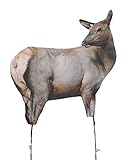
Overview: This collaboration between Montana Decoy and the Rocky Mountain Elk Foundation produces a no-frills cow decoy that prioritizes field effectiveness and conservation impact. Designed as an everyday workhorse, it’s built to accompany you on every hunt without weighing you down.
What Makes It Stand Out: Your purchase directly supports elk conservation, with a portion of each sale funding RMEF habitat projects. The decoy’s size hits a sweet spot—large enough for visibility across drainages yet compact enough for solo hunters to manage. Its all-season effectiveness means you can deploy it during early archery through late rifle seasons, adapting strategies as elk behavior changes.
Value for Money: This decoy offers solid middle-ground pricing while adding a feel-good conservation premium. You’re getting proven Montana Decoy quality while effectively donating to habitat preservation. Compared to generic cow decoys, the RMEF partnership adds purpose without adding cost. The multi-season utility maximizes your return on investment.
Strengths and Weaknesses: Strengths include lightweight portability, conservation contribution, versatile sizing, reliable polyester construction, and proven effectiveness across hunting phases. The familiar setup system reduces learning curve. Weaknesses include the standard two-dimensional profile lacking advanced 3D effects, no specialized posing (standing only), and minimal included accessories. The generic design may not stand out in saturated decoy markets.
Bottom Line: The RMEF Cow Elk decoy is an ethical choice that doesn’t compromise performance. For hunters who value conservation as much as success, it delivers reliable results while supporting the future of elk hunting, making it a purchase you can feel good about season after season.
5. Primos Hunting 906 Elk Call, Terminator Elk Reedsper/2 Blue

Overview: The Primos Terminator Elk Reeds eliminate the frustration of constantly adjusting latex reeds mid-season. These pretuned silicone reeds are designed for hunters who want consistent, quality sound without maintenance headaches, coming in a convenient two-pack for backup or experimentation.
What Makes It Stand Out: Silicone construction fundamentally changes the game—these reeds maintain their shape and tone regardless of temperature, moisture, or altitude. The pretuned design means zero adjustment period; install and immediately produce realistic cow and calf sounds. Unlike traditional latex that dries out and cracks, silicone reeds can genuinely last an entire season of heavy use.
Value for Money: A two-pack at this price point represents excellent value, essentially providing a full season’s worth of reliable reeds for less than the cost of a single premium diaphragm call. When you factor in the eliminated downtime from failed reeds and the consistent performance, the cost per hunt becomes negligible. For guides and serious hunters, this reliability translates to more successful setups.
Strengths and Weaknesses: Strengths include season-long durability, weather resistance, consistent tone, no tuning required, and cost-effectiveness. The blue silicone is easier to locate if dropped. Weaknesses include slightly less tonal flexibility than premium latex reeds, potential compatibility issues with non-Primos call bodies, and a break-in period for achieving subtle nuances. Some traditionalists may prefer the organic feel of latex.
Bottom Line: The Primos Terminator Elk Reeds are a practical upgrade for any elk hunter. Their reliability and longevity make them a smart investment, particularly for those hunting in variable weather or at high altitudes where latex fails. Keep one in your call and one in your pack.
6. MOJO Outdoors Critter Predator Hunting Decoy - Great for Coyote and Bobcat Hunting and as a Varmint Decoy - Tail Decoy - Rabbit Decoy - Super Critter

Overview: The MOJO Outdoors Critter Predator Hunting Decoy is an electronic calling system designed to lure coyotes, bobcats, and other varmints into shooting range. This device combines visual motion with authentic cottontail rabbit sounds to create an irresistible predator attractant that exploits the hunting instincts of these wary animals.
What Makes It Stand Out: The decoy’s magnetic topper delivers lifelike movement while the integrated MOJO Cottontail sound adds auditory realism. Multiple mounting options including disappearing tripod legs and a 1/4" camera thread provide versatility for any terrain. The 20-hour battery life on just four AA batteries ensures all-day performance, and the 3.5mm auxiliary port allows seamless integration with most remote callers for enhanced control.
Value for Money: Priced competitively against other electronic decoys, this unit offers excellent value by combining motion and sound in one package. The durable ABS construction withstands harsh field conditions, eliminating frequent replacement costs. While batteries aren’t included, the extended runtime reduces operating expenses compared to models requiring frequent battery changes.
Strengths and Weaknesses: Strengths include realistic motion-sound combination, versatile mounting systems, rugged durability, and impressive battery longevity. The remote caller compatibility adds tactical flexibility. Weaknesses include the need to purchase a separate double male cord for remote operation, potential wariness in heavily pressured predators, and the additional cost of batteries. The magnetic connection, while convenient, could potentially detach in extreme weather.
Bottom Line: This decoy is a solid investment for serious predator hunters seeking a reliable, multi-sensory attractant. Its durability and feature set justify the price point, making it an essential tool for consistent hunting success.
7. TCDesignerProducts Whitetail Doe Flat Silhouette Decoy, Realistic Deer Hunting Decoy with Motion, Photo Finish & Easy Setup for Rut Season, Landowners, Educators, Youth Programs & Wildlife Events

Overview: The TCDesignerProducts Whitetail Doe Flat Silhouette Decoy offers hunters a lightweight, portable solution for attracting deer during rut season. This two-dimensional decoy combines photographic realism with practical functionality for field deployment, making it suitable for hunting, education, and wildlife observation.
What Makes It Stand Out: The double-sided photo finish with UV coating ensures visibility from any angle while reducing glare. The motion-activated design allows subtle, lifelike movement in the wind, enhancing realism without mechanical parts. Measuring 34" x 45", it presents a true-to-size doe profile that can draw in bucks from considerable distances while remaining stable in various conditions.
Value for Money: This decoy provides exceptional affordability compared to bulky three-dimensional alternatives. The complete setup kit including wires and pushnut bolt retainers eliminates additional purchases. Its corrugated plastic construction offers durability at a fraction of the cost of solid decoys, making it accessible for budget-conscious hunters or those needing multiple units for different locations.
Strengths and Weaknesses: Strengths include lightweight portability, easy setup, weather-resistant materials, and double-sided printing for 360-degree effectiveness. The wind-activated motion adds realism without batteries or complex mechanisms. Weaknesses include the inherent limitations of 2D silhouettes that may not fool mature, wary bucks at close range. Wind dependence means still days reduce effectiveness, and the flat profile lacks depth perception for approaching deer.
Bottom Line: For hunters prioritizing portability and value, this doe decoy delivers reliable performance during rut season. While not replacing premium 3D decoys, it’s an excellent addition to any hunter’s arsenal, particularly for mobile setups or educational purposes.
8. TCDesignerProducts Whitetail Buck Flat Silhouette Decoy, Realistic Deer Hunting Decoy, Lightweight Weatherproof Design, Motion-Activated for Rut Season, Scouting, Land Management & Education

Overview: The TCDesignerProducts Whitetail Buck Flat Silhouette Decoy provides hunters with a cost-effective, portable solution for attracting deer during rut season. This two-dimensional decoy features a life-size buck image designed to challenge dominant bucks and attract curious does, serving multiple purposes from hunting to land management.
What Makes It Stand Out: The impressive 40" x 46" dimensions create high visibility across open fields, while the double-sided photo-quality print with UV coating minimizes glare from any approach angle. The space-saving flat design makes transportation effortless, slipping easily into gear bags or truck beds without the bulk of traditional 3D decoys, solving a common logistical problem for mobile hunters.
Value for Money: This buck decoy offers remarkable affordability, delivering visual impact at a fraction of three-dimensional decoy prices. The durable corrugated plastic and outdoor ink ensure season-after-season use without degradation. For hunters needing multiple decoy setups or those with limited storage space, this represents exceptional economic value while maintaining effectiveness.
Strengths and Weaknesses: Strengths include large visual footprint, lightweight portability, weatherproof construction, and natural wind-activated movement. The slim profile solves transportation challenges. Weaknesses include the lack of depth that may alert educated deer at close range, wind-dependent motion, and potential intimidation of younger bucks. The 2D design works best at moderate distances where silhouette recognition triggers territorial response rather than close inspection.
Bottom Line: This buck silhouette excels for mobile hunters and rut setups where space and budget matter. While seasoned deer may eventually detect the flat profile, its visual presence effectively initiates approach behavior, making it a smart tactical tool for the cost-conscious sportsman.
9. Rocky Mountain Hunting Elk Calls C15 ELK101 2.0 Diaphragm, Pack of 3

Overview: The Rocky Mountain Hunting Elk Calls C15 ELK101 2.0 Diaphragm pack provides hunters with three American-made mouth calls designed for elk communication. These diaphragm calls enable hands-free operation, allowing simultaneous weapon readiness while calling, which is critical during close encounters with bull elk.
What Makes It Stand Out: The three-call configuration offers tonal variety for different hunting scenarios, from locating bugles to subtle cow talk. Being manufactured in the USA suggests quality materials and construction standards. The pack format provides backups if one call becomes damaged or too soft from extended use, ensuring you’re never left voiceless during a critical hunt.
Value for Money: This three-pack delivers excellent value, effectively costing less per call than individual purchases. For hunters building their calling arsenal, obtaining multiple reeds at this price point allows experimentation with different sound profiles without significant financial commitment. The durability of quality latex extends usable lifespan across multiple seasons.
Strengths and Weaknesses: Strengths include Made in USA quality, multiple calls for versatility, compact size, and hands-free operation. Having backups prevents hunt-ending equipment failure. Weaknesses include minimal product description lacking specific sound capabilities, steep learning curve for beginners, and absence of a protective case. Without detailed tonal information, hunters must test each call to understand its optimal use, which requires time and practice.
Bottom Line: This three-pack suits intermediate to advanced elk hunters seeking reliable, American-made diaphragm calls. While beginners may struggle initially, the variety and value make it a worthwhile investment for developing versatile calling skills in the field.
10. Primos Hunting unisex adult Double Elk CALL, 0

Overview: The Primos Hunting Double Elk Call is a single-reed diaphragm call engineered to reproduce estrus cow and herd bull vocalizations. Primos, a trusted name in hunting calls, designed this tool for serious elk hunters demanding reliability in challenging conditions where call consistency can make or break a hunt.
What Makes It Stand Out: The dual latex reed configuration creates authentic, nuanced sounds that can trigger responses from both cows and bulls. Primos’ reputation for rigorous testing ensures consistent performance across varying elevations and humidity levels. The call specifically targets critical rut communications, making it highly effective during peak hunting periods when elk are most vocal and responsive.
Value for Money: As an individual call from a premium brand, this product offers solid mid-range value. It costs more than generic alternatives but less than high-end custom calls. The focused sound repertoire means hunters don’t pay for unnecessary versatility, while the durable construction ensures multiple seasons of use without degradation or loss of tone quality.
Strengths and Weaknesses: Strengths include Primos brand reliability, specific sound replication for rut hunting, quality latex reeds, and proven durability in tough environments. The targeted design excels during peak elk activity. Weaknesses include single-call limitations compared to multi-packs, potential learning curve for novices, and lack of hands-free versatility compared to some diaphragm designs. It may not produce locator bugles effectively, requiring additional calls for a complete setup.
Bottom Line: This call is ideal for hunters focusing on rut-phase elk interactions. While not a complete calling solution, its specialized performance and trusted brand make it a valuable addition to any serious elk hunter’s gear collection.
Understanding Elk Decoy Types
Before investing in any decoy, you need to understand the fundamental categories and how they apply to backcountry hunting scenarios. The type you choose should align with your hunting style, the terrain you’ll encounter, and the specific phase of season you’ll be hunting.
Cow Decoys vs. Bull Decoys
Cow decoys serve as confidence builders and territorial challengers depending on the season. During early archery seasons, a cow decoy can calm nervous herd animals and draw them into shooting lanes. As the rut intensifies, that same cow decoy becomes a jealousy inducer, potentially triggering dominant bulls to investigate what they perceive as a competitor moving in on their herd. Bull decoys, typically spike or raghorn profiles, work differently—they challenge the ego of mature bulls who can’t tolerate a young pretender near their domain. For public land where elk face constant pressure, subtlety often wins, making cow decoys the more versatile choice for most situations.
2D vs. 3D Designs
Two-dimensional silhouette decoys have revolutionized backcountry hunting through extreme packability and minimal weight. These flat-profile designs deploy in seconds and store easily against your pack’s frame sheet. While they lack the depth of three-dimensional models, strategic placement in cover where elk see only the profile side eliminates this disadvantage. Three-dimensional decoys offer superior realism from all angles but typically weigh more and require more pack space. For hunters covering serious miles, modern 2D designs with photographic realism and strategic folding patterns provide the best balance of effectiveness and portability.
Motion Decoys and Accessories
Motion adds life to any decoy setup, but mechanical components add weight and potential failure points in backcountry conditions. Simple manual motion systems—like lightweight flagging attached to the decoy that moves with breeze—provide realistic movement without batteries or complex mechanisms. Some hunters attach dark fabric strips that flutter naturally, simulating tail movement. The key is subtlety; exaggerated motion appears unnatural and can spook elk faster than a stationary decoy. For public land where elk scrutinize everything, less motion often proves more effective.
Key Features for Backcountry Hunts
When you’re counting every ounce and need gear that performs without fuss, certain features separate backcountry-worthy decoys from recreational models designed for roadside hunting.
Weight and Packability
The ideal backcountry decoy weighs under two pounds including stakes and accessories. Look for designs that pack flat against your pack’s interior or strap securely to the exterior without throwing off balance. Materials like ripstop nylon with carbon fiber support poles keep weight minimal while maintaining structural integrity. Consider how the packed dimensions interact with your specific pack system—some decoys roll into a cylinder while others fold into a rectangle. The packed shape matters as much as the weight when you’re navigating dense timber or steep scree slopes.
Quick-Setup Mechanisms
Elk encounters happen fast, often giving you 30 seconds to deploy before the opportunity vanishes. Decoys with color-coded attachment points, magnetic connections, or integrated pole systems that deploy with a single motion save precious seconds. Practice your setup at home until it becomes muscle memory—fumbling with complicated pole systems or unclear instructions in the field guarantees missed opportunities. The best designs allow silent deployment, with poles that slide together without clicking or snapping sounds that carry across mountain basins.
Portability Considerations
Your decoy’s portability determines whether it actually makes it to your hunting location or gets left behind when you’re sorting gear the night before departure.
Packing Systems
Smart packing integration means your decoy protects fragile gear while staying easily accessible. Many hunters position their decoy against the pack frame, using it as a barrier between hard items and their back. Others prefer exterior mounting with compression straps for instant access. Consider how the decoy’s packed shape affects load distribution—irregular shapes create pressure points during long miles. Some designs include dedicated stuff sacks that convert into gear organizers, maximizing utility while minimizing bulk.
Backcountry-Friendly Materials
Modern decoy materials must withstand abrasion from rocks, branches, and repeated packing without adding weight. Look for denier ratings between 150D and 300D for the perfect balance of durability and packability. Coated fabrics provide water resistance for those inevitable wet mornings, while UV-resistant printing prevents fading after seasons of sun exposure. The material should be quiet when handled—crinkly fabrics that sound like a potato chip bag will spook nearby elk during setup. Matte finishes reduce glare that can catch an elk’s eye from hundreds of yards away.
Setup and Deployment Strategies
A decoy’s effectiveness depends entirely on proper placement relative to wind, cover, and expected elk approach routes. Mastering deployment tactics separates successful hunters from those who claim “decoys don’t work.”
Solo Hunter Setup Techniques
Hunting alone demands decoys you can deploy one-handed while keeping your bow or rifle accessible. Practice setting up while kneeling, as this is often the position you’ll be in when a bull appears unexpectedly. Learn to stake decoys securely in rocky soil where standard stakes bend or refuse to penetrate. Carry lightweight titanium stakes for hard ground and know how to wedge rocks around the base when soil conditions won’t cooperate. The ability to deploy silently while keeping eyes on your target area defines effective solo decoy hunting.
Wind and Terrain Assessment
Elk approach decoys from downwind 90% of the time, using their nose to confirm what their eyes see. Position decoys 20-30 yards upwind of your shooting position, creating a shot opportunity as the bull circles to scent-check the intruder. Use terrain features like small rises or brush patches to conceal your approach and shooting position while leaving the decoy visible. In steep mountain terrain, consider elevation angles—bulls approaching from above see your setup differently than those coming from below. Always anticipate the most likely approach route and position accordingly.
Realism Factors That Matter
Photographic realism means nothing if contrast, size, or silhouette creates a negative impression. Understanding what elk actually see helps prioritize realism features that trigger positive responses.
Color and Contrast
Elk vision differs from human perception, particularly in low-light conditions. Decoys with high-contrast dark and light areas create more visible silhouettes during dawn and dusk when most encounters occur. Avoid decoys with unnatural colors or glossy finishes that reflect light. The best designs use muted earth tones with subtle variations that match actual elk hide patterns. Pay special attention to the rump patch—elk identify individuals partly by this distinctive feature, so accuracy here increases confidence in your setup.
Size and Proportions
A decoy that’s too large appears threatening rather than inviting, while undersized decoys can seem unnatural. True-to-life proportions work best, particularly for cow decoys intended to calm rather than intimidate. Consider the subspecies in your area—Rocky Mountain elk differ slightly in size from Roosevelt or Manitoban elk. A decoy sized for Colorado bulls might appear noticeably large in Washington’s Roosevelt country. The goal is familiarity, not intimidation, especially on heavily pressured public land where elk have seen it all.
Durability in Harsh Conditions
Backcountry hunting destroys gear that isn’t built for the realities of mountain weather and rough handling. Your decoy must function after being crushed in a pack, frozen stiff overnight, and whipped by alpine winds.
Weather Resistance
Mountain weather changes hourly, from sunshine to hail to snow. Waterproof coatings prevent the decoy from becoming waterlogged and heavy during wet hunts. More importantly, they stop freeze-thaw cycles that can crack poles or delaminate fabric layers. Look for sealed seams and reinforced stress points where poles insert—these areas fail first when ice forms. The material should remain flexible in sub-zero temperatures, not turning brittle and prone to tearing when you need to deploy quickly in a snow squall.
Tear and Puncture Prevention
Every backcountry hunter has experienced gear failure miles from the trailhead. Reinforced corners, double-stitched seams, and abrasion-resistant patches in high-wear areas extend decoy lifespan dramatically. Some designs incorporate ripstop grids that prevent small punctures from becoming catastrophic tears. Carry a small repair kit with tenacious tape and seam sealer for field repairs. The ability to patch a small tear in minutes keeps your decoy functional through a multi-day hunt when replacement isn’t an option.
Safety and Legal Considerations
Public land hunting means sharing space with other hunters who may not see your decoy until they’re close. Safety protocols protect both you and fellow sportsmen.
Hunter Orange Requirements
Many states require hunter orange during firearm seasons, but regulations vary for decoy use. Some jurisdictions classify decoys as “hunting equipment” requiring orange bands or flags, while others exempt them. Research regulations for every state and season you hunt. Even where not required, adding a small piece of orange flagging to your decoy that remains visible from the approach direction of other hunters prevents tragic mistakes. Never place decoys where they might be visible from roads or trails used by non-hunters.
Public Land Regulations
National forests, BLM lands, and state wildlife areas each have specific rules about decoy use. Some prohibit decoys during certain seasons, while others restrict placement near water sources or trails. Wilderness areas often have equipment restrictions that could impact decoy stakes or supports. Always check current regulations before your hunt—rules change annually and what was legal last year might carry fines this season. Respect seasonal closures and never leave decoys unattended overnight, as this can constitute “baiting” in some jurisdictions.
Decoy Placement Tactics
The difference between a decoy that draws elk in and one that sends them running often comes down to placement nuances that consider elk behavior and psychology.
Distance and Positioning
Place decoys at 20-40 yards from your position—close enough for ethical shots when elk approach, but far enough to prevent them from winding you during their approach. Angle the decoy quartering away from your location, as this presents a more natural, less confrontational posture. In timber, position decoys near natural openings where approaching elk have clear sight lines but must commit to entering the opening to investigate. This creates a defined shooting lane while forcing the bull to focus on the decoy rather than scanning for danger.
Using Cover Effectively
Your decoy should be visible to approaching elk while you remain concealed. Natural ground cover like sagebrush, fallen logs, or rock outcroppings break up your outline without obscuring the decoy. Avoid placing decoys in wide-open meadows where you have no cover for your position. Instead, position them near the edge of cover, using the terrain to create a natural funnel that directs elk past your hide. The best setups make elk feel secure approaching the decoy while keeping you in their blind spot.
Common Mistakes to Avoid
Even experienced hunters sabotage their success through decoy errors that seem minor but destroy effectiveness in pressured public land environments.
Over-Decoying
Using multiple decoys might seem like more attraction, but on public land it often appears unnatural and triggers alarm. A single, well-placed decoy typically outperforms a spread, especially for solo hunters who can’t watch multiple approach routes. Bulls are territorial but also cautious—encountering multiple “elk” in a small area without hearing corresponding vocalizations screams danger. Keep it simple: one realistic decoy beats three marginal ones every time in high-pressure scenarios.
Poor Visibility Management
Decoys placed where other hunters might mistake them for real elk create dangerous situations and legal issues. Always consider the 360-degree view of your setup, not just the direction you expect elk to approach. Use natural backdrops that block visibility from trails, roads, and other hunting areas. If you can’t control the sight lines, reconsider using a decoy altogether. Additionally, avoid placing decoys on skylines or ridge tops where they silhouette against the sky—this looks unnatural and alerts elk from great distances.
Maintenance and Care
A decoy that lasts multiple seasons requires proper care that begins the moment you return from the field and continues through storage.
Cleaning and Storage
Never store a dirty decoy. Blood, mud, and vegetation stains accumulate bacteria and odors that elk will detect. Rinse with unscented soap and water, then air dry completely before storage to prevent mildew. Store decoys unrolled or loosely folded in breathable bags—compressing them long-term creates permanent creases that affect deployment and appearance. Keep them in temperature-controlled spaces; attics and unheated garages expose materials to extreme temperatures that degrade fabrics and coatings over time.
Field Repairs
Carry a dedicated repair kit containing fabric tape, extra stakes, and replacement pole sections. Learn to sew basic repairs with dental floss—it’s stronger than most threads and readily available. For emergency pole repairs, duct tape and nearby sticks can create functional splints. Test all repairs before relying on them; a decoy that fails during a bull’s approach is worse than no decoy at all. Check stakes and pole connections after every setup—rocky soil bends stakes and loosens ferrules that can fail catastrophically when you need them most.
Budget Considerations
Quality decoys represent an investment, but the price tag doesn’t always correlate with backcountry effectiveness. Understanding value helps you spend wisely.
Price vs. Performance Balance
Premium decoys offer durability and realism but may include features unnecessary for backcountry use. Mid-range options often provide the best balance of weight, durability, and realism for hunters who prioritize mobility. Budget decoys can work but typically sacrifice durability or packability—false economy when you’re miles from the truck. Consider cost-per-use; a $200 decoy that lasts five seasons costs less annually than a $80 decoy you replace every year due to failures.
Long-Term Value
Evaluate warranties and manufacturer support. Companies that stand behind their products with repair services or replacement parts offer better long-term value. Consider resale value—quality decoys from reputable manufacturers retain value if you decide to upgrade. Factor in accessory costs like replacement stakes, carry bags, and repair kits when budgeting. The true cost of ownership includes not just purchase price but also the investment in keeping the decoy field-ready season after season.
Seasonal Strategies
Elk behavior changes dramatically throughout the hunting season, and your decoy strategy must adapt accordingly to maintain effectiveness on pressured public land.
Early Season vs. Rut Tactics
Pre-rut elk seek security and companionship. A cow decoy positioned near feeding areas calms small groups and provides shot opportunities at relaxed animals. Keep setups subtle and natural—no aggressive postures. As the rut builds, bull decoys become effective challengers, but public land bulls have seen it all. Use them sparingly and position them to appear subordinate, not dominant. A small bull decoy quartering away from a trail can trigger territorial response without intimidating a mature bull into avoiding confrontation.
Late Season Adjustments
Post-rut bulls are exhausted and wary, focusing on recovery rather than confrontation. Decoy use becomes more challenging but still effective when adapted. Use cow decoys near thermal cover and feeding areas, positioning them to appear as lone, secure animals rather than herd members. Reduce calling volume and frequency to match the subdued late-season behavior. In deep snow, ensure your decoy remains visible above the snowline and that you can access your shooting position without leaving an obvious human trail directly to your hide.
Public Land Specific Challenges
Hunting public land introduces variables private land hunters rarely face, from competing hunters to educated elk that have survived multiple seasons of pressure.
Pressure and Spook Factors
Public land elk pattern hunters as much as we pattern them. They learn to associate decoys with danger, especially in popular hunting areas. Rotate your decoy locations rather than setting up in the same meadow repeatedly. Use decoys sparingly—sometimes just the silhouette against cover is enough to draw curiosity without triggering alarm. Pay attention to other hunters’ setups and avoid mimicking their decoy placement patterns. Unique presentations that elk haven’t seen before often outperform traditional setups in high-pressure zones.
Access and Exit Strategies
Your approach to and from decoy setups leaves scent and sign that educates elk. Plan routes that minimize disturbance, approaching from downwind and using terrain to stay out of sight. After a hunt, exit without walking through areas you plan to hunt later. Consider leaving decoys packed until you’re in your final position rather than setting up early and walking away—the human scent trail to a decoy can spook elk before they ever see it. In popular areas, consider hiking further than other hunters to find elk that haven’t been conditioned to decoy avoidance.
Integrating Decoys with Calling
A decoy without calling is just a statue; calling without a decoy lacks visual confirmation. The synergy between these tools creates believable scenarios.
Matching Decoy to Vocalizations
Your calls must match what elk would expect to see. Using aggressive bugles with a cow decoy creates confusion rather than attraction. Similarly, subtle cow calls with a bull decoy don’t provide the vocal challenge that would drive a dominant bull to investigate. Practice seamless transitions between calling and shooting positions—reaching for your weapon shouldn’t create movement that betrays your location. Record your setups to identify unnatural sounds like fabric rustling or metal clanking that elk detect.
Timing and Sequence
Decoy effectiveness peaks when combined with strategic calling sequences. Start with location bugles to identify bull presence, then introduce cow calls to suggest a receptive female. Deploy the decoy only after confirming a bull is responding and approaching. Premature setup can spook elk that approach silently downwind. As the bull commits and closes distance, reduce calling volume to draw him past your position toward the decoy. The visual confirmation of a “cow” at close range often stops bulls broadside at 20 yards, creating the perfect shot opportunity.
Frequently Asked Questions
How far should I place my decoy from my hunting position? Position decoys 20-40 yards away, with 25-30 yards being ideal for most archery setups. This distance keeps you outside the elk’s immediate scrutiny zone while ensuring ethical shot placement when they circle downwind to scent-check the decoy.
What’s the maximum weight I should accept for a backcountry elk decoy? Keep your complete decoy system under two pounds including stakes and accessories. Every ounce matters when you’re covering miles of vertical terrain, and modern materials make sub-two-pound realistic decoys readily available without sacrificing durability.
Can I use elk decoys during rifle seasons on public land? Regulations vary significantly by state and sometimes by specific wildlife management units. Always check current regulations for your exact hunt area. Many jurisdictions require hunter orange on or near decoys during firearm seasons for safety.
How do I prevent other hunters from shooting my decoy? Add hunter-orange flagging visible from directions other hunters might approach, position decoys away from trails and roads, and avoid skylining. Consider hunting weekdays or deeper into wilderness areas to reduce hunter density around your setup.
Do 2D decoys really work as well as 3D models? Yes, when properly placed. Elk approaching from the intended direction see only the profile, making a quality 2D decoy equally effective at a fraction of the weight and pack space. The key is positioning them where elk won’t circle to see the “flat” side.
How many decoys should I carry into the backcountry? One quality decoy is optimal for public land hunting. Multiple decoys add weight, setup time, and can appear unnatural to pressured elk. A single, realistic decoy positioned correctly outperforms a spread in most backcountry scenarios.
What’s the best way to practice decoy setup before season? Time yourself setting up in low-light conditions, practice one-handed deployment while kneeling, and work on silent deployment in your backyard. Master the process until setup becomes muscle memory that you can execute without looking at the decoy or making noise.
How do I keep my decoy from spooking elk in high-pressure areas? Use decoys sparingly, rotate locations, and focus on subtle, natural presentations. In heavily hunted areas, sometimes just the silhouette of a decoy partially obscured by cover is more effective than a fully visible setup that screams “hunter.”
Should I use scent elimination products on my decoy? Yes, treat your decoy with scent-eliminating spray and store it in a scent-free bag. Human odor on decoys is a primary reason they fail, especially on public land where elk are hyper-aware of hunter presence. Refresh scent treatment daily in the field.
Can I leave my decoy set up overnight in the backcountry? Never leave decoys unattended overnight on public land. This often violates regulations, creates dangerous situations for other hunters, and educates elk overnight when you can’t monitor the setup. Pack out all gear including decoys at the end of each hunt.
Related Buying Guides
- The Complete Guide to the 10 Best Elk Decoys for Backcountry Hunters
- 2026’s Top 10 Elk Decoys for Backcountry Ambush Tactics
- 2026’s Top 10 Elk Decoys for Backcountry Calling Success
- 10 Best Elk Decoys After 6 Months of Field Testing in 2026
- 10 Game-Changing Fixed Position Tree Stands for Public Land Hunters in 2026