Table of Contents
There’s something primal about watching a 700-pound bull elk close the final fifty yards, his attention locked on your setup rather than your position. That heart-pounding moment represents the pinnacle of modern elk hunting—where ancient instincts meet cutting-edge deception. As backcountry tactics evolve beyond simple bugling sequences, savvy hunters are discovering that the right decoy strategy can transform a distant response into a shot opportunity that dreams are made of.
The backcountry demands a different breed of decoy. Unlike roadside setups where weight and bulk matter less, deep-wilderness hunts require gear that justifies its presence in your pack with every ounce. The emerging generation of elk decoys blends aerospace materials with hyper-realistic artistry, creating tools that don’t just fool elk—they respect the hunter’s need for mobility, durability, and rapid deployment above timberline where every minute of daylight is precious.
Top 10 Elk Decoys
Detailed Product Reviews
1. Montana Decoy Eichler Elk

Overview: The Eichler Elk is Montana Decoy’s flagship decoy, designed for serious elk hunters who want every advantage. Built from an actual elk photograph, this decoy delivers exceptional realism that can turn wary bulls during crucial moments. Its collapsible design packs down to a manageable 19" x 12", making it practical for deep backcountry hunts where every ounce matters.
What Makes It Stand Out: The included instructional DVD featuring Corey Eichler’s proven tactics is a game-changer, offering visual learning that transcends written instructions. The dual mounting system—leg poles or string hanging—provides unmatched versatility in varied terrain. This adaptability means you can deploy it in open meadows or dense timber with equal effectiveness, crucial for hunters who need flexibility.
Value for Money: While priced at a premium compared to basic silhouettes, the Eichler Elk justifies its cost through durability and included educational content. Similar photorealistic decoys often lack the DVD resource and flexible setup options, making this a comprehensive hunting system rather than just a prop. The investment pays dividends when you’re staring down a mature bull.
Strengths and Weaknesses: Strengths: Exceptional realism from actual photo; versatile mounting; instructional DVD adds value; compact when folded; proven effectiveness Weaknesses: Premium price point; setup requires practice; string system may be less stable in high winds; heavier than minimalist options
Bottom Line: For hunters seeking a proven, versatile decoy system with educational support, the Eichler Elk is worth the investment. The learning curve pays dividends when you’re staring down a mature bull.
2. RMEF Cow Elk by Montana Decoy
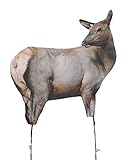
Overview: This official RMEF-licensed cow elk decoy combines conservation support with proven hunting effectiveness. Designed to be carried on every hunt, its lightweight construction and compact folding design eliminate excuses for leaving it behind. The decoy’s size strikes an ideal balance between visibility for attracting bulls and portability for spot-and-stalk scenarios across diverse terrain.
What Makes It Stand Out: A portion of proceeds directly supports Rocky Mountain Elk Foundation’s habitat conservation efforts, letting hunters give back while pursuing their passion. Its season-long effectiveness—from early September bugling through late-season herd gathering—makes it more versatile than rut-specific decoys. The quick-deployment design is perfect for aggressive spot-and-stalk hunting when seconds count.
Value for Money: Mid-range pricing delivers excellent value, especially considering the built-in conservation donation. Comparable cow decoys without the RMEF partnership cost similarly, making this a no-brainer for ethically-minded hunters. The durability ensures multiple seasons of use, spreading the cost over years of successful hunts and habitat protection.
Strengths and Weaknesses: Strengths: Supports RMEF conservation; ultra-portable; effective all season; quick setup; realistic size; lightweight Weaknesses: Less detailed than photo-printed decoys; may flap in wind without proper staking; limited pose variety; no instructional materials included
Bottom Line: The RMEF Cow Elk is an essential tool for conservation-conscious hunters. Its reliability and purpose-driven design make it a smart addition to any elk hunter’s pack.
3. Montana Decoy Miss September Feeding Elk

Overview: The Miss September Feeding Elk decoy capitalizes on a cow’s most non-threatening pose, making it invaluable for call-shy elk or late-season hunts. Its photo-realistic printing creates a convincing 3D illusion that fools even mature, pressured bulls. The collapsible design and durable polyester construction ensure it survives rugged mountain hunts while remaining packable for long approaches.
What Makes It Stand Out: The feeding position projects calm and contentment, encouraging wary bulls to commit when aggressive poses might spook them. This psychological edge is crucial for archers needing close shots. The quick-setup system gets you ready in seconds, critical when a bull appears unexpectedly. The fabric handles rain, snow, and brush without tearing or fading.
Value for Money: Competitively priced against other photorealistic decoys, Miss September offers specialized pose utility that generic standing decoys lack. The durability means you won’t replace it annually, and its effectiveness across multiple scenarios delivers strong ROI for serious hunters who need reliable performance in varied conditions.
Strengths and Weaknesses: Strengths: Feeding pose reduces wariness; photo-realistic printing; rapid deployment; durable weather-resistant fabric; compact storage; effective on pressured elk Weaknesses: Single pose limits versatility; polyester can be noisy in wind; requires practice for natural positioning; slightly heavier than minimalist options
Bottom Line: For hunters targeting educated elk or hunting post-rut scenarios, Miss September’s feeding pose provides a unique advantage that standard decoys simply cannot match.
4. Montana Decoy 0078: Back Country Elk Decoy

Overview: Engineered for minimalist bowhunters who venture far from roads, the Back Country Elk Decoy prioritizes packability without sacrificing effectiveness. Weighing mere ounces and folding smaller than a rain jacket, it disappears in your pack until needed. Built from an actual elk photograph, it maintains visual authenticity despite its ultralight design for backcountry applications.
What Makes It Stand Out: The trekking pole compatibility is brilliant for backcountry hunters already carrying poles, eliminating extra weight. Multiple mounting options—trekking pole, tree top, or direct pinning—adapt to any terrain situation. This versatility is unmatched in the ultralight decoy category, where most options force compromise between weight and functionality.
Value for Money: Its affordability makes it accessible for hunters wanting decoy capability without significant investment. While less durable than heavy-duty options, the price reflects its specialized purpose. For backcountry hunters counting ounces, replacing it every few seasons is acceptable trade-off for the weight savings and increased mobility.
Strengths and Weaknesses: Strengths: Ultralight and ultra-compact; trekking pole integration; versatile mounting; budget-friendly; realistic photo printing; ideal for deep wilderness Weaknesses: Less durable than premium models; limited stability in wind; smaller size reduces visibility; requires creative setup; not ideal for beginners
Bottom Line: The 0078 is a specialized tool for dedicated backcountry hunters. If you prioritize weight savings and already carry trekking poles, this decoy deserves a spot in your ultralight kit.
5. GearOZ Elk Game Bags Hunting Meat Bag 5-Pack Reusable Rolled Heavy Duty Quarter Bags, Big Game Hunting Essentials for Elk/Caribou/Moose/Deer, 48" x4, 28" x1

Overview: The GearOZ 5-Pack provides comprehensive meat care for serious big game hunters pursuing elk, caribou, or moose. This system includes four 48" quarter bags and one 28" organ bag, addressing complete field processing needs. The breathable cotton construction prevents spoilage during critical cooling periods while protecting meat from debris and insects in the backcountry.
What Makes It Stand Out: Reflective strips solve the frustrating problem of locating bags in pre-dawn darkness or when hurriedly breaking camp. The pure cotton fabric’s breathability is superior to synthetic alternatives, allowing proper air circulation that prevents bone sour and spoilage. The included ropes and stretch capability (up to 21 inches) accommodate even the largest quarters from mature bulls.
Value for Money: Compared to disposable bags or expensive synthetic alternatives, these reusable cotton bags pay for themselves in 2-3 hunts. The five-bag system covers a bull elk completely, eliminating the need for additional purchases. Their durability withstands multiple seasons, making them an economical long-term investment for ethical hunters who prioritize meat quality.
Strengths and Weaknesses: Strengths: Excellent breathability prevents spoilage; reflective strips aid visibility; washable and reusable; durable cotton construction; complete 5-pack system; includes closure ropes Weaknesses: Cotton retains moisture longer when wet; heavier than synthetic bags; requires proper drying after use; may stain permanently; not as tear-resistant as some alternatives
Bottom Line: For hunters serious about meat quality and waste reduction, the GearOZ system is essential gear. The thoughtful design and reusability make it a smart, ethical choice for backcountry meat care.
6. Primos Hunting 906 Elk Call, Terminator Elk Reedsper/2 Blue

Overview: The Primos Terminator Elk Reeds offer hunters a convenient, maintenance-free solution for elk calling. This package includes two pre-tuned silicone reeds designed to fit compatible Primos calls, eliminating the frustration of adjustments in the field when bulls are within earshot.
What Makes It Stand Out: These reeds come pre-tuned, requiring zero adjustments before use—a major time-saver when opportunity strikes. Unlike traditional latex reeds that degrade quickly, Primos uses durable silicone construction that maintains consistent tone and pitch throughout an entire season. The material resists moisture, temperature changes, and repeated use that typically cause latex to stretch or tear, ensuring reliable performance across varying conditions.
Value for Money: Priced competitively for a two-pack, these reeds deliver exceptional longevity. While standard latex reeds might need replacement every few weeks, silicone’s season-long durability means fewer purchases over time. For hunters who spend multiple days in the field, this translates to reliable performance without constant reed swaps, ultimately saving money and reducing pack weight.
Strengths and Weaknesses: Pros: Pre-tuned convenience; superior silicone durability; consistent sound quality; excellent moisture resistance; cost-effective long-term investment. Cons: Only compatible with specific Primos calls; limited tonal customization compared to hand-tuned latex; initial cost higher than basic latex reeds.
Bottom Line: These silicone reeds are a smart upgrade for serious elk hunters using compatible Primos calls. The pre-tuned design and season-long durability justify the modest premium, ensuring your call performs reliably when it matters most.
7. Delta McKenzie 22540 Pinnacle Elk 3D Hunting Archery Target Decoy
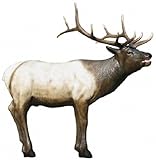
Overview: The Delta McKenzie Pinnacle Elk serves dual purposes as both a 3D archery target and a hunting decoy. At 80 inches long and 54 inches tall, it presents a lifelike silhouette that challenges archers while attracting live elk in the field.
What Makes It Stand Out: This target handles broadheads, expandable points, and field tips at speeds exceeding 350 fps, making it versatile for any setup. The replaceable vital sections extend its lifespan significantly, while the detailed anatomy provides realistic practice scenarios. As a decoy, its impressive size and authentic profile can draw curious bulls into range, functioning as a two-in-one hunting tool that transitions seamlessly from backyard practice to backcountry deployment.
Value for Money: While pricier than basic foam targets, the Pinnacle Elk eliminates the need for separate practice targets and decoys. The durability against high-speed bows and multiple arrow types ensures seasons of use. Replacement cores cost less than buying a new target, maximizing long-term value and reducing waste.
Strengths and Weaknesses: Pros: Dual-purpose design; massive realistic dimensions; handles all arrow types; high-speed bow compatible; replaceable vitals. Cons: Heavy and bulky for transport; premium price point; setup requires stakes (not included); may be overkill for hunters needing only a decoy.
Bottom Line: For dedicated archery hunters wanting realistic practice and effective decoying in one package, this target delivers. The investment pays dividends through improved accuracy and hunting success, provided you can manage its size in the field.
8. The Enchantress Elk Slayer | Push Button Elk Call for Realistic Cow Elk Sounds | Call + Bugle + Extra Reed

Overview: The Enchantress Elk Slayer revolutionizes elk calling with its push-button design that eliminates the learning curve associated with diaphragm calls. This combo includes a cow call, attachable bugle tube, and backup reed—everything needed to produce authentic elk vocalizations without practice.
What Makes It Stand Out: The push-button mechanism removes the gag reflex and breath control challenges of traditional calls, making it accessible to beginners and youth hunters. The system produces remarkably realistic cow chirps and bugles that have proven effective in the field. Its modular design allows quick switching between cow calls and bugles, while the American-made construction ensures field-worthy durability when bulls are responding.
Value for Money: This all-in-one system costs less than purchasing separate high-quality cow calls and bugle tubes. The included extra reed adds value, while the American-made construction ensures durability. For hunters intimidated by diaphragm calls, it eliminates wasted money on difficult-to-master alternatives that might end up unused.
Strengths and Weaknesses: Pros: Extremely easy to operate; no experience required; realistic sound quality; great for teaching kids; Made in USA; includes backup reed. Cons: Less tonal versatility than expert-level diaphragm calls; mechanical parts could potentially fail; bulkier than mouth calls.
Bottom Line: The Elk Slayer is ideal for novice hunters, guides with clients, or anyone seeking reliable elk sounds without practice. Its simplicity and effectiveness make it a worthy addition to any elk hunter’s pack, especially for introducing new hunters to the sport.
9. Primos Hunting Crow Call, Authentic Turkey Hunting Crow Game Call for Decoying
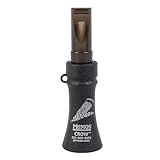
Overview: Primos delivers a specialized crow call designed primarily for locating gobblers during spring turkey season. This compact tool produces the raspy, nuanced sounds that shock turkeys into revealing their position, while doubling as an effective crow hunting call for varmint control.
What Makes It Stand Out: The call excels at producing subtle variations in crow vocalizations that trigger instinctive gobbles from toms. Its super-raspy tone mimics real crows more accurately than generic locator calls. The simple design requires minimal air pressure, allowing for extended calling sessions without fatigue. Primos’ reputation for quality ensures consistent performance across temperature and humidity variations.
Value for Money: As an affordable addition to any turkey hunter’s kit, this call offers dual functionality. It replaces more expensive electronic locators and provides authentic sound for actual crow hunting. The durable construction ensures multiple seasons of use, making it a budget-friendly essential that pays for itself by saving time and improving hunting efficiency.
Strengths and Weaknesses: Pros: Excellent for shocking gobblers; authentic raspy tone; easy to operate; durable build; dual-purpose design; very affordable. Cons: Single-purpose for turkey hunters who don’t crow hunt; requires practice for realistic cadence; limited volume compared to some electronic locators.
Bottom Line: Every serious turkey hunter should carry this call. Its effectiveness at locating birds and crow hunting versatility make it an unbeatable value. Master the cadence, and you’ll spend less time wandering and more time hunting productive areas.
10. The Enchantress Elk Call Collection – Push Button Cow Call with Bugle Tube, Strap & Replacement Reed – Easy to Use, Season-Long Durability & Consistent Realistic Elk Sounds – Made in USA

Overview: The Enchantress Elk Call Collection builds on their push-button system with a comprehensive bundle designed for season-long reliability. This complete kit includes the cow call, bugle tube, military-grade paracord strap, and a replacement reed—everything needed for consistent elk communication in one package.
What Makes It Stand Out: The precision-engineered push-button mechanism delivers repeatable, lifelike sounds without the variables of traditional reeds. The included replacement reed is specifically designed for extended durability, addressing the primary weakness of most calls. The military-grade paracord strap ensures secure, quiet carry in rugged terrain, while the entire system’s American-made quality guarantees field-worthy construction.
Value for Money: This bundled collection offers savings over purchasing components separately while ensuring compatibility. The season-long durability promise reduces replacement costs, and the American-made quality guarantees field-worthy construction. For hunters wanting a reliable, no-fuss system, it’s a cost-effective investment that eliminates compatibility guesswork.
Strengths and Weaknesses: Pros: Complete ready-to-hunt system; consistent sound production; season-long durability; easy operation; quality USA manufacturing; includes strap and spare reed. Cons: Less tonal flexibility than diaphragm calls; mechanical components add weight; premium price versus basic mouth calls.
Bottom Line: This collection is perfect for hunters prioritizing reliability and simplicity. The comprehensive bundle eliminates guesswork, while the durable design ensures your call won’t fail during the hunt. It’s an excellent choice for guides, new hunters, or anyone seeking consistent performance without the practice curve.
Understanding Elk Behavior for Decoy Success
Mastering elk decoys starts with understanding how these magnificent animals perceive their world. A decoy isn’t just a visual trick; it’s a psychological tool that speaks to elk social structure, breeding behavior, and survival instincts. Backcountry hunts amplify these factors, where pressured bulls develop wariness that roadside elk never experience.
The Rut Factor
The peak rut transforms bull elk into creatures driven by hormones and territorial dominance. Your decoy strategy must align with this biological urgency. During early September’s pre-rut, subordinate bulls test boundaries while herd bulls maintain control. Mid-rut brings chaos—satellite bulls challenging, cows coming into estrus, and mature bulls fighting to maintain harems. Late rut sees exhaustion setting in, with bulls becoming more selective and cautious. Each phase demands different decoy positioning, postures, and accompanying calling sequences that match the visual story you’re presenting.
Herd Dynamics and Decoy Placement
Elk don’t randomly approach strange elk in their territory—they assess threat levels, breeding opportunities, and social positioning. A lone cow decoy might attract a satellite bull seeking an easy opportunity, while a bull decoy challenges dominance. Multiple decoys create a herd scenario that can draw curious animals from greater distances. In backcountry settings, where elk experience less human pressure but more natural predation, placement must account for escape routes, feeding patterns, and bedding areas. Position your setup where approaching elk feel they have the advantage—never where they must expose themselves unnecessarily.
Wind and Thermals in Mountain Terrain
Mountain thermals create invisible highways of scent that can betray your position before a bull ever sees your decoy. Morning thermals flow downhill, pulling your scent into valleys. As the sun warms slopes, thermals reverse, carrying odor uphill. Your decoy placement must work with these patterns, not against them. Set up crosswind or slightly downwind of expected approach paths, using terrain features like rock outcroppings or dense timber to create scent buffers. The most realistic decoy in the world fails if a bull circles downwind and smells you instead.
Core Design Features That Matter
Not all decoys are created equal, especially when you’re carrying them seven miles from the trailhead. The difference between a successful setup and an expensive paperweight often lies in design details that matter more in the backcountry than anywhere else.
Lifelike Silhouettes vs. 3D Realism
The silhouette-versus-full-body debate intensifies in wilderness settings. Silhouettes offer unmatched packability and weight savings, often folding to the size of a camp chair. Modern versions use photographic prints with depth-creating shadows that fool elk at typical engagement distances of 50-150 yards. Full-body 3D decoys provide unmatched realism up close but demand significant pack space and weight. The sweet spot for backcountry hunters often lies in hybrid designs—3D heads with silhouette bodies that create depth while maintaining portability. Consider your typical shot distance and pack weight tolerance when choosing.
Portability for Backcountry Hunts
Every ounce matters when you’re gaining vertical feet. The ideal backcountry decoy balances realism with packability. Look for designs that collapse into compact shapes, strap securely to pack frames without shifting your center of gravity, and weigh under three pounds per unit. Frame materials like carbon fiber or aircraft-grade aluminum provide structure without bulk. Some designs pack flat like a map, while others roll into cylinders that slide into pack side pockets. Consider how quickly you can deploy from packed state to standing position—mountain hunts often require setup in under two minutes when you hear that distant bugle.
Durability in Harsh Conditions
Backcountry weather changes faster than elk move. Your decoy must withstand 40-mph ridge winds, surprise hailstorms, and abrasive granite without tearing or losing structural integrity. Reinforced stake points prevent wind-induced failure. Double-stitched seams and bar-tacked stress points ensure longevity. UV degradation turns vibrant colors into washed-out ghost images after a season of high-altitude sun exposure. The best designs incorporate UV inhibitors in the fabric itself, not just surface treatments that wash away.
Material Science in Modern Decoys
Today’s premium decoys borrow technology from sailing, mountaineering, and even military applications. Understanding these materials helps you evaluate whether a decoy justifies its price tag and pack space.
Weather-Resistant Fabrics
Ripstop nylon with waterproof backings dominates high-end decoys, offering tear resistance and quick drying when morning frost melts into dew. Some manufacturers use silicone-impregnated fabrics that repel water while remaining whisper-quiet—critical when brushing against brush during setup. Avoid vinyl-based materials that become brittle in cold and crinkle like a potato chip bag at 20 degrees. The fabric should feel soft to the touch but resist stretching when wet, maintaining the decoy’s shape through temperature swings from 25°F mornings to 70°F afternoons.
UV Protection and Fade Resistance
High-altitude UV exposure is brutal—equivalent to beach conditions but with added ozone thinning. Premium decoys use solution-dyed fabrics where pigment permeates the entire fiber, not just surface coatings. This prevents the “fading from the inside out” that plagues cheaper decoys after one season. Look for UV-stability ratings of 500+ hours, which translates to several seasons of hard use before colors shift. Some designs incorporate UV-reflective patterns that mimic actual elk hide’s natural UV signature, visible to elk but not human eyes.
Noise Reduction Technology
The crackle of unfolding a decoy can sound like a gunshot in silent timber. Innovative designs use fabric laminates that absorb sound rather than transmit it. Magnetic or silent-snap connectors replace Velcro that rips loudly. Even the stakes matter—rubber-coated metal stakes slide into rocky ground quietly, while bare metal clangs against stone. Test a decoy’s noise signature in a quiet room before trusting it in the field. If it rustles when you breathe on it, it’ll alert every elk within hearing distance during that critical pre-dawn setup.
Strategic Setup for Backcountry Ambushes
Success with decoys isn’t just about what you carry—it’s about where and how you deploy it. Mountain terrain offers both advantages and challenges that flatland hunters never encounter.
Elevation Advantage Considerations
Elk naturally travel along contour lines and prefer approaching uphill when possible—they feel safer with gravity on their side. Position your decoy slightly below expected approach routes, forcing bulls to commit downhill toward what they perceive as a vulnerable animal. This also gives you a shooting angle that maximizes vital zone exposure. Avoid skyline placements where your decoy becomes a dark silhouette against bright sky; instead, tuck it into timber edges or against varied backgrounds that break up its outline.
Natural Cover Integration
The best decoy setup disappears into its surroundings. Use natural vegetation to frame your decoy, creating a vignette that draws elk attention while obscuring your position. Position yourself 15-20 yards downwind of the decoy, using trees, rocks, or terrain folds for concealment. Never place decoys in open meadows unless you’re calling from extreme distance—elk expect other elk to use cover wisely. In timber, angle the decoy quartering toward you, creating a shot opportunity as the bull circles to face his perceived rival or potential mate.
Decoy Spacing and Realism
A single decoy works, but multiple decoys create a scenario. Space cow decoys 10-15 yards apart, mimicking natural grazing dispersion. A bull decoy positioned 20 yards upwind of cow decoys suggests a herd bull tending his harem—irresistible to challenger bulls. Avoid perfect alignment; nature is chaotic. Angle bodies differently, some feeding, some alert. This variety suggests a relaxed, natural group rather than a suspicious setup. In backcountry where elk are less numerous, even two decoys can create enough visual mass to draw investigation from surprising distances.
Mobility and Packability Essentials
The finest decoy performs only if you can get it to where elk live. Backcountry hunts demand gear that moves with you, not against you.
Weight-to-Effectiveness Ratio
Calculate this ratio by dividing total decoy system weight (including stakes, poles, and accessories) by perceived effectiveness in your hunting style. A 4-pound decoy that consistently draws 300+ inch bulls justifies its weight. A 1-pound decoy that elk ignore is dead weight. Most successful backcountry hunters carry 2-4 pounds of decoy total, often split between a primary bull or cow decoy and a secondary cow decoy for versatility. Consider modular systems where components serve multiple purposes—stakes that double as trekking pole extensions, for example.
Compact Folding Systems
The folding mechanism defines how quickly you can transition from hiking to hunting. Look for designs that collapse with a single motion rather than requiring disassembly of multiple poles and connectors. Some advanced systems use spring-loaded frames that pop open like expedition tents, securing with magnetic locks. Others roll around a central pole, creating a tight cylinder that straps to pack frames. The packed shape matters as much as size—a flat rectangle may slide better against your pack’s back panel than a bulky tube that catches on branches.
Multi-Decoy Carry Strategies
Smart hunters distribute decoy components across their pack system. A rolled silhouette might tuck into a spotting scope pocket, while stakes ride in side compression straps. Some packs now feature dedicated decoy sleeves that keep the unit secure and silent. Consider carrying a primary decoy always-accessible on your pack’s exterior for rapid deployment when you hear that unexpected bugle across a drainage. The second decoy can live deeper in your pack, reserved for planned setups where you have time to create a full scene.
Advanced Decoy Configurations
Beyond single decoy setups, advanced configurations can turn a curious bull into a committed bull. These strategies separate trophy hunters from tag-fillers in challenging backcountry conditions.
Cow vs. Bull Decoy Selection
The eternal question: cow or bull? The answer depends on season phase and bull maturity. Early season, cow decoys attract bulls seeking to build harems without immediate confrontation. Mid-rut, a bull decoy challenges dominance, triggering territorial responses from herd bulls. Late season, cow decoys again prevail as bulls seek to replenish energy with less fighting. Consider bull age—mature 6x6s often ignore small bull decoys but aggressively challenge large, realistic bulls. Young satellite bulls may avoid large bull decoys but investigate cow setups seeking breeding opportunities.
Multi-Decoy Spread Tactics
Creating a herd scenario requires strategic decoy roles. Position a feeding cow decoy as the primary attractant, visible from distance. Add a second cow decoy in alert posture, facing the expected approach route—this suggests the “herd” has detected something, making approaching bulls feel they’re walking into a natural situation. A bull decoy placed quartering away creates a dominance display that mature bulls cannot ignore. This three-decoy setup weighs under five pounds with modern designs but creates a visual story that single decoys cannot match.
Motion and Realism Enhancements
Static decoys work, but subtle motion transforms good into great. Lightweight, wind-activated tails that sway naturally add life without adding weight. Some hunters attach small strips of black fabric to legs, creating flickering shadows that mimic movement. In timber, suspend a decoy from a branch with lightweight cord, allowing it to sway slightly in breeze. Avoid motorized systems—they’re illegal in many states and add unnecessary weight. The goal is suggestion, not animation. Elk notice unnatural repetitive motion instantly.
Field Maintenance and Longevity
Your decoy is an investment that should last multiple seasons, even with backcountry abuse. Proper maintenance in the field and at home extends lifespan and maintains effectiveness.
Cleaning Protocols
Blood, mud, and elk scent compromise decoy effectiveness. Carry unscented baby wipes for quick cleaning in the field—removing blood from a successful shot prevents attracting predators to your decoy on subsequent hunts. At home, use scent-free soap and cold water; hot water sets blood stains and damages UV coatings. Never use fabric softeners or scented detergents. Air dry completely before storage to prevent mildew that creates unnatural odors. For stubborn stains, a soft brush and baking soda paste removes residue without harsh chemicals.
Repair Kits for Remote Hunts
Murphy’s Law intensifies in the backcountry. A comprehensive repair kit weighs ounces but saves hunts. Include tenacious tape for fabric tears, extra stakes (they always bend or disappear), zip ties for frame repairs, and a small tube of UV-resistant fabric glue. Some hunters wrap duct tape around their trekking poles for emergency repairs. Practice field repairs at home—can you fix a torn stake pocket in the dark with cold fingers? Your repair kit should live in your decoy’s stuff sack, always with the unit, not buried in your main pack.
Off-Season Storage
How you store decoys determines their first-day effectiveness. Store fully extended, not compressed, to prevent fabric memory that creates unnatural folds. A cool, dark closet prevents UV degradation during storage. Place cedar blocks or scent-free dryer sheets nearby to repel mice that love to chew decoy fabrics. Check regulations—some states require decoys be stored disassembled or out of sight during closed seasons to prevent illegal scouting. Inspect annually for UV fading by viewing decoys through polarized sunglasses; if colors look washed out, it’s time for replacement.
Legal and Ethical Considerations
Decoy hunting exists in a complex legal and ethical landscape that varies dramatically across the elk’s range. Understanding these boundaries keeps you legal and preserves the sport’s integrity.
State-by-State Regulations
Western states approach decoy legality differently. Colorado generally allows decoys statewide with few restrictions. Montana prohibits decoys during certain seasons in specific districts. Wyoming requires decoys be removed from the field daily on public land. Idaho bans electronic or motorized decoys but allows static versions. New Mexico has complex rules about decoy placement near water sources. Always check current regulations for your specific hunting unit—rules change annually, and ignorance isn’t a valid defense. Print regulations and carry them; cell service is non-existent where you’ll be hunting.
Fair Chase Principles
The Boone and Crockett Club’s fair chase ethic questions whether decoys provide an unfair advantage. Ethical hunters use decoys to create opportunity, not guarantee success. Avoid setups that exploit decoys in ways that eliminate the animal’s ability to escape or detect danger. Never combine decoys with bait (where legal) or use them to harass animals. The goal is enhancing the chess match, not reducing it to checkers. If a decoy makes success too easy, you’re not hunting—you’re harvesting, and that diminishes the experience.
Public Land Best Practices
Public land means shared resources. Never leave decoys unattended overnight—this constitutes littering and can spook other hunters’ game. Avoid popular trails and camping areas where decoys might alarm non-hunters or create conflicts. If you encounter another hunter’s decoy setup, give it wide berth; interfering with another hunter’s legal method is unethical and potentially dangerous. Some hunters attach orange flagging to decoys when packing them to avoid alarming other hunters who might mistake the packed shape for an actual elk.
Integrating Decoys with Calling Strategies
A decoy without calling is just a lawn ornament. The synergy between visual and auditory stimuli creates the illusion of real elk that even wary backcountry bulls find irresistible.
Syncing Visual and Audio Cues
Your calling must match your decoy scenario. A bull decoy with cow calls creates confusion—why is a bull surrounded by cows making cow sounds? Instead, use bugles and glunking sounds with bull decoys. Cow decoys pair with estrus whines and calf chirps. The timing matters: call, wait for response, then move the decoy slightly if possible. This creates the impression of an elk that heard something and shifted position. Avoid over-calling; let the decoy’s visual presence do the heavy lifting once you’ve initiated contact. A single, well-placed bugle that a bull answers is worth more than a half-hour calling sequence.
Timing Your Approach
Decoys work best when elk are actively moving and vocal. Dawn and dusk prime time coincides with thermals settling, giving you scent control advantages. Midday can prove productive during peak rut when bulls cruise for cows, but decoy setups must be near bedding areas. The approach is everything: circle wide to get the wind right, set up silently, then make your first call. If a bull responds immediately, he’s committed before seeing the decoy—perfect. If he’s silent, let the decoy work for 20-30 minutes before calling again. Patience separates successful decoy hunters from those who spook game with impatience.
Shot Opportunity Windows
Decoys create shot opportunities, but only if you’re prepared. Position yourself for a 15-25 yard shot, not 40 yards. Bulls approaching decoys often circle downwind first; anticipate this by setting up with shooting lanes in a 180-degree arc. Practice drawing your bow or shouldering your rifle while seated or kneeling—decoy setups rarely allow standing shots. Use a rangefinder on nearby trees before the action starts; adrenaline makes distance judgment unreliable. The moment a bull commits to the decoy, he’s vulnerable but focused. Your movement must be minimal, slow, and timed when his vision is blocked by the decoy itself or when his head is down.
Frequently Asked Questions
How many decoys should I carry into the backcountry?
Most seasoned hunters carry one primary decoy (bull or cow depending on strategy) and one secondary cow decoy for versatility. This two-decoy system weighs 3-4 pounds total and allows both challenge and attraction setups without overloading your pack.
What’s the realistic effective range of an elk decoy in mountain terrain?
In open timber or meadows, expect visual detection at 200-300 yards, but effective attraction typically occurs within 150 yards. Terrain features like ridges and timber limit visibility, so position decoys where approaching elk will spot them naturally along travel corridors.
Can decoys spook elk in heavily pressured backcountry areas?
Yes, overuse can create wariness. Rotate decoy positions, vary setups, and avoid using decoys every day. In highly pressured areas, consider using only a single cow decoy rather than aggressive bull setups that pressured bulls may associate with hunters.
How do I prevent my decoy from flapping in mountain winds?
Use all stake points provided, angle the decoy slightly into the prevailing wind, and consider adding small rocks to the decoy’s base pocket if equipped. Some hunters create windbreaks with natural vegetation upwind of the decoy, reducing gust impact without creating unnatural obstacles.
Are silhouette decoys effective enough for trophy bull hunting?
Modern photographic silhouettes with depth shadows prove highly effective, especially beyond 50 yards. Many trophy hunters prefer them for packability. The key is proper angle to the sun and background; silhouettes fail when backlighted or placed against uniform backgrounds like open sky.
What’s the best decoy color for early season versus late season hunts?
Early season elk sport rich, dark summer coats, so darker decoys match. As rut progresses and winter approaches, elk coats lighten and gray. Using a late-season colored decoy too early can appear unnatural. Some hunters carry both or use reversible designs with different color schemes.
How do I scent-control my decoy in the backcountry without access to washing facilities?
Store decoys in scent-free bags with earth-scent wafers. In the field, wipe down with scent-free wipes and spray with odor-neutralizing products. Avoid touching decoys with bare hands; use gloves during setup. Natural contamination from vegetation and soil actually helps; don’t over-clean in the field.
Can I use decoys effectively during archery season’s early dates before the rut intensifies?
Pre-rut decoying focuses on social curiosity rather than breeding aggression. Use cow decoys with calf sounds to attract herd bulls maintaining early harems. Bull decoys may spook pre-rut bulls not yet ready to fight. Keep setups subtle and calling minimal.
What decoy features are worth extra weight for remote wilderness hunts?
3D head features add realism worth their weight. Magnetic attachment systems that prevent noise are invaluable. UV-resistant fabrics justify extra ounces by extending decoy lifespan. Prioritize durability over ultralight materials that won’t survive a week in harsh conditions.
How do I practice with decoys before the season without educating local elk?
Practice setup and takedown in your backyard or local park during non-hunting hours. Use trail cameras on your practice setups to evaluate realism from an elk’s perspective. Many hunters practice on private land or in different states to avoid patterning local elk to decoys. The goal is muscle memory for silent, rapid deployment.
Related Buying Guides
- The Complete Guide to the 10 Best Elk Decoys for Backcountry Hunters
- 2026’s Top 10 Elk Decoys for Backcountry Public Land Hunts
- 2026’s Top 10 Elk Decoys for Backcountry Calling Success
- 10 Best Elk Decoys After 6 Months of Field Testing in 2026
- How to Choose the 10 Best Elk Decoys for Mountain Hunting in 2026