Table of Contents
The high country in September holds a special kind of magic—crisp mornings where your breath hangs in the air, aspens quaking with golden light, and the sound of a bull elk’s bugle echoing across a canyon so powerful it vibrates through your chest. For backcountry hunters who strap everything they need onto their backs and push miles beyond the trailheads, success hinges on gear that performs when it matters most. Among all the tools in your pack, few items carry as much weight—literally and figuratively—as your elk calls. These aren’t just noisemakers; they’re your voice in the wilderness, your ticket into conversations happening in the dark timber, and often the difference between packing out heavy or hiking out empty-handed.
Choosing the right calls for remote, self-supported hunts requires a different mindset than picking gear for day hunts from the truck. Every ounce matters, but so does reliability when you’re ten miles from the trailhead and that’s the only bull you’ve heard all week. The backcountry demands equipment that withstands brutal weather, produces authentic sounds across varying altitudes, and won’t let you down when your fingers are numb and adrenaline is pumping. This guide breaks down everything you need to know about selecting and mastering elk calls specifically for backcountry expeditions—focusing on the features, types, and techniques that matter most when you’re deep in elk country with everything you need on your back.
Top 10 Elk Calls
Detailed Product Reviews
1. Phelps Game Calls AMP Diaphragms Elk Call - Complete Vocalization Collections for Cow Calls, Bull Bugles, and All Skill Levels, Signature

Overview: The Phelps Game Calls AMP Diaphragms Elk Call system represents a comprehensive approach to elk vocalization, offering six distinct collections that cover every conceivable calling scenario. From high-pitched calf squeals to thunderous bull bugles, this series provides hunters with precision-engineered tools designed for specific skill levels and hunting situations. The modular collection system allows you to select exactly what you need based on experience and hunting style.
What Makes It Stand Out: The standout feature is undoubtedly the six-tiered collection system, ranging from beginner-friendly options to world champion competitive-grade diaphragms. Phelps employs specialized latex technology with three distinct specifications—ultra-thin for subtle vocalizations, medium stretch for versatile all-around performance, and tight stretch for maximum volume and durability. The proven AMP frame construction ensures consistent performance across all collections, while the Signature collection offers time-tested favorites that have proven effective in the field.
Value for Money: While positioned at the premium end of the market, the AMP system delivers exceptional value through its targeted approach. Rather than purchasing multiple individual calls through trial and error, hunters can invest in a collection specifically tailored to their skill level. The durability of the tight-stretch latex and robust frame construction ensures multiple seasons of reliable performance, ultimately costing less per hunt than budget alternatives that require frequent replacement.
Strengths and Weaknesses: Strengths include comprehensive vocalization coverage, skill-level specific options, premium latex technology, and durable AMP frame construction. The variety within collections allows hunters to adapt to any scenario. Weaknesses include potentially overwhelming complexity for absolute beginners trying to select the right collection, and the premium price point may deter casual hunters who only hunt elk occasionally.
Bottom Line: The Phelps AMP system is an outstanding investment for dedicated elk hunters who demand versatility and professional-grade performance. The ability to select collections based on skill level eliminates guesswork and accelerates the learning curve, making it the top choice for serious sportsmen.
2. Hunters Specialties Carlton’s Calls Alumni Pack Aluminum Frame Elk Diaphragm Call (4 Pack)

Overview: The Hunters Specialties Carlton’s Calls Alumni Pack delivers a comprehensive four-call diaphragm system built on Wayne Carlton’s legendary calling legacy. This aluminum-frame collection uses a practical color-coding system to help hunters quickly identify the right call for specific elk vocalizations, making it an excellent choice for both novice and experienced hunters seeking versatility in a compact package.
What Makes It Stand Out: The innovative color-coded identification system sets this pack apart, allowing hunters to switch calls silently and efficiently in the field without fumbling. The inclusion of single, double, and triple reeds plus a dedicated cow/calf call provides remarkable sonic diversity. The proprietary Infinity Latex construction offers superior moisture resistance, maintaining tonal integrity during extended hunts in wet conditions—a critical advantage over standard latex calls.
Value for Money: This four-call pack represents solid mid-range value, essentially providing four specialized calls for the price of two premium individual diaphragms. The included durable plastic carry case adds protection and organization value, while the customizable aluminum frames eliminate the need to purchase additional calls to achieve proper fit. For hunters wanting comprehensive coverage without breaking the bank, this pack hits the sweet spot.
Strengths and Weaknesses: Strengths include the color-coded system for quick identification, moisture-resistant Infinity Latex, versatile reed configurations, customizable frames, and convenient storage case. The variety covers most hunting scenarios effectively. Weaknesses include aluminum frames that may feel bulky for some users, and the molding process requires careful heating and fitting that could intimidate beginners. The calls may require more air pressure than plastic-frame alternatives.
Bottom Line: The Carlton’s Alumni Pack is a reliable, versatile workhorse for elk hunters who value organization and all-weather performance. While not the cheapest option, its thoughtful design and proven materials make it a smart investment for hunters serious about mastering multiple call types.
3. Primos Hunting Primos Hoochie Pack Call
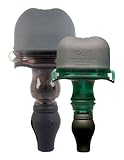
Overview: The Primos Hoochie Pack Call leverages the brand’s decades of hunting industry experience to deliver a straightforward, effective elk calling solution. Designed for creating realistic herd talk and cow vocalizations, this dual-call pack emphasizes simplicity and reliability. Primos built its reputation on field-tested designs that perform consistently in real hunting scenarios rather than just laboratory conditions.
What Makes It Stand Out: The “One for Each Hand” concept provides hunters with two distinct calls for rapid switching between vocalization types without palate adjustments. This design facilitates creating dynamic herd conversations by alternating hands. The “Create Herd Talk” capability focuses on producing authentic cow and calf sounds that trigger instinctive responses from bulls seeking companionship, making it particularly effective during archery seasons when subtlety matters.
Value for Money: Positioned in the budget-to-mid-range category, the Hoochie Pack offers excellent value for hunters wanting reliable performance without premium pricing. Primos products typically deliver durability that exceeds their price point, and this pack’s simplicity means fewer mechanical failures. For weekend warriors or those new to elk hunting, it provides professional-grade sound at an accessible price.
Strengths and Weaknesses: Strengths include proven Primos reliability, dual-call versatility, focus on realistic herd talk, durable construction, and budget-friendly pricing. The calls require minimal maintenance and work well in various conditions. Weaknesses include limited documentation on specific reed configurations, less specialized than premium brands, and the basic design may not satisfy advanced callers seeking nuanced control. The pack lacks the comprehensive coverage of multi-call sets.
Bottom Line: The Primos Hoochie Pack is an excellent entry-to-intermediate level choice for hunters prioritizing simplicity and reliability. While it won’t replace a professional’s full arsenal, it consistently produces authentic cow vocalizations that bring bulls in close, making it a dependable field companion.
4. RIVEN The Rebel Series Elk Call Small Dome Combo 3 Pack for Hunting | Perfect Variety of Reeds for Cow, Calf & Bull Sounds | Includes Tremor, Rosie & RS1 Standard Frame Mouth Calls & One Carry Case

Overview: RIVEN’s Rebel Series Small Dome Combo 3 Pack brings innovative design to elk diaphragm calls with its distinctive dome-shaped frame that simplifies mouth placement. Hand-built in the USA, this collection includes three specialized calls—Tremor, Rosie, and RS1—designed to produce the full spectrum of cow, calf, and bull vocalizations. The small dome design specifically addresses common beginner challenges with call positioning.
What Makes It Stand Out: The revolutionary dome design is the star feature, creating a natural shelf that guides the call to the optimal palate position automatically. This innovation dramatically reduces the learning curve for new callers while providing consistent placement for veterans. The hand-built American craftsmanship ensures quality control that mass-produced imports cannot match, while the three distinct calls offer targeted performance for specific vocalization types rather than generic all-purpose designs.
Value for Money: This three-call combo sits in the mid-range price bracket but delivers premium value through its specialized design and domestic manufacturing. Comparable individual calls from major brands would cost significantly more, and the dome innovation saves hunters countless hours of practice time. The durable clamshell case extends the value by protecting your investment season after season.
Strengths and Weaknesses: Strengths include the beginner-friendly dome design, hand-built USA quality, specialized call varieties, top-grade tape and latex, and protective case. The targeted approach helps hunters master specific sounds faster. Weaknesses include RIVEN’s smaller brand recognition compared to industry giants, potentially limiting resale value. The dome design may feel unusual to traditional diaphragm users initially, and the pack lacks reed variety beyond the three included calls.
Bottom Line: The RIVEN Rebel Series is a game-changer for beginners and a reliable addition for experienced hunters wanting consistent placement. The innovative dome design justifies the investment by accelerating proficiency, making it one of the smartest training tools available for elk calling.
5. Hunters Specialties Boss Cow Call - Open-Reed Elk Call for High-Pitched Loud Mature Cow Moos and Bleats (Lanyard Included)

Overview: The Hunters Specialties Boss Cow Call takes a specialized approach with its open-reed design focused exclusively on producing authentic mature cow vocalizations. This single-purpose call targets the specific sounds that trophy bulls seek during the rut: loud, nasal moos and high-pitched estrus bleats. The premium wood barrel construction elevates it from a simple tool to a refined piece of hunting equipment.
What Makes It Stand Out: The adjustable notched frame represents a significant innovation, allowing hunters to set precise tone preferences that remain locked during intense calling sequences. The custom walnut-and-maple wood barrel with its textured elk antler pattern provides both functional durability and aesthetic appeal unmatched by plastic alternatives. This call excels at creating subtle nasal tones and powerful estrus bleats that plastic calls struggle to replicate authentically.
Value for Money: As a single call in the mid-range price tier, the Boss Cow Call offers focused value for hunters who understand the power of mature cow vocalizations. While it doesn’t provide the versatility of multi-call packs, its specialized performance in producing boss cow sounds justifies the investment. The durable wood construction ensures longevity, and the included lanyard adds practical value for field use.
Strengths and Weaknesses: Strengths include exceptional realism in cow vocalizations, innovative adjustable notched frame, premium wood barrel construction, included lanyard, and focused effectiveness on mature bull attraction. The open-reed design provides nuanced control. Weaknesses include the steep learning curve associated with open-reed calls, limited versatility beyond cow sounds, and the wood barrel requires more careful maintenance than synthetic materials. Single-sound focus may not suit hunters wanting an all-in-one solution.
Bottom Line: The Boss Cow Call is a specialized weapon for experienced hunters who understand that authentic mature cow vocalizations can be more effective than bugling. While not for beginners, it’s an invaluable tool for trophy hunters targeting call-shy bulls during peak rut activity.
6. Rocky Mountain Hunting Calls 142 GTP Series Black Magic, Reaper, and Spellbound Elk Diaphragm Calls, Pack of 3

Overview: The Rocky Mountain GTP Series offers a trio of premium diaphragm calls designed for elk hunters seeking versatility in one convenient package. This three-pack includes the Black Magic, Reaper, and Spellbound models, each engineered to produce distinct tonal qualities for different calling scenarios. Weighing just 0.019 pounds, these lightweight calls won’t burden your pack during long backcountry hunts. The GTP series represents Rocky Mountain Hunting Calls’ commitment to providing quality mouth calls for serious sportsmen.
What Makes It Stand Out: Having three distinct calls in a single purchase sets this package apart. Each call presumably offers unique reed configurations and latex tensions, allowing hunters to switch between subtle cow talk, aggressive bugles, or lost calf cries without carrying multiple individual packages. This variety enables hunters to adapt to changing elk behavior and hunting conditions on the fly. The minimal weight is particularly advantageous for backcountry hunters counting every ounce.
Value for Money: This three-pack delivers exceptional value for hunters wanting to experiment with different diaphragm sounds without investing in separate, full-priced calls. Compared to buying individual premium diaphragms at $8-12 each, this bundle likely saves 20-30% while providing comparable quality. It’s an economical entry point for beginners building their call arsenal.
Strengths and Weaknesses: Pros: Three distinct calls for varied situations; extremely lightweight; cost-effective bundle; reputable brand heritage. Cons: Limited product specifications available; requires practice to master; may not match premium single-call performance; no instructional materials included.
Bottom Line: This versatile three-pack serves as an excellent starter set or backup collection for elk hunters wanting variety without breaking the bank. While seasoned callers might prefer specialized individual calls, the GTP Series offers pragmatic versatility for most hunting scenarios.
7. Phelps Game Calls Unleashed V2.0 Bugle Tube Elk Call - Professional Grade Elk Bugling Call with Corrugated Chamber for Extreme Volume and Resonance, First Lite Fusion

Overview: The Phelps Unleashed V2.0 represents the pinnacle of bugle tube engineering for serious elk hunters. This professional-grade call features innovative design elements that produce devastatingly realistic elk vocalizations. The corrugated chamber and thick-wall construction create unmatched resonance and volume, allowing your calls to carry across vast terrain. Available in multiple configurations including the dual-mouthpiece V2, compact Renegade, lightweight Unrivaled, and classic Unleashed, there’s a model for every calling style and hunt type.
What Makes It Stand Out: The corrugated chamber design is a game-changer, providing structural integrity while generating authentic elk tones without the plastic-y sound common in lesser tubes. The over-cupped exhaust bell creates optimal backpressure, making diaphragm articulation more precise and reducing caller fatigue. This engineering translates to more convincing bugles, chuckles, and screams that challenge dominant bulls and locate elk in heavy timber.
Value for Money: Positioned at the premium end of the market, the Unleashed V2.0 justifies its price through superior construction and performance that cheaper alternatives cannot replicate. While budget tubes cost $30-50, this professional instrument delivers authentic tone and durability that serious hunters demand. The investment pays dividends when that trophy bull commits to your realistic bugle.
Strengths and Weaknesses: Pros: Exceptional volume and resonance; authentic elk tones; durable thick-wall construction; multiple models available; works with all diaphragm types. Cons: Premium pricing; steep learning curve for novices; may be overkill for casual hunters; heavier than minimalist tubes.
Bottom Line: For dedicated elk hunters who demand professional-grade performance, the Unleashed V2.0 is worth every penny. Its superior sound quality and construction make it the top choice for serious hunters pursuing mature bulls in challenging terrain.
8. Primos Hunting Baby Hoochie Mama Call
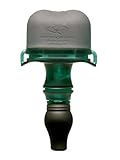
Overview: The Primos Baby Hoochie Mama specializes in reproducing the subtle, plaintive sounds of cow and calf elk with remarkable authenticity. This one-handed call excels at producing the sliding notes that signal contentment and companionship in elk herds. Crafted from high-quality materials in the USA, it represents Primos’ decades of experience in game call innovation. The compact design fits easily in a pocket, ready for quick deployment when elk appear unexpectedly.
What Makes It Stand Out: The effortless one-handed operation distinguishes this call, allowing hunters to keep their weapon ready while calling. This safety feature proves invaluable during close encounters. The Baby Hoochie Mama’s ability to reproduce the distinctive sliding note of cows and calves adds critical realism to your calling sequence, particularly when bulls are seeking receptive cows or when hunting with decoys.
Value for Money: Priced competitively within Primos’ lineup, this call offers solid value for a specialized tool from a trusted American brand. While generic cow calls cost less, the Baby Hoochie Mama’s proven design and consistent performance justify the modest premium. It fills a specific niche in your calling arsenal that generalist calls cannot replicate.
Strengths and Weaknesses: Pros: One-handed operation; realistic sliding notes; compact and portable; durable construction; made in USA. Cons: Limited to cow/calf vocalizations; not for bugling; requires moisture management; may lack volume for windy conditions.
Bottom Line: The Baby Hoochie Mama is an essential addition for hunters wanting authentic cow and calf sounds. Its ease of use and specialized capability make it perfect for close to mid-range situations where realism trumps volume.
9. Rocky Mountain Elk 101 Diaphragm Call 3 pk.

Overview: The Rocky Mountain Elk 101 three-pack delivers a trio of diaphragm calls named All-Star, Contender, and The Champ, providing hunters with multiple tonal options for various elk hunting scenarios. This bundle offers an economical way to sample different reed configurations and latex tensions without committing to individual purchases. Each call serves a specific purpose, from subtle cow communication to more aggressive vocalizations that can challenge distant bulls.
What Makes It Stand Out: The clever naming convention hints at a progression of difficulty and application, suggesting hunters can start with the “Contender” and work up to “The Champ” as skills develop. This educational approach benefits beginners learning diaphragm calling fundamentals. Having three distinct calls allows hunters to experiment with different tongue placements and air pressures to discover their personal calling style.
Value for Money: This pack represents exceptional value for budget-conscious hunters or those new to diaphragm calling. Three calls for the price of roughly two individual premium diaphragms makes this an accessible entry point. The cost savings enable hunters to allocate budget toward other essential gear while still acquiring quality calls from an established brand.
Strengths and Weaknesses: Pros: Economical three-call bundle; variety of sounds; lightweight; good for beginners; reputable manufacturer. Cons: Minimal product specifications; inconsistent quality control reported; requires significant practice; lacks instructional guidance.
Bottom Line: The Elk 101 pack is a pragmatic choice for beginners wanting to experiment with diaphragm calls without significant investment. While serious callers may eventually upgrade to specialized single calls, this bundle provides solid foundational tools for learning and field use.
10. Primos Hunting Primos Cow Girl Call

Overview: The Primos Cow Girl specializes in producing subtle, seductive cow elk sounds ideal for close-range encounters. Constructed from soft rubber, this call generates realistic tones that won’t spook wary bulls in the final moments of approach. Made in the USA from high-quality materials, it reflects Primos’ reputation for durable, effective hunting tools. The design prioritizes finesse over volume, making it perfect for hunting pressured elk or finishing the last critical yards to a bull.
What Makes It Stand Out: The soft rubber construction creates naturally muted tones that mimic real elk vocalizations without the harshness of plastic calls. This subtlety proves crucial when bulls are within 100 yards and scanning for the source of your calls. The Cow Girl excels at producing contented mews and subtle chirps that convince approaching bulls a receptive cow awaits, often drawing them into archery range.
Value for Money: Positioned as a mid-range specialty call, the Cow Girl offers excellent value for hunters needing authentic close-range vocalizations. While cheaper calls exist, Primos’ quality control and proven designs ensure consistent performance that justifies the price. It’s an affordable addition that complements louder bugle tubes and cow calls in a complete system.
Strengths and Weaknesses: Pros: Soft rubber for realistic subtlety; excellent for close calling; durable construction; made in USA; easy to master. Cons: Limited volume for long-range; single-purpose design; requires moisture management; soft rubber may wear faster than hard materials.
Bottom Line: The Cow Girl is indispensable for hunters pursuing elk in heavy cover or pressured areas where subtlety seals the deal. Its specialized design and realistic soft tones make it a must-have for finishing bulls at close range.
Understanding Elk Vocalizations
The Language of the Herd
Elk communicate through a sophisticated language of sounds that convey everything from dominance and desire to alarm and contentment. Bulls produce spine-tingling bugles during the rut—a high-pitched whistle followed by grunts that can carry for miles across open terrain. But that’s just the headline. The real story includes chuckles, glunks, mews, chirps, and subtle grunts that paint a complete picture of herd dynamics. Cows and calves have their own vocabulary, using soft mews to keep track of each other and sharp barks to sound the alarm. Understanding this vocal repertoire isn’t just academic; it’s the foundation of choosing which calls to carry and when to use them. In the backcountry, where you might only get one chance, knowing whether to speak bull language or cow dialect can make or break your encounter.
Seasonal Calling Patterns
The calendar dictates elk behavior as much as terrain does. Early September bulls are just getting fired up, producing tentative, raspy bugles as they establish dominance. By mid-September, the rut peaks and vocalizations become aggressive, frequent, and complex. Late September through October sees a gradual tapering as cows come into estrus and bulls become more defensive of their harems. Backcountry hunters must match their calling strategy—and their call selection—to these phases. Early season might favor subtle locator calls, while peak rut demands full-throated challenge bugles. Post-rut hunts shift toward cow talk and feeding sounds. Your call system needs versatility to adapt throughout a multi-day backcountry hunt where you might witness the entire spectrum of rut progression.
Bull vs. Cow Communication
The testosterone-fueled language of mature bulls revolves around dominance displays and breeding rights. Their bugles serve as both advertisements to cows and challenges to rivals. Subtle variations in pitch, duration, and the number of trailing grunts communicate size, aggression level, and intent. Conversely, cow-calf communication centers on maintaining contact and expressing contentment. These sounds are typically softer, more frequent, and less dramatic—but often more effective at drawing in a wary bull. Smart backcountry hunters carry calls that speak both languages, switching between them based on the situation. A bull bugle might locate elk across a drainage, but a soft cow mew often brings them into bow range.
Essential Call Types for Backcountry Success
Bugle Tubes for Long-Distance Location
Bugle tubes represent the megaphone of elk communication, projecting sound across vast wilderness areas. For backcountry hunters, these calls serve two critical functions: locating elk and challenging mature bulls. A quality bugle tube mimics the natural resonance and tonal qualities of a real bull, with the ability to produce both the high-pitched whistle and the guttural grunts that follow. The best designs for remote hunts feature modular construction—allowing you to separate the mouthpiece from the tube for compact packing—while maintaining structural integrity that won’t collapse in your pack. Look for tubes that produce authentic sound without requiring excessive air pressure, as altitude and exertion already tax your lung capacity.
Cow Calls for Close Encounters
Once you’ve located elk or need to seal the deal on a hesitant bull, cow calls become your primary tool. These produce the soft mews, chirps, and estrus whines that signal a receptive cow. Backcountry-worthy cow calls must excel in sound quality while offering packable designs. Many hunters prefer external calls that work hands-free, allowing simultaneous bow or rifle handling. The most versatile designs produce multiple tones—from subtle feeding mews to excited estrus calls—without requiring a complete change of equipment. For remote hunts where every ounce counts, consider calls that integrate multiple sounds into a single unit rather than carrying separate devices for each vocalization.
Calf Distress for Unique Situations
The high-pitched, desperate bleat of a lost calf triggers maternal instincts in cows and sometimes draws in curious bulls. While not your everyday call, a calf distress sound can be a secret weapon during backcountry hunts, especially when you spot a herd with cows and need to stop them for a shot. These calls are typically compact and lightweight, making them easy additions to any pack. The key is authenticity—real calves produce a specific pitch and cadence that herd members instantly recognize. Practice is essential, as the sound is foreign to most human ears and difficult to reproduce correctly without proper technique.
Grunt Tubes for Realism
The deep, throaty grunts that follow a bugle add realism and aggression to your calling sequence. Some hunters achieve this with their natural voice, but grunt tubes provide consistency and volume while protecting your vocal cords during a week-long backcountry hunt. These simple devices attach to bugle tubes or work as standalone units, producing low-frequency sounds that travel well through timber. For backpack hunts, look for grunt tubes that nest inside your primary bugle tube or collapse flat. The best designs allow variable pitch control, letting you match the intensity of the bull you’re challenging or the subtlety of a contented bull with his harem.
Push-Button Convenience
When you’re exhausted, cold, and a bull suddenly appears at 60 yards, complicated calling techniques can fail you. Push-button calls eliminate the learning curve, producing consistent sounds with minimal practice. While purists might scoff, backcountry realists recognize their value—especially as backup options. These calls typically produce cow sounds and work by simply depressing a button that forces air through a reed. Their simplicity makes them reliable in harsh conditions where diaphragm calls might freeze or external calls might get damaged. The trade-off is limited versatility, so consider them specialized tools rather than primary weapons.
Key Features of Backcountry-Worthy Calls
Sound Quality and Authenticity
In the dead-still morning air of a high mountain basin, elk can pinpoint unnatural sounds with frightening accuracy. The best backcountry calls produce tones, pitches, and cadences indistinguishable from live elk. This requires precision-engineered reeds, properly tuned chambers, and materials that don’t produce artificial overtones. Test calls in quiet environments before trusting them in the field—if they sound “off” to your ear, they’ll sound wrong to an elk. Authenticity also means dynamic range: the ability to produce both loud, aggressive calls for locating and soft, subtle sounds for close-range coaxing.
Volume Projection in Mountain Terrain
Mountain hunting means dealing with thermals, canyons, and dense timber that either amplify or deaden sound. Your calls must cut through these variables. Bugle tubes need enough volume to reach across a mile-wide drainage without requiring you to exhale your entire lung capacity. Cow calls must project clearly through timber while remaining soft enough not to startle nearby elk. The sweet spot involves calls that efficiently convert your breath into sound without waste. Consider how a call performs at different elevations—air density changes at 10,000 feet affect reed vibration and sound projection.
Durability for Rugged Conditions
Backcountry hunts abuse gear. Calls get shoved into pack pockets, dropped on rocks, soaked in rain, and frozen in morning frost. Quality construction separates reliable tools from disappointing junk. Look for mouthpieces that won’t crack in cold weather, reeds that resist moisture damage, and tubes that maintain shape after being compressed in a loaded pack. Materials like polycarbonate, aircraft-grade aluminum, and synthetic reeds withstand abuse better than cheaper plastics or natural materials. The best designs include protective cases or naturally pack in ways that shield critical components from impact and elements.
Weight and Packability
When you’re carrying a week’s worth of gear over 12,000-foot passes, every ounce matters. But skimping on calling capability can cost you your only opportunity. The solution lies in intelligent design, not necessarily minimal weight. A 6-ounce bugle tube that collapses to 12 inches and nests inside your pack’s side pocket beats a 3-ounce tube that breaks after two days. Prioritize calls that pack flat, disassemble into compact pieces, or serve multiple purposes. Some hunters even modify their gear—like storing diaphragm calls in empty Altoids tins with moisture-absorbing packets—to save weight while protecting functionality.
Ease of Use When It Matters
That moment when a bull answers from 200 yards away, you’re winded from a steep climb, and your hands are shaking with adrenaline is not the time for a complicated calling sequence. The best backcountry calls work intuitively, with mouthpieces that feel natural and air channels that require minimal back pressure. Diaphragm calls should fit your palate comfortably for all-day use. External calls need buttons or slides you can operate with gloved hands. Practice until using your calls becomes muscle memory, because when the moment arrives, fine motor skills vanish and instinct takes over.
Mastering Backcountry Calling Techniques
Reading Wind and Thermals
Sound travels on air currents, and in the mountains, those currents change dramatically throughout the day. Morning thermals flow downhill, carrying your calls into valleys. As the sun warms slopes, thermals reverse, pulling scent and sound uphill. Master elk hunters position themselves based on these patterns, ensuring their calls reach intended ears without their scent stream betraying their location. Learn to use terrain features—ridges, benches, and creek bottoms—to channel sound toward elk while keeping your scent cone away from them. Sometimes the best call location isn’t where you can see the most country, but where the wind works in your favor.
Setup and Positioning Strategy
The cardinal sin of elk calling is blasting away from poor positions. In the backcountry, where elk might be miles apart, every call counts. Set up in locations that allow elk to approach naturally—along travel corridors, near feeding areas, or in transition zones between bedding and food. Give yourself shooting lanes and escape routes. Position with the sun at your back when possible, keeping you in shadows while illuminating approaching elk. Most importantly, set up where you can see and shoot, but also where elk feel comfortable moving. A perfect setup balances visibility, concealment, and natural elk movement patterns.
Calling Sequences That Work
Random calling rarely fools mature bulls. Effective sequences tell a story: a bugle to locate, followed by cow calls to simulate a herd, perhaps a challenge grunt to imply a rival bull. Timing matters as much as sound quality. Space your calls naturally—real elk don’t bugle every 30 seconds. After a locate bugle, wait five to ten minutes before following up with cow talk. If a bull answers aggressively, consider a challenge sequence. If he responds tentatively, soft cow mews often work better. The backcountry hunter’s advantage is time—you can afford to let a sequence play out over hours, not minutes.
Knowing When to Stay Silent
The most powerful call in your arsenal is often silence. Over-calling educates elk and makes them call-shy. Sometimes the best strategy after locating a bull is to move in quietly and wait. Let the real elk do the talking while you position for a shot. In high-pressure areas, aggressive calling can send bulls running. Learn to read the situation: if elk are vocal and active, call back. If they’re quiet and wary, silence might be your best approach. The backcountry hunter who knows when to zip their lips often fills more tags than the one who never stops blowing.
Building Your Backcountry Call System
Primary vs. Backup Calls
Redundancy in the backcountry can save a hunt, but duplication wastes precious pack space. The smart approach involves a primary call system you trust completely and a minimalist backup that covers essential sounds. Your primary might be a quality bugle tube paired with a versatile cow call. Your backup could be a simple push-button cow call and a mouth diaphragm tucked in your first-aid kit. This two-tier system ensures that if your main bugle tube cracks on day three or your primary cow call freezes, you still have tools to produce the sounds that matter most.
Minimalist vs. Comprehensive Kits
Backcountry hunters fall into two camps: minimalists who carry one or two calls and masters of all, and comprehensive carriers who pack a full arsenal. The minimalist approach shines on long, multi-day hunts where every ounce matters. A single bugle tube that produces bull and cow sounds, plus one diaphragm call, can be enough. The comprehensive approach works better for shorter trips or when hunting with a partner who can share weight. This might include multiple cow calls for different situations, a bugle tube, grunt tube, and diaphragm calls. Your choice depends on your hunting style, physical conditioning, and willingness to trade weight for versatility.
Weather Protection Strategies
Backcountry weather changes in minutes. A sunny morning becomes a hailstorm by afternoon. Your calls need protection from moisture, freezing temperatures, and physical damage. Store diaphragm calls in airtight containers with moisture-absorbing silica gel packets. Keep external calls in zippered pockets of your pack’s hood or lid where they stay dry. Bugle tubes should have end caps or be stored in protective sleeves. In freezing conditions, keep calls inside your sleeping bag at night to prevent ice formation in reeds. Some hunters even sleep with their diaphragm calls in their mouth to keep them warm and ready for the morning setup.
Practice Regimens Before the Hunt
A call is only as good as the hunter blowing it. Backcountry conditions—fatigue, altitude, cold—exacerbate poor technique. Practice should simulate these conditions. Run stairs or do burpees, then immediately try to produce smooth cow mews. Practice in cold weather with gloves on. Learn to use each call without looking at it. Record yourself and compare to real elk sounds. The goal isn’t just making noise; it’s producing authentic vocalizations instinctively. A week before your hunt, practice daily. On the trail, practice quietly in camp to maintain muscle memory without educating area elk.
Troubleshooting Common Issues
Dealing with Call-Shy Elk
Public land bulls in heavily hunted areas often become wary of calling. They might answer but hang up out of range, or circle downwind silently. When facing call-shy elk, shift strategies. Use fewer calls, make them softer, and incorporate more natural pauses. Try non-vocal sounds like breaking branches or rubbing trees to simulate elk movement. Sometimes switching from aggressive bugles to simple cow talk makes wary bulls feel safe enough to investigate. The backcountry hunter’s advantage is solitude—use it to hunt areas where elk haven’t been bombarded with calls all season.
Adapting to Pressure
Even in remote backcountry, you might encounter other hunters. Increased human activity changes elk patterns and makes them less vocal. In these situations, subtlety wins. Focus on cow-calf communication rather than loud bugles that draw attention from other hunters. Hunt midweek if possible, and deeper into the wilderness than the average weekend warrior is willing to go. The backcountry rewards those who push beyond the comfortable zones, both physically and strategically.
Altitude and Humidity Effects
Thin mountain air and varying humidity levels wreak havoc on call performance. Reeds vibrate differently at 10,000 feet than they do at sea level. Moisture from your breath can swell reeds, changing pitch and responsiveness. Test your calls at altitude before the hunt, or arrive early to acclimate and practice. Bring multiple reed strengths—softer reeds often work better in dry, thin air. Learn to adjust your air pressure and tongue placement to compensate for environmental changes. The best backcountry hunters can make their calls sound authentic regardless of elevation or weather conditions.
Frequently Asked Questions
What’s the best elk call for beginners in the backcountry?
Start with a simple external cow call that produces sound with minimal technique. These calls work consistently regardless of your skill level and allow you to focus on hunting strategy rather than mastering complex diaphragm techniques. As you gain experience, add a bugle tube and practice with diaphragm calls in camp. The key is reliability when you’re still learning to read elk behavior in remote terrain.
How many calls should I carry on a backpack hunt?
Most experienced backcountry hunters carry three to four calls: a primary bugle tube, a versatile cow call, a backup cow call (often a diaphragm or push-button), and optionally a calf distress call. This provides redundancy without excessive weight. The exact number depends on your confidence level and how far you’re hiking—on a 10-day trip, you might sacrifice variety for reliability and pack weight.
Can I use the same call for bulls and cows?
Some calls, particularly diaphragm calls, can produce both bull and cow sounds with proper technique. Bugle tubes can be manipulated to create excited cow chirps or calf bleats. However, dedicated calls for each purpose generally produce more authentic sounds. In the backcountry, where versatility matters, learning to make multiple sounds with your primary call is a valuable skill that saves weight.
How do I keep my calls from freezing in cold weather?
Store calls inside your clothing or sleeping bag to keep them warm. For diaphragm calls, keep them in a pocket close to your body. External calls should be in jacket pockets rather than pack pockets. Blow gently to clear moisture after each use, and avoid leaving calls exposed overnight. Some hunters add a drop of glycerin to reeds to prevent ice formation, though this can affect sound quality.
What’s the most versatile elk call type?
A quality bugle tube with interchangeable mouthpieces offers the most versatility. With practice, you can produce bull bugles, cow mews, calf bleats, and grunts from a single device. The tube amplifies sound for locating elk across drainages while subtle mouthpiece adjustments allow close-range coaxing. For hunters wanting one call that does everything, a modular bugle system is hard to beat.
How far can elk hear a call in the mountains?
Under ideal conditions—a calm morning with thermals flowing toward the elk—a bugle can travel over two miles. Cow calls project about half that distance. However, terrain, wind, and atmospheric conditions dramatically affect range. In heavy timber or against the wind, effective range might drop to a few hundred yards. Always consider obstacles and air currents when judging how far your calls carry in the backcountry.
Should I practice calls at home or in the field?
Both. Practice at home to build muscle memory and learn proper technique without educating wild elk. Record yourself and compare to real elk sounds available online. Once in the field, practice quietly in camp to maintain your skills and adjust to altitude. Never practice loudly near hunting areas—you’ll alert every elk within miles and ruin your chances. Use vehicle rides to trailheads for soft practice with diaphragm calls.
Do I need different calls for different elk subspecies?
Rocky Mountain elk, Roosevelt elk, and Tule elk have slightly different vocalizations, but the differences are subtle enough that standard calls work for all subspecies. The key is adapting your calling style and cadence to match local elk behavior. Roosevelt elk in coastal rainforests often respond better to softer, more frequent calling, while Rocky Mountain bulls in open terrain might require louder, more aggressive sequences. Research your specific hunting area and listen to local elk if possible.
How do I know when to stop calling?
Stop when elk are approaching or when you see them. Continued calling can make them pinpoint your location and hang up. Also stop if you’re getting no response after several sequences—either the elk aren’t there or they’re not interested. Learn to read the woods: if you hear real elk going quiet, you should too. Silence is often more deadly than sound. When a bull is coming in hot, put the call down, pick up your weapon, and get ready.
Can elk calls wear out or go bad?
Yes. Reeds stretch, crack, or get damaged by moisture. Mouthpieces can develop leaks. Diaphragm calls lose their stretch and responsiveness. Store calls properly and inspect them before each season. Replace reeds annually or whenever sound quality degrades. In the backcountry, always have backups because a blown reed on day one shouldn’t end your hunt. Quality calls last years with proper care, but they’re consumable items that need periodic replacement.