Table of Contents
Watching your young archer develop from flinging arrows haphazardly to grouping shots tighter than a fist is one of parenting’s most rewarding experiences. But here’s the challenge that keeps archery parents up at night: kids grow at seemingly impossible rates, and that perfectly fitted bow you bought last season suddenly looks like a toy in their hands. The draw length that was spot-on six months ago now has them overextending their bow arm, and what once felt like a heavy draw weight now feels like pulling back a rubber band. This is precisely why adjustable compound bows have become the go-to solution for families serious about archery progression.
The landscape of youth archery equipment has transformed dramatically heading into 2026, with manufacturers finally understanding that “adjustable” means more than just a few pounds of weight variation. Modern engineering has produced bows that can genuinely adapt through growth spurts, skill development, and even shifting interests between target shooting and hunting. But with all these advancements comes complexity—understanding which features truly matter for your archer’s journey versus which are just marketing fluff can feel overwhelming. This guide cuts through the noise to focus on what makes an adjustable compound bow genuinely growth-friendly, how to evaluate specifications that impact performance and safety, and how to make a smart investment that won’t need replacing every single season.
Top 10 Adjustable Compound Bows
Detailed Product Reviews
1. Sanlida Archery Dragon X8 RTH Compound Bow Package for Adults and Teens,18”-31” Draw Length,0-70 Lbs Draw Weight,up to IBO 310 fps,No Bow Press Needed,Limited Life-time Warranty,RH Only

Overview: The Sanlida Dragon X8 RTH delivers a comprehensive archery solution in one package. This right-handed compound bow accommodates draw lengths from 18 to 31 inches and weights from 0 to 70 pounds without requiring a bow press. With an IBO speed of 310 fps, it suits hunting and target shooting across all skill levels. The package includes essential accessories like a 5-pin sight, stabilizer, 12 arrows, release, quiver, and even a case—everything needed to start immediately.
What Makes It Stand Out: The tool-less adjustment system sets this bow apart, allowing quick modifications as archers develop strength and technique. The included accessory bundle is exceptionally complete, eliminating the need for separate purchases. CNC-machined cams and BCY-D97 strings from the USA demonstrate quality construction, while the limited lifetime warranty on main parts provides long-term confidence. The zero-to-seventy-pound draw weight range is remarkably versatile, truly growing with the shooter.
Value for Money: At its price point, the Dragon X8 represents significant savings compared to buying bow and accessories separately. Comparable bare bows cost nearly as much without any extras. The lifetime warranty adds substantial value, protecting your investment. While not the fastest bow available, the 310 fps performance is adequate for most hunting scenarios, making it a smart mid-range choice.
Strengths and Weaknesses: Pros include complete ready-to-hunt package, exceptional adjustability, quality materials, lifetime warranty, and no bow press requirement. Cons are right-hand only orientation, 310 fps speed lagging behind some competitors at similar price points, and 3.8-pound weight being slightly heavier than premium options.
Bottom Line: Ideal for beginners seeking a complete, growth-oriented setup without hidden costs. The Dragon X8 eliminates guesswork while providing room to progress from novice to experienced hunter.
2. Lanneret Compound Bow and Archery Sets - Right Hand Archery Compound Bows 0-70 lbs Draw Weight Adjustable for Adults and Beginners,25"-31" Draw Length,up to IBO 320 fps,Archery Hunting Bow Set,Black

Overview: The Lanneret compound bow targets adult beginners and intermediate archers with a lightweight, performance-oriented design. This right-handed bow offers 0-70 pounds of draw weight and 25-31 inches of draw length adjustment without a bow press. Achieving IBO speeds up to 320 fps, it provides sufficient power for hunting and serious target practice. Weighing only 2.5 pounds, it reduces fatigue during extended shooting sessions.
What Makes It Stand Out: The ultra-lightweight construction is this bow’s defining characteristic, making it exceptionally maneuverable in tree stands or while stalking. The 320 fps IBO rating exceeds many bows in its class, delivering flatter trajectories and more kinetic energy. All adjustments use simple Allen wrench modifications, keeping maintenance straightforward. The aluminum alloy riser ensures durability without the weight penalty.
Value for Money: This bow positions itself as a performance-value option, offering higher speeds than many competitors at a similar price. While the product description mentions included accessories, specific details are less comprehensive than rival packages. The lightweight design alone may justify the cost for hunters prioritizing mobility. However, the limited 25-31 inch draw length range may exclude shorter archers.
Strengths and Weaknesses: Pros include remarkably lightweight 2.5-pound frame, impressive 320 fps speed, wide draw weight range, and simple adjustment system. Cons feature vague accessory details, narrower draw length range excluding youth shooters, and right-hand restriction limiting versatility.
Bottom Line: Perfect for mobile hunters and those valuing lightweight performance over extensive accessory bundles. The Lanneret excels in the field where ounces matter, though verify exact included components before purchasing.
3. Genesis Original Compound Bow & Arrow Kit- Adjustable Riser, 15"-30" Draw Length, 10-20 lb Draw Weight, All Skill Levels, Draw Hand - Left, Blue
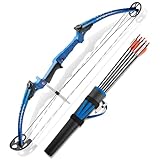
Overview: The Genesis Original left-handed kit provides a turnkey solution specifically designed for youth and beginner archers. With an exceptionally low 10-20 pound draw weight and 15-30 inch draw length adjustment, this bow prioritizes safety and learnability over raw power. The single-cam system eliminates synchronization issues while the aluminum riser and composite limbs ensure durability. Weighing 3.5 pounds, it includes five aluminum arrows, a quiver, and arm guard.
What Makes It Stand Out: As a dedicated left-handed model from a trusted brand, it fills a crucial niche often overlooked by manufacturers. The single-cam design requires virtually no tuning, making it ideal for beginners who lack technical expertise. Minimal recoil and quiet operation build confidence in new shooters. The adjustable riser grows with young archers, extending the bow’s useful lifespan through adolescence.
Value for Money: This kit offers excellent value for families introducing children to archery. The included accessories eliminate additional purchases, and the durable construction withstands years of use. While unsuitable for hunting due to low power, its educational value justifies the investment. The Genesis brand reputation ensures quality and resale value when upgrading.
Strengths and Weaknesses: Pros include true left-hand configuration, maintenance-free single cam, comprehensive starter kit, trusted brand quality, and safe low draw weight. Cons feature limited 10-20 pound power unsuitable for hunting, lower arrow velocity restricting range, and minimal growth potential for serious archers.
Bottom Line: An exceptional choice for left-handed youth and absolute beginners. The Genesis Original prioritizes learning fundamentals over performance, making it the perfect classroom or backyard trainer before advancing to higher-powered equipment.
4. Genesis Archery Original Compound Bow with Adjustable Riser, 15"-30" Draw Length, 10-20 lb Draw Weight, All Skill Levels, Draw Hand - Right, Red

Overview: The right-handed Genesis Original mirrors its left-hand counterpart as a purpose-built training bow for new archers. This 3.5-pound compound bow features the same adjustable 15-30 inch draw length and ultra-light 10-20 pound draw weight, making it accessible to children and adult beginners. The single-cam system ensures hassle-free operation without tuning complexities. Constructed with a 6061-T6 aluminum riser and composite limbs, it emphasizes durability and consistency over high performance.
What Makes It Stand Out: Genesis revolutionized beginner archery with its zero-tuning single cam design that remains unique in the market. This right-hand version maintains the brand’s reputation for reliability and safety. The universal draw length adjustment accommodates virtually any shooter, while the minimal recoil prevents developing bad habits. The bright red finish adds visual appeal that attracts younger archers to the sport.
Value for Money: As a specialized training tool, this bow offers strong value despite its limited power. The construction quality ensures years of reliable service, and the resale market for Genesis bows remains robust. While it won’t serve as a hunting bow, it eliminates the frustration of equipment tuning that often discourages beginners. Consider it an educational investment rather than hunting gear.
Strengths and Weaknesses: Pros include maintenance-free single cam, wide draw length range, trusted brand reputation, durable construction, and excellent safety profile. Cons feature insufficient draw weight for hunting, modest arrow speed, and limited long-term utility for advancing archers.
Bottom Line: The definitive starter bow for right-handed beginners of any age. The Genesis Original removes technical barriers to archery success, focusing on fundamental skill development before transitioning to performance equipment.
5. Compound Bow Set for Adults and Teens - Adjustable 20-70lbs Draw Weight, 19"-31" Draw Length, Right-Handed Archery Bow Kit for Hunting, Target Shooting, Outdoor Practice
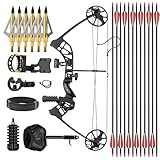
Overview: This versatile compound bow set targets teens and adults seeking an affordable entry into hunting and target archery. The right-handed bow adjusts from 20-70 pounds draw weight and 19-31 inches draw length without a bow press, offering substantial growth potential. With an aluminum riser and fiberglass limbs, it balances durability with cost-effectiveness. The package includes six carbon arrows, a 5-pin sight, release aid, stabilizer, peep sight, arrow rest, wrist sling, and hunting arrowheads.
What Makes It Stand Out: The inclusion of both carbon arrows and hunting broadheads makes this immediately field-ready at a competitive price point. The wide adjustment range accommodates shooters from teenage beginners to experienced adult hunters. Fiberglass limbs, while less premium than solid aluminum, provide reliable performance for the price tier. The straightforward design prioritizes function over fancy features.
Value for Money: This kit delivers solid value for budget-conscious hunters. Carbon arrows alone represent significant savings, and the hunting points eliminate immediate additional purchases. While the fiberglass limbs and unspecified IBO speed suggest modest performance, the complete package competes favorably with bare bows costing more. Perfect for those testing archery interest without major investment.
Strengths and Weaknesses: Pros include complete hunting-ready package, wide draw weight/length range, lightweight carbon arrows included, and immediate usability. Cons feature fiberglass limbs (less durable than aluminum), unspecified speed rating, unknown brand reputation, and right-hand only limitation.
Bottom Line: A practical choice for beginners wanting to hunt without breaking the bank. This set provides essential gear to start immediately, though serious archers may eventually upgrade components as skills progress.
6. Ready to Hunt Compound Bow Package for Adults,20-70 Lbs Draw Weight, No Bow Press Needed,19”-30” Draw Length,Right Hand Archery Compound Bows Draw Weight Adjustable,Hunting Bow Kit for Beginner

Overview: This comprehensive compound bow package targets adult archers seeking a versatile, adjustable setup without professional equipment. The bow offers an impressive 20-70 lb draw weight range and 19-30" draw length adjustment without requiring a bow press. The right-handed configuration includes essential accessories like a 5-pin sight, stabilizer, 12 carbon arrows, and release aid, making it immediately field-ready for beginners transitioning into hunting.
What Makes It Stand Out: The tool-less adjustment system is the defining feature, allowing archers to modify draw weight and length across an exceptionally wide spectrum. This adaptability serves everyone from novice shooters to experienced hunters. The inclusion of 12 carbon arrows and a release aid in the base package represents unusual completeness at this price point. The manufacturer emphasizes safety with prominent dry-fire warnings and provides responsive 12-hour customer support for accessory issues.
Value for Money: This package delivers remarkable completeness for budget-conscious buyers. Comparable bows with similar adjustability typically cost 30-50% more before adding arrows and release aids. The carbon arrows alone offset significant expense. While the accessory quality may not match premium brands, the core bow’s functionality and included extras make it an economical entry point into compound archery without immediate upgrade requirements.
Strengths and Weaknesses: Pros: Exceptional adjustability range; complete ready-to-shoot package; no bow press required; includes carbon arrows and release aid; strong safety documentation. Cons: Right-hand only limits accessibility; accessory quality is functional but basic; unspecified brand reputation raises durability questions; 290 FPS speed is modest for the draw weight potential.
Bottom Line: This package excels for beginners wanting maximum adjustability and completeness without breaking the bank. The tool-less design and safety emphasis make it ideal for learning proper form. However, serious hunters may eventually upgrade accessories. For the price, it’s an outstanding starter kit that grows with your skills, provided you respect the right-hand limitation and dry-fire warnings.
7. Bear Archery Royale RTH Compound Bow, Ready-to-Hunt Package, Right Handed Archers, 27" Bow, Adjustable Draw Weight 5-50lbs, Adjustable Draw Length 12"-27", True Timber Strata

Overview: The Bear Archery Royale represents a premium entry-level solution from a trusted industry name. This 27-inch axle-to-axle bow adjusts from 5-50 lbs draw weight and 12-27" draw length, accommodating youth through adult shooters. Weighing just 2.7 pounds bare, it fires arrows at 290 FPS. The Ready-to-Hunt package includes Trophy Ridge and Fletcher accessories, delivering professional-grade components in a lightweight, maneuverable platform finished in True Timber Strata camo.
What Makes It Stand Out: Bear Archery’s legendary reliability distinguishes this package from no-name competitors. The extreme low-end adjustability (5 lbs) makes it uniquely suitable for children and absolute beginners, while still reaching hunting-legal draw weights. At 2.7 pounds, it’s exceptionally lightweight for all-day carry. The inclusion of authentic Trophy Ridge accessories ensures sight and rest quality matches the bow’s performance, eliminating common first-upgrade necessities.
Value for Money: Priced mid-range for adjustable compounds, the Royale justifies cost through brand reputation and accessory quality. You’re paying for proven engineering and durability, not just specifications. The bow’s growth potential—from child to adult hunting weights—means one purchase can serve a shooter for decades. Compared to buying a starter bow then upgrading, this saves $200-300 long-term while maintaining resale value.
Strengths and Weaknesses: Pros: Reputable Bear Archery quality; extremely lightweight; genuine Trophy Ridge accessories; ultra-wide adjustment range for all ages; excellent resale value; quiet operation. Cons: Right-hand only; 27" axle length may feel unstable for larger archers; 290 FPS is modest; premium price over generic brands; limited color options.
Bottom Line: The Royale is the intelligent choice for families or beginners wanting proven reliability and growth potential. Its lightweight design and quality accessories justify the premium over budget packages. While not the fastest bow available, its adjustability and brand backing make it a long-term investment rather than a disposable starter. Perfect for youth starting their archery journey or adults wanting a trusted name without flagship pricing.
8. Bear Archery Limitless Youth Compound Bow, 25–50 lb. Draw Weight, 19"–29” Draw Length, Ready-to-Hunt Trophy Ridge Package: Bow Sight, Whisker Biscuit Arrow Rest®, Quiver, God’s Country Camouflage
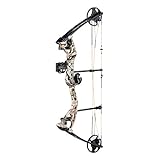
Overview: The Bear Archery Limitless targets transitional youth hunters with a bow that bridges practice and field use. Featuring a smooth dual-cam system delivering 265 FPS, it adjusts from 25-50 lbs draw weight and 19-29" draw length. The Ready-to-Hunt Trophy Ridge package includes a Whisker Biscuit rest, 3-arrow quiver, peep sight, and nock loop. Weighing slightly more than the Royale, it’s built for durability while maintaining manageable mass. Available in God’s Country camo or tactical tan.
What Makes It Stand Out: This bow specifically addresses the youth-to-adult transition period, where archers need serious performance without adult-bow mass. The dual-cam system provides smoother draw cycles than single-cam alternatives, reducing fatigue during practice sessions. The Trophy Ridge Whisker Biscuit is a hunting-proven rest that secures arrows silently—a critical feature for young hunters. The aesthetic options appeal to younger shooters who want gear that looks professional.
Value for Money: Positioned as a specialized youth bow, the Limitless offers excellent value for its demographic. The dual-cam smoothness and included Whisker Biscuit—typically a $40 upgrade—add immediate value. While less adjustable than the Royale, its focused 25-50 lb range covers the sweet spot for developing hunters. Parents avoid buying twice: this bow handles backyard practice and legitimate hunting without replacement, saving money and maintaining consistency for the shooter.
Strengths and Weaknesses: Pros: Smooth dual-cam performance; proven Trophy Ridge accessories; purpose-built for youth transition; durable construction; attractive finish options; includes quality arrow rest. Cons: Limited to 50 lb max (unsuitable for larger game in some states); right-hand only; 265 FPS is modest; heavier than the Royale; narrow draw length range excludes smaller children.
Bottom Line: The Limitless excels for serious young archers committed to hunting. Its smooth draw and quality accessories build confidence and accuracy. While not ideal for absolute beginners needing sub-25 lb weights, it’s perfect for teenagers ready to hunt ethically. The Bear name ensures reliability, and the focused design means no compromises for its intended user. A smart purchase for youth ready to move beyond toy bows into legitimate equipment.
9. 13Inch Compound Bow & Arrow Set for Adults Youth - 15-32 LB Adjustable Draw Weight, No Bow Press Needed (Style 1)

Overview: This ultra-compact 13.2-inch compound bow defies conventional design, prioritizing portability for specialized scenarios like vehicle hunting or tight blinds. Constructed with steel limbs, aluminum wheels, and carbon fiber components, it adjusts from 15-32 lbs draw weight without a bow press. The manufacturer clarifies that the three-pin sight is decorative due to size constraints, and no sight mounting holes exist. Front and rear fiber optics provide basic aiming reference, while the design accommodates flashlights or fishing reels.
What Makes It Stand Out: The radical compactness makes this unique—traditional compounds exceed 30 inches. This portability opens hunting opportunities in tree stands, ground blinds, or vehicles where maneuverability is critical. The ability to accessorize with fishing reels transforms it into a bowfishing platform. No bow press is required for string maintenance at minimum weight, simplifying field service. The steel limb construction emphasizes durability over weight savings.
Value for Money: This niche product offers fair value if you specifically need its compact form factor. For general target shooting or hunting, better options exist at similar prices. However, as a secondary bow for specialized situations or a bowfishing tool, it justifies its cost. The 32 lb maximum limits hunting to small game, reducing its versatility. Buyers must understand they’re paying for size innovation, not all-around performance.
Strengths and Weaknesses: Pros: Extremely compact and maneuverable; no bow press needed; durable steel construction; versatile accessory mounting; suitable for bowfishing; unique vehicle hunting solution. Cons: Sight is non-functional decoration; very low draw weight limits hunting applications; no sight mounting holes restrict upgrades; heavy for its size; confusing adjustment instructions; short axle-to-axle reduces accuracy.
Bottom Line: Purchase this bow only if you require extreme compactness for specific hunting scenarios or want an inexpensive bowfishing platform. It’s not a primary hunting bow for most users due to weight limitations and accuracy challenges. The decorative sight and lack of mounting holes are significant drawbacks. However, for vehicle-based hunting, tight blinds, or as a backup, its unique size provides genuine utility that standard compounds cannot match. Understand its limitations before buying.
10. ZSHJGJR Recurve Bow American Hunting Bow 320FPS Draw Weight 40-55lbs Adjustable Compound Bow Right Hand for Archery Hunting Fishing Shooting(Black Bow only)

Overview: The ZSHJGJR hybrid bow merges recurve aesthetics with compound mechanics, creating a distinctive 50.1-inch platform built from 7075 aviation aluminum and Gordon laminated limbs. Adjusting from 40-55 lbs draw weight with a 9-31" draw length range, it achieves 320 FPS IBO speed. The unique design claims compatibility with both recurve and compound accessories. Sold as “bow only,” it requires separate accessory purchases. The right-handed orientation targets experienced archers wanting unconventional performance.
What Makes It Stand Out: The recurve-compound hybrid design is visually striking and potentially offers the best of both worlds—compound power with recurve simplicity. The 320 FPS speed exceeds most adjustable bows in this price tier. Construction quality appears premium with aircraft-grade aluminum and professional 8190 bowstring material. The extreme draw length adjustability (9-31") accommodates virtually any archer, while broad accessory compatibility allows customization.
Value for Money: As a bare bow, value depends heavily on accessory choices. The core bow offers impressive specs—320 FPS and quality materials—at a mid-range price point. However, adding comparable accessories to complete packages adds $150-200. For archers with existing accessories or specific preferences, this saves money versus replacing included components. The one-year warranty provides basic protection, though brand recognition is limited compared to Bear or PSE.
Strengths and Weaknesses: Pros: Unique hybrid design; excellent 320 FPS speed; premium materials; extreme adjustability; broad accessory compatibility; lightweight at 4.1 lbs; suitable for hunting and fishing. Cons: Bare bow only—hidden costs; unknown brand reliability; right-hand only; short brace height (7") may be unforgiving; limited warranty; confusing marketing (called recurve but is compound).
Bottom Line: This bow suits experienced archers wanting high performance and customization freedom. The hybrid design and 320 FPS speed are compelling, but the bare-bow approach requires additional investment. If you own quality accessories and value speed over brand name, it’s a strong contender. However, beginners should choose complete packages. The unknown brand and short warranty demand careful consideration—inspect thoroughly upon delivery. A niche product for tinkerers, not those wanting turnkey simplicity.
Why Adjustable Compound Bows Are Non-Negotiable for Growing Archers
The Economics of Buying One Bow vs. Multiple
Let’s talk real numbers. A quality youth compound bow sits in a price range that makes most parents wince, and buying a new one every 12-18 months as your child grows quickly turns into a financial black hole. Adjustable bows eliminate this cycle by offering expansion ranges that can accommodate three to five years of growth, depending on the model and your child’s development pace. When you factor in resale value—because adjustable bows hold their value exceptionally well when properly maintained—you’re looking at an investment that costs pennies per shooting session over its lifespan. The math becomes even more compelling when you consider that many adjustable models can transition from a child’s first serious bow to a capable hunting setup for teenagers, effectively replacing two or three separate bows you would have otherwise purchased.
Physical Development and Proper Form
Young archers aren’t just getting taller; their muscle development, shoulder width, and strength change dramatically year over year. A fixed-draw bow forces them to adapt their form to the equipment, creating bad habits that can take years to unlearn. Adjustable bows flip this script by adapting to the archer’s current physical capabilities, ensuring they maintain proper alignment, anchor points, and release mechanics throughout their growth phases. This adaptability is crucial during puberty when growth spurts can change draw length by two inches in a single summer. Without adjustability, you’re either forcing them into a compromised shooting position or watching accuracy plummet as they struggle with equipment that no longer fits.
Core Adjustability Features to Prioritize in 2026
Draw Weight Range and Expansion Capabilities
The most critical specification on any youth bow is its total draw weight range. Modern 2026 models offer expansion windows of 20-50 pounds or more, compared to the paltry 10-pound ranges of older designs. Look for bows where the minimum draw weight sits low enough for a beginner to handle comfortably—typically 15-20 pounds for pre-teens—while the maximum reaches hunting-legal weights of 40-50 pounds for when they’re ready to take that step. The key is finding a bow where your child starts in the middle of that range, not at the bottom, giving equal room to decrease weight for form work and increase it for hunting or longer-distance target shooting.
Draw Length Modularity Without New Cams
Traditional compound bows required purchasing new cam modules or even entire cam systems to adjust draw length beyond a half-inch, turning every growth spurt into a $100+ expense. 2026’s best adjustable bows feature integrated draw length systems that span 6-10 inches of adjustment using the same cams. These systems typically use rotating modules, sliding peg systems, or innovative cam geometry that alters the draw path without hardware changes. When evaluating bows, prioritize models advertising “no bow press required” for draw length changes—this means you can make adjustments at home or at the range without paying a pro shop for every half-inch of growth.
Tool-Less Adjustment Systems
The difference between a bow that gets adjusted regularly and one that sits in the garage gathering dust often comes down to convenience. Tool-less systems using limb bolts with large, grippy knobs or lever-action adjustments encourage frequent fine-tuning. Some 2026 models even feature color-coded indicators showing safe adjustment ranges, preventing parents from accidentally over-loosening limbs. These systems typically allow 5-10 pounds of weight adjustment on each limb, giving you 20+ pounds of total range without digging through your toolbox. This convenience factor can’t be overstated—if adjusting the bow feels like a chore, it won’t happen as often as your archer’s growth demands.
Understanding Draw Weight Progression
Starting Points for Different Age Groups
For archers aged 8-10, beginning draw weight should allow them to hold at full draw for 15-20 seconds without shaking—typically 15-20 pounds. Ages 11-13 can usually start around 25 pounds, while teenagers might begin at 30-35 pounds. The golden rule is that form always trumps power; it’s better to start too light and increase gradually than to begin heavy and develop target panic or sloppy release mechanics. Many 2026 adjustable bows feature “training mode” settings that reduce weight by an additional 30% for form work, then snap back to full power for regular shooting.
Growth Windows: How Long Will It Last?
A quality adjustable bow should realistically last 3-5 years of active shooting before being maxed out. Calculate this by comparing your child’s current draw weight to the bow’s maximum, then consider their age and typical strength development. A 12-year-old starting at 25 pounds on a 50-pound max bow has plenty of headroom, while a 16-year-old starting at 40 pounds might outgrow it in a single season. The best approach is to buy a bow where your archer starts at roughly 60% of its maximum draw weight, ensuring multiple years of upward adjustment potential.
Backing Down Weight for Form Development
Here’s a pro tip that separates serious archers from casual shooters: periodically drop draw weight by 5-10 pounds to work on specific form elements. Lower weight reduces fatigue, allowing longer practice sessions focused on anchor consistency, release execution, or follow-through. Adjustable bows make this strategy effortless—simply twist the limb bolts and shoot form-focused drills for a week, then return to full weight. This practice is especially valuable after a growth spurt when the archer is adapting to a new draw length and needs to rebuild muscle memory without fighting heavy draw weight.
Draw Length: The Most Critical Growing Factor
Measuring Your Archer’s Draw Length
Forget the old “wingspan divided by 2.5” method—it gives you a starting point but not the precise measurement needed for compound bows. Instead, use a draw length check arrow (available at any pro shop) or have them draw a light recurve bow while an observer marks the arrow at the riser. For growing archers, always round down to the nearest half-inch rather than up; a slightly short draw length is forgiving, while one that’s too long forces shoulder collapse and inconsistent anchor points. Check measurement every three months for archers under 14, as even a quarter-inch change impacts accuracy and comfort.
Incremental Adjustment Intervals
The best adjustable bows change draw length in half-inch increments, which matches the precision needed for growing bodies. Quarter-inch adjustments are even better but rare in youth models. When your archer hits a growth spurt, resist the urge to make big jumps—adjust in half-inch steps and let them shoot at each setting for at least two weeks before changing again. This gradual approach allows their form to stabilize and prevents the frustration that comes from constantly chasing a moving target. Some 2026 models include “micro-adjustment” screws that fine-tune draw length by 1/8-inch without changing module positions, perfect for dialing in that exact sweet spot.
When Draw Length Changes Require Professional Help
While many modern bows allow home adjustments, certain changes still need a pro shop’s expertise. If you’re crossing cam module positions—moving from one module slot to another—the bow often requires re-timing and cam synchronization. Similarly, if draw length changes affect peep sight height or D-loop position significantly, a professional can ensure everything stays in alignment. Plan on a pro shop visit twice a year for growing archers; the $30-50 tuning fee is cheap insurance against developing form flaws that could sideline your archer with shoulder injuries.
Cam Systems Explained for Parents
Single Cam Simplicity and Maintenance
Single cam bows use one round idler wheel and one elliptical cam, making them inherently easier to maintain and quieter to shoot. For young archers, this simplicity translates to less tuning frustration and more time shooting. The downside is slightly lower arrow speeds and a less aggressive draw cycle, but for target shooting and learning, these are actually advantages. Single cams also tend to have broader draw length adjustment ranges since you’re not synchronizing two cams—perfect for bows that need to span multiple years of growth.
Dual Cam Speed and Precision
Dual cam systems feature two mirror-image cams that must stay perfectly synchronized for accurate shooting. While this sounds intimidating, 2026’s self-centering cam designs and built-in timing marks have made synchronization far less problematic. The payoff is noticeably faster arrow speeds and a crisper release, which becomes important as archers move into 3D archery or hunting. For competitive young shooters who’ve mastered basics, dual cam bows offer performance that can grow with their ambitions, though they demand more frequent tuning checks.
Hybrid Systems: The Best of Both Worlds?
Hybrid cams pair a control cam with a power cam, attempting to deliver dual-cam speed with single-cam forgiveness. These systems have matured significantly in recent years and now represent a solid middle ground for growing archers. They typically offer tool-less draw length adjustment and maintain synchronization better than traditional dual cams. The draw cycle feels smoother than dual cams but more aggressive than single cams, making them versatile for both target work and hunting applications. For parents unsure which direction their archer will take, a hybrid cam bow provides maximum flexibility.
Physical Specifications That Impact Performance
Axle-to-Axle Length and Stability
Youth bows typically measure 28-32 inches axle-to-axle, striking a balance between stability and maneuverability. Longer bows (31-32 inches) hold steadier at full draw and forgive minor form flaws—ideal for target archery and learning proper alignment. Shorter bows (28-29 inches) swing easier in tree stands and ground blinds, making them better for hunting scenarios. For growing archers, avoid extremely short “ultra-compact” designs under 28 inches; they magnify torque and hand position errors, creating frustration. A 30-inch axle-to-axle length offers the best versatility for most youth shooters transitioning between disciplines.
Brace Height and Forgiveness
Brace height—the distance from grip to string—directly impacts forgiveness. Higher brace heights (7-7.5 inches) give the arrow less time on the string, reducing the effect of release imperfections. This is crucial for young archers still developing a clean release. Lower brace heights (6-6.5 inches) generate more speed but demand perfect form. For any bow that will see use during growth spurts and skill development, prioritize brace heights of 7 inches or more. Some 2026 models feature adjustable limb stops that effectively alter brace height by changing the power stroke, giving you another tuning variable as your archer progresses.
Mass Weight and Maneuverability
A bow that’s too heavy causes fatigue, shaky aiming, and ultimately, lost interest in archery. Youth-specific adjustable bows typically weigh 3-4 pounds bare, which is manageable for most pre-teens and teenagers. However, remember that accessories add significant weight—a sight, rest, stabilizer, and quiver can easily add another pound. When evaluating mass weight, have your archer hold the bow at full draw for 30 seconds. If they can’t maintain steady aim throughout, it’s too heavy. Carbon-riser bows cost more but save half a pound or more, a worthwhile investment for smaller-framed archers or those planning long practice sessions.
Safety Features Modern Youth Bows Offer
Anti-Dry Fire Mechanisms
Dry firing a compound bow—releasing without an arrow—can destroy cams, limbs, and strings in milliseconds, creating dangerous projectile situations. Modern youth bows incorporate anti-dry fire (ADF) triggers that block the release mechanism unless an arrow is properly seated. Some 2026 designs even feature tactile feedback through the release aid, providing a subtle vibration warning if the bow is drawn without an arrow nocked. While these systems aren’t foolproof, they dramatically reduce accidents caused by distraction or forgetfulness—common issues with younger archers.
Finger and Hand Protection Design
Youth bows now feature deeper grip throats and flatter grip angles that prevent the hand from sliding into the string path. String stops positioned closer to the grip reduce the chance of finger contact during release. Look for models with integrated finger guards on the riser and string suppressors that create a physical barrier. The best designs position the arrow rest slightly farther from the riser, creating clearance for fletching while keeping fingers safely away from moving parts. These aren’t just comfort features—they’re injury prevention essentials.
Visual and Tactile Safety Indicators
Some 2026 bows include colored bands on the limbs showing safe adjustment ranges, preventing over-loosening that could cause limb failure. Others feature audible “clicks” when draw weight is adjusted to recommended settings. Peep sight alignment marks on the string help ensure consistent head position, reducing the risk of facial string slap. While these features might seem minor, they provide multiple checkpoints that help young archers develop safe handling habits that transfer to any bow they shoot in the future.
Material Innovations in 2026 Youth Bows
Riser Materials: Aluminum vs. Carbon
Machined aluminum remains the standard for youth bows, offering excellent strength-to-weight ratios at reasonable prices. Premium 6061-T6 aluminum risers provide the rigidity needed for consistent accuracy while keeping costs accessible. Carbon fiber risers, once reserved for elite adult bows, have filtered down to high-end youth models, shaving significant weight while increasing vibration damping. For growing archers who might outgrow the bow before wearing it out, aluminum offers better value. However, if your child shows serious competitive potential, a carbon riser’s reduced weight and increased stability can justify the extra expense.
Limb Construction and Durability
Modern limbs use parallel designs that stress the limb material more evenly, increasing longevity and reducing hand shock. Fiberglass-over-foam cores dominate youth bow construction, providing reliable performance across wide draw weight ranges. Some 2026 models feature “growth-rated” limbs specifically engineered to handle thousands of adjustment cycles without developing stress cracks. Check limb pocket design—metal pockets with precise limb alignment tabs prevent twisting as draw weight changes, maintaining consistent cam timing throughout the adjustment range.
Finish Quality for Rough Use
Let’s be honest: kids aren’t gentle with equipment. Powder-coat finishes have improved dramatically, with some manufacturers offering textured surfaces that resist scratches and provide better grip. Camo patterns applied through hydro-dipping or film transfer tend to chip less than painted finishes. For target archers, anodized aluminum finishes in bright colors not only look sharp but make the bow easier to find in grass when inevitably left behind. The best finishes include UV protection, preventing fading from hours of outdoor practice sessions.
Budget Considerations and Long-Term Value
Entry-Level vs. Premium Adjustable Bows
Entry-level adjustable bows ($200-350) offer solid performance and adequate adjustability for recreational shooters. They typically use simpler cam systems, basic accessories, and heavier materials. Premium models ($400-600) justify their price through wider adjustment ranges, lighter weights, smoother draw cycles, and better resale value. For archers showing commitment beyond casual interest, the premium tier offers performance headroom that grows with their ambitions. The sweet spot for most families sits around $350-450, where you get tool-less adjustments, quality materials, and enough performance for both target shooting and light hunting.
Resale Value and Second-Hand Markets
Adjustable bows from reputable manufacturers hold 60-70% of their retail value if maintained properly. This is significantly higher than fixed-draw youth bows, which plummet in value once outgrown. When shopping, research the brand’s reputation in used markets—certain manufacturers’ bows sell within days of posting, while others languish for months. Buying a used adjustable bow can save 30-40% and still provide years of service, but have a pro shop inspect it for limb stress and cam wear before purchase. Avoid bows more than five years old, as earlier adjustment systems weren’t as robust or convenient.
Warranty Coverage That Protects Your Investment
Read warranty terms carefully—some manufacturers limit coverage on adjustable bows to original owners, while others offer transferable lifetime warranties on limbs and risers. The best policies cover the full adjustment range, meaning if a limb fails at maximum draw weight after years of use at lower settings, you’re still covered. Watch for “pro-rated” warranties that reduce coverage value over time; these rarely benefit archers who keep bows for multiple years. A solid warranty signals manufacturer confidence in their adjustment mechanisms and can save hundreds in replacement costs.
Where to Purchase and Setup Services
Local Pro Shop Advantages
Pro shops offer something online retailers can’t: professional fitting and immediate troubleshooting. A good shop will let your archer shoot multiple bows, measure them precisely, and tune the chosen bow on the spot. They’ll also show you how to make adjustments safely and provide free tune-ups during the warranty period. Building a relationship with a local shop gives you access to their expertise as your archer grows, often worth more than the $50-100 price difference compared to online deals. Many shops also offer trade-in programs specifically for adjustable youth bows.
Online Buying Considerations
If you choose to buy online, purchase from authorized dealers to ensure warranty validity. Avoid marketplace sites unless you’re buying used, as counterfeit bows and grey-market imports lack warranty support. Online purchases should always be followed by a professional tuning session at a local shop—factor this $40-60 cost into your budget. Never buy a bow online and hand it to your child without tuning; even “factory tuned” bows need personalization for draw length, peep sight position, and arrow rest alignment.
Professional Tuning and Paper Tuning
Once you’ve purchased an adjustable bow, paper tuning verifies that arrows leave the bow perfectly straight. This process involves shooting through paper at close range and analyzing the tear pattern to adjust rest position, nock point, and cam timing. For growing archers, plan on paper tuning after every significant draw length change (half-inch or more) and every 10-pound draw weight increase. Many pro shops include initial tuning with purchase and offer discounted “tune-up” packages for youth archers, recognizing they’ll need frequent adjustments.
Must-Have Accessories That Grow With the Bow
Multi-Pin Sight Systems
Single-pin adjustable sights dominate adult hunting, but multi-pin sights (3-5 pins) better serve growing archers shooting varied distances. Look for sights with tool-less micro-adjustment for windage and elevation, allowing quick corrections as draw weight changes impact arrow trajectory. Fiber optic diameters of .019 inches provide a bright aiming point without obscuring the target. Some 2026 sights feature “growth brackets” that extend pin spacing as draw weight increases, maintaining consistent gap widths between pins at different yardages.
Adjustable Arrow Rests
Drop-away rests have become standard for youth bows, but not all are created equal. Choose rests with vertical and horizontal micro-adjustment that don’t require hex keys—thumb-wheel adjustments let you fine-tune arrow position as draw length changes affect arrow spine reaction. Look for rests with overdraw adjustments, effectively increasing draw length slightly without changing cam settings. This provides an extra half-inch of growth room when you’re between adjustment settings. The best youth rests include noise-dampening features and fall-away speeds fast enough for bows up to 320 fps.
Modular Stabilizer Setups
Start with a 6-inch stabilizer that balances the bow without adding excessive weight. As your archer grows and the bow’s draw weight increases, add side bars and longer front rods to maintain stability. Modular stabilizer systems use threaded connections that accept additional weights and rods, growing from a simple hunting setup to a full target configuration. This approach costs less than buying separate stabilizers for different disciplines and teaches your archer how equipment balance affects aiming and shot execution.
Maintenance Routines for Longevity
String and Cable Care
Adjustable bows place unique stress on strings and cables as they’re constantly being tuned. Wax the string every two weeks during heavy shooting seasons, paying attention to the center serving where it contacts the arrow nock. Check for serving separation around cam tracks, as this indicates the string is moving across the cam during adjustment. Replace strings every two years or 500 shots, whichever comes first—stretched strings affect draw length accuracy and can cause timing issues. Some 2026 bows feature “adjustment-friendly” strings with extra servings in high-wear areas.
Limb and Riser Inspection
Monthly, inspect limb surfaces for stress cracks, especially near limb pockets and tips where flexing concentrates. Look for delamination in laminated limbs and check that limb bolts turn smoothly without binding. Examine the riser for loose accessory mounting bolts, as vibration from shooting can cause them to back out. Pay special attention to cable slide or roller guard wear, as these components see increased friction during draw length adjustments. A quick five-minute inspection before each practice session prevents catastrophic failures and maintains consistent performance.
Seasonal Storage and Transport
During off-seasons, back limb bolts down to minimum weight to reduce limb stress. Store the bow horizontally in a case, never standing on its cam, which can cause limb twist over time. For transport, use a hard case that prevents the bow from shifting—movement during travel can knock cams out of time or scratch finishes. In extreme temperatures, never leave the bow in a vehicle; heat above 120°F can degrade string materials and affect limb performance. Cold below freezing makes limbs brittle and more prone to cracking upon draw.
Signs Your Archer Has Outgrown Their Adjustable Bow
Maxed-Out Adjustment Ranges
When you find yourself adjusting the bow to its maximum draw length and weight settings, it’s time to start shopping. Pushing beyond manufacturer specifications creates dangerous stress and voids warranties. Most quality adjustable bows provide visual indicators—red zones on limb bolts or cam modules—showing when you’re approaching limits. If your archer needs just one more half-inch of draw length but the bow is maxed, don’t try to squeeze extra performance with aftermarket modifications. The safety margin has been exhausted, and continuing risks equipment failure and injury.
Performance Plateaus
If your archer’s groups stop improving despite consistent practice and proper form, the bow might be holding them back. Adjustable bows designed for younger shooters often sacrifice speed and efficiency for adjustability. As archers develop strength and refine technique, they benefit from bows with higher let-off percentages, more aggressive cams, and stiffer risers. When you notice your shooter consistently out-performing their equipment—tight groups at 20 yards but unexplained flyers at 40—it’s a sign they’ve outgrown the training-wheels phase and need a bow designed for serious performance.
The Leap to Adult Specifications
Most adjustable youth bows top out around 50-60 pounds draw weight and 28-29 inches draw length. When your archer needs more than this, they’re ready for adult equipment. This transition typically happens around age 15-17 for boys and 14-16 for girls, though individual development varies dramatically. The move to adult bows isn’t just about bigger numbers—it’s about access to advanced cam technologies, carbon risers, and tournament-grade accessories that simply don’t exist in youth lines. Consider this transition a milestone achievement, not a financial burden.
Common Purchasing Mistakes to Avoid
Buying Too Much Bow Too Soon
It’s tempting to purchase a bow with massive adjustment ranges thinking it will last through college, but bows designed for extreme adjustability often compromise on performance at any given setting. A bow that adjusts from 10-70 pounds typically shoots poorly at both extremes, with spongy wall feel and inconsistent arrow flight. Instead, choose a bow where your archer starts at roughly 60% of its maximum capabilities. This ensures optimal performance at their current settings while leaving meaningful room to grow without sacrificing quality.
Ignoring the Importance of Professional Fitting
Online specs and measurement charts can’t replace hands-on fitting. An archer’s ideal draw length changes based on shoulder flexibility, neck length, and shooting style—factors no chart captures. I’ve seen parents buy bows based solely on age/height charts, only to discover their child needs a completely different setup. The $50 professional fitting fee saves hundreds in wrong purchases and prevents the frustration that makes kids quit archery. Even if you buy online, visit a pro shop first to determine the correct specifications.
Choosing Style Over Substance
That bow with the cool skulls-and-crossbones camo pattern might match your child’s personality, but if it lacks tool-less adjustments or has a narrow weight range, it’s a poor choice. Camo finishes, fancy string colors, and aggressive branding don’t improve accuracy or safety. Focus on adjustment mechanisms, material quality, and warranty coverage first. Once you’ve narrowed down to three or four technically sound options, then let your archer choose based on appearance. This approach ensures you get equipment that performs while still giving them ownership of the decision.
Creating a Progressive Archery Development Plan
Setting Realistic Milestones
Map out your archer’s development in six-month increments. First six months: focus on form and consistency at 20 yards. Months 7-12: introduce 3D archery and extend distance to 30 yards. Year two: begin hunting considerations if interested, work up to 40-yard accuracy. Year three: competitive shooting or advanced hunting skills. This timeline helps you anticipate when draw weight and length adjustments will be needed, allowing you to budget for accessories and tuning sessions. It also prevents the common mistake of pushing distance or poundage too quickly, which destroys confidence.
Balancing Equipment with Skill Development
Equipment should always lag slightly behind skill level, not lead it. A beginner doesn’t need a $600 bow with tournament-grade accessories—they need a reliable, adjustable platform that lets them focus on fundamentals. As skills improve, upgrade accessories first: better sight, premium release aid, quality arrows. The bow itself should be the last component to change, only when it’s genuinely maxed out or limiting performance. This strategy spreads costs over time and ensures each equipment change addresses a specific developmental need rather than just chasing the latest gear.
When to Invest in a Non-Adjustable Target Bow
Serious competitive archers eventually hit a point where adjustable bows can’t match the performance of dedicated target bows. This typically happens when they’re shooting 300+ arrows per week in formal competition preparation. Non-adjustable target bows offer features like longer axle-to-axle lengths, higher let-off options, and specialized grips that simply don’t exist in adjustable models. If your archer is competing at state or national levels and consistently placing in the top five, start considering a dedicated target bow while keeping the adjustable bow for hunting or casual practice.
Frequently Asked Questions
What age is appropriate for an adjustable compound bow?
Most children are ready for their first compound bow around age 8-10, provided they can follow safety instructions and have the physical strength to pull 15-20 pounds. However, maturity matters more than age—some 7-year-olds handle bows responsibly while some 12-year-olds lack the focus. Start with a very low draw weight and emphasize safety protocols; if they can’t consistently check their surroundings and handle the bow safely, they’re not ready regardless of age.
How long will an adjustable bow realistically last my child?
A quality adjustable bow typically serves a growing archer for 3-5 years of active use. This assumes you purchased a bow where your child started at about 60% of its maximum capabilities, leaving room to grow. Factors that shorten lifespan include starting at the bow’s minimum settings (no downward adjustment room) or experiencing early growth spurts that push physical dimensions beyond the bow’s range faster than anticipated.
Can my child hunt with an adjustable youth bow?
Absolutely, but with important caveats. Most adjustable bows can reach hunting-legal draw weights (typically 40 pounds minimum for deer), but you must verify your state’s specific regulations. The key is ensuring your child can draw and hold the bow at hunting weight without shaking or straining. Practice extensively from hunting positions—tree stands, ground blinds—before attempting a hunt. Many successful young hunters use adjustable bows, but ethical shot placement requires being comfortable at full draw for 30+ seconds.
What’s the real difference between youth adjustable bows and adult bows?
Youth adjustable bows prioritize wide adjustment ranges and forgiveness over raw performance. They use less aggressive cams, higher brace heights, and lighter mass weights to accommodate developing strength and inconsistent form. Adult bows focus on efficiency, speed, and precision within a narrow specification window. The materials and construction quality can be identical, but the design philosophy differs completely—one grows with the archer, the other demands the archer fit the equipment.
How often should I adjust my child’s bow as they grow?
Check draw length every three months for archers under 14, and adjust in half-inch increments when you notice form changes or they report discomfort. Draw weight adjustments happen less frequently—typically every 6-12 months as strength develops, or whenever they can comfortably shoot 100 arrows in a session without fatigue. Avoid adjusting both length and weight simultaneously; change one variable at a time and let them shoot at least two weeks to adapt before making additional changes.
Is it safe for my child to adjust their own bow?
For draw weight adjustments within the safe range (indicated by colored zones on limb bolts), yes—teaching them to make their own adjustments builds ownership and technical understanding. However, draw length changes that require module swaps or cam adjustments should be supervised by an adult or professional until they’ve demonstrated competence. Always verify any adjustment they make by shooting a few arrows and checking for unusual noises or vibrations before allowing full practice sessions.
What draw weight should my beginner start with?
The golden rule: they should be able to draw the bow smoothly while maintaining proper form, and hold at full draw for 15-20 seconds without shaking. For most 8-12 year-olds, this means 15-20 pounds. For 13-15 year-olds, 25-30 pounds is typical. It’s always better to start too light and increase gradually than to start heavy and develop bad habits. Many successful youth programs begin everyone at 20 pounds regardless of age, focusing entirely on form before adding weight.
Do adjustable bows compromise on performance compared to fixed-draw models?
Modern adjustable bows have largely closed the performance gap, especially in the $400+ price range. However, at any given setting, a fixed-draw bow of equal quality will typically be slightly faster and more efficient because it’s optimized for one specific configuration. The difference is marginal—maybe 10-15 fps—and matters only for competitive archers shooting at the highest levels. For 95% of youth archers, the versatility of adjustability far outweighs the minor performance trade-off.
Should I buy a new adjustable bow or look for a used one?
Used adjustable bows represent excellent value, often selling for 40-60% of retail after 2-3 years of light use. The key is buying from a reputable source—preferably a pro shop that inspected and serviced it—and ensuring it has the adjustment range your child needs. Avoid bows more than five years old, as early adjustment systems were less reliable. If buying used, budget for a new string and cables ($80-120), as you can’t verify their actual shot count or maintenance history.
What happens if my child outgrows the adjustment range?
If you’ve maxed the bow’s settings and your archer still needs more, they’ve simply reached the equipment’s limit—this is a success, not a failure. At this point, they’re ready for adult equipment. Sell the adjustable bow (it still has significant value) and invest in a quality adult bow that fits their current specifications. Many pro shops offer trade-in programs, and the used market for youth bows is strong. The money you recoup, combined with what you saved by not buying multiple bows during their growth years, makes the transition to adult equipment much more affordable.