Table of Contents
Nothing ruins a camping trip faster than spending three days hugging a tree because you trusted that “crystal-clear” mountain stream. We’ve all been there—parched after a long hike, tempted by the pristine appearance of natural water sources that look cleaner than your tap at home. But here’s the harsh reality: those sparkling waters often harbor invisible threats that can turn your outdoor adventure into a miserable experience, or worse, a medical emergency.
Choosing the right water filtration system isn’t just about convenience; it’s about safeguarding your health when you’re miles from the nearest clinic. With countless options flooding the market, each promising to be the ultimate solution, how do you separate marketing hype from actual performance? This comprehensive guide cuts through the noise, equipping you with the knowledge to evaluate camping water filters like a seasoned backcountry guide. We’ll explore the technologies, features, and considerations that matter most—without pushing specific brands—so you can make an informed decision based on your unique outdoor lifestyle.
Top 10 Camping Water Filters
Detailed Product Reviews
1. Waterdrop Gravity Water Filter Straw, Camping Water Filtration System, Water Purifier Survival for Travel, Backpacking and Emergency Preparedness, 1.5 gal Bag, 5 Stage Filtration, Pack of 1
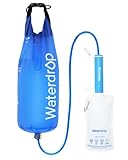
Overview: The Waterdrop Gravity Water Filter Straw merges a 5-stage filtration system with a 1.5-gallon gravity-fed reservoir, delivering hands-free water purification for camping and emergency preparedness. Utilizing coconut shell activated carbon and a 0.1-micron ultrafiltration membrane, it effectively reduces chlorine, sediment, and harmful contaminants while improving taste. This system eliminates manual pumping—simply fill the bag and hang it for continuous filtration.
What Makes It Stand Out: The integrated gravity bag design distinguishes it from personal straw filters. The 1.5-gallon capacity provides approximately 11 bottles of water, serving small groups or individual all-day hydration needs. Its patented backwash purifier function allows field maintenance by reverse-flushing with clean water, significantly extending filter life. The universal connector system works with both the included bag and standard 28mm threaded bottles, offering unmatched versatility.
Value for Money: Offering a 1,400-gallon lifespan with backwash capability, this system delivers exceptional value at a mid-range price point. Comparable pump filters cost significantly more while requiring manual operation. For basecamp or emergency use, it eliminates bottled water expenses and provides sustainable, long-term water security.
Strengths and Weaknesses: Strengths include hands-free gravity operation, large capacity, field-maintainable backwash system, and versatile connectivity. Weaknesses include potential bag durability issues under rugged conditions, slower flow rate (700ml/min) versus pump systems, and bulkier packed size. It requires hanging space and proper bag support.
Bottom Line: Perfect for car camping, emergency kits, and group adventures where capacity and convenience outweigh ultralight priorities. The innovative backwash feature and gravity-fed design make it a smart investment for preparedness-minded outdoor enthusiasts.
2. Membrane Solutions Personal Water Filter, Survival Filtration Straw Portable Gear, Emergency Preparedness, Supply for Drinking Hiking Camping Travel Hunting Fishing Team Family Outing (Blue, 4 Pack)
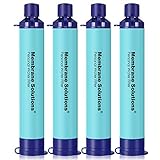
Overview: The Membrane Solutions Personal Water Filter 4-Pack provides certified water purification for groups and families. Each straw employs a 5-stage filtration system with NSF/ANSI 42, 372, and 401 certification, removing 99.9999% of coliform bacteria while maintaining beneficial mineral content. At 7.1 inches and 2 ounces, these compact filters integrate seamlessly into any outdoor kit.
What Makes It Stand Out: Triple NSF certification represents the gold standard in portable filtration, verified by independent testing. The 4-pack configuration offers immediate cost savings for families or outdoor teams. Its hollow fiber ultrafiltration membrane with 0.1-micron precision balances filtration efficacy with flow rate, while the removable end caps enable thorough cleaning and extended lifespan.
Value for Money: With 1,320 gallons per straw and four units included, this pack delivers outstanding per-unit value. Comparable certified filters cost 30-50% more individually. For group outings or family emergency preparedness, the bulk packaging eliminates multiple purchases while ensuring everyone has personal filtration capability.
Strengths and Weaknesses: Strengths include rigorous NSF certifications, 4-pack economy, compact portability, and mineral-preserving filtration. The 16.9 oz/min flow rate provides adequate drinking speed. Weaknesses include moderate individual lifespan versus premium competitors and lack of integrated carbon for heavy chemical contamination. The “does not lower TDS” disclaimer may confuse buyers seeking absolute purity.
Bottom Line: An excellent choice for families and adventure teams prioritizing certified safety and group value. The scientific backing and multi-pack configuration make it ideal for coordinated outdoor activities and comprehensive emergency preparedness.
3. Camco Tastepure RV Water Filter - Advanced RV Inline Water Filter with Flexible Hose Protector - GAC & KDF Filtration - Made in USA - Camping Essentials for Fresh Drinking Water (40043)

Overview: The Camco Tastepure RV Water Filter delivers inline filtration for recreational vehicles and camping setups through advanced 6-step Hex-Flow Technology. Certified to NSF/ANSI 42 and 53 standards with NSF/372 lead-free compliance, this American-made filter attaches to any standard hose to provide clean water for drinking, cooking, and cleaning applications.
What Makes It Stand Out: The proprietary Hex-Flow Technology employs six distinct filtration stages, combining granular activated carbon (GAC) with KDF media to control bacteria and mold growth during storage—a critical feature for seasonal RV users. Its USA manufacturing ensures consistent quality control, while the flexible hose protector prevents kinking and maintains water pressure. Unlike portable straws, this system filters all water entering your campsite.
Value for Money: Positioned in the mid-range for RV filters, it offers superior value through its anti-microbial KDF technology and robust construction. Single-season campers might find it pricey, but regular RV enthusiasts save hundreds versus bottled water. The durable build typically outlasts cheaper imports by 2-3 seasons.
Strengths and Weaknesses: Strengths include comprehensive 6-stage filtration, KDF bacteria control, USA manufacturing, and versatile hose compatibility. The integrated hose protector adds practical value. Weaknesses include bulk compared to portable options, single-filter pricing versus 2-pack deals, and reduced effectiveness with extremely sediment-heavy source water without pre-filtration.
Bottom Line: Essential for RV owners and car campers seeking whole-campsite water treatment. The KDF technology and American craftsmanship justify the investment for frequent outdoor enthusiasts who prioritize convenience and consistent water quality.
4. LifeStraw Personal Water Purifier for Hiking, Camping, Travel, and Emergency Preparedness
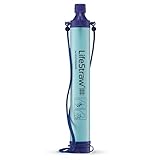
Overview: The LifeStraw Personal Water Purifier has become synonymous with portable water safety, removing 99.999999% of waterborne bacteria and 99.999% of parasites through advanced microfiltration. This BPA-free purifier treats 4,000 liters (1,000 gallons) without chemicals, batteries, or moving parts, making it a staple in survival kits and humanitarian aid worldwide.
What Makes It Stand Out: The extraordinary pathogen removal rates exceed EPA standards, verified by rigorous independent laboratory testing. Its social impact program provides safe drinking water to a school child for every unit purchased, adding humanitarian value. The membrane filters down to 0.2 microns for turbidity reduction and captures microplastics as small as 1 micron—addressing modern environmental concerns.
Value for Money: While priced at a premium, the 4,000-liter lifespan and proven track record in extreme conditions justify the cost. Cheaper alternatives lack the extensive laboratory validation and field-proven reliability. For survival scenarios, the price is negligible compared to the value of guaranteed safe water.
Strengths and Weaknesses: Strengths include unparalleled pathogen removal, extensive lab verification, long lifespan, lightweight design, and social impact mission. The simple straw design works immediately without setup. Weaknesses include no virus protection claim, lack of carbon filtration for chemical taste/odor improvement, and single-person use limitation. Flow rate decreases as filter loads.
Bottom Line: The gold standard for personal emergency purification. Its scientific validation and humanitarian mission make it worth the premium for survival kits, international travel, and anyone prioritizing proven pathogen removal above all else.
5. Camco Tastepure RV Water Filter - Advanced 6-Step Patent-Protected Filtration - Camping Essentials for Fresh Drinking Water - 2-Pack of RV Inline Water Filters, Made in USA (40045)
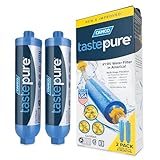
Overview: The Camco Tastepure 2-Pack delivers twin RV inline filters featuring the same advanced 6-step Hex-Flow Technology as the single unit. Certified to NSF/ANSI 42 and 53 with NSF/372 lead-free certification, these American-made filters provide comprehensive water treatment for extended camping seasons or multiple vehicles, attaching easily to standard garden hoses.
What Makes It Stand Out: The twin-pack configuration offers immediate per-unit savings while ensuring continuous water treatment across seasons. The patented Hex-Flow system integrates GAC filtration with KDF media to prevent bacterial colonization during storage—a critical advantage for intermittent campers. Each unit includes a flexible hose protector, doubling the value proposition.
Value for Money: The 2-pack typically saves 20-30% compared to individual purchases, making it economical for regular RV users. Seasonal campers can store a fresh filter for consecutive trips, while full-timers maintain a backup. The cost per gallon over both filters’ lifespan rivals bulk bottled water at a fraction of the price and environmental impact.
Strengths and Weaknesses: Strengths include bulk pricing advantage, KDF anti-microbial technology, USA manufacturing, and included hose protectors for both units. The 6-stage filtration handles chlorine, sediment, and odor effectively. Weaknesses include upfront cost commitment, storage space requirements, and potential waste for casual campers who need only one filter annually. Performance depends on source water quality.
Bottom Line: The smart choice for dedicated RV enthusiasts and frequent campers. The two-pack ensures uninterrupted water quality across seasons while delivering superior value. The American-made quality and anti-microbial features make it a worthwhile investment for those who camp regularly.
6. LifeStraw Personal Water Filter for Hiking, Camping, Travel, and Emergency Preparedness, 2 Pack, Blue
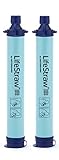
Overview:
The LifeStraw Personal Water Filter 2-Pack delivers reliable water purification in an ultralight package for hikers, campers, and emergency preppers. Each straw-style filter removes virtually all waterborne threats including 99.999999% of bacteria, 99.999% of parasites, and 99.999% of microplastics down to 0.2 microns. Weighing under 2 ounces each, these durable filters provide up to 1,000 gallons of clean water—enough for over five years of personal use. The unlimited shelf life makes them ideal for long-term storage in bug-out bags or vehicle emergency kits.
What Makes It Stand Out:
LifeStraw’s social impact program sets it apart: each purchase provides one child with safe drinking water for an entire year. The filtration specifications exceed EPA standards with an impressive six-nines bacteria removal rate. Unlike chemical treatments, there’s no waiting time—simply drink directly from any freshwater source. The unlimited shelf life means you can buy once and store indefinitely without degradation.
Value for Money:
At around $35-40 for two, you’re paying under $20 per filter that processes 1,000 gallons. Compare that to $1,000+ worth of bottled water, and the math is compelling. The 2-pack offers slight savings over individual purchases while ensuring you have a backup or can equip a partner.
Strengths and Weaknesses:
Strengths include exceptional filtration efficacy, featherlight weight, true grab-and-go simplicity, unlimited storage life, and meaningful social impact. Weaknesses: No backflushing mechanism means clogging can permanently reduce flow; 1,000-gallon lifespan pales compared to competitors’ 100,000-gallon claims; the straw design limits versatility—you can’t easily fill bottles or connect to hydration systems.
Bottom Line:
Perfect for emergency kits and casual day hikers who prioritize simplicity and social good. Serious backpackers should consider more versatile systems, but for reliable, no-fuss emergency hydration, LifeStraw remains a gold standard.
7. 5 High-Capacity Emergency Water Straws – Lightweight, Reusable, 1800-gallon Filters for Camping, Hiking, Travel, Biking, Survival, and Emergencies. No Expiration Date, Perfect for preparedness

Overview:
This 5-pack of emergency water straws positions itself as the ultimate bulk solution for family preparedness and group outdoor adventures. Each filter delivers >99.99% removal of bacteria and parasites, plus microplastics down to 0.1 micron. At just 2 ounces and 8 inches long, they’re designed for ubiquitous carry—stash them in bug-out bags, vehicles, camping gear, and emergency kits. The manufacturer claims up to 1,800 gallons per filter, potentially providing a decade of drinking water for one person.
What Makes It Stand Out:
The value proposition is undeniable: five individually sealed filters, each with its own backflushing plunger—a critical maintenance feature competitors often omit. This self-contained cleaning system extends filter life and maintains flow rate, addressing the primary failure mode of straw-style filters. The bulk packaging targets preparedness-minded buyers who want comprehensive coverage for multiple family members or vehicles.
Value for Money:
Selling around $40-50 for five units, the per-filter cost drops to $8-10—less than half the price of premium brands. With 9,000 total gallons capacity across the pack, you’re paying mere fractions of a penny per gallon. The included plungers add $5-10 value per filter compared to buying accessories separately.
Strengths and Weaknesses:
Strengths: unbeatable bulk pricing, included backflushing plungers, higher individual capacity than LifeStraw (1,800 vs 1,000 gallons), and strategic redundancy for emergencies. Weaknesses: Brand recognition lags behind Sawyer and LifeStraw; filtration claims use four nines (99.99%) rather than six or seven; independent testing verification is less documented; straw-only design lacks attachment versatility.
Bottom Line:
An exceptional value for families building emergency supplies or outdoor groups on a budget. While absolute filtration specs and brand trust trail market leaders, the included maintenance tools and rock-bottom price make this a smart pragmatic choice for preparedness over performance.
8. Sawyer Products SP128 Mini Water Filtration System, Single, Blue

Overview:
The Sawyer MINI is a palm-sized powerhouse that redefines portable water filtration. Weighing just 2 ounces, this 0.1 micron absolute inline filter removes 99.99999% of bacteria and 99.9999% of protozoa—plus 100% of microplastics. Unlike straw-only designs, the MINI threads onto standard 28mm disposable bottles, hydration packs, or the included 16-ounce squeeze pouch, offering multiple collection methods. Each unit is individually tested three times to ensure performance.
What Makes It Stand Out:
The staggering 100,000-gallon filter lifespan dwarfs competitors by 100x, essentially making it a lifetime investment for most users. Sawyer’s rigorous triple-testing protocol guarantees reliability when it matters most. The versatile attachment system transforms it from a simple straw into a complete water processing solution—fill bottles for camp cooking or connect to your hydration bladder for trail convenience.
Value for Money:
At approximately $20-25, the MINI delivers the best cost-per-gallon ratio in the market. A single filter could last decades of regular use, and the included squeeze pouch, straw, and cleaning plunger eliminate additional purchases. You’re essentially buying water security for life at the price of a restaurant meal.
Strengths and Weaknesses:
Strengths: extraordinary 100,000-gallon capacity, versatile connectivity, proven brand reputation, individual performance testing, and complete accessory package. Weaknesses: The included squeeze pouch durability concerns some users; flow rate decreases as the filter loads; requires periodic backflushing to maintain performance; slightly more complex than basic straw filters.
Bottom Line:
The Sawyer MINI is the gold standard for serious outdoor enthusiasts. Its unmatched longevity and versatility justify every penny. While beginners may prefer the simplicity of a basic straw, anyone venturing beyond day hikes should choose the MINI for its lifetime value and adaptability.
9. Sawyer Squeeze Water Filtration System, Cnoc Premium 2 Liter Bladder

Overview:
This integrated system pairs the legendary Sawyer Squeeze filter with a premium Cnoc 2-liter bladder, creating an efficient gravity and squeeze filtration solution for backpackers and travelers. The kit processes water at camp faster than straw-style filters, removing bacteria, protozoa, cysts, sediment, and 100% of microplastics. The entire system weighs under 6 ounces—lighter than most single water bottles—yet delivers up to 100,000 gallons of purification.
What Makes It Stand Out:
The Cnoc bladder’s wide-mouth opening revolutionizes the filling process, eliminating the frustrating struggle of collecting water from shallow sources. Unlike standard Sawyer pouches, this TPU bladder resists punctures and stands upright when full. The squeeze design lets you rapidly fill multiple bottles for group use or camp cooking, while the filter’s robust hollow fiber construction withstands aggressive backwashing to maintain flow.
Value for Money:
Priced around $45-55, this bundle saves $10-15 compared to purchasing components separately. The 100,000-gallon filter life means you’re investing in decades of reliable service, while the durable bladder prevents costly mid-trip failures. For backpackers processing 5-10 liters daily, the time savings alone justify the premium over straw filters.
Strengths and Weaknesses:
Strengths: rapid filtration rate, premium durable bladder, versatile gravity/squeeze operation, massive filter lifespan, and lightweight system design. Weaknesses: Higher upfront cost than basic straws; bladder can still be punctured if abused; requires practice to optimize squeeze technique; not as simple as drink-and-go straws.
Bottom Line:
The ultimate solution for backpackers and travelers who process significant water volumes. The premium bladder and efficient squeeze design merit the extra cost. If you’re filtering water for two or more people, or need camp water for cooking, this system is worth every ounce and dollar.
10. LifeStraw Personal Water Filter for Hiking, Camping, Travel, and Emergency Preparedness, 3 Pack, Blue

Overview:
The LifeStraw 3-Pack extends the popular personal filter’s reach to families and groups who prioritize simplicity and reliability. Each unit provides the same proven protection: 99.999999% bacteria removal, 99.999% parasite elimination, and 99.999% microplastic filtration. At under 2 ounces per straw, the three-pack distributes easily among family members’ packs, vehicles, and emergency kits without adding significant weight. The unlimited shelf life ensures your investment won’t degrade in storage.
What Makes It Stand Out:
The social impact multiplies with this pack—three purchases provide three children with safe water for a year each. LifeStraw’s six-nines bacteria removal rate remains industry-leading, and the foolproof operation requires zero training—just remove caps and drink. The three-pack configuration lets you strategically place filters in multiple locations: one in each vehicle, one in your home emergency kit, and one in a go-bag.
Value for Money:
At approximately $45-50 for three, the per-unit cost drops to $15-17, offering modest savings over individual purchases. With 3,000 total gallons capacity, you’re securing drinking water for a family of three for over five years. The unlimited shelf life means zero waste from expired unused filters—a common issue with chemical purification methods.
Strengths and Weaknesses:
Strengths: exceptional filtration specs, grab-and-go simplicity, unlimited storage life, meaningful social impact program, and strategic redundancy for families. Weaknesses: No backflushing capability limits lifespan in sediment-heavy water; 1,000-gallon capacity trails Sawyer products by 100x; straw-only design prevents filling containers; flow rate degrades permanently with heavy use.
Bottom Line:
Ideal for families wanting simple, effective emergency water solutions without complexity. The social impact and ease of use are compelling. However, active outdoor families would be better served by a Sawyer system with backflushing and bottle attachment capabilities. Choose this for preparedness, not performance.
Why Water Filtration Matters in the Wild
The Hidden Dangers in Natural Water Sources
That babbling brook might look innocent, but it’s likely teeming with microorganisms that laugh at your immune system. Giardia, Cryptosporidium, E. coli, and Salmonella are just the opening acts in a rogue’s gallery of waterborne pathogens. These microscopic menaces thrive in seemingly clean water, especially near popular campsites where wildlife and human activity contaminate sources. Even high-altitude streams, traditionally considered safe, can harbor parasites from animal feces upstream. The real kicker? You can’t see, smell, or taste these threats, making visual assessment completely unreliable.
Symptoms of Waterborne Illnesses
Waterborne illnesses don’t politely wait until you return home to announce their presence. Typically striking 1-2 weeks after ingestion, symptoms include explosive diarrhea, vomiting, cramps, and fever—essentially turning your digestive system into a battleground. In the backcountry, dehydration from these symptoms compounds the danger, creating a vicious cycle that can lead to serious complications. What starts as a minor inconvenience can rapidly escalate, requiring evacuation and medical intervention. Prevention isn’t just better than cure; it’s the only practical option when you’re days from help.
When Boiling Isn’t Enough
Boiling water for at least one minute (three minutes at altitude) effectively kills most pathogens, but it’s far from practical for most camping scenarios. It requires significant fuel, time, and patience—resources often in short supply. More importantly, boiling does nothing to remove chemical contaminants, heavy metals, or sediment that can affect taste and safety. In areas with agricultural runoff or mining history, these non-biological contaminants pose real risks that only proper filtration can address. Plus, who wants to drink hot water on a summer afternoon hike?
Types of Camping Water Filters
Pump Filters
Pump filters put you in control, allowing you to extract water from the shallowest seeps and trickles. By manually pumping, you force water through the filter element, filling your bottles directly from the source. These systems excel in situations where water is scarce or difficult to access. However, the physical effort required can be tiring during long water-gathering sessions, and the multiple components mean more potential failure points. They’re ideal for solo travelers or small groups who prioritize water source flexibility over sheer convenience.
Gravity Filters
Gravity systems turn physics into your filtration assistant. Fill a dirty reservoir, hang it from a tree, and let gravity do the work while you set up camp or relax. These shine for group camping, processing large volumes with zero effort after the initial setup. The trade-off? They’re slower than pump systems and require a decent water source deep enough to fill the reservoir. They also need a hanging point, which isn’t always available in arid landscapes. But for basecamp scenarios, they’re tough to beat for convenience.
Squeeze and Bottle Filters
Squeeze systems offer the sweet spot between simplicity and effectiveness. Fill a flexible bottle or pouch, screw on the filter, and squeeze clean water into your mouth or another container. These are incredibly lightweight and straightforward, with minimal parts to lose or break. The physical squeezing can be challenging with cold or tired hands, and they typically have lower capacity than pump or gravity systems. They’re perfect for ultralight backpackers and day hikers who prioritize weight savings above all else.
Straw and Personal Filters
Straw filters provide instant gratification—dip and drink directly from the source. These are the lightest options available, fitting in your pocket for emergency backup. The obvious limitation is you can’t easily store filtered water for later, making them impractical for cooking or carrying water on the trail. They’re best suited as secondary protection or for fast-and-light missions where you’ll be near water constantly. Think of them as insurance rather than your primary system.
UV Purifiers
UV pens and devices use ultraviolet light to scramble the DNA of microorganisms, rendering them harmless. They’re lightning-fast, treating a liter in 90 seconds, and add no chemical taste. The catch? They require batteries, don’t work well with murky water (particles shield microbes), and do nothing for sediment or chemicals. They’re excellent for international travel with relatively clear water but less reliable as your sole backcountry solution.
Chemical Treatment Options
Iodine tablets and chlorine dioxide drops have been backpacker staples for decades. They’re featherlight, inexpensive, and effective against most pathogens. The downside is the waiting time—30 minutes to 4 hours depending on the product and water temperature—and the potential taste. Some people dislike the chemical flavor, and certain treatments aren’t effective against Cryptosporidium. They’re perfect as backup or for treating large quantities at camp while you attend to other tasks.
Key Features to Consider
Micron Rating Explained
Micron ratings indicate the smallest particle a filter can trap, and this number is crucial. A 0.1-micron filter catches bacteria and protozoa but not viruses, which are smaller. Most North American backcountry filters target 0.2 microns or less, sufficient for wilderness water where viruses are rare. For international travel or areas with questionable sanitation, you need virus protection through smaller pores, UV treatment, or chemical purification. Don’t be seduced by impressively tiny numbers if your typical adventures don’t require them—smaller pores often mean slower flow rates and more clogging.
Filter Lifespan and Capacity
Filter longevity varies wildly, from a few hundred liters to tens of thousands. Consider your usage patterns: a weekend warrior might never exhaust a mid-range filter, while a through-hiker needs something that lasts a season. Lifespan depends on water clarity—muddy sources clog filters faster than clear springs. Some filters can be cleaned and restored to near-original performance, while others are disposable after their rated capacity. Factor replacement cartridge costs into your decision; a cheap filter with expensive replacements isn’t a bargain.
Flow Rate and Speed
Flow rate, measured in liters per minute, determines how long you’ll wait for clean water. Fast flow rates (1+ liters/minute) minimize downtime at water sources but often come with larger, heavier filters. Slower rates require patience but can mean more thorough filtration. Consider your patience level and group size. A solo hiker might tolerate a slower filter, but a family of four will mutiny if water takes forever. Remember that flow rates decline as filters clog, so manufacturer claims represent optimal conditions, not real-world performance after weeks of use.
Weight and Packability
Every ounce matters when it’s on your back, but the lightest option isn’t always the smartest. Ultralight filters might sacrifice durability, capacity, or ease of use. Consider your activity: a 10-ounce difference is negligible for car camping but significant on a 200-mile trek. Look at packed size too—some systems nest together efficiently, while others have awkward shapes that waste pack space. Balance weight against reliability; a broken ultralight filter is just dead weight.
Understanding Filter Technologies
Hollow Fiber Membranes
These modern marvels consist of bundled straws with microscopic pores, allowing water to pass while trapping contaminants. They’re effective, relatively fast, and can often be backflushed to restore performance. The hollow fiber structure provides huge surface area in a small package, making them popular in lightweight designs. However, they’re vulnerable to freezing—ice crystals can crack the fibers, allowing pathogens to pass through undetected. Treat them like fresh eggs in cold weather, sleeping with them in your bag.
Ceramic Filters
Ceramic elements have been around for decades, prized for their durability and cleanability. You can scrub the surface to remove clogged material, essentially resetting the filter. They’re heavy and brittle, cracking if dropped, but nearly indestructible otherwise. Ceramic filters often incorporate carbon cores to improve taste and chemical reduction. They excel in extremely muddy water where disposable filters would clog instantly. The weight penalty makes them less popular for ultralight enthusiasts but beloved by expedition leaders.
Activated Carbon
Carbon doesn’t filter in the traditional sense—it adsorbs chemicals, improves taste, and removes odors. Most quality filters include a carbon component to address chlorine, pesticides, and that swampy taste. Carbon has limited lifespan and can’t be cleaned; once saturated, it’s done. It also does nothing for microorganisms, so it’s always paired with actual filtration technology. If you’re filtering water with chemical concerns or just want better-tasting water, ensure your system includes activated carbon.
Glass Fiber Filters
Similar to hollow fiber but using glass strands, these offer excellent flow rates and good longevity. They’re lighter than ceramic but more fragile than modern synthetics. Glass fiber filters often come at a moderate price point, balancing performance and cost. They can’t be cleaned as aggressively as ceramic, but many can be backflushed. They’re a solid middle-ground choice for general backpacking where weight matters but extreme durability isn’t paramount.
Capacity and Flow Rate Considerations
Solo vs. Group Needs
Your filter choice should scale with your party size. Solo hikers can manage with minimal capacity, processing water on demand. Groups need higher volume systems or face endless water processing sessions. A good rule: multiply your expected daily water needs by group members, then choose a filter that can process that amount in 15-20 minutes of active work. For groups over three people, consider multiple filters or a high-capacity gravity system that works while you handle other camp chores.
Fast Flow for High-Volume Users
If you’re the designated water manager for a group, or you consume massive amounts during intense activity, flow rate becomes critical. Look for systems with larger filter surface areas and robust pumping mechanisms. Some designs incorporate pre-filters to remove sediment before it reaches the main element, maintaining speed even in challenging conditions. Remember that advertised flow rates are optimistic; real-world performance is typically 60-70% of claimed speeds after initial use.
Patience vs. Performance Trade-offs
There’s an inverse relationship between filtration thoroughness and speed. Ultra-fine filters that capture everything move water slowly; faster filters might miss smaller threats. Consider your risk tolerance and typical water sources. Clear mountain springs don’t need the same level of filtration as murky desert potholes. Some systems offer adjustable performance—using a pre-filter for speed in clear water, removing it for maximum protection when needed. This flexibility can be invaluable on varied trips.
Portability and Weight Factors
Ultralight Backpacking Priorities
When every gram counts, prioritize simplicity and multi-use items. A filter that screws onto a standard water bottle eliminates extra containers. Look for systems where the filter element itself weighs under 3 ounces and integrates with your existing hydration setup. Consider whether you can leave components behind for specific trips—maybe just the filter element and a small bag for solo missions, bringing the full system for group travel. The lightest options often require more manual effort, so test whether the weight savings justify the added labor.
Car Camping Flexibility
Weight becomes irrelevant when your vehicle carries the load. This freedom lets you prioritize capacity, speed, and convenience. Large gravity systems with massive reservoirs, electric pumps, or even portable RO systems become viable. You can bring backup filters, extra cartridges, and comprehensive maintenance kits. Consider group size and camp duration—car camping often involves more cooking, cleaning, and people, driving water needs skyward. A system that’s overkill for backpacking might be perfect for basecamp luxury.
Size and Storage Considerations
Pack space rivals weight in importance. Cylindrical systems that nest inside pots or pack in water bottle pockets maximize efficiency. Flat or rectangular filters often waste space in a stuffed pack. Consider how components connect and store—systems with tethers or integrated storage bags prevent losing small parts. For international travel, compactness matters for luggage restrictions. Some filters disassemble into surprisingly small packages, while others maintain a fixed, bulky shape that dominates your pack.
Durability and Build Quality
Materials That Last
Quality filters use robust plastics, silicone seals, and reinforced hoses that withstand repeated use and abuse. Look for BPA-free materials that won’t leach chemicals into your water. Metal components add weight but provide durability at stress points. Transparent chambers let you inspect for cracks or contamination. Avoid systems with flimsy plastic threads or unsecured O-rings that can fail in the field. The best designs use standardized, replaceable seals you can source anywhere.
Freeze Protection
Water expands when frozen, and trapped water inside filter elements can destroy them from within. Hollow fiber filters are particularly vulnerable, but any filter with residual water can crack. Some designs allow complete disassembly and drying, while others trap water permanently. In sub-freezing conditions, you must sleep with your filter in your sleeping bag or store it in a warm pocket. Consider whether the filter can be completely purged of water or if you’re committing to constant warmth. For winter camping, chemical treatments or boiling might be more reliable.
Field Repairability
Murphy’s Law intensifies in the backcountry. Quality filters design for field maintenance with minimal tools. Look for systems where you can replace hoses, seals, and even filter elements without specialized equipment. Some include repair kits with spare parts; for others, you can improvise with standard gear. Consider the complexity—more parts mean more potential failures. Simple designs with fewer components often prove more reliable long-term, even if they lack fancy features.
Maintenance and Cleaning Requirements
Backflushing Procedures
Backflushing reverses water flow to dislodge trapped particles from the filter element, restoring flow rate. Most modern filters include syringes, bulbs, or integrated mechanisms for this. The ease and effectiveness of backflushing varies dramatically. Some require significant force; others work with gentle pressure. Consider whether you can backflush in the field or only at home with clean water. Systems that allow field cleaning maintain performance longer on extended trips. Learn the proper technique—aggressive backflushing can damage delicate filter elements.
Storage Best Practices
How you store your filter between trips affects its longevity and safety. Always air-dry components completely to prevent mold and bacteria growth. Some filters require special storage solutions to keep the element wet and prevent cracking. Store filters away from direct sunlight, which degrades plastics and seals. For long-term storage, consider removing and separately storing O-rings to prevent compression set. Document when you last used and cleaned your filter—time flies, and a filter left too long can become a petri dish.
When to Replace Your Filter
Filter elements don’t last forever, even with perfect maintenance. Most have rated capacities in liters, but real-world lifespan depends on water quality. Murky, sediment-heavy water clogs filters faster than clear sources. Some filters show visible signs of wear—cracks, tears, or permanent discoloration. Others fail silently, requiring strict adherence to manufacturer ratings. Keep a log of filtered volume; when in doubt, replace. A $30 cartridge is cheaper than a hospital visit. Many experienced backpackers replace filters annually regardless of use, treating it as cheap insurance.
Cost vs. Value Analysis
Initial Investment vs. Long-term Use
Cheap filters tempt budget-conscious shoppers, but the real cost includes replacement cartridges and lifespan. A $80 filter lasting 5,000 liters costs less per liter than a $40 filter lasting 1,000 liters. Consider your usage frequency. Occasional campers might never exhaust a budget filter, making it excellent value. Regular adventurers should invest in durable systems with affordable replacement parts. Factor in the cost of your health—saving $30 on a filter isn’t worth the risk of illness.
Replacement Cartridge Economics
Cartridge costs vary from $15 to $100+, with lifespans from 200 to 10,000+ liters. Calculate cost-per-liter for your expected usage. Some systems use proprietary cartridges at premium prices; others accept generic alternatives. Check availability—obscure brands might leave you stranded when you need a replacement. Consider buying cartridges in bulk if you use them frequently; they typically have long shelf lives when stored properly. Some manufacturers offer recycling programs for used cartridges, adding environmental value.
Warranty and Support Considerations
A solid warranty indicates manufacturer confidence. Look for at least one year, with some premium brands offering lifetime coverage. Read the fine print—many warranties exclude freeze damage or improper maintenance. Consider customer support accessibility. Can you reach them by phone from the trailhead? Do they offer rapid replacement programs? Active user communities and readily available spare parts suggest a company that stands behind its products. A filter from a reputable company with good support beats a feature-rich model from a fly-by-night brand.
Special Features Worth Considering
Pre-filters and Sediment Removal
Pre-filters are the unsung heroes that extend main filter life dramatically. These coarse screens catch leaves, algae, and sediment before they reach the delicate primary element. Some are simple mesh screens you can rinse; others are disposable foam pads. In murky water, a pre-filter can mean the difference between a filter lasting days versus weeks. Look for systems where the pre-filter is easy to clean or replace in the field. Some even use coffee filters or bandanas as improvised pre-filters in a pinch.
Multi-stage Systems
The best protection comes from combining technologies. A three-stage system might use sediment filtration, then hollow fiber membranes for pathogens, and finally activated carbon for chemicals and taste. This redundancy ensures comprehensive protection while extending filter life. The trade-off is complexity and weight. Consider whether you need full-spectrum protection or if your typical water sources justify the extra bulk. For international travel or areas with known contamination, multi-stage isn’t optional—it’s essential.
Compatibility with Hydration Bladders
Integration with your existing hydration system streamlines water management. Some filters screw directly onto bladder hoses or reservoirs, allowing you to fill and filter simultaneously. Others work as inline filters, purifying water as you drink. This compatibility eliminates extra containers and reduces contamination risk. Check thread patterns and hose diameters—many claim universal fit but work poorly with certain brands. The best systems include multiple adapters for common bladder brands, ensuring you won’t need to replace your entire hydration setup.
Common Mistakes to Avoid
Ignoring Manufacturer Guidelines
That booklet you tossed aside contains critical information. Manufacturers specify temperature ranges, cleaning procedures, and water source limitations for good reason. Using a filter beyond its rated capacity or with the wrong water type can damage it or worse, create a false sense of security. Freezing a filter that isn’t freeze-proof, backflushing with contaminated water, or filtering saltwater through a freshwater system can all lead to failure. Take ten minutes to read the manual and maybe watch the manufacturer’s videos before your first trip.
Using with the Wrong Water Sources
No filter handles every contaminant. Using a bacteria/protozoa filter in areas with viral contamination is like locking your front door while leaving windows open. Research your destination’s specific risks. Agricultural areas might have pesticide runoff requiring carbon filtration. Mining regions could have heavy metals needing specialized media. Nearshore ocean water contains salt that only desalination systems remove. Match your filter to the expected threats, and when in doubt, use multiple treatment methods. A filter plus chemical treatment covers most scenarios.
Improper Storage Between Trips
That filter you tossed in the garage last fall might be a science experiment by spring. Moisture trapped inside breeds mold and bacteria, potentially worse than what you’re filtering out. Always dry components thoroughly before storage. If your filter requires staying wet, use the manufacturer-recommended storage solution. Store in a breathable bag, not sealed plastic. Check O-rings for cracks and lubricate them if recommended. A few minutes of proper post-trip care prevents nasty surprises on your next adventure.
Testing Your Filter Before You Need It
At-Home Testing Procedures
Never trust a filter fresh out of the box. Test it at home with tap water first to ensure all connections seal properly and water flows as expected. Check for leaks, strange tastes, or manufacturing defects. Practice assembly and disassembly until it’s second nature. Some filters require initial flushing to remove manufacturing residues—don’t skip this step. Test backflushing procedures with clean water to understand the force required. This dry run builds confidence and reveals issues when returning to the store is still an option.
Practice Runs Before Big Trips
Your weekend shakedown hike is the perfect time to test your water system. Use it exactly as you would on a major expedition, including sourcing water from natural sources if possible. This reveals practical issues: Does it fit your pack’s water bottle pockets? Can you operate it with cold hands? Does it reach water sources without you getting soaked? Practice purging water before freezing temperatures. These trial runs expose problems when stakes are low, letting you refine your technique or switch systems before that once-in-a-lifetime trek.
Building Confidence in Your System
Confidence comes from familiarity. Know exactly how many pumps or squeezes fill your bottle. Understand what normal resistance feels versus a clogged filter. Recognize the taste difference between properly filtered water and bypassed contamination. This intimate knowledge prevents panic when things go wrong. Keep a small laminated card with backflushing steps and capacity reminders. The goal is unconscious competence—you should be able to operate your filter efficiently even when exhausted, dehydrated, and operating in low light.
Environmental Considerations
Leave No Trace Principles
Water treatment aligns perfectly with Leave No Trace ethics. By filtering water, you reduce the need to carry excessive amounts from home, lightening your load and fuel consumption. Proper filtration prevents you from contaminating pristine sources—never wash dishes or yourself directly in water sources. Set up filtration stations at least 200 feet from lakes and streams. Pack out used chemical treatment tablets and expired filters; don’t bury them. Your filtration system is a tool for minimizing impact, not just protecting yourself.
Sustainable Filter Choices
Consider the environmental footprint of your filter. How many disposable cartridges will you use over its lifetime? Some manufacturers offer recycling programs for spent elements, while others create plastic waste with each replacement. Durable, long-lasting filters may cost more upfront but generate less waste. Look for companies with environmental commitments and sustainable packaging. Carbon elements can sometimes be composted or repurposed for odor control. Every choice has environmental consequences; factor them into your decision just like weight and cost.
Disposing of Used Cartridges
A spent filter cartridge isn’t just trash—it contains concentrated contaminants from countless liters of water. Don’t toss them in backcountry latrines or fire pits. Pack them out and dispose of them with household waste, where they’ll be properly handled. Some manufacturers accept returns for recycling or safe disposal. If you’re using chemical treatments, never empty leftover chemicals into water sources. The packaging itself matters—choose brands using minimal, recyclable materials. Your responsibility extends beyond your trip.
Making Your Final Decision
Assessing Your Specific Needs
There’s no universal “best” filter—only the best filter for your specific adventures. Start by honestly evaluating your typical trips: duration, group size, water source quality, climate, and activity type. A desert backpacker needs different capabilities than a canoeist in the Boundary Waters. List your non-negotiables: maybe it’s weight under 8 ounces, or virus protection, or ability to handle extremely murky water. Use these criteria to eliminate options that don’t fit, rather than chasing features you’ll never use.
Creating a Personal Checklist
Develop a personalized checklist based on this guide. Include your must-have features, acceptable weight range, budget constraints, and maintenance willingness. Rank features by importance—if you backpack in freezing conditions, freeze protection trumps flow rate. If you’re immunocompromised, virus protection is non-negotiable. This checklist becomes your decision filter, preventing impulse buys based on slick marketing. Revisit and refine it after each trip, noting what worked and what frustrated you. Your perfect filter evolves as your skills and destinations change.
Trusting Your Research
After absorbing all this information, trust your judgment. You now understand the technologies, trade-offs, and considerations better than most salespeople. Don’t second-guess your decision because someone else’s favorite filter is different. The “best” filter is the one you’ll actually carry and use correctly every time. If a simpler, lighter system fits your style better than a feature-rich heavyweight, that’s the right choice. Confidence in your decision means you’ll use it consistently, and consistent use is what keeps you healthy.
Frequently Asked Questions
How often should I replace my camping water filter cartridge?
Replace cartridges based on the manufacturer’s rated capacity or annually, whichever comes first. Even unused filters can degrade over time. If you notice decreased flow rate despite cleaning, strange tastes, or visible damage, replace immediately. Keep a log of filtered volume to track usage accurately.
Can I filter saltwater for drinking?
Standard camping filters cannot desalinate water. Removing salt requires reverse osmosis or distillation—technologies far beyond portable filter capabilities. Attempting to filter saltwater will damage most filters and provide undrinkable water. For coastal adventures, carry all fresh water or invest in specialized desalination equipment.
What’s the difference between a filter and a purifier?
Filters physically remove contaminants based on pore size, typically down to 0.1-0.2 microns, catching bacteria and protozoa. Purifiers also address viruses, either through smaller pores (under 0.02 microns), UV treatment, or chemical disinfection. In North American backcountry, filters usually suffice; for international travel or suspect water, you need purification.
How do I know if my filter is still working properly?
Regular flow rate testing is your best indicator. Time how long it takes to filter a liter of clean tap water when new, then retest periodically. Significant slowdown suggests clogging or damage. Some filters include integrity tests where you blow through the element—air passing indicates compromised fibers. Always inspect for cracks and damage before trips.
Can freezing temperatures really ruin my filter?
Yes, absolutely. Water expands when frozen, cracking filter elements and creating pathways for pathogens. Hollow fiber filters are especially vulnerable. If temperatures drop below freezing, keep your filter in your sleeping bag or close to your body. Some filters can be purged of water to prevent freeze damage—check manufacturer instructions. When in doubt, assume it’s vulnerable.
Is it safe to filter water from a stagnant pond?
Stagnant water poses higher risks due to increased bacteria, algae, and potential chemical runoff. While a good filter handles microorganisms, it can’t remove chemical contaminants that might be present. Pre-filtering to remove algae and sediment is crucial. When possible, choose flowing water over stagnant sources. In emergencies, filter then chemically treat or boil for maximum safety.
How do I clean my filter in the field when it clogs?
Most filters include a backflushing syringe or mechanism. Use clean water (preferably filtered) to reverse flow and dislodge particles. For severe clogs, gentle tapping or swishing in clean water can help. Never use untreated water for backflushing. Some ceramic filters can be gently scrubbed with an abrasive pad. Always follow manufacturer-specific cleaning procedures to avoid damage.
Can I share my personal straw filter with other people?
Sharing straw filters is technically safe from a contamination standpoint since you’re drinking directly from the source, but it’s impractical. Each person needs access to the water source, which isn’t always possible. More importantly, sharing increases the risk of damaging the filter or dropping it in the water. For groups, carry a proper group filtration system and use straw filters as personal backup only.
Do I need to filter water from high-altitude springs?
While high-altitude springs are generally safer than lowland sources, “generally” isn’t “always.” Animals contaminate water at all elevations, and upstream contamination is invisible. The risk might be lower, but the consequences remain severe. A lightweight filter adds minimal weight for significant peace of mind. Many experienced mountaineers filter everything, because altitude sickness plus waterborne illness is a nightmare combination.
Are chemical treatments like iodine tablets obsolete with modern filters?
Not at all. Chemical treatments serve as excellent backup and address viruses that many filters miss. They’re ultralight, work when filters freeze or break, and require no physical effort. Many backpackers use a filter for primary treatment, carrying chemical tablets as emergency backup. For large volumes at camp, chemicals work while you attend to other tasks. They’re complementary tools, not replacements.
Related Buying Guides
- Stop Drinking Contaminated Water with the 10 Best Camping Water Filters in 2026
- The 10 Best Gravity Water Filters for Camping Families in 2026
- 10 Best Value Gravity Water Filters for Family Camping in 2026
- The Complete Guide to the 10 Best Gravity Water Filters for Group Camping in 2026
- Stop Worrying About Giardia with the 10 Best Backpacker Water Filters This Year