Table of Contents
Unauthorized access to firearms represents one of the most serious safety concerns for gun owners today. Whether you’re protecting curious children, deterring theft, or ensuring that only authorized users can access your weapons, the locking mechanism on your gun safe is your first and most critical line of defense. Electronic locks have transformed the landscape of firearm security, offering rapid access when you need it most while maintaining robust protection against unwanted entry.
This comprehensive guide explores everything you need to know about selecting an electronic lock gun safe that balances security, accessibility, and reliability. We’ll walk you through the essential features, technical specifications, and practical considerations that separate exceptional safes from inadequate ones. By understanding the nuances of electronic locking systems, power management, and security certifications, you’ll be equipped to make an informed decision that protects your family and your firearms for years to come.
Top 10 Electronic Lock Gun Safes
Detailed Product Reviews
1. Sargent & Greenleaf Spartan PivotBolt Model 1006-108 Electronic Safe Lock Kit - Gun Safe, High Security with EMP Resistance

Overview: The Sargent & Greenleaf Spartan PivotBolt represents premium American safe lock engineering designed for security-conscious gun owners. This electronic lock kit features military-grade EMP resistance and an intelligent PivotBolt mechanism that automatically relocks when your safe door closes, providing robust protection against both electromagnetic threats and user error.
What Makes It Stand Out: The EMP resistance sets this lock apart, having been tested to U.S. military standards and remaining fully functional after high-level electromagnetic pulse attacks. The PivotBolt design automatically extends the bolt when the safe door closes, eliminating the risk of forgetting to lock up. Its Magic Module footprint ensures universal compatibility with most safe brands, while the penalty lockout feature prevents brute-force code attempts, making it exceptionally secure against sophisticated attacks.
Value for Money: Positioned at the premium end of the market, the Spartan justifies its higher price through S&G’s legendary reliability and unique EMP protection that cheaper alternatives simply cannot match. While budget locks offer basic electronic security, none provide the military-tested electromagnetic hardening that could prove invaluable during solar storms or other EMP events, making this a worthwhile insurance policy for valuable firearms collections.
Strengths and Weaknesses: Strengths:
- Military-grade EMP resistance
- Automatic PivotBolt relocking mechanism
- Universal Magic Module retrofit compatibility
- Penalty lockout security feature
- Trusted S&G brand reputation
Weaknesses:
- Premium price point
- Limited to two user codes
- Residential rating may not suit commercial applications
Bottom Line: For gun owners prioritizing maximum security against modern threats including EMP events, the Sargent & Greenleaf Spartan PivotBolt is the gold standard worth the premium investment.
2. HOMEYUER Electronic Gun Safe Lock Replacement – Digital Keypad with Solenoid Lock Mechanism, Chrome/Black Finish, 14-Pin Design, Circuit Board, Reset Cable, and 2 Override Keys – DIY Installation
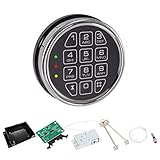
Overview: The HOMEYUER Electronic Gun Safe Lock offers a budget-friendly complete replacement solution for homeowners seeking to upgrade or repair their safe’s electronic entry system. This comprehensive kit includes all necessary components for installation, though the manufacturer explicitly warns that professional expertise may be required for proper setup.
What Makes It Stand Out: This lock features a progressive penalty system that escalates lockout times from 15 seconds to 15 minutes after repeated failed attempts, providing excellent brute-force protection. The silencing function allows discreet operation, while the fire-resistant construction adds an extra layer of protection. The 14-pin design suggests a more robust connection than simpler models.
Value for Money: Extremely competitively priced, this kit delivers complete components at a fraction of premium brand costs. However, the strong warning about professional installation suggests potential hidden costs. For technically skilled users, it represents exceptional value, but those requiring locksmith services may find total costs approaching mid-range alternatives.
Strengths and Weaknesses: Strengths:
- Very affordable complete kit
- Progressive penalty lockout system
- Fire-resistant construction
- Silencing function for discreet use
- Includes override keys and reset cable
Weaknesses:
- Installation warning indicates complexity
- Unknown long-term reliability
- Limited brand reputation
- Escalating lockouts could be inconvenient
Bottom Line: Ideal for DIY enthusiasts with technical skills seeking maximum features at minimum cost, but professional installation is strongly recommended for novices.
3. Sargent & Greenleaf S&G Model 1004-102 Spinblocker Bolt Electronic Safe Lock
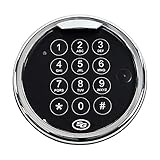
Overview: The S&G Model 1004-102 Spinblocker combines Sargent & Greenleaf’s renowned craftsmanship with innovative power-failure security technology. This electronic lock ensures your valuables remain protected even when electrical power is completely lost, addressing a critical vulnerability in standard electronic safe locks.
What Makes It Stand Out: The patented SpinBlocker technology automatically relocks the safe during power outages without requiring battery backup, a unique feature that prevents bypass attempts. The lock bolt withstands 225 lbs of end pressure, providing exceptional physical resistance against forced entry. Its motor-driven automatic secure mechanism engages when boltwork fully extends, creating a truly failsafe security solution.
Value for Money: As a premium S&G product, it commands a higher price than generic alternatives but delivers unmatched power-loss protection. The SpinBlocker feature alone justifies the investment for those storing high-value items, as most competitors leave safes vulnerable during electrical failures. The build quality ensures decades of reliable service.
Strengths and Weaknesses: Strengths:
- Unique SpinBlocker power-failure protection
- High 225 lbs bolt pressure resistance
- Magic Module universal compatibility
- Automatic relocking mechanism
- Trusted S&G manufacturing quality
Weaknesses:
- Premium pricing
- Only two user codes available
- Limited advanced programming features
- Residential-focused design
Bottom Line: An exceptional choice for security-conscious owners who demand protection against power-failure vulnerabilities that standard electronic locks cannot address.
4. YOSEC Gun Safe Replacement Lock Electronic Black keypad Safe Lock

Overview: The YOSEC Electronic Black Keypad Lock offers a straightforward replacement option for gun safe owners needing a functional electronic entry system without premium brand pricing. This lock features a compact black metal keypad and basic electronic functionality suitable for standard residential gun safes and lockboxes.
What Makes It Stand Out: Three-color LED indicators provide clear visual feedback for lock status, eliminating guesswork about whether the safe is properly secured. The anti-shake solenoid design prevents accidental opening from physical impacts or vibrations, adding a practical security layer. The ability to program two separate code groups allows basic multi-user access control for families.
Value for Money: Positioned in the mid-range price bracket, YOSEC delivers essential electronic lock features at a reasonable cost. However, the requirement to verify sizing before purchase and the lack of included battery slightly diminish its value proposition. It competes well against generic alternatives but lacks the advanced security features of premium brands like S&G.
Strengths and Weaknesses: Strengths:
- Clear three-color LED status indicators
- Anti-shake solenoid protection
- Two programmable code groups
- Compact, discreet black finish
- Simple operation and installation
Weaknesses:
- Size compatibility must be verified before purchase
- Battery not included in package
- Limited manufacturer support documentation
- Unknown long-term brand reliability
- Basic feature set only
Bottom Line: A solid mid-range choice for standard safe replacements, but carefully verify dimensions and purchase a 9V lithium battery separately before installation.
5. Gun Safe Lock Replacement Solenoid Lock with 2 Override Keys Chrome Digital Keypad DIY Safe Electronic, Reset Cable, Circuit Board Lock

Overview: This generic solenoid lock kit provides a budget-friendly universal replacement solution for various safe types including gun safes, hotel safes, and cabinet lockboxes. The comprehensive package includes all essential components for DIY installation, making it versatile for multiple security applications beyond just firearms storage.
What Makes It Stand Out: The management password system allows one administrator code plus two user codes, providing better access control than typical two-code systems. Interference codes enable entering random digits before or after your real code to prevent shoulder-surfing attacks. The wide application range from pistol safes to hotel safes demonstrates impressive versatility for a budget product.
Value for Money: Extremely affordable pricing makes this an attractive option for basic security needs across multiple safe types. However, the generic branding raises questions about long-term durability. The requirement to replace all old parts with new components may complicate installation, and the alkaline battery necessity adds ongoing operational costs that nickel-metal hydride alternatives avoid.
Strengths and Weaknesses: Strengths:
- Management and multiple user password levels
- Interference code anti-surveillance feature
- Wide application compatibility
- Easy battery replacement design
- Three-color LED status indicators
Weaknesses:
- Generic brand with uncertain reliability
- Must replace all existing components
- 9V alkaline battery not included
- Build quality concerns at low price point
- Limited customer support resources
Bottom Line: A versatile budget option suitable for low-to-medium security applications, but consider premium alternatives for high-value firearm collections requiring proven reliability.
6. Sargent and Greenleaf S&G Model 2007-102 Titan DirectDrive Electronic Safe Lock Kit, High Security EMP Resistant Keypad for Gun Safes
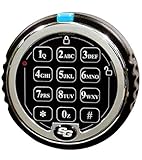
Overview: The Sargent and Greenleaf Titan DirectDrive represents the gold standard in electronic safe locks, engineered for serious security applications. This commercial-grade kit transforms any compatible safe into a fortress with its motor-driven locking mechanism and military-tested EMP resistance. Designed around S&G’s proprietary Magic Module footprint, it retrofits most mechanical and electronic locks on gun safes and commercial units.
What Makes It Stand Out: The Titan’s electromagnetic pulse protection isn’t just a marketing claim—it’s been proven against military-level EMP attacks, a critical feature for disaster preparedness. Unlike cheaper solenoid locks, the DirectDrive motor-driven system provides positive locking action that resists manipulation. The three-tiered access control (single user, dual control, or manager/employee mode) supporting 10 users makes it versatile for both personal and small business use.
Value for Money: Positioned at $250-300, this premium lock costs 3-4 times generic alternatives, but delivers certified performance and S&G’s legendary reliability. The all-inclusive kit—comprising lock body, chrome keypad, hardware, battery, and spindle—eliminates surprise expenses. For safes containing $5,000+ in firearms or valuables, the investment is proportionally sound.
Strengths and Weaknesses: Strengths:
- Certified military-grade EMP resistance
- Motor-driven mechanism resists bypass attempts
- Flexible multi-user management system
- Trusted S&G brand with proven track record
- Comprehensive installation kit included Weaknesses:
- Premium pricing unsuitable for budget safes
- Overly sophisticated for single-user applications
- Limited to 10 users may constrain growing businesses
Bottom Line: For security-conscious gun owners and those in EMP-vulnerable regions, the Titan is unmatched. Accept no substitutes when protecting irreplaceable valuables—this lock earns its premium through proven performance.
7. WAH YUE HING Digital Electronic Keypad Lock for Safes, Gun Safe Lock Replacement, Time Delay Safe Lock Including 2 Emergency Keys (Left Swing Bolt)

Overview: This budget-friendly electronic lock from WAH YUE HING targets the replacement market for home and light commercial safes. Specifically designed for left-hand swing bolt applications, it offers basic digital security with time-delay functionality and emergency key backup for various safe types.
What Makes It Stand Out: The integrated 60-minute time delay mode is unusual at this price point, adding a significant deterrent against forced entry attempts. The lock supports three distinct codes (two users plus one manager), providing basic access control for families. The manufacturer provides extensive video installation support, acknowledging the complexity that often frustrates DIYers.
Value for Money: Typically priced under $50, this lock delivers remarkable features for the cost. While lacking the premium build quality of S&G or La Gard, it includes time-delay capability often found in locks costing twice as much. The zinc alloy construction is adequate for home use, though professional installations may prefer heavier-duty options.
Strengths and Weaknesses: Strengths:
- Affordable entry-level pricing
- 60-minute time delay feature
- Triple code system (2 users + manager)
- Comprehensive video support documentation
- Emergency key override included Weaknesses:
- Left-hand configuration only (confusing for novices)
- Inferior durability compared to premium brands
- Requires paperclip reset (inconvenient)
- Unclear EMP resistance claims
- Brand lacks established reputation
Bottom Line: A solid choice for budget-conscious homeowners needing basic electronic security with time-delay protection. Verify your swing direction before purchasing and consider professional installation if uncertain.
8. Gun Safe Lock Replacement Electronic Safe Lock with Solenoid Lock & 2 Override Keys, Chrome Keypad High Security Fireproof Safe Box and More

Overview: This universal replacement kit offers a complete solenoid-based electronic lock solution for various safe types. The package includes everything needed for installation—keypad, solenoid lock, override keys, motherboard, and reset button—requiring only a 9V alkaline battery (not included) to operate.
What Makes It Stand Out: The interference code feature allows entering decoy digits before or after your actual code, preventing shoulder-surfing attacks. Supporting one manager and two user codes with 3-8 digit flexibility, it balances security with convenience. The chrome-finished zinc alloy keypad provides a more premium aesthetic than typical black plastic alternatives.
Value for Money: Priced around $60-80, this kit sits in the sweet spot between ultra-budget and premium options. It includes more components than basic kits (motherboard, solenoid, keys) and offers features like false code entry that compete with higher-priced alternatives. However, the battery exclusion and ambiguous brand identity slightly diminish its overall value proposition.
Strengths and Weaknesses: Strengths:
- Complete installation kit with all components
- Interference/false code security feature
- Flexible 3-8 digit code programming
- Chrome keypad resists wear better than plastic
- Wide application compatibility Weaknesses:
- 9V battery not included (safety reasoning is questionable)
- Brand lacks name recognition
- Solenoid mechanism less secure than motor-driven
- Unclear warranty and support terms
- Requires complete old part removal
Bottom Line: An excellent mid-range option for DIYers comfortable with full replacement. The interference code feature adds meaningful security, but verify battery requirements before installation.
9. Gun Safe Lock Replacement,Chrome Keypad Electronic Safe Lock with Solenoid Lock 2 Override Keys and Circuit Board.

Overview: This solenoid-based electronic lock kit serves as a universal replacement for home, gun, and commercial safes. The electromagnetic locking mechanism operates via a chrome keypad accepting 3-8 digit codes, with two override keys providing fail-safe access. The manufacturer positions it as a complete solution with panel, solenoid, keys, reset line, and motherboard included.
What Makes It Stand Out: The “3x dummy codes” feature allows entering random digits before/after your real code, thwarting observation attacks. The manufacturer explicitly warns against amateur installation, offering one-on-one support—a refreshing honesty that prevents costly mistakes. This direct support channel distinguishes it from faceless import brands.
Value for Money: At $50-70, it undercuts many competitors while including essential components. However, the strong disclaimer about professional installation suggests hidden complexity costs. While feature-rich, the unknown brand and solenoid-based security place it firmly in the budget tier, making it suitable for low-to-medium-value contents rather than high-security applications where S&G or La Gard dominate.
Strengths and Weaknesses: Strengths:
- Dummy code protection against shoulder surfing
- Explicit professional installation warning prevents DIY disasters
- Direct manufacturer support promise
- Comprehensive component set included
- Versatile application range Weaknesses:
- Strongly discourages DIY installation
- Solenoid mechanism less secure than motor-driven locks
- 9V battery not included
- Brand reliability unproven in market
- Limited warranty documentation
Bottom Line: Proceed with caution. While feature-competitive, the installation warning is telling. Best suited for those hiring professional locksmiths or experienced safe technicians who can leverage the direct support.
10. Black Gun Safe Lock Kit – Electronic Keypad with Solenoid Lock, 2 Override Keys, Reset Cable, Circuit Board & Alarm Horn – Universal Replacement for Safe Boxes & Rifle Safes

Overview: This black-finished electronic lock kit offers a complete solenoid-based replacement solution for rifle safes, pistol boxes, and home safes. The package includes keypad, solenoid, two override keys, dual reset cables, motherboard, and an integrated alarm horn—adding audible security alerts uncommon in this price class.
What Makes It Stand Out: The integrated alarm horn provides immediate audible feedback during unauthorized access attempts, a feature typically reserved for premium systems. Dedicated “Clear” (❋) and “Confirm” (#) keys simplify operation compared to ambiguous multi-function buttons. The high-grade zinc alloy construction with fire-resistant rating adds credibility to its security claims.
Value for Money: Priced at $70-90, this kit offers excellent component value with the bonus alarm horn and dual reset cables. The black finish provides aesthetic variety, though chrome remains more durable. While requiring separate 9V battery purchase, the included alarm feature and comprehensive kit make it competitively priced against similar solenoid systems lacking audible alerts.
Strengths and Weaknesses: Strengths:
- Integrated alarm horn for intrusion alerts
- Dedicated clear and confirm keys
- Fire-resistant zinc alloy construction
- Dual reset cables included
- Wide universal compatibility Weaknesses:
- Battery not included
- Black finish may show wear faster than chrome
- Solenoid mechanisms vulnerable to magnetic bypass
- Brand reputation not established
- Alarm horn may drain battery faster
Bottom Line: The alarm horn distinguishes this from generic kits, making it ideal for safes in occupied areas where audible alerts matter. A strong value proposition for security-conscious buyers on moderate budgets.
Why Electronic Locks Are Revolutionizing Gun Safety
The Evolution from Mechanical to Digital
The transition from traditional combination dials and key locks to electronic systems marks a fundamental shift in how we approach gun security. Mechanical locks, while reliable, require precise manipulation that can fumble during high-stress situations. Electronic locks eliminate this friction, providing instant access through keypads, biometrics, or wireless authentication. This evolution isn’t merely about convenience—it’s about creating a security ecosystem that adapts to modern threats while respecting the urgency of legitimate access needs.
Key Advantages for Modern Gun Owners
Electronic locks offer several distinct benefits that mechanical systems simply cannot match. Programmable codes allow you to change access credentials instantly without calling a locksmith. Multiple user profiles enable family members to have their own secure entry methods. Time-based access logs provide accountability by recording when the safe was opened. Perhaps most importantly, many electronic systems include penalty lockouts after failed attempts, creating a formidable barrier against brute-force attacks.
Understanding Electronic Locking Mechanisms
Keypad Entry Systems
Keypad-based electronic locks remain the most common and reliable option for gun safes. These systems typically feature backlit buttons for low-light operation and allow you to program 4-8 digit PIN codes. Look for models with scrambled keypad technology that randomizes button positions, preventing code detection through wear patterns or fingerprint smudges. The best systems use capacitive touch sensors rather than physical buttons, reducing mechanical failure points while eliminating tell-tale signs of which digits are used in your code.
Biometric Fingerprint Scanners
Fingerprint recognition technology has matured significantly, offering both speed and security when implemented correctly. High-quality biometric safes use semiconductor sensors rather than optical scanners, making them more resistant to spoofing attempts with lifted prints. The enrollment process should capture multiple angles of your fingerprint to ensure reliable recognition under stress. Consider models that store at least 20 fingerprint profiles, allowing multiple authorized users and backup scans of your own fingers in case of injury.
RFID and Bluetooth Enabled Locks
RFID systems use key fobs, cards, or wearable tokens for touchless entry, while Bluetooth locks connect to your smartphone for app-based access. These technologies excel in scenarios where you need instant access without remembering codes. However, they introduce new security considerations—RFID signals can potentially be intercepted, and Bluetooth connections may be vulnerable to hacking. Premium safes address these concerns with encrypted communication protocols and proximity detection that prevents relay attacks.
Hybrid Multi-Modal Systems
The most sophisticated electronic locks combine multiple authentication methods, requiring two forms of verification for entry. For example, a safe might need both a fingerprint scan and a PIN code, or an RFID token plus biometric confirmation. While this adds a step to the access process, it creates layered security that dramatically reduces unauthorized entry risks. These systems often allow you to configure different security levels based on threat conditions or time of day.
Critical Security Features to Evaluate
Anti-Tamper Technology
Quality electronic lock gun safes incorporate sensors that detect drilling, prying, or manipulation attempts. When triggered, these systems activate audible alarms and extend lockout periods exponentially. Some advanced models include vibration sensors that distinguish between normal handling and attack patterns, preventing false alarms while maintaining vigilant protection. Look for safes that document tamper events in an audit log, providing evidence of attempted breaches.
Wrong-Attempt Penalties
A crucial security feature is the penalty lockout system that activates after consecutive failed access attempts. The best implementations start with short delays (30 seconds) after 3-5 wrong tries, then escalate to 5-minute, 15-minute, and even hour-long lockouts after additional failures. This progressive penalty structure effectively neutralizes brute-force attacks while still allowing legitimate users to recover from honest mistakes. Ensure the safe maintains these penalties even if power is disconnected and restored.
Encryption Standards
The electronic brain of your safe should protect its data with robust encryption. AES-256 encryption is the current gold standard, securing stored user credentials and access logs against digital extraction. This is particularly important for safes with USB ports or network connectivity, as these interfaces could theoretically be exploited to download sensitive information. Reputable manufacturers subject their encryption implementations to third-party security audits and publish the results.
Construction Material Grades
Electronic locks are only as secure as the safe they’re mounted on. Look for bodies constructed from at least 14-gauge steel, though 12-gauge or thicker provides superior protection. Door seams should be interlocking rather than simple butt joints, and locking bolts should extend at least 1.5 inches into the frame. The lock housing itself needs hardened steel plates to resist drill attacks, and the entire assembly should be pry-resistant with minimal door gap exposure.
Size and Capacity Planning
Handgun Safes vs. Rifle Safes
Your firearm collection determines the size category you need. Handgun safes typically accommodate 1-3 pistols and can be mounted in closets, nightstands, or vehicles. Rifle safes must be tall enough for your longest firearm—measure from muzzle to buttstock and add 4 inches for proper clearance. Consider not just your current inventory but potential future purchases, as upgrading to a larger safe is significantly more expensive than buying adequate capacity initially.
Internal Organization Features
Electronic lock safes should offer configurable interiors with adjustable shelves, door organizers, and dedicated magazine racks. Look for padded shelves that prevent scratches and barrel rests that keep long guns stable. Some models include modular interior systems that you can reconfigure as your collection evolves. Cable management channels are valuable for installing interior lighting or dehumidifiers without compromising security.
Future-Proofing Your Purchase
When evaluating capacity, plan for 20-30% more space than your current needs. This accounts for accessory storage—optics, ammunition, important documents—and new acquisitions. Consider safes with pre-drilled mounting holes for interior accessories you might add later. The electronic lock itself should support firmware updates, ensuring compatibility with emerging security standards and smartphone operating system changes.
Power Management Essentials
Battery Life Expectations
Most electronic lock gun safes run on AA or AAA batteries, with typical lifespans ranging from 6 months to 2 years depending on usage and features. Biometric scanners and Bluetooth connectivity consume more power than simple keypads. Look for systems that display battery status on the lock interface and provide low-battery warnings at least two weeks before depletion. Some premium models include battery life estimates based on your actual usage patterns.
Backup Power Solutions
Every electronic lock must have a failsafe power option. This typically takes the form of an external battery contact point where you can touch a 9V battery to temporarily power the lock and enter your code. Better systems include micro-USB ports for emergency power from any phone charger. Verify that backup power methods work reliably—the best safes test this automatically during each battery change, ensuring the contacts remain functional.
Low-Battery Warning Systems
Sophisticated electronic locks provide multiple layers of battery warnings. Visual indicators on the keypad begin flashing weeks before depletion, followed by audible beeps during operation. Some models send smartphone notifications if connected via Bluetooth. The safe should maintain all programmed codes and user data even when batteries are completely drained, with non-volatile memory that preserves settings for years without power.
Installation and Placement Strategies
Wall and Floor Anchoring
A gun safe’s security is compromised if thieves can simply carry it away. Electronic lock safes must include pre-drilled anchor holes and heavy-duty bolting hardware. For concrete floors, use expansion bolts rated for at least 1,000 pounds of pull strength. Wall installations require lag bolts anchored into studs, not just drywall. The safe’s design should position anchor points in recessed areas that remain accessible but don’t interfere with interior storage space.
Strategic Location Selection
Place your safe where you can access it quickly during emergencies but where it’s not visible to casual visitors. Bedrooms and home offices offer good compromise locations. Avoid garages and basements unless climate-controlled, as temperature fluctuations and moisture can damage both firearms and electronic components. Consider the safe’s door swing—ensure it can open fully without hitting walls or furniture, and that you can operate the electronic lock comfortably at that angle.
Environmental Considerations
Electronic locks contain sensitive circuitry that extreme temperatures and humidity can damage. Operating range specifications typically span 14°F to 122°F, but performance degrades at the extremes. Install your safe away from heat sources like radiators or direct sunlight. In humid climates, pair your safe with a dehumidifier rod or desiccant system, and ensure the electronic lock housing has proper moisture seals. Some advanced models include internal temperature and humidity sensors with display readouts.
User Access and Management
Programming Multiple Users
Family situations often require different access levels for different users. Quality electronic locks allow you to program distinct codes or biometric profiles for each person, with the ability to delete individual users without affecting others. Look for systems that support at least 10 unique users, each with customizable permissions. Some safes let you designate administrator accounts that can add or remove users, while standard users can only open the safe.
Temporary Access Codes
For houseguests, maintenance workers, or other temporary situations, the ability to create time-limited access codes is invaluable. Premium electronic locks generate single-use codes or codes that expire after a set number of hours or days. These temporary credentials should be easily revocable and automatically purged from the system after expiration. The audit log should clearly distinguish between regular user access and temporary code usage.
Audit Trail Capabilities
Sophisticated electronic locks maintain detailed logs of every access attempt, successful or failed. These logs time-stamp each event and identify which user code was used. For security investigations, this data proves invaluable. Look for safes that store at least 1,000 events in non-volatile memory that cannot be erased without administrative credentials. Some systems allow you to export logs via USB or Bluetooth for permanent record-keeping.
Compliance and Certification Standards
California DOJ Requirements
If you live in California or purchase a safe there, it must meet specific Department of Justice standards for firearm safety devices. These requirements include rigorous testing against prying, drilling, and lock manipulation. Look for the California DOJ approval marking, which indicates the safe has passed standardized testing protocols. Even outside California, this certification provides assurance of baseline security effectiveness.
UL Security Ratings
Underwriters Laboratories (UL) provides objective security ratings through their UL 1037 and UL 687 standards. A UL Residential Security Container (RSC) rating indicates the safe withstood 5 minutes of attack using common hand tools. Higher classifications like TL-15 and TL-30 specify resistance to more sophisticated attacks for 15 and 30 minutes respectively. These ratings involve actual break-in attempts by certified technicians, providing genuine security validation.
Fire Protection Ratings
While primarily a security feature, electronic locks must also function after fire exposure. Look for safes with verified fire ratings from Intertek (ETL) or UL, typically expressed as “30 minutes at 1200°F” or “60 minutes at 1400°F.” The electronic lock itself should have a fire-resistant housing that protects its circuitry. Some manufacturers test their locks independently after fire exposure to ensure they’ll still open when needed most.
Maintenance and Longevity
Routine Battery Replacement
Establish a schedule for battery changes rather than waiting for low-battery warnings. Replace alkaline batteries annually, or every 6 months for heavily-used biometric systems. Lithium batteries last longer but cost more. Always replace all batteries simultaneously with fresh, name-brand cells—mixing old and new batteries creates voltage imbalances that can damage the lock’s circuitry. After each battery change, test all user codes and backup power methods.
Software Updates
Connected electronic locks occasionally receive firmware updates that patch security vulnerabilities or add features. Check for updates quarterly through the manufacturer’s app or website. Update procedures should be straightforward and secure, typically requiring physical access to the safe and administrative credentials. Never install firmware from unofficial sources, as these could contain malware that compromises your safe’s security.
Mechanical Component Care
Even electronic locks contain mechanical elements like solenoids, bolt actuators, and hinge mechanisms. Annually lubricate moving parts with a dry graphite lubricant—never use oil-based products that attract dust and can gum up electronic components. Test the lock’s mechanical override key (if equipped) yearly to ensure it hasn’t seized. Clean fingerprint sensors with a microfiber cloth and isopropyl alcohol to maintain recognition accuracy.
Budget and Value Analysis
Entry-Level vs. Premium Features
Basic electronic lock safes ($100-$300) provide reliable keypad entry and solid construction but lack advanced features like biometrics or connectivity. Mid-range options ($300-$800) add fingerprint scanners, better fire protection, and user management capabilities. Premium safes ($800+) include hybrid authentication, smart home integration, and certified burglary ratings. Determine which features genuinely enhance your security versus those that are merely convenient.
Long-Term Cost Considerations
Factor in ongoing expenses when budgeting. Battery costs run $10-$30 annually depending on type and usage. Some connected safes require subscription fees for cloud storage of access logs or remote monitoring features. Extended warranties with electronic component coverage often cost 10-15% of the safe’s purchase price but can prevent expensive lock replacements. Consider the total cost of ownership over a 10-year lifespan rather than just the initial purchase price.
Warranty Protection Value
Electronic locks contain complex components that can fail. Look for warranties covering at least 1 year on electronics and 5 years on mechanical components, with some premium manufacturers offering lifetime coverage. Read warranty terms carefully—some exclude damage from battery leakage, power surges, or improper installation. A strong warranty signals manufacturer confidence and protects your investment against premature failure of expensive electronic components.
Common Buyer Mistakes to Avoid
Overlooking Backup Access Methods
Many buyers focus solely on electronic convenience and forget to test backup access. Always verify that mechanical override keys work smoothly and that external battery contacts function reliably. Store override keys in a separate secure location—not inside the safe—and ensure all family members know the backup procedure. Some buyers disable electronic features entirely after one lockout incident, defeating the purpose of their investment.
Ignoring Installation Requirements
Purchasing a safe without planning its installation leads to security compromises. Measure doorways, stairwells, and final location dimensions before buying. Ensure you have the necessary tools and hardware for proper anchoring. Many buyers skip professional installation to save money, but improper anchoring can void warranties and insurance coverage. Consider hiring a safe technician for heavy rifle safes or complex installations.
Choosing Wrong Size
Underestimating capacity needs is the most common regret. That “perfect fit” for your current collection leaves no room for growth. Conversely, oversized safes waste money and may not fit intended locations. Create a detailed inventory of all items you plan to store, including accessories and documents, then add 30% capacity for future acquisitions. Remember that interior organization systems consume space—calculate usable volume, not just total cubic feet.
Smart Home Integration
App Connectivity Features
Modern electronic locks offer smartphone apps that provide remote status monitoring, battery level checks, and access notifications. The best apps use end-to-end encryption and don’t store sensitive data on your phone. Look for features like remote lockout—useful if you suspect a code is compromised—and the ability to generate temporary codes for guests. Ensure the app doesn’t create security vulnerabilities; it should complement the safe’s physical security, not replace it.
Remote Monitoring Capabilities
Some connected safes send instant alerts to your phone for access events, tamper attempts, or environmental changes like temperature spikes. This real-time awareness is valuable when traveling or if the safe is in a vacation home. However, evaluate whether constant connectivity creates cybersecurity risks. The safest approach uses local Bluetooth connections rather than cloud-based systems, reducing exposure to internet-based attacks.
Voice Assistant Compatibility
Integration with Alexa or Google Assistant allows voice-activated status checks and can incorporate your safe into broader home security routines. For example, you could program a “goodnight” routine that checks if the safe is locked and arms your security system. Be extremely cautious with voice unlocking features—most security experts recommend against voice-activated opening due to the risk of unauthorized access through recorded audio or similar-sounding voices.
Troubleshooting Common Issues
Lockout Scenarios
If you’re locked out due to forgotten codes or dead batteries, remain calm and follow the manufacturer’s recovery procedure. Use the external battery contact point first—this resolves 90% of lockouts. If mechanical override is necessary, do so carefully to avoid damaging the lock. Document the incident afterward; repeated lockouts may indicate electronic failure requiring warranty service. Never attempt to force the mechanism or drill the lock yourself.
Battery Failures
When batteries die prematurely, check for common causes: using incorrect battery type, mixing old and new cells, or environmental extremes. Corroded contacts can create resistance that drains batteries quickly—clean them with a pencil eraser or fine sandpaper. If fresh batteries don’t restore function, the lock’s power management circuitry may have failed, requiring professional service. Keep a battery tester handy to verify cell voltage before installation.
Sensor Malfunctions
Fingerprint scanners may fail to recognize enrolled prints due to dirty sensors, injured fingers, or changes in skin condition. Clean the sensor and re-enroll your fingerprints annually. Keypad issues often stem from moisture intrusion or physical damage—ensure the keypad seal remains intact. If RFID or Bluetooth functions become intermittent, check for interference from other electronic devices and verify the safe’s firmware is current.
Frequently Asked Questions
How long do electronic lock batteries typically last in a gun safe?
Most electronic locks run 12-24 months on a fresh set of alkaline batteries, while lithium batteries can extend life to 2-3 years. Biometric and Bluetooth-enabled locks consume more power and may need replacement every 6-12 months. Always replace batteries proactively rather than waiting for low-battery warnings.
Can electronic locks be hacked or bypassed by tech-savvy thieves?
Quality electronic locks use encrypted communication and have no external data ports accessible during a break-in attempt. While no system is 100% unhackable, certified electronic locks resist digital attacks as effectively as they resist physical attacks. The greater risk is social engineering—thieves obtaining your code—rather than technical hacking.
What happens if the electronic lock fails completely? Can I still access my firearms?
All reputable electronic lock safes include mechanical backup access, typically via a tubular key or combination dial override. This backup method functions independently of electronics and should be tested regularly. Some owners store backup keys in a secondary lock box or with a trusted family member for emergency access.
Are biometric fingerprint scanners reliable in emergency situations?
Modern biometric sensors are highly reliable when properly maintained, with recognition rates exceeding 99% under normal conditions. However, factors like wet, dirty, or injured fingers can reduce accuracy. The best practice is enrolling multiple fingers per user and maintaining a PIN code as an alternative access method for worst-case scenarios.
Do electronic locks work during power outages?
Yes, electronic locks run on internal batteries, not household power, so they function normally during outages. However, connected features like smartphone notifications and remote monitoring require Wi-Fi, which may be unavailable. The core locking mechanism remains fully operational on battery power alone.
How often should I change my access code?
Change your code immediately if you suspect it’s been compromised or shared inappropriately. For general security, rotate codes every 6-12 months. Avoid reusing old codes or creating patterns that others might guess. When changing codes, update all authorized users simultaneously to prevent confusion.
Can I install an electronic lock safe myself, or do I need professional help?
Handgun safes under 50 pounds can typically be self-installed using basic tools and provided hardware. Rifle safes weighing hundreds of pounds require professional installation to ensure proper anchoring and prevent injury. Many retailers offer delivery and installation packages that include warranty protection.
What’s the difference between a cheap electronic safe and a premium one?
Premium safes feature thicker steel construction, certified security ratings, better fire protection, and more sophisticated electronic systems with encryption and anti-tamper features. Cheap safes often use thin metal, basic electronics without backup power, and lack independent security certifications. The cost difference reflects genuine security improvements, not just brand names.
Are electronic locks more secure than mechanical combination locks?
Each has strengths. Electronic locks offer faster access, user management, and tamper detection. Mechanical locks are immune to power failures and electronic interference. High-quality examples of both provide excellent security. Hybrid safes that combine electronic convenience with mechanical backup offer the best of both worlds.
Will my electronic lock safe interfere with pacemakers or other medical devices?
Electronic locks generate minimal electromagnetic fields comparable to a digital watch or calculator. They pose no risk to pacemakers, defibrillators, or other medical devices. The batteries and low-voltage circuitry produce far less EM interference than common household appliances like microwaves or wireless routers.
Related Buying Guides
- How to Solve Unauthorized Access with the 10 Best Electronic Lock Gun Safes in 2026
- How to Solve Quick Access Issues with the 10 Best Electronic Lock Gun Safes in 2026
- Stop Theft with the 10 Best Electronic Lock Gun Safes This Year
- 10 Best Gun Safes for Preventing Unauthorized Access in 2026
- How to Solve Home Security Issues with the 10 Best Electronic Lock Gun Safes in 2026