Table of Contents
Ever pull the trigger only to see your reticle wobble like jelly on a trampoline? That frustrating instability isn’t just annoying—it undermines everything you’ve worked for at the range or in the field. Shaky aim often traces back to a surprisingly simple culprit: the humble scope rings holding your optics in place. When rings fail to provide a rock-solid foundation, even the most precise rifle and expensive scope become victims of vibration, recoil shift, and inconsistent point-of-impact. It’s the silent killer of accuracy, turning promising shots into frustrating misses.
You’ve invested in quality gear, practiced your stance, and dialed in your ballistics—don’t let shaky aim sabotage your efforts. The right rings act as the critical bridge between your rifle and scope, transforming potential energy from recoil into controlled stability. They’re not just clamps; they’re precision-engineered components that absorb shock, maintain zero under stress, and ensure your sight picture stays locked exactly where you need it. Understanding what makes rings truly reliable is the first step toward eliminating that maddening wobble and achieving the consistency you demand from your setup.
Top 10 Rifle Scope Rings
Detailed Product Reviews
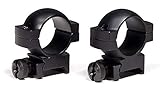
1. Vortex Optics Hunter Riflescope Rings, 1 inch - Medium, Black, 2 Count (Pack of 1)
Overview:
The Vortex Optics Hunter Riflescope Rings offer a straightforward mounting solution for 1-inch tube scopes on Picatinny or Weaver rails. Designed for general hunting applications, these medium-height rings position the scope center at 0.87 inches above the base, constructed from durable aircraft-grade 6061-T6 aluminum.
What Makes It Stand Out:
Their simplicity and reliability stand out, featuring a standard 2-screw design that’s easy to install with specified torque settings (15 in/lbs for rings, 25-30 in/lbs for base). The rings’ lightweight aluminum construction balances strength and weight, while Vortex’s VIP lifetime warranty—covering defects and damage unconditionally—adds exceptional peace of mind.
Value for Money:
Priced competitively for entry-to-mid-tier hunting setups, they deliver solid performance without premium costs. Though not suited for heavy recoil, they outperform budget no-name rings in consistency and build quality, making them ideal for hunters seeking Vortex’s trusted warranty without Pro Series pricing.
Strengths and Weaknesses:
Strengths: Lightweight, precise machining, easy installation, VIP warranty.
Weaknesses: Not rated for heavy-recoil rifles, 2-screw design less secure than 4-screw alternatives for high-stress use.
Bottom Line:
A dependable, warranty-backed choice for hunters using standard-recoil rifles; avoid for magnum calibers but excellent value for typical deer or turkey hunting setups.
2. Monstrum Deadlock Series Scope Rings | 1 inch Diameter | 1.00" Center Height

Overview:
Monstrum’s Deadlock Series Scope Rings provide a rugged 1-inch mounting solution engineered for recoil-heavy rifles. With a 1.00-inch center height, these rings feature a beefed-up aluminum frame and specialized hardware to maintain zero under extreme conditions.
What Makes It Stand Out:
The standout feature is its “rigid yet lightweight” design: strategic lightening cuts reduce weight without sacrificing stability, while custom locking bolts integrate seamlessly with Picatinny/Weaver rails to resist slippage. Hardened steel Torx hardware prevents stripping, and compatibility spans 1-inch, 30mm, and 34mm scopes.
Value for Money:
Offering near-premium performance at a mid-range price, these rings outclass basic mounts in recoil resistance. They’re a cost-effective alternative to high-end brands for serious shooters needing reliability without breaking the bank, especially given Monstrum’s lifetime guarantee.
Strengths and Weaknesses:
Strengths: Exceptional recoil resistance, lightweight aluminum build, versatile tube compatibility, anti-stripping hardware.
Weaknesses: Lightening cuts may raise durability concerns for some (though unproven), brand reputation less established than Vortex.
Bottom Line:
Highly recommended for hunters or tactical users facing heavy recoil; delivers robust performance and smart engineering that justifies its price point for demanding applications.
3. CVLIFE 1 inch Scope Rings Medium Profile Precision Mount - Compatible with Picatinny Rails - 20mm See Through Rifle Scope Mount - 2 Pieces

Overview:
CVLIFE’s Medium Profile Scope Rings deliver a budget-friendly 1-inch mounting solution with a 1.00-inch center height. Crafted from 6061-T6 aluminum and featuring Type III hard-anodized finish, they target recreational shooters and rimfire enthusiasts.
What Makes It Stand Out:
Enhanced recoil lugs prevent forward scope shift, a rarity in this price tier. The included T25 wrench and extra screws add convenience, while the scratch-resistant finish and beveled edges enhance durability and user safety. Explicit compatibility with airsoft, .22LR, and common calibers like 5.56/.308 broadens appeal.
Value for Money:
Exceptional value for casual users; priced significantly below brands like Vortex, they offer surprising features (recoil lugs, quality finish) often found costlier. Ideal for rimfire or low-recoil rifles where premium rings are overkill.
Strengths and Weaknesses:
Strengths: Affordable, includes tools/screws, effective recoil lugs, versatile compatibility.
Weaknesses: Torque limits (18 in/lbs) suggest less rigidity for high-recoil firearms, build quality may lack precision of premium brands.
Bottom Line:
A superb budget pick for plinking, rimfire, or airsoft; delivers reliable performance where extreme recoil isn’t a factor, making it a smart investment for entry-level or casual use.
4. Vortex Optics Pro Series Riflescope Rings - 34mm - Medium Height [1.10 Inches]
![Vortex Optics Pro Series Riflescope Rings - 34mm - Medium Height [1.10 Inches]](https://m.media-amazon.com/images/I/41MVfcxUYML._SL160_.jpg)
Overview:
Vortex’s Pro Series Rings cater to 34mm scope tubes, positioning the optic center at 1.10 inches above the rail. Made in the USA, these medium-height rings target precision shooters needing robust mounting for larger optics on Picatinny or Weaver bases.
What Makes It Stand Out:
The 4-screw Torx design ensures unparalleled clamping force and zero retention, critical for high-magnification or long-range setups. Streamlined yet durable construction (2.05 oz per ring) combines lightweight agility with rock-solid stability, backed by Vortex’s transferable VIP lifetime warranty.
Value for Money:
Justified for serious marksmen; while pricier than basic rings, the precision machining, recoil resilience, and warranty offset costs. Outperforms competitors in consistency, making it cost-effective for users who prioritize accuracy over casual use.
Strengths and Weaknesses:
Strengths: 4-screw security, precise height consistency, lightweight durability, VIP warranty.
Weaknesses: Higher cost than 2-screw alternatives, overbuilt for lightweight hunting rifles.
Bottom Line:
The top recommendation for precision rifle enthusiasts using 34mm scopes; invest here if maintaining zero under heavy recoil or during long-range shooting is non-negotiable.
5. Vortex Optics Pro Series Riflescope Rings - 30mm - Medium Height [1.0 Inches | 25.4 mm], Black
![Vortex Optics Pro Series Riflescope Rings - 30mm - Medium Height [1.0 Inches | 25.4 mm], Black](https://m.media-amazon.com/images/I/41Cj3bkkiTL._SL160_.jpg)
Overview:
Designed for 30mm scope tubes, these Vortex Pro Series Rings position the optic center at 1.0 inch (25.4 mm) above the rail. Made in the USA with a 4-screw Torx system, they offer medium-height mounting for versatile rifle-scoping needs.
What Makes It Stand Out:
Optimized for the popular 30mm tube standard, they merge the Pro Series’ hallmark 4-screw security with minimal weight (1.72 oz per ring). Precision machining ensures perfect alignment, while the VIP warranty and compatibility with Weaver/Picatinny rails add universal appeal for hunters and tactical users.
Value for Money:
A premium but justifiable investment; the 4-screw system prevents slippage better than 2-screw rivals, and Vortex’s quality control minimizes “scope wobble” issues common in cheaper rings. Ideal when reliability trumps budget constraints.
Strengths and Weaknesses:
Strengths: Superior zero retention, lightweight precision, VIP warranty, broad rail compatibility.
Weaknesses: Costly for casual users, slight weight increase over minimalist designs.
Bottom Line:
Highly recommended for hunters or sport shooters using 30mm scopes who demand unwavering accuracy; the gold standard for balancing performance, durability, and trusted support.
6. Modkin 1 Inch Scope Rings Set of 4, 2 Pieces High Profile Scope Mounts and 2 Pieces Medium Profile Scope Rings for Picatinny Rail
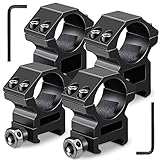
Overview: This Modkin set provides four scope rings (two medium, two high profile) designed specifically for 1-inch scope tubes on Picatinny rails. Constructed from lightweight aluminum alloy with a black anodized finish, it targets shooters needing versatile mounting heights in a single package. What Makes It Stand Out: The inclusion of both medium (0.8") and high (0.9") profile rings in one set is highly practical for optimizing eye relief and cheek weld across different riflescopes. The built-in tape protection prevents tube marring and recoil-induced slippage, while the hollowed design reduces weight without sacrificing rigidity. The single rail clamp screw per side simplifies installation. Value for Money: Offering four rings (two heights) at a competitive price point provides excellent flexibility compared to buying separate pairs. The included Allen wrenches and spare screws add tangible value, making it a cost-effective solution for hunters or recreational shooters building or adjusting setups. Strengths and Weaknesses: Strengths: Dual-height versatility, effective recoil protection, lightweight yet sturdy construction, easy installation. Weaknesses: Picatinny rail only (no Weaver compatibility), medium profile height may still be too low for some large objective scopes requiring greater clearance. Bottom Line: An adaptable, well-priced kit ideal for shooters needing multiple mounting heights; its recoil mitigation and thoughtful design make it a solid budget-friendly choice for general use, though verify Picatinny compatibility first.
7. Vortex Sport Riflescope Rings (1" - Medium (.90"))

Overview: Vortex’s Sport rings are precision-machined aluminum rings positioning the scope tube center at 0.90 inches above the rail. Sold as a pair, they target users seeking reliable, low-profile mounting for 1-inch tubes on Picatinny or Weaver bases. What Makes It Stand Out: Universal compatibility with both Picatinny and Weaver rails is a significant advantage over many competitors. The laser-engraved torque specs ensure consistent, proper tightening for optimal performance and zero retention. The integrated recoil lug is engineered specifically to combat slippage under heavy recoil, a critical feature for serious shooters. Value for Money: While priced moderately, the rings deliver exceptional value through Vortex’s industry-leading VIP Warranty—unlimited, unconditional, and fully transferable coverage for life. This warranty, combined with durable 6061 aluminum construction and dual-platform compatibility, justifies the cost for long-term reliability. Strengths and Weaknesses: Strengths: Picatinny/Weaver compatibility, precise laser torque markings, excellent recoil lug, legendary VIP Warranty, lightweight (1.76 oz/ring). Weaknesses: Sold only as a pair (requires two sets for a complete mount), matte finish may show scratches over time. Bottom Line: A top-tier, versatile choice backed by an unbeatable warranty; highly recommended for shooters prioritizing reliability, ease of correct installation, and peace of mind, especially given the dual rail compatibility.
8. Monstrum Precision Picatinny Scope Rings | 1 inch Diameter | 0.80 inch Center Height
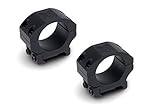
Overview: Monstrum’s Precision rings offer a specific low-mount solution (0.80" center height) for 1-inch scope tubes, designed exclusively for Picatinny rails. They cater to shooters needing minimal scope height for optimal cheek weld and sight picture alignment. What Makes It Stand Out: Precision machining ensures exact center height (0.80") for consistent eye alignment, crucial for accuracy. The anti-recoil lug is meticulously engineered to lock into Picatinny slots with absolute zero wiggle, guaranteeing zero retention even under extreme recoil—a major differentiator for high-powered rifles. The lifetime guarantee underscores confidence in build quality. Value for Money: Positioned as a budget-conscious alternative to premium brands, these rings deliver remarkable precision and recoil performance at a lower cost. The specific height option avoids paying for unnecessary elevation, making them ideal value for low-profile builds where every fraction of an inch matters. Strengths and Weaknesses: Strengths: Exceptional zero-holding recoil lug, precise height specification, lightweight aluminum construction, strong lifetime guarantee. Weaknesses: Picatinny rails only (no Weaver), very low height may cause objective lens clearance issues on some rifles with large scopes. Bottom Line: An outstanding value for shooters requiring a true low mount; its recoil performance and precision make it a highly recommended pick for AR platforms or rifles where minimal height is essential, provided Picatinny rails are used.
9. Monstrum Precision Picatinny Scope Rings | 1 inch Diameter | 1.00 inch Center Height
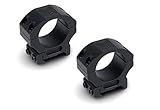
Overview: This Monstrum variant provides a medium-height mounting solution (1.00" center height) for 1-inch scope tubes on Picatinny rails. It serves shooters needing balanced eye relief and sufficient clearance for medium-to-large objective lenses. What Makes It Stand Out: Like its sibling, it features a precision-machined anti-recoil lug that locks seamlessly into Picatinny slots, eliminating movement and guaranteeing zero retention under heavy recoil. The exact 1.00" height specification ensures consistent cheek weld for many popular rifle platforms, striking a versatile balance between low and high profiles. Value for Money: Offering robust recoil performance and precise height at a mid-range price, these rings represent strong value. The comprehensive lifetime guarantee significantly enhances long-term value, protecting against manufacturing defects and providing peace of mind comparable to more expensive brands. Strengths and Weaknesses: Strengths: Superior recoil-proof lug design, accurate height measurement, durable aluminum build, excellent lifetime warranty, versatile medium height. Weaknesses: Picatinny rail compatibility only, medium height may still be insufficient for very large objective scopes requiring higher rings. Bottom Line: A highly reliable and cost-effective medium-height option; ideal for hunters and tactical shooters seeking proven recoil resistance and consistent performance without premium pricing, especially on standard hunting rifles.
10. LONSEL 1’’ Scope Rings, 2Pcs High Profile & 2Pcs Medium Profile 1 Inch Scope Mount Rings for Picatinny Rail (High Profile - 2 Pack)
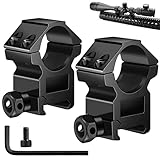
Overview: LONSEL offers a set of four rings (two high profile, two medium profile) for 1-inch scopes on Picatinny rails. Marketed as a versatile mounting solution, it emphasizes ease of installation and protective features for the scope tube. What Makes It Stand Out: The inclusion of both high (0.71" gap) and medium profiles in one package provides immediate height flexibility. The hollowed-out “see-through” design enhances peripheral vision during aiming, while built-in tape lining protects the scope finish and aids in recoil resistance. Aircraft-grade aluminum with steel components promises durability. Value for Money: Bundling four rings (two heights) at an aggressive price point delivers significant value for shooters needing multiple setups or flexibility. The inclusion of an Allen wrench and spare screws adds practical utility, making it a compelling budget option for entry-level or casual use. Strengths and Weaknesses: Strengths: Dual-height convenience, scope tube protection, lightweight hollow design, simple rail clamp system, spare parts included. Weaknesses: Picatinny only, medium profile height specification is vague compared to competitors, potential for slight play without meticulous tightening. Bottom Line: A practical, affordable kit for budget-conscious shooters needing height options; its protective features and included extras offer good value for recreational use, though verify height specs match your specific scope clearance needs.
Understanding the Core Problem: Why Stability Matters
The Physics of Recoil and Vibration
When a rifle fires, massive forces surge backward through the action. Without adequate ring stability, these forces travel directly into the scope tube, causing internal component shift and misalignment. High-quality rings absorb and dissipate this energy, preventing the scope from “walking” off zero shot after shot. Cheap or improperly installed rings allow microscopic movement that accumulates, ruining accuracy over time.
The Hidden Cost of Inconsistent Zero
Losing zero isn’t always dramatic. Sometimes it’s a subtle half-MOA shift between range sessions that leaves you scratching your head. This inconsistency stems from rings that can’t maintain constant clamping pressure on the scope tube. Temperature changes, minor impacts, or even repeated recoil cycles can cause marginal rings to loosen imperceptibly, forcing constant re-sighting and eroding confidence in your equipment.
How Mounting Surfaces Impact Stability
Your rifle’s receiver rail (whether Picatinny, Weaver, or proprietary) is only as good as the rings mating to it. Poorly machined rings won’t seat flush, creating gaps where movement occurs. Even rings with excellent clamping force can fail if their base design doesn’t match the rail’s profile perfectly, leading to stress points and eventual slippage under recoil.
Key Features to Evaluate for Unshakeable Stability
Material Composition and Strength
The metal used in rings dictates their fundamental resilience. Aircraft-grade 7075-T6 aluminum offers an exceptional strength-to-weight ratio, resisting deformation under recoil while keeping weight manageable. For extreme calibers or tactical use, forged steel provides maximum rigidity but adds noticeable heft. Avoid rings made from softer 6061 aluminum or questionable alloys that can compress or gall over time.
Clamping Mechanism Design
How the ring halves meet and secure the scope tube is paramount. Four-screw cap designs (two on top, two on bottom) distribute clamping force evenly around the entire circumference, minimizing tube distortion. Single-screw top caps are prone to uneven pressure and scope slippage, while two-screw systems offer a middle ground but lack the ultimate security of four points of contact.
Recoil Lug Integration
The unsung hero of stability. A properly designed recoil lug—a small protrusion on the ring base—seats firmly against the forward lip of your receiver rail. This feature stops the rings (and thus the scope) from creeping backward under repeated recoil, a common failure point with basic rings. Ensure the lug is precisely machined to match your rail’s profile for full surface contact.
Scope Tube Protection
Metal-on-metal contact between rings and your scope tube risks marring or crushing the delicate aluminum housing. Look for rings with integrated soft material inserts (like proprietary polymers or anodized coatings) at critical contact points. These cushions absorb micro-vibrations while maintaining a secure grip, protecting your investment without compromising stability.
Precision Fit: Dimensions and Compatibility
Correct Ring Height Selection
Height isn’t just about eye relief—it affects stability. Too low, and your scope bell might contact the barrel, transferring vibration directly. Too high, and the scope becomes a lever amplifying recoil forces on the rings. Measure the distance from your receiver rail to the bottom of your scope objective bell, then add 1-2mm for clearance. Low, medium, and high classifications vary wildly between manufacturers; always use actual measurements.
Matching Ring Diameter to Scope Tube
This seems obvious, but mistakes happen. Most modern scopes use either 1-inch (25.4mm) or 30mm tubes. Using rings sized for the wrong diameter creates dangerous gaps or excessive force. Measure your scope tube with calipers—don’t rely on manufacturer claims alone. Some premium scopes even use 34mm or 35mm tubes, requiring specialized rings.
Rail Interface Precision
Not all Picatinny rails are created equal. Minute variations in slot width, depth, or angle exist between manufacturers. High-end rings often feature precisely machined recoil lugs and base channels that conform tightly to specific rail standards (like NATO-spec Picatinny). For critical applications, consider rings designed explicitly for your rifle’s make and model to ensure perfect alignment.
Installation Practices That Make or Break Stability
Torque Specifications: The Golden Rule
Under-torquing invites slippage; over-torquing crushes scope tubes and warps rings. Always use a quality inch-pound torque wrench calibrated for low ranges (typically 15-25 in-lbs for scope tube screws, 60-80 in-lbs for base screws). Follow the ring manufacturer’s exact specs—never “hand-tighten.” Invest in a precision tool; your accuracy depends on it.
Proper Screw Lubrication
Dry steel screws create inconsistent friction, leading to inaccurate torque readings. A tiny drop of specialized thread lubricant (like moly paste) on the screw threads ensures smooth, even clamping force. Never use standard oil or grease, which can migrate and attract debris. This small step guarantees the torque wrench reading reflects actual clamping pressure.
Lapping: When It’s Essential
Lapping smooths microscopic imperfections between ring caps and the scope tube. For critical precision applications or with expensive optics, lapping ensures 100% contact along the entire clamping surface. If your rings show uneven contact marks on a test tube (or your scope consistently loses zero), professional lapping is a worthwhile investment to maximize stability.
Sequence Matters: The Tightening Order
How you tighten the screws impacts alignment. Always follow a cross-pattern sequence: snug all screws lightly first, then progressively tighten in a star pattern. For four-screw caps, tighten diagonally opposite screws incrementally (e.g., top-left, bottom-right, top-right, bottom-left), repeating until final torque is reached. This prevents tube distortion and ensures even pressure distribution.
Environmental and Usage Considerations
Temperature Extremes and Material Behavior
Metals expand and contract with temperature swings. Aluminum has a higher coefficient of thermal expansion than steel. Rings made from mismatched materials (e.g., steel caps on aluminum bases) can develop play as temperatures change, causing zero shift. High-end systems use matched materials or engineered tolerances to maintain consistent clamping force across wide temperature ranges.
Vibration Dampening for Mobile Platforms
Shooting from vehicles, boats, or even just hiking in introduces constant low-level vibration. Rings designed with integrated vibration-dampening elements (like specialized elastomer inserts between the base and cap) can significantly reduce harmonic oscillation that degrades sight picture clarity during aiming.
Corrosion Resistance for Harsh Conditions
Salt air, humidity, and solvents demand rings with robust corrosion protection. Look for hard-anodized finishes (Type III for aluminum) or stainless steel construction. Avoid cheap chrome plating that chips easily, exposing base metal to moisture. Sealed screw heads also prevent moisture ingress into critical threads.
Long-Term Reliability and Maintenance
Recoil Endurance Testing Standards
Reputable manufacturers subject rings to rigorous simulated recoil testing—often thousands of cycles with heavy-recoiling calibers. While specs aren’t always public, inquire about testing protocols. Rings designed for magnum cartridges or tactical use undergo far more stringent validation than those intended for light-recoiling varmint rifles.
Serviceability and Part Replacement
Wear happens. The best ring systems allow easy replacement of individual components like recoil lugs, screws, or polymer inserts without replacing the entire set. Avoid proprietary systems where a single damaged screw renders the whole ring useless. Standardized hardware (like 4-40 or 6-40 screws) ensures long-term serviceability.
Warranty as a Confidence Indicator
A comprehensive lifetime warranty against material or workmanship defects signals manufacturer confidence. Be wary of limited warranties or those excluding recoil damage—true stability-focused rings are built to withstand decades of hard use. Read warranty terms carefully; the best cover accidental damage from proper use.
Frequently Asked Questions
What’s the single most important factor for preventing shaky aim with scope rings?
Achieving consistent, even clamping force around the entire scope tube circumference is paramount. This requires correctly torqued four-screw cap designs and precise ring-to-tube diameter matching to eliminate movement without distorting the scope.
Can I use the same rings for both a .22 LR and a .300 Win Mag?
Generally not advisable. Rings designed for light-recoiling .22s often lack the mass, recoil lug strength, and clamping force needed for heavy magnum rifles. Always match ring specifications to your cartridge’s recoil impulse.
Why do my scope rings keep loosening after a few shots?
This typically indicates under-torqued screws, incompatible rail/ring interfaces creating slippage points, or rings lacking a proper recoil lug. Verify torque specs with a calibrated wrench and ensure full lug engagement with your rail’s forward lip.
Is lapping scope rings really necessary?
For critical long-range precision applications or if you notice uneven contact marks on your scope tube, lapping is highly recommended. It ensures maximum surface contact between rings and tube, distributing pressure evenly and enhancing stability.
How do I know if my rings are the wrong height?
Signs include inability to achieve proper cheek weld, scope objective bell contacting the barrel, or excessive head movement to see the full sight picture. Measure clearance between the bell and barrel (minimum 1-2mm) and ensure natural eye alignment with the ocular lens.
Do more expensive rings always mean better stability?
Not automatically, but premium rings invest in superior materials (like 7075-T6 aluminum), precise machining tolerances, better recoil lug designs, and rigorous quality control—all critical for stability. Extremely cheap rings often cut corners on these elements.
Can vibration from rough terrain affect my zero?
Yes, constant vibration during transport or hunting can cause marginal rings to shift. Rings with integrated vibration-dampening features or those properly torqued with thread locker provide better resistance to this “walking” effect.
What torque should I use for scope ring screws?
Always follow the manufacturer’s specification, but typical ranges are 15-25 inch-pounds for scope tube clamping screws and 60-80 inch-pounds for base-to-rail screws. Never guess—use a properly calibrated micro-torque wrench.
Should I use thread locker on scope ring screws?
For base screws attaching rings to the rail, blue (medium-strength) thread locker applied sparingly is recommended to prevent vibration loosening. Avoid thread locker on scope tube clamping screws, as it can lead to over-torquing and tube damage.
How often should I check my scope ring torque?
Check torque after the first 10-20 rounds fired (as components settle), then periodically every 50-100 rounds, or after any significant impact (like dropping the rifle). Environmental shifts (extreme temperature/humidity changes) also warrant a quick torque verification.
Related Buying Guides
- Stop Mounting Failures with the 10 Best Rifle Scope Rings This Year
- 10 Top-Rated Rifle Scope Rings According to Experts in 2026
- 10 Rifle Scope Mounts Recommendations for Stable Performance in 2026
- Stop Image Distortion with the 10 Best Rifle Scopes This Year
- 10 Best Air Rifle Scopes for Pest Control and Target Practice in 2026