Table of Contents
There’s nothing more frustrating than fumbling with your rangefinder, missing a critical shot, or struggling to load your firearm because your hunting gloves feel like oven mitts. Every hunter knows that moment when the temperature drops, you pull on your bulky gloves, and suddenly your fine motor skills vanish right when you need them most. That loss of dexterity isn’t just annoying—it can be the difference between a successful harvest and a missed opportunity that haunts you all season long.
Lightweight hunting gloves have revolutionized cold-weather hunting by protecting your hands from the elements while preserving the tactile sensitivity you need to operate equipment, feel your trigger, and perform precise tasks. This comprehensive guide will walk you through everything you need to know about selecting the perfect pair of lightweight hunting gloves that keep you agile, warm, and ready for action. We’ll explore critical features, materials, fit considerations, and expert strategies to help you make an informed decision without compromising performance.
Top 10 Lightweight Hunting Gloves
Detailed Product Reviews
1. Mossy Oak Lightweight Camo Hunting Gloves

Overview: The Mossy Oak Lightweight Camo Hunting Gloves deliver targeted performance for warm-weather pursuits. Constructed from a 90% polyester/10% spandex blend, these gloves prioritize breathability and tactile feedback. The extended cuff design provides seamless integration with long-sleeve gear, while the rubberized palm ensures reliable weapon and equipment handling.
What Makes It Stand Out: The ultralight construction combined with a tacky, non-slip palm distinguishes these gloves from bulkier alternatives. The mesh inner thumb panel actively vents moisture during high-exertion spot-and-stalk hunts. Mossy Oak’s extensive pattern library—including Country Roots, Obsession, and vintage options like Original Bottomland—allows precise environmental matching.
Value for Money: Positioned as a mid-tier option, these gloves offer professional-grade features without premium pricing. Comparable lightweight hunting gloves typically cost 30-50% more from specialty brands. The durability of the polyester-spandex blend ensures multiple seasons of use, making them a cost-effective choice for hunters needing warm-weather dexterity.
Strengths and Weaknesses: Strengths include exceptional breathability, superior grip security, unrestricted finger mobility for archery, and versatile camo selection. The extended cuff adds protection without bulk. Weaknesses involve limited insulation for temperatures below 50°F, potential premature wear at stress points with heavy use, and sizing that may run small for larger hands.
Bottom Line: Ideal for early-season turkey, bowhunting, and mild-weather big game hunts. These gloves excel when tactile sensitivity and concealment matter most. For dedicated cold-weather hunters, pair them with heavier outer gloves as a liner system.
2. Mossy Oak Lightweight Camo Hunting Gloves

Overview: These Mossy Oak hunting gloves integrate Hydroplex Technology into a proven 90% polyester/10% spandex framework. Engineered for 4-way stretch mobility, they deliver consistent performance across bowhunting, rifle hunts, and gear-intensive expeditions. The extended cuff and specialized palm compound create a seamless interface between hunter and equipment.
What Makes It Stand Out: Hydroplex Technology elevates moisture management beyond standard breathable fabrics, actively wicking perspiration during humid early-season sits. The 4-way stretch architecture maintains compression without constriction, while the ultra-tacky rubber palm compound provides grip confidence in wet conditions. Pattern availability includes Break-Up Country and Obsession for diverse terrains.
Value for Money: The Hydroplex enhancement adds minimal cost compared to standard lightweight gloves while delivering measurable performance gains in humidity. Hunters in southern climates or wetland environments will appreciate the upgraded moisture control. Durability matches premium competitors at a fraction of the price point.
Strengths and Weaknesses: Strengths include advanced moisture-wicking, unrestricted dexterity for release aids and triggers, robust seam construction, and strategic mesh ventilation. The tacky palm performs exceptionally in dewy morning conditions. Weaknesses include insufficient warmth for late-season use, potential palm coating degradation with repeated exposure to DEET-based repellents, and limited touchscreen compatibility.
Bottom Line: A smart upgrade for hunters prioritizing dry-hand performance in warm, humid conditions. The Hydroplex system justifies the slight price premium. Use as primary gloves for early-season hunts or as a technical liner during transitional weather.
3. EAmber Camouflage Hunting Gloves Full Finger/Fingerless Gloves Pro Anti-Slip Camo Glove Archery Accessories Hunting Outdoors
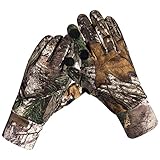
Overview: The EAmber Camouflage Hunting Gloves adopt a hybrid full-finger/fingerless design, exposing thumb and index finger for critical tasks. Constructed from soft polyester with thin fleece backing, they balance warmth with functional accessibility. The silicone mesh grip pattern delivers weapon control without compromising tactile sensitivity.
What Makes It Stand Out: The convertible fingerless configuration eliminates glove removal for trigger control, smartphone use, or release aid adjustments. This design innovation proves invaluable during long surveillance sessions or when rapid response matters. The anti-slip silicone palm coverage extends to individual fingers, ensuring positive contact across all gripping surfaces.
Value for Money: These budget-friendly gloves undercut major brands significantly while offering unique functionality. The hybrid design effectively replaces two separate glove types. However, material quality reflects the lower price point, with less durable stitching than premium alternatives. For occasional hunters or those needing finger access, the value proposition remains strong.
Strengths and Weaknesses: Strengths include unmatched finger dexterity, quick-drying polyester construction, comprehensive silicone grip coverage, and versatile sizing options. The fingerless design excels for archery and photography. Weaknesses include minimal weather resistance, fleece that may overheat in warm conditions, exposed fingers vulnerable to brush abrasion, and less refined camouflage patterning.
Bottom Line: Perfect for hunters, photographers, and outdoor professionals requiring constant finger access. Prioritize these for mild weather and active pursuits where dexterity outweighs protection. Avoid for cold, wet conditions or heavy brush environments.
4. Mossy Oak Lightweight Camo Hunting Gloves
Overview: Designed for the discerning warm-weather hunter, these Mossy Oak gloves leverage a 90% polyester/10% spandex ultralight build. The extended cuff architecture integrates smoothly with layered systems, while the specialized rubber palm treatment ensures positive control of archery equipment and firearms. Mesh thumb inserts enhance active ventilation.
What Makes It Stand Out: The ultralight material delivers near-second-skin sensitivity critical for bowhunters managing releases and callers. The tacky palm compound maintains grip integrity even with light moisture exposure. Mossy Oak’s pattern diversity—including Country Roots, Full Foliage, and vintage Original Treestand—provides exceptional concealment matching for virtually any North American habitat.
Value for Money: These gloves occupy the sweet spot between disposable thin gloves and overbuilt technical models. The price reflects mid-range positioning while offering durability that exceeds entry-level competitors. For hunters requiring multiple pairs for different camo schemes, the reasonable cost enables pattern-specific purchases without breaking budgets.
Strengths and Weaknesses: Strengths include featherlight feel, superior trigger finger dexterity, robust palm grip longevity, and effective moisture management through mesh zones. The extended cuff prevents debris entry. Weaknesses encompass inadequate thermal protection, potential for snags in dense thorns due to thin material, and inconsistent sizing across different camo pattern production runs.
Bottom Line: An excellent primary glove for temperatures above 55°F. Bowhunters and turkey hunters will particularly appreciate the tactile feedback. Consider purchasing one size up if between sizes, and pair with insulated shells for late-season versatility.
5. North Mountain Gear Mossy Oak Greenleaf Stretch Fit Hunting Gloves Lightweight Camouflage Glove Liner

Overview: North Mountain Gear’s entry into lightweight hunting gloves emphasizes cross-brand compatibility and liner functionality. The stretch fabric construction prioritizes fit precision, while the textured palm treatment supports varied hunting disciplines. Available across Mossy Oak, Realtree, and Prym1 pattern systems, these gloves serve as versatile foundation pieces.
What Makes It Stand Out: The multi-brand camo selection is unprecedented, offering patterns from Mossy Oak (Obsession, Greenleaf), Realtree (Edge, Excape, Timber), and Prym1 (Woodlands, Sand Storm). This flexibility allows hunters to match existing wardrobes without compromise. The glove liner designation acknowledges their dual-role capability in layered systems.
Value for Money: As a budget-conscious alternative to brand-specific gloves, these deliver 80% of the performance at 60% of the cost. The simplified construction reduces price while maintaining functional integrity. For hunters owning multiple camo systems, the pattern variety eliminates need for duplicate purchases across brands.
Strengths and Weaknesses: Strengths include exceptional camo pattern diversity, true liner compatibility with outer gloves, consistent sizing across pattern options, and adequate grip for moderate conditions. The lightweight build suits early-season applications. Weaknesses include less aggressive palm texturing than premium models, minimal standalone weather resistance, and shorter cuff length compared to dedicated hunting gloves.
Bottom Line: A practical choice for hunters seeking pattern-matching versatility on a budget. Best utilized as technical liners or standalone gloves for warm, dry conditions. The cross-brand pattern availability solves wardrobe coordination challenges uncommon in category competitors.
6. North Mountain Gear Camo Hunting Gloves - Fingerless - Mossy Oak Bottomland
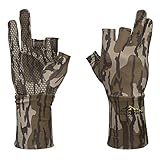
Overview: The North Mountain Gear Fingerless Hunting Gloves prioritize dexterity and grip for early-season hunters. Featuring the iconic Mossy Oak Bottomland camouflage, these gloves target warm-weather pursuits like deer and turkey hunting. The fingerless design keeps critical fingers free for precise trigger and bowstring control while providing palm protection and concealment.
What Makes It Stand Out: The Sure Grip textured palms deliver exceptional weapon control even in wet, muddy conditions—a crucial advantage when that shot opportunity arrives. The photo-realistic Mossy Oak Bottomland pattern offers superior woodland concealment across multiple seasons. The fingerless configuration provides unmatched tactile feedback for archery releases and firearm triggers.
Value for Money: These gloves occupy a sweet spot between budget basics and premium tactical gear. For early-season specialists, the targeted design eliminates unnecessary insulation costs while delivering professional-grade grip technology. Compared to full-featured gloves, you’re not paying for cold-weather materials you’ll never use in September archery season.
Strengths and Weaknesses: Strengths include superior dexterity for precise shooting, breathable polyester-spandex blend, reliable wet-weather grip, and versatile camouflage. Weaknesses: fingerless design offers no warmth for late-season hunts, one-size-fits-most may exclude smaller hands, and exposed fingers remain vulnerable to brush and insects.
Bottom Line: Ideal for bowhunters and gun hunters prioritizing sensitivity and grip in warm conditions. These gloves excel during early-season sits where dexterity trumps insulation. If your hunting calendar focuses on September through October, these are an excellent specialized choice that won’t disappoint.
7. WOLFHUNT Lightweight Camouflage Hunting Gloves Full Finger, Men/Women Anti-Slip Camo Gloves for Hunting, Camo MP, M/L

Overview: WOLFHUNT’s Full Finger Camouflage Gloves deliver all-season versatility with patented PRYM1 camouflage technology. Designed for both men and women, these lightweight gloves balance concealment, protection, and modern functionality. The elastic construction accommodates various hand sizes while providing the dexterity needed for archery, rifle hunting, and general outdoor activities.
What Makes It Stand Out: The PRYM1 patented camo pattern provides advanced breakup geometry that adapts to diverse environments better than traditional patterns. Touchscreen-compatible fingertips enable GPS and smartphone use without exposure, while the silicone palm grip ensures secure weapon handling in rain or snow. The true all-season design eliminates the need for multiple glove purchases.
Value for Money: These gloves represent solid mid-tier value, offering premium features like patented camo and touchscreen compatibility at an accessible price point. Rather than buying separate early-season and late-season gloves, hunters can rely on this single pair year-round, maximizing ROI for those who hunt across seasons.
Strengths and Weaknesses: Strengths include versatile all-season use, touchscreen functionality, silicone grip security, unisex sizing, and patented camouflage technology. Weaknesses: lightweight construction may require liners in extreme cold, elastic fit might lack the tailored feel of sized gloves, and breathability could be compromised during high-exertion spot-and-stalk hunts.
Bottom Line: A versatile workhorse for hunters needing year-round functionality without specialization compromises. The touchscreen feature and reliable grip make these particularly valuable for modern hunters who integrate technology into their pursuits. Best for those seeking one-glove convenience across varied conditions.
8. Favuit Camouflage Hunting Gloves, Lightweight Anti-Slip Full Finger Fingerless Touchscreen Camo Gloves Outdoor Tactical Hunting Gear Archery Accessories for Turkey Fishing Airsoft (Camo L)
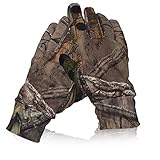
Overview: Favuit’s convertible hunting gloves offer unique adaptability with their adjustable fingerless design. These lightweight polyester gloves feature a two-finger configuration that allows hunters to cover or expose thumb and index finger as conditions dictate. The realistic camouflage pattern and silicone grip make them suitable for diverse outdoor activities beyond just hunting.
What Makes It Stand Out: The innovative adjustable finger design bridges the gap between full-finger protection and fingerless dexterity—simply the most versatile configuration available. hunters can maintain coverage during approach then expose fingers for precise shooting without removing gloves. The elastic wrist strap provides a secure, customizable fit that prevents debris entry and ensures consistent performance.
Value for Money: Excellent value for hunters wanting versatility without purchasing multiple pairs. These effectively replace both fingerless and full-finger gloves, saving money and pack space. The multi-activity design extends value to fishing, airsoft, and photography, making them cost-effective for outdoor generalists.
Strengths and Weaknesses: Strengths include unmatched versatility, breathable lightweight construction, strong silicone grip, secure wrist closure, and multi-sport utility. Weaknesses: conversion mechanism may wear over time, finger flaps could catch on equipment, and polyester construction offers limited insulation for cold-weather hunts.
Bottom Line: Perfect for hunters who refuse to compromise between protection and precision. The convertible design solves the eternal glove dilemma, making these ideal for spot-and-stalk hunters and multi-activity outdoorsmen. If you value adaptability above specialization, these are your solution.
9. BASSDASH Unisex Fleece Liner Lightweight Camo Hunting Gloves Touchscreen Warm Gloves for Fishing Photography HG07

Overview: BASSDASH Unisex Fleece Liner Gloves prioritize warmth without sacrificing functionality. These lightweight gloves feature a soft fleece interior, extended cuffs, and touchscreen-compatible fingertips. The patented Bassdash camouflage pattern breaks up outlines effectively, while silicone grip patterns ensure tool security. Designed as liners or standalone gloves for cool-weather activities.
What Makes It Stand Out: The three-finger touchscreen compatibility exceeds standard two-finger designs, allowing greater device interaction. Built-in anti-lost clips prevent the single-glove frustration common with lightweight pairs. The extended cuff integrates seamlessly with jacket sleeves, eliminating wrist exposure gaps that can compromise warmth and concealment.
Value for Money: These gloves deliver premium features at a mid-range price. The dual-purpose liner/standalone design provides flexibility across temperature ranges, effectively giving you two gloves for one price. Anti-loss clips add value by extending product lifespan, while three-finger touch capability is a feature often found in more expensive technical gloves.
Strengths and Weaknesses: Strengths include superior warmth-to-weight ratio, extended cuff coverage, three-finger touchscreen use, anti-loss convenience, and versatile layering capability. Weaknesses: fleece may retain moisture in wet conditions, camouflage effectiveness reduced at close range, and fit may be bulky for precise archery release.
Bottom Line: Excellent for hunters needing lightweight warmth with modern conveniences. The anti-loss clips and extended cuffs demonstrate thoughtful design. Best suited for cool-weather gun hunting, fishing, or photography where moderate insulation and touchscreen access trump maximum dexterity.
10. Palmyth Hunting Gloves for Men Lightweight Camo Glove Outdoor Shadow Grove M/L

Overview: Palmyth’s Hunting Gloves emphasize sun protection and grip precision for warm-weather hunters. Featuring UPF 50+ rating, these lightweight gloves shield hands from harmful UV rays while synthetic leather palms provide steady control. The Shadow Grove camouflage pattern and breathable mesh construction make them ideal for extended early-season sits.
What Makes It Stand Out: The UPF 50+ sun protection is a rare and valuable feature for hunters in open terrain or blinds, preventing sunburn during all-day hunts. Synthetic leather palms outperform fabric alternatives for sweaty-hand grip, maintaining control when handling bows or fishing rods. The breathable mesh on touchscreen fingers prevents heat buildup where it’s needed most.
Value for Money: These gloves punch above their weight class, offering dermatologist-recommended sun protection typically found in premium fishing apparel. For hunters in southern climates or high-elevation sunshine, the UV protection alone justifies the cost. The durability of synthetic leather extends lifespan compared to pure fabric gloves.
Strengths and Weaknesses: Strengths include exceptional sun protection, superior sweaty-hand grip, breathable construction, touchscreen compatibility, and moisture-wicking performance. Weaknesses: no insulation for cold weather, synthetic leather may stiffen if not cared for properly, and Shadow Grove pattern may be less versatile than Mossy Oak in some regions.
Bottom Line: Essential for hunters in sunny climates where UV exposure rivals cold as the primary concern. The grip performance and sun protection make these specialized but invaluable for their intended purpose. Choose these for early-season bow hunting, fishing, or any outdoor activity where sun and sweat management are priorities.
Why Dexterity Should Drive Your Glove Choice
When you’re perched in a tree stand at dawn or glassing a distant ridgeline, your hands are your primary tools for interaction with your gear. Bulky, insulated gloves might keep you warm, but they create a barrier between you and your equipment that can cost you precious seconds when it matters most.
The True Cost of Compromised Finger Movement
Every hunter has experienced the struggle of trying to buckle a harness, adjust scope turrets, or send a text to a hunting partner while wearing thick gloves. These aren’t minor inconveniences—they’re critical failures that can create safety issues and missed opportunities. When you can’t feel the trigger or properly grip your bow release, you’re not just uncomfortable; you’re potentially dangerous to yourself and others. Lightweight designs prioritize finger articulation, allowing you to maintain the same level of precision you’d have with bare hands while still providing essential protection.
How Modern Materials Changed the Game
The evolution of synthetic fabrics and intelligent design has completely transformed what’s possible in lightweight hunting gloves. Today’s advanced textiles offer impressive warmth-to-weight ratios that old-school wool or leather simply can’t match. These materials work by trapping body heat in micro-thin layers while allowing moisture vapor to escape, creating a microclimate around your hands that stays dry and comfortable even during high-exertion activities like stalking or setting up decoys.
Understanding Lightweight Hunting Glove Materials
The material composition of your gloves determines everything from warmth and durability to touchscreen compatibility and scent control. Knowing what each fabric brings to the table helps you match your gloves to your specific hunting style and environment.
Synthetic Blends for Maximum Performance
Most high-quality lightweight hunting gloves utilize proprietary synthetic blends that combine polyester, nylon, and spandex in various ratios. These fabrics excel at wicking moisture away from your skin while providing four-way stretch that moves with your hand’s natural articulation. The outer face typically features a durable water-repellent (DWR) coating that sheds light precipitation without adding bulk. Look for constructions that balance abrasion resistance in high-wear areas like palms and fingertips with breathable panels on the backs of hands.
Merino Wool Integration Benefits
Some premium lightweight options incorporate merino wool into their lining or as a primary material. This natural fiber brings exceptional temperature regulation—it keeps you warm when it’s cold and cool when temperatures rise. More importantly for hunters, merino wool naturally resists odor-causing bacteria, helping you stay undetected by game animals during long sits. The key is finding gloves that use merino strategically, often as a thin inner layer, rather than relying on it exclusively, which can compromise durability.
Leather Reinforcements Without the Bulk
Strategic leather placement on palms and fingertips can dramatically improve grip durability without adding significant weight. Thin cabretta leather or synthetic suede overlays in critical wear zones provide tactile feedback and prevent premature wear from repeated weapon handling. The best designs use leather sparingly—just enough to reinforce stress points while keeping the overall glove light and flexible.
Key Features That Preserve Dexterity
Not all lightweight gloves are created equal when it comes to maintaining hand function. Specific design elements separate the truly functional options from those that simply claim to be “lightweight.”
Articulated Finger Construction
Look for gloves with pre-curved fingers that match your hand’s natural resting position. This design eliminates fabric bunching in the joints and reduces fatigue during all-day wear. Premium options feature three-dimensional patterning that mirrors human anatomy, creating a second-skin feel rather than a boxy, restrictive fit. The articulation should extend from fingertips through the knuckles, allowing you to make a fist or grip objects without resistance.
Touchscreen-Compatible Technology
In modern hunting, accessing your smartphone for GPS mapping, weather apps, or trail camera notifications is routine. Touchscreen-compatible fingertips use conductive thread woven into the fabric, enabling screen interaction without removing your gloves. Test this feature before committing—some implementations work flawlessly while others require repeated presses and compromise accuracy. The best designs maintain conductivity even after repeated washings.
Grip Pattern Engineering
The palm and finger grip patterns deserve close inspection. Silicone grip prints, textured rubber dots, or embossed synthetic leather patterns should provide secure weapon handling without being sticky or noisy. The pattern should cover the entire palm and extend to the tips of thumb and index finger for precision tasks. Avoid gloves with overly aggressive textures that can catch on gear or create unwanted noise when adjusting equipment.
Weather-Specific Considerations
Your local climate and hunting season should heavily influence your glove selection. A pair perfect for early-season bowhunting might leave you vulnerable during late-season rifle hunts.
Water Resistance vs. Waterproofing
Understanding the difference between water-resistant and waterproof gloves prevents disappointment in the field. Water-resistant gloves with DWR coatings handle light rain and snow flurries admirably while maintaining breathability. True waterproof gloves use membranes like Gore-Tex or similar laminates that completely block moisture but can compromise dexterity and breathability. For most lightweight applications, water-resistant designs offer the best balance, keeping hands dry from external moisture and internal perspiration.
Wind Protection Importance
A biting wind can steal heat from your hands faster than still cold air, making windproof fabrics essential for exposed positions. Windstopper technology or tightly woven outer shells block convective heat loss while remaining pliable. This feature proves particularly valuable when hunting from tree stands or ground blinds where you’re stationary and exposed to crosswinds. The protection should extend around the entire glove, not just the back of the hand.
Temperature Rating Realities
Manufacturers often assign temperature ratings to gloves, but these numbers can be misleading. Your personal circulation, activity level, and what you’re doing while wearing them dramatically affect warmth. Instead of relying on ratings, consider the glove’s intended use: lightweight gloves typically excel from 30°F to 60°F, making them ideal for active hunting or as part of a layering system with heavier mitts for extreme cold.
Fit and Sizing Fundamentals
A glove’s performance lives or dies by its fit. Even the most advanced materials and features fail if the sizing creates bunching, pinching, or restricted blood flow.
Measuring Your Hand Correctly
To find your ideal size, measure around your dominant hand at its widest point (just below the knuckles) while excluding your thumb. Compare this measurement to manufacturer sizing charts, but remember that brands vary significantly. Your fingers should reach the ends of the glove fingers without pressing against them, and there should be no excess material at the fingertips that could interfere with trigger control. The fit should be snug but not tight—you shouldn’t see pressure marks on your skin after wearing them for a few minutes.
Accounting for Base Layers
If you plan to wear thin liner gloves underneath for extreme conditions, size up accordingly. Many hunters use a two-glove system: lightweight outer gloves for dexterity tasks and removable liners for added warmth during inactive periods. When trying on gloves, bring your intended liner gloves to ensure compatibility. The combination should still allow full finger articulation without creating pressure points.
Break-In Period Expectations
Quality lightweight gloves often feel slightly stiff initially but should break in within a few wears. Synthetic materials typically require minimal break-in, while leather-reinforced options may need more time to soften. If gloves feel restrictive out of the package, they likely won’t improve enough to meet your dexterity needs. The break-in should enhance comfort, not fundamentally change the glove’s flexibility or fit.
Maintenance and Longevity Practices
Proper care extends the life of your hunting gloves and maintains their performance characteristics season after season.
Cleaning Without Compromising Performance
Most synthetic lightweight gloves are machine washable, but always check manufacturer instructions. Use scent-free detergent designed for hunting gear to avoid contaminating your gloves with fragrances that could alert game. Wash in cold water on a gentle cycle, and never use fabric softeners, which can clog the fabric’s pores and reduce breathability. Air drying is preferable to machine drying, which can degrade DWR coatings and elastic components.
Storage During Off-Season
Store gloves in a cool, dry place away from direct sunlight, which can degrade synthetic fibers over time. Avoid compressing them in tight spaces that could permanently deform the shape. Some hunters store gloves with cedar blocks or in scent-free containers to keep them fresh. Before storing for the summer, ensure they’re completely clean and dry to prevent mildew growth.
When to Retire Your Gloves
Even the best gloves have a lifespan. Retire them when you notice significant wear in high-stress areas like fingertips and palms, when seams begin to separate, or when the DWR coating no longer repels water after reproofing. Loss of elasticity in the cuff or fingers also signals it’s time for replacement. Continuing to use compromised gloves risks gear failure at critical moments.
Common Selection Mistakes to Avoid
Learning from others’ errors saves you money and frustration. These pitfalls trap even experienced hunters when choosing lightweight gloves.
Choosing Warmth Over Function
The most frequent mistake is selecting gloves based solely on temperature rating without considering dexterity needs. A glove that keeps your hands warm but prevents you from feeling your trigger or operating your release is worse than no glove at all. Prioritize gloves that allow you to perform essential hunting tasks, then address warmth through layering or active hand warming techniques.
Ignoring Scent Control Features
Modern game animals have an incredible sense of smell, and gloves can harbor alarming amounts of human odor. Avoid gloves with cotton components, which absorb and retain scent. Look for options with antimicrobial treatments or natural odor resistance. Some hunters wash gloves in scent-eliminating solutions before each hunt, but starting with inherently low-odor materials gives you a significant advantage.
Overlooking Cuff Design
The cuff might seem like an afterthought, but it dramatically affects both warmth retention and interference with jacket sleeves. Gauntlet-style cuffs that extend over jacket sleeves prevent cold air intrusion and make layering easier. Shorter cuffs work better with fitted jackets but may leave a gap. Consider how the glove cuff interfaces with your existing hunting wardrobe before purchasing.
Budget and Value Considerations
Price doesn’t always correlate with performance, but understanding what you’re paying for helps you make smart investments.
Entry-Level Options Worth Considering
Budget-friendly lightweight gloves often use simpler constructions and fewer specialized features but can still perform admirably for casual hunters. These typically rely on basic synthetic fabrics with minimal reinforcement. They may lack advanced touchscreen compatibility or articulated fingers but provide adequate protection for occasional use. The trade-off usually comes in durability and consistency of performance across varying conditions.
Premium Features That Justify Investment
Higher-priced gloves justify their cost through superior material engineering, articulated patterning, and reinforced construction in critical areas. They often feature proprietary fabric technologies, extended warranties, and meticulous attention to detail in seams and finishes. For serious hunters who spend dozens of days in the field annually, these investments pay dividends in reliability and longevity. The key is determining whether you’ll actually utilize the advanced features you’re paying for.
Cost-Per-Wear Analysis
Calculate value by dividing the purchase price by the number of expected uses. A $60 glove worn 30 times costs $2 per wear, while a $25 glove that fails after 5 uses costs $5 per wear. This perspective helps justify purchasing quality gear that will serve you reliably for multiple seasons rather than replacing cheaper options frequently.
Seasonal and Situational Strategies
Different hunting scenarios demand different glove approaches. Building a versatile glove system prepares you for any condition.
Early Season Warm Weather Solutions
For temperatures above 50°F, prioritize breathability and sun protection over insulation. Look for gloves with UPF ratings and mesh ventilation panels. These should feel almost like wearing nothing, providing primarily protection from brush, insects, and weapon abrasion rather than cold. Many hunters in warm climates prefer fingerless designs or gloves with convertible mitten tops that expose fingers when needed.
Mid-Layer Glove Systems
The most versatile approach involves using lightweight gloves as part of a modular system. Wear them alone during active periods, then add windproof mitts or insulated over-gloves when stationary. This system allows you to adapt to changing activity levels and weather without carrying multiple complete glove sets. The key is ensuring your lightweight base gloves are thin enough to fit comfortably under larger shells.
Late-Season Extreme Cold Adaptations
In sub-freezing temperatures, lightweight gloves serve as crucial liners beneath heavy insulated mitts. Choose options with smooth outer faces that slide easily into larger gloves without binding. The ability to quickly remove outer mitts for dexterity tasks while keeping lightweight gloves on prevents exposing bare skin to bitter cold. This approach also creates an air gap between layers that enhances insulation.
Safety and Ethical Considerations
Your gloves play a surprising role in hunting safety and ethical shot placement. Never compromise these aspects for marginal comfort improvements.
Trigger Control and Weapon Manipulation
A glove that interferes with your ability to feel the trigger break or safely manipulate your firearm’s safety mechanism creates a dangerous situation. Test gloves with your unloaded weapon before heading afield. You should be able to operate every control—safety, bolt, magazine release—with the same confidence as bare hands. If you can’t, those gloves have no place in your hunting kit regardless of how warm they keep you.
Blood Trailing and Field Dressing
After the shot, you’ll need to perform fine motor tasks like tying tags, using a GPS, and field dressing game. Lightweight gloves with good grip and tactile sensitivity make these tasks safer and more efficient. Consider gloves in a color that won’t show blood stains prominently, or choose materials that wash clean easily. Some hunters dedicate a specific pair of lightweight gloves for post-shot work to avoid contaminating their primary hunting gloves with blood scent.
Visibility for Safety Compliance
During firearm seasons, many jurisdictions require hunters to wear blaze orange. While gloves are often exempt, having a pair with orange accents or reversible high-visibility panels can enhance safety when moving to and from stands. Some lightweight gloves feature removable orange flags or bands that can be deployed when needed and hidden during the hunt.
Frequently Asked Questions
How do I know if lightweight hunting gloves will be warm enough for my needs?
Consider your activity level and typical hunting style. If you’re primarily stationary in a stand or blind in temperatures below freezing, you’ll likely need a layering system with lightweight gloves as a base. For active hunting like spot-and-stalk or still-hunting where you generate body heat, quality lightweight gloves often suffice down to the mid-20s°F. Test them during pre-season scouting trips to gauge their performance in your specific conditions.
Can I really operate my rifle or bow release effectively with lightweight gloves?
Yes, when properly selected and fitted. The key is choosing gloves with articulated fingers, minimal seams in critical areas, and thin palms that transmit tactile feedback. Many hunters actually prefer lightweight gloves for bowhunting because they allow better feel of the release trigger. Practice with your unloaded weapon or bow during the off-season to build confidence and muscle memory.
How often should I wash my hunting gloves to maintain scent control?
Wash them after every 2-3 hunts, or immediately if they become contaminated with blood, fuel, or strong odors. Use scent-free detergent and avoid fabric softeners. During the hunt, store them in a scent-proof bag with earth-scented wafers. Some hunters keep multiple pairs in rotation, allowing each pair to “air out” between uses while hunting with a fresh set.
What’s the best way to dry lightweight gloves if they get wet during a hunt?
Wring out excess moisture gently without twisting, then place them inside your jacket against your body core to dry with body heat. Alternatively, stuff them with dry newspaper or paper towels, which absorb moisture from the inside. Avoid placing them directly on heaters, which can damage synthetic fibers. Having a backup pair in your pack ensures you’re never stuck with wet gloves.
Do touchscreen-compatible fingertips really work, or should I just remove my gloves?
Modern conductive thread technology works remarkably well when properly implemented. High-quality gloves allow precise screen interaction, even with multi-touch gestures. However, the feature does degrade over time and repeated washings. Keep your screen sensitivity settings high and consider gloves that reinforce the touchscreen area for durability. In extreme cold, you may still need to remove gloves briefly for complex tasks.
How do I restore water repellency to my gloves after washing?
After several washes, DWR coatings diminish. Restore them by applying a technical wash-in or spray-on water repellent treatment designed for synthetic fabrics. Clean the gloves first, then apply the treatment according to product instructions. Typically, you’ll need to air dry or tumble dry on low heat to activate the treatment. Test water beading on a small area before heading into the field.
Are fingerless gloves or convertible mittens better for preserving dexterity?
Each has distinct advantages. Fingerless gloves provide constant finger exposure for maximum dexterity but offer minimal warmth. Convertible mittens give you the best of both worlds—full finger protection that flips back to expose fingertips when needed. However, the conversion mechanism can add bulk and potential failure points. For bowhunters who need consistent finger feel, fingerless designs often work best. For rifle hunters who need periodic dexterity, convertible mittens excel.
What should I look for in glove cuffs to prevent jacket interference?
Seek cuffs with low-profile seams and minimal bulk that can slide smoothly under jacket sleeves. Some designs feature tapered wrists that eliminate the traditional cuff altogether, creating a seamless transition to your jacket. If you prefer longer gauntlet cuffs, ensure they have adjustable closures that can tighten around your jacket sleeve to prevent snagging on bowstrings or gear.
How long should a quality pair of lightweight hunting gloves last?
With proper care, expect 2-3 seasons of heavy use before significant degradation. Hunters who only use them occasionally may get 5+ seasons. Signs it’s time to replace include: worn-through fingertips, separated seams, loss of elasticity, or persistent odor that won’t wash out. Keep a new pair in reserve so you’re not forced to use compromised gloves during prime hunting days.
Can I use lightweight hunting gloves for other outdoor activities like fishing or hiking?
Absolutely—these gloves are incredibly versatile. Their dexterity makes them excellent for fishing (especially fly fishing), photography, hiking, and camping. Many hunters use them for spring turkey season, then transition them to summer hiking gear. The key is ensuring they’re completely clean and scent-free before using them for hunting again. Having dedicated pairs for different activities extends their lifespan and prevents cross-contamination of scents.
Related Buying Guides
- How to Solve Poor Dexterity with the 10 Best Lightweight Hunting Gloves in 2026
- Stop Fumbling Calls with the 10 Best Lightweight Hunting Gloves This Year
- Stop Fumbling in the Cold with the 10 Best Lightweight Hunting Gloves This Year
- 10 Best Hunting Boots for Women Seeking Lightweight Fit in 2026
- 10 Best Hunting Shoe Boots for Lightweight Mobility in 2026