Table of Contents
There’s nothing more frustrating than watching your expensive crossbow bolts disappear into the woods or get damaged beyond repair after a practice session. Every lost bolt represents not just money down the drain, but also time spent searching and the risk of damaging your equipment on hard surfaces or rocky terrain. The right target kit doesn’t just stop your bolts—it actively protects your investment while providing consistent, reliable feedback on your shooting accuracy.
Whether you’re a seasoned hunter fine-tuning your pre-season accuracy or a newcomer learning the ropes, understanding what makes a quality crossbow target kit can transform your practice sessions from bolt-losing nightmares into productive training experiences. Modern target technology has evolved dramatically, offering solutions that can stop even the fastest crossbows while making bolt removal effortless and extending the life of both your targets and your bolts. Let’s explore everything you need to know to make an informed decision and keep those bolts where they belong—in your quiver, ready for the next shot.
Top 10 Crossbow Targets
Detailed Product Reviews
1. Delta McKenzie Speedbag 24" Archery Target - High Performance 475 FPS Dual-Sided Bag Target for Compound Bows & Crossbows - Field Point Compatible with Easy Arrow Removal
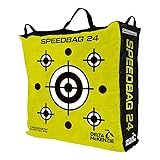
Overview: The Delta McKenzie Speedbag 24" is a premium archery target built for serious shooters demanding maximum durability. Measuring 24"x24"x10" and weighing 45 pounds, this heavy-duty bag target handles arrows up to 475 FPS from compound bows, recurves, and crossbows. Its weather-resistant construction ensures consistent performance for backyard practice, range sessions, or pre-hunt preparation.
What Makes It Stand Out: This target’s dual-sided design features high-contrast graphics with a 2-inch calibration grid, offering versatile practice options and precise aiming points. The integrated hoisting loops provide easy transport despite its substantial weight. Arrow removal requires no lubricant, saving time during intensive practice sessions. The UV-resistant materials maintain visibility and structural integrity through seasons of outdoor exposure.
Value for Money: Priced in the premium tier, the Speedbag 24" justifies its cost through exceptional longevity and stopping power. Comparable targets often fail at lower FPS ratings or deteriorate faster under heavy use. For archers shooting high-speed compounds or crossbows regularly, this investment eliminates frequent replacement costs. The dual-sided design effectively doubles its usable lifespan.
Strengths and Weaknesses: Pros: Superior 475 FPS rating; stable 45-pound weight prevents tipping; effortless arrow extraction; weather-resistant construction; dual-sided aiming points extend product life; calibration grid aids precision training. Cons: Heavy weight limits true portability; larger footprint requires ample storage space; premium price may deter casual archers; overkill for low-draw-weight bows.
Bottom Line: The Speedbag 24" is ideal for dedicated archers and hunters using high-performance equipment who prioritize durability over portability. Its stopping power and longevity make it a worthwhile investment for serious practice regimens, though beginners or occasional shooters may find lighter, more affordable options sufficient.
2. Delta McKenzie 20" Wedgie Self-Standing Archery Bag Target - Portable Field Point Practice Target for Compound & Crossbow - Yellow
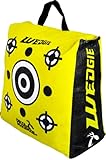
Overview: The Delta McKenzie Wedgie revolutionizes target placement with its innovative self-standing wedge design. This 20"x20"x10" target eliminates stand requirements, staying upright on uneven terrain while weighing significantly less than traditional bag targets. Rated for arrows up to 425 FPS, it serves compound and crossbow archers seeking grab-and-go convenience without sacrificing performance.
What Makes It Stand Out: The triangular wedge shape is the defining feature, providing inherent stability without additional hardware. A built-in carrying handle enhances mobility, while dual-sided high-contrast graphics offer multiple practice scenarios. The weather-resistant materials withstand repeated impacts and outdoor exposure, making it perfect for impromptu backyard sessions or range trips.
Value for Money: Positioned as a mid-range option, the Wedgie delivers excellent value for archers prioritizing convenience. Its self-standing capability saves $50-100 on separate target stands. While rated slightly lower than premium targets at 425 FPS, it accommodates most modern compounds and crossbows effectively. The portability factor makes it more versatile than heavier alternatives.
Strengths and Weaknesses: Pros: Self-standing design works anywhere; stable on irregular surfaces; lightweight and portable; dual-sided target zones; weather-resistant construction; affordable mid-tier pricing; easy arrow removal. Cons: Lower 425 FPS rating than top-tier models; lighter weight may shift in high winds; smaller size reduces margin for error; wedge shape limits some mounting options.
Bottom Line: Perfect for mobile archers, beginners, and those with limited storage, the Wedgie excels in convenience and versatility. It sacrifices some maximum speed capacity for practicality, making it an intelligent choice for most recreational shooters who value easy setup and transport over absolute stopping power.
3. DELTA MCKENZIE SPEEDBAG 20’’ Target, White
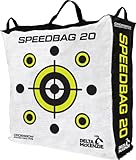
Overview: The Speedbag 20" Target represents professional-grade engineering in a compact package. Withstanding speeds up to 525 FPS, this 20-inch diameter, 10-inch deep target accommodates all bow types at just 27 pounds. Its white color scheme enhances visibility across lighting conditions, while weatherproof construction ensures reliable performance for competition training and hunting preparation.
What Makes It Stand Out: This target boasts the highest FPS rating in its class, handling the fastest crossbows available. Built-in hanging grommets enable vertical mounting without stands, offering setup flexibility. The dual-sided high-contrast aiming points maximize usable surface area, while the relatively light weight maintains a balance between stability and portability that heavier targets cannot match.
Value for Money: Offering flagship performance at a moderate weight penalty, the Speedbag 20" presents strong value for speed-focused archers. It matches or exceeds the durability of heavier 45-pound models while remaining transportable. For shooters with the fastest equipment, this target prevents pass-through damage that would destroy lesser alternatives, saving replacement costs.
Strengths and Weaknesses: Pros: Exceptional 525 FPS stopping power; lightweight 27-pound design; versatile mounting options; weatherproof materials; dual-sided graphics; suitable for all bow types; portable for its performance class. Cons: Lighter than 45-pound models, potentially less stable; white color shows dirt quickly; premium pricing; may be excessive for archers with moderate-speed bows.
Bottom Line: This target serves high-performance archers and hunters using the fastest crossbows and compounds. Its unmatched speed rating and portability make it essential for those pushing equipment limits, while recreational shooters may find more economical options adequate for their needs.
4. Morrell Yellow Jacket Stinger, Field Point Archery Target with 2 Shooting Sides & 10 Bullseyes - Portable Backyard Hunting Practice Bag with E-Z Tote Carrying Handle & Easy Arrow Removal

Overview: The Morrell Yellow Jacket Stinger prioritizes accessibility and versatility for family-oriented archery practice. Measuring 20"x12"x20", this bag target features ten distinct bullseyes across two shooting sides, making it ideal for varied practice drills. The E-Z Tote handle and lightweight design facilitate transport, while 38 layers of arrow-stopping material ensure durability for field point use.
What Makes It Stand Out: With ten separate aiming points, this target extends its usable life significantly compared to single-point designs. The IFS technology and X-Tended Life design promote longevity, while easy arrow removal makes it approachable for younger archers. The weather-resistant surface enables year-round outdoor use without degradation, perfect for backyard family sessions.
Value for Money: Competitively priced for entry-level to intermediate archers, the Stinger offers exceptional feature density. Multiple bullseyes effectively multiply practice value, while the portable design eliminates stand costs. Though its maximum FPS rating isn’t specified, it’s engineered for modern compounds and crossbows, representing a budget-friendly alternative to premium targets.
Strengths and Weaknesses: Pros: Ten bullseyes maximize target life; family-friendly easy arrow removal; highly portable with E-Z Tote handle; weather-resistant construction; affordable pricing; versatile practice options; 38-layer stopping power. Cons: Unspecified FPS limit may concern high-speed shooters; narrower 12-inch width reduces target area; less stable than heavier bag targets; may wear faster with extreme-speed bows.
Bottom Line: The Yellow Jacket Stinger excels for beginners, families, and recreational archers seeking variety and value. Its multiple aiming points and user-friendly design make practice engaging, though serious hunters with the fastest equipment should verify compatibility. An excellent entry point into quality archery targets.
5. Delta McKenzie Speedbag Sniper 20" Archery Target - High Speed Crossbow Compound Bow Practice Target with Dual Sided Shooting Surface
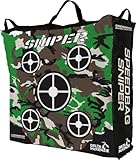
Overview: The Speedbag Sniper 20" delivers premium performance in an ultra-portable format. Rated for arrows up to 450 FPS, this compact target measures 20"x20"x8" and weighs only 18 pounds. Engineered for field points, its weatherproof nylon exterior and high-density foam core with self-healing technology maintain consistency through thousands of shots, making it ideal for mobile practice scenarios.
What Makes It Stand Out: At just 18 pounds, this is among the lightest high-performance targets available. The self-healing foam technology actively closes entry channels, dramatically extending target life. Integrated carry handles and compact dimensions enable effortless transport to hunting camps or remote practice locations. Dual-sided shooting surfaces with multiple aiming points provide versatile training options despite its reduced thickness.
Value for Money: The Sniper occupies a sweet spot between portability and performance. While thinner and lighter than full-size targets, its self-healing technology compensates with extended longevity. For mobile hunters and traveling archers, the convenience outweighs the stability trade-off. It prevents the need to purchase multiple specialized targets for different locations.
Strengths and Weaknesses: Pros: Extremely lightweight and portable; self-healing foam extends lifespan; 450 FPS rating handles most modern equipment; weatherproof construction; dual-sided design; integrated carry handles; compact storage footprint. Cons: 8-inch thickness less than standard 10-inch targets; light weight may shift during use; premium price for size; self-healing foam may be slower with high shot density; limited to field points only.
Bottom Line: Perfect for mobile hunters, archers with limited storage, or those needing a secondary camp target. The Sniper’s portability and self-healing technology justify its compact size, though stationary shooters may prefer heavier, thicker alternatives. An excellent specialized tool for specific practice needs.
6. Morrell Double Duty 450 FPS Cube Field Point Archery Bag Target with Traditional Bullseyes, Nine-ball, Dartboard Game, and Deer Vitals, Yellow
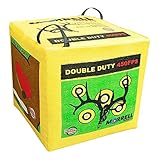
Overview: The Morrell Double Duty 450 FPS Cube is a versatile archery bag target designed for comprehensive practice sessions. This cube-shaped target offers multiple target faces including traditional bullseyes, nine-ball, dartboard, and deer vitals, making it suitable for archers of all skill levels. With a 450 FPS rating, it handles most compound bows and crossbows effectively while providing engaging training scenarios that go beyond simple bullseye shooting.
What Makes It Stand Out: The quadruple target design sets this apart from standard bag targets. The deer vitals pattern is invaluable for hunters, while the nine-ball and dartboard games add fun variety to practice. The replaceable cover significantly extends the core’s lifespan, providing thousands of shots before replacement is needed. Convenient carrying handles enhance portability despite its substantial size, making it practical for backyard or range use.
Value for Money: While priced higher than basic foam blocks, the extended lifespan and versatility justify the investment. The replaceable cover alone can save 60-70% compared to buying a new target. For archers wanting diverse practice options without purchasing multiple targets, this offers excellent long-term value that pays for itself over time.
Strengths and Weaknesses: Strengths include multiple target faces, high FPS rating, easy arrow removal, replaceable cover, and robust construction. Weaknesses are its heavier weight limiting portability, field points only restriction, and larger footprint requiring more storage space. The cube design may also be less stable on uneven ground compared to wider-based targets.
Bottom Line: Ideal for dedicated archers seeking variety in their practice routine. The replaceable cover and multiple target faces make it a smart long-term investment for backyard or range use. Highly recommended for those wanting more than just basic bullseye practice.
7. Morrell Yellow Jacket Dual Threat 350 FPS Foam Archery Target Block for Compound Bows and Crossbows, with 4 Sides and 32 Bullseyes, Yellow

Overview: The Morrell Yellow Jacket Dual Threat is a foam block target engineered for broadhead compatibility. This four-sided target stops arrows up to 350 FPS and features 32 bullseyes using offset technology for extended face life. Its compact design suits both indoor and outdoor training scenarios, making it a versatile choice for serious bowhunters and target archers alike who need reliable broadhead practice.
What Makes It Stand Out: Unlike bag targets limited to field points, this foam block handles fixed blades and mechanical broadheads, offering true versatility. The offset bullseye technology rotates impact points, preventing premature wear on any single spot. Fused cellular foam construction ensures consistent stopping power without pass-throughs, even after extensive use in various weather conditions.
Value for Money: For broadhead shooters, this represents exceptional value. Dedicated broadhead targets often cost twice as much. The weather-resistant design eliminates indoor storage concerns, and the four-sided shooting extends lifespan effectively. While 350 FPS may limit some high-speed crossbow users, it covers most hunting setups perfectly, making it a practical choice.
Strengths and Weaknesses: Strengths include broadhead compatibility, weather resistance, lightweight portability, offset target technology, and four shooting surfaces. Weaknesses are the lower 350 FPS rating unsuitable for fastest crossbows, foam degradation over time, and louder arrow impact noise compared to bag targets. Arrow removal can be firmer than bag-style targets, requiring more effort.
Bottom Line: Perfect for bowhunters practicing with actual hunting broadheads. The broadhead compatibility and weather resistance make it a practical choice for serious hunters. Skip this if you shoot ultra-high-speed crossbows above 350 FPS or prefer exclusively field point practice.
8. Delta McKenzie Crossbow MAX SPEEDBAG, Black (79026)
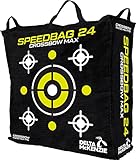
Overview: The Delta McKenzie Crossbow MAX SPEEDBAG is purpose-built for today’s fastest crossbows. With an impressive 525 FPS rating, this bag target handles even the most powerful crossbow models. Measuring 24x10x24 inches, it provides a substantial shooting surface while remaining portable enough for field use, making it essential for high-performance crossbow enthusiasts who demand reliability.
What Makes It Stand Out: The 525 FPS rating is among the highest available, making it future-proof for next-generation crossbows. Its specialized internal construction dissipates extreme kinetic energy effectively, preventing pass-throughs that plague lesser targets. The bag design ensures easy arrow removal even with high-energy bolts, reducing wear on both arrows and target during intensive practice sessions.
Value for Money: For owners of high-speed crossbows (400+ FPS), this target eliminates the frustration and cost of destroyed targets. While field-point-only limits versatility, the exceptional speed rating and durability justify the premium price. Cheaper alternatives simply won’t survive repeated impacts from modern high-performance crossbows, making this a necessary investment.
Strengths and Weaknesses: Strengths include highest-in-class 525 FPS rating, easy bolt removal, portable design, and crossbow-specific engineering. Weaknesses are field points only restriction, narrower 10-inch depth limiting stability, and lack of varied target faces beyond standard bullseyes. The specialized nature makes it less versatile for compound bow users who might want multiple target options.
Bottom Line: Essential equipment for high-speed crossbow shooters. If your crossbow exceeds 450 FPS, this is one of the few targets that can handle it reliably. For compound bow users or those wanting target variety, consider more versatile options that offer multiple shooting faces.
9. Morrell Targets 4-Sided Double Duty Field Point Archery Shooting Bag – Portable Backyard & Outdoor Target for Bows up to 500 FPS with 50+ Bullseye Points

Overview: The Morrell 4-Sided Double Duty Field Point Bag Target represents the pinnacle of bag target versatility with a 500 FPS rating. This target combines multiple game faces with extreme durability, offering over 50 bullseyes across four sides. It’s engineered to stop the fastest compound bows and crossbows while providing engaging practice scenarios for serious archers who refuse to compromise.
What Makes It Stand Out: The 500 FPS rating exceeds most competitors while maintaining the versatile target faces hunters and recreational shooters love. Four shooting surfaces with deer vitals, dartboard, and bullseye patterns maximize practice variety. The replaceable cover system significantly extends core life, making this a long-term training solution that adapts to your advancing skills and equipment upgrades.
Value for Money: This premium target justifies its price through exceptional durability and versatility. The 500 FPS capability eliminates need for separate high-speed targets, while the replaceable cover provides years of service. For serious archers shooting powerful equipment, the cost-per-shot is lower than replacing cheaper targets annually, saving money long-term while improving practice quality.
Strengths and Weaknesses: Strengths include 500 FPS rating, four versatile faces, replaceable cover, easy arrow removal, and robust Morrell construction. Weaknesses are field points only limitation, heavier weight reducing portability, higher initial cost, and potential stability issues on uneven terrain. The multiple faces may be overkill for archers wanting simple bullseye practice only.
Bottom Line: The ultimate bag target for high-speed archery enthusiasts wanting maximum versatility. The 500 FPS rating and replaceable cover make it a wise investment for dedicated shooters. If you shoot field points at 400+ FPS, this is your best long-term value and most versatile option available.
10. Morrell Yellow Jacket YJ-425 Outdoor Portable Adult Field Point Archery Bag Target with 2 Shooting Sides, 10 Bullseyes, and Carry Handle, Yellow

Overview: The Morrell Yellow Jacket YJ-425 is a compact, portable bag target designed for adult archers seeking convenience without sacrificing performance. At 20x15x20 inches and 32 pounds, this target stops arrows up to 425 FPS while remaining easily transportable. Two shooting sides with 10 bullseyes provide essential practice options for backyard and field use where mobility matters.
What Makes It Stand Out: The YJ-425 balances portability with serious stopping power. MLDD (Multi-Layered Density Design) and IFS (Internal Frame System) technologies extend lifespan while maintaining structural integrity. The weatherproof surface enables year-round outdoor use, and the lightweight design with carry handle facilitates easy relocation, making it ideal for mobile archers who practice in various locations.
Value for Money: This mid-priced target offers excellent value for archers needing portability. While lacking replaceable covers of premium models, the advanced internal construction ensures durability surpassing basic bags. For backyard archers and those transporting targets frequently, the convenience factor adds significant value over heavier alternatives that are difficult to move and store.
Strengths and Weaknesses: Strengths include lightweight portability, 425 FPS capability, weatherproof design, easy arrow removal, and compact storage footprint. Weaknesses are only two shooting sides, field points only restriction, no replaceable cover, and smaller size requiring more precise shooting at longer distances. The 32-pound weight may still be heavy for some users despite being lighter than cube targets.
Bottom Line: Perfect for archers prioritizing portability and convenience. The YJ-425 excels for backyard practice and transport to different locations. If you need a target that’s easy to move and store while handling moderate to high-speed bows, this is an excellent choice that won’t disappoint.
Why Crossbow Target Kits Matter for Bolt Recovery
Crossbow bolts aren’t cheap, and their specialized design makes them particularly vulnerable to damage when shot into improper targets. Standard archery targets often lack the density needed to safely stop crossbow bolts traveling at 400+ feet per second, leading to pass-throughs, bent shafts, or destroyed fletching. A quality crossbow-specific target kit uses layered compression technology and high-density materials designed to absorb this tremendous kinetic energy gradually, bringing your bolt to a smooth stop without the violent deceleration that causes damage.
Beyond just stopping power, the recovery aspect is crucial. The best target kits feature self-healing foams and strategic layering that grips bolts firmly enough to prevent them from passing through, yet releases them with minimal effort. This balance means you’re not wrestling with pliers or risking personal injury trying to extract stuck bolts. The result? More time shooting, less time recovering, and significantly fewer bolts lost to damage or difficult extraction.
Key Features to Look for in Quality Target Kits
Material Density and Layering Technology
The core of any effective crossbow target lies in its internal construction. Multi-layered foam targets use varying densities that progressively slow your bolt, while bag targets rely on synthetic fiber stuffing packed to specific compression levels. For crossbows, you need a target rated for speeds well above your bow’s maximum velocity—look for ratings exceeding 450 FPS even if your bow shoots 380 FPS. This overhead ensures the target won’t bottom out as it ages and compresses. The layering should be consistent without soft spots that could allow pass-throughs, and the outer shell should be replaceable since it bears the brunt of repeated impacts.
Size and Portability Considerations
Bigger isn’t always better, but for crossbow practice, target size directly impacts bolt recovery. A target measuring at least 18x18x12 inches provides a sweet spot for most shooters—large enough to catch slightly off-target shots but manageable enough to transport. Consider whether you’ll practice primarily in your backyard, at a range, or in remote hunting locations. Cube-style targets offer multiple shooting faces in a compact footprint, while larger bag targets provide bigger surface areas but can weigh 30+ pounds when filled. Some kits include handles or wheels that make transportation significantly easier without compromising stopping power.
Weather Resistance and Outdoor Durability
Your target will spend countless hours exposed to sun, rain, and temperature fluctuations. UV-resistant covers prevent sun rot and maintain the target’s structural integrity, while water-resistant or waterproof construction stops internal materials from becoming waterlogged and heavy. Waterlogged targets lose their stopping power and can actually damage bolts through uneven compression. Look for double-stitched seams, reinforced corners, and weather-treated outer shells that can withstand being left outside during practice season. Some premium targets feature replaceable outer covers that extend the core’s lifespan by years.
Self-Healing Properties
Self-healing foam technology has revolutionized target longevity. These specialized polymers close up after bolt removal, essentially “healing” the entry hole. This property dramatically extends target life and maintains consistent stopping power across hundreds or even thousands of shots. The effectiveness varies by material quality—high-density open-cell foams typically outperform closed-cell alternatives. For crossbows, the self-healing property must work quickly enough that subsequent shots to nearby areas don’t tear out previous bolt holes, which would create large cavities and compromise structural integrity.
Target Face Variety and Replacement Options
Versatility in practice scenarios keeps your training engaging and comprehensive. Quality kits include multiple replaceable faces featuring standard bullseye patterns, vital zone overlays for hunting practice, and grid patterns for sighting in. The ability to swap faces not only refreshes your practice routine but also extends the target’s usable life by distributing wear across different surfaces. Some systems use Velcro or zippered attachments for easy face changes, while others require simple stapling. Consider whether the kit includes additional faces or if replacements are readily available and reasonably priced.
Frame Stability and Stand Design
A target that tips over or wobbles with each shot creates inconsistent practice conditions and increases bolt loss risk. Heavy-duty steel frames with wide bases provide the most stability, especially for high-poundage crossbows. Some portable systems use ground stakes or sandbag anchors that work well on uneven terrain. The stand should position the target center at your typical shooting height—usually 36-42 inches for most adult shooters. Adjustable height stands offer flexibility for practicing from elevated positions or for shooters of different statures. The connection between target and stand should be secure but allow quick removal for storage or rotation.
Ease of Arrow/Bolt Removal
The force required to remove bolts from a target directly correlates with bolt damage and shooter fatigue. Excessive extraction force can bend shafts, pull out inserts, or damage fletching. Quality crossbow targets require just two fingers and a gentle twist for removal. This ease comes from material selection and construction—layers should separate slightly during extraction rather than gripping the bolt tightly. Some targets feature lubricated internal layers or specialized coatings that reduce friction. Test this property whenever possible; if you need tools to remove bolts, the target is too dense for your setup or poorly designed.
Noise Reduction Features
Crossbows produce a sharp “thwack” upon impact that can be surprisingly loud, potentially disturbing neighbors or spooking nearby wildlife if you’re practicing near hunting grounds. Targets with noise-dampening outer layers or internal sound-absorbing materials reduce this impact noise significantly. Bag targets generally run quieter than foam blocks, but some foam targets incorporate acoustic dampening layers. This feature becomes particularly important for backyard shooters in suburban areas where noise ordinances might apply.
Multi-Sided Shooting Options
Maximizing target lifespan means distributing shots across multiple surfaces. Four-sided cube targets effectively quadruple your target’s life compared to single-faced options. Some premium targets offer six shootable sides with different patterns on each face. This versatility allows you to practice different scenarios—broadside shots on one face, quartering angles on another—while preventing any single area from wearing out prematurely. The ability to rotate the target easily between shooting sessions ensures even wear and consistent performance over time.
Price vs. Longevity Trade-offs
Budget targets might save money initially but can cost more long-term through frequent replacements and bolt damage. A $150 target that lasts three years and protects your bolts is cheaper than replacing a $60 target annually plus damaged bolts. Consider the cost per shot rather than the upfront price. High-quality targets often include warranty coverage that protects your investment against premature failure. Calculate how many bolts you’d need to save to justify the price difference—typically, preventing loss of just 3-4 premium bolts covers the cost difference between economy and professional-grade targets.
Types of Crossbow Target Kits Available
Bag Targets: The Versatile Workhorse
Bag targets consist of heavy-duty synthetic fabric shells filled with compressed fibers or fabric scraps. Their primary advantage lies in easy bolt removal and exceptional stopping power for high-speed crossbows. The fibers separate naturally when you extract a bolt, requiring minimal force. Most bag targets feature multiple shooting faces and replaceable covers, extending their lifespan significantly. However, they can be heavy when filled and may not hold up as well to broadheads compared to foam alternatives. For field point practice, bag targets remain nearly unbeatable in terms of value and performance.
Block Targets: Compact and Portable
Foam block targets use layered sheets of high-density foam glued together in a cube or rectangular shape. Their compact size and light weight make them ideal for mobile practice sessions or packing into remote hunting camps. The layered construction allows for easy two-finger bolt removal when properly matched to your crossbow’s speed. Block targets excel with field points but require specific models designed for broadhead use—standard block targets can be quickly destroyed by sharp blades. The multiple sides provide excellent value, and their weather resistance generally surpasses bag targets.
3D Targets: Realistic Practice Scenarios
Three-dimensional targets shaped like deer, hogs, or other game animals provide unparalleled realism for hunting preparation. These targets feature replaceable vital sections that concentrate wear in the most-shot areas, preserving the overall structure. High-quality 3D targets use self-healing foam throughout with specialized dense cores in the vital zone. While more expensive than flat targets, they train you to pick specific aiming points and judge distances accurately. The downside includes single-face shooting (typically) and higher cost, but for serious hunters, the realistic practice justifies the investment.
Foam Layer Targets: High-Density Performance
These targets use dozens of thin foam sheets compressed together, creating a target that stops bolts through friction between layers rather than pure density. This design allows for incredibly easy bolt removal—often requiring just a gentle pull. The layered construction also means you can rotate or flip individual sheets as they wear, potentially extending target life indefinitely. They’re lightweight and weather-resistant but can be susceptible to pass-throughs if the compression loosens over time. Regular tightening of compression straps maintains performance.
Discharge Targets: Safe Decocking Solutions
Specialized small targets designed specifically for safely decocking your crossbow after practice. These compact targets typically measure 12x12 inches or smaller and use ultra-dense materials to stop bolts at point-blank range. While not suitable for full practice sessions, they’re essential safety equipment that prevents the dangerous practice of dry-firing or using improper targets for decocking. Many shooters keep one in their vehicle or hunting pack for end-of-day discharge in the field.
Setting Up Your Target Kit for Maximum Bolt Recovery
Optimal Placement and Backstop Strategies
Position your target with at least 20 feet of clear space behind it, then add a secondary backstop like a dense horse stall mat or stacked cardboard. This layered approach catches any pass-throughs or ricochets. Avoid placing targets directly against fences, walls, or hard surfaces that can damage bolts. The ground should be level and firm enough to support the stand without sinking. Consider the sun’s position during your typical practice times—glare on the target face can cause eye strain and poor accuracy, leading to more lost bolts.
Angle and Distance Considerations
Set your target at a slight downward angle (5-10 degrees) to encourage bolts to embed rather than glance off if they hit at an oblique angle. This angle also aids gravity-assisted bolt removal. For distance, start closer than you think—10-15 yards for initial sight-in—then work back to your maximum hunting range. Practicing at varied distances improves your range estimation and reduces the likelihood of misses that lose bolts. Always ensure your backdrop is safe and clear regardless of distance.
Ground vs. Hanging Mounts
Ground-mounted targets offer superior stability and are less affected by wind, but hanging targets provide a slight swing that can help with bolt extraction. Some advanced systems use a hybrid approach—ground-based stands with hanging target mounts that absorb impact while maintaining stability. For crossbows, ground mounts generally outperform hanging systems due to the sheer force of impact. If you must use a hanging target, ensure the hanging system uses heavy-duty chain or strap rated for several times your bolt’s kinetic energy.
Creating a Safe Shooting Lane
Clear your shooting lane of debris, rocks, and hard objects that could damage a missed bolt. Mow grass short to prevent bolts from burying themselves in tall vegetation. Consider laying down a tarp or outdoor carpet in front of the target to catch low shots that might skip off the ground. Mark your shooting position with a stable platform or mat to ensure consistent distance and footing. A well-defined lane not only improves safety but significantly reduces time spent searching for errant bolts.
Maintenance Tips to Extend Target Life
Rotating Target Faces Regularly
Develop a systematic rotation schedule—every 50 shots or weekly during heavy practice periods. Rotate not just to different faces but also flip targets upside down to distribute wear across all surfaces. For cube targets, this means using all four sides equally. Mark your starting position with a small sticker to track rotation. This simple habit can double or triple your target’s effective lifespan by preventing any single area from becoming oversaturated with bolt holes that compromise structural integrity.
Proper Storage During Off-Season
Store targets in a dry, climate-controlled environment when not in use for extended periods. Basements or garages work well if they’re not prone to dampness. Stand bag targets on their sides to prevent permanent compression of the bottom fibers. For foam targets, avoid stacking heavy objects on top that could cause permanent deformation. Consider covering targets with a tarp or old sheet to protect from dust and pests. Proper off-season storage prevents material degradation that leads to reduced stopping power and increased bolt damage.
Cleaning and Debris Removal
Regularly brush off target faces with a stiff brush to remove embedded dirt, grass, and target face paper residue. For bag targets, occasionally vacuum the surface with a shop vac to extract fine particles that can work their way inside and affect performance. Inspect foam targets for embedded broadhead fragments or field point inserts that can damage subsequent bolts. Remove these carefully with needle-nose pliers. Keeping your target clean maintains consistent penetration and prevents debris from transferring to your bolts, which can affect accuracy and cause premature wear.
Inspecting for Wear and Damage
Monthly inspections should include checking for soft spots, delamination in foam targets, and cover integrity on bag targets. Press firmly on various areas; any spot that feels significantly softer than surrounding material indicates compression breakdown. Look for daylight coming through—any visible hole through the target means immediate replacement of that section. Check stand hardware for rust or loosening, and replace worn straps or bolts before they fail. Catching wear early allows for targeted repairs rather than complete target replacement.
Frequently Asked Questions
How long should a quality crossbow target last?
With proper care and rotation, a premium target should withstand 2,000-5,000 shots before needing replacement. High-use areas like the center bullseye may wear faster, but replaceable faces and rotating design extend overall life. Budget targets typically last 500-1,000 shots. Your shooting frequency, bolt speed, and whether you use broadheads significantly impact longevity.
Can I use the same target for field points and broadheads?
Only if the target is specifically rated for both. Broadheads require specialized high-density construction with internal layers designed to withstand cutting action. Using broadheads on field point-only targets will destroy them quickly and potentially create unsafe pass-through conditions. Some convertible targets have removable broadhead-specific layers—check manufacturer specifications carefully before mixing point types.
What size target do I need for my shooting skill level?
Beginners benefit from larger targets (24x24 inches) to build confidence and reduce bolt loss during the learning curve. Intermediate shooters can use 18x18 inch targets effectively. Advanced shooters practicing at known distances can use smaller 16x16 targets to refine precision. Always ensure the target is larger than your current group size to prevent misses.
How do I know if a target is rated for my crossbow’s speed?
Check the target’s FPS rating on packaging or product specifications. Choose a target rated at least 50 FPS higher than your crossbow’s maximum speed. If your bow shoots 380 FPS, select a 450+ FPS rated target. This buffer accounts for target aging, temperature effects, and ensures adequate stopping power throughout the target’s lifespan.
Why are my bolts getting stuck in my new target?
Either the target is too dense for your bolt’s diameter or you’re shooting too fast for the target’s rating. Try shooting from farther away to reduce impact velocity, or switch to slightly smaller diameter bolts if compatible with your crossbow. Some break-in period is normal—after 20-30 shots, extraction typically becomes easier as the target forms consistent channels.
Are bag targets or foam blocks better for crossbows?
Bag targets generally offer easier bolt removal and better stopping power for high-speed crossbows, making them ideal for frequent practice. Foam blocks provide superior portability and weather resistance, better for mobile hunters. For dedicated backyard practice, bag targets edge out foam. For hunting camp or remote practice, foam blocks’ lightweight durability wins.
How often should I replace my target face?
Replace faces when you can no longer clearly see aiming points or when wear holes exceed 2 inches in diameter. Most shooters replace faces every 6-12 months with regular use. Having spare faces on hand prevents practice interruptions. Some shooters rotate between multiple faces during a single session to distribute wear evenly.
Can I leave my target outside year-round?
While many targets claim weather resistance, prolonged UV exposure and moisture will degrade any target over time. UV rays break down synthetic materials, and freeze-thaw cycles can delaminate foam. For maximum lifespan, store targets in a shed or garage when not in use. If you must leave them outside, use a waterproof cover and position them in shade.
What’s the safest way to decock my crossbow?
Always use a dedicated discharge target specifically designed for point-blank shots. These small, ultra-dense targets safely stop bolts from 5-10 feet away. Never decock into a standard practice target at close range—this can cause dangerous pass-throughs or bolt damage. Some crossbows allow safe decocking without shooting, but using a discharge target remains the most universal method.
How do I dispose of a worn-out target responsibly?
Check local regulations first—some areas consider targets construction waste. Foam targets can sometimes be recycled through specialized facilities. Bag target fill can often be repurposed as packing material or insulation. Many target manufacturers offer recycling programs for their products. Never burn foam targets, as they release toxic fumes. Disassemble targets to separate metal components (stands) from fill materials for proper recycling.