Table of Contents
Unauthorized access to firearms represents one of the most serious safety challenges facing gun owners today. Whether it’s curious children exploring their surroundings, teenagers dealing with emotional crises, or intruders seeking weapons during a break-in, the consequences of improperly secured firearms can be devastating. Traditional keyed locks, while better than nothing, often fall short—keys can be lost, stolen, or discovered by determined individuals. The mechanical limitations of older safes simply don’t match the sophistication of modern security threats.
Electronic lock gun safes have revolutionized how we protect firearms, offering multiple layers of security that adapt to contemporary needs. These advanced systems combine rapid owner access with robust unauthorized entry prevention, creating a solution that doesn’t compromise safety for convenience. As we look toward 2026, emerging technologies promise even more sophisticated protection mechanisms, from enhanced biometric sensors to smart home integration that alerts you to tampering attempts in real-time. Understanding how to leverage these features effectively is crucial for any responsible firearm owner.
Top 10 Electronic Lock Gun Safes
Detailed Product Reviews
1. Sargent & Greenleaf Spartan PivotBolt Model 1006-108 Electronic Safe Lock Kit - Gun Safe, High Security with EMP Resistance

Overview: The Sargent & Greenleaf Spartan PivotBolt represents the gold standard for residential gun safe security. This premium electronic lock kit features military-grade EMP resistance and an automatic relocking mechanism, designed specifically for serious firearm owners who refuse to compromise on protection. The all-inclusive kit contains a bright chrome keypad, PivotBolt lock body, battery, and mounting hardware for straightforward installation.
What Makes It Stand Out: EMP resistance tested to U.S. military standards distinguishes this from consumer-grade locks. The PivotBolt automatically relocks when your safe’s boltwork closes, eliminating user error. A penalty lockout feature prevents brute-force attacks by escalating lockout times. The Magic Module footprint ensures universal compatibility with most major safe brands without drilling new holes or modifying mounting positions.
Value for Money: While priced at the premium tier, the Spartan justifies every dollar through S&G’s legendary reliability and unique EMP protection. For gun owners in electrically unstable areas or those storing high-value collections, this lock’s durability and specialized features deliver long-term value that outlasts cheaper alternatives by years, potentially saving replacement costs.
Strengths and Weaknesses: Pros include superior brand reputation, proven EMP immunity, effortless retrofit, automatic relocking, and intelligent tamper penalties. The two-user capacity suits most households. Cons are the high cost relative to generic options and features that may exceed casual users’ needs. Limited user slots could restrict some families with multiple authorized users.
Bottom Line: For uncompromising gun safe security that survives both break-ins and electromagnetic events, the Spartan PivotBolt is unmatched. The premium investment buys proven reliability and specialized protection worth every penny for serious owners who prioritize ultimate security.
2. HOMEYUER Electronic Gun Safe Lock Replacement – Digital Keypad with Solenoid Lock Mechanism, Chrome/Black Finish, 14-Pin Design, Circuit Board, Reset Cable, and 2 Override Keys – DIY Installation
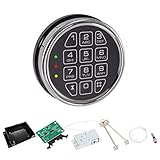
Overview: HOMEYUER delivers a complete solenoid-based lock replacement kit for DIY enthusiasts seeking to upgrade their safe security. This comprehensive set includes a digital keypad, solenoid mechanism, two override keys, reset cable, and 14-pin circuit board, utilizing electromagnetic locking for enhanced confidentiality. The factory reset code is 159, customizable to 1-8 digits.
What Makes It Stand Out: The progressive penalty lockout system intelligently escalates from 15 seconds to five minutes to 15 minutes after repeated failed attempts, effectively deterring brute-force attacks. A silencing function enables discreet operation, while the fire-resistant keypad adds environmental resilience. The 14-pin design suggests more secure circuit integration than basic 8-pin models.
Value for Money: This mid-priced kit delivers advanced security features typically found in premium brands. The inclusion of override keys and reset cable provides essential backup access, potentially saving expensive locksmith calls. However, the manufacturer’s explicit warning against non-professional installation indicates hidden complexity that might offset DIY savings and increase total cost.
Strengths and Weaknesses: Pros include robust anti-tampering penalties, complete accessory package, fire resistance, and silencing capability. The 1-8 digit code flexibility matches industry standards. Cons are the intimidating installation warning, lesser-known brand reputation, and potential compatibility issues with non-standard safes. The professional installation requirement could significantly increase total investment.
Bottom Line: A feature-rich lock for security-conscious owners, but the installation caveat is concerning. Ideal for those comfortable with safe mechanics or willing to hire a locksmith. Verify your safe’s compatibility and factor in potential installation costs before purchasing to avoid surprises.
3. Sargent & Greenleaf S&G Model 1004-102 Spinblocker Bolt Electronic Safe Lock
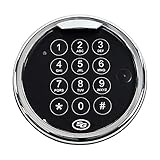
Overview: The S&G Model 1004-102 SpinBlocker addresses a critical vulnerability in electronic safe locks: power failure security. This innovative lock automatically secures itself during outages, maintaining protection when electricity is cut. The motor-driven mechanism integrates seamlessly with most home gun safes using S&G’s Magic Module footprint, making retrofit installation straightforward.
What Makes It Stand Out: SpinBlocker technology uniquely locks the safe without power, unlike standard electronic locks that remain vulnerable during outages. The mechanism withstands 225 lbs of bolt end pressure, resisting forced entry attempts. The Quick-Mount keypad simplifies installation, while automatic locking when boltwork extends ensures security even if users forget to manually lock the safe.
Value for Money: As a premium S&G product, it commands a higher price but delivers unique power-fail security that cheaper alternatives cannot match. For homes in areas with frequent outages or for maximum security assurance, this specialized feature justifies the investment over basic electronic locks that leave contents exposed during blackouts or tampering.
Strengths and Weaknesses: Pros include unmatched power-loss protection, reputable brand quality, easy retrofit, and strong bolt resistance. The two-user programming is adequate for residential use. Cons are the premium pricing and the fact that the SpinBlocker benefit is irrelevant for users with stable power and backup systems. Limited to two codes may restrict some families with multiple users needing separate access.
Bottom Line: An excellent choice for security purists concerned about power-cut vulnerabilities. The SpinBlocker feature provides unique protection, making it ideal for high-value contents or unreliable electrical environments. Another solid S&G investment for discerning safe owners.
4. YOSEC Gun Safe Replacement Lock Electronic Black keypad Safe Lock

Overview: YOSEC’s black metal keypad lock offers a budget-conscious electronic replacement option for gun safe owners seeking basic modernization. The compact 95mm diameter keypad features anti-shake solenoid technology and supports two programmable user codes between 1-8 digits. Three-color LED indicators provide visual status feedback during operation.
What Makes It Stand Out: The tri-color LED status lights provide intuitive visual feedback for lock states, clearer than single-color indicators. The anti-shake solenoid prevents vibration-based bypass attempts—a thoughtful security addition uncommon at this price. The black matte zinc alloy construction offers decent aesthetics and durability, though long-term reliability remains unproven.
Value for Money: This is among the most affordable electronic lock replacements available, making it attractive for older safes needing basic electronic upgrades. However, the low cost comes with trade-offs: brand reputation is unestablished, and the explicit warning to verify dimensions reveals potential fitment issues that could negate initial savings through returns or modifications.
Strengths and Weaknesses: Pros include attractive pricing, helpful LED feedback, anti-shake solenoid, and dual code groups. Cons are unknown long-term reliability, limited compatibility information, generic brand support, and no mention of override keys for emergency access. The requirement for a 9V lithium battery adds minor ongoing cost.
Bottom Line: A viable economy option if your safe’s dimensions match perfectly. Best suited for low-to-medium security applications where budget is primary. Thoroughly measure your existing lock and confirm fitment before ordering to avoid frustrating returns. Consider it for secondary safes rather than primary high-security applications.
5. Gun Safe Lock Replacement Solenoid Lock with 2 Override Keys Chrome Digital Keypad DIY Safe Electronic, Reset Cable, Circuit Board Lock

Overview: This generic solenoid lock kit targets DIY enthusiasts seeking an affordable replacement solution for various safe types. The package includes a chrome-finished zinc alloy keypad, solenoid mechanism, two override keys, motherboard, and reset cable. Designed for home safes, pistol boxes, and cabinet safes, it requires a 9V alkaline battery (not included) and supports 3-8 digit codes.
What Makes It Stand Out: The interference code feature allows entering decoy digits before/after your real password, preventing shoulder-surfing attacks—a premium feature rarely seen in budget locks. The three-tier password system (one management + two user codes) offers superior access control. Tool-free keypad removal simplifies battery replacement without disassembling the entire lock.
Value for Money: Very competitively priced with features that punch above its weight class. The inclusion of override keys, interference codes, and multi-level passwords provides premium functionality at a budget cost. However, generic branding raises questions about long-term support, warranty, and manufacturing consistency that could affect total ownership value.
Strengths and Weaknesses: Pros include innovative interference codes, multiple user levels, easy battery access, and claimed fire/corrosion resistance. Cons are unknown manufacturer reputation, lack of EMP or power-fail protection, no specified penalty lockout, and battery not included. Quality control may vary between units, and durability is unproven compared to established brands.
Bottom Line: A feature-packed budget option for handy owners comfortable with generic brands. The interference code functionality is genuinely useful. Recommended for secondary safes or those prioritizing cost over brand assurance. Test all functions thoroughly after installation and keep override keys in a secure, accessible location.
6. Sargent and Greenleaf S&G Model 2007-102 Titan DirectDrive Electronic Safe Lock Kit, High Security EMP Resistant Keypad for Gun Safes
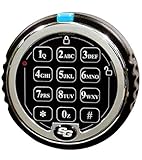
Overview: The Sargent and Greenleaf Titan DirectDrive represents a premium electronic safe lock upgrade engineered for gun safe owners prioritizing maximum security. This military-grade system replaces outdated mechanical or electronic locks with a robust motor-driven mechanism that withstands electromagnetic pulse attacks while providing flexible access control for up to 10 users.
What Makes It Stand Out: The Titan’s EMP resistance is its crown jewel—proven against military-level pulses that would fry conventional electronics. Unlike solenoid-based alternatives, the motor-driven DirectDrive mechanism offers superior physical security against forced entry. The three operational modes (single, dual, or manager/employee) provide enterprise-level oversight rarely seen in consumer safe locks.
Value for Money: Positioned at the premium tier, the Titan justifies its higher price through S&G’s legendary reliability and certified EMP protection. While budget options cost significantly less, they cannot replicate the electromagnetic shielding or motor-driven durability. For valuable firearms collections, this investment pales compared to potential losses from compromised security.
Strengths and Weaknesses: Strengths include unparalleled EMP protection, rugged construction, flexible user management, seamless retrofit compatibility with Magic Module design, and trusted brand heritage. Weaknesses involve premium pricing that may exceed casual users’ budgets, reliance on battery power requiring periodic maintenance, and potential over-engineering for basic home safes.
Bottom Line: For serious firearm owners in EMP-prone regions or those managing multiple users, the Titan DirectDrive is unmatched. Its military-grade protection and proven reliability make it worth every premium penny, though budget-conscious buyers with simpler needs may find adequate alternatives elsewhere.
7. WAH YUE HING Digital Electronic Keypad Lock for Safes, Gun Safe Lock Replacement, Time Delay Safe Lock Including 2 Emergency Keys (Left Swing Bolt)

Overview: This WAH YUE HING electronic lock targets budget-conscious safe owners requiring left-swing bolt configuration with enhanced security features. Designed for universal home and gun safe applications, it combines digital convenience with mechanical backup keys and a notable time-delay function for burglary deterrence.
What Makes It Stand Out: The 60-minute time delay mode distinguishes this lock from entry-level competitors, forcing would-be thieves into extended waiting periods. Its dedicated left-hand swing bolt orientation solves a specific retrofit challenge often ignored by universal kits. The manager-plus-two-user code structure provides basic multi-user functionality at an accessible price point.
Value for Money: This lock delivers exceptional affordability, typically costing half of premium brands while including time-delay capability rarely seen at this tier. The zinc alloy keypad and included emergency keys add value, though long-term durability remains untested against established competitors. Perfect for secondary safes or budget rifle cabinets.
Strengths and Weaknesses: Strengths include unbeatable price, unique time-delay feature, left-hand specific design, straightforward installation videos, and low-voltage warnings. Weaknesses involve an obscure manufacturer with limited track record, potential quality control inconsistencies, restricted three-code capacity, and ambiguous warranty support compared to S&G or La Gard.
Bottom Line: For left-swing bolt safes where budget trumps brand prestige, this lock delivers surprising features. The time-delay alone warrants consideration for burglary-prone areas, but professional installation is recommended to mitigate potential quality issues. Premium safe owners should invest in proven alternatives.
8. Gun Safe Lock Replacement Electronic Safe Lock with Solenoid Lock & 2 Override Keys, Chrome Keypad High Security Fireproof Safe Box and More

Overview: This universal electronic lock kit offers a complete solenoid-based replacement solution for gun safes and lockboxes. The package includes all essential components—keypad, solenoid lock, override keys, motherboard, and reset button—requiring only a 9V alkaline battery to activate its multi-code security system.
What Makes It Stand Out: The interference code feature allows entering decoy digits before/after your real combination, shielding against shoulder-surfing attacks. Color-coded LED feedback (red/green/yellow) simplifies operation, while the integrated battery compartment enables replacement without dismantling the safe door—a thoughtful design touch often missing in budget kits.
Value for Money: Positioned in the competitive mid-range, this kit delivers professional features at DIY pricing. While cheaper than S&G alternatives, it matches them on password flexibility (3-8 digits) and user capacity. The missing battery is a minor inconvenience offset by the comprehensive component bundle and fire-resistant keypad claims.
Strengths and Weaknesses: Strengths include interference code protection, straightforward retrofit compatibility, visual status indicators, flexible password configuration, and dual override keys. Weaknesses involve solenoid vulnerability to physical attacks versus motor-driven locks, unknown brand longevity, and potential compatibility issues with non-standard safe doors.
Bottom Line: An excellent value proposition for hands-on safe owners comfortable with self-installation. The interference code feature provides meaningful security增值, though those prioritizing maximum physical resistance should consider motor-driven alternatives. Perfect for upgrading aging electronic locks on moderate-value safes.
9. Gun Safe Lock Replacement,Chrome Keypad Electronic Safe Lock with Solenoid Lock 2 Override Keys and Circuit Board.

Overview: This chrome-finished electronic lock kit provides a complete solenoid-based security upgrade for safes requiring reliable electronic access. The system supports three independent codes with dummy code protection, targeting homeowners seeking professional-grade features without the premium brand markup.
What Makes It Stand Out: The manufacturer explicitly states this is not a DIY product, offering one-on-one support for installation challenges—a refreshing honesty missing from competitors. The electromagnetic locking mechanism and triple dummy code system provide layered security against brute force and observation attacks, while the minimalist component set reduces retrofit complexity.
Value for Money: The aggressive pricing reflects its direct-to-consumer positioning, undercutting name brands by 40-60%. However, the strong recommendation for professional installation may offset savings. For those already hiring locksmiths, this offers premium features at budget prices, but DIYers should factor in service costs.
Strengths and Weaknesses: Strengths include honest installation guidance, dummy code obfuscation, complete component inclusion, electromagnetic reliability, and responsive vendor support. Weaknesses center on the explicit DIY warning limiting its audience, solenoid vulnerability to physical bypass, unknown corrosion resistance, and minimal brand reputation for warranty claims.
Bottom Line: Ideal for buyers planning professional installation who want advanced features on a budget. The vendor’s support commitment mitigates some unknown-brand risk. Self-installers should avoid this despite its attractive price—choose a more DIY-friendly kit instead.
10. Black Gun Safe Lock Kit – Electronic Keypad with Solenoid Lock, 2 Override Keys, Reset Cable, Circuit Board & Alarm Horn – Universal Replacement for Safe Boxes & Rifle Safes

Overview: This black-finished electronic lock kit differentiates itself through an integrated alarm horn and high-contrast keypad design. The solenoid-based system provides universal replacement capability for rifle safes, pistol boxes, and cabinet safes, offering audible deterrence alongside standard electronic access control.
What Makes It Stand Out: The alarm horn provides audible feedback during tampering attempts—a feature absent in most competitors. The dedicated clear key (❋) and confirm key (#) simplify operation, reducing user error. The black zinc alloy finish offers aesthetic alternative to ubiquitous chrome, matching modern safe exteriors better.
Value for Money: The alarm horn adds meaningful security value at minimal price increase over silent kits. While still requiring a separate 9V battery purchase, the comprehensive component set and fire-resistant claims position it as a strong mid-tier contender. The unique black finish saves repainting costs for aesthetic-conscious buyers.
Strengths and Weaknesses: Strengths include audible tamper alarm, intuitive dual-key operation, aesthetic black finish, false code protection, and complete retrofit package. Weaknesses involve solenoid vulnerability versus motor drives, unknown decibel rating for the alarm, potential for false alarms, and unverified brand support infrastructure.
Bottom Line: A compelling choice for those wanting audible deterrence without premium pricing. The black finish and alarm horn address specific user needs often ignored by competitors. Accept its solenoid limitations versus high-end motor locks, and you’ll find excellent value for home safes storing moderate-value firearms.
The Unauthorized Access Problem and Electronic Lock Solutions
Understanding the Risks of Unauthorized Firearm Access
Unauthorized access encompasses far more than just theft. The primary concern involves children and teens gaining access to loaded firearms, which remains a leading cause of accidental shootings in homes across America. Additionally, unauthorized access during mental health crises presents a critical suicide prevention challenge. Intruders specifically target firearms during burglaries, knowing they’re valuable and easily transportable. Electronic locks address these varied threats through customizable security protocols that traditional locks cannot match.
How Electronic Locks Create a Security Barrier
Electronic locking mechanisms function as intelligent gatekeepers, requiring specific authentication before releasing the bolt work. Unlike mechanical locks that can be picked or have keys copied, electronic systems maintain digital logs of access attempts, sound alarms after multiple failed entries, and can even disable themselves temporarily during brute force attacks. The psychological deterrent alone is significant—most unauthorized individuals lack the technical knowledge or time to bypass a sophisticated electronic system, especially one with anti-tampering features.
Advantages Over Traditional Locking Mechanisms
Speed of access represents the most immediate advantage. While a keyed safe might take 30-60 seconds to open in the dark under stress, electronic locks provide entry in 2-5 seconds once authenticated. Electronic systems eliminate the physical vulnerability of keyways that can be bumped, picked, or drilled. They also allow for multiple user codes, temporary access for houseguests that can be easily deleted, and the ability to change combinations instantly without locksmith assistance. For households with multiple authorized users, this flexibility proves invaluable.
Key Electronic Lock Technologies for 2026
Biometric Scanner Innovations
Fingerprint recognition technology continues advancing rapidly, with next-generation scanners featuring multispectral imaging that reads beneath the skin’s surface. This prevents spoofing with latent prints or silicone molds. Look for systems with capacitive sensors that detect live tissue and 3D mapping capabilities that create detailed topological maps rather than simple 2D images. The best implementations store biometric data locally in encrypted form, never transmitting it to external servers, ensuring your access credentials remain private and secure.
Keypad Entry Systems
Modern keypad systems have evolved far beyond simple four-digit codes. Current offerings include scrambled keypad layouts that change number positions randomly, preventing pattern observation attacks. Time-based codes that only work during specific hours, one-time use codes for temporary access, and duress codes that silently alert authorities while granting apparent access represent cutting-edge features. Keypads should feature wear-resistant materials that don’t reveal which buttons are pressed most frequently through physical wear patterns.
RFID and Smart Lock Integration
Radio-frequency identification allows for key fobs, wristbands, or even implanted chips to grant instant access. The technology excels for quick-access scenarios while maintaining security through encrypted communication protocols. Smart integration connects your safe to home networks, sending smartphone notifications when the safe is accessed, left open, or experiences tampering attempts. Some systems integrate with home security ecosystems, automatically locking down the safe when the alarm system is armed or motion detectors sense unauthorized presence in the home.
Backup Access Methods
Even the most reliable electronics can fail. Quality safes provide redundant access through multiple channels: traditional mechanical combination locks as secondary entry, backup keys stored in separate secure locations, or external battery packs that connect via concealed ports. The key is ensuring these backup methods don’t create security vulnerabilities themselves. Backup keys should be non-duplicable and registered to the owner, while mechanical overrides should be sophisticated enough to resist manipulation.
Anti-Tampering Features
Sophisticated safes detect and respond to physical attacks through accelerometers that sense vibration or movement, triggering audible alarms and electronic lockouts. Some systems employ glass relockers that permanently seal the safe if the lock is forcibly removed. Thermal sensors detect drilling or cutting torches, instantly activating relocker mechanisms. The most advanced units feature tamper-evident seals that physically show if someone attempted unauthorized access, providing visual confirmation of security breaches.
Essential Security Features to Consider
Construction and Steel Gauge
The physical construction of your safe fundamentally determines its resistance to brute force attacks. Look for bodies constructed from minimum 14-gauge steel, though 12-gauge or thicker provides superior protection. Door steel should be even thicker, typically 10-gauge or better, with reinforced edges that resist prying. The steel should be continuous welded, not spot welded, creating a unified structure without weak points. Pay attention to the door gap—tighter tolerances make pry attacks exponentially more difficult.
Pry-Resistant Design Elements
Quality safes incorporate multiple anti-pry features: recessed doors that sit inside the frame rather than flush against it, internal hinges that can’t be cut from the outside, and reinforced return edges that wrap around the door frame. Some designs use multiple deadbolts that extend deep into the frame on all four sides of the door, distributing prying force across the entire structure. Look for safes certified by Underwriters Laboratories (UL) against pry attacks for at least 5-10 minutes with standard tools.
Bolt Work and Locking Mechanisms
The bolt work system physically secures the door to the frame. Electronic locks should activate robust steel bolts, typically 1-inch diameter or larger, extending at least 1.5 inches into the frame. Multiple bolts on all sides create superior security compared to single-point locking. The bolts should feature anti-drill plates and relocker pins that engage if the primary lock is compromised. Smooth, consistent bolt extension indicates quality manufacturing and reduces mechanical failure risk.
Fire and Water Protection
While primarily focused on unauthorized access, comprehensive protection includes environmental hazards. Fire ratings should specify both temperature and duration—look for at least 60 minutes at 1200°F, though 90 minutes provides better real-world protection. Palusol expanding door seals swell when heated, preventing smoke and water intrusion. Water resistance ratings, typically measured in inches of water for specific time periods, protect against fire suppression efforts or basement flooding. These features ensure your firearms remain accessible and functional after disasters.
Interior Organization and Quick Access
The interior layout directly impacts both security and accessibility. Adjustable shelving allows customization for different firearm types, while dedicated handgun racks prevent scratching and provide organized storage. Quick-access compartments with separate electronic locks let you store a home-defense firearm ready for immediate retrieval while keeping other guns fully secured. Interior lighting becomes crucial for accessing safes in low-light conditions, with motion-activated LED systems preserving battery life while providing instant illumination.
Installation and Placement Strategies
Choosing the Right Location
Location affects both security and access speed. Basements offer concealment and fire protection but may flood and complicate quick access. Bedrooms provide rapid retrieval for home defense but increase discovery risk. Closets offer natural concealment but limit safe size. Consider traffic patterns in your home—placing safes where you naturally pass daily reinforces checking habits while avoiding obvious locations like master bedrooms where intruders search first. The location should support the safe’s weight and allow for proper anchoring.
Anchoring and Bolting Requirements
An unanchored safe can be removed entirely and opened at the thief’s leisure. Quality safes include pre-drilled anchor holes in the bottom and sometimes the back. Use high-grade concrete anchors for slab foundations, drilling through carpet if necessary. For wood floors, bolt through to floor joists using large washers to distribute load. The anchoring system should resist both upward pulling forces and lateral tipping attempts. Some installations use chemical anchoring systems that create incredibly strong bonds with concrete, exceeding the strength of mechanical anchors.
Environmental Considerations
Electronic components suffer in extreme conditions. Avoid installing safes in unheated garages where temperature fluctuations cause condensation and battery drain. High humidity environments require desiccant systems or dehumidifier rods to prevent rust and electronic corrosion. Direct sunlight exposure can overheat electronic components and degrade keypad materials. Consider installing a dedicated electrical outlet near the safe for dehumidifiers and rechargeable battery backup systems, ensuring long-term reliability.
Visibility vs. Concealment
The debate between hidden safes and visible deterrents continues. Concealment strategies include false walls, furniture safes disguised as ordinary cabinets, or installation behind hinged artwork. However, visible safes act as theft deterrents, signaling that firearms aren’t easily accessible. The optimal approach often combines both—a visible primary safe containing most firearms, with a concealed quick-access safe for home defense. This layered strategy maximizes both security and accessibility while maintaining element of surprise advantages.
Best Practices for Preventing Unauthorized Access
User Management and Code Protocols
Never use default manufacturer codes. Create complex combinations using non-sequential, non-repeating numbers that don’t correspond to birthdays or addresses. Change codes every 3-6 months, or immediately after any potential compromise. For biometric systems, enroll multiple fingers from each authorized user to account for injuries or dirty sensors. Establish clear protocols for temporary access—create dedicated temporary codes with automatic expiration dates rather than sharing your primary code. Maintain a written log of who has access, stored securely away from the safe itself.
Regular Maintenance and Battery Management
Electronic locks require consistent power. Use only high-quality alkaline or lithium batteries, checking them monthly. Many systems provide low-battery warnings—never ignore these, as voltage drops can cause lock failures at critical moments. Clean keypad contacts and biometric sensors quarterly with appropriate electronics cleaner. Test all access methods monthly, including backup systems, to ensure functionality. Keep a maintenance log documenting battery changes, code updates, and any issues encountered. This discipline prevents unexpected failures and extends safe lifespan significantly.
Responding to Lock Failures
Lock failures fall into two categories: electronic malfunction and physical tampering. For electronic issues, first replace batteries even if they seem fresh. If problems persist, contact the manufacturer—never attempt DIY repairs on security-critical components. For suspected tampering, document everything with photos before touching the safe. Check access logs if available. If the safe remains secure but shows tampering signs, consider relocating it and changing all codes. If compromised, contact law enforcement immediately and inventory all firearms. Having your safe’s serial number and purchase documentation readily available expedites insurance and investigation processes.
Educating Family Members
Security only works when everyone understands their role. Teach children that safes are never to be touched and that firearms are not toys. For older children, explain the specific dangers and legal responsibilities. Authorized adult users should receive training on proper opening procedures, code confidentiality, and what to do if they suspect unauthorized access attempts. Establish a family security protocol for situations like home invasions—who accesses the safe, where family members relocate, and how to communicate safely. Regular family discussions about gun safety normalize responsibility and reduce curiosity-driven exploration.
Legal and Compliance Considerations
State and Federal Safe Storage Laws
Safe storage laws vary dramatically by jurisdiction. Some states mandate specific locking devices for all firearms, while others only require them when children are present. Federal law primarily addresses interstate commerce and doesn’t dictate home storage, but local ordinances may impose strict requirements. Research your specific state and municipal codes thoroughly. Some jurisdictions offer liability protection or insurance discounts for using certified safes. Non-compliance can result in criminal charges if unauthorized access leads to injury, making legal due diligence as important as the physical security itself.
Child Access Prevention Requirements
Many states impose enhanced penalties when children gain access to improperly stored firearms. These laws often specify minimum safe standards, sometimes referencing California DOJ or UL certifications. Some require separate ammunition storage, while others allow loaded firearms in quick-access safes for home defense. Understanding the nuance in your area is critical—what’s legal for a single adult may be illegal in a home with minors. Document your compliance measures, including safe certifications and installation photos, to demonstrate due diligence if questions arise.
Documentation and Liability
Maintain detailed records of your safe’s purchase, installation, and maintenance. Photograph the serial numbers of both the safe and all firearms stored within. Keep access logs if your electronic system provides them. Document who has been granted access and when codes were changed. This documentation serves multiple purposes: insurance claims after theft, proving compliance with safe storage laws, and establishing due diligence in liability cases. Consider additional liability insurance specifically covering firearms, as standard homeowners policies often have limitations or exclusions for gun-related incidents.
Frequently Asked Questions
How often should I change the batteries in my electronic lock gun safe?
Replace batteries every 6-12 months regardless of low-battery warnings, using high-quality alkaline or lithium batteries. Check voltage monthly with a multimeter, replacing when voltage drops below 80% of rated capacity. Keep spare batteries in a separate, accessible location but never inside the safe itself.
What happens if the electronic lock fails completely?
Quality safes include redundant access methods like backup keys or mechanical combination locks. Store backup keys in a secure location away from the safe, such as a safety deposit box or with a trusted relative. If all methods fail, a certified locksmith specializing in gun safes can drill the lock and replace it, though this should be a last resort due to cost and safe damage.
Can electronic locks be hacked or bypassed?
While no system is completely invulnerable, modern electronic locks employ encryption and anti-tampering features that make hacking extremely difficult for the average criminal. Most unauthorized access occurs through code discovery or physical force, not electronic hacking. Using strong, regularly changed codes and enabling all security features minimizes risk significantly.
Are biometric locks reliable for quick access in emergencies?
Current generation biometric scanners offer 95-99% reliability when properly maintained and used correctly. Enroll multiple fingers per user, keep sensors clean, and ensure fingers are dry during enrollment. Test regularly under various conditions. For primary home defense access, consider dual-method systems requiring both biometric and code entry for maximum reliability.
What thickness of steel is considered secure for gun safes?
For residential security, 12-gauge steel (approximately 0.1046 inches thick) provides adequate protection against opportunistic thieves. Premium safes use 10-gauge (0.1345 inches) or thicker for doors and high-stress areas. Remember that thicker steel exponentially increases weight and cost—balance your threat assessment with practical considerations.
How do I prevent keypad wear that reveals my code?
Choose keypads with wear-resistant materials like silicone-coated buttons or capacitive touch surfaces. Enable scrambled keypad layouts that randomize number positions. Use codes that press multiple buttons equally. Clean the keypad regularly to remove oils and debris. Some premium systems feature proximity sensors that only illuminate buttons when your hand approaches, reducing visible wear patterns.
Is it safe to connect my gun safe to Wi-Fi or smart home systems?
Smart connectivity introduces potential cybersecurity risks but offers significant security benefits. Choose safes with local-only control that don’t route data through external servers. Use strong, unique passwords for any associated apps. Keep firmware updated. Disable remote access features you don’t need. The convenience of real-time alerts often outweighs minimal hacking risks when proper cybersecurity practices are followed.
What should I do if I suspect someone attempted to access my safe?
First, check for physical damage and test all functions. Review access logs if available. Change all codes immediately, even if no breach occurred. Inspect the surrounding area for hidden cameras or listening devices that might have captured code entry. Consider relocating the safe if tampering was sophisticated. Document everything with photos and, if damage occurred, file a police report.
How many user codes should I create for family access?
Create individual codes for each authorized adult rather than sharing a family code. This maintains accountability and allows you to revoke one person’s access without affecting others. Limit codes to essential users only—fewer codes mean lower compromise risk. For temporary access (houseguests, workers), create dedicated temporary codes with automatic expiration dates.
Do electronic locks work during power outages?
Battery-powered electronic locks function independently of grid power, making them reliable during outages. The concern is battery depletion during extended outages when you might not receive low-battery warnings. Keep fresh spare batteries in your emergency kit. Some systems accept external battery packs via concealed ports, allowing you to power the lock even if internal batteries are completely dead.
Related Buying Guides
- Stop Unauthorized Access with the 10 Best Electronic Lock Gun Safes This Year
- How to Solve Quick Access Issues with the 10 Best Electronic Lock Gun Safes in 2026
- 10 Best Gun Safes for Preventing Unauthorized Access in 2026
- How to Solve Home Security Issues with the 10 Best Electronic Lock Gun Safes in 2026
- Stop Theft with the 10 Best Electronic Lock Gun Safes This Year