Table of Contents
Nothing’s more frustrating than executing what feels like a perfect shot, only to watch your arrow veer off target for no apparent reason. You’ve checked your form, your bow’s timing is spot-on, and your arrows are perfectly spined—yet something’s still interfering with your arrow’s flight. That invisible culprit is often poor arrow clearance, a subtle but devastating issue that plagues archers at every skill level. When your arrow’s fletching, nock, or shaft makes even the slightest contact with your rest, riser, or cables during release, it creates unpredictable flight patterns that destroy accuracy and consistency.
The good news? Solving clearance issues in 2026 doesn’t require a complete equipment overhaul—just a strategic approach to selecting and tuning the right arrow rest. Modern arrow rest technology has evolved dramatically, offering unprecedented adjustability and precision engineering that allows you to achieve perfect clearance without compromising containment or forgiveness. This comprehensive guide walks you through everything you need to know about diagnosing clearance problems, understanding which rest features matter most, and implementing proven tuning techniques that will have your arrows flying true and contacting nothing but air.
Top 10 Tuning Arrow Rests



Detailed Product Reviews
1. SPG Bow Level Tuning Kit - Compound Bow Tuning Tools with Arrow Rest Level, Universal Bubble

Overview: The SPG Bow Level Tuning Kit is a precision instrument designed for compound bow enthusiasts seeking accurate setup adjustments. This compact tool replaces traditional leveling methods with an upgraded universal bubble level that simultaneously measures both level and inclination, streamlining the tuning process for archers at any skill level.
What Makes It Stand Out: The kit’s universal bubble level represents a significant upgrade from conventional single-axis levels, allowing simultaneous measurement of both planes. The thoughtfully engineered deep grooves ensure perfect alignment on bowstrings and arrow shafts, while threaded knobs provide secure, tool-free fixing. Its diminutive size belies its importance—this pocket-sized tool delivers professional-grade accuracy for installing D-loops, adjusting arrow rests, and determining nocking points.
Value for Money: Priced competitively against single-level alternatives, this kit offers superior functionality through its dual-measurement capability. The durability and precision justify the modest investment, particularly when compared to purchasing separate level and inclinometer tools. For archers who tune regularly, the time saved and accuracy gained provide excellent return on investment.
Strengths and Weaknesses: Strengths include exceptional portability, dual-axis measurement, user-friendly design with secure fastening, and versatility across tuning tasks. The compact form factor makes it ideal for field use. Weaknesses are limited—some users may prefer a larger bubble for easier reading, and the single-unit package means no backup if lost. The plastic construction, while durable, may not match metal alternatives for ultimate longevity.
Bottom Line: An essential addition to any archer’s toolkit, the SPG Bow Level Tuning Kit delivers professional accuracy in a pocket-friendly package. Perfect for beginners learning proper setup and seasoned archers demanding precision, this tool eliminates guesswork and ensures consistent bow performance.
2. Dovbuqu 2 PCS Bow Level, Bow Leveling Kit, Screw in Bow Level, Archery Tools, Compound Bow Sight Alignment, Arrow Rest Tuning, Field Archery Setup, Home Bow Maintenance (Black)

Overview: The Dovbuqu 2 PCS Bow Leveling Kit provides a robust dual-axis leveling solution for compound bow sight alignment and arrow rest tuning. This two-piece set features screw-in installation that securely mounts to standard bow holes, delivering consistent reference points for archers who demand repeatable accuracy in their setup.
What Makes It Stand Out: The dual-axis design with both horizontal and vertical bubble levels enables simultaneous alignment checks, eliminating the need for multiple tools. The screw-in mounting system ensures the levels remain fixed during adjustments, unlike clip-on alternatives that can shift. Having two units in the kit provides immediate backup and allows for multiple bow setups or simultaneous mounting at different positions.
Value for Money: Offering two durable levels at a price point comparable to single-unit competitors, this kit presents exceptional value. The robust construction withstands regular use, and the included backup unit effectively doubles your investment’s worth. For competitive archers or those maintaining multiple bows, the cost-effectiveness is undeniable compared to purchasing separate levels.
Strengths and Weaknesses: Strengths include secure screw-in mounting preventing slippage, dual-axis bubbles for comprehensive alignment, durable construction, and the practical backup unit. The lightweight design minimizes bow weight impact. Weaknesses include requiring pre-drilled mounting holes (not universal for all bows), and the fixed installation may not suit archers preferring removable tools. The small bubbles can be challenging to read in low light conditions.
Bottom Line: This leveling kit is a must-have for serious compound bow shooters. The secure mounting and dual-axis design provide confidence in your setup, while the two-piece set offers unmatched convenience and backup security. Ideal for competitive archers and hunting enthusiasts who prioritize precision.
3. SOPOGER 6pcs Plastic Arrow Rest Black Recurve Bow Arrow Rest Adhesive Back Hunting Shooting Targeting Accessory for Right or Left Hand (Right Hand)

Overview: The SOPOGER 6-pack Plastic Arrow Rest offers a budget-friendly solution for recurve bow shooters seeking reliable arrow support. Constructed from high-strength black plastic with adhesive backing, these rests provide a simple, effective method for establishing proper arrow flight without complex installation procedures.
What Makes It Stand Out: The six-unit package delivers exceptional value and preparedness, ensuring spares are always available when wear occurs. The ambidextrous design accommodates both right and left-handed shooters, while the self-adhesive backing eliminates the need for tools or bow modification. This simplicity makes it particularly attractive for beginners and traditional archers.
Value for Money: With six rests typically costing less than a single premium arrow rest, the value proposition is outstanding. Each rest withstands 1,000-2,000 shots, making the entire package capable of supporting thousands of arrows before replacement. For club programs, youth archery, or budget-conscious shooters, this bulk offering is economically unbeatable.
Strengths and Weaknesses: Strengths include incredible affordability, tool-free installation, lightweight construction, ambidextrous compatibility, and generous quantity. The plastic material provides adequate durability for target shooting and light hunting use. Weaknesses involve adhesive potentially failing in extreme temperatures or wet conditions, plastic construction lacking the premium feel of magnetic or metal rests, and limited tunability compared to adjustable rests. Not suitable for compound bows requiring capture-style rests.
Bottom Line: Perfect for recurve archers prioritizing simplicity and value, this 6-pack delivers functional performance at an unbeatable price. Ideal for beginners, training programs, and traditional bow shooters who want hassle-free maintenance and plentiful backups without financial strain.
4. SOPOGER Archery Arrow Rest Capture Whisker Brush Biscuit Arrow Rest for Compound Bow/Recurve Bow Hunting Target Shooting Left and Right Hand (Black)
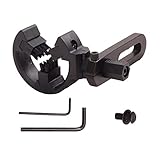
Overview: The SOPOGER Capture Whisker Biscuit Arrow Rest delivers full-containment security for compound and recurve bows alike. Featuring durable brush bristles that fully encapsulate the arrow shaft, this rest ensures your arrow remains captured at any angle, preventing drops during awkward hunting shots or competitive stances while maintaining consistent launch.
What Makes It Stand Out: The adjustable dual-coil launcher system allows precise tuning for optimal arrow flight, while the replaceable brush design extends the rest’s lifespan significantly. Its universal left/right hand compatibility and all-weather construction make it versatile across various bow configurations. The manufacturer claims a 15% accuracy improvement through corrected arrow flight paths.
Value for Money: Positioned as a mid-range option, this rest offers premium features like adjustability and replaceable brushes at a fraction of high-end brand prices. The durability and full-containment design provide excellent long-term value, particularly for hunters needing reliability in challenging conditions. Comparable performance to name-brand biscuit rests without the premium markup.
Strengths and Weaknesses: Strengths include superior arrow security at any angle, easy installation, all-weather durability, universal handedness, and replaceable components. The capture design benefits hunters and beginners alike. Weaknesses involve potential speed reduction from brush contact, bristle wear requiring eventual replacement, and possible noise during draw. May not suit target purists seeking absolute minimal contact.
Bottom Line: An excellent choice for hunters and new archers needing arrow security and forgiveness. The SOPOGER biscuit rest balances performance, durability, and affordability, making it ideal for field use where arrow retention is critical. Delivers reliable consistency without breaking the bank.
5. Compound Bow Full Containment Brush Arrow Rest Archery Accessories - Round Replacement Black
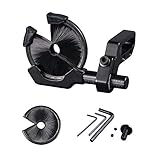
Overview: This Compound Bow Full Containment Brush Arrow Rest provides a round, capture-style solution for archers seeking reliable arrow support. The full-containment brush design holds arrows securely at any angle, making it particularly suitable for hunting scenarios where traditional rests might allow arrow slippage during movement or when shooting from unconventional positions.
What Makes It Stand Out: The round replacement design simplifies installation and tuning, while the universal left/right-hand compatibility ensures broad applicability across different bow setups. The adjustable and replaceable launcher system allows for customization as shooting style or arrow specifications change, extending the product’s useful life and adaptability.
Value for Money: As a budget-conscious alternative to premium capture rests, this model delivers core functionality at an attractive price point. The replaceable brush design offers long-term savings compared to disposable rests. While lacking brand recognition of market leaders, it provides essential features for archers prioritizing function over label prestige, making it a smart value purchase.
Strengths and Weaknesses: Strengths include affordable pricing, easy installation, all-weather durability, universal compatibility, and the practical replaceable brush system. The capture design prevents arrow loss. Weaknesses involve potential quality control inconsistencies common with generic brands, possible minor speed reduction from brush contact, and limited customer support compared to established manufacturers. May require more frequent adjustments than premium alternatives.
Bottom Line: A practical, cost-effective solution for budget-minded hunters and recreational archers. This rest delivers reliable full-containment performance without premium pricing. Ideal for those seeking functionality and arrow security while accepting minor trade-offs in refinement and brand assurance. Offers solid performance for the price.
Understanding Arrow Clearance Issues
What is Arrow Clearance?
Arrow clearance refers to the unobstructed path your arrow takes from full draw through its initial launch phase. During this critical 8-12 inches of travel, any contact between the arrow and any part of your bow or rest creates interference that disrupts the arrow’s natural oscillation and spin. True clearance means your fletching passes cleanly through the rest without touching anything, your shaft clears the riser shelf completely, and your nock exits without brushing cables or string stops. This clean breakaway is essential for consistent arrow flight and tight grouping.
Signs of Poor Clearance
You’ll notice clearance problems through several telltale indicators. Paper tuning results showing tears that won’t correct through standard adjustments often point to contact issues. Inconsistent arrow impact points, especially vertical stringing, frequently indicate fletching interference. You might hear a slight “swishing” or clicking sound during release, or find wear marks on your fletching, rest prongs, or launcher arms. Some archers even feel a slight vibration or “buzz” in the bow hand immediately after the shot. If you’re experiencing any of these symptoms, clearance should be your primary suspect.
The Impact on Accuracy and Equipment
Poor clearance doesn’t just affect accuracy—it accelerates equipment wear. Fletching damage occurs rapidly when contact is made, forcing more frequent re-fletching and increasing costs. The repeated impact can also damage your rest’s launcher arms or containment rings, leading to premature failure. Most critically, that micro-second of contact robs your arrow of kinetic energy and disrupts its planned flex pattern (archer’s paradox), resulting in unpredictable downrange performance that no amount of sight adjustment can correct.
How Arrow Rests Impact Clearance
The Role of Arrow Rests in the Shot Sequence
Your arrow rest is the last point of contact between your bow and arrow, making it the most critical component for achieving clean clearance. During the shot sequence, the rest must support the arrow perfectly at full draw, then either drop away, move aside, or present minimal surface area during the arrow’s launch. The timing of this movement—measured in milliseconds—determines whether your fletching passes through cleanly or makes devastating contact. Understanding this dynamic relationship is the foundation of proper rest selection.
Contact Points and Friction
Every arrow rest design creates different contact points with your arrow. Full-capture rests maintain multiple contact points throughout the shot cycle, while drop-away rests minimize contact to a single launcher arm that falls away before fletching arrives. Blade rests offer a single, narrow contact point that reduces friction but requires precise tuning. The material of these contact points—whether metal, plastic, fleece, or bristles—creates varying levels of friction that can either aid or hinder clearance depending on your setup.
Timing Considerations
For drop-away rests, timing is everything. The rest must begin its downward movement at precisely the right moment in the shot sequence—typically when the bowstring has traveled 1-2 inches forward from full draw. Too early, and the arrow loses support and drops; too late, and the fletching crashes into the launcher arm. This timing is controlled through cable-driven or limb-driven systems, each with distinct advantages and tuning requirements that directly impact clearance success.
Key Features to Look for in Tuning Arrow Rests
Adjustability Range
When shopping for a clearance-focused arrow rest, prioritize models offering extensive micro-adjustability in all directions. Look for tool-less or tool-assisted windage and elevation adjustments that allow precise 1/64-inch increments. The best tuning rests provide separate macro and micro adjustments, letting you get close quickly then dial in perfection. Vertical adjustment range should accommodate both high and low nocking point setups, while horizontal adjustment must allow for perfect center shot alignment across various arrow spine and shaft diameter combinations.
Materials and Construction
Premium materials directly impact clearance performance. Launcher arms machined from lightweight aluminum or carbon fiber reduce mass, allowing faster drop-away speeds. Over-molded launcher forks with noise-dampening coatings prevent “pinging” sounds that indicate contact. Stainless steel hardware resists corrosion and maintains adjustment integrity season after season. The rest’s base should be rigid enough to prevent flex during the shot, as even microscopic movement can alter clearance timing and create contact issues.
Ease of Micro-Adjustment
The finest clearance tuning happens through tiny, incremental changes. Your chosen rest should allow you to make these adjustments without disassembling the rest or removing it from the bow. Look for clearly marked adjustment scales, positive-click detents that prevent slippage, and locking mechanisms that secure settings without crushing or deforming adjustment screws. Some advanced designs feature laser-engraved reference marks that let you track exactly how far you’ve moved the rest during tuning sessions.
Locking Mechanisms
Once you’ve achieved perfect clearance, you need those settings to stay put. High-quality rests employ multiple locking systems—typically a combination of set screws, clamping plates, and thread-locking compounds on critical adjustment points. The best designs isolate the locking mechanism from the adjustment mechanism, so tightening the lock doesn’t shift your carefully tuned position. This stability ensures your clearance settings survive transport, temperature changes, and thousands of shots.
Types of Arrow Rests for Optimal Clearance
Drop-Away Rests
Drop-away rests represent the gold standard for clearance-focused archers. These rests support the arrow through the draw cycle, then drop completely out of the arrow’s path during launch. Modern designs fall away in under 20 milliseconds, clearing the path before fletching arrives. They come in two primary configurations: cable-driven systems that attach to your down cable, and limb-driven versions that connect to the limb via a flexible rod. Both offer exceptional clearance when properly timed, though they require more initial setup than static rests.
Whisker Biscuit Rests
Whisker Biscuit style rests use a full-circle of bristles that completely contain the arrow while allowing the fletching to pass through. While they don’t offer the same level of clearance as drop-away rests, modern designs with stiffer, more precisely spaced bristles can provide adequate clearance for many hunting and recreational setups. Their primary advantage is absolute arrow containment, preventing arrows from falling off the rest during awkward shooting positions or in tree stands. For clearance purposes, look for models with adjustable biscuit angles and replaceable bristle packs.
Blade Rests
Blade rests, also called launcher blade or prong rests, support the arrow on a thin, flexible blade—typically metal or composite material. The arrow sits in a small groove or on top of the blade, which flexes downward as the arrow passes. These rests offer minimal contact and excellent clearance when properly tuned, making them favorites among target archers. The blade’s thickness and stiffness must be matched to your arrow’s weight and spine, requiring more precise setup but rewarding you with exceptional clearance and accuracy.
Shoot-Through Rests
Shoot-through rests, commonly called prong or fork rests, use two prongs that support the arrow from below. The fletching passes between the prongs during launch. While these rests offer good visibility and easy loading, they present more clearance challenges than drop-away designs. The prongs must be spaced precisely to allow your specific fletching configuration to pass without contact. Modern shoot-through rests with adjustable prong spacing and angle can achieve excellent clearance, though they require careful tuning and periodic adjustment checks.
Drop-Away Rests: The Clearance Champions
Limb-Driven vs. Cable-Driven Systems
Limb-driven drop-away rests connect to your bow’s limb through a flexible cord or rod that pulls the launcher arm down as the limb moves forward during the shot. These systems offer simpler timing—typically tied to the limb’s movement—and provide a more direct, positive drop action. Cable-driven rests attach to your bow’s down cable, using the cable’s movement to activate the rest. While slightly more complex to time initially, cable-driven systems often allow finer adjustment and can be tuned more precisely for specific draw lengths and shooting styles. Both systems can achieve perfect clearance when properly set up.
Full Capture vs. Prong Style
Drop-away rests come in full-capture and prong configurations. Full-capture models use a containment arm or cage that surrounds the arrow until drop-away, preventing the arrow from falling off during the draw cycle. Prong styles use a simple forked launcher arm that supports the arrow from below without side containment. While prong styles offer marginally better clearance with fewer parts to contact the fletching, full-capture designs provide peace of mind for hunters and those shooting in dynamic conditions. The clearance difference between the two is minimal with modern fast-drop mechanisms.
Timing Tuning Techniques
Proper timing is the difference between perfect clearance and frustrating contact. Start by setting the rest at approximately 90 degrees to the arrow shaft at full draw. Fire a shot while watching the rest (use a video camera in slow-motion if possible). The launcher arm should begin dropping when the string moves 1-2 inches forward and be completely clear by the time the fletching reaches the rest position. Adjust the timing cord or cable attachment point in 1/16-inch increments until the drop occurs at the perfect moment. Too early causes arrow drop; too late creates fletching contact.
Whisker Biscuit vs. Drop-Away for Clearance
Full Containment Benefits
Whisker Biscuit style rests excel at keeping your arrow secure regardless of bow angle or movement. The bristles completely surround the shaft, preventing it from falling off during stalks, climbs, or awkward shooting positions. This containment comes at a slight clearance cost—the bristles create more contact with the fletching than a drop-away rest. However, for hunting situations where a dropped arrow means a missed opportunity, many archers accept this trade-off. Modern stiffer bristle designs and proper biscuit angle adjustment can minimize clearance issues significantly.
Contact Surface Concerns
The primary clearance challenge with biscuit rests is the bristle contact surface. Each fletching must push through the bristles during launch, creating friction and potential deflection. This contact is minimized by using the correct bristle stiffness for your arrow speed and fletching type. Stiffer bristles work better for faster arrows, while softer bristles suit slower setups. The biscuit should be angled slightly so the arrow enters the bristles at an optimal angle, reducing the force required for the fletching to pass through cleanly.
When to Choose Each Style
Choose a drop-away rest when maximum accuracy and clearance are your primary goals, particularly for target shooting, 3D archery, or hunting situations where you can ensure stable shooting platforms. Opt for a Whisker Biscuit style rest when hunting in challenging terrain, from tree stands, or when shooting at extreme angles where arrow containment becomes critical. Many archers maintain two setups—one with each rest type—switching based on their planned activity. Both can achieve acceptable clearance when properly tuned to your specific arrow and fletching combination.
Blade Rests and Their Precision Benefits
Understanding Blade Thickness
Blade rests use a thin, flexible blade to support the arrow, with thicknesses typically ranging from .008 to .012 inches. Thinner blades offer less contact and better clearance but can be too flexible for heavier arrows, causing the arrow to “sink” into the blade during launch. Thicker blades provide more rigid support but increase contact surface. The key is matching blade thickness to your arrow weight and draw weight. Most manufacturers provide charts recommending blade thickness based on your setup’s kinetic energy. Start with their recommendation, then tune from there.
Centering the Arrow
With blade rests, perfect centering is critical for both clearance and accuracy. The arrow must sit centered on the blade without leaning to either side. Use a bow square to verify the blade’s position relative to your nocking point and arrow shaft. The blade should be positioned so the arrow’s natural flex during launch doesn’t cause the shaft to “jump” off the blade or create excessive lateral movement. Many blade rests offer lateral adjustment independent of the vertical adjustment, allowing precise centering without affecting other tuning parameters.
Fine-Tuning for Perfection
Blade rests reward meticulous tuning with exceptional clearance and accuracy. After basic setup, fine-tune by shooting through paper at 6 feet, then 10 feet, then 15 feet. If tears indicate contact, make minute adjustments to blade angle—often just 1-2 degrees can resolve clearance issues. Some competitive archers mark their blade’s flex point and adjust the arrow’s position forward or backward on the blade to control how much the blade flexes during launch. This level of fine-tuning isn’t necessary for most hunters but can make the difference in competitive target archery.
Timing and Synchronization Fundamentals
Setting the Drop Cycle
The drop cycle refers to how quickly your rest moves from full support position to fully dropped after release. This cycle must complete before your fletching arrives at the rest position. Most quality drop-away rests complete this cycle in 15-25 milliseconds. To verify timing, use a timing tape or mark your rest’s launcher arm with bright tape. Have a friend watch or video the rest during the shot. The launcher should be completely clear when the fletching passes. Adjust the activation cord’s attachment point to speed up or slow down the drop cycle as needed.
Paper Tuning for Timing
Paper tuning reveals timing issues that aren’t visible to the naked eye. Shoot through paper at 6 feet and examine the tear pattern. A high tear with fletching marks above the point of impact suggests late rest drop (fletching hitting the launcher). A low tear with no fletching marks might indicate early drop (arrow losing support). Make timing adjustments in small increments—1/8-inch changes to the cord attachment point—then re-test. Document each change and its result to build a reference guide for your specific setup.
Creep and Consistency
Timing consistency is as important as initial timing. Check that your rest’s activation cord or limb attachment doesn’t stretch or slip during repeated shots. Quality rests use non-stretch materials like BCY cord or stainless steel cables for limb-driven systems. After 50 shots, re-check your timing marks to ensure they haven’t moved. If creep is detected, re-tie knots with additional securing methods (like serving thread wraps) or upgrade to a more robust attachment system. Consistent timing ensures consistent clearance, shot after shot.
Center Shot Alignment Techniques
Using a Bow Square
A bow square is your primary tool for establishing proper center shot. Attach it to your string with the T-bar resting on your arrow rest. The arrow should align with the string’s center serving when viewed from behind the bow. For most modern compound bows, this means the arrow point appears slightly left of the string (for right-handed shooters) due to the cable guard offset. Use the rest’s windage adjustment to position the arrow correctly, then lock it down securely. This initial alignment gets you close before fine-tuning.
Measuring from the Riser
For precise center shot measurement, measure from the riser’s centerline to your arrow shaft. Most bow manufacturers provide a recommended measurement for their specific models, typically ranging from 13/16 to 7/8 inch for right-handed bows. Use a digital caliper for this measurement, placing one jaw against the riser’s deepest point and the other against the arrow shaft. Adjust your rest’s windage until you hit the exact measurement. This method removes visual estimation errors and provides a repeatable reference point.
Verifying with Laser Tools
Laser alignment tools have become increasingly popular for center shot setup. These devices project a laser line down the arrow shaft’s center, showing exactly where the arrow points relative to your sight and string. Some advanced models even attach to your rest and project alignment marks onto your riser. While not essential, laser tools eliminate parallax errors and allow extremely precise center shot alignment, which directly impacts clearance by ensuring the arrow launches straight without contacting the riser or rest components.
Vertical and Horizontal Positioning
Nocking Point Relationship
Your arrow rest’s vertical position must coordinate perfectly with your nocking point. The arrow shaft should form a level line or a very slight downward angle from nock to rest (approximately 1/8 inch lower at the rest). This relationship ensures the arrow clears the rest and riser shelf properly during launch. Use a bow square to measure from your nocking point to the arrow rest, adjusting the rest’s vertical position accordingly. An improper angle can cause the arrow to “porpoise” during launch, creating clearance issues at the front or rear of the arrow.
Rest Height Adjustment
The rest’s height relative to the riser shelf affects both clearance and arrow support. Too high, and the arrow may contact the sight housing or other accessories; too low, and it may hit the shelf or fail to clear the rest properly. Most rests offer 1/2 to 3/4 inch of vertical adjustment. Start with the arrow shaft centered on the berger button hole (if your bow has one), then fine-tune based on paper tuning results and clearance verification. Document your final position with measurements or photos for easy reference.
Windage Fine-Tuning
After establishing basic center shot, fine-tune windage for perfect clearance. Shoot bare-shaft arrows (unfletched) alongside fletched arrows at 20 yards. Both should impact the same vertical line. If bare shafts hit left or right of fletched arrows, adjust rest windage in 1/64-inch increments until they align. This ensures your arrow is launching straight without rest-induced lateral pressure that could cause clearance issues as the arrow flexes. Lock down all adjustments once perfect alignment is achieved.
Paper Tuning for Clearance Verification
Interpreting Tear Patterns
Paper tuning reveals clearance problems through specific tear signatures. A classic fletching contact tear shows the point of impact centered but with a “starburst” pattern in the direction of fletching contact—typically upward for high fletching hits. Horizontal tears indicate nock or shaft contact with the rest. Multiple small tears around the main hole suggest the arrow is making intermittent contact with several rest components. Learn to read these patterns; they’re telling you exactly what’s happening during launch.
Making Corrective Adjustments
Once you identify a contact tear, make systematic corrections. For upward tears indicating high fletching contact, raise your rest vertically or adjust timing for earlier drop. For tears showing contact on one side, adjust windage or check that your rest is dropping straight down without lateral movement. Make one adjustment at a time, then re-test with fresh paper. Keep a log of each change and its result to build a troubleshooting reference for your specific setup.
Advanced Paper Tuning Methods
Move beyond basic 6-foot paper tuning for comprehensive clearance verification. Shoot through paper at multiple distances—6 feet, 10 feet, and 15 feet—to see how the arrow’s flight evolves. Contact issues often disappear at closer distances but reappear farther out as the arrow’s flex pattern changes. Also try paper tuning with different arrow orientations (cock vane up, down, left, right) to identify which specific fletching is making contact. This methodical approach reveals clearance issues that single-distance tuning might miss.
Common Clearance Problems and Solutions
Vane Contact Issues
Vane contact is the most common clearance problem. Symptoms include torn or creased vanes, inconsistent arrow flight, and a “slap” sound during release. Solutions include switching to lower-profile vanes, adjusting vane orientation (try cock vane out instead of up), or increasing rest drop timing. For drop-away rests, ensure the launcher arm falls completely clear. For biscuit rests, try a stiffer biscuit or adjust the angle. Sometimes simply rotating the nock on your arrow to change vane alignment resolves contact issues.
Nock and Fletching Interference
When the nock end of your arrow contacts the rest, it creates severe accuracy issues. This often happens with drop-away rests that drop too late or with improper nock fit. Verify your nock fits the string serving properly—not too tight, not too loose. Check that your rest drops before the nock passes the launcher position. For shoot-through rests, ensure the prongs are spaced far enough apart to clear both fletching and nock. Adding a nock set slightly above and below your nocking point can help stabilize the nock’s exit path.
Rest Drop Timing Problems
Timing problems plague many drop-away setups and directly cause clearance failures. If your rest drops too early, the arrow loses support and drops before clearing the riser. Too late, and the fletching crashes into the launcher. Use timing marks on your rest and watch them during the shot cycle. The launcher should begin moving when the string reaches the first timing mark (usually 1-2 inches of travel) and be fully dropped by the second mark (3-4 inches). Adjust activation cord length in small increments until timing is perfect, then lock it down securely.
Maintenance Tips for Consistent Performance
Regular Inspection Checkpoints
Establish a pre-season and mid-season inspection routine. Check all rest attachment screws for proper torque, verifying they haven’t loosened. Inspect the launcher arm or prongs for wear, cracks, or deformation that could affect clearance. Examine activation cords or cables for fraying, stretching, or wear at attachment points. Look for wear patterns on the rest that indicate contact issues—polished spots on metal, flattened bristles, or grooves in launcher arms. Catching these early prevents clearance problems from developing mid-season.
Lubrication and Cleaning
Keep moving parts clean and lightly lubricated for consistent drop timing. Use a dry lubricant on metal-to-metal contact points to prevent attracting dust and debris. Clean launcher arms with rubbing alcohol to remove adhesive residue from vanes and dust buildup. For biscuit rests, periodically remove and clean the biscuit with compressed air to remove debris trapped in the bristles. Avoid over-lubricating, as excess oil can attract dirt and slow the drop mechanism, affecting timing and clearance.
Seasonal Adjustments
Temperature and humidity changes affect your bow and rest differently throughout the year. Cold weather can slow drop-away mechanisms and make materials contract, potentially creating new contact points. Hot weather can cause cables to stretch and rest positions to shift. Re-check your clearance and timing when seasons change, especially when transitioning from indoor practice to outdoor hunting conditions. Make minor adjustments as needed and document seasonal settings so you can quickly return to optimal tune when conditions revert.
Budget Considerations Without Compromising Quality
Entry-Level Features That Matter
Even budget-friendly rests can provide excellent clearance if they include key features. Look for rests with tool-less micro-adjustment, solid construction that doesn’t flex, and reliable locking mechanisms. Avoid ultra-cheap rests with plastic bases or launcher arms that can warp or flex. Many mid-priced rests offer 90% of the performance of premium models, lacking only brand prestige or marginal weight savings. Focus on adjustability and reliability over fancy materials or brand names.
Mid-Range Value Propositions
The $75-$150 range offers the best value for clearance-focused archers. Rests in this category typically provide precision machining, multiple adjustment axes, reliable drop mechanisms, and durable materials. You’ll find excellent micro-adjustment capabilities, solid locking systems, and good customer support. These rests often include features like over-molded launcher arms, noise dampening, and multiple mounting options. For most archers, a quality mid-range rest provides all the clearance tuning capability needed without the premium price tag.
Premium Features Worth the Investment
High-end rests above $150 offer features that benefit serious tuners and competitive shooters. These include laser-etched adjustment scales, zero-tolerance machining that eliminates play, interchangeable launcher arms for different arrow diameters, and advanced timing systems. Some premium models use exotic materials like carbon fiber launcher arms that drop faster due to reduced mass. While not necessary for basic clearance, these features make fine-tuning easier and more repeatable, which matters when you’re chasing perfection.
Making Your Final Decision
Assessing Your Shooting Style
Your primary shooting application should drive your rest selection. Target archers need maximum adjustability and clearance precision, making blade rests or premium drop-aways ideal. Hunters often prioritize containment and reliability in harsh conditions, where a Whisker Biscuit or full-capture drop-away excels. 3D shooters need a balance—clearance for accuracy with enough containment for awkward shots. Be honest about your priorities; no single rest is perfect for every situation.
Matching Rest to Bow Type
Your bow’s specifications influence rest compatibility and performance. High-speed bows (340+ fps) demand faster drop-away rests to clear the fletching in time. Bows with aggressive cams may require limb-driven rests for better timing synchronization. Older bows or traditional setups might work better with shoot-through or blade rests that don’t rely on modern cable systems. Check manufacturer recommendations for rest types that work best with your specific bow model and cam system.
Trial and Error Process
Even with perfect research, finding your ideal rest often requires hands-on testing. Borrow rests from archery club members or pro shop demo programs to test different styles before purchasing. Pay attention to how easily each rest tunes to perfect clearance, how well it holds adjustments, and how confident you feel with the arrow contained. Sometimes the rest that looks best on paper doesn’t feel right in practice. Trust your experience and be willing to experiment until you find the perfect match for your shooting style and clearance requirements.
Frequently Asked Questions
How do I know if my arrow rest is causing clearance problems?
Look for torn or creased fletching, inconsistent arrow impact, unusual sounds during release, or visible wear marks on your rest. Paper tuning tears that won’t correct through standard adjustments also indicate contact issues. Video your rest in slow motion during the shot to watch for contact.
What’s the easiest arrow rest type to tune for perfect clearance?
Cable-driven drop-away rests with full capture offer the best combination of clearance potential and tuning forgiveness. They provide excellent adjustability and drop completely out of the arrow’s path. While they require initial timing setup, modern designs make this process straightforward with clear markings and adjustment systems.
Can I achieve good clearance with a Whisker Biscuit rest?
Yes, but it requires careful setup. Use the correct bristle stiffness for your arrow speed, angle the biscuit properly, and ensure your fletching profile is compatible. Lower-profile vanes work better than high-profile ones. While not equal to drop-away clearance, a properly tuned biscuit can provide acceptable performance for most hunting situations.
How often should I check my rest’s timing and clearance?
Check timing and clearance before each hunting season, after any equipment changes, and whenever you notice accuracy degradation. For competitive shooters, verify settings weekly during practice sessions. Rest timing can drift due to cord stretch, screw loosening, or temperature changes, so regular verification prevents problems.
What vane type and orientation works best for clearance?
Lower-profile vanes (e.g., 2-inch) clear more easily than high-profile vanes (e.g., 4-inch). For orientation, try cock vane out (away from the riser) first, as this often provides the cleanest path. Some archers find cock vane up works better with certain rests. Test both orientations through paper tuning to determine which provides cleaner clearance for your specific setup.
Is there a difference between hunting and target rests for clearance?
Yes. Target rests prioritize maximum clearance and micro-adjustability, often using blade or minimal-contact drop-away designs. Hunting rests balance clearance with containment and noise reduction, sometimes sacrificing a small amount of clearance for arrow security. Choose based on your primary application, but know that both can achieve adequate clearance when properly tuned.
How do temperature changes affect arrow clearance?
Cold weather can slow drop-away mechanisms and cause materials to contract, potentially creating new contact points. Heat can cause activation cords to stretch and rest positions to shift. Always re-verify clearance when shooting in conditions more than 20 degrees different from your tuning environment. Some archists maintain separate summer and winter rest settings.
What’s the biggest mistake archers make when tuning for clearance?
Making multiple adjustments simultaneously without testing each change. When solving clearance issues, change only one variable—rest height, windage, or timing—then test before making another adjustment. This isolates the problem and prevents creating new issues. Patience and methodical testing always yield better results than random adjustments.
Can arrow spine affect clearance issues?
Absolutely. An arrow that’s too stiff or too weak for your draw weight will flex differently during launch, potentially creating unexpected contact points with your rest. Before chasing clearance adjustments, ensure your arrows are properly spined for your setup. An arrow that’s correctly spined will follow a more predictable path, making clearance tuning much easier and more effective.
How much should I expect to spend for a quality clearance-tunable rest?
Plan on $75-$150 for a quality rest that offers excellent clearance tuning capabilities. Models in this range provide the necessary micro-adjustments, solid construction, and reliable timing systems needed for precision clearance. While premium rests above $150 offer additional convenience features, a good mid-range rest will solve clearance problems just as effectively when properly tuned.
Related Buying Guides
- How to Solve Poor Arrow Flight with the 10 Best Tuning Arrow Rests in 2026
- 10 Arrow Rests That Solve Noise Issues in the Field in 2026
- Top 10 Best Arrow Rests for Accurate Long-Range Shots in 2026
- 10 Best Arrow Rests for Left-Handed Archers in 2026
- 10 Best Drop Away Arrow Rests for Smooth Arrow Release This Year