Table of Contents
There’s something magical about watching your kids’ faces light up as they experience their first night under the stars, but that magic quickly fades when you’re crammed into a budget tent with no room to move. Premium family tents transform camping from a survival exercise into a genuine home-away-from-home experience, offering standing room, separate sleeping quarters, and weather protection that keeps everyone comfortable when Mother Nature has other plans. While the initial price tag might make you pause, the durability, comfort, and sheer livability of a well-designed family tent pay dividends across years of adventures.
Investing in a premium family shelter means fewer midnight collapses, less condensation dripping on sleeping bags, and actual space to play cards when rain drives you indoors. These tents aren’t just larger versions of their backpacking cousins—they’re engineered specifically for the unique challenges of family camping, from quick setups when kids are restless to robust construction that withstands enthusiastic toddlers. This guide breaks down the essential features that separate worthwhile investments from overpriced marketing hype, helping you understand where your money goes and why certain design elements matter more than others for your family’s specific needs.
Top 10 Premium Family Tents
Detailed Product Reviews
1. CORE 12 Person Tent | Large Multi Room Family Cabin Tent with Carry Bag for Outdoor Car Camping | Included Storage Pockets for Camping Accessories

Overview: The CORE 12 Person Tent delivers exceptional cabin-style comfort for large families or groups who prioritize interior space and weather protection. Measuring 16 by 11 feet with an impressive 86-inch center height, this tent offers near-vertical walls that maximize usable space, comfortably fitting four queen-size air beds. Designed for car camping scenarios where portability is secondary to livability, it provides a robust shelter that transforms your campsite into a home base.
What Makes It Stand Out: The nearly straight-wall design is a game-changer, eliminating the cramped feeling of traditional dome tents and allowing most adults to stand comfortably anywhere inside. The H20 Block Technology with 1200mm waterproof fabric, fully taped rainfly, and sealed seams offers superior weather resistance compared to many competitors. The included room divider creates genuine two-room privacy, while abundant storage pockets keep gear organized and off the floor.
Value for Money: Positioned in the mid-to-premium range for family cabin tents, this CORE model justifies its price through superior materials and thoughtful design. The 1200mm waterproof rating exceeds many similarly priced alternatives, and the structural stability from steel stakes and guylines ensures longevity. While not cheap, it’s more affordable than premium brands offering comparable space and weather protection.
Strengths and Weaknesses: Strengths include exceptional headroom, robust weatherproofing, effective privacy options, and generous storage. The straight-wall design maximizes every square foot. Weaknesses include a more complex setup requiring multiple people, substantial weight and packed size unsuitable for remote camping, and limited ventilation features compared to some rivals.
Bottom Line: For car campers seeking maximum interior space and reliable weather protection, this tent is an excellent investment. It’s ideal for extended family trips where comfort and organization outweigh portability concerns.
2. UNP Camping Tent 10-Person-Family Tents, Parties, Music Festival Tent, Big, Easy Up, 5 Large Mesh Windows, Double Layer, 2 Room, Waterproof, Weather Resistant, 18ft x 9ft x78in (Gray)
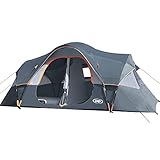
Overview: The UNP 10-Person Tent positions itself as a versatile, budget-friendly option for families, festival-goers, and casual campers who need space without complexity. Its unique 18-foot length creates a sprawling interior that accommodates 10 sleeping bags or three queen air mattresses. The tent’s design emphasizes quick setup and excellent ventilation, making it suitable for warm-weather camping and group gatherings where airflow is crucial.
What Makes It Stand Out: The standout feature is the projector screen capability—the privacy divider doubles as a projection surface, creating an instant outdoor cinema experience. Five large mesh windows and a mesh roof deliver exceptional ventilation and stargazing opportunities. The easy-up design allows two people to pitch it in just 10 minutes without specialized skills, while the oversized carry bag eliminates repacking frustration.
Value for Money: This tent offers remarkable value, sitting at a lower price point than most 10-person alternatives while delivering unique entertainment features. The 185T PU1000mm waterproof rating provides adequate protection for fair-weather camping, though it’s less robust than premium models. For occasional campers and festival use, the feature-to-price ratio is compelling.
Strengths and Weaknesses: Strengths include rapid setup, outstanding ventilation, innovative projector screen, generous dimensions, and budget-friendly pricing. The large windows and mesh roof prevent condensation buildup. Weaknesses include lower waterproof rating (1000mm) unsuitable for heavy rain, less durable materials than premium brands, and minimal vestibule space for gear storage.
Bottom Line: Perfect for casual campers, festival attendees, and families who prioritize ventilation and unique features over heavy-duty weather protection. The projector screen adds unexpected entertainment value.
3. CORE 12 Person Instant Cabin Tent | Large 3 Room Family Pop Up Tent for 2 Minute Camp Setup | Included Storage Pockets for Camping Accessories

Overview: The CORE 12 Person Instant Cabin Tent revolutionizes large-group camping by combining massive capacity with lightning-fast setup. Measuring 18 by 10 feet with an 80-inch center height, this tent fits four queen air beds while offering a groundbreaking 2-minute pitch time thanks to pre-attached poles. It targets families who want maximum space without the traditional hour-long setup frustration, making it ideal for frequent campers who value efficiency.
What Makes It Stand Out: The instant pop-up technology is the star—pre-attached poles literally lock into place, transforming what’s normally a 30-minute ordeal into a 2-minute task. Unlike most large tents, it includes two room dividers, creating three separate spaces for unprecedented privacy. The same H20 Block Technology from CORE’s standard line provides 1200mm waterproof protection, fully taped rainfly, and sealed seams for reliable weather defense.
Value for Money: This instant model commands a premium over traditional cabin tents, but the time-saving convenience justifies the cost for regular campers. You’re paying for engineering that eliminates setup stress while maintaining the spaciousness and weather protection of non-instant models. For families camping monthly during season, the hours saved annually make this a smart investment.
Strengths and Weaknesses: Strengths include unmatched setup speed, three-room flexibility, robust weatherproofing, and generous storage pockets. The instant frame doesn’t compromise stability. Weaknesses include increased weight from the integrated pole system, larger packed size, and higher price point. The 80-inch height, while ample, is slightly less than the standard CORE 12-person model.
Bottom Line: If you want maximum space with minimal setup time, this is your tent. The three-room configuration offers flexibility that competitors lack, making it perfect for large families who camp frequently.
4. CAMPROS CP Tent 8 Person Camping Tents, Weather Resistant Family Tent, 5 Large Mesh Windows, Double Layer, Divided Curtain for Separated Room, Portable with Carry Bag

Overview: The CAMPROS 8 Person Tent delivers surprising value for smaller families or couples seeking budget-conscious camping without major compromises. Featuring a straight-wall design with 72-inch center height, this tent prioritizes livable space and ventilation. Its 8-person capacity makes it more manageable for those who don’t need massive tents, while maintaining features like room division and multiple windows typically found in pricier models.
What Makes It Stand Out: The projector screen functionality on the room divider adds unexpected entertainment value rarely seen in budget tents. Five large mesh windows combined with a mesh tent top create exceptional airflow, while the double-layer design enhances weather resistance. The color-coated poles simplify setup, allowing two people to pitch in five minutes—impressive for a non-instant tent.
Value for Money: This is among the most affordable 8-person tents with legitimate features. While materials and waterproofing aren’t premium, the tent includes amenities like the projector screen, multiple windows, and room divider that competitors often omit at this price. For occasional campers or those testing family camping, it offers low-risk entry with reasonable performance.
Strengths and Weaknesses: Strengths include unbeatable price, excellent ventilation, quick setup for a non-instant tent, unique projector feature, and decent space efficiency. The straight-wall design maximizes floor area. Weaknesses include modest 72-inch height limiting headroom, unspecified waterproof rating suggesting lower performance, thinner materials affecting durability, and smaller capacity unsuitable for large groups.
Bottom Line: An excellent starter tent for small families or budget-conscious campers. It sacrifices some weatherproofing and height for affordability but retains features that enhance camping enjoyment, especially the ventilation and projector capability.
5. CORE 9 Person Instant Cabin Tent | Large Multi Room Family Pop Up Tent for 2 Minute Camp Setup | Included Storage Pockets for Camping Accessories

Overview: The CORE 9 Person Instant Cabin Tent bridges the gap between compact convenience and family capacity, offering the brand’s signature 2-minute setup in a more modest footprint. Measuring 14 by 9 feet with a 78-inch center height, it comfortably fits two queen air beds, making it ideal for small families of 4-6 who want instant setup without paying for unused space. This tent targets campers who prioritize speed and simplicity over maximum capacity.
What Makes It Stand Out: The instant pop-up technology remains the headline feature—pre-attached poles deploy in under two minutes, eliminating the frustration of traditional pole assembly. The adjustable ventilation system is uniquely engineered, with lower ground vents drawing cool air in while the mesh ceiling exhausts hot air, creating active airflow without mechanical assistance. CORE’s proven H20 Block Technology provides 1200mm waterproof protection with fully taped seams.
Value for Money: This mid-priced instant tent offers excellent value for small families who don’t need 12-person capacity. You get premium instant setup technology and superior weatherproofing at a price point below larger instant models. The ventilation system adds engineering value typically absent in this class, making it competitively priced against both instant and standard tents.
Strengths and Weaknesses: Strengths include rapid deployment, effective ventilation management, reliable 1200mm waterproofing, compact packed size, and quality materials. The instant frame maintains structural integrity. Weaknesses include no included room divider (despite “multi room” name), smaller capacity limiting growth, and premium pricing compared to non-instant 9-person tents.
Bottom Line: Perfect for small families wanting instant convenience without oversizing. The superior ventilation and trusted weather protection make it a smart choice for warm-weather camping where setup speed matters.
6. CAMPROS Tent-8-Person-Camping-Tents, Waterproof Windproof Family Tent, 5 Large Mesh Windows, Double Layer, Divided Curtain for Separated Room, Portable with Carry Bag - Blue

Overview: The CAMPROS 8-Person Tent delivers spacious family camping with its straight-wall design and 72-inch center height, allowing most adults to stand comfortably. Designed for groups, this double-layer tent features a unique divider curtain that creates two separate rooms while doubling as a projector screen for entertainment.
What Makes It Stand Out: The versatile room divider sets this tent apart, transforming sleeping quarters into a movie theater under the stars. Five large mesh windows combined with a mesh top provide exceptional ventilation, preventing condensation buildup during humid nights. Color-coded poles enable two people to complete setup in approximately 10 minutes without specialized skills.
Value for Money: Positioned in the mid-range price bracket, this tent offers excellent value for families needing genuine 8-person capacity. Comparable tents with similar features typically cost 20-30% more, making this a smart investment for regular car campers who prioritize space and comfort over ultralight portability.
Strengths and Weaknesses: Strengths include generous headroom, effective weather protection with sealed seams, versatile room configuration, and outstanding airflow. Weaknesses involve the 72-inch height potentially feeling cramped for taller individuals, the requirement for two people during setup, and limited color options. The blue hue may show dirt readily over time.
Bottom Line: This tent excels for family car camping trips where space and versatility matter. The projector screen function adds unique entertainment value, while robust weather protection ensures reliable performance. Recommended for families seeking a feature-rich, spacious shelter without premium pricing.
7. 4 Person Easy Pop Up Tent, Automatic Setup, Waterproof, 2 Doors-Instant Family Tents for Camping, Hiking & Traveling, 9.5’X6.6’X52’’

Overview: This instant pop-up tent eliminates traditional setup frustrations, automatically deploying into a 9.5 x 6.6-foot shelter that accommodates 2-4 campers. The integrated skylight offers stargazing opportunities, while a removable rainfly provides weather flexibility for clear nights or rainy conditions.
What Makes It Stand Out: The true automatic mechanism allows literal instant setup—just unstrap and watch it expand. This feature proves invaluable for festival-goers or families with young children. The overhead skylight creates a romantic atmosphere for nighttime sky viewing, while the PU 3000 waterproof coating delivers superior rain protection rarely found in pop-up designs.
Value for Money: Priced competitively within the pop-up category, this tent offers exceptional convenience value. Casual campers save significant time and frustration, while the robust waterproof rating prevents the common pop-up pitfall of poor weather performance. It costs slightly more than basic models but delivers substantially better features.
Strengths and Weaknesses: Strengths include lightning-fast deployment, excellent ventilation through four windows and two doors, skylight novelty, and strong waterproofing. Weaknesses encompass pop-up mechanisms that may weaken over time, reduced durability compared to pole tents, and packed size that’s bulkier than traditional designs.
Bottom Line: Ideal for casual campers, festival attendees, and families prioritizing convenience over expedition-grade durability. The skylight adds memorable ambiance, while reliable waterproofing provides peace of mind. Not suited for harsh wilderness adventures but perfect for established campgrounds and backyard use.
8. KTT Extra Large Tent 12-14 Person,Family Cabin Tents,2 Rooms,Straight Wall,2 Doors 4 Windows with Mesh,Waterproof,Straight Wall,Big Tent for Outdoor,Picnic,Camping,Gathering(Black)

Overview: The KTT Extra Large Tent dominates group camping scenarios with its massive 16x11-foot footprint and 7.4-foot ceiling height, comfortably housing 12-14 people across four air mattresses. This cabin-style shelter employs straight walls to maximize usable interior space beyond typical dome designs.
What Makes It Stand Out: The enormous capacity dwarfs most family tents, creating a legitimate mobile cabin experience. Multiple entry points (three doors) and numerous windows provide exceptional accessibility and ventilation. The compact packed size defies expectations for such a large shelter, making it surprisingly portable for self-drive excursions.
Value for Money: Representing excellent per-person value, this tent costs significantly less than purchasing multiple smaller shelters for equivalent capacity. The included repair patches and pole joints demonstrate thoughtful value-adds. However, the manual setup requirement means investing time rather than money.
Strengths and Weaknesses: Strengths include unparalleled space, stability when properly staked, superior ventilation, and compact storage. Major weakness: this is NOT an automatic tent. The complex manual setup demands patience, physical capability, and careful attention to instructions. Stability depends entirely on proper staking and guy-line tensioning.
Bottom Line: Perfect for large family reunions, group gatherings, or basecamp-style camping where setup time isn’t critical. Avoid if seeking quick deployment. For hands-on campers comfortable with traditional tent pitching, this offers unbeatable space and value. Critical: follow installation steps meticulously for optimal stability.
9. Veer Family Basecamp Recreational Pop-Up Tent | Premium Trail Rated Beach Tent or Camp Shelter for Adults and Kids | Water Resistant UPF50 Protective Coating | Portable with Easy Set Up and Take Down
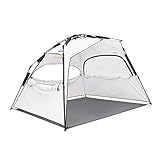
Overview: The Veer Family Basecamp represents premium pop-up shelter engineering, designed for families seeking instant, reliable protection. The pneumatic hub system enables intuitive deployment in seconds, creating an open-air basecamp for two adults plus children and gear.
What Makes It Stand Out: The pneumatic hub mechanism delivers effortless pop-in-place setup without the usual spring-loaded tent hazards. Eight rigid fiberglass poles provide exceptional structural integrity, while precision-molded feet and built-in tethers offer stability uncommon in pop-up designs. Stainless steel dual zippers on three windows demonstrate premium attention to detail.
Value for Money: Positioned at the high end of the pop-up market, the price reflects premium materials and engineering. For frequent beachgoers or campground visitors, the durability and ease of use justify the investment. Casual campers may find comparable basic shelters for less, but won’t match this build quality.
Strengths and Weaknesses: Strengths include instantaneous setup, UPF50 sun protection, superior ventilation through high-end mesh, stable construction, and pinch-proof safety hinges. Weaknesses involve water-resistant (not waterproof) limitations, premium pricing, and modest capacity best suited for small families rather than large groups.
Bottom Line: Excellent choice for families demanding premium quality and effortless setup for recreational camping and beach outings. The sun protection and stability excel in fair weather. Not recommended for heavy rain or extended wilderness trips, but perfect for day adventures and established campgrounds where convenience reigns supreme.
10. Bell Tent with Stove Jack – Spacious 13.1ft Family Glamping Yurt, 4-6 Person, 4 Season, Easy Setup, Waterproof, Ventilated Outdoor Shelter (13.1ft(Green)

Overview: This bell tent merges traditional yurt aesthetics with modern camping functionality, accommodating 4-6 people in glamping comfort. The 13.1-foot diameter creates spacious standing room, while the integrated stove jack enables four-season versatility for cold-weather adventures and cooking inside the tent.
What Makes It Stand Out: The stove jack feature distinguishes this as a true cold-weather shelter, allowing safe wood stove installation for heating and cooking—a rarity in family tents. Engineered for four-season use, the high-density Oxford fabric withstands harsh conditions while mesh windows maintain summer breathability. The iconic bell shape provides exceptional headroom throughout.
Value for Money: Mid-to-high range pricing delivers excellent value for serious campers seeking year-round functionality. Purchasing a separate stove-compatible tent and winter shelter would cost significantly more. The glamping appeal adds intangible value for those prioritizing comfort and style.
Strengths and Weaknesses: Strengths include genuine four-season capability, stove jack versatility, superior ventilation, mosquito-proof design, and spacious standing height. Weaknesses involve heavier weight than backpacking tents, more complex setup than pop-ups, and a price point that may exceed casual camper budgets.
Bottom Line: Ideal for glamping enthusiasts and cold-weather campers wanting a single tent for all seasons. The stove jack transforms winter camping from miserable to luxurious. While overkill for fair-weather-only campers, it represents a versatile, long-term investment for adventurous families seeking comfort across diverse conditions.
What Defines a Premium Family Tent?
Premium family tents occupy a completely different category than standard camping shelters. They prioritize livability over minimal weight, durability over disposable pricing, and thoughtful design that anticipates how families actually use space in the wild. The difference becomes immediately apparent the moment you step inside—vertical walls create genuine room to move, quality materials feel substantial rather than flimsy, and clever details solve problems you didn’t even know you’d encounter.
Superior Materials and Construction
The fabric quality in premium tents directly impacts both comfort and longevity. Look for higher-denier polyester or nylon with ripstop weaves that resist tears and punctures from curious hands or accidental gear impacts. These materials typically feature silicone or polyurethane coatings delivering waterproof ratings of 3,000mm or higher, meaning they can withstand serious downpours without leaking. The stitching matters equally—double-stitched seams with taped or welded sealing prevent water intrusion at the most vulnerable points. Premium models often use reinforced corners and stress points where poles connect, preventing the catastrophic failures that send budget tents to the landfill after a single rough weekend.
Spacious Interior Design
True premium family tents maximize every square foot through vertical wall construction and clever pole geometry. Unlike dome tents that slope inward immediately, these shelters create near-vertical sidewalls that let you use the entire floor space without crouching. Many offer ceiling heights of six feet or more, allowing most adults to stand comfortably. The floor plans think beyond simple rectangles, incorporating nooks for gear storage, designated sleeping zones, and central living areas where families can gather during inclement weather. This architectural approach transforms the tent from mere shelter into functional outdoor rooms.
Weather Protection Features
Premium tents earn their price through comprehensive weather management systems. Full-coverage rainflies extend well beyond the tent body, creating protected vestibules for muddy boots and gear. Bathtub floors curve upward several inches before connecting to sidewalls, preventing ground water from seeping in during heavy rains. Advanced ventilation systems use multiple adjustable vents positioned high and low to create convective airflow, dramatically reducing condensation buildup that plagues cheaper models. Some designs integrate awnings over windows and doors, letting you keep vents open even during light rain for continuous air circulation.
Key Comfort Features Worth Paying For
Certain premium features deliver disproportionate value for family camping, directly impacting everyone’s enjoyment and sleep quality. These elements separate tents that merely shelter from those that genuinely enhance the outdoor experience.
Standing Room Height and Vertical Walls
The psychological difference between crouching and standing inside your tent cannot be overstated. Premium family tents achieve standing height through hubbed pole systems that create rigid, upright walls. This verticality means you can dress comfortably, help kids change clothes, and move around without constant neck strain. During extended rain, having room to stand, stretch, and walk around prevents cabin fever and keeps children engaged. The space feels less claustrophobic and more like a proper room, which becomes invaluable during multi-day trips when weather keeps you inside.
Multiple Rooms and Dividers
Family harmony often depends on personal space, especially when sharing close quarters. Premium tents frequently include removable fabric dividers that create separate sleeping areas for parents and kids, or designated spaces for gear storage. These partitions typically zip securely and feature breathable mesh tops to maintain ventilation while providing visual privacy. Some designs offer three-room configurations with a central living area flanked by sleeping compartments, mirroring home layouts that help children feel secure. The ability to create distinct zones means early sleepers can rest while night owls read with a headlamp in another room.
Climate Control and Ventilation
Managing temperature and moisture inside a tent filled with breathing bodies presents a significant challenge. Premium models address this through sophisticated ventilation networks. Look for large mesh panels on doors and windows that can be adjusted from inside, combined with ground-level vents and ceiling ports that create chimney effects. This design pulls cool air in while exhausting warm, moist air, keeping interior temperatures comfortable and preventing the damp chill that comes from condensation. Some tents incorporate reflective coatings on the rainfly to reduce heat absorption during summer camping, while others offer optional stove jacks for winter camping with proper heating systems.
Built-in Storage Solutions
Premium family tents function as complete living systems rather than empty shells. Interior gear lofts suspended from the ceiling keep essentials within reach while maximizing floor space. Wall pockets in strategic locations—near sleeping areas for headlamps and books, by the door for keys and sunscreen—prevent clutter from accumulating. Many designs include hanging loops for lanterns and clotheslines, plus cable ports that let you run power cords from external batteries without compromising weather sealing. These integrated features eliminate the need for separate organizers and keep the living space tidy, which is crucial for maintaining sanity during longer trips.
Size Considerations for Family Needs
Choosing the right capacity requires honest assessment of how your family camps and what gear accompanies you. Premium tents come in various configurations, and understanding the difference between manufacturer ratings and real-world livability prevents costly mistakes.
Capacity Ratings vs Real Space
Tent manufacturers typically rate capacity based on how many sleeping bags fit shoulder-to-shoulder on the floor, a calculation that ignores gear, comfort, or movement space. A “6-person” premium tent realistically accommodates four family members with their belongings comfortably, while an “8-person” model suits families of five or six. For car camping where weight isn’t critical, sizing up by two people from your actual family size provides room for packs, clothes, and activity space during bad weather. Consider whether your family tends to spread out or cozy up, and remember that growing kids require more space each season.
Floor Plan Configurations
Premium tents offer diverse layouts beyond simple rectangles. Tunnel designs maximize space-to-weight ratios with elongated shapes that create distinct zones. Cabin-style tents provide the most vertical walls and home-like feel, often with room dividers. Dome hybrids combine stability with decent headroom. Consider how your family moves through space: do you need a central gathering area? Separate adult and kid zones? Space for a portable crib? Some layouts position sleeping areas at opposite ends with living space between, ideal for families with older children who appreciate distance from parents. Others cluster sleeping zones together, better for keeping young kids close.
Vestibules and Awning Spaces
The area outside your tent body significantly extends your living space. Premium family tents feature large vestibules—covered areas protected by the rainfly—that serve as mudrooms for removing boots, storing wet gear, or even cooking in a pinch. Some designs include extendable awnings that create shaded outdoor living areas, perfect for rainy day card games or sheltering from midday sun. These transitional spaces keep the interior clean and dry while expanding your functional square footage. When evaluating tents, consider the vestibule area as additional living space, especially for multi-day trips where gear management becomes crucial.
Weather Resistance and Durability
A premium tent’s ability to withstand challenging conditions justifies its cost through reliable performance and extended lifespan. Understanding the technical specifications helps you assess whether a tent truly offers premium protection.
Fabric Denier and Waterproof Ratings
Fabric denier measures thread thickness, with higher numbers indicating stronger material. Premium family tents typically use 68D to 150D fabrics for floors and rainflies, significantly more durable than the 40D to 70D found in standard models. Waterproof ratings, expressed in millimeters, indicate the water column pressure a fabric can withstand before leaking. While 1,200mm meets basic water resistance, premium tents offer 3,000mm to 5,000mm ratings for true storm protection. The floor often receives even higher ratings since it bears weight and ground pressure. These numbers translate directly to real-world performance during extended rain or wet ground conditions.
Frame Strength and Wind Resistance
Premium tents use aluminum poles—typically 7000-series aluminum—rather than fiberglass, offering superior strength-to-weight ratios and resistance to fracturing. The pole architecture matters equally; hub systems that connect multiple poles at central junctions create rigid structures that flex rather than break in strong winds. Look for designs that cross poles multiple times, creating redundant support systems. Some premium models include additional guy-out points that let you secure the tent firmly in high winds, transforming the rainfly into a structural element that reduces stress on the pole framework.
Season Ratings Explained
Most family camping occurs in three-season conditions, but premium tents clarify their ratings with more nuance. A true three-season premium tent handles heavy rain, moderate wind, and light snow loads. Extended-season or three-plus season models add features like snow skirts and stronger frames for early spring or late fall camping. Four-season family tents exist but prioritize snow and wind resistance over ventilation, making them less comfortable for summer use. For most families investing in premium comfort, a robust three-season tent with extended-season capabilities offers the best versatility across typical camping conditions.
Setup and Portability Factors
Even the most comfortable tent becomes a burden if setup frustrates parents while impatient kids wait. Premium designs balance complexity with convenience, offering features that streamline pitching while maintaining structural integrity.
Pole Systems and Color-Coding
Premium family tents often feature color-coded pole and sleeve systems that eliminate guesswork during setup. Clips rather than continuous sleeves speed the process while allowing better fabric tension. Hubbed pole systems that come pre-connected reduce the number of loose pieces to manage, crucial when helping hands are small and easily distracted. Some designs use external pole sleeves that let you pitch the structure before attaching the inner tent, keeping the sleeping area dry if rain starts during setup. This architectural consideration reflects real-world camping scenarios where weather doesn’t wait for perfect timing.
Packed Weight and Size Realities
While premium family tents prioritize space over weight, they still require transport from car to campsite. Packed weights typically range from 20 to 40 pounds, manageable for two adults but worth considering if you camp where vehicles can’t park directly at the site. The packed size affects trunk space and storage at home—premium tents often compress more efficiently than their budget counterparts despite using superior materials. Look for bags with compression straps and multiple handles that make carrying easier across uneven terrain. Some models split components into separate bags, letting you distribute weight or leave non-essential parts behind for short trips.
Practice Runs at Home
The investment in a premium tent deserves protection through proper setup technique. Always practice pitching at home before your first trip, allowing you to understand the system without pressure and identify any missing parts. This rehearsal lets you seam-seal any unstitched areas if needed and teaches you which steps require two people versus solo work. Many premium tents have specific tensioning sequences that optimize stability—learning these nuances in your backyard prevents frustration at the campsite and extends the tent’s lifespan through correct handling.
Investment Value Over Time
Premium family tents represent significant upfront costs, but calculating their value requires looking beyond the initial purchase price to long-term economics and experience quality.
Cost Per Use Calculations
A $600 premium tent used for 20 nights annually over ten years costs $3 per night—less than most campground fees. Compare this to a $150 budget tent that might last two seasons before failing, costing $3.75 per night with far less comfort. The math becomes more compelling when you factor in avoided costs: no emergency hotel rooms when a cheap tent collapses in wind, no ruined sleeping bags from leaks, and no replacement purchases when zippers fail. For families who camp regularly, the premium tent’s durability makes it the economical choice despite higher initial investment.
Warranty and Repairability
Premium manufacturers stand behind their products with warranties ranging from five years to lifetime coverage for defects. More importantly, they design tents for repair rather than disposal—replaceable pole sections, field-repair kits for fabric tears, and available replacement parts for worn zippers or damaged stakes. This repairability extends functional life dramatically and represents a sustainable approach to gear ownership. Some companies offer refurbishment services, professionally re-waterproofing and repairing used tents for a fraction of replacement cost, further maximizing your investment.
Resale Value Considerations
Quality gear holds value remarkably well in the secondary market. A premium tent in good condition after five years of use often resells for 40-60% of its original price, while budget tents have virtually no resale value. This recovery potential effectively reduces your total cost of ownership. Documenting your tent’s condition with photos and maintaining original packaging enhances resale prospects. The robust used market for premium tents also means you could initially purchase a gently used premium model, enjoying superior quality while someone else absorbs the initial depreciation.
Common Mistakes to Avoid
Even with a substantial budget, poor choices can lead to buyer’s remorse. Understanding common pitfalls helps you invest wisely in a tent that truly serves your family’s needs.
Oversizing Without Purpose
Bigger isn’t always better in premium tents. Oversized models require more complex setup, demand larger campsites, and create temperature management challenges. A tent too large for your group feels cold and impersonal, while the extra space tempts you to bring unnecessary gear that clutters the interior. Carefully assess your actual needs—if you typically camp weekends with two adults and two kids, an appropriately sized four-person premium tent often proves more enjoyable than a six-person palace that takes an hour to pitch.
Ignoring Setup Complexity
Some premium tents achieve their spacious interiors through elaborate pole systems that require three people and perfect conditions to erect. Before purchasing, watch setup videos and read user reviews focusing on solo or duo pitching experiences. Consider your typical camping scenarios—if you often arrive at campsites after dark with tired children, a slightly smaller tent that sets up in 10 minutes serves you better than a sprawling complex requiring 45 minutes of assembly. The best premium designs balance impressive interior space with intuitive setup logic that one experienced adult can manage.
Neglecting Site Selection
The finest tent performs poorly on a bad site. Premium family tents need level ground slightly larger than the footprint to accommodate stakes and guy lines. Rocky or root-filled campsites make pitching difficult and risk damaging the floor. Before investing in a massive tent, honestly assess the types of campgrounds you frequent—many established sites simply lack adequate space for the largest models. Consider a slightly smaller premium tent that fits comfortably in most sites rather than a sprawling design that limits your camping options to oversized or primitive sites where you clear your own space.
Frequently Asked Questions
How long should a premium family tent last with regular use?
With proper care and maintenance, a quality premium family tent should easily provide 10-15 years of reliable service. The key factors are storage (completely dry before packing), avoiding prolonged UV exposure when possible, and prompt repairs of any damage. Many families report 20+ years of use from high-end models, making the investment particularly worthwhile for regular campers.
Is a premium tent worth it for occasional weekend campers?
Even for 3-4 trips annually, a premium tent offers significant advantages in setup ease, weather protection, and comfort that make each outing more enjoyable. However, the cost-per-use calculation becomes less compelling. Consider a mid-tier option with premium features but lighter construction, or buy a used premium tent to balance quality with value for infrequent use.
What’s the most important feature for camping with young children?
Standing height and multiple rooms top the list for families with kids. Being able to stand while dressing children or calming a crying toddler at 2 AM proves invaluable. Separate sleeping areas let parents stay organized while kids sleep, and provide quiet space for naps when children have different schedules.
Can premium tents handle extreme weather like hurricanes or heavy snow?
Most premium family tents are three-season designs, meaning they withstand heavy rain and moderate wind but aren’t engineered for extreme events. For severe weather, you need specialized four-season mountaineering tents, which sacrifice ventilation and interior space for structural strength. Always check weather forecasts and avoid camping in dangerous conditions regardless of tent quality.
How do I clean and maintain my premium tent?
After each trip, set up the tent at home and brush off dirt. Wash with mild soap and water using a sponge—never machine wash. Ensure it’s completely dry before storage to prevent mildew. Annually, check seams and reapply seam sealer if needed. Store loosely in a large cotton bag rather than compressed in its stuff sack to preserve fabric coatings.
What’s the difference between fiberglass and aluminum poles?
Aluminum poles are lighter, stronger, and more durable than fiberglass. They bend rather than shatter under stress, making them field-repairable and longer-lasting. Fiberglass poles are cheaper but prone to splintering and catastrophic failure. All premium family tents use aluminum poles—it’s a non-negotiable feature for serious investment.
Should I buy a tent with a built-in footprint or purchase separately?
Premium tents often include custom-fit footprints that attach to the tent, preventing water collection between layers. If buying separately, choose a footprint slightly smaller than the tent floor to prevent water from pooling underneath. The integrated option ensures perfect compatibility and usually includes attachment points that prevent shifting.
How many seasons can I realistically use a premium three-season tent?
In most climates, a robust three-season tent works from late spring through early fall. With proper sleeping bags and clothing, many families push this range into early spring and late fall. For winter camping below freezing or in snow, you need a four-season tent. The “three-season plus” category offers extended range for adventurous families.
Are dark-room or blackout tents worth the premium price?
For families with young children who nap or families camping in northern latitudes with extended summer daylight, dark-room technology dramatically improves sleep quality. The coated fabric blocks sunlight and reduces interior heat, making tents significantly cooler and darker. The premium is justified if sleep schedules are a priority for your family’s camping enjoyment.
What’s the best way to store a premium tent long-term?
Never store a premium tent compressed in its stuff sack for extended periods. Set it up or hang it loosely in a dry, climate-controlled space. Use the oversized storage bag many premium tents include, or purchase a large cotton or mesh storage sack. Store poles partially assembled if possible, and keep all components together but not tightly packed to preserve fabric coatings and pole elasticity.
Related Buying Guides
- 10 Premium Tents for Hunters (Worth the Investment) in 2026
- 10 Premium 8-Person Tents for Large Groups (Worth the Investment)
- 10 Premium Backpack Hunting Packs (Worth the Investment) in 2026
- 10 Premium Backpacking Sleeping Bags (Worth the Investment) in 2026
- 10 Premium Cabin Tents for Comfortable Glamping (Worth the Investment)