Table of Contents
There’s something primal about the sound of a bull elk’s bugle echoing through mountain valleys at dawn. For serious hunters, that sound represents the ultimate challenge—a conversation with one of North America’s most majestic and elusive game animals. The difference between going home with tag soup and filling your freezer often comes down to the authenticity of your calls and your ability to speak the language of elk fluently. Premium elk calls aren’t just fancy gadgets with higher price tags; they’re precision instruments engineered to replicate the nuanced vocalizations that trigger instinctual responses from both bulls and cows.
Investing in high-quality elk calls transforms you from someone simply making noise in the woods to a hunter who can effectively communicate with elk throughout the entire season. The right tools in your kit allow you to adapt to changing situations, from aggressive pre-rut bugling to subtle cow talk during late-season hunts. Understanding what makes these premium calls worth their weight in gold requires looking beyond marketing buzzwords and focusing on the features that actually impact performance in the field when it matters most.
Top 10 Elk Calls for Serious Hunters
Detailed Product Reviews
1. Hunters Specialties Boss Cow Call - Open-Reed Elk Call for High-Pitched Loud Mature Cow Moos and Bleats (Lanyard Included)

Overview: The Hunters Specialties Boss Cow Call is a premium open-reed instrument engineered to replicate mature cow elk vocalizations with remarkable authenticity. This call specializes in producing high-pitched estrus bleats, deep nasal moos, and subtle social sounds that prove irresistible to trophy bulls. Its handcrafted construction and adjustable design make it a serious tool for dedicated elk hunters.
What Makes It Stand Out: The innovative notched frame allows precise tonal adjustments that lock securely during high-pressure hunting scenarios. The custom walnut-and-maple wood barrel, featuring a textured elk antler pattern, provides superior acoustic properties while delivering aesthetic appeal that plastic alternatives cannot match. This versatility spans the complete cow vocalization spectrum without compromising consistency.
Value for Money: Positioned in the mid-to-high price range, this call justifies its cost through premium materials and craftsmanship. While basic reed calls cost less, the durable wood construction eliminates frequent replacements, offering long-term value. The included lanyard adds practical field-ready convenience that enhances overall worth.
Strengths and Weaknesses: Pros include incredibly realistic nasal tones, reliable adjustment mechanism, premium build quality, and secure carrying system. The main drawback is the steep learning curve inherent to open-reed calls, which can frustrate novices. Additionally, its specialization in cow sounds requires a separate bugle tube for complete vocal coverage.
Bottom Line: This call excels for experienced hunters prioritizing authentic cow vocalizations. Its craftsmanship and performance make it worth every penny, though beginners should expect a practice period to master its nuances.
2. Phelps Game Calls Unleashed V2.0 Bugle Tube Elk Call - Professional Grade Elk Bugling Call with Corrugated Chamber for Extreme Volume and Resonance, First Lite Fusion

Overview: The Phelps Unleashed V2.0 represents the apex of bugle tube engineering, designed for hunters who demand maximum volume and authentic elk sounds across vast terrain. This professional-grade tool transforms diaphragm calls into thunderous bugles that carry through dense timber and open valleys, making it indispensable for locating and challenging distant bulls.
What Makes It Stand Out: The corrugated chamber design creates exceptional resonance while maintaining structural integrity during aggressive calling sessions. Thick-wall construction eliminates artificial plastic tones, producing pure elk vocalizations. The over-cupped exhaust bell generates optimal backpressure, making diaphragm articulation remarkably precise and reducing caller fatigue during extended use.
Value for Money: As a premium product, it commands a higher price than entry-level tubes. However, the performance gain is substantial—serious hunters will find the investment worthwhile when that distant bull responds to a bugle that carried an extra mile. The dual mouthpiece system effectively provides two tubes in one, enhancing overall value.
Strengths and Weaknesses: Pros include devastating volume, authentic tone quality, versatile mouthpiece options, and durable construction. The primary weakness is its size and weight compared to minimalist backcountry options. It also requires diaphragm proficiency, making it less suitable for beginners. The premium price point may deter casual hunters.
Bottom Line: For dedicated elk hunters seeking maximum reach and realism, the Unleashed V2.0 is unmatched. It’s a professional tool that delivers results when distance and authenticity matter most.
3. The Enchantress Elk Call Collection – Push Button Cow Call with Bugle Tube, Strap & Replacement Reed – Easy to Use, Season-Long Durability & Consistent Realistic Elk Sounds – Made in USA

Overview: The Enchantress Elk Call Collection revolutionizes elk calling by eliminating the steep learning curve associated with diaphragm calls. This complete system combines a push-button cow call with an attachable bugle tube, offering hunters of all skill levels immediate access to realistic elk vocalizations without gagging or extensive practice. Everything needed comes in one package.
What Makes It Stand Out: The push-button mechanism delivers consistent sounds every time, removing the variability of reed fatigue or improper tongue placement. The inclusion of a replacement reed engineered for season-long durability addresses a common pain point—most reeds fail when you need them most. The made-in-USA quality ensures rugged construction that withstands harsh field conditions.
Value for Money: This all-in-one system offers excellent value, essentially bundling two calls plus accessories at a price competitive with single premium diaphragms. The military-grade paracord strap and replacement reed eliminate additional purchase costs, while the durable construction prevents mid-season failures that could ruin a hunt.
Strengths and Weaknesses: Pros include zero learning curve, consistent performance, complete system package, and rugged American craftsmanship. The trade-off is limited tonal nuance compared to skilled diaphragm use—experienced callers may find it less expressive. The push-button design, while reliable, may lack the subtle variations that fool heavily pressured bulls.
Bottom Line: Perfect for beginners, youth hunters, or as a reliable backup for professionals. The Enchantress delivers consistent results without the hassle, making it an excellent choice for hunters who value simplicity and reliability over ultimate versatility.
4. Primos Hunting Primos Hoochie Pack Call
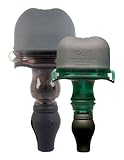
Overview: The Primos Hoochie Pack Call is a diaphragm call set designed to create authentic “herd talk”—the subtle social vocalizations that put elk at ease. As part of Primos’s trusted lineup, this pack emphasizes quality materials and proven designs tested in demanding hunting environments, offering an accessible entry into diaphragm calling.
What Makes It Stand Out: The “One for Each Hand” concept suggests using multiple calls simultaneously to produce complex, realistic herd conversations. This innovative approach allows hunters to mimic several elk at once, creating convincing scenarios that draw in curious animals. Primos’s reputation for rigorous testing ensures these calls perform reliably during critical moments.
Value for Money: Positioned as an affordable entry point into quality diaphragm calling, the Hoochie Pack offers multiple calls at a budget-friendly price. While basic in features compared to premium options, it provides essential tools for learning diaphragm control without significant financial risk, making it ideal for experimentation.
Strengths and Weaknesses: Pros include trusted brand quality, affordable price, lightweight design, and unique dual-call technique potential. However, the vague marketing lacks specific technical details about latex thickness or frame design. The calls may require more practice than premium options to achieve consistent results, and long-term durability could be a concern with heavy use.
Bottom Line: The Hoochie Pack is an excellent starting point for hunters exploring diaphragm calls. While not as refined as high-end options, it offers a cost-effective way to add herd talk to your calling arsenal, especially for those willing to invest practice time.
5. Phelps Game Calls AMP Diaphragms Elk Call - Complete Vocalization Collections for Cow Calls, Bull Bugles, and All Skill Levels, Signature

Overview: The Phelps AMP Diaphragm series represents the most comprehensive elk calling system available, offering six distinct collections tailored to every skill level and hunting scenario. From beginner-friendly models to world-champion competitive calls, the AMP line covers the complete spectrum of elk vocalizations with scientific precision, making it the ultimate toolkit for serious hunters.
What Makes It Stand Out: The specialized latex technology—varying from ultra-thin for subtle calf calls to tight-stretch for thunderous bugles—demonstrates unmatched engineering. The proven AMP frame ensures consistent performance across all collections, while the six-tiered system (Beginner, All-American, Mini AMP, Signature, Thrill Pack, Pitch Black) allows hunters to select calls perfectly matched to their abilities and specific hunting needs.
Value for Money: While individual calls are priced competitively, the real value lies in the system’s scalability. Hunters can progress through skill levels without switching brands, and the targeted designs eliminate wasted money on inappropriate calls. The durable latex extends service life beyond standard diaphragms, reducing replacement frequency and long-term costs.
Strengths and Weaknesses: Pros include unparalleled vocalization range, skill-appropriate options, premium latex durability, and proven frame design. The extensive selection, while beneficial, may overwhelm newcomers unsure which collection to choose. All diaphragms share the inherent learning curve that challenges beginners and requires dedicated practice.
Bottom Line: For serious elk hunters committed to mastering diaphragm calls, the AMP series is the definitive choice. The Signature collection hits the sweet spot for most hunters, offering proven favorites that deliver consistent, realistic results across all calling situations.
6. Hunters Specialties Carlton’s Calls Series Squeeze Me Elk Call, Hunting Accessories Easy-to-Use Realistic Sounds of Female Elk-in-Rut Game Call

Overview: Despite its “Elk Call” title, this product actually replicates blacktail buck vocalizations, making it a deer call rather than an elk call. The squeeze-style design features a maple-wood barrel and flexible rubber tube, allowing hunters to produce everything from soft grunts to aggressive mature buck challenges. The etched blacktail buck logo adds a professional aesthetic to this versatile hunting tool.
What Makes It Stand Out: The maple-wood barrel produces exceptionally clean, resonant tones that synthetic calls simply cannot match. The flared rubber tube offers unparalleled control over direction, volume, and tone—simply flex or cup your hand to mimic natural deer movements. This tactile control system creates maximum realism, allowing you to adapt your calling strategy instantly based on animal response and wind conditions.
Value for Money: Priced competitively with mid-range deer calls, the durable maple construction ensures seasons of reliable performance. The included lanyard adds practical value, keeping the call accessible during critical moments. While specialized elk hunters may be confused by the title, deer hunters receive a premium-quality call that outperforms many higher-priced alternatives in tonal authenticity.
Strengths and Weaknesses:
- Strengths: Superior natural wood tone quality; excellent tactile control via rubber tube; durable construction for harsh conditions; versatile sound range; secure lanyard included.
- Weaknesses: Product title incorrectly labels it as elk call (actually for blacktail deer); maple wood requires occasional maintenance; learning curve for tube manipulation.
Bottom Line: An excellent deer call for blacktail hunters who prioritize sound authenticity and hands-on control. Just ignore the confusing product title—this is a buck grunt tool that delivers professional-grade performance in the field.
7. Slayer Harem Elk Call – Hands-Free External Cow Call with High-Pitched Nasal Whine for Herd Simulation | Bite-Blow Simplicity, Consistent Cow Sounds, Durable, Made in USA

Overview: The Slayer Harem Elk Call revolutionizes elk hunting with its innovative bite-blow design that delivers authentic high-pitched cow whines while keeping your hands completely free. This external call specializes in nasal, drawn-out cow vocalizations perfect for simulating a full herd and attracting dominant bulls. Its rugged construction ensures reliability across extreme mountain conditions.
What Makes It Stand Out: The hands-free operation is a game-changer for mobile hunters navigating timber or preparing for the shot. Unlike traditional mouth calls requiring manual positioning, you simply bite and blow for consistent, repeatable tones. The high-pitched nasal whine perfectly mimics receptive cows, creating realistic herd dynamics that fool pressured bulls. Being Made in USA guarantees precision manufacturing and quality control.
Value for Money: This call sits in the premium tier, but the American craftsmanship and innovative design justify the investment. The durability ensures it won’t fail during backcountry hunts where gear replacement is impossible. For hunters who value mobility and consistent performance under pressure, the price reflects legitimate engineering advantages over basic cow calls.
Strengths and Weaknesses:
- Strengths: True hands-free operation; consistent sound production; realistic high-pitched whine; rugged all-weather construction; American-made quality.
- Weaknesses: Limited to cow vocalizations (no bugles); requires practice to master bite pressure; higher price point than simple open-reed calls.
Bottom Line: Ideal for spot-and-stalk elk hunters who need to call while drawing or repositioning. The hands-free design and consistent performance make it worth every penny for serious mountain hunters.
8. Hunters Specialties Carlton’s Calls Alumni Pack Aluminum Frame Elk Diaphragm Call (4 Pack)

Overview: This comprehensive 4-pack diaphragm call system from Wayne Carlton covers the entire elk vocalization spectrum through a color-coded identification system. The set includes single, double, and triple reed options plus a dedicated cow/calf call, all constructed with moisture-resistant Infinity Latex. Each aluminum frame is customizable for personalized palate fit.
What Makes It Stand Out: The color-coding eliminates guesswork during intense hunting situations—quickly grab the right call without fumbling. The Infinity Latex material maintains tonal quality even when wet, solving a common diaphragm call failure point. The customizable aluminum frames allow you to mold each call to your mouth structure, creating better control and more authentic sounds than standard frames.
Value for Money: Purchasing four specialized calls separately would cost significantly more than this bundled pack. The included durable plastic case protects your investment and keeps calls organized in the field. For hunters building their diaphragm collection, this pack delivers professional-grade tools at an entry-level price point.
Strengths and Weaknesses:
- Strengths: Complete vocalization coverage; innovative color-coding system; moisture-resistant latex; customizable frames; protective case included.
- Weaknesses: Steep learning curve for diaphragm beginners; aluminum frames require careful molding; multiple options may overwhelm new hunters.
Bottom Line: A must-have for serious elk hunters wanting professional diaphragm versatility. The color-coding and moisture resistance provide tangible advantages that justify upgrading from single-call setups.
9. Primos Hunting Baby Hoochie Mama Call
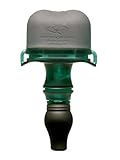
Overview: The Primos Baby Hoochie Mama simplifies elk calling with its one-handed operation and specialized design for reproducing the distinctive sliding note of cow and calf elk. This compact call focuses on the most commonly needed elk vocalizations with foolproof ease. As a trusted American-made product from Primos, it delivers reliability without complexity.
What Makes It Stand Out: The effortless one-handed design lets you call while glassing, ranging, or handling your weapon—no complicated hand positioning required. The call excels at producing the subtle sliding notes that young cows and calves make, which often brings in bulls searching for receptive herd members. Its simplicity makes it ideal for beginners while still producing sounds authentic enough for seasoned hunters.
Value for Money: Positioned as an affordable, entry-to-mid-level call, the Baby Hoochie Mama delivers exceptional bang for your buck. The high-quality construction ensures longevity despite its simple design. For hunters who don’t want to invest in complex diaphragm systems, this single call covers 80% of elk hunting scenarios at a fraction of the cost.
Strengths and Weaknesses:
- Strengths: Extremely easy to master; quality materials and construction; one-handed operation; realistic sliding notes; affordable price point.
- Weaknesses: Limited to cow/calf sounds (no bull bugles); less versatile than multi-call systems; serious callers may outgrow its capabilities.
Bottom Line: Perfect for new elk hunters or as a reliable backup for experienced callers. The Baby Hoochie Mama proves that simplicity and effectiveness can coexist at an unbeatable value.
10. Rocky Mountain Hunting Calls C6-S Complete Calling System: Diaphragm Elk Call, Open Reed Cow Call, and Bully Bull Extreme Grunt Tube with Gore Optifade Concealment Subalpine
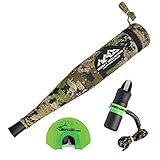
Overview: The C6-S Complete Calling System is a professional-grade, three-in-one solution designed by RMEF World Champion callers Rockie and Corey Jacobsen. This comprehensive kit includes a diaphragm call, open-reed cow call, and the Bully Bull Extreme grunt tube, all featuring Gore Optifade Subalpine camouflage. The system creates optimal back pressure for realistic octave changes.
What Makes It Stand Out: Designed by world champions, each component is engineered for seamless integration—the grunt tube’s “Tube Tamer” technology ensures even airflow and superior sound quality. The Gore Optifade pattern provides advanced concealment while the camo cover and lanyard keep gear organized. The 21 3/8" length and 1 1/2" mouth opening are optimized for both projection and subtle close-range work.
Value for Money: While priced at the premium end, buying these three professional components separately would cost 30-40% more. You’re getting championship-level tools that work together as a system rather than piecing together mismatched calls. For dedicated elk hunters, this investment eliminates guesswork and provides everything needed for any calling scenario.
Strengths and Weaknesses:
- Strengths: Complete integrated system; champion-designed acoustics; Gore Optifade concealment; Tube Tamer technology; quality lanyard and cover included.
- Weaknesses: Higher price point; diaphragm requires practice; bulkier than single-call solutions; may be overkill for casual hunters.
Bottom Line: The ultimate turnkey solution for serious elk hunters wanting professional-grade gear. The championship pedigree and integrated design justify the premium price for those pursuing elk annually.
Understanding Premium Elk Calls
What Separates Premium from Standard Calls
Premium elk calls distinguish themselves through superior materials, precision engineering, and exceptional sound authenticity. While budget calls might produce a basic cow mew or bugle, premium options offer a full spectrum of vocalizations with remarkable realism. The reed systems in top-tier calls use medical-grade latex or specialized polymers that maintain consistent tension across temperature extremes. This consistency proves crucial when you’re calling at sunrise in freezing temperatures and continuing through a warm afternoon.
The craftsmanship extends to every component—from the tone board geometry that controls airflow to the mouthpiece ergonomics that reduce fatigue during all-day calling sessions. Premium calls also undergo rigorous testing and quality control, ensuring each unit performs identically to the next. This reliability means you can trust your equipment when that once-in-a-lifetime bull steps into view.
The Investment Mindset for Serious Hunters
Serious hunters view premium elk calls as essential tools rather than optional accessories. The investment philosophy centers on performance per dollar over multiple seasons. A well-constructed call that lasts five to ten years represents better value than replacing cheap calls annually. More importantly, the confidence gained from using proven, reliable equipment translates into more aggressive and effective calling strategies.
Consider the total cost of your hunting trip—tags, travel, gear, and precious time off work. Skimping on the one tool that directly communicates with your quarry seems counterproductive when viewed through this lens. Premium calls also retain resale value, often commanding 60-70% of their original price on secondary markets if well-maintained.
Types of Premium Elk Calls
Diaphragm Mouth Calls
Diaphragm calls represent the most versatile and portable option in any serious hunter’s arsenal. Premium mouth calls feature multiple reed configurations that allow seamless transitions between cow chirps, mews, estrus whines, and calf calls without changing equipment. The best models use stretch-resistant latex that maintains pitch consistency even after months of use.
The frame design significantly impacts performance—titanium or surgical steel frames provide optimal stiffness while remaining lightweight. Some advanced models incorporate angled reed placement that reduces the learning curve while expanding the range of achievable sounds. The mouthpiece should feel comfortable for extended wear, with rounded edges that prevent gum irritation during marathon calling sessions.
External Reed Calls
External reed calls, often called “handheld” or “squeeze” calls, excel in situations requiring loud, aggressive calling. Premium versions feature adjustable reed systems that let you modulate volume and pitch by varying hand pressure. The barrel construction plays a crucial role in sound quality—cedar and other resonant woods produce warmer, more natural tones than synthetic materials.
Look for models with replaceable reed kits and weather-resistant finishes. The best external calls include ergonomic grips that prevent hand fatigue during repeated bugle sequences. Some innovative designs incorporate dual-reed systems that automatically produce authentic-sounding chuckles and grunts without requiring advanced calling techniques.
Bugle Tubes
Bugle tubes amplify and direct sound across vast distances, essential for locating bulls in open terrain. Premium bugle tubes feature tapered designs that create natural overtones and eliminate the “nasal” quality of cheaper tubes. The mouthpiece should create an airtight seal while allowing quick transitions between calls.
Advanced models use modular designs with interchangeable mouthpieces and tone modifiers. These let you customize the sound profile based on wind conditions and terrain. Some tubes incorporate internal baffles that create realistic growls and chuckles when used with specific mouth calls. The durability of the tube material matters—high-impact polymers withstand drops and weather better than basic plastics.
Electronic Call Systems
While controversial in some hunting circles, electronic calls have evolved into sophisticated tools for serious hunters. Premium electronic systems offer programmable sequences, remote operation, and studio-recorded sounds from real elk. The best units feature directional speakers that project sound naturally and prevent the “speaker box” effect that alerts wary bulls.
Battery life becomes a critical consideration—top-tier systems run for 20+ hours on a single charge. Weatherproofing should meet IPX standards for reliable operation in rain and snow. The interface must be intuitive enough for silent operation in the dark while wearing gloves. Some advanced models integrate with smartphone apps for sound customization and firmware updates.
Hybrid Call Designs
Hybrid calls combine multiple technologies into single units, offering unprecedented versatility. These might pair a diaphragm mouthpiece with an integrated bugle tube or combine mechanical reed systems with electronic amplification. Premium hybrids maintain the authentic feel of traditional calls while expanding your sonic capabilities.
The engineering challenge lies in preventing sound quality compromise when merging systems. High-end hybrids use isolation chambers and precision-machined components to ensure each element performs optimally. These calls often include quick-detach systems that let you strip down to a simpler configuration when situations demand stealth over versatility.
Key Features That Define Quality
Material Construction and Durability
Premium elk calls employ materials selected for acoustic properties and longevity. Titanium frames resist corrosion and maintain perfect shape despite temperature fluctuations. Medical-grade silicone mouthpieces remain pliable in sub-zero conditions without absorbing odors or bacteria. For bugle tubes, polycarbonate blends offer the resonance of traditional materials with enhanced impact resistance.
The assembly quality proves equally important—precision machining ensures airtight seals at all connection points. Premium calls use stainless steel fasteners instead of plastic clips that break in cold weather. The finish should resist scratching and UV degradation, maintaining both appearance and function after seasons of abuse in harsh environments.
Reed Systems and Tone Boards
The heart of any call lies in its reed and tone board configuration. Premium calls use reed material thicknesses calibrated to specific frequencies, creating authentic elk vocalizations rather than generic animal sounds. Multi-reed setups with varying tensions allow complex noises like estrus screams with built-in inflections.
Tone board geometry controls airflow dynamics, preventing the squeals and uncontrolled notes that spook elk. Advanced designs incorporate venting systems that stabilize reed vibration across different air pressures. Some premium calls feature interchangeable reed kits that let you adapt to different hunting phases—thicker reeds for aggressive early-season bugling, thinner ones for subtle late-season cow talk.
Ergonomics and Mouth Feel
A call you can’t use comfortably becomes dead weight in your pack. Premium mouth calls contour to your palate shape, with frames that distribute pressure evenly across your mouth. This design prevents the “gag reflex” common with flat, cheap diaphragms and allows hours of continuous use without jaw fatigue.
External calls should fit naturally in your hand, with controls positioned for intuitive operation without looking. The texture matters—soft-touch coatings provide grip in wet conditions while remaining quiet when contacting other gear. Weight balance affects handling; the best calls feel substantial but not heavy, inspiring confidence during critical moments.
Sound Authenticity and Range
The ultimate measure of any elk call lies in its ability to fool experienced bulls. Premium calls produce the subtle overtones, inflections, and harmonic complexity of real elk vocalizations. This authenticity stems from extensive field testing and sound analysis using professional recording equipment.
Sound projection varies by design—some calls prioritize volume for locating bulls across canyons, while others focus on subtlety for close encounters. The best premium calls achieve both through adjustable systems. Listen for calls that maintain tone quality across their entire volume range, from whisper-soft mews to full-throated challenge bugles that carry over a mile.
Matching Calls to Hunting Styles
Spot-and-Stalk Applications
When spot-and-stalk hunting, your calls must project across open terrain while remaining portable. Lightweight bugle tubes paired with compact diaphragm calls excel here. Look for systems that assemble quickly and operate silently—fumbling with gear during a stalk wastes precious seconds and creates unnatural noise.
Calls for this style should emphasize locating bugles and estrus cow sounds that trigger bulls to reveal their position. The ability to produce loud, clear notes without excessive air expenditure matters when you’re calling at elevation. Premium calls designed for mountain hunting often feature enhanced projection without requiring lung-busting air pressure.
Setup and Ambush Strategies
Ambush hunting demands calls that perform consistently from a stationary position. Here, versatility trumps raw power—you need to produce everything from subtle contact calls to aggressive herd bull challenges. Multi-reed diaphragm calls with interchangeable setups give you the flexibility to adapt as the situation evolves.
Calls should remain comfortable during extended periods of intermittent use. External calls with volume control let you start soft and build intensity, mimicking natural elk behavior that draws bulls in confidently. The best premium calls for ambush setups include features that prevent moisture buildup during long sits in damp conditions.
Calling in Dense Timber
Thick timber requires calls that cut through background noise without sounding unnatural. The acoustic properties of forest environments absorb high frequencies while amplifying mid-range tones. Premium calls engineered for timber hunting emphasize these frequencies, ensuring your calls reach intended ears without distortion.
Compactness becomes crucial when maneuvering through brush. Diaphragm calls worn continuously allow instant response when a bull fires up nearby. Some premium external calls feature shortened barrels that produce full-bodied sounds despite their reduced size. The ability to control volume precisely helps prevent overwhelming the close-quarters acoustics of dense forest.
Open Country Bugling
Open terrain demands maximum range and clarity. Premium bugle tubes with flared ends project sound across canyons while maintaining authentic tone quality. Look for systems that accept various mouth calls, letting you switch between cow and bull vocalizations without changing tubes.
Wind poses the greatest challenge in open country. Calls with focused projection patterns cut through crosswinds more effectively than omnidirectional designs. Some premium bugle tubes include wind guards or directional baffles that maintain sound integrity in gusty conditions. The ability to produce location bugles with natural decay—the way real bugles fade across distance—proves invaluable for convincing distant bulls to respond.
Advanced Calling Techniques
Mastering the Challenge Call
The challenge bugle separates casual callers from serious hunters. This aggressive sequence tells a dominant bull you’re a rival encroaching on his territory. Premium calls enable the subtle growls, chuckles, and gutteral grunts that make challenges authentic. The key lies in controlling air pressure to create the characteristic wavering quality of an agitated bull.
Practice the “breathing” technique—short, controlled exhales that pulse the sound naturally. High-end calls with responsive reed systems translate these subtle pressure changes into convincing vocalizations. The challenge call should build in intensity, starting with a locator bugle, adding growls, then finishing with a series of aggressive chuckles that dare the herd bull to respond.
Perfecting the Estrous Cow Sound
The estrous whine triggers the breeding instinct in mature bulls like no other sound. This complex vocalization requires calls capable of producing extended, wavering notes with built-in inflections. Premium multi-reed diaphragm calls excel here, allowing you to bend notes by shifting tongue pressure while maintaining the call’s seal.
The sequence typically starts with a few soft mews, building to a drawn-out, quavering scream that rises and falls in pitch. Authentic estrous calls include subtle “whimpers” at the end of each phrase. Quality calls reproduce these details without requiring advanced techniques, though mastering the nuances still demands practice. The best premium calls provide the acoustic headroom to develop your skills over seasons.
Subtle Contact and Location Bugles
Not every situation calls for aggression. Subtle location bugles help you communicate with bulls without triggering their defense mechanisms. Premium calls shine in these finesse situations, producing soft, melodic notes that sound like a satellite bull checking location rather than challenging for dominance.
The “nervous bull” call—a short, slightly wavering bugle followed by a soft chuckle—works wonders on call-shy animals. This requires calls with exceptional low-volume control, where reed systems respond to minimal air pressure without squeaking or losing tone. Practice these calls with your premium gear at home, focusing on consistency across the entire dynamic range.
Maintenance and Longevity
Cleaning and Sanitization
Premium calls require proper care to maintain performance and hygiene. Mouth calls accumulate bacteria and oils that degrade reeds and affect sound quality. Rinse diaphragm calls in warm water after each use, occasionally using mild soap designed for hunting gear. Avoid alcohol-based cleaners that dry out latex reeds.
Bugle tubes need interior cleaning to remove moisture and debris that dampen resonance. A soft cloth attached to a flexible rod works perfectly. External calls require disassembly for thorough cleaning—premium models design this process to be tool-free and intuitive. Always air-dry calls completely before storage to prevent mold and material degradation.
Reed Replacement and Tuning
Even the best reeds wear out eventually. Premium calls feature replaceable reed systems that extend the tool’s lifespan significantly. Learn to identify when reeds need replacement—loss of pitch stability, reduced volume, or visible stretching indicate it’s time. Quality replacement kits include multiple reed thicknesses, letting you customize the call’s response.
Tuning involves adjusting reed tension against the tone board. This process requires patience and a delicate touch. Premium calls include detailed tuning instructions and often provide factory-set baseline configurations. Some advanced models feature tool-free adjustment screws that let you fine-tune tension in the field based on temperature and humidity conditions.
Storage Between Seasons
Proper off-season storage preserves your investment. Store diaphragm calls flat in a cool, dry place away from UV light. Avoid leaving them in vehicles where temperature extremes degrade materials. Premium calls often include protective cases that maintain proper shape and prevent dust accumulation.
For bugle tubes and external calls, disassemble completely and store components separately to prevent compression set in seals and gaskets. A light coating of silicone-free protectant on metal parts prevents corrosion. Many serious hunters create dedicated call kits with desiccant packs that absorb moisture during storage, ensuring equipment remains pristine for opening day.
Budget Considerations
Understanding Price Tiers
Premium elk calls typically range from $30 to $150 per unit, with complete systems costing more. Entry-level premium calls ($30-50) offer significant upgrades over budget options in materials and consistency. Mid-tier premium ($50-80) introduces advanced features like interchangeable reeds and ergonomic designs. Top-tier calls ($80-150) represent the pinnacle of engineering with customization options and exotic materials.
Electronic systems command higher prices, from $200 to $500, but offer unparalleled versatility. When evaluating cost, consider the call’s lifespan. A $100 diaphragm that lasts five seasons costs less per year than replacing $20 calls annually. The performance advantage during critical encounters justifies the initial investment for serious hunters.
When to Invest vs. When to Save
Focus your investment on calls matching your primary hunting style. If you primarily bugle, allocate budget toward a premium bugle tube and mouth call combo. For cow-calling specialists, invest in multi-reed diaphragm systems. Save money on backup calls and practice units that don’t see field use.
Consider purchasing premium calls during off-season sales when prices drop 20-30%. Many manufacturers offer “pro packs” with multiple reed setups at discounted rates. Building your collection gradually allows you to spread costs while developing skills with each new tool. Remember: one premium call you master beats a box of mediocre calls you use inconsistently.
Frequently Asked Questions
How long does it take to become proficient with a premium elk call?
Most hunters can produce basic cow mews within a few practice sessions, but mastering the full range of vocalizations typically requires a full season of dedicated practice. The nuanced sounds like estrus whines and challenge bugles may take two to three seasons to perfect. Premium calls reduce this learning curve through superior responsiveness, but consistent practice remains essential.
Can premium elk calls be used effectively by beginners?
Absolutely. While premium calls reward advanced techniques, their superior construction actually makes basic sounds easier to produce consistently. The responsive reed systems and ergonomic designs help beginners achieve authentic tones faster than struggling with unforgiving budget calls. Starting with quality equipment prevents developing bad habits compensating for poor tool performance.
How do I choose between a diaphragm and external call?
Diaphragm calls offer hands-free operation and superior versatility, making them ideal for most situations. External calls provide louder volume with less effort, beneficial for locating bulls across canyons. Serious hunters eventually carry both, using diaphragms for close work and externals for long-distance communication. Your physical condition matters—diaphragms require more practice but offer finer control.
What maintenance is required for elk calls in extreme weather?
Cold weather stiffens reeds, requiring you to warm calls against your body before use. Premium calls with weather-resistant materials minimize this effect. In rain, keep diaphragm calls in a sealed container until needed, and wipe external calls dry after each use. Hot, dry conditions can shrink reeds—store calls in climate-controlled environments and check tuning before hunts.
How many different calls should a serious hunter carry?
Most experienced hunters carry three to five premium calls: a versatile diaphragm for general use, a specialized cow call for estrus sounds, an aggressive bugling setup, and a subtle contact call for pressured elk. Redundancy matters—carry duplicates of your primary call in case of loss or damage. The total weight is negligible compared to the tactical advantages.
Do premium calls really make a difference with call-shy elk?
Significantly. Mature, pressured bulls have heard every cheap call on the market and recognize artificial patterns. Premium calls produce the subtle overtones, inflections, and harmonic complexity that convinces educated elk they’re hearing the real thing. The difference is especially noticeable with subtle contact calls where any unnatural quality stands out.
When should I replace the reeds in my diaphragm call?
Replace reeds when you notice pitch instability, reduced volume, or visible stretching and wear. For frequent hunters, this typically means annually. Occasional hunters might get two to three seasons per reed set. Always replace reeds before opening day rather than discovering problems in the field. Keep spare reed kits in your pack for emergency repairs.
Are electronic elk calls worth the investment for archery hunters?
For archery hunters who need to draw bulls into close range, electronic calls offer unmatched consistency and realism. The ability to play pre-programmed sequences with perfect timing and inflection provides an advantage over manual calling during critical moments. However, check local regulations—some areas restrict electronic use. Many archers use electronics as backup to traditional calls.
How do I test an elk call before purchasing?
Whenever possible, test calls in person. Bring a recording of real elk vocalizations to compare tones. Check that the call produces clean sounds across its entire volume range. Assess comfort—mouth calls should fit your palate without gagging; external calls should feel natural in hand. Ask about return policies; reputable manufacturers allow trial periods. Online purchases should include sound samples and detailed specifications.
Can I use the same premium call for both elk and deer?
While some diaphragm calls can produce deer vocalizations, dedicated species-specific calls perform better. Elk calls are engineered for lower frequencies and longer air columns suitable for elk anatomy. Using them for deer often produces unnatural sounds. However, certain premium external calls with adjustable reed systems can cross over effectively. Invest in dedicated calls for each species you seriously pursue.
Related Buying Guides
- 10 Premium Sleeping Bags for Serious Hunters (Worth the Investment)
- 10 Premium Cellular Trail Cameras for Hunters (Worth the Investment)
- 10 Premium Combat Knives for Hunters (Worth the Investment)
- 10 Premium Hunting Trail Cameras for Serious Trophy Hunters (Worth the Investment)
- 10 Premium Hunting Boots for Serious Hunters (Worth the Investment)