Table of Contents
The satisfying click of a perfectly cocked crossbow is music to any serious hunter’s ears, but that harmony often comes at the cost of significant physical effort. Premium crossbow cranks have revolutionized the hunting landscape, transforming what was once a strenuous, potentially inconsistent process into a smooth, repeatable motion that preserves your energy for the moment that truly matters. These sophisticated mechanical assistants represent far more than mere convenience—they’re precision instruments that can dramatically extend your effective hunting time while maintaining the exact same draw tension shot after shot.
When you’re perched in a tree stand for hours or stalking through challenging terrain, the last thing you want is fatigue compromising your ability to cock your weapon safely and accurately. High-end crank systems eliminate this concern entirely, reducing draw weights by up to 90% through intelligent gear ratios and robust construction. The investment in a premium model pays dividends not just in comfort, but in consistency, safety, and ultimately, success in the field. Understanding what separates exceptional cranks from basic models will help you make an informed decision that enhances your archery experience for years to come.
Top 10 Crossbow Cranks
Detailed Product Reviews
1. CenterPoint Power Draw Crossbow Crank - Reduces Draw Weight 70% with MIL-SPEC Buffer Tube Mount

Overview: The CenterPoint Power Draw Crossbow Crank is engineered specifically for CenterPoint crossbows equipped with MIL-SPEC buffer tubes, including the Amped 425 and Sniper Elite 385. This crank mechanism reduces draw weight by a substantial 70%, transforming a strenuous cocking process into a manageable task. Its integrated mounting system clips securely onto the buffer tube without requiring permanent modifications, while the compact design allows for easy storage in your gear bag between hunts.
What Makes It Stand Out: Unlike universal cranks that rely on adjustable clamps, the MIL-SPEC buffer tube integration creates a rock-solid connection that eliminates wobble during operation. The design is genuinely ambidextrous from the start—no adapter kits or reconfiguration needed for left-handed users. CenterPoint’s emphasis on heavy-duty materials ensures the unit withstands repeated field use without degradation, maintaining consistent performance season after season.
Value for Money: As a brand-specific accessory, it commands a modest premium over universal alternatives but delivers peace of mind through guaranteed compatibility. The 70% reduction represents a significant improvement over manual cocking, though it falls short of the 90%+ reductions offered by some competitors. For CenterPoint owners, the tool-free installation and OEM backing make it a worthwhile investment.
Strengths and Weaknesses:
- Pros: Seamless MIL-SPEC mounting, truly ambidextrous operation, durable construction, portable design, no permanent modifications required
- Cons: Restricted to specific CenterPoint models, 70% reduction less impressive than competing cranks, lacks noise suppression technology, premium pricing for limited compatibility
Bottom Line: A reliable, purpose-built solution for compatible CenterPoint crossbows that prioritizes durability and ease of use over maximum weight reduction.
2. Upgraded Crossbow Crank Cocking Device Compatible With Barnett Series Crossbow,Bar20020 Crank Cocking Device 94% Less Cocking Resistance, Universal Crossbow Crank Cocking Device Black,Easy Winding

Overview: This upgraded Bar20020 crank cocking device offers universal compatibility across an extensive range of Barnett crossbows, delivering a remarkable 94% reduction in cocking resistance. Constructed with metal crank arms and high-strength rope, it transforms the stringing process through leveraged mechanical advantage. The device attaches securely to the stock, making it accessible for hunters who struggle with manual cocking.
What Makes It Stand Out: The sheer breadth of compatibility covers dozens of Barnett models from the Raptor series to Ghost and Whitetail Hunter lines. Its mechanical design utilizes pulley principles to achieve near-effortless operation, while corrosion-resistant materials ensure reliability in harsh outdoor conditions. The frosted handle surface enhances grip security even in wet weather.
Value for Money: As a third-party alternative to Barnett’s OEM crank, it typically costs 20-30% less while delivering comparable performance. The 94% reduction rivals premium options, making it an exceptional value for owners of older or discontinued Barnett models that lack official support. The investment pays dividends in reduced fatigue and extended hunting sessions.
Strengths and Weaknesses:
- Pros: Massive 94% resistance reduction, extensive model compatibility, durable metal construction, corrosion-resistant finish, affordable pricing
- Cons: Generic brand may offer limited warranty support, installation complexity varies by model, not officially endorsed by Barnett, instructions may lack detail
Bottom Line: An outstanding aftermarket solution for Barnett owners seeking maximum cocking assistance without the OEM price premium.
3. SZRLDZSW BAR20020 Crank Cocking Device for Barnett Series Crossbow, Ambidextrous, Reduce Cocking Resistance 93%, Hunting Made Easy,Hunting Essentials Auxiliary Drawing Device
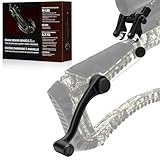
Overview: The SZRLDZSW BAR20020 crank cocking device targets Barnett crossbow owners with a promise of 93% cocking resistance reduction, requiring merely 13 pounds of force to operate. This ambidextrous unit emphasizes hunting efficiency, allowing both left and right-handed users to cock quickly without additional parts. The complete mounting hardware enables straightforward stock attachment for immediate field readiness.
What Makes It Stand Out: The minimal 13-pound operational force makes this exceptionally accessible for youth, female, or physically limited hunters. Its quick-setup design prioritizes hunt-day efficiency, reducing preparation time when opportunities arise unexpectedly. Beyond raw power reduction, the manufacturer highlights improved shot consistency through precise string positioning—transforming it from a convenience tool to an accuracy enhancer.
Value for Money: Positioned competitively within the generic crank market, it offers strong value for hunters prioritizing ease of use. The 93% reduction matches premium tier performance at a mid-range price point. For those valuing setup speed and universal handedness, the slight premium over basic models is justified.
Strengths and Weaknesses:
- Pros: Extremely low operating force, true ambidextrous design, quick installation, improves shot consistency, comprehensive mounting hardware included
- Cons: Brand recognition and long-term reliability unproven, overlaps with similar Bar20020 models, limited unique features, customer support uncertain
Bottom Line: A hunter-focused crank that excels in accessibility and setup speed, ideal for those wanting effortless operation without complex adjustments.
4. Killer Instinct Compact DSC Crossbow Crank with Wide sled - Dead Silent Crank Cocking Device - Quick Attach/Detach Design
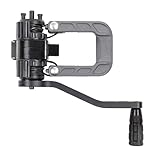
Overview: Killer Instinct’s Compact DSC crank addresses a critical hunting need: silent operation for wide-barrel Killer Instinct crossbows. Specifically designed for models like the LETHAL, FIERY, and BONE COLLECTOR 405, this aluminum crank employs proprietary Dead Silent technology to minimize cocking noise. The innovative speed connect socket system enables attachment and detachment in seconds, preserving the crossbow’s streamlined profile when not in use.
What Makes It Stand Out: The Dead Silent technology is genuinely innovative, using specialized gearing to eliminate the characteristic clicking and whirring that can spook game at close range. The rapid attach/detach mechanism is the fastest in its class, requiring no tools or threaded fasteners. Its lightweight aluminum construction adds minimal heft to your setup while maintaining exceptional durability under repeated use.
Value for Money: As a premium brand-specific accessory, it commands a higher price than generic alternatives but delivers unique stealth capabilities. For hunters pursuing wary game in tight quarters, the noise reduction alone justifies the cost. However, the limited compatibility restricts its overall value proposition to Killer Instinct owners only.
Strengths and Weaknesses:
- Pros: Whisper-quiet operation, lightning-fast attachment, lightweight yet durable, ambidextrous handle, no tools required
- Cons: Only fits Killer Instinct wide-barrel models, highest price point, unspecified reduction percentage, requires careful compatibility verification
Bottom Line: An essential upgrade for Killer Instinct hunters prioritizing stealth above all else, delivering unmatched silence and convenience.
5. Upgraded Bar20020 Crank Cocking Device Compatible with Barnett Crossbow Series, Reduces Cocking Effort by Approximately 95%, Ambidextrous Design in Black Finish

Overview: This upgraded Bar20020 variant claims the highest reduction rate in its class—approximately 95%—for an extensive range of Barnett crossbows. Engineered with alloy crank arms and high-strength cables tested to 480 pounds of tension, it targets users wanting maximum effort reduction. The high-gear-ratio design minimizes physical strain on shoulders and back during repeated cocking sessions, making it ideal for high-volume hunters.
What Makes It Stand Out: The 95% reduction claim edges out competitors, while the 480-pound tension test demonstrates serious durability credentials. The high-gear-ratio engineering specifically addresses user fatigue during extended hunting days. The ambidextrous design, combined with included installation tools and promised customer support, creates a complete user experience from purchase to field use.
Value for Money: Despite generic branding, the premium materials and extreme reduction rate position this as a value leader. It significantly undercuts OEM pricing while potentially exceeding performance specifications. For hunters cocking multiple times per outing, the fatigue reduction offers intangible value beyond the price tag.
Strengths and Weaknesses:
- Pros: Highest claimed reduction rate, exceptional durability testing, ergonomic high-gear design, comprehensive tool kit included, ambidextrous operation
- Cons: Generic manufacturer credibility uncertain, overlaps with similar Bar20020 products, warranty terms unclear, may be overkill for casual hunters
Bottom Line: The top choice for Barnett owners seeking maximum cocking ease and proven durability without paying premium OEM prices.
6. Killer Instinct Fuel 415 RDC Crossbow Kit 415 FPS 210 LB Draw Weight - Integrated RDC Crank with 5-Position Adjustable Stock and 4x32 Scope
Overview:
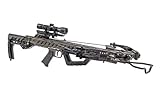
This complete crossbow package delivers 415 FPS velocity with a manageable 210-pound draw weight thanks to its integrated crank system. The kit includes everything needed to start hunting immediately: 4x32 scope, quiver, three HYPR LITE bolts, rope cocker backup, and rail lube. At just 7.35 pounds and 14.75 inches cocked width, it balances power with maneuverability in tight blinds and dense woods.
What Makes It Stand Out:
The integrated RDC crank system is the star feature, making the substantial 210-pound draw weight accessible to hunters of varying strength levels. The silent operation ensures you won’t spook game while cocking. The 5-position adjustable stock and fore-grip allow true customization for different body types and shooting preferences, a rarity in this price range that typically forces compromise.
Value for Money:
As a complete kit, this represents significant savings over purchasing components separately. Comparable crossbows with integrated cranks often cost $100-200 more. The inclusion of quality bolts and a decent scope eliminates immediate additional purchases, making it a true ready-to-hunt solution that doesn’t cut corners on essentials.
Strengths and Weaknesses:
Strengths include impressive speed, truly manageable cocking, compact design, and complete package readiness. Weaknesses: the 210-pound draw may still challenge some users even with the crank, and the integrated crank’s long-term durability under heavy use remains unproven. The trigger, while smooth at 3.5 pounds, could be lighter for precision shooting at longer ranges.
Bottom Line:
An excellent entry into high-performance crossbow hunting. The integrated crank system removes the biggest barrier to powerful crossbows, making it ideal for hunters who prioritize ease of use without sacrificing speed. Perfect for those transitioning from compound bows or hunters with shoulder issues.
7. wait wit Upgraded BAR20020 Crank Cocking Device Compatible with Barnett Crossbows - 93% Less Cocking Force, High-Strength Metal, Easy-Winding Crossbow Crank Design

Overview:
This aftermarket crank cocking device delivers professional-grade assistance for Barnett crossbow owners struggling with high draw weights. Engineered to reduce cocking effort by 93%, it transforms a 150-pound draw into a manageable 10.5-pound crank force. Constructed from reinforced alloy with anti-corrosion treatment, it’s built to withstand years of field use across dozens of compatible Barnett models from youth to flagship hunters.
What Makes It Stand Out:
Extreme durability distinguishes this device—480-pound rated cord and metal construction ensure longevity where plastic competitors fail. The ergonomic, textured grip accommodates both left and right-handed users comfortably. Its compatibility list is exhaustive, covering virtually every modern Barnett compound crossbow, eliminating guesswork for multi-bow owners seeking one solution.
Value for Money:
Positioned as a premium aftermarket option, it costs slightly more than basic plastic cranks but significantly less than replacing a worn bowstring or suffering an injury. The investment pays dividends in extended bowstring life and reduced fatigue during long hunting days. For high-volume shooters, the metal construction alone justifies the modest price premium over OEM plastic versions.
Strengths and Weaknesses:
Strengths include robust metal build, universal Barnett compatibility, ergonomic design, and proven 93% reduction rate. Weaknesses: the “wait wit” brand lacks Barnett’s name recognition, potentially causing warranty concerns. Some users report initial stiffness requiring break-in. Installation can be fiddly on older models with slightly different stock dimensions.
Bottom Line:
A worthy upgrade for serious Barnett shooters prioritizing durability over brand loyalty. If you shoot frequent practice sessions or hunt daily, this metal crank outlasts OEM plastic alternatives and justifies its price. Verify warranty implications before purchase, but performance-wise it’s a reliable workhorse.
8. Barnett Crank Cocking Device for Crossbow, Ambidextrous, Easy Installation, Reduce Cocking Resistance 93%, Explorer

Overview:
Barnett’s official crank cocking device designed specifically for their Explorer series crossbows delivers OEM reliability with a 93% reduction in cocking resistance. Weighing mere ounces, it attaches seamlessly to Explorer XP, Expedition XP, and DRT XP stocks without permanent modification. The hook-style mechanism engages the string securely, requiring only 13 pounds of force to cock even the most powerful Explorer models, making it accessible to youth and smaller-framed hunters.
What Makes It Stand Out:
As a factory-designed accessory, it guarantees perfect fit and function without compatibility guesswork. The ambidextrous crank handle adjusts for left or right-handed shooters in seconds—a feature often overlooked by third-party manufacturers. Installation requires just two screws and included hardware, making it truly plug-and-play for immediate field use without gunsmithing.
Value for Money:
Priced competitively with aftermarket options, you’re paying for Barnett engineering and warranty protection. Given that improper cocking causes most crossbow string failures, this device essentially pays for itself by preventing one premature string replacement. For Explorer owners, it’s an insurance policy that also enhances shooting enjoyment.
Strengths and Weaknesses:
Strengths include guaranteed compatibility, lightweight design, intuitive operation, and brand-backed reliability. Weaknesses: limited to Explorer series only, plastic construction may crack under extreme cold, and the hook mechanism can wear with heavy use requiring periodic inspection. The 13-pound force requirement, while low, could be lower compared to some premium metal cranks.
Bottom Line:
Explorer series owners should consider this mandatory equipment. It eliminates the physical barrier to enjoying your crossbow’s full potential while protecting your investment. The peace of mind alone justifies the purchase, and the perfect integration means zero compromise in performance or safety.
9. Barnett Crank Cocking Device for Crossbow, Ambidextrous, Easy Installation, Reduce Cocking Resistance by 93%, Standard - Hooks, Black

Overview:
Barnett’s standard hook-style crank cocking device serves as the universal solution for most non-Explorer Barnett crossbows. This versatile accessory reduces cocking effort by 93% across an extensive range of models, from entry-level Recruit series to premium Whitetail Pro and Razr platforms. The device integrates directly onto the stock, providing consistent, safe string engagement through durable hooks that have been refined over years of production.
What Makes It Stand Out:
The staggering compatibility list makes this Barnett’s most versatile cocking device, covering dozens of models across multiple generations. Like its Explorer sibling, it features ambidextrous operation and tool-free handle adjustment. The proven hook design has been refined over years, offering reliability that newer clamp-style mechanisms sometimes lack while being easier to inspect for wear.
Value for Money:
For owners of multiple Barnett crossbows, this single device may work across your entire collection, delivering exceptional value. It’s priced identically to model-specific cranks despite broader compatibility, essentially offering a free versatility upgrade. The standardization means easy replacement part availability and extensive user knowledge base for troubleshooting.
Strengths and Weaknesses:
Strengths include massive compatibility, lightweight design, proven track record, and brand reliability. Weaknesses: hooks require careful alignment to avoid string wear, plastic components can become brittle with age and UV exposure, and the universal fit means slightly more wobble than dedicated models. Some users find the crank handle slightly short for optimal leverage on highest draw weight models.
Bottom Line:
If you own a compatible Barnett crossbow, this is the most sensible purchase. It combines proven performance with unmatched compatibility, ensuring you can transfer it to future Barnett purchases. The standard hook design remains the industry reliability benchmark and offers the best long-term ownership experience.
10. Thiadrs Crank Cocking Device for Crossbows BAR20020 Compatible with Barnett Series Crossbows Right- and Left-Handed Use Reduces Cocking Resistance by Up to 93% High-Strength Metal Cranking Device

Overview:
The Thiadrs BAR20020 offers a robust metal alternative to Barnett’s OEM cocking devices, promising 93% effort reduction across an extensive Barnett compatibility list. Constructed with a high-strength metal crank arm and 460-pound rated cord, it targets users seeking enhanced durability over factory plastic components. The device attaches to most Barnett stocks using the same mounting points as OEM versions, enabling tool-free operation in the field.
What Makes It Stand Out:
The all-metal construction directly addresses the primary weakness of plastic cranks—longevity in harsh conditions. The manufacturer explicitly emphasizes bowstring protection, claiming reduced friction extends string life beyond what standard cranks offer. Its compatibility rivals Barnett’s own standard device, covering youth to flagship models while adding reinforced stress points where OEM devices typically fail.
Value for Money:
Priced slightly below Barnett’s official device, it positions itself as a cost-effective upgrade rather than a budget compromise. The metal components should theoretically outlast plastic alternatives, potentially saving replacement costs. For hunters in extreme climates, the temperature-resistant metal construction alone justifies the price difference and prevents mid-season failures.
Strengths and Weaknesses:
Strengths include durable metal build, extensive compatibility, string protection focus, and ambidextrous design. Weaknesses: third-party status may void warranty, quality control inconsistencies reported in early production runs, and it’s heavier than OEM versions affecting crossbow balance. Some users note the crank action feels less refined than Barnett’s smoother gearing ratio.
Bottom Line:
A compelling alternative for cost-conscious hunters prioritizing durability. If you’re hard on equipment or hunt in harsh conditions, the metal construction offers peace of mind. However, warranty-conscious buyers should verify compatibility and potential warranty implications with Barnett before purchasing. Performance justifies the risk for most practical users.
Understanding Crossbow Cocking Mechanisms
The Evolution from Manual to Mechanical
Crossbow cocking has journeyed from pure manpower to sophisticated engineering. Early hunters relied entirely on brute strength, often struggling with inconsistent string placement that compromised accuracy. The introduction of rope cocking devices marked the first major leap forward, but these still required considerable effort and proper technique. Modern premium crank systems represent the pinnacle of this evolution, utilizing precision-machined gears, sealed bearings, and ergonomic handles to make the process nearly effortless. This transformation hasn’t just made crossbows more accessible to hunters of all ages and physical capabilities—it’s fundamentally changed how we approach shot preparation in high-pressure situations.
How Crank Systems Transform Your Hunting Experience
Imagine spotting your target after hours of waiting, only to realize you’re too fatigued to cock your crossbow smoothly. Premium crank systems eliminate this scenario entirely. By reducing the perceived draw weight to a mere fraction of its actual poundage, these devices allow you to maintain peak readiness throughout your entire hunt. The mechanical advantage provided by quality gear systems means you can cock your bow silently, consistently, and without the upper body strain that traditionally accompanied the process. This preservation of energy becomes particularly crucial during multi-day hunting trips or when dealing with injuries that might otherwise sideline you completely.
Why Premium Cranks Justify Their Investment
Durability and Longevity Factors
Budget crank systems might save you money initially, but their components wear rapidly under repeated stress. Premium models utilize aircraft-grade aluminum, hardened steel gears, and reinforced polymer composites that withstand thousands of cocking cycles without degradation. The sealed bearing systems in high-end cranks resist dirt, moisture, and temperature extremes that would cause lesser models to bind or fail. When you’re miles from your vehicle or relying on your equipment for a once-in-a-lifetime shot, the confidence that comes with proven durability transcends price considerations.
Precision Engineering Benefits
Every fraction of an inch matters when cocking a crossbow. Premium crank systems employ machined gear teeth with exacting tolerances, ensuring the string pulls back with perfectly symmetrical force on both sides. This precision eliminates the subtle twisting that can occur with manual cocking or inferior mechanical systems. The result is consistent string alignment that translates directly to tighter groupings and more ethical shots. High-end models also incorporate anti-reverse mechanisms with micro-adjustable engagement points, preventing any slippage that could affect your draw length consistency.
Safety Enhancements Worth Paying For
Your fingers and hands deserve protection from the tremendous forces involved in cocking a crossbow. Premium crank systems feature integrated safety catches that automatically engage if you release the handle mid-draw, preventing dangerous snap-back. Ergonomic handles with non-slip grips ensure you maintain control even in wet, cold conditions. Many high-end models also include visual and tactile indicators that confirm full engagement before you can remove the crank, eliminating the risk of partial draws that could damage your bow or cause misfires.
Key Features to Evaluate in High-End Crank Systems
Gear Ratio and Mechanical Advantage
The gear ratio determines how much effort you’ll actually exert when cocking your crossbow. Premium systems typically offer ratios between 12:1 and 16:1, meaning a 200-pound draw weight feels like merely 12-17 pounds of handle pressure. However, the best systems balance this mechanical advantage with reasonable cocking speed—excessively high ratios might feel effortless but can become frustratingly slow in the field. Look for models that provide smooth rotation without requiring multiple revolutions to achieve full draw, as this indicates efficient gear design and quality bearings.
Build Materials and Construction Quality
Examine the materials list as if you’re shopping for a precision instrument—because you are. Top-tier cranks feature CNC-machined aluminum bodies with stainless steel hardware, carbon fiber reinforced components in high-stress areas, and glass-filled nylon for wear parts. These materials resist corrosion, maintain structural integrity in extreme temperatures, and provide the stiffness necessary for consistent performance. The handle itself should feel substantial, with sealed bearings that rotate smoothly without wobble or grittiness that indicates poor manufacturing tolerances.
Noise Dampening Technology
The last sound you want during final approach is the metallic clicking of your cocking mechanism. Premium cranks incorporate rubber-dampened gear housings, polymer washers between metal components, and silent engagement systems that minimize operational noise. Some advanced models feature magnetic handle retention that eliminates rattle when stowed, while others use sound-absorbing coatings on internal gears. This attention to acoustic detail ensures you can cock your bow without alerting nearby game, a critical consideration for close-range hunting scenarios.
Ambidextrous Design Considerations
Whether you’re left or right-handed shouldn’t limit your equipment choices. Quality crank systems accommodate both orientations through reversible handle mounting, symmetrical housing designs, or dual-sided engagement points. This flexibility proves invaluable when hunting from blinds or stands with limited space, allowing you to cock your bow comfortably regardless of your shooting position. Premium models make this transition tool-free, using quick-release pins or cam-lock systems that let you switch sides in seconds.
Integrated vs. Detachable Systems
Integrated crank systems become a permanent part of your crossbow, always ready and perfectly aligned. They add minimal weight and maintain your weapon’s balance profile. Detachable systems offer versatility, allowing you to remove the crank for transport or share it among multiple bows. Premium integrated units feature slim profiles that don’t snag on brush, while high-end detachable models include quick-mount bases that maintain zero even after repeated removal and reinstallation. Your choice depends on whether you prioritize seamless operation or multi-bow flexibility.
Compatibility Considerations
Crossbow Draw Weight Matching
Not all cranks handle all draw weights equally well. Premium systems clearly specify their effective range, typically accommodating crossbows from 150 to over 300 pounds of draw weight. The best models include adjustable clutch mechanisms that automatically adapt to different tension levels, ensuring consistent handle resistance throughout the cocking cycle. Attempting to use an under-rated crank on a heavy-draw crossbow risks gear stripping, handle failure, or inconsistent string alignment that could damage your bow or create safety hazards.
Model-Specific vs. Universal Fit
Some premium cranks are engineered for specific crossbow models, offering perfect integration and optimized performance. Others provide universal mounting systems with adjustable brackets and multiple attachment points. Model-specific designs guarantee flawless operation but limit your options when upgrading bows. Universal premium cranks include precision adjustment mechanisms that let you dial in perfect alignment across various rail widths and stock configurations, providing long-term value if you anticipate changing equipment.
Rail and Stock Integration Points
The interface between crank and crossbow demands rock-solid stability. High-end systems use multiple contact points, often engaging both the rail and stock to distribute forces evenly. Look for models with reinforced mounting plates, vibration-dampening washers, and torque-limiting hardware that prevents over-tightening. The best designs position the crank handle at a natural angle that doesn’t interfere with your scope or require awkward wrist positions during operation.
Installation and Setup Fundamentals
Professional vs. DIY Mounting
While premium crank systems include detailed instructions and necessary hardware, professional installation ensures optimal performance. Certified technicians possess specialized tools for verifying alignment and can test the system under controlled conditions before you head into the field. However, mechanically inclined hunters can achieve excellent results with careful attention to torque specifications and alignment verification. The key is taking your time—rushing installation often leads to misalignment that causes premature wear or inconsistent cocking.
Alignment and Calibration Essentials
Proper alignment means the string pulls straight back along the rail’s centerline without any lateral deviation. Premium cranks include micro-adjustment screws for fine-tuning engagement points. After installation, you must verify that the string catches the trigger mechanism at precisely the same point every time. This consistency ensures your crossbow’s advertised draw length and power stroke remain unchanged. High-end systems often include calibration tools or alignment jigs that simplify this critical process, while budget models leave you to eyeball it—a recipe for inconsistent performance.
Performance Benefits in Real-World Scenarios
Consistent Cocking for Accuracy
Accuracy in crossbow hunting stems from consistency, and nothing affects consistency more than how you cock your bow. Premium crank systems eliminate the variables introduced by fatigue, rushed technique, or uneven pulling force. Each draw positions the string at exactly the same point, ensuring your arrow leaves the rail with identical energy transfer. This repeatability translates directly to tighter groups at all ranges and more confidence when taking ethical shots at game. Hunters who switch to quality crank systems often report immediate improvements in their effective range and first-shot success rates.
Reduced Physical Strain During Long Hunts
Multi-day hunts or extended sits in cold weather sap strength from even the fittest archers. A premium crank system preserves your physical resources for the moments that matter. By reducing cocking effort by 85-95%, these devices minimize shoulder, back, and arm fatigue that can affect your shooting form. This conservation of energy proves especially valuable for older hunters, those recovering from injuries, or anyone hunting in extreme conditions where cold muscles perform less efficiently. The ability to cock your bow effortlessly after hours of stillness can mean the difference between a successful harvest and a missed opportunity.
Quick Follow-Up Shot Capabilities
While crossbows aren’t known for rapid follow-up shots, premium crank systems make them more feasible. The speed and ease of cocking mean you can prepare a second shot in a fraction of the time required with manual methods. Some advanced models feature rapid-retrieve systems that let you disengage the anti-reverse mechanism for quick string return when not firing. This capability, combined with quiet operation, gives you a realistic chance at a second arrow if your first shot requires it—something previously impractical with traditional cocking methods.
Maintenance and Care for Premium Systems
Routine Cleaning Protocols
Premium crank systems require minimal maintenance, but regular care ensures decades of reliable service. After each hunting trip, wipe down the entire assembly with a microfiber cloth to remove dust and moisture. Use compressed air to blow out debris from gear housings and around the handle mounting points. Avoid harsh solvents that can degrade seals or lubricants—instead, use manufacturer-recommended cleaning solutions designed for precision mechanical equipment. This simple routine prevents grit from wearing gear teeth and keeps bearings rotating smoothly.
Lubrication and Wear Point Inspection
Quality crank systems use sealed bearings that rarely need additional lubrication, but the gear interface benefits from periodic light oil application. Use only synthetic lubricants specified for high-load gear applications, applying a single drop to the gear teeth every 200-300 cocking cycles. Inspect wear points monthly during hunting season, checking for any loosening of mounting hardware, handle wobble, or changes in cocking resistance. Premium models include wear indicators or maintenance alerts that take guesswork out of service schedules. Replace any worn components immediately—quality systems offer individual part replacement, unlike disposable budget units.
Cost-Benefit Analysis Over Time
Initial Investment vs. Replacement Costs
A premium crank system might cost three to five times more than entry-level alternatives, but this upfront investment prevents recurring replacement expenses. Budget cranks typically fail within one to two seasons of regular use, requiring complete replacement. High-end models, properly maintained, function flawlessly for a decade or more. When you amortize the cost over their operational lifespan, premium systems often prove more economical. Additionally, the consistency they provide means fewer missed or wounded animals—an ethical consideration with tangible value to conscientious hunters.
Resale Value Retention
Quality hunting equipment holds its value remarkably well, and premium crossbow cranks are no exception. A well-maintained high-end crank system retains 60-70% of its original value after several years of use, while budget models have virtually no resale market. When you upgrade your crossbow, a premium detachable crank transfers to your new setup, preserving your investment. Model-specific premium cranks even increase the resale value of the crossbow itself, as discerning buyers recognize the performance and safety benefits these systems provide.
Common Mistakes to Avoid When Choosing
Overlooking Weight and Balance Impact
Adding any accessory to your crossbow affects its handling characteristics. Premium crank systems minimize this impact through lightweight materials and strategic weight distribution, but you must still consider the overall balance. A crank mounted too far forward or backward changes how the bow shoulders and swings. Handle placement should allow natural hand positioning without requiring grip changes. Test-crank the bow multiple times to ensure the added weight doesn’t cause fatigue during extended carrying or affect your shooting stance.
Ignoring Warranty and Support Services
The best premium crank manufacturers stand behind their products with comprehensive warranties covering materials, workmanship, and even wear components. Look for companies offering at least five-year warranties with straightforward claim processes. Superior customer support includes technical assistance for installation questions, compatibility verification, and troubleshooting. Some manufacturers provide loaner programs if your unit requires factory service during hunting season. This level of support distinguishes true premium brands from those simply charging premium prices.
Future Innovations in Cocking Technology
Emerging Trends and What to Watch For
The next generation of premium crank systems incorporates smart technology, with digital draw counters that track usage and predict maintenance needs. Wireless connectivity may soon allow your crank to communicate with your crossbow’s scope, automatically adjusting reticle calibration based on exact draw consistency. Materials science advances are producing even lighter yet stronger components, while magnetic braking systems promise smoother operation with even less physical effort. Battery-assisted models are emerging for hunters with limited mobility, though purists debate their place in traditional archery. Staying informed about these developments helps you invest in a system that won’t become obsolete as technology evolves.
Frequently Asked Questions
What draw weight range should my premium crank system accommodate?
Choose a crank rated for at least 50 pounds more than your crossbow’s maximum draw weight. This safety margin ensures the system operates well within its design limits, providing smooth, consistent performance without strain. Most premium systems handle 150-300 pounds effectively, with adjustable clutches that optimize feel across this range.
How much noise should I expect during operation?
Quality premium cranks produce minimal noise—typically less than 30 decibels, comparable to a soft whisper. They achieve this through rubber isolation mounts, polymer gear coatings, and precision-machined components that mesh smoothly. Always test a crank’s noise level yourself before purchasing, as manufacturer claims vary in real-world conditions.
Can I install a premium crank on an older crossbow model?
Many premium cranks offer universal mounting kits compatible with crossbows dating back 10-15 years. However, older bows may lack reinforced mounting points, requiring professional assessment. Contact the crank manufacturer with your specific crossbow model to verify compatibility before purchasing.
How often should I lubricate my crank system?
Premium cranks with sealed bearings need lubrication only every 200-300 cocking cycles, or approximately once per hunting season for most users. Over-lubrication attracts dirt and can degrade internal components. Follow manufacturer specifications exactly, using only recommended synthetic lubricants.
Will a crank system affect my crossbow’s accuracy?
When properly installed, premium cranks improve accuracy by ensuring absolutely consistent string placement and eliminating torque from uneven cocking. The key is proper installation and alignment. Many hunters report tighter groups immediately after switching to a quality crank system.
What’s the typical lifespan of a premium crank?
With proper maintenance, premium crank systems last 10-15 years or 5,000+ cocking cycles. High-end models feature replaceable wear components, potentially extending this indefinitely. Budget alternatives often fail within 500-1,000 cycles, making premium systems more economical over time.
Are integrated or detachable cranks better?
Integrated cranks offer convenience and always-ready performance with minimal weight addition. Detachable systems provide versatility for hunters with multiple crossbows. Premium versions of both types perform excellently—choose based on whether you prioritize seamless operation or equipment flexibility.
How do I know if my crank is properly aligned?
After cocking, your string should sit perfectly centered in the rail groove with equal tension on both sides. Premium cranks include alignment verification marks or tools. If your arrows consistently group left or right after installing a crank, misalignment is likely the cause.
Can crank systems be used in extreme cold weather?
Premium cranks excel in cold conditions, using synthetic lubricants that remain fluid below freezing and materials that resist brittleness. However, always cycle the crank slowly a few times before hunting to distribute lubricant. Remove any ice from the mechanism before operation to prevent binding.
Do premium cranks require special tools for maintenance?
Most premium systems are designed for field maintenance using only the tools provided or common Allen wrenches. Sealed components shouldn’t be disassembled. Keep a small tube of manufacturer-approved lubricant in your kit for mid-season touch-ups, though this is rarely needed with quality systems.
Related Buying Guides
- 10 Premium Crossbow Sights for Hunters (Worth the Investment)
- 10 Premium Crossbows for Serious Hunters (Worth the Investment)
- 10 Premium Compound Bow Broadheads (Worth the Investment)
- 10 Premium Compound Bows for Expert Archers (Worth the Investment)
- 10 Premium Compound Bows for Serious Archers (Worth the Investment)