Table of Contents
There’s nothing more disheartening for a hunter than carefully processing game, only to have it spoil during the trek out due to inadequate cooling. That hard-earned meat represents days of effort, skill, and respect for the resource – it deserves preservation worthy of the hunt itself. Standard coolers often fail under the relentless demands of backcountry expeditions: rough handling, extreme temperatures, and the critical need for multi-day ice retention. When your harvest is measured in hundreds of pounds of prime protein, settling for anything less than exceptional cooling performance isn’t just inconvenient; it’s a direct threat to your success and ethics in the field.
Investing in a truly premium chest cooler transcends mere convenience; it becomes a non-negotiable piece of field equipment, as vital as your rifle or optics. These aren’t the coolers you grab for a weekend tailgate – they’re engineered fortresses designed to withstand brutal abuse while locking in cold for days, even in scorching conditions. For hunters venturing deep into the wilderness, where resupply is impossible and every ounce matters, the right premium chest cooler ensures your trophy remains pristine from the moment of harvest until it hits your freezer. Understanding the specific features that justify their higher price tag is crucial for making a decision that protects your investment and honors the animal.
Top 10 Chest Coolers for Hunters
Detailed Product Reviews
1. Igloo Polar 120 Qt. Cooler

Overview: The Igloo Polar 120 Qt. is a robust, large-capacity hard cooler built for serious outdoor use, featuring commercial-grade durability and thoughtful details for extended ice retention and ease of transport. What Makes It Stand Out: Its UV inhibitors protect against sun degradation, while the stain- and odor-resistant liner simplifies cleanup. The threaded drain plug allows efficient hose drainage, and reinforced swing-up handles with tie-down loops enhance portability and security during transit, outperforming basic coolers. Value for Money: Priced competitively for its size and build quality, it offers significant value over smaller or less durable alternatives. The commercial-grade features (like marine hinges and dual snap latches) typically found in premium coolers make it a cost-effective choice for frequent users needing reliable, long-term performance. Strengths and Weaknesses: Strengths: Exceptional capacity, excellent lid sealing with dual latches, easy drain system, highly durable construction. Weaknesses: Very heavy when full, bulkier than some alternatives for limited storage space. Bottom Line: An outstanding workhorse cooler for group outings, job sites, or extended camping; ideal for those prioritizing maximum capacity, durability, and leak-proof security over portability.
2. Igloo 100 QT Latitude Marine Ultra White Cooler

Overview: The Igloo Latitude Marine 100 QT is a high-performance, eco-conscious hard cooler designed specifically for marine environments, boasting impressive ice retention and features tailored for boats and extended trips. What Makes It Stand Out: Cool Riser Technology elevates the cooler off surfaces, significantly boosting cooling efficiency and ice retention (up to 5 days). THERMECOOL Foam insulation is cleaner and more eco-friendly, while marine-grade hinges ensure longevity in saltwater conditions, setting it apart from standard coolers. Value for Money: It delivers premium marine-specific features and exceptional cooling performance at a mid-range price point. The eco-friendly insulation and boat-ready design offer better value than generic large coolers, justifying its cost for boaters and serious campers. Strengths and Weaknesses: Strengths: Outstanding ice retention, eco-friendly insulation, marine-durable construction, large capacity (149 cans). Weaknesses: White color shows stains more easily, standard latches may not be bear-resistant. Bottom Line: A top-tier marine cooler offering excellent value; highly recommended for boaters and anglers seeking reliable, long-lasting cold performance and saltwater resilience in a substantial 100-quart package.
3. Titan by Arctic Zone 30 Can Zipperless Soft Cooler with HardBody Liner, Jungle Hunt

Overview: The Titan Zipperless Soft Cooler combines rugged portability with innovative design, featuring a unique flip-open lid and HardBody liner for easy access and organization, ideal for active adventures. What Makes It Stand Out: The patented zipperless “flip-open” lid provides instant access without fumbling. The removable HardBody liner with SmartShelf prevents crushed items, while Deep Freeze insulation and Microban lining ensure leak-proof, long-lasting cold (up to 3 days) and hygiene, excelling in convenience and organization. Value for Money: It offers premium soft-cooler features (3-day ice retention, HardBody liner, anti-slip strap) at a competitive price. The organization and durability provide better everyday value than basic soft coolers, especially for tailgates and picnics. Strengths and Weaknesses: Strengths: Superb organization (SmartShelf), easy-open lid, comfortable strap, leak-proof with Microban, crush protection. Weaknesses: 30-can capacity is modest for groups, soft-sided less impact-resistant than hard coolers. Bottom Line: An exceptional soft cooler for solo users or couples prioritizing organization, easy access, and reliable cold retention; perfect for day trips, picnics, and tailgating where convenience is key.
4. Laripwit 54 Cans Backpack Cooler Insulated Leak-Proof Camo Cooler Backpack Double Deck Lunch Backpack for Men Women - Perfect Tactical Soft Cooler Bag for Camping, Picnic, Beach, Hiking

Overview: The Laripwit Camo Backpack Cooler merges high capacity (54 cans) with versatile organization in a lightweight, wearable design, featuring a unique double-decker layout for separating food types during outdoor excursions. What Makes It Stand Out: The double-decker design (main compartment + insulated top section) allows smart separation of meals and drinks. Multiple specialized pockets (bottle opener strap, phone net, wine sleeves) and 24-hour temperature retention via seamless hot-pressed lining offer unmatched organization and portability for a backpack cooler. Value for Money: Its massive capacity, extensive pocket system, and leakproof construction provide excellent value per feature. It outperforms many smaller or less-organized backpack coolers, making it a smart buy for multi-day trips needing hands-free carrying. Strengths and Weaknesses: Strengths: Huge capacity, superb organization, comfortable backpack carry, effective leakproofing, versatile pocket layout. Weaknesses: Bulkier than minimalist backpacks, camo may not appeal to all aesthetics. Bottom Line: A highly functional, feature-rich backpack cooler ideal for campers, hikers, and families needing significant storage and organization; recommended for those prioritizing capacity and versatility in a wearable cooler.
5. Lifetime 65‑Quart High Performance Hard Cooler, Up to 8‑Day Ice Retention, IGBC Bear‑Resistant Camping & Hunting Ice Chest with Bottle Opener
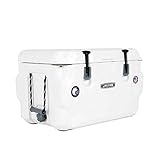
Overview: The Lifetime 65-Quart is a certified bear-resistant hard cooler built for extreme backcountry reliability, featuring exceptional 8-day ice retention and rugged construction meeting IGBC standards for wildlife safety. What Makes It Stand Out: IGBC certification guarantees bear resistance for one hour when locked, a critical safety feature unmatched by most competitors. Heavy-duty polyethylene construction and 8-day ice retention exceed many premium coolers, while integrated bottle openers and serviceable feet add practical durability. Value for Money: Despite a higher price, its bear certification, industry-leading ice retention, and lifetime warranty deliver immense value for serious hunters and campers in bear country, where safety and reliability justify the investment over standard coolers. Strengths and Weaknesses: Strengths: Certified bear resistance, phenomenal ice retention, extremely durable build, practical features (bottle openers, serviceable feet). Weaknesses: Very heavy empty, high initial cost, limited color/style options. Bottom Line: An essential, top-tier investment for wilderness adventurers in bear-prone areas; the unrivaled safety and performance make it the definitive choice despite the weight and cost.
6. Titan by Arctic Zone Backpack Cooler, Insulated Soft Sided Bag with Leak Proof Lining and Padded Straps, for Lunch, Picnic, and Travel, 24 Can Capacity, Jungle Hunt

Overview: The Arctic Zone Titan Backpack Cooler combines portability with reliable cooling for active users. Designed as a soft-sided insulated bag, it targets picnics, travel, and daily commutes with a 24-can capacity and jungle-themed exterior. Its backpack format sets it apart from traditional coolers. What Makes It Stand Out: Deep Freeze Performance Insulation promises up to two days of ice retention, reinforced by a triple-layer ColdBlock base and radiant heat barrier. Microban protection in the lining actively prevents odors and stains, while padded, breathable straps ensure comfort during transport. The water- and stain-repellent exterior adds durability. Value for Money: Priced mid-range, it delivers exceptional convenience for its category. The backpack design eliminates the need for separate carrying solutions, and Microban’s lifetime efficacy reduces long-term maintenance costs. It outperforms basic lunch bags while costing less than premium hard-sided alternatives. Strengths and Weaknesses: Strengths: Comfortable padded straps; effective odor resistance; versatile storage with mesh pockets; easy cleanup. Weaknesses: Zipper isn’t leak-proof (as noted); soft-sided construction offers less crush protection than hard coolers; ice retention may fall short in extreme heat. Bottom Line: Ideal for hikers, commuters, or casual outdoor use, this cooler excels in portability and hygiene. While not suited for rugged expeditions, its thoughtful design and Microban tech justify the price for everyday adventures.
7. Pelican 14 Quart Personal Lunch Box Cooler (Hunter Green/Tan)

Overview: Pelican’s 14-quart hard-shell cooler is engineered as a premium personal lunch box or day-trip companion. Its compact size, robust build, and meticulous features target professionals, anglers, and outdoor enthusiasts needing reliable, portable cooling for individual use. What Makes It Stand Out: Standout details include molded-in cup holders, a stainless steel bottle opener with cap-catching magnet, and a snap-in lid organizer for utensils. The press-and-pull latches ensure a secure seal, while tie-down slots add versatility for vehicles or boats. The 3-year warranty underscores confidence in durability. Value for Money: Positioned at a higher price point, it justifies cost through exceptional craftsmanship and thoughtful extras. Unlike generic lunch boxes, it offers Pelican’s legendary toughness and organization features rarely found in this size, making it a long-term investment for daily use. Strengths and Weaknesses: Strengths: Rugged, leak-proof construction; ingenious integrated accessories; ergonomic handle; superior organization. Weaknesses: Limited 14-quart capacity suits only 1–2 people; ice retention lags behind larger premium coolers; no shoulder strap included. Bottom Line: A top-tier choice for those prioritizing durability and smart design in a personal cooler. Despite its niche size, the Pelican 14 Quart earns its premium price for commuters, anglers, or anyone demanding reliability in a compact package.
8. Lifetime 115‑Quart High Performance Cooler, Up to 10‑Day Ice Retention, IGBC Bear‑Resistant, Camping & Hunting Ice Chest with Cutting Board Divider

Overview: The Lifetime 115-Quart cooler is a heavy-duty solution for extended expeditions, certified to resist bears and retain ice for up to 10 days. Engineered for hunters, campers, and overlanders, it merges serious performance with practical features like a cutting board divider. What Makes It Stand Out: IGBC bear-resistance certification is rare at this price, offering critical safety for wilderness trips. Its 10-day ice retention rivals premium brands, while the included divider doubles as a cutting board. The garden hose-compatible drain spout and multi-functional feet enhance usability in rugged settings. Value for Money: Significantly more affordable than Yeti or RTIC equivalents, it delivers comparable ice retention and unmatched bear-proofing. The durable polypropylene construction and lifetime warranty ensure longevity, making it a cost-effective workhorse for serious outdoor adventures. Strengths and Weaknesses: Strengths: Bear-certified security; exceptional ice retention; versatile cutting board/divider; robust drain system. Weaknesses: Heavy when full (typical for roto-molded); basic aesthetics; latches less refined than top-tier competitors. Bottom Line: An outstanding value for hunters and campers needing bear-proof reliability without breaking the bank. Its performance and certifications make it a no-compromise choice for multi-day wilderness trips.
9. Cobalt 25 Quart Roto-Molded Super Ice Cooler | Large Ice Chest Holds Ice Up to 3 Days | (Hunter Orange)

Overview: The Cobalt 25 Quart cooler offers roto-molded durability at an accessible price, targeting budget-conscious adventurers. It balances lightweight construction (20% lighter than competitors) with 3-day ice retention for day trips, beach outings, or tailgating. What Makes It Stand Out: As one of the most affordable roto-molded coolers in its class, it features “Easy-Close” latches, freezer-style gaskets, and a rapid drain system. The hunter orange color enhances visibility, while lockable lids and bottle openers add practicality for diverse outdoor scenarios. Value for Money: Costing 40% less than premium roto-molded brands, it delivers core durability and insulation without excess weight. Ideal for casual users who don’t need 10-day ice retention, it’s perfect for soccer games, weekend BBQs, or beach days where portability matters. Strengths and Weaknesses: Strengths: Lightweight yet rugged; budget-friendly roto-molded build; intuitive features like non-skid feet; versatile for everyday use. Weaknesses: Ice retention limited to 3 days; not bear-resistant despite marketing claims; basic gasket durability may trail premium models. Bottom Line: A smart, economical pick for families and casual adventurers. While not for extreme expeditions, the Cobalt 25 excels as a dependable, lightweight cooler for regular outdoor enjoyment.
10. ENGEL UC13 13qt Leak-Proof, Air Tight, Drybox Cooler and Small Hard Shell Lunchbox for Men and Women in White

Overview: The ENGEL UC13 redefines small coolers as a leak-proof, airtight drybox ideal for protecting electronics, gear, or food. Its 13-quart capacity, stainless steel latches, and industrial-grade sealing target photographers, anglers, and professionals needing secure, portable cooling. What Makes It Stand Out: The recessed EVA gasket creates a true drybox seal, keeping contents safe from dust and moisture—uncommon in coolers. Stainless steel latches and a removable accessory tray enhance organization, while UV-resistant coloring ensures longevity. Holds ice 48 hours with a 2:1 ice-to-can ratio. Value for Money: Premium-priced but justified by dual functionality as a cooler and protective drybox. Outperforms lunch coolers in sealing and durability, making it cost-effective for safeguarding expensive gear. The included shoulder strap adds value rarely seen in competitors. Strengths and Weaknesses: Strengths: Unmatched airtight/leak-proof performance; exceptional durability; versatile tray for organization; easy cleaning. Weaknesses: Smaller capacity (13 quarts); higher cost than basic coolers; limited color options in this size. Bottom Line: The definitive choice for users prioritizing content protection over capacity. Whether for camera gear or critical lunches, the ENGEL UC13’s engineering makes it worth the investment for demanding environments.
Why Premium Chest Coolers Are Essential Hunting Gear
The Critical Role of Ice Retention in Harvest Preservation
Maintaining a consistently low internal temperature is paramount for preventing bacterial growth and spoilage in game meat. Premium chest coolers achieve exceptional ice retention through significantly thicker, high-density polyurethane foam insulation – often 2 inches or more – compared to the thin walls of budget models. This superior insulation minimizes heat transfer from the outside environment, whether you’re packing out through desert heat or storing meat in a sun-drenched camp. The result is ice that lasts dramatically longer, preserving meat quality for the extended periods often required in remote hunting scenarios, far exceeding what standard coolers can manage.
Understanding Insulation Density and Wall Construction
It’s not just the thickness of the insulation that matters, but its density and how it’s integrated into the cooler’s structure. Premium models utilize rotational molding, creating a seamless, one-piece shell where the insulation is structurally bonded between the inner and outer walls. This eliminates weak points, gaps, or seams where cold can escape and heat can infiltrate. High-density foam doesn’t settle or degrade over time like lower-quality alternatives, ensuring consistent performance season after season. This robust construction is the foundational reason premium coolers outperform in extreme conditions.
The Bear-Resistant Factor for Wilderness Ethics
In many hunting regions, bear-resistant containers are not just recommended, they’re legally mandated for food and gut piles or harvested meat to prevent dangerous wildlife conflicts. Premium chest coolers are frequently certified to meet Interagency Grizzly Bear Committee (IGBC) standards. This certification involves rigorous testing against determined bears and signifies a cooler with an extremely strong, secure latching system, durable latches that resist prying, and a design that prevents bears from gaining access to the contents. Using a certified cooler is an ethical obligation for responsible hunters in bear country.
Evaluating Build Quality and Durability
Rotomolded Construction Versus Injection Molding
The manufacturing process is a key differentiator. Rotomolded coolers are created by heating and rotating plastic powder inside a mold, resulting in a seamless, exceptionally strong, and impact-resistant shell with uniform wall thickness. Injection-molded coolers, common in cheaper options, are made by injecting molten plastic into a mold, often leading to thinner walls, potential weak spots at seams, and greater vulnerability to cracking under heavy impacts or extreme cold. Rotomolding is the hallmark of coolers built to survive helicopter drops, river crossings, and being dragged over rocky terrain.
Latch and Handle Engineering for Relentless Use
Standard latches and handles are frequent failure points on lesser coolers. Premium chest coolers feature over-molded, stainless steel-reinforced latches designed to withstand constant opening/closing, impacts, and attempts by wildlife to force entry. Handles are typically integrated into the cooler’s structure using heavy-duty, UV-resistant nylon or reinforced plastic, securely anchored to prevent snapping off when the cooler is fully loaded with meat and ice. Smooth, ergonomic designs also prevent blisters during long carries.
Lid Seal Technology and Gasket Integrity
A cooler is only as good as its seal. Premium models utilize thick, pliable rubber or silicone gaskets that create a complete, airtight barrier when the lid is closed and latched. This gasket fits snugly into a dedicated channel on the lid rim, ensuring consistent pressure across the entire perimeter. Cheaper coolers often have thin, hard gaskets prone to cracking, warping, or failing to seal properly, especially in cold weather, leading to rapid ice melt and warm spots inside the cooler.
Optimizing Portability and Field Functionality
Weight Distribution and Carry System Design
A fully loaded premium chest cooler can weigh well over 100 pounds. Smart designs incorporate features to make this burden manageable: recessed, ergonomic side handles for multiple carry points; integrated tie-down slots for secure strapping to pack frames, sleds, or vehicles; and strategically placed foot wells to allow hunters to “walk” the cooler short distances over rough ground. The shape and balance are engineered to prevent tipping and make dragging or carrying less strenuous.
Drain Systems: Efficiency and Leak Prevention
Draining melted ice and blood water is a frequent necessity. Premium coolers feature large-diameter, threaded drain plugs, often made of durable plastic or metal, that are easy to operate even with cold or gloved hands. Crucially, the drain system is designed with a smooth internal channel leading directly to the plug, preventing clogs from meat scraps or debris. The plug itself seals tightly to eliminate leaks during transport, a common flaw in cheaper models where drains often seep.
Lid Organization and Internal Utility Features
While primarily focused on capacity and cold retention, thoughtful premium designs include practical touches: textured, non-slip lid surfaces for secure footing when packing meat; molded-in rulers for quick fish or game measurements; secure locations to store drain plugs; and sometimes even built-in bottle openers. Some offer optional dividers or baskets (sold separately) to help organize gear or separate meat from ice, though the core function remains maximizing ice-to-meat contact.
Features That Enhance the Hunting Experience
Camouflage and Low-Profile Finishes
While not essential for performance, many hunters appreciate coolers offered in natural, non-reflective camouflage patterns or muted earth tones. This helps the cooler blend into the hunting environment, reducing visibility to game during transport or while staged at camp, aligning with the hunter’s overall stealth approach. Matte finishes also resist glare better than glossy surfaces.
Tie-Down and Mounting Compatibility
Backcountry hunters often need to secure their cooler to ATVs, sleds, rafts, or pack frames. Premium chest coolers frequently feature integrated, reinforced tie-down slots or molded-in anchor points around the perimeter. These are strategically placed and strong enough to handle the stress of off-trail travel without damaging the cooler shell, ensuring it stays put during bumpy rides out of the wilderness.
Lid Stability and Access During Field Dressing
A lid that flops shut unexpectedly or lacks stability while working is a major hindrance during field processing. Premium coolers often incorporate strong, integrated lid stops or props that hold the lid securely open at a usable angle, even in windy conditions. This provides stable access for placing heavy quarters of meat inside without the constant battle of holding the lid up, streamlining the critical processing phase.
Long-Term Value and Investment Considerations
Warranty Coverage and Manufacturer Support
Reputable premium cooler brands stand behind their products with extensive warranties, often lifetime guarantees against material and workmanship defects. This isn’t just a promise; it reflects confidence in the cooler’s longevity. Evaluate the warranty terms carefully – does it cover latches, handles, and gaskets? How responsive is the company’s customer service? Strong support adds significant value to the initial investment.
Resale Value and Market Longevity
Premium rotomolded coolers hold their value remarkably well. Due to their legendary durability and consistent performance, used models from top manufacturers often command a high percentage of their original price on the secondary market. This longevity, both in terms of product life and residual value, is a tangible return on investment that cheaper, disposable coolers cannot match.
Environmental Impact of Choosing Durability
Opting for a premium cooler built to last decades is inherently more sustainable than repeatedly replacing cheaper coolers that crack, leak, or lose insulation integrity within a few seasons. The reduced waste and lower long-term resource consumption align with the conservation ethic many hunters uphold. Investing in quality means fewer coolers ending up in landfills over a lifetime of hunting.
Frequently Asked Questions
How long can I realistically expect ice to last in a premium chest cooler during a hunt?
Real-world ice retention typically ranges from 5 to 10+ days, heavily dependent on pre-cooling the cooler, using block ice or frozen jugs, minimizing lid openings, and keeping the cooler in shade. Ambient temperature and initial ice-to-contents ratio are the biggest variables.
Is bear resistance certification necessary for all hunting areas?
While not universally required, IGBC certification is mandatory in many national parks, forests, and specific wildlife management areas, particularly in grizzly or black bear country. Always check local regulations; using a certified cooler is a critical safety and ethical practice regardless.
Can I use dry ice effectively in a premium chest cooler for meat transport?
Yes, premium coolers are excellent for dry ice use due to their superior insulation and airtight seals. Always use protective gloves, ensure adequate ventilation when opening (CO2 buildup is dangerous), and wrap dry ice in newspaper to prevent direct contact with meat, which can cause freezer burn.
How important is pre-cooling the cooler before adding ice and meat?
Extremely important. A cooler at ambient temperature significantly reduces initial ice life. Fill it with ice or cold water 24-48 hours before your hunt to bring the entire shell and insulation down to near-freezing, maximizing the time your fresh ice stays solid.
What’s the best type of ice to use for maximum retention in the field?
Block ice melts significantly slower than cubed ice due to less surface area exposure. Large, frozen water jugs (2L bottles work well) are also highly effective, serve dual purposes (water supply), and help maintain a stable cold environment around the meat.
How do I properly clean and maintain my premium chest cooler after a hunt?
Thoroughly rinse with clean water immediately after use. For stubborn odors or blood residue, use a mild soap solution or a paste of baking soda and water. Never use harsh chemicals or bleach. Dry completely with the lid propped open before storing to prevent mold and mildew.
Are premium chest coolers worth it for shorter, vehicle-accessible hunts?
If you consistently hunt near your vehicle and only need cooling for 1-3 days, a high-quality yet more affordable cooler might suffice. However, the superior durability, bear resistance (if applicable), and peace of mind of a premium model often justify the investment even for shorter trips where gear gets heavy use.
How does ambient temperature drastically impact ice retention times?
Ice melt accelerates exponentially as ambient temperature rises. A cooler holding ice for 7 days at 50°F (10°C) might only hold it for 3-4 days at 90°F (32°C). Shade placement and minimizing sun exposure are critical strategies in hot conditions to maximize retention.
Can I stack gear on top of a premium chest cooler during transport?
Most premium rotomolded coolers have incredibly strong, flat lids designed to bear significant weight. They are commonly used as camp stools or platforms. However, avoid placing sharp or pointy objects directly on the lid that could puncture it, and ensure any stacked load is secure to prevent shifting.
What should I look for in a warranty to ensure it covers realistic hunting wear and tear?
Prioritize warranties that explicitly cover common failure points like latches, handles, gaskets, and structural integrity from impacts. A “lifetime” warranty on the shell is standard among top brands; look for specifics on what components are covered and for how long, and read the fine print regarding exclusions.
Related Buying Guides
- 10 Premium Chest Coolers for Serious Hunters (Worth the Investment)
- 10 Premium Tents for Hunters (Worth the Investment) in 2026
- 10 Premium Backpack Hunting Packs (Worth the Investment) in 2026
- 10 Premium Rolling Coolers for Hunters with Heavy Gear (Worth the Investment)
- 10 Premium Hunting Backpacks for Serious Hunters (Worth the Investment)