Table of Contents
For serious sportsmen who treat scouting as a year-round commitment, the evolution from traditional trail cameras to premium cellular models represents a fundamental shift in how we interact with our hunting grounds. Gone are the days of weekly property visits that disturb wildlife patterns and burn precious time and fuel. Today’s cellular trail cameras serve as your digital eyes in the woods, delivering real-time intelligence directly to your smartphone while you remain miles away, preserving both your scent-free advantage and your work-life balance.
The investment in a premium cellular trail camera system goes far beyond convenience—it’s about gaining a competitive edge through instant data collection, superior image quality, and robust construction that withstands seasons of harsh weather. While budget options flood the market, serious hunters understand that reliability isn’t negotiable when that once-in-a-lifetime buck finally steps into frame. This comprehensive guide examines the critical features that separate professional-grade equipment from disposable alternatives, helping you make an informed decision that will pay dividends across multiple hunting seasons.
Top 10 Cellular Trail Cameras
Detailed Product Reviews
1. SPYPOINT Flex-M Twin Pack Cellular Trail Cameras - Best Hunting Accessories, No WiFi Needed, GPS, Night Vision, Dual-Sim LTE, IP65 Water-Resistant Game Camera, 28MP Photos, 720p Videos + Sound (2)

Overview: The SPYPOINT Flex-M Twin Pack delivers cellular trail camera technology at an accessible price point. Each camera captures 28MP photos and 720p videos with sound, featuring GPS tagging, dual-SIM LTE connectivity, and IP65 weather resistance. The package includes two cameras ideal for monitoring multiple locations, whether for hunting, wildlife observation, or property security.
What Makes It Stand Out: The free photo transmission plan is genuinely unique—100 photos monthly with zero fees or commitments. Cross-carrier coverage automatically selects the strongest network without manual SIM swapping. The mobile activation process simplifies setup dramatically, while the SPYPOINT app provides real-time weather, personalized maps, and BUCK TRACKER AI for species filtering. Constant Capture technology enables simultaneous sending and shooting so you never miss critical moments.
Value for Money: At twin pack pricing, this represents exceptional entry-level value. The free tier alone makes it cheaper to operate than competitors requiring immediate subscription fees. Paid plans start at just $5/month, undercutting most alternatives. While you’ll need to purchase microSD cards and solar panels separately, the base hardware cost is hard to beat for budget-conscious hunters wanting reliable cellular functionality.
Strengths and Weaknesses: Pros: Unbeatable free transmission plan; seamless cross-carrier connectivity; user-friendly app with AI species detection; versatile capture modes including Time-Lapse+; affordable subscription tiers. Cons: 720p video resolution lags behind current standards; no included memory card; solar panel sold separately; 28MP images adequate but not class-leading.
Bottom Line: The Flex-M Twin Pack is the best budget entry into cellular trail cameras, offering reliable performance and a genuinely free operating tier that makes it accessible for casual users and serious hunters alike.
2. SPYPOINT Flex G-36 Twin Pack Cellular Trail Camera, 36MP Photos and 1080p Videos with Sound, GPS Enabled, Dual-Sim LTE Connectivity, 100’ Flash & Detection Range, Responsive Trigger up to .3S

Overview: The SPYPOINT Flex G-36 Twin Pack upgrades the cellular trail camera experience with enhanced imaging capabilities. These cameras deliver stunning 36MP photos and 1080p videos with audio, backed by GPS functionality and dual-SIM LTE connectivity. With a 100-foot flash and detection range plus a responsive 0.3-second trigger, this twin pack serves dedicated hunters monitoring larger properties.
What Makes It Stand Out: The combination of high-resolution 36MP imagery and full HD video with sound provides exceptional scouting detail. Cross-carrier technology automatically connects to the strongest available network without manual configuration. Improved battery life extends field time between visits, while the preactivated dual SIM cards eliminate setup hassles. The SPYPOINT app integration allows instant remote viewing and management from anywhere.
Value for Money: Positioned in the mid-range segment, the G-36 justifies its premium over the Flex-M through superior image quality and video capabilities. The enhanced battery performance reduces maintenance trips, saving time and fuel costs. While it lacks a free transmission tier, the $5/month starting plan remains competitive. For hunters prioritizing image clarity and audio documentation, the investment delivers tangible scouting advantages.
Strengths and Weaknesses: Pros: Excellent 36MP photo resolution; 1080p video with sound; 100-foot detection range; reliable cross-carrier connectivity; improved battery longevity. Cons: 0.3-second trigger slower than premium competitors; no free photo plan; requires separate microSD card purchase; limited video resolution compared to some rivals.
Bottom Line: The Flex G-36 Twin Pack strikes an ideal balance between image quality and affordability, making it perfect for serious hunters who need detailed scouting data without breaking the bank.
3. SEHMUA 4G LTE Cellular Trail Cameras 3rd Gen with Live Streaming, Game Camera Built-in SIM Card with Motion Activated 0.2s Trigger Time Solar Trail Camera IP66 Waterproof

Overview: SEHMUA’s third-generation cellular trail camera pushes technological boundaries with 2K live streaming capabilities and integrated solar power. This feature-rich game camera offers motion-activated recording with a blistering 0.2-second trigger speed, 120° wide-angle coverage, and 82-foot low-glow night vision range. The IP66 waterproof rating ensures reliable performance in harsh outdoor conditions year-round.
What Makes It Stand Out: Live streaming sets this camera apart, delivering real-time 2K footage directly to your phone via the Ucon app. The included 4W solar panel with 7800mAh rechargeable battery provides true 365-day autonomy. An adjustable PIR sensor combined with 850nm infrared technology captures crisp nighttime images while minimizing animal disturbance. The built-in SIM card offers immediate 7-day unlimited data trial.
Value for Money: While pricier upfront than basic models, the included solar panel eliminates ongoing battery costs. However, subscription plans range from $19.9 monthly to $169.9 annually—significantly higher than competitors. The 30-day cloud storage trial adds temporary value, but long-term operational costs must be factored. Best suited for users prioritizing cutting-edge features over budget operation.
Strengths and Weaknesses: Pros: 2K live streaming capability; integrated solar panel eliminates battery changes; ultra-fast 0.2s trigger; wide 120° detection angle; strong night vision performance. Cons: Expensive data subscription plans; non-detachable SIM restricts flexibility; no Wi-Fi fallback option; microSD card not included; limited to U.S. networks only.
Bottom Line: Ideal for tech enthusiasts needing live monitoring and solar convenience, but the high subscription costs make it less economical for users with multiple cameras or tight budgets.
4. TACTACAM Reveal X Gen 3.0 Cellular Trail Camera: Auto Connect 4G LTE, 4K Photo, 1080p Video, Low-Glow IR Flash, No SD Card Needed, Long Battery Life – Best Hunting, Game & Property Monitoring Camera

Overview: The TACTACAM Reveal X Gen 3.0 positions itself as a reliable entry-level cellular trail camera that doesn’t compromise on core features. It captures 4K resolution photos and 1080p video, transmitting data via auto-connect 4G LTE. The camera eliminates SD card management headaches with built-in memory storage and features a low-glow IR flash for discreet nighttime operation.
What Makes It Stand Out: The no-SD-card-needed design simplifies operation and prevents common storage failures. Despite being entry-level, it offers premium 4K photo resolution typically found in higher-end models. The powerful app includes deer analytics, mapping tools, and weather data—features usually reserved for premium offerings. Adjustable motion activation provides customizable sensitivity for different deployment scenarios.
Value for Money: This camera delivers exceptional value by bundling 4K imaging and advanced app features at an entry-level price point. The built-in memory removes the hidden cost of purchasing SD cards. Battery life is optimized for extended field deployment, reducing maintenance frequency. For hunters wanting high-quality imaging without complexity or premium pricing, this represents a smart investment.
Strengths and Weaknesses: Pros: 4K photo resolution exceeds expectations; built-in memory eliminates SD card issues; user-friendly setup; comprehensive app with analytics; low-glow flash preserves natural behavior. Cons: Entry-level designation may mean less robust build quality; unspecified trigger speed and detection range raise questions; limited details on subscription costs; fewer advanced capture modes than competitors.
Bottom Line: The Reveal X Gen 3.0 is the perfect hassle-free entry point for hunters wanting premium imaging features without the premium price or technical complications of more complex systems.
5. Moultrie Edge 3 Cellular Trail Camera - 2 Pack - 40MP HD Photo Capture - 1080p Low-Glow Flash - GPS - Multi-Carrier Auto-Connect - Built-in Memory - 0.5s Trigger Speed - AI Buck Detection
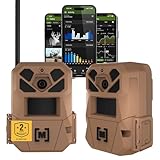
Overview: The Moultrie Edge 3 Twin Pack represents the premium tier of cellular trail cameras, offering 40MP HD photo capture and 1080p video with a rapid 0.5-second trigger speed. These cameras feature nationwide 4-carrier auto-connectivity, built-in memory, GPS tagging, and AI-powered buck detection. The IP65-rated housing protects advanced electronics in any weather condition.
What Makes It Stand Out: Four-carrier auto-connect ensures unparalleled network reliability across the entire country. The integration with onX Hunt Elite (3-month included membership) provides premium mapping and land data for strategic camera placement. AI buck detection automatically filters and highlights deer activity, saving review time. Unique remote feeder control capability allows management of Moultrie feeders through the same app ecosystem.
Value for Money: Priced at the premium end, the twin pack justifies cost through best-in-class connectivity and exclusive hunting integrations. Data plans start at $9.99/month—reasonable for the feature set. Built-in memory removes SD card expenses, while the onX membership adds $60+ in immediate value. For serious hunters managing multiple properties, the time-saving AI and feeder integration deliver strong ROI.
Strengths and Weaknesses: Pros: Superior 40MP image resolution; four-carrier connectivity maximizes signal reliability; AI buck detection streamlines scouting; built-in memory; onX Hunt integration adds strategic value; remote feeder control unique feature. Cons: 0.5-second trigger slower than some rivals; premium pricing limits accessibility; lower-tier video resolution compared to photo capability; requires Moultrie ecosystem for full feature set.
Bottom Line: The Moultrie Edge 3 Twin Pack is the ultimate choice for serious hunters seeking maximum connectivity, intelligent features, and ecosystem integration to elevate their scouting strategy.
6. SEHMUA Trail Camera 2 Packs, Cellular Trail Cameras 4G LTE Live View with Built-in SIM Card 0.2s Trigger Speed Game Camera with Night Vision Motion Activated Waterproof Trail Cam

Overview: The SEHMUA Trail Camera 2-pack delivers reliable remote monitoring for locations lacking WiFi and electricity. These cellular cameras operate on 4G LTE networks with a built-in SIM card, offering a 7-day unlimited data trial. Designed for farms, construction sites, and wildlife observation, each unit features solar power, 0.2-second trigger speed, and 82-foot night vision range. The IP66 waterproof rating ensures durability in harsh conditions, while the 120° wide-angle lens captures broad scenes.
What Makes It Stand Out: This dual-pack configuration provides exceptional value for comprehensive coverage. The integrated 4W solar panel with 7800mAh battery delivers true 365-day operation without manual charging. The 850nm low-glow infrared system offers discreet nighttime monitoring up to 82 feet, while the 0.2s trigger captures fast-moving subjects. Compatibility with Verizon, T-Mobile, and AT&T networks ensures reliable connectivity across diverse locations, eliminating the need for WiFi infrastructure.
Value for Money: At approximately $85-100 per camera, the SEHMUA 2-pack offers competitive entry into cellular monitoring. Data plans cost $19.9 monthly or $169 annually per camera—middle-of-the-road pricing. While not the cheapest option, the included solar panels eliminate battery expenses, and the dual-pack configuration saves approximately 15-20% versus purchasing separately. The 7-day trial allows risk-free testing before committing to subscription costs.
Strengths and Weaknesses: Pros: Dual-pack convenience, solar-powered continuous operation, ultra-fast 0.2s trigger, 120° wide viewing angle, IP66 weatherproof rating, works with major US carriers Cons: Each camera requires separate data plan, cloud storage subscription needed after 30-day trial, low-glow flash may be slightly visible to some animals, no audio recording capability
Bottom Line: The SEHMUA 2-pack excels for users needing multiple solar-powered cameras for remote properties. The subscription costs add up, but the convenience of year-round operation justifies the investment for serious wildlife observers and property managers.
7. Moultrie Edge 2 Cellular Trail Camera - Auto Connect Nationwide 4G LTE - On Demand 36MP Photo - 1080P Video with HD Audio - 100 Ft Detection Range - Low Glow Flash

Overview: The Moultrie Edge 2 represents a premium cellular trail camera solution with USA-based support and Auto Connect technology. This single-unit camera captures impressive 36MP photos and 1080p HD video with audio, automatically connecting to the strongest 4G LTE network nationwide without SIM card swaps. Designed for hunters and property owners, it offers 100-foot detection range and seamless app integration for remote management and instant alerts.
What Makes It Stand Out: Moultrie’s Auto Connect technology eliminates carrier selection hassle by automatically connecting to the best available network. The 36MP image resolution surpasses most competitors, delivering crisp detail for wildlife identification. USA-based customer support provides reliable assistance, while the $9.99/month starter data plan is among the most affordable. The combination of high-resolution imaging and HD audio creates a comprehensive monitoring solution unmatched in its price class.
Value for Money: Priced around $120-140, the Edge 2 sits in the mid-to-high range but delivers exceptional imaging quality. The $9.99 monthly data plan undercuts most competitors by 30-50%, making long-term operation more economical. While it lacks solar power, efficient power management offsets battery costs over time. For users prioritizing image quality, the premium price delivers professional-grade results that justify the investment through superior evidence collection.
Strengths and Weaknesses: Pros: 36MP ultra-high resolution photos, 1080p video with audio, automatic network selection, 100ft detection range, USA-based support, affordable $9.99 data plans, easy app setup Cons: No included solar panel (requires battery maintenance), single unit (higher cost for multiple locations), low-glow flash less discreet than no-glow options
Bottom Line: The Moultrie Edge 2 is ideal for users prioritizing image quality and reliable connectivity. The affordable data plans and USA support make it a top choice, though budget-conscious buyers may prefer solar-equipped alternatives.
8. SEHMUA Cellular Trail Camera 2 Pack, 2K Solar Powered Game Cameras with Unlimited Data Plan, 4G LTE Built-in SIM Card PIR Motion Detection 360° Rotating Viewing for Outdoor Security

Overview: This SEHMUA 2-pack introduces 360° rotating viewing and 2K resolution to cellular trail camera technology. Each solar-powered unit features a built-in 4G LTE SIM card with unlimited data plan options, 6W solar panel, and 7800mAh battery. The cameras offer 355° horizontal pan and 100° vertical tilt for comprehensive coverage without blind spots, making them ideal for large property surveillance where fixed cameras would leave gaps.
What Makes It Stand Out: The 360° pan-tilt capability sets this apart from fixed-lens competitors, allowing remote adjustment via the UBox app. Two-way audio communication enables real-time interaction, perfect for scaring off intruders or communicating with visitors. The 6W high-efficiency solar panel exceeds standard offerings, while the unlimited data plan structure provides predictable monthly costs. The -4°F to 122°F operating temperature range ensures reliability in extreme conditions.
Value for Money: With 2K resolution and 360° viewing, this 2-pack typically retails around $180-200, offering strong value at $90-100 per camera. The $19.90/month unlimited data plan is competitively priced, while the robust 6W solar panels eliminate battery replacement costs. For users needing wide-area coverage, the pan-tilt feature reduces the number of cameras required, potentially saving 30-40% on equipment and data costs compared to fixed multi-camera setups.
Strengths and Weaknesses: Pros: 360° remote viewing eliminates blind spots, two-way audio communication, powerful 6W solar charging, 2K HD resolution, extreme temperature tolerance, IP65 weatherproofing, unlimited data plan options Cons: Moving parts may wear over time, 360° scanning can cause motion detection delays, higher initial cost than basic models, requires strong cellular signal for smooth pan-tilt control
Bottom Line: The SEHMUA 360° 2-pack excels for large properties needing flexible surveillance. The pan-tilt feature and two-way audio justify the premium, making it ideal for security-conscious users willing to invest in comprehensive coverage.
9. SEHMUA 3rd Cellular Trail Cameras with 48MP Photo 2K Live Streaming, 4G LTE Unlimited Data Plan Built-in SIM Card, 4W Solar Powered Game/Deer Cam No Glow Flash with Motion Activated

Overview: The SEHMUA 3rd Gen camera pushes resolution boundaries with 48MP photos and 2K live streaming. This solar-powered unit features a no-glow infrared LED flash for completely discreet operation, 0.1-second trigger speed, and built-in 4G LTE connectivity. Designed for wildlife observation and property security, it captures color night images under natural light and automatically switches to black-and-white infrared in total darkness, providing 24/7 monitoring without detection.
What Makes It Stand Out: The 48MP resolution delivers unprecedented detail for wildlife identification and security evidence. The no-glow 940nm infrared LED remains invisible to animals and humans, ensuring completely covert monitoring. A blazing 0.1-second trigger captures the fastest movements, while the 4W solar panel with 7800mAh battery provides maintenance-free operation. The camera’s ability to capture color night images in low-light conditions provides superior identification capabilities compared to standard infrared.
Value for Money: Retailing around $130-150 for a single unit, this camera commands a 20-30% premium over basic models. However, the 48MP sensor and no-glow technology justify the cost for serious wildlife researchers. The $19.9/month or $299.9/2-year data plans offer flexibility, with the two-year option saving 38%. For users needing forensic-level detail and stealth, the investment pays dividends in image quality and reliability that cheaper alternatives cannot match.
Strengths and Weaknesses: Pros: Industry-leading 48MP resolution, no-glow invisible infrared flash, ultra-fast 0.1s trigger, color night imaging capability, 4W solar power, IP66 waterproofing, flexible data plans Cons: Highest data plan costs, single unit limits coverage area, no two-way audio, premium price point may exceed casual user needs, 4W panel less powerful than some competitors
Bottom Line: The SEHMUA 3rd Gen is the choice for professionals demanding maximum image quality and stealth. The 48MP resolution and no-glow flash make it perfect for research and high-security applications where detail and discretion are paramount.
10. Oculview Cellular Trail Camera with 360° Live Streaming, Solar Powered, Built-in 4G SIM Card, Remote Access, Motion Activated, 2K Night Vision, No WiFi Needed’s Cellular Security Camera

Overview: The Oculview Cellular Trail Camera combines 360° PTZ capabilities with 2K live streaming for comprehensive remote surveillance. Featuring a 6W adjustable solar panel, built-in 4G SIM card, and unlimited data plan options, this camera delivers real-time monitoring without WiFi. The 355° pan, 100° tilt, and 4x digital zoom provide complete area coverage for farms, construction sites, and wildlife research where fixed cameras cannot suffice.
What Makes It Stand Out: The adjustable 6W solar panel allows optimal positioning for maximum sun exposure, outperforming fixed panels. Unlimited data during subscription eliminates overage concerns, while 4x digital zoom enables detailed inspection of distant objects. The camera automatically connects to the strongest Verizon, AT&T, or T-Mobile signal upon power-up, ensuring reliable connectivity. Remote control via smartphone enables real-time camera adjustment and live viewing from anywhere without physical intervention.
Value for Money: Priced competitively around $110-130, Oculview offers premium features at a mid-range price point. The $19.90/month unlimited data plan provides cost certainty, while the adjustable solar panel maximizes energy harvest, reducing battery anxiety. Compared to fixed-lens cameras, the 360° capability potentially reduces the number of units needed by half for large areas, delivering 50% savings on equipment and subscription costs for comprehensive coverage.
Strengths and Weaknesses: Pros: 360° PTZ with 4x zoom, adjustable 6W solar panel, unlimited data plans, automatic network selection, 2K night vision, IP65 weatherproofing, competitive pricing, no WiFi required Cons: Lesser-known brand may have unproven long-term reliability, 360° movement creates mechanical wear risk, requires strong signal for HD streaming, limited third-party app integration
Bottom Line: Oculview’s 360° camera is an excellent value for users needing flexible, wide-area surveillance. The adjustable solar panel and unlimited data make it a smart choice for remote properties, though brand longevity remains to be proven.
Why Premium Cellular Trail Cameras Transform Your Hunting Strategy
The Real-Time Intelligence Advantage
Cellular connectivity fundamentally changes your scouting timeline by eliminating the lag between capture and review. When a target animal triggers your camera, you receive visual confirmation within minutes, allowing you to analyze movement patterns while they’re still relevant. This immediacy enables you to make same-day decisions about stand placement or property access without spooking game through unnecessary intrusion.
Cost-Per-Use Value Proposition
Premium cameras command higher upfront costs but deliver exponentially better value over their lifespan. A well-built unit that operates flawlessly for five seasons costs less per year than replacing budget models annually. Factor in saved gas money, time, and the priceless value of not missing that trophy animal due to equipment failure, and the math becomes compelling for serious sportsmen.
Core Technical Specifications That Define Excellence
Image Quality and Resolution Standards
Premium models distinguish themselves through more than just megapixel counts. Look for cameras with high-quality glass lenses, advanced image sensors, and sophisticated compression algorithms that maintain clarity without creating massive file sizes. True optical resolution matters more than interpolated digital enhancement—professional-grade cameras capture fine details like antler points and distinguishing markings even in challenging light conditions.
Detection Systems and Trigger Speed
The window between detection and capture often measures in fractions of a second. Elite cameras boast trigger speeds under 0.3 seconds, ensuring you capture the full animal rather than a tail or empty frame. Equally important is the detection zone—the area where the camera’s passive infrared sensor recognizes movement. Premium units offer wider, more consistent detection patterns with fewer dead spots.
Night Vision and Infrared Technology
After-dark performance separates contenders from pretenders. High-end cameras utilize advanced infrared flash systems that produce crisp, illuminated images without the visible red glow that spooks wary nocturnal game. Look for adjustable IR output that prevents overexposure on close subjects while still reaching animals at distance. Black LED technology has become the gold standard for serious hunters monitoring sensitive areas.
Power and Connectivity Considerations
Battery Life and Power Management
Premium cellular cameras employ sophisticated power management systems that extend field life to six months or more. Multi-battery configurations, external power port compatibility, and solar panel integration options provide redundancy for remote deployments. The best units automatically adjust transmission frequency and image resolution based on remaining power, ensuring continuous operation through the entire season.
Cellular Connectivity and Network Compatibility
Not all cellular cameras are created equal when it comes to network performance. Premium models feature enhanced antennas and multi-carrier flexibility, often including both Verizon and AT&T compatibility in a single unit. This adaptability proves crucial when dealing with spotty coverage in rugged terrain. Look for cameras that automatically select the strongest available signal and support the latest LTE standards for faster image delivery.
Data Plans and Subscription Models
The ongoing cost of data transmission significantly impacts your total investment. Premium manufacturers offer transparent, flexible subscription tiers that scale with your usage patterns. Unlimited plans appeal to heavy users running multiple cameras, while pay-per-image options suit those with strategic, low-volume deployments. The best providers include rollover data, seasonal suspend options, and multi-camera discounts that reward serious users.
Physical Design and Durability Factors
Build Quality and Weather Resistance
Professional-grade cameras utilize metal reinforced mounting brackets, gasket-sealed enclosures, and UV-resistant plastics that maintain structural integrity through temperature extremes. IP66 or higher ratings guarantee protection against dust and powerful water jets, while operating temperature ranges should span from sub-zero winters to scorching summer heat. Premium units also feature integrated camouflage patterns that resist fading and blend naturally into various environments.
Detection Range and Field of View
Maximum detection distance specifications tell only part of the story. Elite cameras maintain consistent sensitivity across their entire detection arc, with minimal drop-off at the edges. Combined with appropriately wide-angle lenses that match the detection zone, these cameras eliminate the frustrating gaps where animals pass undetected. Adjustable detection ranges prevent false triggers from swaying vegetation while still capturing distant movement.
Smart Features and Software Integration
Mobile App Functionality and User Interface
The companion app transforms your raw data into actionable intelligence. Premium systems offer intuitive interfaces with customizable alert settings, advanced filtering options, and weather overlay data. Features like species recognition AI, pattern mapping, and seamless integration with hunting apps elevate the experience from simple image viewing to comprehensive herd management. Offline viewing capabilities ensure you can review critical images even in areas with poor cell service.
Storage Solutions and Cloud Services
Beyond SD card backup, high-end cameras provide cloud storage that safeguards your images against theft or damage. Look for systems offering redundant storage—simultaneous local and cloud recording—and easy export options for sharing with hunting partners or land managers. Some premium services include advanced analytics that automatically categorize images by time, species, or activity level, saving hours of manual sorting.
GPS and Anti-Theft Features
Integrated GPS tracking serves dual purposes: precise location documentation for pattern mapping and theft recovery. Premium cameras embed coordinate data in image metadata and allow remote location pinging if stolen. Some units feature lockable security boxes with tamper alerts that notify you immediately if someone attempts to interfere with your equipment, providing peace of mind on public land or remote leases.
Advanced Capabilities for Serious Sportsmen
Audio Recording Capabilities
While often overlooked, audio capture provides additional behavioral context that silent images miss. Premium cameras record ambient sounds that reveal rut activity, predator presence, or group dynamics. This feature helps distinguish between casual passersby and animals actively using your area, informing more nuanced hunting strategies. Ensure the microphone quality matches the camera’s visual standards, with wind noise reduction and adjustable sensitivity.
Multi-Camera Management Systems
Serious hunters rarely deploy a single camera. Premium ecosystems allow you to manage entire networks from one dashboard, with features like bulk settings changes, group alerts, and cross-camera pattern analysis. This scalability proves essential for managing large properties or coordinating with multiple hunters. The ability to clone settings between cameras saves setup time and ensures consistency across your scouting network.
Firmware Updates and Tech Support
Technology evolves rapidly, and premium manufacturers support their hardware with regular firmware updates that improve performance and add features. Look for companies with active development cycles and responsive customer support that understands hunting applications. The best providers offer phone support from knowledgeable staff, not just email tickets or generic chatbots, recognizing that your time afield is limited and valuable.
Making Your Investment Decision
Warranty and Manufacturer Reputation
A premium price deserves premium protection. Top-tier cameras come with multi-year warranties that cover not just manufacturing defects but also weather-related failures. Investigate manufacturer track records—companies with long-standing reputations in the hunting community typically produce more reliable equipment and honor their commitments. User forums and hunting community feedback provide unfiltered insights into real-world durability.
Installation and Placement Strategies
Even the best camera underperforms with poor placement. Premium units include detailed mounting hardware for various tree sizes and angles, plus built-in bubble levels and laser pointers for precise aiming. Consider cameras with adjustable detection height and angle compensation features that optimize performance on steep terrain or when mounted above game trails. The ability to fine-tune these settings remotely through the app adds another layer of convenience.
Cost vs. Value Analysis for Serious Users
Calculate your total cost of ownership over three to five years, including camera price, data plans, batteries, and accessories. Premium cameras that eliminate mid-season failures and provide actionable intelligence often prove cheaper than budget alternatives when measured by successful hunts and time saved. For sportsmen who hunt multiple states or manage large acreages, the ability to remotely monitor conditions justifies the investment many times over.
Frequently Asked Questions
How long do premium cellular trail cameras typically last in the field?
With quality lithium batteries, expect 4-8 months of operation depending on activity levels and transmission settings. External solar panels can extend this indefinitely in sunny locations.
Do I need a separate data plan for each camera?
Most providers offer multi-camera plans that consolidate data across devices, typically at a discount compared to individual subscriptions. Some high-end systems include pooled data that shares across your entire network.
Will extreme cold affect my cellular camera’s performance?
Premium cameras operate reliably in temperatures from -20°F to 120°F. Battery capacity decreases in severe cold, which is why external power sources are recommended for winter deployments.
Can I use cellular cameras on public hunting land?
Regulations vary by state and land management agency. Always check local rules regarding permanent equipment, data transmission, and wildlife disturbance before deploying on public property.
How do I prevent false triggers from vegetation?
Adjust detection sensitivity, use time-lapse modes during windy periods, and position cameras to avoid direct sunlight on swaying branches. Premium cameras offer advanced filtering that learns to ignore repetitive motion.
What’s the realistic image transmission speed?
In good coverage areas, expect images within 30-90 seconds of capture. Remote locations with weak signals may take several minutes. Premium cameras prioritize thumbnails first, with full-resolution images following.
Are cellular cameras worth it for hunting small properties?
Even on 40-acre parcels, the reduced disturbance factor and real-time pattern recognition provide significant advantages. The key is strategic placement focused on travel corridors rather than blanket coverage.
How secure is my hunting data in the cloud?
Reputable providers encrypt data in transit and at rest. For sensitive locations, choose cameras that allow anonymous registration and avoid sharing GPS coordinates in image metadata unless necessary.
Can I upgrade my existing non-cellular cameras?
Some manufacturers offer cellular conversion kits, but these rarely match the integration and power efficiency of purpose-built units. For serious use, dedicated cellular cameras provide superior reliability.
What’s the best way to test camera placement before committing?
Use a standard trail camera first to validate animal movement, then replace with the cellular unit once patterns are confirmed. This saves data costs during the testing phase and ensures your premium camera captures immediate action.
Related Buying Guides
- 10 Premium Cellular Trail Cameras for Serious Hunters (Worth the Investment)
- 10 Premium Coyote Calls for Serious Predators Hunters (Worth the Investment)
- 10 Premium Fixed Blade Knives for Serious Hunters (Worth the Investment)
- 10 Premium Goose Decoys for Serious Waterfowlers (Worth the Investment)
- 10 Premium Hunting Knives for Serious Outdoor Professionals (Worth the Investment)