Table of Contents
Imagine waking up not to the crinkle of thin nylon above you, but to the gentle patter of rain on a sturdy, high-peaked roof. Sunlight filters softly through mesh windows, revealing a spacious interior where you can actually stand upright, move freely, and maybe even stretch out on a proper camp bed. This isn’t your typical backpacking shelter; this is the promise of premium cabin tent glamping – transforming the outdoors into a haven of genuine comfort without sacrificing the soul-nourishing connection to nature. For those seeking to elevate their camping experience beyond the basics, investing in the right cabin tent isn’t just about shelter; it’s about crafting a luxurious home base that makes every trip feel like a true escape.
The term “premium” gets thrown around a lot, but when it comes to cabin tents designed for comfortable glamping, it signifies a significant leap in materials, engineering, and thoughtful design over standard family camping models. It means durability that withstands seasons, ventilation systems that prevent condensation nightmares, and layouts that genuinely replicate the ease of a small cabin. While the initial price tag might give you pause, understanding what truly defines a worthy premium investment – and what features deliver lasting value – is crucial. This guide cuts through the marketing hype to focus on the tangible elements that make a premium cabin tent a smart, long-term asset for serious comfort seekers, ensuring your investment pays dividends in countless memorable, stress-free adventures.
Top 10 Cabin Tents for Glamping
Detailed Product Reviews
1. CORE 9 Person Instant Cabin Tent | Large Multi Room Family Pop Up Tent for 2 Minute Camp Setup | Included Storage Pockets for Camping Accessories

Overview:
This instant cabin tent targets families seeking rapid setup and ample space. Its pre-attached poles promise campsite readiness in under two minutes, eliminating complex assembly. Designed for 9 people without gear (realistically 4 with gear), it balances capacity with convenience for car campers prioritizing ease over backpacking.
What Makes It Stand Out:
The standout feature is the true instant-pop technology, a rarity in large tents. Combined with H20 Block weather protection (1200mm fabric, taped seams), it delivers reliable rain defense without sacrificing speed. The 78-inch center height allows standing room, while interior pockets and dual ventilation zones (ground vents + mesh ceiling) enhance livability significantly compared to basic cabin tents.
Value for Money:
Priced mid-range for its class, it justifies cost through time savings and durability. While cheaper tents require 15+ minutes to pitch, this eliminates setup frustration—a major value for families with children. Comparable instant tents often lack its weatherproofing or height, making it a smart investment for frequent campers.
Strengths and Weaknesses:
- Strengths: Lightning-fast setup; excellent rain protection; practical storage pockets; effective ventilation reducing condensation; sturdy steel stakes included.
- Weaknesses: “9-person” capacity is optimistic with gear; limited room subdivision (no dividers); fabric weight makes it unsuitable for backpacking.
Bottom Line:
Ideal for car campers valuing speed and weather resistance over max capacity. A top choice for stress-free family trips where setup time matters most.
2. CORE 12 Person Tent | Large Multi Room Family Cabin Tent with Carry Bag for Outdoor Car Camping | Included Storage Pockets for Camping Accessories

Overview:
This roomy cabin tent caters to large groups needing space and privacy. Its near-vertical walls maximize interior usability, accommodating up to 12 people (realistically 6 with gear) across a 16x11-foot footprint. Designed for car camping, it emphasizes comfort over portability with a dedicated carry bag.
What Makes It Stand Out:
The adjustable room divider creates two private zones—a rarity in non-instant 12-person tents. The 86-inch center height (taller than most competitors) and near-straight walls provide exceptional headroom and layout flexibility. H20 Block weather tech matches Product 1’s robustness, while interior pockets add organizational ease.
Value for Money:
Slightly pricier than basic 12-person tents but justified by the room divider and superior height. Competitors often charge extra for dividers or skimp on height. For groups needing privacy (e.g., families with teens), this delivers unmatched utility per dollar in its category.
Strengths and Weaknesses:
- Strengths: Spacious, near-vertical walls; effective room divider; excellent weather resistance; tall interior; included storage pockets.
- Weaknesses: Setup takes 10-15 minutes (no instant tech); heavy for transport; divider lacks soundproofing; minimal ventilation specs mentioned.
Bottom Line:
A superb pick for large groups prioritizing interior space and privacy. Skip if you need ultra-fast setup, but ideal for established campsites.
3. WildFinder 16.5ft Canvas Bell Tent, Large Yurt Tent with Stove Jack for Camping & Glamping, 55" High Walls, Maximum Space, Waterproof 4 Season Hot Tent with 8 Mesh Windows & Removable Floor

Overview:
This premium bell tent redefines glamping with canvas durability and year-round versatility. Featuring a 55-inch vertical wall and stove jack, it targets serious campers seeking a weatherproof, livable basecamp for extended trips or cold-weather adventures.
What Makes It Stand Out:
The TC cotton roof minimizes condensation—canvas’s key advantage over synthetics—while the stove jack enables wood-fired heating, a game-changer for winter camping. The included positioning tool ensures precise stake placement, solving a common bell tent pain point. Removable floors and 8 mesh windows add unmatched adaptability.
Value for Money:
Premium-priced but justified for its all-season capability. Cheaper polyester tents fail in cold/wet conditions where this excels. The stove jack and durable 600D floor (3000mm PU) justify the cost for year-round users, though casual campers may find it overkill.
Strengths and Weaknesses:
- Strengths: Superior condensation control; true 4-season readiness; innovative positioning tool; excellent ventilation; removable floor; sturdy stove jack.
- Weaknesses: Heavy (canvas weight); longer setup than instant tents; higher price; requires seasoning for full waterproofing.
Bottom Line:
Essential for cold-weather or extended-stay campers. A luxury investment for those prioritizing comfort and durability over portability.
4. CORE 12 Person Instant Cabin Tent | Large 3 Room Family Pop Up Tent for 2 Minute Camp Setup | Included Storage Pockets for Camping Accessories

Overview:
CORE’s largest instant tent combines rapid deployment with multi-room functionality. Spanning 18x10 feet with three configurable zones, it targets families needing privacy alongside the brand’s signature 2-minute setup.
What Makes It Stand Out:
The dual room dividers create three distinct spaces—unmatched in instant tents—while retaining CORE’s pop-up speed. At 80 inches tall, it offers more headroom than Product 1. Identical H20 Block weather protection ensures reliability, but the expanded footprint (18x10 ft vs. Product 2’s 16x11 ft) optimizes sleeping layouts.
Value for Money:
Priced higher than Product 2 but worth it for instant setup + triple rooms. Competitors charge $100+ extra for comparable room dividers. For time-pressed families with teens/kids needing separation, this delivers exceptional convenience per dollar.
Strengths and Weaknesses:
- Strengths: Blazing-fast setup; three private rooms; spacious layout; robust weatherproofing; ample storage pockets.
- Weaknesses: Bulkier carry bag than non-instant tents; divider fabric is thin; 12-person claim unrealistic with gear; no extra ventilation features.
Bottom Line:
The best instant tent for large families requiring privacy. Choose this over Product 2 if setup speed is non-negotiable.
5. Inflatable Camping Tents with Hand Pump, Air Glamping Tents, Easy Setup Waterproof and Windproof Blow up Tent, 4 Seasons Oxford Cabin Tent with Mesh & Chimney Window. (10 * 6.9ft)

Overview:
This air-beam tent ditches traditional poles for PVC air columns, promising effortless setup. At 10x6.9ft, it targets couples/small groups wanting quick, spacious shelter with glamping flair, including a unique chimney window for fire integration.
What Makes It Stand Out:
The inflation system (5-10 minutes with hand pump) is its core innovation, eliminating pole fumbling. The chimney window—flame-retardant and sealable—enables safe indoor heating, a rare feature. High mesh density and triple ventilation points combat stuffiness better than many cabin tents.
Value for Money:
Mid-priced for its size, but the novelty of air beams commands a slight premium. While not as durable as canvas, it offers faster setup than most and unique cold-weather adaptability. Cheaper than high-end inflatable brands, though long-term puncture risk affects longevity.
Strengths and Weaknesses:
- Strengths: Ultra-fast erection; chimney window for fireplaces; excellent airflow; compact storage; UV/water-resistant fabric.
- Weaknesses: Air beams vulnerable to punctures; not for prolonged heavy rain; limited capacity (2-4 people); hand pump adds setup step.
Bottom Line:
Perfect for casual campers wanting speed and novelty, especially in fair weather. Avoid for rugged or rainy trips, but ideal for festivals or summer getaways.
6. Vidalido 4-6 Person Camping Tent with 3 Door 2 Room Large Family Cabin Tents, Double Layer Waterproof Portable Glamping Tent, Big Tents for Outdoor Camping Hiking and Backpacking
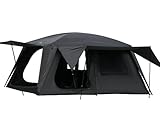
Overview: This Vidalido cabin tent targets small families seeking a spacious, versatile shelter. Measuring 10.5ft x 6.8ft (71.4 sq ft), it accommodates 4-6 campers with room for two queen air mattresses or multiple sleeping bags, featuring a two-room layout via a divider curtain.
What Makes It Stand Out: Triple mesh doors, two windows, and a star-viewing mesh roof ensure exceptional ventilation and bug protection. The PU1500mm waterproof coating and double-layer design (150D polyester/200D Oxford) handle light rain effectively, while the 6-8 minute setup for two people balances speed and stability over pop-up alternatives.
Value for Money: Priced competitively for a family-sized tent, it includes stakes, guylines, rainfly, and a carry bag. Though not stormproof, its durability and thoughtful features (like stargazing capability) justify the cost versus basic dome tents, though the note about missing poles (requiring DIY solutions) slightly dings value.
Strengths and Weaknesses:
Pros: Spacious dual-room layout; excellent airflow; easy setup; lightweight carry bag; ideal for light rain and stargazing.
Cons: Limited heavy-rain protection; condensation issues in humidity; only two front poles included (others require sourcing).
Bottom Line: An excellent budget-friendly choice for fair-weather family camping, offering comfort and versatility, but avoid in storms and prepare for minor assembly improvisation.
7. CORE 12 Person Instant Cabin Tent with LED Lights | Large 3 Room Family Lighted Pop Up Tent for 2 Minute Camp Setup | Included Storage Pockets for Camping Accessories
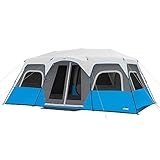
Overview: CORE’s instant cabin tent revolutionizes large-group camping with its 18x10ft footprint, fitting up to 12 people or four queen air mattresses. Its standout feature is integrated LED lighting, controlled via wall switch, eliminating the need for lanterns.
What Makes It Stand Out: True “2-minute setup” via pre-attached pop-up poles is unmatched for large tents. H20 Block Technology (1200mm coating, taped seams, sealed rainfly) provides robust weather resistance, while two room dividers create customizable private spaces—rare in instant tents.
Value for Money: Premium-priced but justified by the speed, durability, and built-in lighting. Competitors often charge extra for LEDs or room dividers. While heavier than backpacking tents, it’s ideal for car campers prioritizing convenience over portability.
Strengths and Weaknesses:
Pros: Blazing-fast setup; reliable weather protection; versatile room dividers; practical LED lighting; ample storage pockets.
Cons: Bulky carry bag; lighting requires external power; less breathable than mesh-heavy designs; higher cost than manual tents.
Bottom Line: The top pick for car campers needing rapid, spacious shelter with modern amenities—worth the investment for frequent group outings despite its weight.
8. SPECRAFT Inflatable Tent for Camping, Large Blow Up Tent 10-15 Person with Easy Setup Pump, Skylight, Stove Jack, Doors, Waterproof Oxford Outdoor Cabin, Ideal for Family, Emergency Shelter, Glamping

Overview: SPECRAFT’s inflatable tent redefines large-group camping with a massive 194 sq ft interior (10-15 person capacity), featuring 6.98ft height, independent living/sleeping zones, and unique amenities like a stove jack for extended stays.
What Makes It Stand Out: Five-minute solo setup via included pump and self-supporting PVC air columns (0.5mm thick) eliminates complex pole assembly. Triple-layer waterproof Oxford fabric, UV coating, and dual skylights with mesh windows ensure durability, ventilation, and stargazing—plus the stove jack enables year-round use.
Value for Money: Mid-to-high pricing is reasonable given the innovative inflation system and emergency-ready build. It outperforms traditional tents in speed and space but costs more than basic cabin models. The pump and carry bag add convenience without inflating the price excessively.
Strengths and Weaknesses:
Pros: Unbeatable setup speed; enormous space; stove jack for heating; superior weather resistance; excellent airflow via skylights.
Cons: Pump dependency; puncture risk with air beams; heavy weight; limited room dividers; stove jack requires careful fire safety.
Bottom Line: Ideal for glampers or emergency preppers needing rapid, roomy shelter—prioritize it for convenience but verify fire safety protocols if using the stove jack.
9. Vidalido 4-6 Person Camping Tent with 3 Door 2 Room Large Family Cabin Tents, Double Layer Waterproof Portable Glamping Tent, Big Tents for Outdoor Camping Hiking and Backpacking
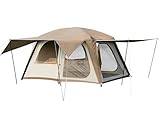
Overview: Nearly identical to Product #6, this Vidalido tent offers 71.4 sq ft of space for 4-6 campers but adds “outdoor cinema” functionality—projecting movies onto the rear wall—enhancing its appeal for family entertainment.
What Makes It Stand Out: Beyond the dual-room layout and triple mesh doors for ventilation, the cinema feature transforms it into a multipurpose shelter. The PU1500mm waterproofing and double-layer fabric (150D polyester/200D Oxford) remain reliable for light rain, while the 6-8 minute setup suits casual campers.
Value for Money: Matches Product #6’s price but gains value through the cinema capability. The included accessories (stakes, rainfly, carry bag) are standard, though the missing poles issue persists. It’s a smarter buy than #6 for families wanting evening entertainment.
Strengths and Weaknesses:
Pros: Cinema projection feature; great airflow; lightweight; easy two-person setup; room divider for privacy.
Cons: Same pole limitations as #6; not stormproof; condensation in humid conditions; cinema requires external projector.
Bottom Line: Choose this over #6 if movie nights matter—the minor upgrade justifies it for family glamping, but heed weather warnings and source extra poles.
10. KTT Extra Large Tent 12 Person,Family Cabin Tents,2 Rooms,3 Doors and 3 Windows with Mesh,Straight Wall,Waterproof,Double Layer,Big Tent for Outdoor,Picnic,Camping,Family Gathering(Brown)

Overview: KTT’s 12-person cabin tent (14.1x10ft) prioritizes interior space and customization, featuring straight walls for near-vertical sides, three mesh doors/windows, and a two-room layout via a curtain—ideal for family gatherings.
What Makes It Stand Out: The straight-wall design maximizes usable floor space, while dual door poles convert entrances into instant awnings—a rare, practical touch. High-density mesh ceilings enable stargazing, and the manual setup (though slower) promises superior stability versus pop-up tents.
Value for Money: Budget-friendly for its size, but requires hands-on assembly. It lacks instant setup or LEDs but compensates with awning versatility and robust storage hooks. Best for experienced campers valuing space over speed; avoid if you demand sub-5-minute pitching.
Strengths and Weaknesses:
Pros: Spacious straight walls; convertible awnings; excellent ventilation; durable Oxford fabric; affordable.
Cons: No instant setup (15+ minutes); manual assembly challenging for beginners; minimal included repair kits; heavy carry weight.
Bottom Line: A solid value pick for DIY-savvy campers needing massive, stable shelter—but skip if you prioritize rapid setup or lack assembly experience.
Defining the Premium Cabin Tent Experience
Beyond Basic Shelter: What “Premium” Really Means
A premium cabin tent transcends mere weather protection. It embodies superior craftsmanship using heavier-duty fabrics, robust poles (often thicker diameter aluminum or advanced composites), and meticulous attention to detail in stitching, seam sealing, and hardware. It’s engineered for longevity, resisting UV degradation, abrasion, and the stresses of frequent setup, not just a single weekend. This level of construction directly translates to a quieter, more stable, and significantly more reliable shelter in varied conditions.
The Glamping Comfort Imperative
Glamping is fundamentally about enhancing comfort while immersed in nature. A premium cabin tent is the cornerstone of this philosophy. It provides the essential foundation: ample vertical space for standing and moving, optimized layouts for furniture and gear, superior climate control through advanced ventilation, and features that minimize setup frustration. It’s the difference between enduring the outdoors and truly savoring a luxurious outdoor living experience.
Essential Features Justifying the Investment
Material Science: Fabrics That Last
Look for high-denier ripstop polyester or nylon fabrics, often with robust PU (polyurethane) coatings and factory-sealed seams. Premium models frequently utilize thicker fabric weights (e.g., 75D or higher for main body, 150D+ for floors) and superior UV inhibitors. These materials resist tearing, stretching, and degradation from sun exposure far better than the thinner fabrics found on budget tents, ensuring the tent remains taut, waterproof, and structurally sound for years.
Pole System: Strength and Stability Engineered In
The pole structure is the tent’s skeleton. Premium cabin tents typically feature thicker diameter aluminum poles (e.g., 13mm or 15mm+), often with proprietary hub systems or engineered geometries that distribute stress evenly. This creates exceptional wind resistance and stability, minimizing flexing and noise during storms. Some high-end models incorporate composite poles (like DAC Featherlite NFL) for an even better strength-to-weight ratio, though pure aluminum remains the most common robust choice for large cabin styles.
Weatherproofing: Sealing Out the Elements
True premium status demands exceptional weather resistance. This goes beyond basic seam sealing; expect fully taped seams (often with RF-welded or thermally bonded tapes for superior durability), deep and robust rainflies that extend significantly beyond the tent body, and high hydrostatic head ratings (2000mm+ for reliable performance, 3000mm+ is excellent for heavy rain regions). Look for features like extended vestibules, sturdy storm flaps over zippers, and well-designed rain gutters along the fly seams.
Optimizing Size and Layout for True Comfort
Determining Your Ideal Capacity
While manufacturers list capacities (e.g., “6-person”), premium cabin tents often feel significantly more spacious than budget equivalents of the same nominal size due to better vertical walls and ceiling height. Prioritize actual floor dimensions and peak height over the person count. Consider how you’ll use the space: Will you need room for cots, camp furniture, or gear storage inside? Adding 1-2 people to the nominal capacity for comfortable glamping is often wise (e.g., a “6-person” tent for 4 glampers with gear).
Layout Efficiency: Creating Functional Zones
Premium cabin tents excel in intelligent interior design. Look for near-vertical walls maximizing usable floor space, multiple large doors for easy access and cross-ventilation, and strategically placed windows. Consider compartmentalization – some models feature removable room dividers or distinct living/sleeping areas. Ample interior pockets, gear lofts, and dedicated storage zones (like large vestibules) are hallmarks of thoughtful premium design that enhance daily livability.
Ventilation: The Key to a Condensation-Free Stay
Advanced Airflow Systems
Poor ventilation is the enemy of comfort, leading to clammy interiors and condensation. Premium cabin tents integrate sophisticated systems: multiple large, adjustable mesh roof vents, high/low window configurations for cross-breeze, and often a chimney effect created by vents at the peak and low points. High-quality, fine-mesh panels are standard, keeping bugs out while maximizing airflow, even in rain with the fly properly pitched.
Managing Moisture in All Conditions
Beyond just vents, premium tents often feature breathable inner tent fabrics (though less common in large cabin styles), meticulous fly design that minimizes contact with the inner tent, and strategic placement of vents under the fly’s coverage to allow airflow without letting rain in. This multi-layered approach is critical for maintaining a comfortable, dry atmosphere inside, especially during cool nights or humid conditions.
Ease of Setup: Minimizing Frustration, Maximizing Relaxation
Intuitive Pole Integration
Complex setups ruin the glamping vibe. Premium cabin tents often utilize color-coded poles, intuitive hub systems, or pre-attached clips/sleeves that significantly streamline the process. The goal is a setup achievable by two people in 20-40 minutes, even on the first attempt, without wrestling with confusing instructions or fragile components. Look for systems designed for stability during setup, not just when fully erected.
Fly Attachment and Adjustment
How the rainfly attaches and adjusts is crucial. Premium models typically feature simple, secure attachment points (like buckles or toggles) rather than fiddly Velcro or tiny loops. Adjustable tension points on the fly allow you to fine-tune its tautness for optimal weather protection and ventilation after initial setup, adapting to changing conditions without a full re-pitch.
Interior Comfort and Livability Features
Peak Height and Wall Geometry
True comfort requires standing room. Premium cabin tents consistently offer higher peak heights (often 7+ feet) and maintain near-vertical walls for a much larger usable footprint compared to dome or tunnel styles. This architectural approach creates a spacious, cabin-like feel where movement isn’t restricted, making extended stays genuinely pleasant.
Window and Door Quality
Large, high-quality windows with fine mesh and clear vinyl panels are essential. Premium tents feature windows that open wide for views and airflow, often with secondary privacy covers or storm flaps. Doors should be robust, easy to operate (even with one hand), and feature quality zippers that resist snagging. Double-door configurations are highly desirable for cross-ventilation and convenient access.
Storage Solutions for the Glamping Lifestyle
Vestibule Versatility
Generous vestibules are non-negotiable for premium glamping. They provide essential covered, dry storage for muddy boots, gear, and cooking equipment, keeping the main living area clutter-free. Look for deep vestibules with multiple access points and sturdy construction. Some premium models offer optional vestibule extensions or awnings for even more covered space.
Integrated Interior Organization
Thoughtful interior storage elevates daily convenience. Expect numerous deep, mesh pockets for small items, dedicated gear lofts for hanging lights or clothes, and sometimes even built-in lantern hooks or electrical cord ports (ensure these are properly sealed!). These details prevent clutter and make the tent feel truly lived-in and organized.
Long-Term Value and Maintenance
Durability: An Investment in Seasons
The core justification for the premium price is longevity. Higher-grade materials and construction resist wear, tear, UV damage, and weathering far better. A well-maintained premium cabin tent can easily last 5-10+ seasons of regular use, whereas a budget tent might struggle after 2-3. This translates to a much lower cost-per-use over the tent’s lifespan, making it a smarter financial choice for frequent campers.
Care and Cleaning for Maximum Lifespan
Preserving your investment requires proper care. Always ensure the tent is completely dry before packing it away to prevent mildew. Clean dirt and debris gently with a soft brush and mild soap; avoid harsh detergents. Store it loosely in a breathable bag (not the compression sack) in a cool, dry place. Reapplying seam sealer periodically, especially on older tents or in high-rain areas, maintains waterproof integrity.
Evaluating the True Cost of Comfort
Beyond the Sticker Price: Calculating Value
While the upfront cost is higher, factor in the tent’s expected lifespan, the frequency of your trips, and the quality of your experience. A $1000 tent used 10 times a year for 8 years costs far less per trip than a $400 tent needing replacement every 2 years. Consider the intangible value: the peace of mind of reliable shelter, the enhanced comfort that makes trips more enjoyable, and the reduced frustration of dealing with flimsy gear.
When Premium Truly Makes Sense
This investment shines for those who camp regularly (5+ trips per year), prioritize comfort and space, camp in varied or potentially challenging weather, value a quiet and stable shelter, and plan to keep their gear for many seasons. If you’re a casual camper heading out once a summer, a solid mid-range tent might suffice. But for dedicated glampers seeking a luxurious, reliable home base, premium is the path to enduring satisfaction.
Frequently Asked Questions
What’s the biggest difference between a premium cabin tent and a standard family tent?
The most significant differences lie in material durability (thicker fabrics, stronger poles), superior weatherproofing (better seam sealing, higher hydrostatic head), enhanced ventilation systems, more spacious and functional layouts with true vertical walls, and overall construction quality designed for longevity and stability, not just short-term use.
How important is the tent’s hydrostatic head rating for glamping?
Very important. A higher hydrostatic head rating (measured in mm) indicates greater resistance to water pressure. For reliable performance in heavy or prolonged rain, especially in premium tents meant for serious use, look for a minimum of 2000mm, with 3000mm or higher being ideal for storm-prone areas. This ensures the fabric itself won’t leak under pressure.
Can a premium cabin tent handle winter or shoulder-season camping?
While primarily designed for spring, summer, and fall, some premium cabin tents with exceptional weatherproofing, robust poles, and good ventilation can handle mild winter or shoulder-season conditions. However, they lack the specialized low-snow-load design and extreme cold-weather features of true 4-season tents. Always check specific manufacturer recommendations and be prepared for heavy snow loads.
Are the heavier materials in premium tents worth the extra weight?
Absolutely for car camping and glamping. The slight increase in packed weight (often just 5-15 lbs more than a comparable budget tent) is negligible when transported by vehicle. The trade-off for dramatically increased durability, stability in wind, and longevity makes the extra weight a non-issue and a wise investment for ground-based comfort.
How can I prevent condensation inside my premium cabin tent?
Maximize ventilation! Open all roof vents and windows (using mesh covers in bug season), position the tent for natural cross-breezes, avoid blocking vents with gear, cook outside, and minimize bringing wet gear inside. Premium tents with superior ventilation systems are designed to mitigate condensation, but user practices are equally crucial, especially in cool, humid conditions.
Do I really need a footprint for a premium cabin tent?
Highly recommended. A footprint (a groundsheet cut precisely for your tent model) protects the expensive floor fabric from abrasion, punctures, and ground moisture. It significantly extends the tent’s lifespan by taking the brunt of the wear, keeping the main floor clean and dry, and often improving overall weatherproofing. It’s a small investment that safeguards your larger one.
How long should a well-maintained premium cabin tent last?
With proper care (thorough drying before storage, gentle cleaning, storage in a cool/dry place out of compression sacks), a high-quality premium cabin tent can realistically last 8-12 years or more of regular seasonal use. This far exceeds the typical 2-5 year lifespan of many standard family tents, making the cost-per-use very favorable.
Are cabin tents generally more stable in wind than dome tents?
When properly designed and staked out, premium cabin tents with robust pole structures and aerodynamic rainflies can be exceptionally stable, often rivaling or exceeding the wind performance of many dome tents. Look for models with low profiles, taut fly designs, and multiple guylight points for optimal stability in windy conditions.
What ventilation features should I prioritize for humid climates?
Prioritize tents with multiple large roof vents (especially at the peak), high/low window configurations for cross-breeze, and excellent mesh-to-fabric ratios. Chimney-effect venting, where warm, moist air escapes high vents while cooler air enters lower ones, is particularly effective. Avoid tents relying solely on small, low vents.
Is the higher cost of a premium cabin tent justified for occasional campers?
For campers who only go 1-2 times per year, a solid mid-range cabin tent might offer better value. However, if those occasional trips are important vacations where comfort and reliability are paramount, and you plan to keep the tent for many years, the premium model’s superior comfort, durability, and peace of mind can still be a worthwhile investment, even with infrequent use.
Related Buying Guides
- 10 Premium Tents for Hunters (Worth the Investment) in 2026
- 10 Premium 8-Person Tents for Large Groups (Worth the Investment)
- 10 Premium Family Tents for Comfort (Worth the Investment)
- 10 Premium Backpack Hunting Packs (Worth the Investment) in 2026
- 10 Premium Backpacking Sleeping Bags (Worth the Investment) in 2026