Table of Contents
Living in compact quarters doesn’t mean compromising on firearm security. As urban dwellings shrink and minimalist lifestyles gain traction, the demand for sophisticated space-saving solutions has revolutionized how we think about safe storage. Wall-mounted gun safes have emerged as the clever answer to a challenging question: how do you keep your weapons secure, accessible, and completely out of the way when square footage is at a premium? The evolution of these devices through 2026 has transformed them from simple metal boxes into intelligent security hubs that blend seamlessly into your home’s architecture.
The modern approach to small-space firearm storage prioritizes vertical real estate over floor clutter. Today’s wall-mounted systems integrate biometric scanners, smart connectivity, and fire-resistant materials into profiles slim enough to hide behind mirrors or inside closets. Whether you’re securing a single handgun or a modest collection, understanding what features matter most will help you navigate the increasingly sophisticated market. This guide breaks down the essential considerations for selecting a wall-mounted safe that protects your firearms, respects your space constraints, and meets the stringent security standards expected in the coming years.
Top 10 Wall Mounted Gun Safes
Detailed Product Reviews
1. RPNB Mounted Gun Safe with Auto Open Lid Biometric Fingerprint Lock, California DOJ Certified Handgun Safe
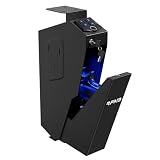
Overview: The RPNB Mounted Gun Safe delivers rapid biometric access for securing handguns from children while maintaining instant availability for authorized users. This California DOJ-certified safe features a 500 DPI semiconductor fingerprint sensor that unlocks in under one second, paired with an auto-open lid that presents your firearm in the ready position. Its slim vertical profile mounts discreetly under desks, nightstands, or in vehicles, offering versatile placement options for home or travel use. Constructed from sturdy steel with a corrosion-resistant black finish, this safe balances security with accessibility for responsible gun owners prioritizing both safety and speed.
What Makes It Stand Out: The auto-open lid mechanism sets this apart from standard biometric boxes, eliminating fumbling during high-stress situations. The sub-1-second fingerprint recognition is notably faster than many competitors, while the California DOJ certification provides verified security standards. Unlike many safes limited to single-position mounting, this unit offers right, left, or top-side installation, adapting to your space constraints. The slim vertical design maximizes storage efficiency in tight spaces where traditional safes won’t fit, making it ideal for bedrooms, offices, or vehicles.
Value for Money: Positioned in the mid-range biometric safe category, this RPNB model justifies its price through legitimate certification and practical engineering. Competing products with similar features typically cost 20-30% more, while budget alternatives lack the auto-open lid and California DOJ validation. For parents seeking proven child-resistant security without sacrificing access speed, the investment aligns with the critical nature of firearm safety. The durable steel construction ensures years of reliable service, making it a cost-effective long-term solution.
Strengths and Weaknesses: Strengths include lightning-fast biometric access, versatile mounting configurations, certified child-resistant design, and space-efficient vertical orientation. The auto-open lid provides genuine tactical advantage. Weaknesses involve reliance on battery power for biometric function, potential fingerprint sensor failure in extreme conditions, and limited capacity for only one handgun. Some users report occasional false negatives requiring multiple scan attempts.
Bottom Line: This safe excels for bedside or desk-mounted handgun storage where speed matters. The California DOJ certification and sub-second access make it ideal for parents prioritizing both security and readiness. While biometric dependency requires battery management, the auto-open lid and flexible mounting justify the investment for responsible owners needing quick, reliable access.
2. Omethey 53.15" Wall Safe Between the Studs, Hidden Safe with Dual Alarm System and Silent Mode, Wall Gun Safe with 3 Adjustable Shelves and Magnetic Slot (Black-Digital)
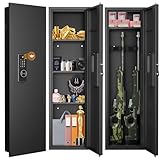
Overview: The Omethey 53.15" Wall Safe installs between standard 16" wall studs, creating a concealed storage vault for firearms, documents, and valuables. This heavy-duty steel safe features four solid locking bolts on three sides, a programmable keypad, and a dual alarm system that triggers on vibration or incorrect code entry. With three adjustable shelves and a magnetic slot, it organizes multiple handguns, rifles, or personal items while remaining hidden behind wall art or furniture. The powder-coated, scratch-resistant finish ensures durability, while the silent mode prevents discovery during late-night access.
What Makes It Stand Out: The integrated dual alarm system distinguishes this from passive safes, sounding a 30-second buzzer that alerts homeowners to tampering or unauthorized access attempts. Its impressive 53.15" height accommodates rifles and shotguns, not just handguns, making it a true multi-purpose safe. The three adjustable shelves with magnetic slots provide customizable organization rarely found in wall safes. The vibration sensor adds proactive security, detecting brute-force attacks before entry is gained.
Value for Money: While priced higher than basic wall safes, the Omethey delivers exceptional value through its alarm system and rifle-length capacity. Comparable models with similar dimensions cost 40-50% more, and adding aftermarket alarms would exceed the price difference. The heavy-duty steel construction and four-sided bolting provide commercial-grade protection at a residential price point. For homeowners seeking hidden, alarmed storage for long guns and valuables, this represents significant savings over traditional floor safes with similar features.
Strengths and Weaknesses: Strengths include the proactive alarm system, rifle-compatible height, adjustable shelving, heavy-duty four-bolt locking, and silent mode for discretion. The between-studs design maximizes space efficiency. Weaknesses include permanent installation requiring professional help, limited fire rating information despite marketing claims, and vulnerability of electronic components to power failures. The large size may not suit all wall structures.
Bottom Line: Ideal for homeowners wanting concealed, alarmed storage for long guns and valuables. The dual alarm system and adjustable organization justify the premium over basic wall safes. Professional installation is recommended, but the heavy-duty construction and proactive security features make this a superior choice for comprehensive home protection.
3. 43.3" Tall Fireproof Wall Safes Between the Studs 16" Centers, Electronic Hidden Safe with Removable Shelf, Fireproof in Wall Safe for Money Jewelry Passport

Overview: This 43.3" Tall Fireproof Wall Safe fits between 16" stud centers, offering concealed storage for valuables, documents, and handguns. The flush-mount design hides behind artwork while providing two motorized deadbolts and heavy-duty steel construction. Three removable shelves and key hooks organize cash, jewelry, and passports, with a fleece-lined interior preventing scratches. Access options include emergency keys, password entry, or external battery backup. At 48 pounds, it balances security with manageable installation, creating a hidden vault for items requiring both protection and discretion.
What Makes It Stand Out: The flush-mount profile allows true concealment behind framed art, unlike protruding models. The fleece interior lining demonstrates attention to detail, protecting delicate valuables from scratches. Three removable shelves offer flexibility for storing long items like documents or firearms. The external battery box ensures you’re never locked out due to dead batteries, a common failure point in electronic safes. The motorized deadbolts provide smoother operation than manual locking systems.
Value for Money: This safe competes in the mid-range wall safe category, offering strong value through its versatile shelving and flush design. Similar safes with motorized bolts cost $50-100 more, while budget options lack the interior lining and external battery backup. The fireproof marketing adds perceived value, though specific ratings aren’t provided. For homeowners prioritizing hidden document and handgun storage over certified fire protection, the price aligns well with features and build quality.
Strengths and Weaknesses: Strengths include the flush-mount concealment, fleece-lined interior, flexible removable shelving, multiple access methods, and external battery backup. The steel construction resists forced entry. Weaknesses include vague fireproof claims without UL rating, installation complexity for DIYers, and limited capacity for multiple long guns. The electronic lock may fail in extreme temperatures, and the 48-pound weight requires sturdy wall support.
Bottom Line: Excellent for discreetly storing documents, jewelry, and a handgun in a hidden wall location. The flush design and fleece interior show thoughtful engineering for valuables protection. While fireproof claims lack certification, the security features and flexible organization make it a solid mid-range choice for homeowners seeking concealed storage.
4. RPNB Mounted Firearm Gun Safe with Auto Open Lid 4-Digit PIN Keypad Lock Handgun Safe

Overview: The RPNB Mounted Firearm Safe provides rapid keypad access for securing handguns from unauthorized users. This slim vertical safe features a 4-digit PIN keypad with durable PP buttons, activating a drop-down drawer that presents your firearm in the ready position. Designed for mounting under desks, nightstands, or in vehicles, it offers the same sturdy steel construction and corrosion-resistant finish as its biometric sibling. The programmable electronic lock eliminates biometric reliability concerns while maintaining sub-second access, making it ideal for owners prioritizing simplicity and speed.
What Makes It Stand Out: The drop-down drawer with ready-position presentation mirrors the premium biometric model’s best feature at a lower price point. The PP material buttons provide tactile feedback superior to membrane keypads, enabling reliable single-handed operation in darkness. The versatile mounting system (right, left, or top) adapts to any space constraints. Unlike biometric alternatives, this model functions consistently regardless of finger condition or environmental factors, ensuring 100% access reliability when properly maintained.
Value for Money: This keypad version typically costs 30-40% less than the biometric RPNB model while retaining the critical auto-present feature. For users comfortable with code-based access, this represents exceptional value—competing keypad safes lack the drop-down drawer and cost more. The California DOJ certification (shared with the biometric version) validates its child-resistant design. Battery costs are minimal, and the electronic system is less complex than biometric sensors, potentially reducing long-term maintenance expenses.
Strengths and Weaknesses: Strengths include reliable keypad access, rapid drop-down presentation, versatile mounting, certified child-resistant design, and lower cost than biometric alternatives. The steel construction ensures durability. Weaknesses include no biometric option for fastest access, battery dependency, limited capacity for single handgun, and potential code entry delays under stress. Users must remember PIN codes, and buttons may wear over time, revealing frequently used digits.
Bottom Line: Perfect for those wanting reliable, quick-access handgun storage without biometric vulnerabilities. The drop-down drawer and sturdy construction make it ideal for bedside or vehicle use. While sacrificing fingerprint speed, the dependable keypad and significant cost savings make this a practical choice for security-conscious owners comfortable with code-based access.
5. XDeer Biometric Wall Safe without Gas Strut for Quick Access, Hidden Storage for Full-Size, LED Light, Silent Mode, and Backlit Digital Keypad S008QG (S008)
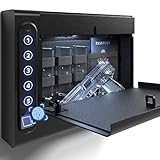
Overview: The XDeer Biometric Wall Safe mounts directly on walls, offering hidden storage for full-size handguns with advanced access technology. This carbon steel safe features a 0.1-second biometric scanner with 508 DPI resolution, backlit digital keypad, LED interior light, and silent mode. The pry-resistant door and 10-gauge steel housing provide robust security, while a tough wire rope secures it in place. A convenient cartridge pouch stores accessories inside. Designed for closet, bedroom, or entryway mounting, it keeps firearms accessible to adults while preventing children’s access.
What Makes It Stand Out: The lightning-fast 0.1-second biometric recognition is among the fastest available, significantly outpacing standard 1-second sensors. The LED interior light illuminates contents in dark environments, a rare feature in wall safes. Silent mode operation prevents alerting intruders or disturbing family members. The 10-gauge steel housing and pry-resistant door exceed typical residential safe standards. The included accessory pouch demonstrates thoughtful design for organizing magazines or ammunition.
Value for Money: Positioned at the premium end of wall-mounted safes, the XDeer justifies its price through exceptional speed and security features. Comparable biometric wall safes cost 25-35% more for similar specifications. The hardened carbon steel construction and anti-pry design offer commercial-grade protection at a residential price. For users prioritizing absolute fastest access and maximum security in a wall-mounted unit, the investment delivers professional-level performance without professional-level pricing.
Strengths and Weaknesses: Strengths include ultra-fast biometric access, heavy-duty 10-gauge steel, LED lighting, silent mode, pry-resistant design, and multiple entry methods. The wall-mounting saves floor space. Weaknesses include higher price point, complex installation requiring secure wall anchoring, no gas strut assistance for opening, and limited interior space for multiple firearms. The exposed wall mounting may be less discreet than in-wall models, and biometric sensors require regular cleaning.
Bottom Line: Excellent for those needing the fastest possible wall-mounted access with premium security. The 0.1-second biometric response and heavy-duty construction make it ideal for high-risk scenarios. While installation is more involved and costs are higher, the professional-grade features and anti-pry design justify the premium for security-conscious owners prioritizing speed and strength.
6. KAER 2-3 Gun Safe,Rifle Safe,Gun Safe for Rifles and Pistols,Gun Cabinet for Shotguns,Long Gun Cabinet for Shotguns with Removable Storage Shelf,LED Light,Quick Access Rifle Safes,Adjustable Shelves

Overview: The KAER 2-3 Gun Safe delivers reliable firearm storage for homeowners needing compact rifle and pistol security. This steel cabinet accommodates two rifles up to 44 inches with scopes, featuring 180-degree full access through external hinges. The smart numeric keypad includes code memory to prevent lockouts during power failures, while three internal lock boxes and a door-mounted pistol pocket organize ammunition and handguns effectively.
What Makes It Stand Out: The emergency-ready design prioritizes quick access with its code memory function and comprehensive interior organization. Three 20mm locking bolts and anti-pry construction provide robust physical security, while the intelligent lockout system activates after three failed attempts, sounding alerts and disabling input for 50 seconds. Pre-drilled mounting holes and included hardware enable secure floor or wall installation anywhere.
Value for Money: Positioned in the mid-range category, this safe offers superior interior flexibility compared to basic single-rifle cabinets. The integrated organization system eliminates need for separate pistol boxes, representing solid value for multi-gun owners under $300.
Strengths and Weaknesses: Strengths include intelligent lockout protection, comprehensive interior compartments, 180-degree door swing, and sturdy steel construction. Weaknesses involve limited rifle capacity for claims of holding three guns, dependency on battery power, and audible alerts that may compromise stealth during emergencies.
Bottom Line: Ideal for apartment dwellers or casual gun owners needing organized, secure storage without sacrificing quick access. While not a high-security vault, its thoughtful features and reliable construction make it a practical choice for home defense scenarios.
7. Grimtron Quick Access Wall Safe with Removable Pegboard & Shelfs, Flat Hidden Wall Safes Between The Studs 16" Centers, Black Wall Mount Safe for Valuables, Gifts for Men and Women

Overview: The Grimtron Quick Access Wall Safe offers discreet security that integrates seamlessly into standard 16-inch stud construction. Measuring 22 inches tall with a 3.78-inch depth, this black steel safe installs flush between wall studs, creating a hidden compartment for valuables, documents, and firearms. The removable pegboard and adjustable shelves provide customizable storage configurations for various items.
What Makes It Stand Out: The innovative pegboard system distinguishes this safe from competitors, allowing users to customize hanging storage with adjustable pins. The auto-unlocking mechanism automatically opens the door after correct code entry, while built-in LED illumination ensures visibility in dark conditions. A flush-mount design accommodates picture frame concealment, and silent mode operation maintains discretion during access.
Value for Money: This wall safe competes directly with premium hidden safes but offers unique organizational flexibility at a mid-tier price point. The pegboard customization eliminates need for aftermarket organizers, providing excellent value for users wanting tailored storage solutions without additional costs.
Strengths and Weaknesses: Strengths include superior concealment, versatile pegboard organization, auto-open convenience, and multiple access methods including USB emergency charging. Weaknesses involve shallow 3.78-inch depth limiting storage of larger items, complex installation requiring drywall cutting, and electronic components potentially failing during power outages.
Bottom Line: Perfect for homeowners prioritizing stealth and organization over maximum capacity. The Grimtron excels as a hidden valuables safe behind artwork, though gun owners should verify firearm dimensions fit the shallow depth before purchasing.
8. INTERGREAT 53" Wall Gun Safe, Gun Safes for Rifles and Pistols with Adjustable Rack, Fireproof In Wall Gun Safe Between Stud, 4 Rifle Safe with 3 Removable Shelf (Black)

Overview: The INTERGREAT 53" Wall Gun Safe provides vertical rifle storage concealed within wall cavities between 16-inch studs. This tall, narrow safe accommodates up to four rifles alongside pistols and accessories. Three removable shelves and key hooks organize valuables, while the six-inch depth keeps the unit flush with drywall for optimal hiding in any room.
What Makes It Stand Out: Three unlocking methods—digital keypad, biometric fingerprint scanner, and emergency keys—offer unmatched access flexibility. The security alarm system activates after three incorrect password attempts, emitting a 60-second warning beep to deter tampering. Its fireproof designation adds protection beyond standard wall safes, though specific ratings aren’t detailed.
Value for Money: Comparable tall wall safes with biometric features often exceed $500. This model delivers fingerprint technology, alarm protection, and rifle storage at a competitive price point, making it attractive for security-conscious buyers seeking comprehensive features.
Strengths and Weaknesses: Strengths include multiple access options, anti-theft alarm, substantial height for long guns, and customizable shelving. Weaknesses involve unspecified fireproof rating and duration, requiring verification for true fire protection claims. Installation demands precise stud alignment and drywall modification.
Bottom Line: An excellent choice for gun owners needing concealed, secure rifle storage with quick biometric access. Verify fireproof specifications independently and ensure professional installation for optimal security. The INTERGREAT balances capacity, stealth, and advanced features effectively.
9. VEVOR Gun Safe for Pistols, Biometric Gun Safe with Three Quick Access Ways of Fingerprints, Passwords and Keys, Handgun Safe for 1 Pistol for Home, Bedside, Nightstand, Wall

Overview: The VEVOR Biometric Gun Safe delivers rapid-access pistol storage for home defense scenarios. Designed for single handgun security, this compact safe features three entry methods: fingerprint scanner, digital password, and backup keys. The 3mm Q235 cold-rolled steel construction provides robust protection while maintaining a discreet profile suitable for bedside, wall, or vehicle mounting applications.
What Makes It Stand Out: Lightning-fast fingerprint recognition unlocks in under one second with 98% accuracy, crucial for high-stress situations. Versatile installation options allow mounting from right, left, or top surfaces using included self-tapping screws. Silent mode operation and LED lighting enhance tactical advantages during nighttime access, while removable foam padding protects firearm finishes.
Value for Money: Competing biometric safes with similar response times typically cost 30-40% more. VEVOR’s offering provides premium quick-access technology at a budget-friendly price point, making advanced security accessible to most gun owners without compromising quality.
Strengths and Weaknesses: Strengths include exceptional unlock speed, flexible mounting configurations, silent operation, and sturdy steel construction. Weaknesses involve single-pistol capacity limiting storage, battery dependence requiring monitoring, and fingerprint scanner potentially struggling with dirty or wet fingers in emergencies.
Bottom Line: An outstanding value for homeowners prioritizing rapid pistol access. The VEVOR excels as a bedside safe for immediate defense needs, though multiple-gun households will need additional units. For quick, reliable single-firearm security, this safe delivers impressive performance.
10. 33.46" Tall Fireproof Wall Safes Between the Studs 16" Centers, Heavy Duty Combination Lock in Wall Safe with 3 Removable Shelf, Hidden Safe for Money, Jewelry, Document, Passport

Overview: The 33.46" Fireproof Wall Safe provides robust protection for valuables concealed between standard 16-inch wall studs. This heavy-duty steel safe features exterior dimensions of 33.46"H x 14.57"W x 3.93"D, creating a flush-mount solution hidden behind artwork. Two motorized deadbolts secure the door against forced entry while maintaining quick access through combination lock or emergency keys.
What Makes It Stand Out: The integrated “false bottom” creates a secret compartment within the safe, providing additional security layers for critical items like pistols or cash. Fireproof construction protects contents from heat damage, though specific temperature ratings require verification. Three removable shelves and built-in key hooks enable organized storage of documents, jewelry, and passports.
Value for Money: Fireproof wall safes with motorized locking typically command premium prices. This model offers professional-grade features including dual deadbolts and hidden compartments at a mid-range price, delivering strong value for security-conscious homeowners seeking comprehensive protection.
Strengths and Weaknesses: Strengths include fire-resistant design, motorized deadbolt security, false bottom concealment, and flush-mount discretion. Weaknesses involve shallow depth limiting larger item storage, unspecified fireproof certification details, and combination lock requiring turning knob operation that slows access compared to direct-entry systems.
Bottom Line: Excellent for protecting documents and small valuables from fire and theft. The false bottom adds clever security, but gun owners should confirm firearm fit within the narrow depth. For homeowners seeking discreet, fire-resistant storage, this safe provides professional features without premium pricing.
Why Wall-Mounted Safes Dominate Small Space Security
Space Optimization Benefits
Wall-mounted safes capitalize on underutilized vertical space that typically goes to waste in apartments, condos, and smaller homes. Unlike traditional floor safes that consume valuable footprint, these units tuck into wall cavities, behind doors, or inside closets without sacrificing functionality. The average wall safe protrudes less than 4 inches from the surface when properly installed, making them ideal for narrow hallways or bedrooms where every inch counts. This design philosophy aligns perfectly with the 2026 trend toward multi-functional furniture and hidden storage solutions that keep living areas uncluttered while maintaining quick access to secured items.
Discreet Placement Strategies
The true advantage of wall-mounted systems lies in their ability to hide in plain sight. Modern designs accommodate installation behind hinged artwork, sliding panels, or within false utility boxes that blend with your home’s aesthetic. For small spaces, consider locations like the interior of closet walls, behind bedroom doors that open 180 degrees, or even inside kitchen pantry walls where deep shelves can mask the safe’s presence. The key is identifying structural opportunities where the safe’s depth won’t interfere with room function but remains accessible during emergencies. Many 2026 models feature reversible door swings and customizable exterior finishes that further enhance concealment possibilities.
Accessibility vs. Concealment Balance
Finding the sweet spot between hiding your safe and reaching it quickly defines the small-space challenge. A safe buried behind winter coats in a packed closet defeats its purpose during critical moments. Instead, prioritize locations within your natural home traffic patterns—near your bedside, in a home office, or within a mudroom area. The emerging standard for 2026 includes voice-activated interior lighting and proximity sensors that illuminate contents when you approach, eliminating fumbling in dark, tight spaces. Consider how you’ll access the safe during different scenarios: midnight home intrusion, daily practice retrieval, or emergency evacuation planning.
Key Security Features for 2026 Models
Biometric Authentication Advances
Fingerprint recognition technology has matured significantly, with new sensors that work reliably even with dirty, wet, or injured fingers—a crucial improvement for real-world scenarios. Look for systems that store multiple fingerprint profiles for family members and feature self-learning algorithms that adapt to slight changes in your prints over time. The latest capacitive scanners operate through light dust and debris, reducing maintenance in compact, less-ventilated spaces where traditional optical sensors might struggle. Backup entry methods remain essential; 2026 standards mandate at least two alternative access methods beyond biometrics, typically combining PIN codes and mechanical keys.
Tamper Detection Systems
Modern wall safes incorporate accelerometers and vibration sensors that detect drilling, prying, or forced removal attempts. These systems connect to smartphone apps, sending immediate alerts if someone tampers with the unit while you’re away. Some advanced models feature internal cameras that capture images of anyone attempting unauthorized access, storing footage locally and in cloud backup. For small spaces where the safe might be more visible to visitors, silent alarm modes prevent alerting an intruder that they’ve triggered a security response while still notifying you and potentially local authorities.
Steel Gauge and Construction Standards
The benchmark for quality wall safes in 2026 starts with 14-gauge steel bodies and 12-gauge doors, though premium options offer 10-gauge construction for maximum protection. Pay attention to continuous welds rather than spot welding, which creates vulnerabilities at stress points. The door frame should feature reinforced edges that resist pry attacks, and locking bolts should extend at least one inch into the frame. For wall installations, the safe’s rear panel needs equal strength to the door—thieves often attack the weakest point, which might be the back if it’s simply thin sheet metal designed to sit flush against studs.
Fire and Water Protection Ratings
While wall safes traditionally lag behind floor safes in fire protection, 2026 models have closed the gap with ceramic wool insulation and expanding door seals. Look for UL Class 350 fire ratings that protect contents for at least 60 minutes at 1,700°F—critical when the safe sits within wall cavities that can accelerate heat transfer during house fires. Water resistance matters too, especially for safes installed in exterior walls or basements prone to moisture. IPX6 ratings indicate protection against heavy water jets, while properly gasketed doors prevent humidity damage to firearms and documents stored inside compact, potentially damp wall spaces.
Installation Fundamentals for Small Spaces
Wall Type Assessment
Your wall’s composition determines installation complexity and safe selection. Standard 2x4 stud walls with drywall offer the simplest mounting, but you must verify stud spacing—16 inches on center is typical, but older homes may vary. Plaster walls require special anchors and careful drilling to prevent cracking. Concrete or brick walls demand masonry bits and concrete screws, but provide superior security against removal. For renters, look into reinforced mounting plates that distribute weight across multiple studs and minimize permanent damage, though you’ll still need landlord approval for any structural modifications.
Stud Finding and Reinforcement
Never mount a gun safe solely to drywall, regardless of the anchor quality. Use a high-quality stud finder to locate the center of at least two studs, preferably three for heavier units. The safe should span multiple studs to distribute its loaded weight, which can exceed 100 pounds for larger models. Consider adding horizontal 2x6 backing boards between studs before installation, creating a reinforced frame that dramatically increases security and prevents the safe from being pried away from the wall. This step proves especially crucial in small apartments where walls might be thinner or use metal studs that don’t offer the same holding power as traditional wood framing.
Depth Considerations for Narrow Walls
Standard 2x4 walls provide about 3.5 inches of depth between drywall surfaces, limiting how deeply a safe can recess. Many 2026 designs accommodate this with hybrid mounting—partially recessed with a slim front profile that protrudes minimally. For ultra-thin walls or partition walls, surface-mount options with decorative covers mimic electrical panels or HVAC returns. Always measure your wall depth before purchasing and account for any plumbing or electrical runs that might occupy the cavity. Use a borescope camera through a small inspection hole to confirm clear space within the wall before cutting the full opening.
Professional vs. DIY Installation
While handy homeowners can manage basic installations, small spaces often present unique challenges that justify professional help. Electricians can wire internal outlets for dehumidifiers or charging stations, while carpenters ensure proper reinforcement without compromising wall integrity. Professional installers also understand local building codes regarding fire blocking and insulation requirements that maintain your home’s safety ratings. The cost typically ranges from $150 to $400, but includes proper patching, painting, and guarantees against wall damage. For renters, professional installation often satisfies landlord concerns and ensures the safe can be removed later with minimal repair costs.
Size and Capacity Planning
Interior Configuration Options
Modern wall safes maximize limited interior space with adjustable shelving, door organizers, and modular foam inserts that cradle firearms securely. Look for Velcro-compatible interior walls that accept holsters, magazine pouches, and accessory holders without drilling permanent holes. Some 2026 models feature rotating carousels or pull-out drawers that bring the rear contents forward, eliminating the need to reach deep into narrow wall cavities. Consider your primary use—if storing a single home defense pistol, a compact 8x12 inch interior suffices, but collectors need configurable spaces that adapt as collections grow or change.
Handgun vs. Long Gun Adaptability
Most small-space wall safes focus on handguns and valuables, but innovative designs now accommodate compact long guns like AR pistols or disassembled shotguns. Vertical orientation safes with segmented compartments store barrels and receivers separately while maintaining quick assembly access. For mixed collections, seek models with removable dividers that convert from handgun storage to long gun mode in minutes. The key is measuring your longest firearm against the safe’s diagonal depth—some wall units feature angled interiors that maximize usable length within shallow wall cavities.
Ammunition and Accessory Storage
Dedicated ammunition storage within the same safe remains controversial—some experts recommend separate locked containers. However, small spaces often necessitate combined storage. If storing ammo, ensure the safe includes a sealed compartment with desiccant controls to prevent moisture contamination. Door organizers with elastic loops and mesh pockets efficiently store magazines, speed loaders, and cleaning supplies without consuming main compartment space. The 2026 standard includes USB charging ports for weapon-mounted lights and red dot sights, keeping your gear ready without external cables that could compromise the safe’s security.
Smart Technology Integration
Connectivity Features
Wi-Fi and Bluetooth connectivity transform wall safes into active security components rather than passive containers. Real-time status updates tell you if the door is ajar, batteries are low, or humidity levels rise dangerously. Integration with home automation systems allows the safe to trigger lights, cameras, or alarms during access. For small spaces, geofencing capabilities automatically secure the safe when you leave home and prepare it for quick access as you return. Look for systems with encrypted communication protocols that prevent hacking, especially important when the safe connects to your broader home network.
Battery Life and Power Options
Hardwired power eliminates battery concerns but isn’t always feasible in wall installations. Premium battery-powered models now last 3-5 years on a single set of lithium batteries, with solar trickle chargers that extend life indefinitely. Backup power banks connect via hidden ports, ensuring access during extended outages. The best systems use power management that disables non-essential features (like interior cameras) when battery levels drop below 20%, preserving core locking functions. Always verify battery status through the app weekly, and keep spare batteries in a separate, easily accessible location—not inside the safe.
App Control and Monitoring
Companion apps should offer more than basic lock/unlock functions. Look for access logs that timestamp every opening, user management that grants temporary access to house sitters, and maintenance reminders for lock lubrication and seal inspections. Advanced apps include practice mode that tracks your access speed without actually unlocking the safe, helping you improve emergency response times. For shared living situations, multi-user profiles with customizable permission levels ensure family members have appropriate access while maintaining accountability. The app must work offline too, storing data locally when Wi-Fi fails and syncing when connection restores.
Legal Compliance and Safety Standards
State and Local Regulations
Firearm storage laws vary dramatically by jurisdiction and change frequently. California mandates specific locking devices and approved safe standards, while Texas focuses on child access prevention. Research your state’s current requirements before purchasing, as some jurisdictions certify specific safe models or require minimum security features. The 2026 landscape includes emerging “smart gun” storage laws that may require connectivity features or remote monitoring capabilities. Keep documentation of your safe’s specifications in case of legal inquiries, and understand that installation permits might be required in certain municipalities, especially for concealed wall installations.
Child Safety Requirements
If children are present or visit your home, your safe must exceed basic legal standards. Look for models with dual authentication requirements—biometric plus PIN—to prevent clever kids from accessing contents. Some safes include “child mode” that sends alerts to your phone whenever the safe is approached, even if not opened. The safe should mount high enough that children cannot reach the keypad or scanner, typically 5 feet from the floor minimum. Consider models with decoy compartments that open to reveal empty space if a child somehow bypasses the first security layer, delaying access while alerting you to the breach.
Insurance Implications
Your homeowners insurance may require specific safe ratings to cover firearms against theft. Many policies demand UL Residential Security Container (RSC) ratings or higher, with documentation of professional installation. Some insurers offer premium discounts for smart safes with monitoring capabilities, viewing them as active security measures. Photograph your safe’s interior contents annually for insurance records, and verify whether your policy covers the safe itself as property or only its contents. High-value collections might necessitate separate rider policies that specify minimum safe standards—typically 750-pound weight or permanent installation requirements that wall safes can satisfy with proper documentation.
Maintenance and Longevity
Lock Mechanism Care
Biometric scanners require weekly cleaning with microfiber cloths to remove oil and dust buildup that can cause misreads. Mechanical backup locks need annual lubrication with graphite powder, never oil-based products that attract debris. Test all entry methods monthly, including backup keys stored in a separate secure location. The 2026 models include self-diagnostic modes that test bolt operation and battery contacts, reporting issues before they become failures. In humid environments common to wall cavities, silica gel packs inside the lock housing prevent corrosion of electronic components and mechanical springs.
Humidity Control Solutions
Wall cavities often trap moisture, making dehumidification critical. Electric dehumidifier rods that fit inside the safe consume minimal power while maintaining 40-50% relative humidity. Rechargeable desiccant packs offer wireless alternatives, changing color when they need recharging in an oven. Smart safes with integrated hygrometers alert you when humidity exceeds safe thresholds, preventing rust on firearms and deterioration of paper documents. For maximum protection in damp climates, consider models with sealed door gaskets and positive pressure systems that expel moist air when the door closes, creating a microclimate that protects your investment.
Warranty and Support Considerations
Quality manufacturers back their products with lifetime warranties on construction defects and 5-year warranties on electronic components. Read the fine print—some warranties void if you use the safe in “unapproved” wall types or fail to register the product within a specific timeframe. Support responsiveness matters when you’re locked out due to a failed electronic component. Look for companies offering 24/7 emergency access support and guaranteed replacement shipping within 24 hours. The best manufacturers provide retrofit kits that upgrade older models with new technology, ensuring your safe remains current without complete replacement as standards evolve through 2026 and beyond.
Frequently Asked Questions
What is the average installation time for a wall-mounted gun safe?
Professional installation typically takes 2-3 hours, including wall assessment, reinforcement, mounting, and cosmetic finishing. DIY installation can take 4-6 hours for first-timers, especially if you encounter unexpected wall obstructions or need to add reinforcement boards.
Can wall-mounted safes be installed in apartments without violating leases?
Most leases prohibit structural modifications, but some landlords approve installations that don’t compromise wall integrity. Use reinforced mounting plates that distribute weight across multiple studs, and get written permission before proceeding. Consider portable wall safes designed for temporary installation using existing drywall anchors that cause minimal damage.
How much weight can a standard 2x4 stud wall support?
A properly installed wall safe spanning three studs can support 150-200 pounds when loaded. However, the safe’s contents add weight—factor in 50-75 pounds for firearms and accessories. Never exceed the manufacturer’s specified weight limit for your wall type, and always reinforce with backing boards for loads over 100 pounds.
Are biometric locks reliable in emergencies?
Modern biometric scanners have 99.9% reliability rates with proper maintenance. However, always register multiple fingers per user and maintain clean scanner surfaces. Practice accessing the safe weekly to build muscle memory, and never rely solely on biometrics—ensure backup entry methods are functional and accessible.
What fire rating should I look for in a wall-mounted safe?
Seek UL Class 350 ratings with at least 60 minutes of protection at 1,700°F. Wall safes face unique challenges because wall cavities can accelerate heating, so longer ratings (90-120 minutes) provide better protection. Verify that the rating applies to the entire unit, not just the door.
Can smart safes be hacked remotely?
Quality smart safes use bank-level encryption and local processing that doesn’t expose core locking functions to the internet. Hackers might access usage logs or camera feeds, but cannot unlock the safe remotely. Disable remote unlocking features if concerned, and use strong, unique passwords for safe apps.
How often should I replace the batteries in an electronic wall safe?
Lithium batteries typically last 3-5 years, but check status monthly through the app or keypad indicator. Replace batteries annually as preventive maintenance, or immediately when capacity drops below 30%. Keep spare batteries outside the safe in a secure, memorable location.
Do wall safes provide the same security as floor safes?
Properly installed wall safes with reinforced backing match floor safe security against theft. However, floor safes generally offer superior fire and water protection due to their installation in concrete. Wall safes excel at concealment and accessibility, making them ideal for home defense firearms where speed matters.
What maintenance is required for the safe’s interior?
Vacuum interior compartments quarterly to remove dust and lint that can interfere with mechanisms. Wipe down firearms with oil cloths before storage, and replace desiccant packs every 3-6 months. Inspect door seals annually for cracks or compression, and lubricate bolt work with dry graphite annually.
Can I install a wall safe in a mobile home or RV?
Specialized RV safes exist for these applications, designed for thinner walls and constant vibration. Standard wall safes may not secure properly to RV wall studs, which differ from residential construction. Look for models with reinforced mounting brackets specifically rated for mobile installations, and consider added vibration dampening to protect electronic components.
Related Buying Guides
- 10 Must-Have Wall Mounted Gun Safes for Space Saving in 2026
- 10 Essential Small Gun Safes Every First-Time Gun Owner Needs in 2026
- 10 Essential Small Gun Safes Every New Gun Owner Needs in 2026
- 10 Expert-Recommended Narrow Gun Safes for Tight Spaces in 2026
- 10 Best Fireproof Gun Safes for Protecting Firearms from House Fires in 2026