Table of Contents
Choosing the right hunting gloves isn’t just about comfort; it’s a critical factor that can make or break your entire expedition. Imagine lining up the shot of a lifetime, heart pounding, only to fumble the safety or feel your fingers seize up from the cold. That moment of hesitation, that loss of fine motor control, often stems from inadequate hand protection. Your hands are your primary connection to your gear and the environment – pulling a trigger, adjusting optics, field dressing game, or even building a fire when temperatures plummet. Neglecting this vital piece of equipment turns manageable conditions into a miserable, potentially dangerous experience, drastically reducing your effectiveness and enjoyment in the field.
The quest for the perfect hunting glove revolves around a seemingly impossible balance: achieving maximum dexterity for intricate tasks while providing unwavering warmth in frigid conditions. Too bulky, and you sacrifice the tactile sensitivity needed for precise movements; too thin, and your hands become numb and useless long before the hunt concludes. Modern advancements in materials and design have narrowed this gap significantly, but navigating the options requires understanding the specific demands of your hunting style and environment. This guide cuts through the marketing noise, focusing on the essential features and considerations that truly matter when selecting gloves designed to keep you capable, comfortable, and focused on the pursuit, regardless of the season or terrain.
Top 10 Hunting Gloves
Detailed Product Reviews
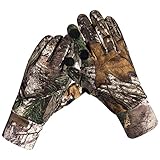
1. EAmber Camouflage Hunting Gloves Full Finger/Fingerless Gloves Pro Anti-Slip Camo Glove Archery Accessories Hunting Outdoors
Overview:
These budget-friendly fingerless hunting gloves prioritize flexibility and stealth for archers and outdoor enthusiasts. Made from soft polyester and thin fleece, they balance warmth with dexterity in mild to cool conditions, featuring a camo pattern ideal for blending into natural environments during hunting or photography.
What Makes It Stand Out:
The fingerless design for the thumb and index finger allows quick adjustments to bows or cameras without removal, while the mesh silicone palm coating ensures a secure grip. Their versatility shines across activities like paintball, airsoft, and wildlife photography, and the two-size system (M/L) accommodates most adult hands.
Value for Money:
Priced affordably, they outperform generic alternatives in grip and breathability but lack advanced weather protection. For casual users needing basic dexterity and camouflage, they offer solid utility—though serious hunters in extreme cold may need supplementary gear.
Strengths and Weaknesses:
Strengths: Lightweight comfort, excellent hand mobility, reliable anti-slip palm, multi-use versatility. Weaknesses: Limited warmth for freezing temps, inconsistent sizing (measured palm width feels narrow), no touchscreen compatibility despite marketing.
Bottom Line:
A practical, economical choice for mild-weather hunters prioritizing grip and flexibility, but not ideal for harsh winter conditions.
2. Carhartt Mens Hunt Fleece Camo Flip Mitten Cold Weather Gloves, Xtra Brown, Large US

Overview:
Carhartt’s flip-mitten design merges classic durability with cold-weather functionality. Built for frigid hunting or work environments, these mittens feature a fleece shell and synthetic palm, targeting users needing quick access to fingers without removing the entire glove.
What Makes It Stand Out:
The magnetic flip closure is a game-changer—securing the finger cover instantly with a satisfying snap—while reinforced thumb saddles and wrist elastic prevent slippage. The Xtra Brown camo offers subtle concealment, and the fleece lining provides dependable, no-frills warmth.
Value for Money:
Priced mid-to-high, they justify cost through Carhartt’s rugged construction and innovative magnet system. Cheaper alternatives often sacrifice durability or ease of use, making these a smart investment for frequent winter users.
Strengths and Weaknesses:
Strengths: Superior magnetic closure, exceptional durability, snug wrist fit, reliable warmth. Weaknesses: Fleece shell lacks wind/water resistance, limited dexterity when flipped down, camo pattern less versatile than digital prints.
Bottom Line:
Worth the premium for hunters or laborers in dry cold climates who value quick finger access and legendary Carhartt toughness.
3. Carhartt Men’s A528 TS Guantlet Glove - Large - Mossy Oak

Overview:
Engineered for wet, freezing conditions, these guantlet-style gloves combine Mossy Oak camo with serious weatherproofing. Targeting waterfowl hunters or ice anglers, they integrate waterproofing, insulation, and moisture-wicking tech in a rugged outdoor package.
What Makes It Stand Out:
The waterproof insert and Polyfil insulation tackle sleet and subzero temps, while FastDry® lining pulls sweat away during exertion. Realtree® camo enhances concealment, and the extended cuff seals out snow—critical for prolonged exposure.
Value for Money:
High-priced but competitive for waterproof insulated gloves. Cheaper options often leak or lack durable insulation; Carhartt’s warranty and longevity offset the cost for serious cold-weather professionals.
Strengths and Weaknesses:
Strengths: Excellent waterproofing, superior warmth retention, moisture-wicking comfort, durable Realtree® print. Weaknesses: Bulky for fine tasks, stiff in extreme cold initially, limited breathability during high activity.
Bottom Line:
A top-tier pick for hunters facing wet, icy conditions who prioritize dryness and warmth over nimble fingerwork.
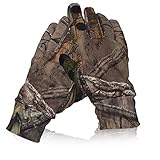
4. Favuit Camouflage Hunting Gloves, Lightweight Anti-Slip Full Finger Fingerless Touchscreen Camo Gloves Outdoor Tactical Hunting Gear Archery Accessories for Turkey Fishing Airsoft (Camo L)
Overview:
Favuit’s ultra-light gloves target warm-weather hunters needing breathability and touchscreen function. Constructed from polyester with camo prints, they promise stealth and dexterity for turkey hunting, archery, or airsoft in mild seasons.
What Makes It Stand Out:
The adjustable two-finger design (thumb/index coverable or exposed) and anti-slip silicone palm stand out, alongside a snug elastic wrist strap. The camo pattern blends well in foliage, and the lightweight fabric prevents overheating during active pursuits.
Value for Money:
Budget-friendly with strong multi-sport utility. While not insulated, they excel as warm-weather accessories—outperforming pricier rivals in breathability but lacking cold-weather versatility.
Strengths and Weaknesses:
Strengths: Remarkable breathability, secure non-slip grip, versatile fingerless adjustability, unobtrusive camo. Weaknesses: Questionable touchscreen efficacy, minimal warmth, sizing runs small (measure carefully).
Bottom Line:
Ideal for spring/summer hunters needing dexterity and grip, but avoid for cold or rainy scenarios.
5. Favuit Camouflage Hunting Gloves Convertible Fingerless Mittens Pro Anti-Slip Windproof Camo Glove Archery Accessories for Hunting Camping Hiking Climbing Outdoors Gear

Overview:
These convertible mittens bridge warmth and functionality for variable conditions. Featuring windproof polyester shells, fleece lining, and flip-top fingers, they cater to hunters, climbers, or anglers needing adaptable hand protection from chilly mornings to active pursuits.
What Makes It Stand Out:
The dual-purpose design—windproof mitten to fingerless glove in seconds—plus hook-and-loop closures for secure flips is exceptional. Extended cuffs block snow, while water-repellent coating handles light precipitation, making them uniquely versatile across hiking, ice fishing, or hunting.
Value for Money:
Mid-range pricing delivers outstanding flexibility. Few gloves match this adaptability; alternatives often require carrying separate mittens and gloves, justifying Favuit’s cost for multi-activity users.
Strengths and Weaknesses:
Strengths: Seamless mitten-to-glove transition, effective wind/water resistance, ergonomic palm design, generous cuff coverage. Weaknesses: Fleece lining compresses over time, hook closure can snag, warmth insufficient for deep freeze.
Bottom Line:
A must-have for outdoor enthusiasts facing changing conditions—optimal for shoulder seasons but pair with liners in extreme cold.
6. Favuit Camouflage Hunting Gloves, Lightweight Anti-Slip Full Finger Fingerless Touchscreen Camo Gloves Outdoor Tactical Hunting Gear Archery Accessories for Turkey Fishing Airsoft (Black L)

Overview:
The Favuit Camouflage Hunting Gloves are tactical gloves designed for hunters and outdoor enthusiasts seeking stealth and versatility. Made from breathable polyester, they feature a realistic camo pattern to blend into natural environments during activities like turkey hunting, fishing, or airsoft. Their standout innovation is the adjustable three-finger design, allowing wearers to cover or expose fingers instantly for precise gear handling without removal.
What Makes It Stand Out:
The convertible fingerless system offers unmatched adaptability for switching between dexterity and warmth. Combined with anti-slip silicone palm mesh for secure grip on bows or rifles and an adjustable wrist strap for a snug fit, these gloves excel in dynamic scenarios. The touchscreen-compatible fabric adds modern utility, while reinforced stitching ensures seasonal durability across varied outdoor sports.
Value for Money:
Priced mid-range, these gloves deliver exceptional versatility compared to single-purpose alternatives. Hunters avoid buying separate full-finger and fingerless gloves, making them cost-effective for multi-season use. Though slightly pricier than basic models, the durable construction and multipurpose design justify the investment for serious outdoorspeople.
Strengths and Weaknesses:
Strengths: Convertible finger design; excellent grip in wet conditions; lightweight breathability; unisex sizing; touchscreen compatibility. Weaknesses: Sizing chart lacks wrist measurements; palm silicone may stiffen over time; limited cold-weather protection in extreme conditions.
Bottom Line:
Ideal for warm-weather hunters needing adaptable hand protection, these gloves balance stealth, grip, and functionality. Highly recommended for turkey, deer, or airsoft enthusiasts prioritizing versatility without sacrificing performance.
7. Mechanix Wear: The Original Coyote Tactical Work Gloves with Secure Fit, Flexible Grip for Multi-purpose Use, Durable Touchscreen Safety Gloves for Men (Large, Coyote Brown)

Overview:
Mechanix Wear’s Coyote Tactical Gloves are rugged work gloves engineered for professionals and outdoor users. Constructed with .8mm synthetic leather and TrekDry backing, they prioritize durability and comfort during demanding tasks like mechanics, construction, or tactical operations. The coyote brown color offers low visibility in field environments while maintaining a professional aesthetic.
What Makes It Stand Out:
The gloves feature reinforced thumb/index fingers for high-wear resilience and tactical carrier loops for easy storage on gear. TrekDry material enables superior evaporative cooling, reducing blisters during repetitive work. The TPR wrist closure with hook-and-loop adjustment ensures debris-free security, while full touchscreen compatibility bridges work and tech seamlessly.
Value for Money:
At a premium price point, these justify cost through exceptional longevity and multi-role utility. They outperform cheaper alternatives in abrasion resistance and breathability, eliminating frequent replacements. For tradespeople or tacticians needing reliable hand protection across jobs, they offer long-term savings despite higher upfront cost.
Strengths and Weaknesses:
Strengths: Outstanding durability; excellent breathability; secure adjustable fit; reliable touchscreen function; versatile for work/tactical use. Weaknesses: Stiff initially (requires break-in); limited insulation for cold weather; TrekDry may snag on rough surfaces.
Bottom Line:
A top-tier choice for professionals needing durable, breathable hand protection. Highly recommended for mechanics, builders, or tactical users seeking gloves that endure daily punishment while maintaining dexterity.
8. Carhartt Men’s Heavyweight Force Liner Glove, Burnt Olive Heather, L

Overview:
Carhartt’s Heavyweight Force Liner Glove is a no-nonsense work glove built for harsh conditions. Designed as a base layer or standalone glove, its heavyweight knit construction wicks moisture aggressively while silicon grip coatings enhance tool control. The burnt olive heather color suits outdoor work environments, from construction sites to hunting excursions.
What Makes It Stand Out:
Force technology rapidly wicks sweat and dries fast, preventing clamminess during strenuous labor. The silicone palm and finger grips provide secure handling of tools or firearms, even when wet. Touchscreen-compatible fingertips add modern convenience without compromising the glove’s rugged, minimalist design focused on core functionality.
Value for Money:
Priced affordably for Carhartt’s reputation, these deliver exceptional value as a versatile liner or light-duty glove. They outperform budget liners in moisture management and grip longevity, though not as durable as premium work gloves. Ideal for buyers seeking reliable, sweat-wicking performance without overspending.
Strengths and Weaknesses:
Strengths: Superior moisture-wicking; effective silicone grip; touchscreen-compatible; lightweight warmth; Carhartt durability. Weaknesses: Minimal insulation for freezing temps; knit material snags easily; limited protection against abrasives.
Bottom Line:
A dependable, sweat-managing glove for moderate conditions. Recommended for hunters, laborers, or DIYers needing a breathable, grippy liner or light work glove at a reasonable price.
9. Mossy Oak Lightweight Camo Hunting Gloves

Overview:
Mossy Oak’s Lightweight Camo Gloves target warm-weather hunters with a focus on comfort and concealment. Crafted from 90% polyester/10% spandex blend, they offer 4-way stretch for unrestricted movement, paired with Hydroplex Technology for moisture management. Available in signature Mossy Oak camo patterns, they blend into specific terrains like Bottomland or Treestand environments.
What Makes It Stand Out:
The spandex blend ensures a “second-skin” fit for archery precision, while the rubber palm delivers tacky, non-slip grip on bows or rifles. Mesh thumb lining boosts breathability during summer hunts, and the extended cuff prevents debris entry. Hydroplex Technology actively wicks sweat, maintaining comfort during extended wear in heat.
Value for Money:
Competitively priced for specialized hunting gloves, they outshine generic alternatives with terrain-specific camo and performance fabrics. Though not ideal for cold weather, their versatility as layering gloves or standalone warm-weather gear maximizes seasonal use, offering solid ROI for dedicated hunters.
Strengths and Weaknesses:
Strengths: Exceptional stretch and dexterity; breathable mesh thumb; terrain-matching camo; reliable grip; doubles as cold-weather liner. Weaknesses: Minimal padding for rough handling; spandex may lose elasticity over time; limited warmth below 50°F.
Bottom Line:
A top pick for warm-season hunters prioritizing comfort and camouflage accuracy. Highly recommended for turkey or deer hunts where dexterity and stealth are critical.
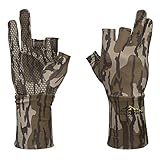
10. North Mountain Gear Camo Hunting Gloves - Fingerless - Mossy Oak Bottomland
Overview:
North Mountain Gear’s Fingerless Camo Gloves are optimized for early-season hunting in temperate conditions. Featuring Mossy Oak Bottomland camo, these gloves use a 94% polyester/6% spandex blend for lightweight comfort and a photo-realistic woodland pattern. The fingerless design prioritizes dexterity while maintaining grip and concealment.
What Makes It Stand Out:
Sure Grip textured palms ensure firm control of bows or firearms even when wet—a critical advantage during sudden rain or dew. The ultra-lightweight, soft-lined construction keeps hands cool without sacrificing tactile feedback for shooting. One-size-fits-most flexibility accommodates most adult hand sizes comfortably.
Value for Money:
Budget-friendly yet highly functional, these excel as dedicated warm-weather gloves. Cheaper than convertible alternatives but less versatile, they’re ideal for hunters focused solely on early-season pursuits. The Mossy Oak branding and reliable grip offer strong value for targeted use cases.
Strengths and Weaknesses:
Strengths: Excellent wet-weather grip; ideal for warm hunts; comfortable stretch fit; authentic Mossy Oak camo; affordable. Weaknesses: Fingerless design lacks cold protection; minimal padding; spandex blend may wear thin with heavy use.
Bottom Line:
A specialized, cost-effective solution for early-season deer or turkey hunting. Recommended for users needing breathable, grippy fingerless gloves in reliable camo, but not for cold or wet-cold conditions.
Why Glove Selection is a Non-Negotiable Element of Hunting Prep
The Direct Impact on Shot Execution and Safety
Your ability to operate your firearm smoothly and safely hinges entirely on functional hands. Cold, stiff fingers lead to jerky trigger pulls, poor grip stability, and delayed reaction times – all recipe for inaccurate shots or unsafe handling. Proper gloves maintain the blood flow and flexibility necessary for consistent, controlled operation, directly influencing ethical harvests and personal safety. Numb hands simply cannot perform the delicate tasks required in high-stakes hunting situations.
Beyond Warmth: The Critical Role of Moisture Management
Trapping sweat against your skin is just as detrimental as cold air. When perspiration saturates glove liners, evaporative cooling rapidly drops hand temperature, leading to chilling and even frostnip. Effective hunting gloves incorporate moisture-wicking layers and breathable membranes that actively pull sweat away from the skin, keeping hands dry from the inside out. This dynamic system prevents the dangerous cycle of sweating, cooling, and freezing during exertion or rest periods.
Preserving Endurance Through the Entire Hunt
A hunt isn’t measured in minutes but often in hours or days spent waiting, stalking, and tracking. Gloves that start comfortable but lose insulation when damp or restrict circulation over time lead to premature fatigue and forced retreats. Durability, consistent thermal performance, and sustained comfort are non-negotiable for hunters committed to seeing the hunt through, especially during extended sits in ground blinds or treestands where movement to warm up is limited.
Core Performance Factors Every Hunter Must Evaluate
Prioritizing Dexterity Without Sacrificing Protection
This is the fundamental tension. Look for articulated fingers that mimic natural hand movement, pre-curved designs, and strategically placed stretch panels across knuckles and palms. Thin, high-grip palm materials (like specialized synthetic leathers) enhance weapon and gear handling without adding bulk. Test potential gloves by performing critical tasks: loading magazines, operating safety switches, and handling small tools. If fine motor skills feel compromised, keep looking.
Understanding True Warmth Ratings and Real-World Application
Manufacturer temperature ratings are often optimistic lab results. Consider the type of cold you face: dry continental freeze versus wet, windy coastal chill demand different insulation strategies. Layering systems (liner + shell) offer adaptable warmth but add bulk. Single-layer mitts provide maximum warmth but zero dexterity. Focus on insulation type (synthetic vs. down) and placement – concentrated in the back of the hand where heat loss occurs, not thickened over the palm where it hinders grip.
The Non-Negotiable Need for Wind and Water Resistance
Wind chill is a silent hand-killer, rapidly sapping warmth even in moderately cold temperatures. A tightly woven outer shell with a durable water repellent (DWR) finish is essential. For wet conditions like late-season waterfowl or mountain rain, a waterproof/breathable membrane (like Gore-Tex or proprietary equivalents) becomes critical. However, ensure breathability is high to prevent internal condensation buildup during activity, which defeats the purpose.
Material Science: Decoding What Goes Into Your Gloves
Synthetic Fabrics: The Workhorses of Modern Hunting Gloves
Materials like polyester, nylon, and elastane blends dominate for their durability, moisture-wicking efficiency, and consistent performance when wet. High-denier fabrics (e.g., 500D Cordura) resist abrasion from brush and gear. Stretch panels (often with spandex) provide crucial mobility. Synthetic insulation (PrimaLoft®, Thinsulate™) retains warmth exceptionally well even when damp and dries faster than natural alternatives, making it ideal for active hunting or variable conditions.
Natural Leathers: Unmatched Grip and Durability
Goatskin, deerskin, and pigskin remain popular for palm and finger overlays due to their superior tactile feel, natural water resistance, and exceptional durability against abrasion. They conform to the hand over time, improving comfort. However, they absorb moisture more readily than synthetics and require more care. Look for treated leathers with enhanced water resistance for better performance in damp conditions without sacrificing grip.
Insulation Technologies: Trapping Heat Effectively
Down offers the best warmth-to-weight ratio but loses all insulating properties when wet and requires careful maintenance. Modern synthetic insulations have closed the gap significantly, offering reliable warmth even when saturated and drying quickly. Some gloves use strategic insulation layering – thicker on the back of the hand, thinner or absent on the palm – optimizing warmth where it’s needed most without hindering dexterity. Consider the climate: synthetics generally win for wet, active hunts; down excels in dry, extreme cold when kept dry.
Design Elements That Make a Critical Difference
Articulated Fingers and Pre-Curved Construction
Gloves designed with fingers slightly bent mimic the natural resting position of the hand. This reduces fatigue during extended wear and significantly improves dexterity for tasks like gripping rifle stocks or handling calls. Avoid stiff, straight-fingered designs that force your hand into an unnatural position, accelerating fatigue and reducing fine motor control.
Strategic Grip Enhancement Features
Look for textured palm and finger pads made from non-slip materials. Silicone dots, rubberized patterns, or specialized leather treatments dramatically improve grip on cold, smooth surfaces like rifle barrels, binoculars, and vehicle controls, especially with damp hands or light precipitation. This feature is crucial for safe and effective gear handling but shouldn’t create excessive bulk.
The Wrist Seal Conundrum: Security vs. Comfort
An effective wrist seal (elastic, adjustable strap, or gauntlet-style extension) prevents cold air and snow from migrating up the sleeve. However, a seal that’s too tight restricts circulation, causing hands to cool faster. Seek adjustable closures that allow you to fine-tune the fit – snug enough to block elements but not so tight it cuts off blood flow. Magnetic or quick-release closures offer convenience for rapidly changing conditions.
Touchscreen Compatibility: A Modern Necessity
Integrating conductive threads (usually in the thumb and index finger) allows operation of smartphones, GPS units, and trail cameras without removing your gloves. While seemingly minor, this prevents unnecessary exposure to cold and maintains situational awareness. Ensure the conductive material is durable and positioned where you naturally touch screens.
Matching Gloves to Your Specific Hunting Style and Environment
Big Game Hunting in Extreme Cold
Prioritize maximum warmth and wind resistance. Mitts with removable liners offer the ultimate warmth for stationary sits (like treestands), while highly insulated, windproof gloves with articulated fingers are essential for stalking. Focus on materials proven in sub-zero temps (synthetic insulation, windproof shells) and ensure ample coverage over the wrist. Dexterity for trigger pulls remains critical, so avoid overly bulky finger designs.
Upland Bird and Small Game Hunting
Mobility and breathability are paramount during fast-paced, active hunts. Lightweight to mid-weight gloves with excellent dexterity, moisture-wicking properties, and moderate wind resistance are ideal. Synthetic fabrics dominate here for quick drying. Palm reinforcement is key for handling shotguns and frequent reloading. Touchscreen capability is highly useful for mapping and note-taking on the move.
Waterfowl and Wet Environment Hunting
Waterproof/breathable membranes are non-negotiable. Look for fully taped seams and high-quality DWR finishes. Insulation should be synthetic (retains warmth when wet). Gauntlet-style cuffs that tuck securely over jacket sleeves prevent water ingress. Consider gloves with easy-on/easy-off features for quick adjustments when handling decoys or shells in freezing water. Durability against wet abrasion is critical.
Warm Season and Dry Climate Considerations
Don’t overlook hand protection in milder weather. Lightweight, highly breathable gloves made from moisture-wicking synthetics protect against sun, brush cuts, insects, and thorns while providing a secure grip. Focus on ventilation (mesh panels), minimal insulation, and UPF-rated fabrics. These gloves often double as excellent shooting gloves for practice sessions.
Maximizing Glove Longevity and Performance Through Care
The Right Way to Clean Hunting Gloves
Never toss them in the washing machine with regular detergent. Harsh chemicals and agitation destroy DWR finishes and degrade membranes. Hand wash gently in lukewarm water with a mild, non-detergent soap specifically formulated for technical outerwear. Rinse thoroughly and air dry away from direct heat sources. Machine drying, even on low, can melt adhesives and damage membranes.
Rejuvenating Water Repellency (DWR)
The DWR finish wears off over time, causing the outer fabric to “wet out,” making the glove feel cold and heavy. Restoring it is simple: after thorough cleaning and drying, apply a spray-on DWR treatment (like Nikwax TX.Direct® Spray-On) evenly to the damp outer shell. Allow it to dry completely, often with gentle heat (like a hairdryer on low) to activate the finish. This restores breathability and water shedding.
Proper Storage for Off-Season Preservation
Store gloves clean, completely dry, and loosely folded or hung – never compressed in a stuff sack for long periods. Avoid damp basements or hot attics. For leather components, ensure they are conditioned before storage to prevent drying and cracking. Proper storage maintains the integrity of membranes, insulation loft, and elastic components, ensuring peak performance when the season returns.
Adapting Your Glove System for Unpredictable Weather Shifts
Mastering the Layering Principle
The most versatile approach combines a thin, moisture-wicking liner glove with a protective shell (windproof or waterproof). The liner manages sweat and provides base warmth; the shell blocks elements. You can add or remove the shell as conditions change without exposing bare skin. Ensure the shell has enough room to accommodate the liner without restricting dexterity.
Quick-Change Strategies for Sudden Cold Snaps
Carry spare liner gloves in an easily accessible pocket. If hands get wet from rain or sweat, changing into a dry liner immediately is far more effective than trying to rewarm wet hands. Consider shell gloves with magnetic or snap closures for lightning-fast access to the liner underneath during brief respites from the cold.
Managing Condensation in Waterproof Systems
Even the best waterproof/breathable membranes struggle during high exertion in cold, humid conditions. If you feel internal dampness building, briefly open the wrist seals to vent excess moisture and heat. Pairing with highly wicking liners pulls moisture away from the skin faster, giving the membrane more time to breathe before saturation occurs. Avoid overheating by adjusting layers proactively.
Frequently Asked Questions
Frequently Asked Questions
How do I accurately test dexterity before buying hunting gloves?
Perform realistic tasks in the store: try loading a dummy magazine, operating a safety switch on a practice rifle, tying a simple knot, and picking up small objects like coins. Move your fingers through full range-of-motion exercises. If these feel clumsy or restricted, the gloves won’t suffice in the field.
Can I effectively shoot a compound bow with insulated hunting gloves?
Yes, but dexterity is paramount. Look for gloves with extremely thin, high-grip palm material specifically over the release hand’s index/middle fingers and thumb crotch. Articulated fingers and minimal bulk in the palm are essential. Test drawing a bow (if possible) or mimicking the release motion to ensure smooth string release.
Why do my expensive gloves still get wet inside during cold hunts?
This is almost always internal condensation from sweat, not external water leaking in. It indicates poor moisture management. Ensure your base layer wicks effectively, avoid overheating by ventilating, and consider gloves with higher breathability ratings or a proven moisture-wicking liner system. Over-layering traps sweat.
Are touchscreen-compatible gloves durable enough for serious hunting?
Modern conductive thread technology is highly durable when integrated correctly into reinforced areas (like thumb/index finger pads). Look for gloves where the conductive material is woven in, not just printed on, and is covered by a protective over-layer. Reputable hunting brands design these features to withstand field use.
How tight should hunting gloves actually fit?
They should feel snug but not restrictive when first put on – think “firm handshake” snug. You should be able to make a full fist without excessive bunching at the fingertips, but without pinching. Gloves will stretch slightly with use. Too loose reduces dexterity; too tight cuts circulation and causes cold hands.
What’s the single biggest mistake hunters make with glove selection?
Prioritizing warmth above all else and ending up with bulky gloves that sacrifice critical dexterity. Being unable to operate gear safely or effectively is far more detrimental than slightly colder hands that can still function. Always test dexterity rigorously.
Do I need different gloves for my dominant vs. off-hand when shooting?
Often, yes. The trigger hand typically benefits from thinner material on the index finger and palm for optimal trigger feel and control, while the support hand (gripping the forend) can handle slightly more padding or insulation. Some specialized shooting gloves address this asymmetry.
How can I prevent fogging on my rangefinder or binoculars when wearing gloves?
Minimize rapid temperature changes. Keep optics in an inner pocket close to your body when not in use. Wipe lenses with an anti-fog cloth before the hunt. Briefly warm the eyepiece with ungloved fingers (if safe) or use optics with built-in anti-fog coatings. Avoid breathing directly on lenses.
Is leather always better than synthetic for grip in cold, dry conditions?
Leather generally offers superior natural grip on cold metal and wood, especially when dry. However, advanced synthetic palm materials (like specialized silicone or rubber compounds) can match or exceed leather’s grip in wet or icy conditions and often provide better durability and water resistance. Consider your specific conditions.
When should I choose mittens over gloves for hunting?
Opt for mittens (especially 5-finger mitts or those with a flip-top design) during extreme cold, stationary hunts like waterfowl blinds or late-season treestand sits where dexterity demands are minimal for long periods. They provide significantly more warmth by keeping fingers together. Never use full mittens for tasks requiring fine motor skills like shooting.
Related Buying Guides
- 10 Best Hunting Gloves for Dexterity and Warmth in 2026
- How to Choose the Right Hunting Gloves Without Sacrificing Dexterity or Warmth
- 10 Best Value Hunting Mitten Gloves for Maximum Warmth in 2026
- 10 Hunting Gloves That Solve Poor Dexterity in Thick Mittens in 2026
- 10 Must-Have Hunting Gloves for Extreme Grip and Warmth in 2026