Table of Contents
Stepping onto the range with flat, two-dimensional targets might build basic marksmanship, but it does little to prepare you for the dynamic realities of field shooting. Whether you’re a bowhunter tracking whitetail through dense timber or a tactical shooter engaging threats in three-dimensional space, your training tools should mirror the complexity you’ll face when it matters most. The evolution of 3D shooting targets has revolutionized how serious shooters develop their skills, offering unprecedented anatomical accuracy and realistic feedback that translates directly to real-world performance.
As we look toward 2026, the technology behind these training aids continues to advance at a remarkable pace. Modern materials science has given us targets that can withstand thousands of impacts while maintaining their structural integrity, and innovative designs now simulate everything from proper shot placement to realistic animal behavior. Understanding what features matter most for your specific training goals will help you build a comprehensive practice regimen that builds confidence, ethical hunting skills, and tactical precision without wasting money on equipment that doesn’t deliver results.
Top 10 3D Shooting Targets for Realistic Field Training
Detailed Product Reviews
1. Archery Targets 3D Shooter Black Bear with Replaceable Core Insert and Ground Stakes for Targeting Practice

Overview: This compact 3D black bear target delivers portable archery practice for bowhunters and recreational shooters alike. Measuring 42x39x27.5cm and weighing just 3kg, it’s designed for easy transport to outdoor ranges or backyard setups. The unique foam construction resists aging and corrosion while minimizing unpleasant odors common with lesser targets. Compatible with compound, recurve, and longbows, it accommodates both field points and standard tips, making it versatile for various skill levels.
What Makes It Stand Out: The replaceable core insert sets this target apart, significantly extending its lifespan by allowing you to swap out the most heavily shot area rather than replacing the entire unit. Two included ground stakes provide exceptional stability, preventing the target from toppling under arrow impact—a common frustration with lightweight 3D targets. Its small footprint makes it ideal for archers with limited storage or those who frequently practice in different locations.
Value for Money: While priced moderately for a 3D target, the replaceable core delivers exceptional long-term value. Comparable targets without this feature require full replacement after core wear, making this a cost-effective investment. The inclusion of ground stakes adds further value, eliminating the need for separate stabilizing purchases.
Strengths and Weaknesses: Strengths include portability, innovative replaceable core, stable mounting system, and versatile bow compatibility. The compact size aids transport but may lack the realistic scale some hunters prefer for true-to-life practice. The foam density might not withstand high-speed compound bows at close range as effectively as premium alternatives.
Bottom Line: This bear target excels for archers prioritizing portability and longevity on a budget. The replaceable core makes it a smart, economical choice for regular practice sessions.
2. Archery 3D Animal Target Squirrel with Ground Stakes, Protable Size Shooting Target for Outdoor Bow Hunting Training

Overview: This ultra-lightweight 3D squirrel target brings realistic hunting simulation to your backyard or outdoor range. Weighing merely 1.1kg (2.44lbs) with dimensions of 15.4x11.8x6.3 inches, it mimics small game movements when placed in trees or ground positions. Constructed from high-density, flexible foam without harsh chemical odors, it stops broadheads and field tips effectively while allowing easy arrow removal. The sturdy base with two yard stakes ensures stability during high-impact shots.
What Makes It Stand Out: Its remarkable portability allows archers to create dynamic, realistic hunting scenarios by positioning targets in trees or uneven terrain. The target’s lifelike appearance enhances the shooting experience, bridging the gap between stationary practice and actual field conditions. Despite its featherlight design, it maintains structural integrity under repeated broadhead impacts—a rare combination in affordable 3D targets.
Value for Money: This squirrel target offers an accessible entry point into realistic 3D archery practice. While larger targets cost significantly more, this compact option provides essential hunting simulation at a fraction of the price. Its durability relative to cost makes it an excellent value for beginners and intermediate archers.
Strengths and Weaknesses: Strengths include exceptional portability, realistic design, broadhead compatibility, and stable ground stakes. The small size, while convenient, may present an overly challenging target for novices and doesn’t replicate larger game anatomy. High-poundage bows might cause excessive wear given the lightweight construction.
Bottom Line: Perfect for archers seeking affordable, portable practice that simulates small game hunting. Its lightweight design and realistic profile make it ideal for backyard training and skill refinement.
3. Birchwood Casey 3D Silhouette 21.5" x 14" Targets | Lightweight Face and Torso Shooting Training Targets with Mounting Tab | Pack of 3

Overview: Birchwood Casey delivers a practical three-pack of 3D silhouette targets designed for firearms training. Each target measures 21.5" x 14" with a 4.7" depth, constructed from recycled materials that provide a lightweight yet functional shooting surface. The integrated mounting tab simplifies setup at ranges or outdoor locations. Since 1948, Birchwood Casey has built a reputation among serious shooters, and these targets continue that tradition of reliable, no-frills training tools.
What Makes It Stand Out: The three-pack configuration offers exceptional versatility for competitive shooting drills, allowing multiple target setups or simultaneous use by training partners. Their lightweight design enables quick repositioning and effortless transport between ranges. The eco-friendly recycled construction appeals to environmentally conscious shooters without compromising functionality. The mounting tab provides secure attachment options not found in flat paper targets.
Value for Money: This pack provides excellent bulk value compared to purchasing individual 3D targets. While not as durable as foam archery targets, the price point reflects their purpose as consumable training aids for firearms rather than long-term archery investments. For high-volume shooters, the multi-pack extends practice sessions before replacement.
Strengths and Weaknesses: Strengths include the value three-pack, lightweight portability, brand reliability, and eco-friendly materials. The mounting tab adds setup flexibility. However, these targets are unsuitable for archery use and won’t withstand weather exposure long-term. The recycled material may degrade faster under heavy caliber use than premium alternatives.
Bottom Line: An economical choice for firearms shooters seeking three-dimensional target practice. Best suited for range training and competitive drills where portability and quantity outweigh maximum durability.
4. BIGSHOT Pro Hunter Armadillo 3D Archery Target - Life-Size Realistic Foam Target for Bow and Arrow Practice, Easy Arrow Removal, Durable Self-Healing Elasto Flex Foam, Indoor/Outdoor Use

Overview: The BIGSHOT Pro Hunter Armadillo represents professional-grade 3D archery practice in a life-size realistic package. Engineered with premium Elasto Flex self-healing foam, this target withstands thousands of shots from compound bows, recurve bows, crossbows, and longbows. Its weather-resistant construction performs equally well in backyard ranges or commercial facilities, while UV-resistant materials ensure longevity under sun exposure. The target accommodates all arrow tip types, including broadheads and expandable points.
What Makes It Stand Out: The self-healing foam technology dramatically extends target life by closing entry holes after each shot, maintaining structural integrity far longer than conventional foam. Effortless arrow removal reduces shooter fatigue and equipment wear. The life-size armadillo design provides authentic hunting practice for shot placement accuracy, bridging the gap between range shooting and field conditions. Universal bow compatibility makes it suitable for all skill levels and equipment types.
Value for Money: While priced higher than entry-level 3D targets, the Armadillo delivers exceptional long-term value through its self-healing properties and durability. Comparable professional targets cost significantly more, making this an affordable investment for serious archers, clubs, and hunters. The all-weather capability eliminates seasonal usage limitations.
Strengths and Weaknesses: Strengths include revolutionary self-healing foam, realistic life-size design, universal compatibility, and exceptional weather resistance. The premium price may deter casual shooters, and the bulky size requires substantial storage space. Some users may prefer traditional game animals over the armadillo design.
Bottom Line: A top-tier choice for dedicated archers and hunting clubs prioritizing durability and realism. The self-healing foam justifies the investment through extended lifespan and consistent performance.
5. LAKINGO 23x35 Inch Shooting Targets - High-Visibility Silhouette Paper for Range Training - Compatible with Pistol Rifle Shotgun Airgun BB Gun - Reusable with Adhesive Patches for Indoor/Outdoor

Overview: LAKINGO’s full-size 23x35-inch silhouette targets provide high-visibility training for all firearm types. The bold, high-contrast printing delivers exceptional clarity at various distances, while heavy-weight paper construction resists tearing from pistols, rifles, shotguns, airguns, and BB guns. This five-pack includes 48 adhesive patches for extending target life, making it suitable for both indoor ranges and outdoor conditions. The standardized human silhouette design supports structured skill development for marksmanship, tactical training, and competition preparation.
What Makes It Stand Out: The generous dimensions and high-visibility graphics maximize practice effectiveness, allowing clear shot placement identification. The included adhesive patches enable multiple reuse cycles, reducing waste and cost per session. Universal firearm compatibility makes these targets versatile across different shooting disciplines, from law enforcement training to recreational plinking. The professional-grade design meets competition standards while remaining accessible for casual shooters.
Value for Money: This bulk pack offers excellent value for high-volume shooters, with each target costing significantly less than 3D alternatives. The adhesive patches extend usable life, further improving cost-effectiveness. Compared to standard paper targets, the heavy-weight construction and visibility enhancements justify the modest price premium.
Strengths and Weaknesses: Strengths include superior visibility, universal compatibility, adhesive patches for reuse, and bulk packaging. The heavy-weight paper withstands multiple calibers better than standard targets. However, paper remains susceptible to weather damage and isn’t truly reusable like self-healing foam. Shot grouping eventually obscures vital zones despite patches.
Bottom Line: An outstanding value for shooters seeking professional-grade paper targets for high-volume practice. Ideal for ranges, training courses, and competitive preparation where visibility and quantity are priorities.
6. Freedom Gun Targets 25 Pack Paper Shooting Targets Gun Range, Rifle, Pistols, Handguns, Military, Swat, Police, Terrorist, Tactical 3D Single Armed Threat Targets (23x35)

Overview: This 25-pack of paper targets delivers five distinct tactical threat scenarios designed for military, law enforcement, and civilian defensive training. Each 23x35-inch sheet features a 3D-rendered armed threat figure in various poses, providing realistic engagement practice for pistols, rifles, and air guns.
What Makes It Stand Out: Unlike standard bullseye targets, these tactical scenarios simulate real-world threats with subtle white hit outlines that provide immediate visual feedback without cluttering the target. The five different versions prevent training monotony and allow for varied drill sequences. Their indoor/outdoor versatility and compatibility with all firearm types make them exceptionally flexible for comprehensive training regimens.
Value for Money: Priced competitively with premium paper targets, this pack offers specialized training value that standard targets cannot match. At roughly $1 per target, you’re investing in scenario-based preparation rather than simple marksmanship. For tactical shooters, this represents significant value compared to electronic or 3D alternatives costing 10-20 times more.
Strengths and Weaknesses: Strengths include realistic threat simulation, excellent hit visibility for shot assessment, variety across five designs, and universal firearm compatibility. The lightweight paper format allows for easy transport and storage. Weaknesses involve paper durability in wet conditions, single-use nature creating ongoing costs, and the controversial imagery that may not suit all ranges or personal preferences. The 23x35 size can also be cumbersome for smaller indoor setups.
Bottom Line: Ideal for defensive shooters and tactical trainers seeking realistic scenario practice without breaking the budget. These targets excel for law enforcement and military-style training but may be excessive for casual plinkers or traditional marksmanship development.
7. Champion Traps and Targets, Deer Target 25x25 (6 Pack) (45902)

Overview: This six-pack of 25x25-inch deer targets from Champion provides hunters with high-contrast, realistic deer vitals for pre-season preparation and ongoing practice. Each target clearly identifies the vital zone area, helping archers and firearms hunters alike improve shot placement accuracy before heading into the field.
What Makes It Stand Out: The high-contrast printing delivers superior visibility at distance, a critical feature for range practice. The anatomically positioned vital zone overlay takes the guesswork out of shot placement, building muscle memory for ethical hunting shots. The realistic deer imagery boosts shooter confidence by simulating actual hunting scenarios rather than abstract shapes.
Value for Money: At approximately $3-4 per target, these sit in the mid-range for paper targets. The value proposition centers on hunting-specific preparation—spending a few dollars to ensure clean, ethical harvests is negligible compared to the cost of a hunting trip. They compete favorably with generic targets while providing species-specific training.
Strengths and Weaknesses: Strengths include excellent visibility in various lighting, clear vital zone demarcation, realistic imagery for mental preparation, and versatility for both archery and firearms. The 25x25 size offers ample shooting area without being unwieldy. Weaknesses include paper’s susceptibility to wind and moisture, single-use design requiring repurchase, and limited scenario variation across the identical six targets. The vital zone markings may be too prominent for some, reducing realism.
Bottom Line: A solid investment for hunters wanting dedicated practice on deer anatomy. These targets excel at building vital zone accuracy but lack the durability and variety for high-volume range sessions. Best suited for seasonal pre-hunt preparation.
8. Birchwood Casey 3D Stake Targets | Lightweight Portable Shooting Training Targets with Metal Stake | Pack of 6 | Prairie Dog

Overview: Birchwood Casey’s 3D Prairie Dog targets bring dimensional realism to rimfire and centerfire practice. This six-pack includes lightweight, recycled-material targets paired with metal stakes for quick ground installation, offering a portable alternative to flat paper targets for shooters seeking more engaging range sessions.
What Makes It Stand Out: The three-dimensional design provides realistic sight pictures and angles impossible with paper targets. The integrated metal stake system enables tool-free setup in seconds across varied terrain. Constructed from recycled materials, these targets appeal to environmentally conscious shooters while delivering a unique shooting experience that builds practical field shooting skills.
Value for Money: Priced around $5-6 per target, these occupy a middle ground between disposable paper and premium foam 3D targets. Their reusability for multiple sessions justifies the cost over single-use paper. While they won’t withstand hundreds of hits like self-healing foam, they outlast paper significantly, representing solid value for recreational shooters wanting 3D realism without premium expense.
Strengths and Weaknesses: Strengths include rapid deployment, realistic 3D profile, lightweight portability, eco-friendly construction, and suitability for most firearms. They excel for plinking and field practice. Weaknesses involve limited durability compared to foam targets, smaller size challenging long-range shooters, ground-only placement restricting versatility, and potential instability in soft soil or high winds. The prairie dog shape may not suit all training needs.
Bottom Line: Perfect for recreational shooters and varmint hunters wanting affordable 3D practice. These targets excel for rimfire training and informal range days but lack the durability for serious high-volume shooting. Best viewed as reusable plinking enhancements rather than permanent range fixtures.
9. Delta McKenzie Strutter Turkey Archery Target - Lifelike 3D Self-Healing Foam Design, Durable Bow & Crossbow Practice Target for Field Points & Broadheads, Realistic Strutting Turkey for Bowhunting
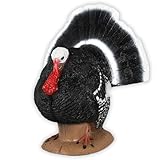
Overview: Delta McKenzie’s Strutter Turkey target delivers premium archery practice with a lifelike 20x22x28-inch strutting turkey form. The self-healing foam construction withstands thousands of shots from field points and broadheads, while the innovative Quiver app enables augmented reality anatomy overlay for advanced shot analysis.
What Makes It Stand Out: The combination of realistic 3D anatomy and self-healing foam sets a high bar, but the integrated iPhone app truly distinguishes this target. Archers can visualize internal organs in real-time, receiving immediate feedback on shot placement without retrieving arrows. The easy arrow removal and stable one-piece design enhance usability across varied terrain, making it ideal for realistic pre-season preparation.
Value for Money: At premium pricing around $150-200, this target justifies cost through exceptional longevity—thousands of shots versus hundreds from cheaper foam. The app integration adds training value unavailable elsewhere. For serious bowhunters, the investment translates to ethical harvests and season-long usability, outperforming replacing multiple budget targets annually.
Strengths and Weaknesses: Strengths include unparalleled realism, extraordinary durability with both point types, revolutionary AR training features, effortless arrow extraction, and stable platform design. It accommodates all bow styles effectively. Weaknesses center on premium pricing limiting casual archer appeal, iPhone-only app compatibility excluding Android users, substantial weight reducing portability, and the specific turkey form lacking versatility for other species practice.
Bottom Line: The ultimate turkey hunting preparation tool for dedicated archers. This target’s durability and app integration justify the premium for serious bowhunters, but recreational shooters may find the cost prohibitive. An investment in ethical hunting success.
10. 1:1 Realistic Animal Model Crossbow targetbow Target One-Piece 3D Archery Target for Compound Bow Recurve Bow Archery Targets for Backyard-Rabbit

Overview: This 1:1 scale 3D rabbit target offers backyard archers realistic small-game practice in a portable, one-piece design. Complete with ground stakes, this target features UV-resistant paint and waterproof construction for extended outdoor use with compound bows, recurves, and crossbows using field points.
What Makes It Stand Out: The true-to-life sizing distinguishes this from undersized novelty targets, providing authentic shot angles and distances crucial for small-game hunting practice. The integrated ground stakes enable stable positioning without additional stands. UV-resistant paint and waterproof materials demonstrate thoughtful design for outdoor longevity, addressing common foam target degradation issues.
Value for Money: Positioned as a mid-tier option around $60-80, this target balances affordability with enhanced durability features. While more expensive than basic foam blocks, the realistic form factor and weather-resistant construction extend usable lifespan, offering better long-term value than cheaper alternatives that crack or fade quickly.
Strengths and Weaknesses: Strengths include realistic 1:1 proportions, convenient one-piece portability, included ground stakes, weather-resistant construction, and compatibility with multiple bow types. The rabbit size suits backyard ranges perfectly. Weaknesses involve manufacturer warnings against broadhead use, limiting hunting realism; susceptibility to moisture damage if stored improperly; questionable foam density for high-poundage bows; and lack of self-healing properties found in premium targets. The single species design restricts practice variety.
Bottom Line: An excellent backyard practice target for archers focusing on small-game scenarios. The realistic sizing and weather resistance justify the price for dedicated hunters, but limitations on broadheads and storage requirements demand careful consideration. Best for field point practice in controlled outdoor settings.
Why 3D Targets Transform Your Training
Realistic Shot Placement Visualization
Traditional flat targets teach you to hit a bullseye, but 3D targets train you to visualize internal anatomy from any angle. When you’re perched in a tree stand or stalking through varied terrain, your target rarely presents itself broadside at eye level. Three-dimensional training aids force you to mentally map vital organs through layers of simulated muscle and bone, regardless of whether you’re shooting from above, below, or at quartering angles. This spatial awareness becomes instinctive only through repeated practice on forms that accurately represent mass distribution and body structure.
Building Muscle Memory for Field Conditions
Every hunter remembers that moment of truth when a live animal steps into view and adrenaline surges through their system. Your training should condition your body to automatically find the correct shooting position, estimate distance, and execute proper form without conscious thought. Quality 3D targets allow you to practice these sequences repeatedly from realistic distances and angles. The tactile feedback of arrows penetrating realistic contours and the visual confirmation of entry and exit points create neural pathways that flat paper simply cannot replicate.
Psychological Preparation for Live Scenarios
There’s an undeniable mental component to placing a lethal shot on a living creature or engaging a dynamic threat. Training with lifelike forms helps desensitize the shock factor while reinforcing the serious responsibility of accurate shot placement. Many advanced 3D targets incorporate features that provide immediate feedback on your shot’s effectiveness, helping you understand the consequences of marginal hits versus ethical, quick-killing shots. This psychological conditioning is invaluable for maintaining composure when your moment arrives.
Key Materials and Construction Types
Foam Core Technology Explained
The heart of any durable 3D target lies in its foam composition. High-density polyurethane foams offer the best balance of stopping power and longevity, with layered construction that prevents pass-throughs while allowing easy arrow removal. Look for targets featuring variable density zones that mimic real tissue resistance—softer outer layers representing hide and muscle, with progressively denser cores simulating bone and organ cavities. This graduated resistance not only extends target life but also provides realistic feedback on arrow penetration depth.
Self-Healing Polymer Blends
Revolutionary self-healing materials have changed the economics of target practice. These specialized polymer compounds automatically close around arrow holes, essentially “healing” after each shot. The molecular structure of these materials allows them to maintain integrity through thousands of impacts, particularly with field points. For high-volume shooters, this technology translates to months of additional use before replacement becomes necessary. The key is understanding that not all “self-healing” claims are equal—true healing polymers will show minimal fiber tearing and maintain their shape after repeated shots in the same general area.
Layered Density Systems
Premium 3D targets employ strategic layering that serves multiple purposes. The outermost skin layer should be replaceable and designed to take the brunt of cosmetic damage while protecting the more expensive core. Beneath this, alternating foam densities create realistic penetration resistance while preventing arrow blowouts. The vital zone typically features the densest material to stop arrows effectively, while less critical areas use lighter foam to reduce overall weight. This intelligent engineering maximizes both realism and durability where it matters most.
Anatomy Accuracy for Ethical Hunting Practice
Vital Zone Markings and Internal Structures
The most effective training targets don’t just show you where to hit—they teach you why. Advanced models feature removable sections that reveal internal anatomy, including heart, lung, and liver placement. Some incorporate color-coded layers or printed organ outlines that remain visible even as the target wears. This anatomical precision helps you understand how shot angle affects lethality and why certain positions create better blood trails than others. For ethical hunters, this knowledge is non-negotiable.
Species-Specific Body Proportions
A deer is not simply a scaled-down elk, and practicing on generic animal shapes builds bad habits. Quality 3D targets reflect accurate body mass, shoulder height, and chest depth for specific species. This matters tremendously when judging shot distance and angle in the field. A target that correctly represents a mature buck’s heavy shoulder bones teaches you to wait for proper shot angles, while an accurate doe profile helps you understand how body size affects arrow trajectory and energy transfer.
Angle and Position Variations
Modern training regimens require targets that can be positioned to simulate every conceivable shot angle. Look for designs with stable, adjustable bases that allow you to practice steep downhill shots from treestands, uphill stalking scenarios, and everything in between. The target’s shape should maintain anatomical accuracy regardless of orientation, with vital zones that remain properly oriented to the simulated internal organs. This flexibility transforms a single target into a comprehensive training system.
Reactive and Self-Healing Technologies
How Self-Healing Materials Work
The science behind self-healing targets involves cross-linked polymer chains that temporarily separate under arrow impact then naturally re-bond. This process works best with tapered arrow points that spread fibers apart rather than cutting them. Understanding this mechanism helps you maximize target life—using field points instead of broadheads on healing targets, and rotating shot placement to allow proper material recovery. Temperature affects healing speed, with warmer conditions accelerating the process significantly.
Color-Changing Impact Indicators
Some cutting-edge targets incorporate impact-sensitive materials that change color upon arrow strike, providing instant visual feedback without walking downrange. These indicators typically activate for several seconds before fading, allowing you to verify shot placement from your shooting position. This feature proves invaluable for solo practice sessions and for coaching scenarios where immediate correction improves learning speed. The technology uses micro-encapsulated dyes that rupture under impact pressure, creating a temporary but vivid mark.
Audible Feedback Mechanisms
Beyond visual confirmation, certain advanced targets produce distinct sounds when struck in vital zones versus non-lethal areas. This auditory feedback reinforces proper shot placement and helps develop your ability to hear arrow impact—a skill that proves useful when hunting in dense cover where visual tracking is impossible. The sound difference comes from varying material densities and internal chambers designed to resonate differently based on impact location.
Size and Scale Considerations
Life-Sized vs. Scaled-Down Options
Full-sized targets provide the most realistic training experience but present storage and transportation challenges. Compact, scaled-down versions offer convenience for backyard practice while maintaining proportional anatomy. The key is ensuring that reduced-size targets maintain accurate vital zone ratios rather than simply shrinking all dimensions equally. For serious hunters, a combination works best—life-sized targets for pre-season intensive training, and smaller versions for maintaining skills during the off-season.
Juvenile vs. Mature Animal Representations
Practicing on only adult animal profiles leaves you unprepared when younger animals present themselves. Ethical hunters must recognize size differences and adjust shot placement accordingly. Quality target lines include multiple age-class representations, teaching you to identify anatomical landmarks that remain consistent regardless of animal size. This training prevents the common mistake of shooting too far forward on smaller animals where the vital zone occupies a different proportional location.
Customizable Sizing for Skill Levels
Beginning archers often benefit from slightly larger vital zone representations that build confidence before transitioning to true-to-life sizes. Some innovative targets feature interchangeable vital zone inserts that allow you to scale difficulty as skills improve. This progressive approach prevents frustration while developing the precision necessary for ethical hunting. As accuracy improves, you can switch to smaller inserts that demand tighter groups and better form.
Portability and Setup Features
Lightweight Frame Designs
Modern 3D targets have shed considerable weight through advanced materials without sacrificing durability. Carbon-fiber reinforced frames and hollow-core construction reduce heft while maintaining structural integrity. For mobile hunters who practice at multiple locations or compete in 3D archery courses, every pound matters. Look for targets under 30 pounds that one person can easily transport, yet remain stable enough to withstand wind and repeated arrow impacts without tipping.
Quick-Assembly Mechanisms
Time spent setting up targets is time not spent shooting. Innovative connection systems allow single-person assembly in under five minutes without tools. Push-button releases, cam-locking joints, and magnetic alignment features simplify the process. The best designs store flat for transport but lock into rigid, lifelike forms that don’t wobble or separate when struck. This convenience encourages more frequent practice sessions, which ultimately builds better skills.
Transportation and Storage Solutions
Consider how you’ll move and store your investment. Targets with integrated handles, wheel kits, or backpack-style carrying systems make field transport practical. For storage, look for designs that either break down into stackable components or feature weatherproof covers for outdoor protection. Some manufacturers offer specialized bags that protect the target during transport while providing pockets for accessories like broadhead wrenches and spare parts.
Weather Resistance and Durability
UV Protection and Fade Resistance
Targets left outdoors face constant ultraviolet degradation that breaks down foam and fades vital zone markings. Premium targets incorporate UV inhibitors directly into the material formulation rather than just surface treatments. This deep protection maintains structural integrity and visibility for years rather than months. The difference becomes obvious after a full season of sun exposure—properly protected targets retain their color and density, while lesser models become brittle and chalky.
Waterproofing and Drainage Systems
Water infiltration destroys foam targets from the inside out, causing weight gain, material breakdown, and arrow stop failure. Advanced designs feature closed-cell foams that resist water absorption and integrated drainage channels that allow moisture to escape. Some include removable drain plugs for thorough drying after heavy rain. This weatherproofing extends usable life dramatically, especially in humid climates or during wet seasons when practice time is most critical.
Extreme Temperature Performance
Foam behaves differently at temperature extremes, becoming brittle in cold and overly soft in heat. Quality targets use temperature-stable formulations that maintain consistent arrow-stopping power from below freezing to triple-digit heat. This reliability ensures your practice sessions remain productive year-round. The best materials show minimal expansion or contraction, preventing seams from separating and maintaining structural stability regardless of conditions.
Interactive and Moving Target Systems
Motorized Base Options
Static targets build fundamental skills, but moving targets prepare you for real hunting scenarios. Motorized bases can simulate walking, grazing, or alert postures, requiring you to time your shot and lead appropriately. These systems typically offer variable speed settings and programmable patterns that replicate natural animal movement. The challenge increases exponentially when you must judge distance, movement speed, and shot placement simultaneously—exactly the skills needed for successful field shooting.
Remote Control Capabilities
Wireless control systems allow you or a training partner to activate movement sequences unpredictably, preventing anticipation and building true reactive shooting skills. Smartphone apps now interface with target systems, enabling complex scenarios and performance tracking. This technology transforms solo practice into dynamic training sessions that keep you engaged and continuously challenged. The ability to randomize movement patterns ensures you’re practicing reading animal behavior rather than memorizing mechanical sequences.
Programmable Movement Patterns
Advanced systems store multiple movement profiles that simulate different species and behaviors. You can program a target to mimic a deer’s cautious approach with frequent stops, or a hog’s direct, aggressive movement. Some systems integrate with shot timing sensors that automatically adjust difficulty based on your performance, creating an adaptive training environment that continuously pushes your limits. This personalized progression accelerates skill development far beyond static target practice.
Multi-Scenario Training Configurations
Swappable Vital Zone Inserts
The most versatile targets feature replaceable vital sections that allow you to practice on multiple species using a single core frame. This modular approach saves money and storage space while providing species-specific training. Inserts should lock securely in place and maintain anatomical accuracy for each animal represented. A quality system might let you switch from deer to turkey to bear profiles in minutes, each with properly positioned vitals and realistic body contours.
Multiple Animal Profiles on Single Frames
Innovative designs stack different animal silhouettes on a rotating base, allowing you to practice species identification and appropriate shot placement in rapid succession. This configuration proves invaluable for hunters pursuing multiple game types or participating in varied 3D archery courses. The ability to quickly transition between target types builds mental flexibility and prevents the training stagnation that comes from shooting the same profile repeatedly.
360-Degree Shooting Opportunities
Premium 3D targets maintain anatomical accuracy from every angle, enabling comprehensive practice on quartering-away, quartering-to, and straight-away shots. The target’s construction should prevent arrow pass-throughs regardless of impact angle while providing consistent stopping power. This all-around functionality means you can set up a single target and practice an entire season’s worth of shot opportunities without repositioning, maximizing training efficiency.
Cost-Effectiveness and Long-Term Value
Initial Investment vs. Replacement Costs
High-quality 3D targets represent significant upfront investment, but the cost-per-shot often proves lower than cheap alternatives that require frequent replacement. Calculate value based on expected shot count rather than purchase price alone. A $300 target that survives 5,000 shots costs six cents per arrow, while a $100 target lasting only 500 shots costs twenty cents per arrow. Factor in replacement part availability and core reusability when evaluating true long-term value.
Multi-Use Target Versatility
The best investments serve multiple training purposes. A target that works equally well for broadhead tuning, field point practice, and pre-season scouting reconnaissance delivers exceptional value. Consider whether a target accepts both arrow types without excessive wear, whether it functions for crossbow and compound bow use, and if it can be integrated into competitive 3D courses. This versatility spreads the cost across multiple shooting disciplines, justifying a higher initial expenditure.
Warranty and Lifespan Expectations
Reputable manufacturers stand behind their products with substantial warranties covering defects and premature wear. Look for at least one-year warranties on foam cores and replaceable parts availability for five years or more. Understanding expected lifespan under your specific shooting volume helps budget for replacement cycles. A target rated for 2,000 shots might last a casual shooter several seasons but could require annual replacement for competitive archers shooting daily.
Safety Features and Best Practices
Arrow Stop Technology
Effective arrow stopping prevents dangerous pass-throughs that damage arrows and create downrange hazards. Multi-layered foam systems with increasing density stop arrows progressively, reducing shock and preventing complete penetration. The vital zone should stop arrows reliably while allowing easy extraction without excessive force. Test arrow stop capability with your heaviest setup before committing to regular use, especially with high-speed compounds or crossbows exceeding 400 fps.
Ricochet Prevention Design
Poorly constructed targets can cause dangerous arrow deflections, particularly with angled shots or broadheads. Quality designs incorporate capture pockets and angled faces that direct arrows into the core rather than away from the target. The base should be weighted and stable enough to prevent tipping that creates unpredictable deflection angles. For broadhead practice, ensure the target material is specifically rated for fixed or mechanical heads to prevent excessive damage and dangerous fragmenting.
Backstop Integration Recommendations
Even the best 3D targets benefit from supplemental backstops, especially during broadhead tuning or when shooting in confined spaces. Portable mesh backstops or hay bale walls provide cheap insurance against missed shots. Position your 3D target at least five yards in front of any hard backstop to allow arrows that miss to embed safely without ricocheting. This layered safety approach protects both your equipment and surrounding property.
Maintenance and Repair Solutions
Patching Kits and Materials
Every target eventually shows wear, but proper maintenance extends life significantly. Quality targets include specialized patching compounds that bond with the foam material, filling holes and restoring stopping power. These two-part epoxy-style fillers cure to match the target’s density and can be sanded smooth for cosmetic restoration. Keep a repair kit accessible and address damage immediately before it spreads, particularly in high-wear vital zones.
Rotation Strategies for Even Wear
Systematic rotation prevents premature failure of high-impact areas. Mark your target’s orientation and rotate it 90 degrees every 50-100 shots to distribute wear evenly across all sides. For targets with replaceable vitals, rotate the insert itself within its housing. This simple practice can double effective target life. Some competitive shooters maintain logs tracking shot placement to ensure even distribution and identify developing weak spots before they become failures.
Cleaning and Storage Protocols
Dirt and debris accelerate foam breakdown and increase arrow wear. Periodically brush targets with soft bristles and mild soap solution, avoiding harsh chemicals that degrade material. Allow thorough drying before storage to prevent mold and material breakdown. For long-term storage, keep targets in climate-controlled environments away from direct sunlight and extreme temperatures. Proper care routines add years to your investment’s useful life.
Environmental Impact and Sustainable Options
Recyclable Material Choices
Traditional foam targets contribute to landfill waste, but newer eco-conscious options use recyclable polyethylene and polyurethane blends. These materials can be reprocessed at end-of-life into new products, reducing environmental impact. Manufacturers increasingly offer take-back programs where worn targets return to the factory for material recovery. When purchasing, inquire about recyclability and consider the long-term environmental cost alongside purchase price.
Biodegradable Foam Alternatives
Emerging biodegradable foam formulations break down naturally over 3-5 years when exposed to UV light and moisture, offering a greener alternative for short-term training needs. While not as durable as traditional foams, these materials provide excellent performance for seasonal hunters who replace targets annually. The trade-off between longevity and environmental responsibility becomes a personal choice, but the technology improves yearly.
Eco-Friendly Manufacturing Processes
Look for manufacturers using water-based adhesives, recycled content in foam production, and energy-efficient manufacturing. Some companies power facilities with renewable energy and offset shipping emissions. These practices reduce the carbon footprint of your training equipment. While harder to verify, companies committed to sustainability typically highlight these efforts in product literature and websites, making them identifiable for environmentally conscious consumers.
Integrating 3D Targets Into Your Training Regimen
Creating Realistic Hunting Scenarios
Maximize training value by setting up scenarios that mirror your actual hunting conditions. Position targets in brush, on ridge lines, or near water sources to practice real-world stalking and shot execution. Use natural terrain to create challenging angles and practice shooting from elevated positions using tree stands or shooting platforms. Time your sessions for dawn and dusk to simulate low-light conditions. The more realistic your practice, the more effective it becomes.
Progressive Skill Development Plans
Structure your training in phases, starting with close-range broadside shots to build confidence, then gradually increasing distance and angle complexity. Use 3D targets to practice specific skills each session—one day focus on quartering-away shots, another on estimating distance to three-dimensional forms. Track your performance over time, noting improvement in vital zone hit percentages from various positions. This systematic approach prevents plateaus and ensures comprehensive skill development.
Combining with 2D and Paper Targets
While 3D targets excel for realistic practice, alternating with paper targets maintains fundamental precision skills. Use paper for daily form work and 3D targets for weekly scenario training. Paper’s clear scoring rings provide precise feedback on group size and consistency that complements the realistic shot placement feedback from 3D forms. This combination builds both technical accuracy and practical hunting skills without developing bad habits from exclusively shooting one target type.
Future Trends in 3D Target Technology
Smart Target Integration
The next generation of 3D targets incorporates impact sensors that transmit shot location data to mobile devices, creating detailed performance analytics. These systems track shot placement, arrow velocity, and penetration depth, building comprehensive profiles of your shooting consistency. Some integrate with rangefinders and environmental sensors to correlate performance with conditions. This data-driven approach identifies weaknesses and tracks improvement with scientific precision.
Augmented Reality Training Features
Emerging AR technology overlays digital information onto physical targets, displaying virtual anatomy, shot trajectory analysis, and real-time coaching feedback through smartphone cameras or specialized glasses. This hybrid approach combines the tactile realism of 3D targets with the informational richness of digital training systems. As AR technology becomes more accessible, expect integration that transforms every practice session into a guided learning experience.
Advanced Material Science Developments
Researchers are developing “memory foams” that not only heal but actually regain original shape after compression, potentially eliminating target degradation entirely. Nanotechnology coatings promise self-cleaning surfaces that repel water and dirt while increasing UV resistance. These breakthroughs could produce targets lasting tens of thousands of shots while maintaining perfect structural integrity. While currently expensive, these technologies typically filter down to consumer products within 2-3 years of laboratory success.
Frequently Asked Questions
How long should a quality 3D target last with regular use?
A premium 3D target typically withstands 3,000 to 5,000 shots with proper rotation and maintenance. High-volume shooters may see 1-2 years of service, while casual archers can expect 4-5 seasons. Self-healing models extend lifespan by 30-40% compared to standard foam. Key factors include arrow type (field points vs. broadheads), shot placement consistency, weather exposure, and rotation frequency. Always check manufacturer ratings for shot count expectancy specific to your setup.
Can I use broadheads on all 3D targets?
No—using broadheads on targets not specifically designed for them causes rapid deterioration and potentially dangerous fragmentation. Broadhead-rated targets use specialized high-density layers that prevent excessive cutting and maintain structural integrity. Standard field point targets will shred quickly and may not stop broadheads effectively. Always verify broadhead compatibility before use, and consider dedicating separate targets for broadhead tuning to maximize equipment lifespan.
What’s the best way to store 3D targets during off-season?
Store targets indoors in a climate-controlled environment away from direct sunlight and extreme temperatures. If indoor storage isn’t possible, use breathable waterproof covers that prevent moisture accumulation while blocking UV rays. Store targets elevated off concrete floors to prevent moisture wicking, and avoid stacking heavy objects on top that could cause permanent compression. For long-term storage exceeding six months, consider rotating the target monthly to prevent foam memory set.
How do I know when it’s time to replace my 3D target?
Replace targets when arrow stopping power becomes inconsistent, when pass-throughs occur regularly, or when vital zone foam is compromised to the point that shot placement feedback becomes unreliable. Visible signs include large chunks missing, permanent deformation that won’t recover, and arrows penetrating significantly deeper than when the target was new. If you’re unsure, test with a known setup—if arrows penetrate more than 50% deeper than originally, replacement is advisable for safety and training effectiveness.
Are more expensive 3D targets really worth the investment?
Higher-priced targets typically offer superior materials, longer lifespan, and better anatomical accuracy that translates to more effective training. Calculate cost-per-shot rather than focusing on purchase price. A $400 target lasting 5,000 shots costs eight cents per arrow, while replacing a $100 target every 500 shots costs twenty cents per arrow. Additionally, premium targets maintain consistent performance throughout their life, providing reliable feedback that cheaper alternatives lose quickly.
Can 3D targets be repaired, or must they be replaced entirely?
Most quality targets can be repaired multiple times before requiring full replacement. Specialized foam patching kits restore stopping power to worn areas, while replaceable vital zone inserts address the highest-wear sections. Skin covers can often be replaced independently of the core. However, once the main core becomes saturated with arrows or loses structural integrity throughout, replacement becomes necessary. Regular maintenance and timely repairs can double effective lifespan.
What size 3D target is best for beginner archers?
Beginners benefit from slightly larger vital zones that build confidence while developing fundamental accuracy. Look for targets with interchangeable inserts, starting with larger vitals and progressively transitioning to true-to-life sizes as skills improve. Full-sized animal profiles help beginners understand realistic proportions and shot angles, even with expanded vital zones. Avoid scaled-down mini targets initially, as they teach distance estimation errors that must be unlearned later.
How do I prevent my 3D target from tipping over in wind?
Use ground stakes through integrated anchor points, add sandbags to the base, or position targets in natural windbreaks. Some designs feature fillable bases where you add water or sand for stability. For permanent installations, consider burying a ground sleeve that accepts the target post. In extremely windy conditions, reduce the target’s profile by removing replaceable antlers or ears that catch wind. Always anchor targets securely when shooting broadheads, as the impact force can topple unstable setups.
Is it better to practice on one species-specific target or multiple different animals?
Training on multiple species builds versatility and prevents mental stagnation. Each species presents unique shot placement challenges due to anatomy differences, body size, and typical approach angles. However, master one primary target type for your main hunting focus before expanding. A balanced approach involves intensive practice on your primary game species with periodic sessions on secondary targets to maintain adaptability. This prevents developing species-specific habits that could cause errors when hunting different game.
What’s the difference between 3D archery competition targets and hunting practice targets?
Competition targets prioritize scoring ring visibility and standardized sizing for fairness, often sacrificing anatomical precision for clear scoring zones. Hunting targets emphasize realistic anatomy, proper shot placement education, and durability with broadheads. Competition targets rarely handle broadheads well and may use lighter foam for easier arrow removal during timed events. Choose hunting-specific targets for ethical preparation, even if you occasionally compete—they build better field skills, though you may need to adapt to competition scoring rings for events.
Related Buying Guides
- 2026’s Top 10 3D Shooting Targets for Realistic Field Training
- 10 Best Paper Shooting Targets for Precision Training This Year
- 10 Best Value Paper Targets for High-Volume Training in 2026
- 10 Game-Changing Humanoid Targets for Tactical Training in 2026
- How to Choose the 10 Best Long Range Targets for Accuracy Training in 2026