Table of Contents
When you’re waist-deep in frigid water at dawn, the last thing you want to worry about is whether your waterfowl call will crack, stick, or fail to produce that perfect hail call. A durable call isn’t just a convenience—it’s the difference between a successful hunt and a frustrating morning watching birds flare off because your equipment couldn’t handle the conditions. Real hunters know that durability means more than just surviving a drop on the boat deck; it’s about consistent performance season after season, through mud, ice, dog slobber, and the occasional accidental dunk in saltwater.
What separates the calls that last decades from those that end up in the bottom of your gear bag by mid-season? The answer lies in understanding the intersection of material science, construction quality, and real-world abuse. User reviews from fellow hunters who’ve put calls through years of actual field conditions provide invaluable insights that go far beyond marketing claims. This guide dives deep into the durability factors that matter most, helping you identify the construction features, material choices, and design elements that experienced waterfowlers consistently praise for longevity.
Top 10 Waterfowl Calls
Detailed Product Reviews
1. Zink Calls ZNK859 Pc-1 Goose Call Poly Single Smoke
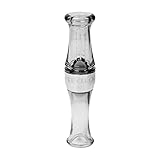
Overview: The Zink PC-1 Poly Canada Goose Call delivers professional-grade performance in a rugged polycarbonate body. Machined after Zink’s premium acrylic models, this smoke-colored call combines computer-guided precision with hand-tuning to produce authentic Canada goose sounds. It’s designed for hunters who refuse to compromise on sound quality while valuing durability.
What Makes It Stand Out: The short reed design paired with a unique straight bore mouthpiece creates powerful clucks and double clucks effortlessly. Zink’s easy-blow system reduces learning time dramatically, while the worn-in tone channel produces mature, realistic vocalizations immediately. Each call is hand-tuned by waterfowl specialists who secure reeds and adjust guts until achieving perfect pitch.
Value for Money: Mid-priced yet performance-driven, the PC-1 offers 90% of premium acrylic sound at half the cost. Polycarbonate construction withstands brutal field conditions—drops, moisture, and temperature swings—better than wood or acrylic. This call eliminates the need for multiple budget whistles, serving as a reliable primary or backup for serious hunters.
Strengths and Weaknesses: Pros: Hand-tuned consistency; Beginner-friendly easy-blow system; Produces full vocal range from moans to clucks; Superior polycarbonate durability; Excellent value proposition Cons: Lacks acrylic’s rich resonance; Single reed requires practice for advanced control; Polycarbonate feels less premium than acrylic
Bottom Line: An exceptional bridge between entry-level and high-end calls, perfect for hunters seeking authentic goose sounds without breaking the bank.
2. Duck Commander Specialty Duck Calls - Teal Hen Call- High Pitch & Exact Volume of Hen, Durable Plastic, Hunting Waterfowl Lanyard Accessories
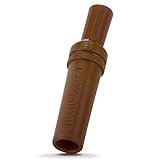
Overview: The Duck Commander Teal Hen Call from their Specialty Series addresses a specific gap in most hunters’ lanyards. Designed exclusively for teal with precise pitch and rapid cadence, this high-impact plastic call replicates the exact volume and tone of a hen teal. It’s a specialized tool for hunters targeting these fast-flying ducks.
What Makes It Stand Out: Phil Robertson’s patented double-reed friction-fit system makes this exceptionally easy to blow while maintaining species accuracy. The call produces incredibly lifelike hen sounds that stand apart from generic duck calls. Beyond teal, it serves as an effective confidence call for wary late-season mallards, adding subtle reassurance when traditional calls fail.
Value for Money: As a mid-priced specialty call, it delivers targeted performance that generic calls cannot match. Teal hunters will find this indispensable, while waterfowlers hunting pressured areas gain a secret weapon for finicky birds. The durable construction ensures seasons of reliable service, justifying its cost over cheap single-purpose calls.
Strengths and Weaknesses: Pros: Species-specific accuracy for teal; Patented easy-blow double reed; Doubles as late-season confidence call; Durable high-impact plastic; Perfect pitch and cadence Cons: Limited to teal and close-range scenarios; Double reed still requires practice; Not versatile for other species; Niche application
Bottom Line: A must-have for dedicated teal hunters and a smart addition for anyone hunting pressured late-season birds.
3. Duck Commander Classic Duck Calls - Shadow Single Reed Duck Call - Polycarbonate Barrel, Mallard Hen, Finishing Call - for Waterfowl Hunting
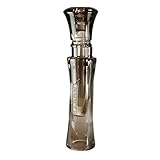
Overview: The Duck Commander Shadow Single Reed represents the company’s first foray into single-reed design, delivering raspy mallard hen sounds in a durable smoke-grey polycarbonate barrel. Engineered as a finishing call, it excels at close-range work while remaining accessible to beginners. This call bridges the gap between ease of use and authentic sound.
What Makes It Stand Out: The single-reed friction-fit system produces natural, raspy hen vocalizations that ring loud and clear across varying conditions. Unlike many beginner calls, the Shadow doesn’t sacrifice sound quality for simplicity. Its polycarbonate construction withstands harsh weather and heavy field use while maintaining consistent performance, making it reliable as both primary call and backup.
Value for Money: This affordably priced polycarbonate call punches above its weight class. It offers single-reed authenticity without the premium cost of acrylic or wood, making it an ideal entry point for novices. Experienced hunters appreciate it as a durable finishing call that won’t break the bank if lost in the marsh.
Strengths and Weaknesses: Pros: Authentic raspy mallard sounds; Beginner-friendly yet pro-quality; Durable polycarbonate build; Effective finishing call; Versatile across hunting conditions Cons: Single reed has steeper learning curve; Polycarbonate lacks premium feel; Primarily limited to mallard hen sounds; Not ideal for long-range hail calls
Bottom Line: A versatile, reliable mallard call that serves beginners and veterans alike, especially in close-range finishing situations.
4. Duck Commander Specialty Duck Calls - Wood Duck Call - Single Reed for Realistic Flying and Sitting Sounds - Waterfowl Hunting and Lanyard Accessories

Overview: The Duck Commander Wood Duck Call from the Specialty Series fills a crucial niche for hunters pursuing this elusive species. This single-reed, high-impact plastic call replicates both flying and sitting wood duck vocalizations with remarkable accuracy. It’s a dedicated tool for specific hunting scenarios where generic calls fall short.
What Makes It Stand Out: The call’s ability to produce sharp, realistic sounds for both airborne and perched wood ducks sets it apart. The single-reed construction delivers the distinct, high-pitched whistles and squeals that wood ducks make, while the durable plastic ensures consistent performance in wet, rugged conditions. Its versatility across different hunting situations makes it surprisingly practical.
Value for Money: Reasonably priced for a specialty call, it provides species-specific performance that’s essential for serious wood duck hunters. The durable construction guarantees longevity, while the user-friendly design means hunters of any experience level can effectively use it without extensive practice.
Strengths and Weaknesses: Pros: Realistic flying and sitting sounds; Species-specific accuracy; Durable high-impact plastic; Easy for all skill levels; Versatile application scenarios Cons: Niche use for wood ducks only; Single reed requires practice; Limited value for mallard-focused hunters; May be redundant in mixed-bag hunts
Bottom Line: An essential tool for wood duck enthusiasts that delivers authentic sounds with minimal effort and maximum durability.
5. Duck Commander Specialty Duck Calls - Pintail/Wigeon Call - 6-in-1 Call for Waterfowl Hunting and Lanyard Accessories

Overview: The Duck Commander Pintail/Wigeon Call redefines versatility with its 6-in-1 design, mimicking six different species including pintail, wigeon, mallard drake, green-winged teal, dove, and quail. This high-impact plastic whistle serves multiple roles in the field, from attracting varied waterfowl to training retrievers, making it an indispensable multi-tool.
What Makes It Stand Out: No other call offers this breadth of species coverage in one compact tool. It produces sharp, realistic whistles that serve as excellent confidence calls for wary, call-shy ducks. The additional dog-handling whistle functionality adds practical value beyond typical waterfowl applications. Its forgiving nature makes it accessible to youngsters and beginners.
Value for Money: Exceptional value proposition—purchasing six individual species-specific calls would cost significantly more. This single tool reduces lanyard clutter while expanding hunting versatility. For hunters pursuing diverse waterfowl or training dogs, it’s a cost-effective, space-saving solution that performs multiple functions admirably.
Strengths and Weaknesses: Pros: Unmatched 6-species versatility; Doubles as dog whistle; Easy-blow, forgiving design; Durable high-impact plastic; Effective confidence call Cons: Mastering all six sounds requires practice; Jack-of-all-trades may lack species-specific finesse; Plastic construction less premium; Learning curve for optimal use
Bottom Line: A remarkably versatile tool that earns its place on every waterfowler’s lanyard through sheer utility and value.
6. Zink Calls Power Hen-1 (PH-1) Polycarbonate Single Reed Durable Hunting Waterfowl Duck Game Call - Incredible Versatility & Range of Tones
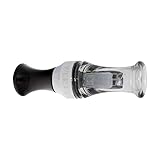
Overview: The Zink PH-1 is a premium single-reed duck call crafted from polycarbonate, designed for serious waterfowl hunters seeking versatility. Engineered with precision-machined components and hand-tuned by experts, this call delivers exceptional realism across the entire tonal spectrum. Modeled after Zink’s custom acrylic flagship, it brings professional-grade performance to a more affordable material without sacrificing sound quality.
What Makes It Stand Out: The revolutionary Z-cut, no-stick tone channel virtually eliminates reed lock—a common frustration with single-reed calls—while permitting an extraordinary range of tones from high-pitched hail calls to subtle feed chuckles. The precision machining ensures consistent performance, and the hand-tuning process guarantees each call meets exacting standards before leaving the factory.
Value for Money: Positioned as a mid-tier option, the PH-1 offers impressive value by delivering custom-call performance in durable polycarbonate. While more expensive than entry-level calls, it outperforms many acrylic calls costing twice as much, making it a smart investment for dedicated hunters wanting professional results without the premium price tag.
Strengths and Weaknesses: Pros include exceptional tonal range, reed-lock prevention technology, durable construction, and hand-tuned quality control. The single-reed design offers maximum realism but requires more practice to master than double-reed alternatives. Beginners may experience a learning curve, and the call demands proper maintenance to maintain peak performance.
Bottom Line: The Zink PH-1 is an excellent choice for intermediate to advanced hunters seeking a versatile, reliable duck call that bridges the gap between budget models and high-end acrylics. Its innovative tone channel and hand-tuned precision make it worth every penny.
7. Hunters Specialties Duck Whistling Dixie Waterfowl Whistle 6-in-1 Game Call - Vocalizations of Mallard Drake, Pintail, Widgeon, Wood Duck, Teal, & Sandhill Crane

Overview: The Hunters Specialties Whistling Dixie is a versatile 6-in-1 waterfowl whistle that mimics six species including Mallard Drake, Pintail, Widgeon, Wood Duck, Teal, and Sandhill Crane. Built for reliability in harsh conditions, this compact tool is engineered to perform consistently even when wet, making it an essential addition to any hunter’s kit for attracting multiple duck species across diverse environments.
What Makes It Stand Out: Its remarkable multi-species capability sets it apart from single-purpose calls. The whistle maintains reliable performance in rain, snow, and humidity without sound degradation—a critical feature for waterfowl hunting where moisture is inevitable. The compact, rugged design packs maximum versatility into minimal space, while the intuitive operation makes it accessible to hunters at any skill level.
Value for Money: As a budget-friendly multi-tool, this whistle delivers exceptional value by combining six calls into one affordable package. Rather than purchasing individual species-specific calls, hunters gain a comprehensive solution for varied hunting scenarios. Its durability ensures seasons of reliable use, maximizing return on investment for both novice and experienced hunters.
Strengths and Weaknesses: Pros include multi-species versatility, wet-weather reliability, compact design, and beginner-friendly operation. However, whistles generally lack the tonal depth and realism of reed calls for close-range work. The simplified design may not satisfy advanced callers seeking nuanced control, and mastering each species’ unique cadence still requires practice.
Bottom Line: The Whistling Dixie is a must-have utility call for every waterfowl hunter. Its versatility and weatherproof reliability make it an invaluable backup or primary call for mixed-bag hunts, especially for beginners or those hunting multiple species.
8. Zink Call of Death (COD) Polycarbonate Hand-Tuned Short Reed Waterfowl Canada Goose Hunting Game Call - Power, Gun Smoke

Overview: The Zink Call of Death (COD) is a short-reed Canada goose call crafted from durable polycarbonate, designed to deliver contest-quality sounds in a rugged package. Hand-tuned by waterfowl experts and modeled after Zink’s premium acrylic custom calls, this call produces super-realistic goose vocalizations. The easy-blow system makes it particularly appealing for novice hunters while maintaining the performance standards demanded by seasoned callers.
What Makes It Stand Out: The worn-in tone channel combined with the short-reed design creates incredibly authentic goose sounds right out of the box. The easy-blow system reduces the learning curve significantly, allowing beginners to produce convincing calls with minimal air pressure. Each unit is hand-tuned for optimal performance, ensuring consistency across the product line while maintaining the natural sounds that attract wary Canadas.
Value for Money: The COD offers remarkable value by delivering contest-level performance in an affordable polycarbonate body. It bridges the gap between entry-level calls and expensive acrylic models, providing professional sound quality without the premium price. For hunters targeting Canada geese specifically, this specialized call represents a wise investment that outperforms many generic alternatives.
Strengths and Weaknesses: Pros include super-realistic sounds, beginner-friendly easy-blow system, hand-tuned quality, durable construction, and specialized goose-specific design. The short-reed system, while effective, may lack some versatility for other waterfowl species. Advanced callers might prefer the nuanced control of traditional short-reed designs, and polycarbonate, while durable, doesn’t have the same resonance as acrylic.
Bottom Line: The Zink COD is an outstanding goose call that excels for both newcomers and experienced hunters. Its combination of ease-of-use and professional sound quality makes it a top choice for Canada goose hunting.
9. Duck Commander Classic Duck Calls – Variety of Styles, Durable Material, Realistic Tones for All Skill Levels - for Waterfowl Hunting
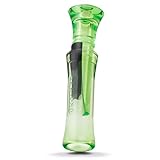
Overview: The Duck Commander Classic Duck Call is a beginner-friendly single-reed call constructed from durable polycarbonate. Designed by the iconic brand made famous through reality television, this call emphasizes simplicity and reliability for novice hunters. It produces authentic raspy duck tones that effectively attract waterfowl while maintaining user-friendly operation across all skill levels, making it an accessible entry point into serious duck hunting.
What Makes It Stand Out: The call’s reputation stems from the Duck Commander brand’s widespread recognition and proven track record in the field. Its single-reed construction is specifically engineered to be forgiving for beginners while still producing the raspy, realistic tones that ducks respond to. The straightforward design eliminates complexity, allowing new hunters to focus on technique rather than fighting with their equipment.
Value for Money: As an entry-level priced call from a premium brand, it offers solid value for beginners seeking reliable performance without a steep learning curve. The durable polycarbonate construction ensures longevity, while the trusted brand name provides confidence in quality. However, experienced hunters may outgrow its capabilities and desire more advanced features found in higher-priced alternatives.
Strengths and Weaknesses: Pros include beginner-friendly design, durable weather-resistant construction, trusted brand reputation, and simple operation. The raspy tone is effective for many situations, but the single-reed design lacks the tonal range of more advanced calls. Experienced callers may find it limiting, and the basic feature set doesn’t include innovations like anti-stick tone channels found in competitors.
Bottom Line: The Duck Commander Classic is an excellent starter call that delivers reliable performance where it matters most. For beginners or casual hunters, it’s a trustworthy choice that produces results without overwhelming complexity.
10. Zink Calls Power Hen 2 (PH-2) Polycarbonate Double Reed Durable Hunting Waterfowl Duck Game Call, Mallard Green

Overview: The Zink Power Hen 2 (PH-2) is a double-reed duck call crafted from polycarbonate, offering hunters a smoother, more forgiving alternative to its single-reed sibling. Engineered with the same precision machining and hand-tuning as all Zink calls, the PH-2 delivers authentic mallard sounds with enhanced volume and an improved bottom-end feed chuckle. Modeled after custom acrylic designs, it provides premium performance in a durable, affordable package.
What Makes It Stand Out: The double-reed configuration produces a naturally smooth mallard sound that’s easier to master than single-reed calls, while the innovative Z-cut, no-stick tone channel virtually eliminates reed lock issues. The enhanced bottom-end feed chuckle is particularly impressive, allowing hunters to create realistic feeding sounds that finish wary ducks at close range. This combination of forgiveness and advanced tone technology sets it apart in the double-reed category.
Value for Money: The PH-2 offers excellent value for hunters wanting professional-grade sound without the premium acrylic price. The double-reed design provides a shorter learning curve than single-reeds, making it cost-effective for improving caller success rates. Its durability ensures multiple seasons of reliable performance, while the hand-tuned quality rivals calls costing significantly more.
Strengths and Weaknesses: Pros include smooth double-reed sound, anti-stick tone channel, enhanced volume, excellent feed chuckle, hand-tuned quality, and beginner-friendly operation. While more forgiving than single-reeds, it may lack the extreme top-end volume some advanced callers prefer for open-water calling. The polycarbonate construction, while durable, doesn’t match the acoustic properties of acrylic for discerning ears.
Bottom Line: The Zink PH-2 is an outstanding double-reed call that balances ease of use with professional performance. It’s ideal for hunters of all skill levels seeking a reliable, versatile call with exceptional feed sounds.
Understanding Waterfowl Call Durability
What Defines a Durable Waterfowl Call?
Durability in waterfowl calls extends far beyond simple impact resistance. A truly durable call maintains its tuning, tone quality, and structural integrity after repeated exposure to moisture, temperature swings, and the physical demands of field use. The barrel must resist cracking, the reed system needs to stay responsive, and the mouthpiece can’t warp or split. Seasoned hunters consistently report that the most reliable calls feel solid in hand without being overly heavy, with components that fit together precisely without loosening over time.
Why Durability Matters in the Field
Your call is your voice to the birds, and when it fails, your hunt suffers. A cracked barrel creates air leaks that kill sound quality. A stuck reed eliminates your ability to vary pitch and volume. Failed lanyard rings leave your call at the bottom of a marsh. User reviews repeatedly emphasize that durability directly correlates with confidence—hunters who trust their equipment call more effectively and take necessary risks, like working birds at close range, without second-guessing their gear. The psychological advantage of knowing your call will perform exactly the same on day 100 as it did on day one cannot be overstated.
Common Failure Points to Watch For
Real-world reviews consistently identify several weak spots that plague inferior calls. The barrel-to-insert joint is a frequent failure point where moisture intrusion causes swelling or separation. Reed rivets and wedges loosen under vibration and thermal cycling. Lanyard attachment rings, often just glued-in metal loops, pull out with minimal force. Mouthpieces crack from repeated freezing and thawing. Finish coatings peel, exposing porous materials to water damage. Understanding these vulnerabilities helps you inspect potential purchases with a critical eye.
Materials That Stand the Test of Time
Acrylic vs. Polycarbonate vs. Wood
Acrylic calls dominate durability discussions for good reason—their dense, non-porous structure resists moisture absorption and maintains consistent dimensions across temperature extremes. Users report acrylic calls surviving years of hard use with minimal wear. Polycarbonate offers a more budget-friendly option with decent impact resistance, though reviews note it can develop micro-cracks over time, especially in extreme cold. Wood calls, while prized for traditional tone, require diligent maintenance as they absorb moisture, swell, and potentially crack if not properly sealed and cared for between hunts.
The Role of Reed Material in Longevity
The reed is the heart of your call, and its material determines long-term reliability. Mylar reeds receive consistent praise for maintaining flexibility and resisting fatigue after thousands of blows. Metal reeds offer exceptional durability but require precise tuning to avoid harsh tones. Some composite reeds balance longevity with tonal quality, though user feedback suggests they may stiffen slightly over multiple seasons. The key is matching reed material to your calling style—aggressive callers need thicker, more robust reeds, while finesse callers can prioritize tonal nuance over pure ruggedness.
Hardware and Fittings That Last
The smallest components often cause the biggest headaches. Stainless steel rivets and screws resist rust far better than standard steel. Brass wedges maintain their grip on reeds without corroding. Quality calls use mechanical fasteners rather than adhesives for critical joints. Reviewers frequently mention that calls with replaceable hardware dramatically outlast those with permanently glued components. The best designs allow you to tighten or replace worn parts without sending the call back for service.
Construction Quality Indicators
Seam Integrity and Bonding Methods
How call components join together determines their resistance to moisture and structural stress. Premium construction features precision-machined threads with o-ring seals rather than simple friction fits or glue joints. Users consistently report that calls with double o-rings at barrel connections stay dry inside even after submersion. Ultrasonic welding, used in some polycarbonate calls, creates seamless bonds that reviewers praise for never separating. Avoid calls with visible glue lines or rough transitions between components—these are telltale signs of inferior assembly.
Tuning System Durability
A call that goes out of tune quickly loses its value regardless of structural integrity. The most durable tuning systems use simple, robust designs with fewer moving parts. User feedback favors wedge-based systems over complex screw adjustments, as wedges maintain their setting without backing out from vibration. Some advanced designs incorporate lock nuts or thread-locking compounds on adjustment screws. The key is finding a system that holds its tune through temperature changes, repeated disassembly for cleaning, and the inevitable bumps of field use.
Finish and Coating Protection
Protective finishes do more than look good—they seal the call against moisture intrusion and UV damage. Reviews of long-lasting calls consistently mention high-gloss polymer finishes that remain intact after years of abrasion from lanyards, vest pockets, and boat decks. Matte finishes, while popular for reduced glare, sometimes show wear patterns more quickly. The most durable calls feature finishes applied to the interior bore as well as the exterior, preventing internal moisture absorption that could affect tone stability.
Reading Between the Lines of User Reviews
Red Flags in Durability Reviews
Savvy hunters learn to spot warning signs in user feedback. Phrases like “lasted one season,” “cracked in cold weather,” or “reed kept falling out” indicate fundamental design flaws. Multiple reviews mentioning the same failure pattern—like lanyard rings pulling out or inserts swelling—suggest a systemic issue. Be wary of reviews that praise initial performance but lack long-term follow-up; durability reveals itself over time, not after a few practice sessions in the backyard.
Positive Durability Indicators to Look For
Look for reviews that mention specific timeframes: “still sounds great after five seasons,” “survived three years of saltwater hunts,” or “dropped on concrete and kept calling.” Users who mention passing calls down to hunting partners or children highlight exceptional longevity. Detailed reviews describing maintenance routines and how the call responded to cleaning or reed replacement provide valuable insights into real-world durability. The presence of multiple reviews from hunters with 5+ years of experience with the same call strongly suggests lasting quality.
Timing and Context of Reviews
The most useful durability reviews come from hunters who’ve used a call through multiple seasons, not just initial impressions. Pay attention to reviews posted after several months or years of ownership. Seasonal timing matters too—reviews written during or after harsh conditions (late season ice, early season heat) provide more relevant durability data than those from mild-weather hunts. Geographic context is crucial; hunters in coastal environments face different challenges than those in freshwater marshes or dry field hunting scenarios.
Environmental Factors Affecting Call Lifespan
Saltwater vs. Freshwater Considerations
Saltwater hunts present the ultimate durability test. Users consistently report that calls without full sealing fail quickly in salt environments due to corrosion and mineral buildup. The best designs for saltwater use feature fully sealed construction with corrosion-resistant hardware. Freshwater hunters face fewer corrosion issues but must contend with freezing conditions and organic matter that can clog reeds. Reviews from saltwater hunters provide the most stringent durability assessments—if a call survives repeated salt exposure, it will handle almost anything else.
Temperature Extremes and Material Performance
Waterfowl hunting demands performance from well below freezing to unseasonably warm early season days. Acrylic calls earn high marks for dimensional stability across this range, maintaining consistent tone whether frozen or warmed by your hand. Polycarbonate can become brittle in extreme cold, with users reporting stress cracks after impacts in sub-zero conditions. Wood calls may crack if taken from warm vehicles into freezing air too quickly. The most durable calls show minimal tone variation across temperature extremes, indicating quality material selection and proper curing processes.
UV Exposure and Color Fading
While fading doesn’t affect sound, it’s often an early indicator of material degradation. Prolonged sun exposure can break down polymers, making them brittle. Quality calls incorporate UV inhibitors in their material or finish. Reviews frequently mention calls that maintain their color and finish after years of riding on lanyards in direct sunlight. Calls that fade quickly often develop micro-fractures or surface crazing that precedes structural failure. Dark-colored calls absorb more heat, potentially accelerating UV damage in sunny climates.
Maintenance Habits of Long-Lasting Calls
Cleaning Protocols That Preserve Calls
How you clean your call dramatically impacts its lifespan. Users of durable calls consistently report simple cleaning routines: disassembly, warm water rinse, thorough drying, and proper reassembly. Avoid harsh chemicals that can attack finishes or swell wooden components. The most robust calls withstand periodic cleaning without losing tuning or developing leaks. Some designs feature tool-less disassembly, encouraging regular maintenance. Reviews praise calls that can be fully submerged for cleaning without water penetrating the barrel.
Storage Solutions for Extended Life
Proper storage between hunts prevents many durability issues. Calls stored in airtight containers with moisture-absorbing packets avoid internal condensation that can corrode reeds and hardware. Users report that calls stored on lanyards in unheated garages survive better when protected from freezing-thawing cycles. For wood calls, consistent humidity is crucial—sudden changes cause cracking. The most durable synthetic calls are practically storage-indifferent, while quality wood calls reward careful storage with decades of service.
Reed Replacement and Tuning Techniques
A call designed for longevity allows reed replacement without specialized tools. User feedback consistently highlights designs with accessible reed channels and replaceable wedges. The ability to refresh a call’s internals extends its useful life indefinitely. Some calls feature reed systems that can be flipped or rotated for extended use before replacement. Learning proper tuning techniques prevents the over-tightening that stresses reeds and wedges, contributing to longer component life.
Field-Tested Durability Features
Lanyard Attachment Points That Don’t Fail
The lanyard connection might be the most stress-loaded part of any call. Reviews frequently mention attachment failures that resulted in lost calls. The most durable designs use integral lanyard grooves machined into the call body rather than glued or pressed-in rings. Some calls feature multiple attachment points, allowing hunters to secure them with backup tethers. Stainless steel or brass attachment hardware significantly outlasts plated steel, which rusts and weakens. The best designs position the attachment point to minimize leverage and stress during normal use.
Barrel Design and Impact Resistance
calls that survive drops share common design traits: thicker walls at stress points, rounded edges that dissipate impact forces, and balanced weight distribution that reduces the likelihood of mouthpiece-first impacts. Users report that calls with slightly textured surfaces are less slippery when wet, reducing drop frequency. Some designs incorporate subtle flaring or reinforcement at the mouthpiece end, the most common impact point. The barrel’s internal bore must maintain its shape after impacts—any deformation affects tone and responsiveness.
Mouthpiece Reinforcement Strategies
The mouthpiece endures constant stress from insertion forces, freezing conditions, and the pressure of your teeth during aggressive calling. Durable calls feature reinforced mouthpiece designs, sometimes with metal inserts or thickened walls. Users praise calls with slightly flexible mouthpieces that resist cracking better than rigid designs. Some calls use replaceable mouthpiece inserts, allowing you to refresh the most wear-prone part without replacing the entire call. The mouthpiece bore must remain smooth and consistent; any chipping or cracking creates air leaks that ruin performance.
The Investment Perspective
Price vs. Durability Correlation
While expensive doesn’t always mean durable, user reviews reveal a clear pattern: calls in the mid-to-upper price ranges consistently outlast budget options. The materials, machining tolerances, and quality control required for true durability cost money. However, some moderately priced calls achieve remarkable longevity through smart design rather than exotic materials. Reviews suggest that calls priced below a certain threshold often cut corners on hardware, finish quality, or material thickness. The most cost-effective calls balance initial investment with expected lifespan, often providing 10+ years of reliable service.
Warranty Coverage and What It Reveals
A manufacturer’s warranty tells you volumes about expected durability. Lifetime warranties accompany calls that companies expect to last decades. Limited warranties often exclude specific failure modes the manufacturer knows are problematic. Users report that companies with straightforward warranty processes typically produce more durable products—they’re confident in their construction. Be wary of warranties that require original receipts and registration; this suggests the company doesn’t expect many calls to survive long enough to claim. The best warranties cover accidental damage, not just manufacturing defects.
When to Repair vs. Replace
Understanding repairability helps maximize your investment. Durable calls are designed for field repair—replaceable reeds, wedges, and o-rings keep you hunting when something fails. Users often mention keeping spare parts kits for their trusted calls. Some calls can be sent back to the maker for refurbishment at a fraction of replacement cost. The decision point usually comes when the barrel itself is damaged or when repair costs exceed half the price of a new call. Calls with strong sentimental value or proven performance histories often justify multiple repairs.
Testing Durability Before You Buy
Physical Inspection Checkpoints
In-store inspection reveals much about construction quality. Check barrel seams for gaps or misalignment. Test threads for smooth operation and tight fit. Examine the mouthpiece for reinforcement and smooth bore finish. Shake the call—rattling indicates loose internal components. Quality calls feel dense and solid, without hollow spots. The finish should be even and thick, especially inside the barrel. Press on the lanyard attachment point to test its security. These physical checks, combined with user review research, help identify calls built to last.
Sound Quality vs. Build Quality Balance
The most durable call is worthless if it sounds like a kazoo. Fortunately, modern manufacturing allows both qualities in one package. Users report that calls with excellent durability often produce better, more consistent tones because their precise construction maintains air column integrity. Test calls for sound before buying, but also consider that some calls require a break-in period. Reviews mentioning “sounded great right out of the box” often correlate with tight manufacturing tolerances that also enhance durability. Avoid calls that sound inconsistent between blows—this suggests internal leakage or poor reed seating.
Questions to Ask Retailers
Engage retailers with specific durability questions: “What’s the most common failure mode you see with this call?” “How many customers return for warranty claims?” “Do you see this call back for reed replacements?” Experienced retailers know which calls come back and which don’t. Ask about the manufacturer’s repair policy and availability of replacement parts. Inquire whether the call has been updated recently—design changes sometimes address durability issues. A retailer hesitant to discuss long-term performance may be steering you away from known problems.
Community Wisdom from Seasoned Hunters
Forum Insights on Long-Term Performance
Waterfowl hunting forums are goldmines of long-term durability data. Users post detailed follow-ups after years of ownership, complete with photos of wear patterns. Look for threads discussing “calls that have lasted 10+ years” or “worst call failures.” Forum discussions often reveal how calls perform across different regions and hunting styles. Pay attention to posts from guides and serious hunters who put equipment through maximum abuse—their experiences predict how a call will perform for the average hunter. These communities also share maintenance tricks that extend call life.
Social Media Durability Discussions
Social media groups focused on waterfowl hunting provide real-time durability feedback. Users post photos of failed calls, often with detailed context about age and use conditions. Look for patterns in these posts—multiple similar failures suggest design issues. Positive posts showing well-worn calls still performing are equally valuable. Video posts demonstrating sound quality after years of use provide audible proof of durability. Engage with these communities to ask specific questions about calls you’re considering.
Word-of-Mouth Reliability Factors
In hunting camps and boat blinds, experienced hunters freely share opinions on what lasts. These informal discussions often reveal durability insights not found in formal reviews. Pay attention when multiple hunters in a group use the same call model—this suggests proven reliability. Ask about calls that have been passed down or inherited; surviving multiple owners indicates exceptional durability. The hunting community’s collective memory about calls that consistently fail is remarkably accurate and predictive.
Frequently Asked Questions
How long should a quality waterfowl call realistically last?
With proper care, a well-constructed acrylic or polycarbonate call should deliver 10-15 years of reliable service. Wood calls can last equally long but require more meticulous maintenance. The reed system typically needs replacement every 2-5 seasons depending on use intensity, but the call body itself should remain functional indefinitely if properly maintained.
What maintenance steps have the biggest impact on call lifespan?
Thorough drying after each hunt prevents internal corrosion and material degradation. Disassembling and cleaning the call monthly during season removes buildup that stresses reeds and wedges. Storing calls in a climate-controlled environment during off-season prevents cracking and warping. These three simple habits extend call life more than any other factors.
Are more expensive calls always more durable?
Not always, but there’s a strong correlation above a certain price point. Premium-priced calls typically use better materials and tighter tolerances. However, some mid-priced calls achieve excellent durability through smart, simple design. Focus on construction features and user reviews rather than price alone. The most expensive calls sometimes prioritize cosmetic features over functional durability.
How do I know if a call’s finish is durable enough?
Quality finishes feel thick and smooth, with no thin spots or runs. They should extend into the barrel bore. Test by gently scratching an inconspicuous area with a fingernail—quality finishes resist marring. Reviews mentioning finish durability after years of use are the best indicator. Avoid calls where the finish feels tacky or soft.
Can I repair a cracked call barrel?
Minor cracks can sometimes be repaired with acrylic solvent cement or epoxy, but the call will never perform exactly the same. The repair creates a stress point likely to fail again. Most hunters consider a cracked barrel a total loss. Focus on preventing cracks through proper storage and avoiding extreme temperature shocks.
What’s the best way to test a call’s durability in the store?
Check the weight and wall thickness—quality calls feel substantial. Test all threaded connections for smooth operation and tight fit. Examine the lanyard attachment by gently pulling on it. Look inside the mouthpiece bore for finish coverage and smoothness. While you can’t drop-test in-store, these inspections reveal construction quality that correlates with durability.
How does calling style affect call durability?
Aggressive, loud calling stresses reeds and wedges more than soft, finesse calling. Hunters who primarily feed call or use subtle licks get longer reed life than those constantly blowing hail calls at maximum volume. However, durable calls should handle any calling style. If reviews mention reed failures after light use, the call has fundamental durability issues.
Are there seasonal durability considerations?
Late-season ice hunting demands crack-resistant materials and finishes. Early-season heat requires UV-stable polymers and corrosion-resistant hardware. Migration periods with heavy use test reed durability and tuning stability. The most versatile calls perform consistently across all seasons. Consider your primary hunting season when evaluating durability features.
What role does country of manufacture play in durability?
Manufacturing location matters less than quality control standards and material sourcing. Well-regulated factories with strict QC produce durable calls regardless of location. Some hunters prefer domestic manufacturing for warranty service convenience. Focus on the company’s reputation and warranty policy rather than manufacturing location alone.
How do I evaluate used calls for durability before purchasing?
Inspect for cracks, especially around the mouthpiece and barrel seam. Check that threads operate smoothly without binding. Test sound consistency across multiple blows. Ask about storage history and maintenance routine. A well-maintained used call from a reputable maker often outlasts a new budget call. Avoid calls with stripped threads, deep scratches, or inconsistent tone—these indicate hard use without proper care.
Related Buying Guides
- 10 Most Durable Crow Calls Based on Real User Reviews in 2026
- 10 Most Durable Moose Calls Based on Real User Reviews in 2026
- 10 Most Durable Climbing Sticks Based on Real User Reviews in 2026
- 10 Most Durable Whisker Biscuit Arrow Rests Based on Real User Reviews in 2026
- 10 Most Durable Alcohol Stoves Based on Real User Reviews in 2026