Table of Contents
Hunting alone isn’t just a preference; it’s a deeply personal communion with the wild, demanding self-reliance and meticulous preparation. Every step into the backcountry as a solo hunter amplifies the importance of your gear, transforming it from mere equipment into your lifeline. Unlike group expeditions where burdens can be shared, the solo hunter carries everything – navigation tools, survival essentials, harvested game, and the mental fortitude to handle any situation. This unique responsibility places extraordinary demands on your hunting backpack, making it arguably the most critical piece of gear strapped to your shoulders. Choosing the wrong pack can turn a dream hunt into a grueling struggle, while the right one becomes an almost invisible extension of your body, empowering confidence and focus deep in the elements.
Forget the notion of a simple bag for carrying stuff; a solo hunting backpack is a sophisticated system engineered for survival and success when no one else has your back. It must balance impossible-seeming requirements: carrying heavy loads comfortably for miles, providing instant access to critical tools without fumbling, staying silent to avoid spooking game, managing moisture in brutal conditions, and enduring the relentless abrasion of brush and rock. The stakes are higher because there’s no teammate to adjust a strap, share the weight of a quartered elk, or spot a hazard you’ve missed. Investing time to understand what truly makes a backpack excel for solo missions isn’t just smart shopping – it’s a fundamental investment in your safety, efficiency, and ultimate hunting experience. Let’s dissect the essential features that separate a merely adequate pack from a true solo hunting companion.
Top 10 Hunting Backpacks for Solo Hunters
Detailed Product Reviews
1. Stone Glacier Solo 3600 Hunting Pack with Krux Frame, 3600-6000 cu in, 150 lb Load, Hydration Compatible, Ranger Short Medium (50134-RG-M)

Overview:
The Stone Glacier Solo 3600 is a premium, minimalist hunting pack engineered for serious backcountry expeditions. Built around the robust Krux Frame, it offers 3,600 cubic inches of base storage, expanding to 6,000 cubic inches for heavy hauls, and supports loads up to 150 pounds. Its focus is on durability and efficient organization for multi-day hunts.
What Makes It Stand Out:
Durable Cordura 500/Xpac fabric construction ensures resilience against rugged terrain, while the full top-zip panel and dedicated spotting scope pocket provide exceptional accessibility. The expandable 2,500+ cu in load shelf is ideal for transporting harvested game, and hydration compatibility adds convenience during long treks. The Krux Frame delivers unmatched stability under extreme weight.
Value for Money:
Priced at the premium end, it justifies cost through exceptional load-handling, expandability, and materials built to last decades. While cheaper packs exist, few match its 150lb capacity, frame integration, and seamless transition from hunt to pack-out. Ideal for hunters prioritizing reliability over initial savings.
Strengths and Weaknesses:
Strengths: Unrivaled load capacity and stability; durable, weather-resistant fabrics; intuitive organization; excellent game haul capability.
Weaknesses: High price point; minimalist design lacks extensive quick-access pockets; bulkier than ultralight options when fully loaded.
Bottom Line:
A top-tier investment for dedicated hunters tackling demanding terrain with heavy payloads. Its expandability, frame performance, and rugged build make it worth the premium for those who prioritize function and longevity over budget constraints.
2. PLUSINNO Hunting Backpack for Hunting Essentials, 45L Waterproof Hunting Gear with Rain Cover, & Padded Scabbard Carry System For Deer Hunt Accessories, Hunt Gift For Men

Overview:
This PLUSINNO 45L backpack is a versatile, field-validated hunting pack designed for all-day comfort and stealth. It combines acoustic stealth technology, weather resistance, and strategic organization to meet core hunter needs, from still hunting to tracking in unpredictable conditions.
What Makes It Stand Out:
Advanced “Acoustic Stealth” construction uses noise-free zippers and quiet fabrics to prevent spooking game, while the realistic foliage camouflage ensures concealment. The integrated rain cover and 600D nylon build offer reliable weather protection. The suspended cradle system stabilizes gear, and weight transfer to hips (60%+) enhances comfort under load.
Value for Money:
Competitively priced for its feature set, it outperforms many budget packs with its stealth focus, durable materials, and ergonomic harness. The included rain cover and scabbard system add value, making it a solid mid-range choice versus pricier ultralight alternatives.
Strengths and Weaknesses:
Strengths: Excellent stealth features; reliable weather resistance; comfortable load transfer; intuitive organization; integrated rain cover.
Weaknesses: 45L capacity may limit multi-day trips; camouflage pattern less versatile in non-forested terrain; scabbard system less adaptable for non-standard firearms.
Bottom Line:
A highly practical, stealth-optimized pack for day hunts or short trips. Its balance of comfort, silence, and weatherproofing delivers strong value, especially for hunters prioritizing concealment and all-day wearability in varied conditions.
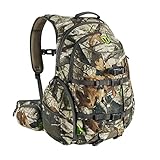
3. TIDEWE Hunting Backpack, Waterproof Camo Hunting Pack with Rain Cover, Long-Lasting Large Capacity Hunting Day Pack for Rifle Bow Gun (Next Camo G2)
Overview:
The TIDEWE Hunting Backpack is a lightweight (3.7lb), 35L camo pack tailored for spot-and-stalk hunters. Made from quiet, high-performance polyester, it emphasizes breathability, organization, and essential features like a built-in rain cover for day hunts.
What Makes It Stand Out:
Its ultra-lightweight design and channeled back panel maximize comfort during long approaches, while the multi-pocket layout ensures quick access to gear without fumbling. The Next Camo G2 pattern blends effectively, and features like the quiver hook, rifle carry pocket, and hydration port cater specifically to archers and firearm hunters.
Value for Money:
An excellent budget-friendly option, offering core hunting features at an accessible price. While not as robust as premium packs, its durability, included rain cover, and thoughtful organization punch above its weight class for day trips.
Strengths and Weaknesses:
Strengths: Very lightweight and breathable; effective camouflage; intuitive pocket layout; included rain cover; affordable.
Weaknesses: Limited 35L capacity unsuitable for extended trips; frameless design struggles with heavy loads; fabric less abrasion-resistant than higher-end models.
Bottom Line:
A reliable, no-frills choice for day hunters seeking comfort and stealth without breaking the bank. Best suited for short excursions where low weight and quick gear access are paramount, but not ideal for heavy or multi-day loads.
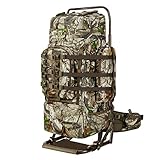
4. TIDEWE Hunting Backpack 5500cu with Frame and Rain Cover for Bow/Rifle/Pistol
Overview:
This TIDEWE pack is a high-capacity (5500 cu in / 90L), framed backpack designed for 3-5 day hunting trips. It combines a lightweight external frame, Next Camo G2 fabric, and extensive organization to handle extended expeditions with heavy gear or game hauls.
What Makes It Stand Out:
The massive expandable capacity and integrated external frame provide exceptional load stability for multi-day hunts. Hunting-specific features include noise-reducing Hypalon reinforcements, a two-in-one bow/rifle carrier, and a folding freighter shelf. The waterproof rain cover and hydration compatibility ensure readiness for any condition.
Value for Money:
Offers significant capacity and frame support at a mid-range price, undercutting premium brands like Stone Glacier. The included frame and rain cover add value, though materials aren’t as rugged as top-tier competitors—ideal for hunters needing volume without ultra-premium costs.
Strengths and Weaknesses:
Strengths: Huge, expandable capacity; stable external frame; excellent hunting-specific features (bow/rifle carry, quiet fabric); included rain cover.
Weaknesses: Frame adds bulk; Next Camo G2 may not suit all environments; stitching durability concerns under extreme loads; heavier than frameless alternatives.
Bottom Line:
A capable workhorse for hunters on extended trips requiring serious volume. Its frame stability and thoughtful extras deliver solid value, though prioritize it for heavy loads over ultralight adventures where its weight becomes a drawback.
5. PLUSINNO Hunting Backpack for Hunting Essentials, 45L Waterproof Hunting Gear with Rain Cover, & Padded Scabbard Carry System For Deer Hunt Accessories, Hunt Gift For Men

Overview:
Identical in title and core features to Product 2, this PLUSINNO 45L pack reiterates the brand’s focus on silent operation, concealment, and ergonomic comfort. It targets hunters needing reliable day-to-day performance with stealth and weather protection as non-negotiables.
What Makes It Stand Out:
Reinforces acoustic stealth via noise-free zippers and quiet fabric, ensuring near-silent movement. The tactical multi-pocket layout provides instant access to essentials, while the suspended cradle system and hip-belt weight transfer (60%+) maintain comfort during long sits or stalks. The integrated rain cover remains a key weatherproofing asset.
Value for Money:
Duplicates Product 2’s value proposition: strong mid-tier pricing with stealth and weather features that outclass budget options. Redundancy in listings may confuse shoppers, but the pack itself offers consistent quality for hunters seeking proven reliability without premium pricing.
Strengths and Weaknesses:
Strengths: Consistent stealth and comfort features; durable 600D nylon build; excellent organization; integrated rain cover; reliable load transfer.
Weaknesses: Identical to Product 2, raising questions about differentiation; 45L limit for multi-day use; camouflage specificity may reduce versatility.
Bottom Line:
A repeat endorsement of PLUSINNO’s solid 45L design—ideal for hunters valuing silence and comfort in day hunts. While redundant in this list, it remains a trustworthy choice for its class, though shoppers should verify model distinctions before purchasing.
6. BLISSWILL Hunting Backpack Hunting Day Pack with rifle holder Hunting Gear Accessories gift for men(Rock Bark)
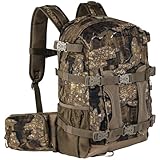
Overview: The BLISSWILL Hunting Day Pack is a specialized 1000D silent-weave backpack engineered for hunters prioritizing stealth and durability. Its true-to-nature Rock Bark camouflage and noise-suppressing materials aim to eliminate detection during critical moments in the field. What Makes It Stand Out: Exceptional focus on silent operation sets it apart. The TPU-coated waterproof fabric, silent zippers, and integrated rifle/bow straps enable secure weapon carry without compromising concealment. The multi-compartment layout with dedicated ammo slots, MOLLE compatibility, and hydration bladder support offers tailored organization for hunting essentials. Value for Money: Positioned as a premium mid-range option, it justifies its cost through specialized hunting features rarely found together. The extreme-environment durability and thoughtful stealth engineering offer better long-term value than generic outdoor packs, though cheaper alternatives lack its noise-reduction focus. Strengths and Weaknesses: Strengths: Superior noise suppression; excellent camouflage; comfortable ventilated back panel; versatile rifle/bow carry system; rugged waterproof construction. Weaknesses: Limited non-hunting utility; hydration bladder not included; MOLLE webbing may require additional pouches for full functionality. Bottom Line: An outstanding choice for serious hunters needing silent, reliable gear. Its stealth-centric design and weapon integration make it a worthy investment for hunting-specific use, despite niche versatility.
7. BLISSWILL Large Hunting Backpack with padded weapon compartment for Bow Rifle with Waterproof Rain Cover Hunting Gear Accessories 40L(Supercamo Timber)

Overview: This 40L BLISSWILL pack combines high-capacity storage with specialized weapon accommodation in a Supercamo Timber pattern. Designed as an all-in-one solution, it includes a rain cover, survival whistle, and compass, targeting hunters seeking comprehensive expedition readiness. What Makes It Stand Out: The standout feature is its padded, dedicated weapon compartment alongside external rifle/bow straps, ensuring secure firearm or bow storage without contact with other gear. The inclusion of a rain cover, survival tools, and blaze flag adds exceptional preparedness value out-of-the-box. Value for Money: Excellent value for its category. The bundled survival accessories and rain cover eliminate extra purchases, while the durable 40L capacity handles multi-day trips. It competes favorably against pricier tactical packs by focusing squarely on hunter-specific needs without military surplus aesthetics. Strengths and Weaknesses: Strengths: Integrated survival kit; padded weapon sleeve; included rain cover; robust water-resistant fabric; ample MOLLE attachment points. Weaknesses: Ventilation could improve for heavy loads; internal organization may feel cluttered for non-hunting uses; compass placement is awkward. Bottom Line: Highly recommended for hunters needing a self-sufficient, weapon-ready pack. Its practical extras and hunting-optimized design deliver exceptional utility, making it a top contender in the mid-size hunting backpack market.
8. AUSCAMOTEK Camo Backpacks for Hunting Accessories Fishing Hiking Camping Camouflage Bag Small Day Pack for Men - Woodland Camo
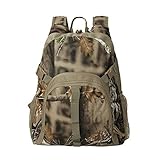
Overview: A compact 19x12x8-inch woodland camo day pack from AUSCAMOTEK, designed for minimalists seeking lightweight concealment. Its brushed polyester build targets hunters, anglers, and hikers needing essentials without bulk during short excursions. What Makes It Stand Out: Its ultra-discreet woodland camouflage pattern excels in forested environments, blending seamlessly for turkey or deer hunting. The small footprint (14L approx.) and PVC-coated fabric prioritize silent, unobtrusive movement while offering essential pockets for ammunition, water bottles, and camo accessories. Value for Money: Strong value for budget-conscious users. It undercuts larger competitors significantly while delivering core hunting functionality—effective camouflage, water resistance, and rifle-compatible straps. Ideal for casual hunters or as a secondary pack, though it lacks advanced features of premium models. Strengths and Weaknesses: Strengths: Exceptional camouflage effectiveness; lightweight and quiet; affordable; comfortable padded straps; perfect size for day hunts. Weaknesses: Very limited capacity; no hydration sleeve; minimal padding for heavy loads; lacks MOLLE/webbing for expansion. Bottom Line: A superb budget-friendly day pack for hunters prioritizing stealth and simplicity. While unsuitable for extended trips, it’s a reliable, concealment-focused choice for quick hunts or hikes where silence and camouflage are paramount.
9. QT&QY 45L Military Tactical Hunting Backpacks for Men Camouflage Molle Army Assault Pack 3 Day Bug Out Bag Hiking Treeking Rucksack
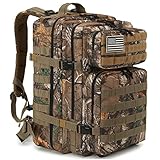
Overview: This 45L QT&QY tactical pack bridges military utility and hunting functionality with its Molle webbing, 17-inch laptop sleeve, and “bug out” readiness. Its 18x13.2x11.6-inch frame targets hunters needing expedition-level storage for multi-day trips. What Makes It Stand Out: The modular Molle system across front/sides and flat-open design enable extreme customization—ideal for attaching specialized hunting pouches. The inclusion of a laptop compartment (uncommon in hunting packs) and 180-degree opening enhance versatility beyond typical outdoor use. Value for Money: Great value for capacity-focused users. The 45L volume and military-grade 900D polyester provide durability exceeding its price point. Hunters needing to carry extensive gear (sleeping bags, extra ammo) get more storage than similarly priced niche hunting packs, albeit with less stealth focus. Strengths and Weaknesses: Strengths: Massive customizable storage; robust waterproof construction; laptop compartment; excellent ventilation; versatile for hunting/emergencies. Weaknesses: Bulky for pure hunting; camouflage is generic; no dedicated silent weapon carry; laptop sleeve feels gimmicky for hunters. Bottom Line: Best for hunters doubling as preppers or needing heavy-duty load carriage. Its tactical flexibility and capacity justify purchase if stealth is secondary to gear volume, though dedicated hunters may prefer more specialized packs.
10. MARITTON Hunting Backpack,Durable Hunting Pack with Bow and Rifle Carry System for Camping,Hunting,Hiking. (Camo-Khaki)
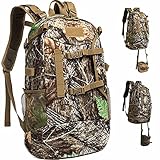
Overview: MARITTON’s 40L Camo-Khaki pack delivers a streamlined 20x12x7.5-inch design focused on weapon integration. Its pull-down organizational pocket and included rain cover cater to hunters seeking simplicity and reliability for day trips. What Makes It Stand Out: The unique pull-down pocket secures rifles/bows vertically without external straps, reducing snag risks—a rarity in this size class. The 100% satisfaction guarantee and included orange rain cover add peace of mind, emphasizing user-centric reliability over excessive features. Value for Money: Excellent value for entry-to-mid-tier hunters. It undercuts competitors with similar capacity while including a rain cover and offering a no-questions refund policy. The durable polyester fabric and padded back panel provide solid performance without premium pricing. Strengths and Weaknesses: Strengths: Intuitive vertical weapon storage; comfortable breathable padding; satisfaction guarantee; included rain cover; lightweight frame. Weaknesses: Limited internal organization; no MOLLE webbing; minimal pocket differentiation; camouflage less effective than specialized patterns. Bottom Line: Highly recommended for hunters wanting a no-fuss, weapon-ready day pack. Its clever rifle/bow system, comfort, and buyer-friendly policy make it a smart, reliable choice for casual to moderate hunting use.
Understanding Solo Hunter Backpack Requirements
The Weight Distribution Imperative
Solo hunters routinely carry loads significantly heavier than day hikers – often 50+ pounds before even considering a harvest. The pack’s suspension system (hipbelt, shoulder straps, load lifters) must efficiently transfer this weight to the hips, the body’s strongest support structure. A poorly designed system leaves shoulders bearing the brunt, causing rapid fatigue and compromising stability on uneven terrain. Look for articulated, anatomically contoured hipbelts with substantial padding and load-lifter straps that actively pull the top of the pack inward and downward, keeping the center of gravity tight against your back.
Silence as a Non-Negotiable Feature
Rustling fabric or clattering buckles can spell disaster for a stalk. Solo hunters lack the buffer of group noise to mask minor sounds. Therefore, materials must be inherently quiet – think tightly woven, non-crinkly fabrics like certain high-denier nylons or specialized silent weaves. Every zipper pull, buckle, and strap adjustment point should operate smoothly and silently. Avoid packs with excessive external webbing or dangling cords that catch wind or brush. Consider packs where critical access points (like rifle scabbards) feature covered zippers or magnetic closures to eliminate zipper noise during frequent use.
Accessibility During Critical Moments
When game is spotted, seconds count. Your pack needs intuitive, glove-friendly access to essential items like optics, calls, a knife, or even a sidearm without removing the pack. This often means strategically placed external pockets with secure, quiet closures (magnetic flaps, quiet zippers) that open wide and flat. Internal organization matters too; a dedicated, easily reachable compartment for your first-aid kit or emergency shelter is crucial when every movement is taxing. Avoid overly complex internal layouts that require unpacking half your gear to find a single item.
Essential Capacity and Load Management
Determining Your True Volume Needs
Capacity isn’t just about cubic inches; it’s about mission duration and intended harvest. A day hunt for small game might require only 20-30 liters, while a multi-day solo elk hunt targeting a full pack-out demands 50+ liters plus a robust external frame system. Crucially, consider how you’ll manage the load after the harvest. Will you need to break down game and carry quarters externally? Ensure the pack has ample, reinforced attachment points (daisy chains, haul loops, compression straps) designed to securely lash heavy, irregular loads without shifting or damaging the pack fabric.
The Frame System Dilemma: Internal vs. External
Internal frames offer a sleeker profile and better weight transfer for moderate loads on established trails, keeping the pack close to your body for better balance. However, for the extreme loads solo hunters often face when packing out game, traditional external frames often shine. They distribute weight more effectively onto the hips, keep the load stable and separated from your back (improving ventilation), and provide a rigid platform for strapping bulky game bags securely. Hybrid frames attempt to bridge this gap, offering some ventilation and external attachment capability with a more modern silhouette. Evaluate your typical maximum expected load when choosing.
Load Stabilization Techniques
A shifting load is exhausting and dangerous. Beyond the frame, effective load stabilization relies on multiple, robust compression straps (both side and front). These straps cinch down the main compartment and any external loads, preventing sway and keeping the center of gravity locked against your back. Look for straps that are easy to adjust while wearing the pack, even with gloves, and that won’t slip or loosen under heavy strain. Some packs feature specialized “game haul” systems with integrated straps designed specifically for securing heavy, uneven game loads.
Material Durability and Weather Resilience
Fabric Strength and Abrasion Resistance
Solo hunters push packs through unforgiving terrain – granite ledges, thick cedar, thorny underbrush. Standard backpacking fabrics can quickly show wear. Prioritize high-denier (e.g., 500D+), tightly woven nylon or polyester fabrics, often coated with durable water repellent (DWR) treatments. Reinforced high-stress areas (bottom panel, hipbelt, shoulder strap attachment points) using even tougher materials like Cordura or ballistic nylon are essential investments for longevity. Scratches are inevitable; tears are career-ending.
Waterproofing vs. Water Resistance
True waterproofness (like roll-top closures or fully taped seams) is rare in hunting packs due to weight and cost, but high water resistance is vital. Look for fabrics treated with advanced DWR that causes water to bead and roll off. Critical seams, especially on the bottom and around access points, should be seam-sealed or welded. Consider packs with integrated, removable rain covers stowed in a dedicated pocket – a small weight penalty that pays huge dividends in a downpour. Remember, even “waterproof” zippers can leak under pressure, so coverage matters.
Breathability and Ventilation Systems
Carrying heavy loads generates immense heat and sweat. Without ventilation, your back becomes a swamp, chilling you rapidly during stops. Mesh-backed suspension systems (both hipbelt and shoulder straps) create crucial airflow channels. Some packs feature suspended mesh panels across the entire backpanel, significantly reducing contact points and allowing air circulation. While external frames naturally provide superior ventilation, even internal frame packs should prioritize breathable materials and strategic mesh usage in high-sweat zones.
Critical Storage and Organization Features
Strategic External Attachment Points
Daisy chains, gear loops, and reinforced tie-out points are non-negotiable. These allow you to securely attach items you need quick access to (like an axe, spotting scope, or extra clothing layers) or lash down bulky game bags during pack-out. Ensure these points are made from strong webbing, securely stitched, and distributed logically around the pack (sides, front, bottom, lid). Avoid flimsy elastic cords that degrade quickly; focus on solid webbing attachment systems.
Hydration Compatibility Without Compromise
Staying hydrated is critical, especially solo. While some prefer traditional water bottles, hydration reservoirs offer hands-free access. Ensure the pack has a dedicated, insulated reservoir sleeve with a reliable hose routing system (ports at shoulder level) that keeps the hose secure and prevents kinking or freezing. Crucially, the reservoir compartment should be separate from the main gear compartment, allowing you to refill or service it without unpacking everything. Look for magnetic hose clips to keep the bite valve handy.
Rifle or Bow Carrying Solutions
Your primary weapon needs a secure, silent, and instantly accessible carry system. Scabbards should hold the firearm or bow firmly without rattling, be easily adjustable for different models, and allow for quick deployment with one hand. Rifle scabbards often feature magnetic or quiet-zipper closures; bow carriers need secure limb and riser retention. Ensure the carry position doesn’t interfere with your draw or scope, and that the system works effectively whether the pack is fully loaded or nearly empty.
Comfort Considerations for Extended Wear
Hipbelt Design and Padding
This is where the load lives. A quality hipbelt should be wide (4-6 inches), deeply contoured to fit your pelvis, and feature substantial, dense foam padding covered in breathable, non-slip material (like silicone dots or textured mesh). It needs a secure closure system (often a combination of buckles and load-lifter straps) that won’t loosen under load. Removable or adjustable lumbar support can be a significant comfort bonus on long hikes. The hipbelt must fit your anatomy; sizing is critical.
Shoulder Strap Ergonomics
Shoulder straps should be sculpted to fit over the natural curve of your shoulders, not lie flat. They need enough padding to prevent pressure points but shouldn’t be so bulky they restrict movement. S-shaped straps often provide a better ergonomic fit. Look for load-lifter straps that attach high on the shoulder straps and allow you to pull the top of the pack inward towards your body, improving balance. Bungee cords on shoulder straps for quick stick or coat carry are a useful bonus.
Adjustability for Dynamic Loads
Your pack load changes constantly – lighter on the hike in, potentially much heavier on the way out. A truly versatile pack offers significant adjustability. This includes torso length adjustment (critical for proper fit), multiple hipbelt sizes or adjustment ranges, and shoulder strap sliders. The suspension system should maintain comfort and stability whether carrying 30 pounds or 70+ pounds. Avoid packs with fixed torso sizes unless you’ve been meticulously fitted.
Scent Control Integration
Material Selection for Odor Mitigation
Beyond just carrying scent-eliminating sprays, some packs incorporate materials designed to minimize odor retention. Fabrics treated with antimicrobial coatings or woven with activated carbon fibers can help reduce the buildup of human scent within the pack fabric itself, especially important for gear stored for extended periods. While not a replacement for good hygiene practices, it’s an added layer of stealth.
Dedicated Storage for Scent-Sensitive Items
A well-designed pack often includes a separate, fully lined compartment specifically for storing scent-sensitive items like clothing, gloves, or even game meat. This compartment might feature a more tightly woven or treated fabric and ideally seals completely (with a zipper or roll-top) to contain odors and prevent cross-contamination with other gear. Accessibility for venting or airing out this compartment is also a plus.
Safety and Emergency Preparedness Features
Integrated Emergency Shelter Attachment
When things go wrong, shelter is paramount. Packs designed with solo hunters in mind often feature reinforced haul loops or dedicated external lash points specifically sized and positioned for quickly securing an emergency bivy sack or lightweight tarp without removing the main pack. This allows for rapid deployment in worsening weather, a critical advantage when you’re alone.
High-Visibility Elements Without Compromising Camouflage
Safety doesn’t have to shout. Subtle but effective high-visibility features are key. This could be reflective piping on key straps (visible only when light hits it directly), a removable high-vis rain cover, or a small, discreet patch of blaze material on the top lid that can be exposed only when needed (e.g., near roads or during retrieval). Avoid large, conspicuous blaze panels that spook game during the hunt.
Maintenance and Longevity Tips
Cleaning Protocols for Hunting Packs
Hunting packs get dirty – blood, dirt, sweat, and scent-eliminating chemicals. Regular, proper cleaning is vital for longevity and scent control. Always follow the manufacturer’s instructions. Generally, use mild soap (never harsh detergents), lukewarm water, and a soft brush. Avoid submerging the entire pack unless specified; spot cleaning is often safer. Thoroughly air dry away from direct heat. Pay special attention to zippers and buckles, ensuring grit is removed to prevent damage.
Repairing Common Wear and Tear
Even the toughest packs suffer abrasions or broken buckles. Carry a basic field repair kit: Tenacious Tape or similar repair patches, a small tube of seam sealant, spare zipper pulls, and replacement buckles compatible with your pack’s webbing. Learning simple field repairs (like replacing a zipper pull or patching a small hole) can save a hunt. For major damage, seek professional repair services specializing in outdoor gear; they can often restore a pack far better than DIY attempts.
Frequently Asked Questions
What’s the ideal pack capacity for a solo multi-day big game hunt?
Focus on your maximum expected load, especially after harvest. For deer-sized game, 40-55 liters with robust external attachment points is often sufficient. For larger game like elk or moose, prioritize packs in the 50-70+ liter range with a strong external or hybrid frame system designed explicitly for heavy game hauling. Never sacrifice critical load management features for a smaller volume number.
How crucial is a custom torso fit for a solo hunting pack?
Extremely crucial. An improperly fitted torso length wastes energy, causes discomfort, and can lead to injury over long miles carrying heavy loads. The hipbelt must sit squarely on your iliac crest (hip bones), and the shoulder straps should connect smoothly without pulling up or away. Most quality hunting packs offer multiple torso size options or significant adjustment ranges – measure yourself accurately before purchasing.
Can I effectively pack out a full elk without a frame?
It’s possible but highly inadvisable and potentially dangerous. The forces involved in carrying 100+ pounds of game meat over rough terrain without a rigid frame to transfer weight properly to your hips will cause severe fatigue, instability, and risk injury. A dedicated external or robust hybrid frame is strongly recommended for solo hunters targeting large game to manage the extreme load safely and efficiently.
What’s the single most overlooked feature for solo hunters?
Strategic external attachment points (daisy chains, gear loops, haul loops) designed for securing heavy, irregular game loads. Many hunters focus on internal volume but neglect how they’ll lash bulky game bags. Reinforced points distributed across the pack body are essential for a stable, secure pack-out without damaging the pack.
How do I test pack comfort with a heavy load before committing?
Visit a specialty outdoor retailer with experience in hunting packs. Load the pack to at least 50-60 pounds (using sandbags or weights) and wear it while walking on an incline treadmill if available. Walk around the store, simulate bending, twisting, and shouldering a rifle. Comfort under realistic load is the only true test – don’t rely solely on how it feels empty.
Are magnetic closures on pockets and scabbards reliable for hunting?
High-quality, strong magnets in well-designed closures are generally very reliable and significantly quieter than zippers for frequent access. Ensure the magnets are powerful enough to hold securely during movement but allow easy one-handed opening. Avoid cheap implementations where magnets are weak or prone to accidental release; look for reputable hunting-specific brands.
How often should I replace my hunting backpack?
There’s no fixed timeline. Replace it when critical structural components fail (stitching unraveling on load-bearing seams, frame bars cracking, hipbelt padding collapsing) or when fabric integrity is compromised (large abrasions, holes, persistent water leakage). With proper care, a high-quality hunting pack can last many seasons, but monitor it closely after heavy use.
What’s the best way to manage moisture inside the pack during rain?
Use pack liners (heavy-duty trash compactor bags work well) for critical gear like sleeping bags or clothing. Ensure your rain cover is deployed before the pack gets wet. Pack moisture-sensitive items near the top for quick access. Utilize the pack’s compression straps to minimize empty space where moisture can condense. Never rely solely on the pack’s fabric DWR in sustained rain.
Why are quiet zippers so important, and what makes them different?
Standard zippers can be surprisingly loud, especially in cold weather. Hunting-specific “quiet” zippers use different slider materials (like rubberized coatings) and sometimes specialized zipper tape treatments to drastically reduce the sound of opening and closing. This is vital for avoiding spooking game during critical moments when accessing gear. Look for packs explicitly advertising quiet zipper technology.
How can I maximize ventilation on an internal frame pack?
Prioritize packs with suspended mesh backpanels that create an air gap between your back and the pack body. Wear moisture-wicking base layers to move sweat away from your skin. Tighten load-lifter straps to pull the top of the pack closer to your body, reducing the surface area against your back. Take short breaks to remove the pack and air out, especially during climbs.
Related Buying Guides
- The 10 Best Backpack Hunting Packs for Minimalist Hunters in 2026
- 10 Best Backpack Coolers for Hands-Free Hiking and Hunting in 2026
- The 10 Best Bow Hunting Backpacks for Archery Hunters in 2026
- 10 Best Budget Hunting Backpacks Under $150 for First-Time Hunters in 2026
- Top 10 Best Hunting Backpacks for Backpack Hunting Enthusiasts in 2026