Table of Contents
When disaster strikes, your access to clean water can vanish in an instant. Earthquakes shatter municipal pipes, hurricanes flood treatment facilities with raw sewage, and power outages silence the pumps that keep your tap flowing. In these critical moments, having a reliable emergency water filter isn’t just another prepper accessory—it’s the linchpin of your entire survival strategy. The choices you make today about water filtration technology, capacity, and portability will directly impact your family’s health and resilience when every store shelf is empty and help is days away.
The landscape of emergency water filtration has evolved dramatically, with 2026 bringing new certification standards, improved nanotechnology, and more sophisticated portable systems that balance effectiveness with usability. But with this progress comes complexity—micron ratings, flow rates, chemical compatibility, and power dependencies can overwhelm even seasoned preparedness planners. This guide cuts through the marketing noise and focuses on the decision-making framework that matters: understanding which contaminants you’re likely to face, matching filtration capabilities to real-world scenarios, and building a redundant system that works when the grid goes dark and stress levels spike.
Top 10 Emergency Water Filters for Preparedness
Detailed Product Reviews
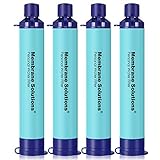
1. Membrane Solutions Personal Water Filter, Survival Filtration Straw Portable Gear, Emergency Preparedness, Supply for Drinking Hiking Camping Travel Hunting Fishing Team Family Outing (Blue, 4 Pack)
Overview:
The Membrane Solutions 4-Pack delivers survival-grade water filtration in a compact, shareable package perfect for group adventures. Each 7.1-inch straw weighs just 2 ounces and provides 1,320 gallons of purification via a 5-stage system. Triple NSF certification (42/372/401) ensures lead-free construction, chlorine reduction, and microplastic removal, while 0.1-micron hollow fiber membranes eliminate 99.9999% of coliform bacteria. The design preserves beneficial minerals and delivers a practical 16.9 oz/min flow rate.
What Makes It Stand Out:
Triple NSF certification is rare in this price category, providing verified performance that budget competitors lack. The 5-stage filtration system offers more depth than typical two-stage straws. The four-pack configuration with individually sealed units makes it uniquely suited for family preparedness, team sports, or distributing among emergency kits.
Value for Money:
At roughly $10 per straw, this pack undercuts certified single units that often cost $15-20. The 1,320-gallon lifespan per straw translates to less than $0.008 per gallon—exceptional for certified filtration. For groups, the bundled pricing eliminates the need for multiple separate purchases.
Strengths and Weaknesses:
Pros: Triple NSF certification, high flow rate, excellent capacity, compact 4-pack design, preserves essential minerals
Cons: Does not remove viruses, requires strong suction effort, TDS preservation may concern ultrapure water seekers, initial priming required
Bottom Line:
An outstanding choice for families and groups prioritizing certified safety and shared preparedness. The scientific backing justifies every penny for team-based adventures.
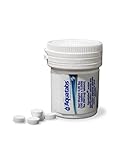
2. Aquatabs Water Purification Tablets (397mg, 100 Pack). Water Filtration System for Camping, Boating, Emergency Water, Survival Kit, and Marine. Easy-to-Use Water Purifier Treatment.
Overview:
Aquatabs provide chemical water purification in a staggeringly lightweight format. Each 397mg tablet treats four gallons in 30 minutes, with the 100-pack delivering 400 gallons total. Unlike iodine alternatives, these tablets leave zero taste, color, or odor. They neutralize 99.9999% of bacteria, 99.99% of viruses, and 99.9% of cysts—making them the only product here that addresses viral threats.
What Makes It Stand Out:
Virus elimination is the headline feature, critical for international travel and post-disaster scenarios where viral contamination is likely. At under one ounce for the entire bottle, it’s the ultralight champion. The July 2028 expiration date provides confidence for long-term emergency storage.
Value for Money:
Costing mere pennies per gallon, Aquatabs are the most economical purification method available. For less than $15, you secure treatment for hundreds of gallons—far cheaper than mechanical filters or UV pens. The 100-count bottle supports multiple expeditions or extended basecamp stays.
Strengths and Weaknesses:
Pros: Kills viruses, extremely lightweight, no iodine taste, rapid 30-minute treatment, incredible shelf life
Cons: Chemical residue concerns, doesn’t remove sediment/particulates, requires waiting period, ineffective against chemical contaminants
Bottom Line:
Essential as a primary treatment for clear water sources or as backup to mechanical filters. For virus protection and weight savings, nothing beats Aquatabs.
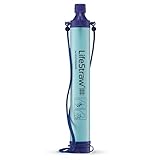
3. LifeStraw Personal Water Purifier for Hiking, Camping, Travel, and Emergency Preparedness
Overview:
The LifeStraw Personal Water Purifier is the gold standard in portable filtration, backed by rigorous EPA, NSF, and ASTM testing. This single straw delivers 4,000 liters of protection against 99.999999% of waterborne bacteria and 99.999% of parasites, including E. coli, Salmonella, Giardia, and Cryptosporidium. It filters microplastics down to 1 micron and reduces turbidity to 0.2 microns. Weighing less than 2 ounces, it’s a true ultralight essential for any pack.
What Makes It Stand Out:
LifeStraw’s verified testing protocols and transparent claims build unmatched trust in the outdoor community. The “one purchase, one child, one year of safe water” program adds profound social impact. The unlimited shelf life makes it perfect for emergency kits that may sit unused for years.
Value for Money:
At around $20 for 4,000 liters, the cost per gallon is excellent. You’re paying for proven reliability and brand reputation, plus the intangible value of helping communities in need. No hidden costs or replacement parts required.
Strengths and Weaknesses:
Pros: Exceptional bacterial removal, rigorous third-party testing, ultralight, unlimited shelf life, meaningful social impact
Cons: Does not remove viruses, flow rate diminishes over time, no backflushing tool included, single unit limits group use
Bottom Line:
A must-have for solo adventurers and emergency preppers who value certified performance and social responsibility. The trusted choice for life-threatening situations.
4. 5 High-Capacity Emergency Water Straws – Lightweight, Reusable, 1800-gallon Filters for Camping, Hiking, Travel, Biking, Survival, and Emergencies. No Expiration Date, Perfect for preparedness

Overview:
This 5-pack of high-capacity emergency straws delivers unmatched longevity with each filter rated for up to 1,800 gallons—nearly double most competitors. The kit includes individual backflushing plungers, a critical maintenance feature that extends lifespan and maintains flow rate. Each straw removes >99.99% of bacteria and parasites, plus microplastics down to 0.1 micron. At 2 ounces and 8 inches, they’re slightly larger than average but still highly portable for their capacity.
What Makes It Stand Out:
The 1,800-gallon capacity per straw is the highest in this roundup, providing up to 10 years of drinking water per unit. The included backflushing tools are a game-changer for maintenance, preventing the clogging issues that plague other straws. No expiration date means these are true “buy once, cry once” preparedness items for indefinite storage.
Value for Money:
With five filters plus maintenance tools, this pack offers the lowest cost-per-gallon over time. For under $50, you’re securing potentially 9,000 gallons—exceptional value for serious preppers and families compared to buying individual units at $15-20 each.
Strengths and Weaknesses:
Pros: Highest capacity available, backflushing tools included, no expiration, excellent bulk pricing, individually sealed
Cons: Bulkier than LifeStraw, fewer recognized certifications, unknown brand reputation, overkill for casual hikers
Bottom Line:
The ultimate choice for families and survivalists planning long-term self-sufficiency. The capacity and maintenance features justify the investment for dedicated preparedness.
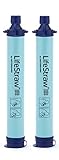
5. LifeStraw Personal Water Filter for Hiking, Camping, Travel, and Emergency Preparedness, 2 Pack, Blue
Overview:
The LifeStraw 2-Pack delivers the same trusted filtration as the single unit but doubles your preparedness in one purchase. Each straw removes 99.999999% of bacteria, 99.999% of parasites, and 99.999% of microplastics while weighing under 2 ounces. The unlimited shelf life and proven global testing make these ideal for bug-out bags, vehicle kits, and travel pairs. The blue colorway adds visibility in emergency situations.
What Makes It Stand Out:
LifeStraw’s reputation for rigorous EPA/NSF/ASTM testing and real-world reliability is unmatched in the personal filtration market. Purchasing two straws means two children receive safe water for a year—doubling your social impact. The unlimited shelf life eliminates replacement anxiety for gear that may sit in storage for years.
Value for Money:
The 2-pack typically saves 10-15% versus buying singles, offering solid value for couples or backup planning. With 1,000 gallons per straw, you’re getting 2,000 gallons of certified filtration for under $35, making it competitive with lesser-known brands.
Strengths and Weaknesses:
Pros: Trusted brand, ultralight, unlimited shelf life, social impact doubled, cost savings over singles
Cons: No virus protection, no maintenance tools, flow rate can clog, blue color may not suit all preferences
Bottom Line:
Perfect for partners or primary-plus-backup scenarios. You get proven LifeStraw performance with meaningful humanitarian impact at a slight discount, making it a smart dual-purpose purchase.
6. Straw Water Filter 5 Pack – Outdoor Camping & Hiking Survival Gear Kit for Family Use, Ultra-Light Personal Filter Straws for Backpacking, Travel, Bug-Out Bags and Emergency Preparedness

Overview: This five-pack of personal water filter straws delivers individual protection for families and groups venturing into the backcountry or preparing for emergencies. Each straw provides independent filtration, eliminating cross-contamination concerns and sharing hassles during outdoor adventures or disaster scenarios.
What Makes It Stand Out: The family-first packaging sets this apart—five individually-packaged straws ensure everyone has their own dedicated filter. The food-grade, BPA-free construction meets certification standards, while the 0.1-micron hollow fiber UF membrane removes 99.99999% of harmful substances and sediment. Its zero-setup design requires no pumping or waiting; just sip directly from any water source.
Value for Money: At approximately $8-10 per straw, this pack undercuts premium brands like Sawyer while delivering comparable filtration specs. The multi-unit packaging creates value for group buyers, though individual durability may not match single-purpose premium filters that cost twice as much.
Strengths and Weaknesses: Strengths include the convenient five-pack configuration, certified food-grade materials, effortless operation, and ultra-light portability. The prefilter system handles sediment effectively. Weaknesses involve uncertain brand reputation compared to established names, potentially shorter lifespan than premium alternatives, and lack of included accessories like squeeze bags or cleaning syringes.
Bottom Line: This filter straw five-pack excels for budget-conscious families and emergency preppers wanting individual units without breaking the bank. While not as rugged as top-tier brands, the convenience, safety certifications, and group-ready packaging make it a smart choice for casual campers and preparedness kits.
7. Mayday Pouch Water, Coast Guard Emergency Water, 5-Year Shelf LIfe, Disaster Preparedness Supplies for, Earthquake, Fire, Flood, Leak-Proof Pouches, 4.225 Oz/125Ml 50 Pack

Overview: Mayday delivers emergency hydration in compact, Coast Guard-approved pouches designed for long-term storage. This 50-pack provides 6.6 gallons of purified water, sealed for five-year stability without rotation, making it ideal for earthquake, fire, and flood preparedness kits.
What Makes It Stand Out: These pouches withstand extreme temperatures from -40°F to 230°F—far beyond standard bottled water capabilities. The ISO 18813:2022 compliance and reverse osmosis purification ensure pharmaceutical-grade water quality. Unlike rigid bottles, the flexible, leak-proof pouches resist puncture and won’t degrade or leach chemicals over time.
Value for Money: At roughly $0.30 per pouch, you’re paying for reliability, not volume. While significantly more expensive than tap water, the five-year shelf life eliminates replacement costs, making it cost-effective for true emergency storage compared to rotating bottled water every 6-12 months.
Strengths and Weaknesses: Strengths include exceptional temperature resistance, proven Coast Guard approval, compact storage, and true five-year stability. The 125ml serving size prevents waste. Weaknesses are the minimal volume per pouch—requiring multiple units for adequate hydration—and environmental concerns from single-use packaging. No resealability means immediate consumption once opened.
Bottom Line: Mayday pouches serve a specific, critical purpose: reliable emergency water that survives extreme conditions. For vehicle kits, office emergency supplies, or disaster caches where temperature fluctuations and long-term storage trump capacity, these are unmatched. For active camping, larger containers make more sense.
8. Aquatabs 49mg Water Purification Tablets (100 Pack). Water Filtration System for Hiking, Backpacking, Camping, Emergencies, Survival, and Home-Use. Easy to Use Treatment and Disinfection.

Overview: Aquatabs offers chemical water purification in tablet form, treating 75-2 liters per tablet with a 30-minute wait time. This 100-pack provides lightweight, space-efficient protection against bacteria, viruses, and cysts for backpackers, travelers, and emergency kits.
What Makes It Stand Out: As the world’s most widely-used purification tablet, Aquatabs’ chlorine dioxide formula eliminates 99.9999% of bacteria, 99.99% of viruses, and 99.9% of Giardia cysts without the harsh iodine taste that plagues competitors. The individually-wrapped foil strips ensure tablets remain viable until August 2030, making them perfect for long-term storage and disaster preparedness.
Value for Money: Costing mere pennies per liter treated, Aquatabs deliver extraordinary value. At under $15 for 100 tablets, they treat up to 200 liters—far cheaper than pump filters and competitive with bleach, but without the measuring hassle. The minimal weight and bulk add zero burden to any pack.
Strengths and Weaknesses: Strengths include unmatched portability, proven efficacy against viruses (unlike many filters), no chemical aftertaste, and exceptional shelf life. Weaknesses: the 30-minute treatment delay, inability to remove sediment or improve taste, and limited effectiveness against Cryptosporidium. Requires relatively clear water to work optimally.
Bottom Line: Aquatabs excel as a primary treatment for clear water sources or as a critical backup to physical filters. For international travel, viral protection, and ultralight backpacking, they’re indispensable. Pair with a simple sediment filter for best results, but don’t rely on them alone for murky water.
9. Sawyer Products SP128 Mini Water Filtration System, Single, Blue

Overview: The Sawyer MINI redefines personal water filtration with its palm-sized, 2-ounce design. This inline system filters up to 100,000 gallons, removing bacteria, protozoa, and microplastics, making it a top choice for hikers, travelers, and emergency preppers seeking reliable, long-term protection in a tiny package.
What Makes It Stand Out: Every MINI undergoes three individual performance tests, ensuring unmatched quality control. The 0.1-micron absolute filter attaches to the included 16-ounce pouch, standard disposable bottles, hydration packs, or functions as a straw for direct drinking. This versatility eliminates the need for multiple devices and adapts to any situation.
Value for Money: At around $20-25, the MINI’s 100,000-gallon lifespan translates to fractions of a penny per liter—outlasting hundreds of competitor filters. The included cleaning plunger maintains flow rates indefinitely, making it a one-time investment for years of safe drinking water.
Strengths and Weaknesses: Strengths include exceptional durability, proven pathogen removal (99.99999% bacteria, 99.9999% protozoa), 100% microplastic filtration, and multiple deployment options. The compact size fits anywhere. Weaknesses: the 16-ounce pouch is small for efficient filtering, forcing frequent refills. Silt-heavy water can clog the filter without diligent backflushing, and freezing temperatures can damage the hollow fibers.
Bottom Line: The Sawyer MINI remains the gold standard for individual water filtration, offering unbeatable longevity and versatility. While the pouch size is limiting, the filter’s performance and lifespan justify its legendary status. Perfect for backpackers, international travelers, and anyone building a serious emergency kit.
10. Waterdrop Gravity Water Filter Straw, Camping Water Filtration System, Water Purifier Survival for Travel, Backpacking and Emergency Preparedness, 1.5 gal Bag, 5 Stage Filtration, Pack of 1
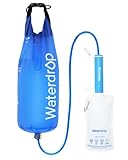
Overview: Waterdrop combines a five-stage filter straw with a 1.5-gallon gravity-fed reservoir, creating a hands-free water purification system for groups and base camps. The setup processes water while you attend to other tasks, delivering filtered water on demand without squeezing or pumping, perfect for stationary use.
What Makes It Stand Out: The gravity-fed design distinguishes this from squeeze-style filters. Premium coconut shell activated carbon and 0.1-micron ultrafiltration remove chlorine, sediment, heavy metals, and pathogens while improving taste and odor. The massive 1.5-gallon bag supplies 11 bottles of water per fill, ideal for family camping or emergency reserves where volume matters.
Value for Money: Priced around $30-35, the system costs more than individual filters but provides group functionality. The 1,400-gallon filter lifespan falls short of Sawyer’s 100,000 gallons, yet remains competitive for seasonal campers. The included bag adds value versus purchasing separate components.
Strengths and Weaknesses: Strengths include convenient gravity operation, comprehensive five-stage filtration, excellent flow rate (700 ml/min), and backwash capability for maintenance. The large capacity bag serves groups efficiently. Weaknesses: the filter’s lifespan is modest compared to premium competitors, and the gravity system requires hanging space and time. Single-unit packaging limits versatility for solo hikers wanting multiple deployment options.
Bottom Line: Waterdrop’s gravity system shines for car camping, base camps, and home emergency kits where capacity and convenience outweigh ultralight needs. While not replacing a personal filter for backpacking, it provides excellent group water security with minimal effort. Consider your priorities: hands-free operation versus maximum lifespan.
Why Water Filtration is Non-Negotiable for Disaster Preparedness
The 72-Hour Myth and Realistic Timelines
Emergency management agencies have long promoted the 72-hour self-sufficiency rule, but real-world disasters tell a different story. Hurricane Katrina survivors waited over a week for basic services. Puerto Ricans after Hurricane Maria faced months without reliable water infrastructure. The harsh reality is that three days of stored water barely scratches the surface of what’s needed. A robust filtration system transforms nearby ponds, streams, or even swimming pool water into safe drinking sources, effectively extending your survival timeline from days to months. This capability doesn’t just supplement your storage—it fundamentally changes your strategic position from desperate to resilient.
Contaminants You’ll Face After Disasters
Post-disaster water sources become cocktails of biological, chemical, and physical hazards. Floodwaters carry bacteria like E. coli and Salmonella from overwhelmed sewage systems. Viruses such as norovirus and hepatitis A thrive in warm, stagnant water. Chemical contaminants include everything from agricultural runoff and industrial spills to petroleum products from submerged vehicles. Heavy metals leach from damaged pipes and infrastructure. Sediment cloudiness isn’t just unpleasant—it can shield microorganisms from chemical treatments and clog filtration systems. Understanding this contamination spectrum is crucial because no single filter type addresses every threat equally.
Understanding Core Filtration Technologies
Mechanical Filtration and Micron Ratings
Mechanical filters physically block contaminants based on size, measured in microns. A filter’s micron rating determines what it can remove: 1-micron filters catch most bacteria and parasites, while 0.1-micron systems can block many viruses. However, smaller micron ratings mean slower flow rates and more frequent clogging. Hollow fiber membrane technology offers an excellent balance—thousands of tiny tubes create massive surface area, maintaining decent flow while providing reliable pathogen removal. These systems are typically backflushable, dramatically extending their useful life in field conditions where replacement cartridges aren’t available.
Activated Carbon and Chemical Absorption
Activated carbon excels at removing chemical contaminants, chlorine, pesticides, and unpleasant tastes and odors. Its porous structure provides enormous surface area—just one gram can have over 3,000 square meters of absorption capacity. In emergency scenarios, carbon filters tackle petroleum-based chemicals from flood runoff and wildfire retardants that mechanical filters miss. However, carbon becomes saturated over time and requires replacement. For long-term preparedness, look for systems with replaceable carbon elements that don’t require discarding the entire housing, reducing waste and storage requirements.
UV Purification Light Technology
UV light disrupts microorganisms’ DNA, rendering them unable to reproduce and cause illness. Modern portable UV pens and lanterns can treat liters of water in 90 seconds without chemicals or filter clogging. The technology works exceptionally well against viruses, which are often too small for mechanical filtration. Critical limitations include battery dependency and ineffectiveness against chemical contaminants or cloudy water—the UV can’t penetrate sediment particles that shield microbes. UV works best as a final polishing step after mechanical filtration, not a standalone solution in turbid water conditions.
Chemical Treatment Tablets and Drops
Chlorine dioxide and iodine treatments offer lightweight, compact backup options that never clog and have indefinite shelf lives. These chemicals kill bacteria, viruses, and most protozoa, though some cysts like Cryptosporidium resist iodine. Treatment times vary from 30 minutes to 4 hours depending on water temperature and clarity. The major drawback is taste and potential health concerns for pregnant women or those with thyroid conditions. For 2026 preparedness, consider these as your tertiary backup—reliable but unpleasant for extended use.
Reverse Osmosis for Extreme Scenarios
Reverse osmosis forces water through semi-permeable membranes, removing virtually all contaminants including dissolved salts, heavy metals, and radioactive particles. While traditionally bulky and power-hungry, newer hand-pump RO systems exist for specialized preparedness. The trade-off is extreme water waste—typically 3-4 gallons rejected for every gallon purified—and very slow production rates. Reserve RO for scenarios where you suspect chemical or radiological contamination that other methods can’t address, such as industrial accidents or nuclear incidents.
Key Performance Metrics That Matter
Flow Rate: Balancing Speed with Effectiveness
Flow rate, measured in liters per minute, directly impacts daily water production and user frustration. A gravity-fed system producing 1 liter per hour might work for a single person but becomes untenable for a family of four needing 8+ liters daily. Pump systems offer 1-2 liters per minute but require physical effort. Consider your realistic daily needs and physical capabilities. During disasters, you’ll filter water for drinking, cooking, cleaning wounds, and possibly hygiene—underestimating flow rate leads to dangerous rationing or skipping necessary sanitation.
Total Capacity and Filter Lifespan
Filter lifespan is measured in liters or gallons before replacement, but this varies dramatically based on water quality. Murky, sediment-heavy water can clog a 10,000-liter filter in just 500 liters. Look for systems with cleanable pre-filters that extend primary filter life. For 2026 planning, prioritize filters with documented capacity in challenging conditions, not just pristine lab water. Calculate your household’s emergency needs: 4 people × 2 liters/day × 90 days = 720 liters minimum. Choose systems with 2-3x this capacity to account for real-world water quality and practice sessions.
Micron Ratings: What They Actually Mean
Absolute vs. nominal micron ratings create confusion. An absolute rating means 99.9% of particles at that size are blocked—this is what matters for safety. Nominal ratings indicate some percentage (often 80-90%) are removed, which isn’t sufficient for emergency use. For comprehensive protection, aim for absolute ratings of 0.2 microns or smaller for bacteria and protozoa. Virus removal requires 0.02 microns or smaller, or pairing mechanical filtration with chemical treatment or UV. Don’t trust marketing claims—verify absolute ratings through independent testing data.
Portability vs. Stationary Setup
Mobile Kits for Evacuation Scenarios
Evacuation filters must prioritize weight, compactness, and independence from external power. Hand-pump systems weighing under a pound and treating directly from any container offer maximum flexibility. Straw-style filters provide personal emergency backups but can’t produce water for cooking or others. When building a mobile kit, consider how you’ll carry water to the filter—collapsible containers are essential. The ideal evacuation system fits in a backpack, treats water in under 5 minutes, and requires no replacement parts for at least 1,000 liters.
Base Camp Systems for Sheltering in Place
Stationary systems for home use can leverage gravity and larger capacities. Countertop gravity filters holding 2-3 gallons provide passive filtration—fill the upper chamber and let physics do the work. These support multiple people with minimal effort but are too bulky for evacuation. Consider dual-chamber systems where you can remove the bottom chamber for transport if bugging out becomes necessary. For 2026 preparedness, evaluate your shelter-in-place plan: will you stay upstairs or have basement access? Gravity systems work best with elevation differences.
Capacity Planning for Your Household
Calculating Daily Water Needs
The one-gallon-per-person-per-day rule is outdated and inadequate. Modern emergency planning accounts for drinking (½ gallon), food preparation (¼ gallon), basic hygiene (¼ gallon), and medical needs. In hot climates or for physically demanding work, this doubles. A family of four realistically needs 4-6 gallons daily for sustainable living, not just survival. Your filtration system must handle this volume without becoming a full-time job. Calculate your true needs, then add 50% buffer for filter fatigue and water quality variations.
Scaling for Extended Emergencies
Short-term filters fail in long-term scenarios. A 100-liter filter suffices for a weekend but becomes useless after a month. For 2026 preparedness, think in seasons, not days. Extended emergencies require either massive filter capacity or field-serviceable systems. Consider how you’ll source replacement elements after supply chains collapse. Some systems use generic filter cartridges available worldwide; others require proprietary elements that become unobtainium during crises. Prioritize open-standard systems or stockpile 2-3 replacement sets, storing them properly to prevent degradation.
Critical Features to Evaluate
Independence from Power Grids
Grid-down scenarios eliminate electric pumps and UV systems unless you have reliable solar or crank power. Manual pump systems and gravity filters offer true energy independence. If considering battery-powered UV, calculate realistic battery life and stockpile multiples of required batteries. For 2026, lithium batteries offer better shelf life than alkaline but require specific storage conditions. Test your power-independent system quarterly—manual pumps can seize up, and O-rings degrade. True resilience means working even when your battery stash is depleted.
Ease of Operation Under Stress
Disaster conditions introduce panic, cold, darkness, and injured hands. Complex assembly with tiny parts fails when you’re shivering and flashlight batteries are dying. Choose systems with intuitive operation—one or two steps maximum. Large handles work with gloved hands. Color-coded or glow-in-the-dark components help in low light. Practice blindfolded; if you can’t operate it by feel after a few tries, it’s too complicated. The best emergency filter is the one your least-prepared family member can use correctly on the first try.
Maintenance Requirements and Tool Dependencies
Field-maintainable filters separate toys from tools. Systems requiring proprietary tools or replacement O-rings every 50 liters create dependency. Look for filters you can backflush with clean water or air without disassembly. Check what maintenance looks like after 500 liters of muddy water—can you restore 80% of flow rate in the field? For 2026 planning, avoid systems with plastic threads that strip easily or delicate components that don’t survive drops. Metal construction adds weight but withstands abuse when infrastructure fails and replacement isn’t an option.
Certification and Testing Standards
NSF Certifications Explained
NSF International standards provide objective performance verification. NSF/ANSI 42 covers aesthetic effects (taste, odor), while Standard 53 addresses health effects like lead and parasites. Standard 58 applies to reverse osmosis systems, and Protocol P231 tests microbiological purification. For emergency use, Standard 53 or P231 certification is non-negotiable. However, certification is expensive, so some excellent systems aren’t certified. In those cases, look for independent lab testing from universities or military contracts. Be wary of vague “tested to NSF standards” claims—this means they haven’t actually passed certification.
Military and International Standards
Military-spec water filters (meeting NSN numbers or NATO standards) undergo brutal testing—freeze-thaw cycles, drop tests, and filtration of actual contaminated water, not just lab samples. These systems prioritize reliability over cost and often exceed civilian certifications. International standards like the WHO’s Household Water Treatment evaluation provide another benchmark. For 2026 preparedness, consider that military surplus or contract-overrun filters might offer proven performance at civilian prices. Research which standards align with your threat assessment—chemical warfare agent removal is overkill for hurricane flooding but relevant near industrial zones.
Budget Tiers and Value Proposition
Entry-Level Options for Basic Protection
Budget-friendly systems ($20-50) typically focus on single-stage filtration, removing bacteria and protozoa but struggling with viruses and chemicals. These suit individual get-home bags or short-duration emergencies but lack redundancy. The value proposition is accessibility—everyone can afford basic protection. However, factor in replacement costs; cheap filters with $20 cartridges that last 100 liters become expensive long-term. For 2026, entry-level gear should be viewed as temporary bridges, not permanent solutions. Allocate at least one such system per vehicle and family member’s personal kit.
Mid-Range Systems for Comprehensive Coverage
The $75-200 range offers multi-stage filtration, better construction, and capacities exceeding 5,000 liters. These systems balance performance with practicality, often combining mechanical and carbon filtration. Value comes from longevity and versatility—many serve both as home base units and portable enough for evacuation. Look for lifetime warranties and available replacement parts. This tier represents the sweet spot for most families, providing reliable protection without premium pricing. Consider this your primary system investment, backed by cheaper backups.
Premium Investments for Long-Term Resilience
High-end systems ($300+) feature extreme capacities (50,000+ liters), field-serviceable components, and proven reliability in humanitarian disasters. While expensive upfront, cost-per-liter drops to fractions of a penny. These are lifetime investments, often with ceramic elements that can be cleaned hundreds of times. For 2026 preparedness, premium systems suit those planning for multi-year disruptions or community-level resilience. The value isn’t just filtration—it’s peace of mind and the ability to help neighbors, building mutual aid networks that strengthen entire neighborhoods.
Disaster-Specific Considerations
Earthquake and Infrastructure Collapse
Earthquakes liquefy soil, rupturing sewage and chemical storage tanks simultaneously. Your water source might contain human waste, petroleum products, and heavy metals. Multi-barrier approaches are essential: pre-filter for sediment, activated carbon for chemicals, and UV or chemical treatment for biological threats. Systems must survive the quake itself—store filters in shock-absorbent containers, not loose in cabinets. Consider that your water source might be swimming pool water or water heater tanks—can your filter handle high chlorine and metal content?
Hurricane and Flood Contamination
Hurricane floodwater is a biological soup mixed with agricultural chemicals and industrial pollutants. After Hurricane Harvey, floodwater tested positive for E. coli levels 125 times safe limits. Your filter must handle extreme turbidity without clogging instantly. Pre-filtration through cloth or sand extends primary filter life. Gravity systems work well when you’re trapped upstairs, but flood conditions may contaminate your storage containers. Have a plan to disinfect containers with bleach before filling. Post-hurricane, water sources remain contaminated for weeks as floodwaters recede and stagnate.
Wildfire Ash and Chemical Runoff
Wildfire ash fundamentally changes water chemistry, raising pH and introducing benzene and other carcinogens from burned structures. Standard filters may clog rapidly with fine ash particles. Activated carbon becomes critical for removing chemical compounds that mechanical filters miss. Post-fire water often appears clear but contains dissolved contaminants invisible to the eye. Test strips for pH and basic chemicals help determine when activated carbon is saturated. In wildfire-prone areas, prioritize carbon capacity over mechanical filtration speed.
Red Flags and Common Pitfalls
Marketing Claims vs. Real Performance
“Bacteria removal” claims often refer to lab conditions with pristine water, not the murky reality post-disaster. “Lifetime” filters still have capacity limits. “No replacement needed” usually means the entire unit gets discarded when clogged. For 2026 purchasing, demand specific data: actual tested capacity with turbid water, flow rate decline curves, and maintenance procedures. Watch for vague terms like “reduces” instead of “removes”—this indicates partial, incomplete filtration. Independent user reviews from actual disaster zones provide more insight than manufacturer specs.
Single-Point-of-Failure Systems
Relying on one filter is planning to fail. Filters break, clog, get lost, or become contaminated through user error. Build redundancy: a primary system, a backup using different technology, and a tertiary chemical method. This layered approach ensures that when (not if) your main filter fails, you’re not left helpless. For 2026 preparedness, consider that supply chains may never return to normal—having multiple systems from different manufacturers reduces the risk of shared design flaws or material shortages affecting all your gear simultaneously.
Storage, Shelf Life, and Rotation
Storing Filters for Maximum Longevity
Unused filters degrade over time. O-rings dry and crack, activated carbon slowly adsorbs chemicals from air, and membranes can grow mold. Store filters in airtight containers with desiccant packs in cool, dark locations. Avoid attics and garages with temperature extremes. For long-term storage, some manufacturers recommend filling filters with food-grade glycerin to prevent drying. Document storage dates and set calendar reminders for inspection every six months. Rotate practice filters through your camping gear, keeping pristine backups in storage.
Creating a Maintenance Calendar
Your filter is only as good as its last maintenance. Create a calendar tracking: practice sessions (quarterly), O-ring lubrication (semi-annually), replacement element storage dates, and expiration of chemical treatments. After each use, document water volume filtered and conditions—this predicts remaining life. In 2026, use smartphone reminders but also maintain a paper backup. Include maintenance instructions laminated and stored with each filter. When stress peaks, you won’t remember whether to backflush before or after storage.
Building a Layered Defense Strategy
Primary, Secondary, and Backup Methods
Layered water security means never depending on one method. Your primary might be a gravity filter for daily use. Secondary could be a pump filter for faster production or different water sources. Backup is chemical treatment or UV for when filters clog or break. This redundancy costs more upfront but provides options. Different technologies also address different threats—mechanical for sediment, carbon for chemicals, UV for viruses. A layered system adapts to unknown contamination profiles that single-technology systems cannot.
When to Combine Multiple Technologies
Combining methods isn’t always necessary but becomes critical with unknown contamination. After flooding, pre-filter through cloth, then pump through mechanical/carbon filter, finally add UV treatment. This “treatment train” approach ensures each technology handles what it’s best at, reducing strain on subsequent stages. For 2026 planning, learn which combinations work synergistically and which cancel out (some chemicals degrade filter membranes). Document combination protocols for family members. The goal is comprehensive protection without unnecessary redundancy that wastes time and resources.
Practice and Familiarization
Dry Runs Before Disaster Strikes
Unboxing a filter during a crisis is a recipe for failure. Practice in controlled conditions: time how long to produce your daily water needs, identify pinch points, and train family members. Practice with actual local water sources—pond, stream, or rainwater—to understand real-world performance. Do a full 72-hour simulation using only your filter and stored water. You’ll discover issues: the pump handle hurts after 50 strokes, the gravity filter won’t hang from your ceiling hook, or the pre-filter clogs every 2 liters. Fix these problems now.
Community and Group Coordination
Individual preparedness scales poorly. Coordinate with neighbors to share filtration capabilities—one family has high-capacity stationary system, another has multiple portable units. This mutual aid approach reduces individual costs while building community resilience. Establish water-sharing protocols before crisis: how much can you spare? What contamination levels are acceptable? For 2026, consider that community water sources (pools, ponds) require collective protection. Group purchases of replacement elements reduce per-unit costs and ensure everyone uses compatible systems for easy parts swapping.
Integration with Your Emergency Plan
Water Storage vs. Filtration Balance
Filtration doesn’t eliminate the need for storage—it complements it. Store enough water for immediate needs (first 24-48 hours) while you set up filtration. Use storage for high-purity needs (infant formula, medical) and filtered water for general consumption. Your storage containers must be compatible with your filter—wide-mouth openings for dipping, or threads that match your pump’s inlet. Calculate total water security as storage plus daily production capacity. A 50-gallon storage tank plus a filter producing 10 gallons/day gives you 5 days before needing alternative sources.
Transportation and Bug-Out Considerations
If evacuation becomes necessary, how quickly can you pack your filtration system? Create a “water go-bag” with filter, pre-filter, hose, and containers ready to grab. Weight matters—a 20-pound system stays behind when you must move fast. Consider splitting components: one person carries the filter, another carries containers and spares. For 2026 planning, vehicle-based kits should include filtration for fueling station water (if operational) and natural sources along evacuation routes. Map water sources on your bug-out route and test them in advance when possible.
Frequently Asked Questions
How many emergency water filters should a family of four have?
A family of four needs at minimum three distinct systems: one primary high-capacity filter for sheltering in place, one portable backup for evacuation scenarios, and a chemical treatment method as a final failsafe. This redundancy ensures you’re covered if a filter clogs, breaks, or becomes contaminated through user error. Each capable adult should also have a personal straw-style filter in their go-bag for individual emergencies.
What’s the difference between water filtration and purification?
Filtration physically removes contaminants based on size, typically bacteria and protozoa. Purification eliminates or inactivates all harmful microorganisms including viruses, usually through chemical treatment, UV light, or reverse osmosis. For disaster preparedness, you need purification-level protection since virus contamination is likely when sewage systems fail. Many systems combine both methods for comprehensive safety.
How long do emergency water filters last in storage?
Most unused filters last 5-10 years if stored properly in cool, dry, dark conditions in airtight containers. Activated carbon elements degrade faster, typically 3-5 years, as they slowly adsorb chemicals from air. Ceramic elements last indefinitely if kept moist or properly dried. Always check manufacturer dates and inspect O-rings and seals every six months. Chemical treatments like iodine or chlorine dioxide tablets last 4-5 years if sealed.
Can I use my emergency filter on saltwater?
Standard mechanical and carbon filters cannot remove dissolved salt—only reverse osmosis or distillation can make saltwater drinkable. Using a regular filter on seawater will destroy the element and provide no potable water. If you live in coastal areas, invest in a manual reverse osmosis system specifically designed for saltwater, understanding the significant effort and water waste involved.
How do I know when my filter needs replacement?
Flow rate reduction is the primary indicator—when it takes noticeably longer to filter water, the element is clogging. Some systems have built-in indicators, but these aren’t always reliable. Track your filtered volume in a logbook. Bad taste or odor returning to water suggests carbon saturation. If you’ve filtered visibly dirty water, assume you’ve used significant capacity. Always replace after filtering known contaminated water, even if flow seems normal.
Are expensive filters really better than budget options?
Price often correlates with capacity and construction quality, but not always with filtration effectiveness. A $30 filter and $200 filter might remove the same contaminants, but the expensive model will process 10x more water before clogging and survive rough handling. For occasional use, budget filters suffice. For 2026 disaster planning where replacement may be impossible, invest in higher capacity. The real cost is cost-per-liter over the filter’s lifetime, not upfront price.
What’s the best filter for virus removal?
Viruses require either very small mechanical filtration (0.02 microns absolute), UV treatment, or chemical purification. No single method is perfect—UV needs clear water and batteries, chemicals take time and affect taste, and fine mechanical filters clog quickly. The best approach is pairing a 0.1-micron mechanical filter (for bacteria/protozoa) with chemical tablets or UV as a final virus-killing step. Some advanced ceramic/carbon combination filters claim virus removal—verify independent testing data before trusting these claims.
How should I test my emergency filter before I need it?
Practice with actual local water sources, not just tap water. Find a nearby stream or pond and filter several gallons, timing the process and tasting the result. Test your entire family’s ability to operate it. Conduct a full weekend simulation using only filtered water for all needs. Check maintenance procedures: can you backflush or clean the element effectively? Document any issues and contact manufacturer support now, not during a crisis. Store this practice data with your emergency plans.
Can I filter swimming pool water for drinking?
Yes, but with critical caveats. Pool water contains high chlorine levels and potentially high dissolved solids. Standard carbon filters remove chlorine effectively, but the chemical load will saturate carbon quickly. The water is biologically safe initially but can grow bacteria if the pool loses chemical treatment. Always filter pool water before drinking, but prioritize it as a secondary source. Test the pH—extremely high or low pH indicates chemical imbalance requiring additional treatment.
What should I do if my filter freezes?
Freezing can crack filter elements, especially ceramic and hollow fiber membranes, rendering them ineffective. If a filter freezes, assume it’s compromised and replace it. Prevent freezing by storing filters in your living space during cold months, not in garages or cars. After use in winter, keep the filter warm against your body while hiking or driving. Some manufacturers offer freeze-resistant models—consider these if you live in northern climates. Always carry chemical backup treatment in freezing conditions where filter damage is likely.
Related Buying Guides
- 10 Best Water Filters for Emergency Preppers in 2026
- 10 Essential Emergency Water Filters Every Prepper Needs in 2026
- The 10 Most Revolutionary Emergency Water Filters of 2026
- The 10 Best Water Filter Straws for Emergency Preparedness This Year
- 10 Best Water Filter Straws for Emergency Survival Situations in 2026