Table of Contents
Sipping from a crystal-clear mountain stream might look idyllic on your Instagram feed, but solo adventurers know that waterborne pathogens don’t care about aesthetics. When you’re miles from civilization with only your pack for support, a single case of giardia can transform your epic journey into a survival situation. That’s why ultralight UV water purification has become the secret weapon of experienced solo hikers, backpackers, and wilderness explorers who refuse to gamble with their health.
The landscape of portable UV purification has evolved dramatically, with 2026 bringing breakthrough technologies that would have seemed like science fiction just a few years ago. We’re talking about self-cleaning systems, AI-powered water quality sensors, and power solutions that keep you hydrated indefinitely off-grid. But with so many innovations flooding the market, how do you separate genuine game-changers from marketing hype? This comprehensive guide cuts through the noise to explore the features, technologies, and considerations that truly matter when selecting a UV purifier for your solo adventures.
Top 10 UV Water Purifiers for Adventurers

Detailed Product Reviews
1. SteriPen Adventurer Opti UV Water Purifier for Backpacking, Camping & Travel

Overview: The SteriPen Adventurer Opti is a handheld UV water purifier designed for outdoor enthusiasts and international travelers. Using UV-C light technology, it eliminates 99.9% of waterborne pathogens including bacteria, viruses, and protozoa from clear water sources. Powered by two CR123 batteries, this compact device treats up to 60 liters per battery set, delivering 8,000 total treatments over its lamp lifetime.
What Makes It Stand Out: The integrated LED flashlight is a clever dual-function feature that eliminates the need for a separate light source in your pack. Weighing just 3.8 ounces with batteries, it strikes an excellent balance between portability and functionality. The included neoprene case with belt loop provides protection and quick access during hikes. Unlike chemical tablets, it leaves no aftertaste and works in just 90 seconds per liter.
Value for Money: At approximately $80-100, the Adventurer Opti costs more upfront than purification tablets but becomes economical after 200-300 liters. The 8,000-treatment lamp life means years of use for occasional backpackers. However, CR123 batteries are expensive and can be hard to find in remote areas, adding ongoing operational costs.
Strengths and Weaknesses: Pros include rapid treatment, lightweight design, and zero chemical aftertaste. It works effectively in clear water and is simple to operate. Cons include reliance on batteries, inability to filter sediment or chemicals, and reduced effectiveness in murky water. The device requires careful handling as it’s not waterproof.
Bottom Line: Ideal for backpackers prioritizing weight and speed when treating clear mountain streams or tap water abroad. Pair with a pre-filter for best results.
2. SteriPen Adventurer Opti UV Water Purifier for Backpacking, Camping & Travel
Overview: The SteriPen Adventurer Opti delivers reliable UV purification for backcountry adventures and international travel, destroying 99.99% of harmful microorganisms. This pocket-sized device uses proven UV-C technology to neutralize bacteria, viruses, and protozoa in clear water sources, providing safe drinking water in just 90 seconds per liter without chemical aftertaste.
What Makes It Stand Out: The device’s 8,000-treatment lamp lifespan sets it apart from disposable solutions, making it a sustainable choice for frequent adventurers. Its optical sensor doubles as an LED flashlight, adding utility without weight penalty. The intuitive one-button operation requires no pumping or chemicals, and the device fits most wide-mouth bottles for convenient treatment anywhere.
Value for Money: While the initial investment exceeds chemical options, the per-liter cost drops dramatically over time. Treating 8,000 liters costs roughly $0.01 per liter after the purchase price. The CR123 batteries treat 60 liters per set, so budget-conscious users should stock batteries in advance or consider rechargeable alternatives. For occasional use, battery costs remain minimal.
Strengths and Weaknesses: Strengths include exceptional portability, rapid purification, and high 99.99% effectiveness rate. It’s highly effective against biological contaminants and extremely lightweight. Weaknesses include reliance on batteries, no filtration capability for particulates, and limited performance in cloudy water. The device is sensitive to cold temperatures and requires protection from freezing.
Bottom Line: A dependable choice for travelers and hikers who need fast, lightweight water treatment from reliably clear sources. Supplement with a bandana pre-filter.
3. Katadyn Steripen Ultra Portable UV Water Purifier – Rechargeable 2200mAh Battery, Eliminates 99.99% Microorganisms, Fast Water Treatment for Hiking, Camping & Travel

Overview: The Katadyn Steripen Ultra modernizes UV purification with a built-in 2200mAh rechargeable battery, eliminating disposable battery dependency. This portable unit destroys 99.99% of waterborne pathogens in 90 seconds for one liter, making it ideal for extended backcountry trips and international travel where power access is intermittent but available.
What Makes It Stand Out: USB rechargeability sets this model apart, allowing charging from solar panels, laptops, or portable batteries. The device features watertight seals and rubber grips for secure handling in wet conditions. With 8,000 treatments per lamp and included batteries, it’s a self-contained solution for eco-conscious users tired of generating battery waste on extended expeditions.
Value for Money: Priced around $100-120, the Ultra costs more than battery-powered models but saves significantly on CR123 purchases over time. For frequent users or long expeditions with solar charging capability, it pays for itself within a year. The rechargeable battery treats approximately 50 liters per charge, sufficient for several days of backpacking before needing a top-off.
Strengths and Weaknesses: Pros include environmental friendliness, no recurring battery costs, and robust construction. The rechargeable design suits modern outdoor gear ecosystems. Cons include reliance on power sources, limited battery life per charge, and inability to filter debris. It’s slightly heavier than non-rechargeable models and takes several hours to fully recharge from empty.
Bottom Line: Perfect for eco-minded adventurers with reliable access to USB power. Excellent for base camps and international travel scenarios.
4. SteriPEN Ultralight UV Water Purifier

Overview: The SteriPEN Ultralight is the minimalist’s answer to UV water purification, weighing a mere 2.6 ounces while delivering the same 99.9% pathogen elimination as heavier models. This USB-rechargeable device treats one liter in 90 seconds and provides 8,000 treatments, catering specifically to ultralight backpackers and weight-conscious adventurers who scrutinize every single ounce in their pack.
What Makes It Stand Out: At just 2.6 ounces, it’s one of the lightest water purifiers available, shaving over an ounce from comparable models. The USB charging eliminates battery procurement hassles on long trails. Its simplicity is unmatched—one button, no accessories required, making it ideal for fast-paced adventures where every gram matters and pack space is extremely minimal.
Value for Money: The ultralight design commands a premium price point around $90-110. For ounce-counters, the weight savings justify the cost compared to standard models. However, it lacks a protective case and features minimal construction, potentially compromising long-term durability. The value proposition centers entirely on weight reduction rather than bonus features.
Strengths and Weaknesses: Strengths include exceptional lightness, simple operation, and USB convenience. It’s perfect for through-hikers and alpine climbers. Weaknesses include minimal protection, small size makes it easy to lose, and basic functionality without bonus features. The device offers no filtration capability and requires crystal-clear water for optimal performance.
Bottom Line: The ultimate choice for ultralight enthusiasts willing to trade features and protection for minimal weight. Handle with care.
5. JOREVS UV Water Filter - LED UV Water Purifier for Under Sink, Reduce up to 99.999% Bacteria, Maintenance-Free for Reverse Osmosis System with Instant Flow Sensor, Mercury-Free, 1GPM
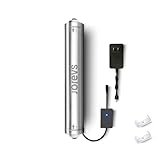
Overview: The JOREVS UV Water Filter is an under-sink UV-C LED purification system designed to complement existing reverse osmosis setups. Unlike portable purifiers, this permanent installation delivers 99.999% elimination of bacteria, viruses, and protozoa at a flow rate of 1 GPM, providing on-demand disinfection for household drinking water without chemicals or mercury.
What Makes It Stand Out: The advanced UVC-LED technology operates only when water flows, achieving 90% energy savings compared to always-on systems. Its mercury-free design aligns with modern environmental standards. The system seamlessly integrates with RO systems, addressing a critical gap where stored purified water might become contaminated, making it a smart addition for health-conscious homeowners seeking complete peace of mind.
Value for Money: At approximately $150-200, it represents a mid-range investment for home water safety. While more expensive than portable units, it provides continuous protection for an entire household. Compared to whole-house UV systems costing $500+, it’s an economical point-of-use solution. The maintenance-free design eliminates annual lamp replacement costs typical of traditional UV systems, saving money long-term.
Strengths and Weaknesses: Pros include exceptional 99.999% effectiveness, energy-efficient operation, chemical-free purification, and easy RO integration. The instant flow sensor ensures fresh treatment. Cons include requirement for an existing RO system, professional installation may be needed, and it’s unsuitable for whole-house applications. The system doesn’t filter sediment or improve taste.
Bottom Line: An excellent add-on for RO system owners seeking maximum water safety. Ideal for families wanting chemical-free disinfection at the tap.
6. VerterPure VP2 Mini UV-C LED Ultraviolet Water Filter Purifier, Reduce up to 99.99% of Contaminants at Flow Rate 0.52GPM, Smart On/Off Switch, 12V DC for RV Boats Off-Grid Livings, Mercury Free

Overview: The VerterPure VP2 Mini is a compact UV-C LED water purifier designed specifically for RVs, boats, and off-grid living. Delivering 0.52 GPM with 99.99% contaminant reduction, this in-line system works standalone or alongside existing RO and well filtration setups. Its 12V DC operation makes it ideal for mobile applications where traditional 110V systems are impractical.
What Makes It Stand Out: The UV-C LED technology is revolutionary compared to conventional mercury lamps. It provides instant operation without warm-up time, constant UV output, and zero heat transfer to water. The mercury-free design eliminates hazardous waste concerns, while the intelligent flow-switch activates purification only when water runs, minimizing power consumption. With a 7+ year lifespan and no bulb replacements needed, it redefines low-maintenance water treatment.
Value for Money: Though priced higher than traditional UV systems, the VP2 Mini delivers exceptional long-term value. Eliminating annual bulb replacements ($50-100/year) combined with minimal power usage creates significant savings. For mobile homeowners who need reliable purification during extended off-grid periods, the system pays for itself within 2-3 years while providing peace of mind.
Strengths and Weaknesses: Pros: Mercury-free and environmentally safe; instant-on performance; zero bulb replacement maintenance; compact size perfect for tight spaces; intelligent on-demand activation; 7+ year lifespan; 12V DC compatibility. Cons: 0.52 GPM flow rate limits to point-of-use only; unsuitable for whole-house applications; requires 12V DC power source; higher upfront investment.
Bottom Line: The VerterPure VP2 Mini is the premier choice for mobile and off-grid enthusiasts prioritizing reliability, environmental responsibility, and zero maintenance. Its advanced UV-C LED technology justifies the premium price, making it the smartest long-term investment for RV and boat water purification.
7. Bluonics Ultraviolet Light UV Water Purifier Filter for Whole House Water Purification 12 GPM 55W 110V, 3/4" MNTP Inlet Outlet, 2 Extra Bulb, 1 Extra Ballast, 1 Extra Quartz Sleeve

Overview: Bluonics delivers a robust whole-house UV purification system capable of treating water at 12 GPM using a 55W 110V configuration. Constructed from durable SAE 304 stainless steel, this unit is designed for comprehensive residential or commercial water treatment, handling both municipal and well water sources. The system includes all necessary components for immediate installation.
What Makes It Stand Out: This complete package includes two replacement bulbs, an extra ballast, and a spare quartz sleeve—providing approximately three years of maintenance supplies. The LED indicator clearly displays operational status, eliminating guesswork. With standard 3/4" MNPT connections and flexible mounting options, installation is straightforward without professional help. The 36-inch UV lamp delivers consistent performance with over 9,000 hours of operation.
Value for Money: The inclusion of spare parts significantly enhances this system’s value proposition. Purchasing bulbs, ballasts, and sleeves separately would add $150-200 to the total cost. For homeowners seeking whole-house protection, the upfront investment is competitive with other 12 GPM systems while providing peace of mind through included backup components.
Strengths and Weaknesses: Pros: Complete system with generous spare parts; durable stainless steel construction; high 12 GPM flow rate; chemical-free purification; LED operation indicator; flexible installation options; compatible with multiple water sources. Cons: Mercury-based UV bulb requires proper disposal; annual bulb replacement necessary; larger size requires adequate installation space; 110V power limits off-grid applications.
Bottom Line: Bluonics offers exceptional value for homeowners needing reliable whole-house UV purification. The comprehensive spare parts package and robust construction make it a smart choice for those wanting immediate protection without ongoing parts sourcing concerns.
8. Bluevua RO100ROPOT-UV Reverse Osmosis System Countertop Water Filter - 6 Stage Purification with UV and Remineralization, Counter RO Filtration, Portable Water Purifier

Overview: The Bluevua RO100ROPOT-UV is a premium countertop reverse osmosis system combining six-stage filtration with UV sterilization and remineralization. This plug-and-play unit requires no plumbing installation and delivers bottled-quality water from any power source. The system features a high borosilicate glass carafe, avoiding plastic contamination risks.
What Makes It Stand Out: The 6-stage process includes a 0.0001μm RO membrane, UV light, and remineralization filter—addressing virtually all contaminants while restoring beneficial minerals. WQA certification against NSF/ANSI/CAN 372 and SGS testing validate performance claims. The innovative 2:1 pure-to-drain ratio conserves water compared to traditional RO systems, while power-saving standby mode reduces energy consumption. Filter life monitoring provides real-time status updates.
Value for Money: While priced in the premium countertop range, the system eliminates bottled water expenses and plumber installation costs. The 12-24 month filter lifespan reduces maintenance frequency, and the glass carafe prevents replacement costs associated with plastic degradation. For apartment dwellers or renters wanting RO quality without permanent installation, this represents excellent value.
Strengths and Weaknesses: Pros: Comprehensive 6-stage filtration with remineralization; certified performance; portable countertop design; glass carafe prevents secondary pollution; water-efficient 2:1 ratio; filter monitoring display; ClimatePartner certified sustainability. Cons: Limited daily capacity compared to under-sink systems; countertop footprint requires space; higher initial cost than basic filters; periodic filter replacement still required.
Bottom Line: The Bluevua RO100ROPOT-UV excels for consumers seeking premium purification without installation complexity. Its six-stage process, certifications, and sustainable design justify the investment for households prioritizing water quality and convenience.
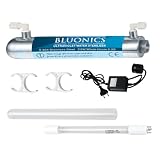
9. Bluonics Ultraviolet Light Water Purifier UV System for Reverse Osmosis Drinking Water System 0.5 GPM
Understanding UV Water Purification Technology
How UV Light Neutralizes Pathogens
UV purification works by exposing microorganisms to ultraviolet light at a specific wavelength—typically 254 nanometers—which disrupts their DNA and renders them incapable of reproduction. This physical process doesn’t add chemicals or alter your water’s taste, making it ideal for adventurers who prioritize natural flavor. The effectiveness depends on water clarity, exposure time, and light intensity, which is why modern devices include multiple safety redundancies.
The Science Behind Sterilization Rates
Most portable UV purifiers achieve a 99.99% reduction of bacteria, protozoa, and viruses when used correctly. The key metric is the UV dose, measured in millijoules per square centimeter (mJ/cm²). Solo adventurers should look for devices delivering at least 16 mJ/cm², though premium units in 2026 often exceed 30 mJ/cm² for faster treatment times. Understanding this specification helps you evaluate performance claims independently of marketing language.
Why Solo Adventurers Need UV Purification
Advantages for Solo Hikers and Backpackers
When you’re traveling alone, efficiency and reliability become non-negotiable. UV systems treat water in 60-90 seconds for typical bottles, eliminating the waiting time required by chemical treatments. There’s no pumping fatigue, no filter clogging from silty water, and no heavy chemical bottles. The minimalist design aligns perfectly with ultralight philosophy while providing comprehensive protection against viruses—something many filters can’t claim.
Real-World Scenarios Where UV Shines
Picture this: you’re parched at a desert water source with only muddy, cow-trampled pond water available. While pump filters would struggle with the sediment load, a UV purifier with pre-filtration handles it effortlessly. In freezing conditions where filter membranes can crack, UV technology remains dependable. For international travel where viruses pose greater risks, UV provides peace of mind that physical filters simply can’t match.
Key Features That Define Game-Changing Performance
Treatment Speed and Flow Rate
The latest generation of devices can treat a liter of water in under 45 seconds, a significant improvement from the two-minute standard of earlier models. This speed matters when you’re trying to cover miles before sunset. Look for units with automatic sensors that adjust treatment duration based on water volume, ensuring thorough sterilization without guesswork.
Battery Life and Power Management
Modern UV purifiers feature lithium batteries providing 50+ treatments per charge—enough for a week-long solo trip. Power management systems now include hibernation modes that preserve battery life during multi-day storage. Some units even display exact treatment counts remaining, eliminating the anxiety of a dead battery in the backcountry.
Smart Features and Connectivity
2026’s standout innovation is Bluetooth connectivity that syncs with your smartphone to log water sources, track usage patterns, and send replacement reminders. GPS integration can automatically adjust treatment intensity based on known contamination levels in specific regions. While some purists scoff at “smart” gear, these features provide valuable data for serious adventurers.
Power Solutions for Extended Adventures
Solar Charging Capabilities
Integrated solar panels have become remarkably efficient, with some units gaining enough charge for 3-4 treatments from just two hours of direct sunlight. The key is panel size versus device portability—fold-out designs offer better exposure while maintaining packability. Cloudy-day performance varies significantly between models, so check the low-light charging specifications.
Hand-Crank Emergency Power
The hand-crank feature has evolved from gimmick to legitimate backup. Modern crank mechanisms generate enough power for a full treatment in 60-90 seconds of comfortable cranking. This mechanical redundancy means you’re never completely dependent on batteries or sunlight—a critical consideration for deep wilderness expeditions.
USB-C Power Bank Integration
Universal USB-C charging has finally arrived in the UV purifier market, allowing you to recharge from your existing power bank. Some devices can even accept pass-through charging, treating water while simultaneously charging the internal battery. This versatility reduces the number of cables and batteries in your kit.
Portability and Weight Considerations
Compact Design Innovations
The smallest effective UV purifiers now weigh under 3 ounces and fit inside standard bottle necks. Engineers have achieved this by integrating the UV lamp directly into the cap assembly rather than using separate wands. This integration reduces failure points and eliminates the risk of losing critical components in the field.
Weight-to-Performance Ratios
Every ounce matters when you’re solo, so evaluate the total system weight including batteries and pre-filters. Some manufacturers advertise ultralight devices but require separate battery packs or specialty bottles. A truly integrated system under 5 ounces that treats unlimited quantities represents the current sweet spot for ultralight enthusiasts.
Durability in Extreme Conditions
Waterproof and Impact Resistance Ratings
Look for IP67 or IP68 ratings ensuring survival after accidental submersion. The best units feature shock-absorbing construction around the UV lamp—the most vulnerable component. Some models now include replaceable protective sleeves that sacrifice themselves to protect the core unit during drops, a practical innovation for clumsy adventurers.
Cold Weather Performance
Battery performance plummets in freezing temperatures, but 2026 devices include insulation sleeves and chemical hand warmer pockets that maintain operational temperature. The UV lamps themselves generate minimal heat, but some units feature pre-treatment warming cycles that improve battery efficiency in sub-zero conditions.
Emerging Technologies in 2026
Multi-Stage Purification Systems
The real game-changer is hybrid technology combining UV sterilization with electrostatic pre-filters that remove sediment and microplastics without replaceable cartridges. These self-cleaning filters backflush automatically between treatments, maintaining flow rates indefinitely. This addresses the primary weakness of UV—its inability to handle turbid water without separate filtration.
AI-Powered Monitoring
Artificial intelligence now analyzes water clarity in real-time using optical sensors, automatically extending treatment times for cloudy water. Machine learning algorithms track your usage patterns and predict maintenance needs before failures occur. While this sounds complex, the user experience remains simple: press a button and let the device handle the details.
Pre-Filter Integration
Screw-on pre-filters with graduated mesh sizes have become standard accessories, removing debris and larger organisms before UV treatment. The innovation lies in their cleanable design—most can be backflushed with clean water dozens of times before requiring replacement. This extends the life of your main purifier and ensures consistent UV penetration.
Safety and Maintenance Best Practices
Cleaning Protocols
Mineral buildup on the UV lamp sleeve reduces effectiveness over time. The best practice is monthly cleaning with citric acid solution, though some 2026 models feature self-cleaning cycles using vibration technology. Always carry a small cleaning brush in your repair kit, as field cleaning with stream water and sand can scratch the quartz sleeve.
Lamp Replacement Indicators
UV lamps degrade gradually, losing approximately 20% intensity over 1,000 hours. Modern devices track actual usage rather than calendar time, providing accurate replacement alerts. Some units feature dual-lamp redundancy, automatically switching to a backup if the primary fails—a reassuring feature when solo in remote areas.
Comparing UV to Other Purification Methods
UV vs Chemical Treatments
Chemical treatments like chlorine dioxide remain reliable and lightweight, but require 30-minute wait times and leave residual taste. UV works instantly without altering water chemistry. However, chemicals work in any water temperature and don’t require batteries, making them superior backup options. Most solo adventurers now carry both: UV for primary use, chemicals for emergencies.
UV vs Pump Filters
Pump filters physically remove contaminants but clog frequently and rarely block viruses. They excel at handling extremely turbid water but add significant weight and bulk. UV systems treat faster and pack smaller but depend on battery power. The weight difference becomes more pronounced on longer trips where filter replacements would be needed.
Making Your Final Decision
Budget and Value Assessment
Entry-level UV purifiers start around $80, while feature-rich models exceed $200. Consider the total cost of ownership including replacement lamps ($30-50) and pre-filters. A $150 unit with a 10,000-treatment lamp life costs pennies per use, making it economical for frequent adventurers. Occasional hikers might prefer simpler, less expensive options.
Matching Features to Your Adventure Style
Thru-hikers prioritize weight and battery life, favoring minimalist designs with solar charging. International travelers need maximum pathogen protection and dual-power options. Alpine climbers require cold-weather reliability and rugged construction. Be honest about your typical adventures—paying for features you’ll never use adds unnecessary weight and complexity.
Frequently Asked Questions
How long do UV purifier batteries typically last in the field?
Most modern units provide 50-80 treatments per full charge, equivalent to 1-2 weeks for solo adventurers consuming 3-4 liters daily. Cold temperatures reduce capacity by 30-50%, so carry a power bank in winter conditions.
Can I use a UV purifier with any water bottle?
While many units feature universal threading for standard wide-mouth bottles, optimal performance requires clear containers that allow full UV penetration. Dark or tinted bottles block light and reduce effectiveness. Some manufacturers offer proprietary bottles with integrated sensors.
What happens if I accidentally treat water longer than recommended?
Over-treatment poses no health risks and doesn’t affect water taste. The UV lamp simply continues emitting light. However, it wastes battery life unnecessarily. Smart units automatically shut off after the optimal dose is delivered.
Do UV purifiers work in cloudy or muddy water?
UV light cannot penetrate suspended particles effectively. Pre-filtration is essential for turbid water. Some units won’t activate if sensors detect insufficient clarity. Always pre-filter visibly dirty water through a bandana or coffee filter first.
How do I know when the UV lamp needs replacement?
Modern devices track lamp hours and display replacement warnings. If your unit lacks this feature, replace the lamp annually with regular use. Diminished glow intensity or frequent error messages indicate pending failure. Always carry a spare lamp on extended expeditions.
Are UV purifiers safe to use with untreated natural water sources?
When used correctly, UV purification is highly effective against bacteria, protozoa, and viruses. However, it doesn’t remove chemical pollutants, heavy metals, or radioactive particles. Avoid water sources near agricultural runoff, mining operations, or industrial areas.
What’s the difference between UV-A, UV-B, and UV-C in purifiers?
Only UV-C (200-280 nm) has sufficient energy to destroy microbial DNA. UV-A and UV-B lack sterilization power. All legitimate water purifiers use UV-C at 254 nm. Marketing claims about “broad-spectrum UV” are irrelevant if the device doesn’t specify UV-C output.
Can altitude affect UV purifier performance?
Altitude itself doesn’t impact UV effectiveness, but thin, cold mountain air rapidly drains batteries. The UV dose remains constant, but you may need to warm the device in your sleeping bag before use. Some models include insulating sleeves specifically for high-altitude operation.
How should I store my UV purifier between adventures?
Store devices with a partial charge (40-60%) in a cool, dry place. Fully charged or completely drained batteries degrade faster long-term. Remove batteries if storing for months. Clean the quartz sleeve with citric acid solution before storage to prevent mineral buildup.
Is it necessary to carry a backup purification method?
Experienced solo adventurers always carry backup options like chlorine dioxide tablets or a small filter straw. Electronics can fail, batteries die, and extreme conditions can render UV ineffective. Your backup should be simple, lightweight, and independent of power sources.
Related Buying Guides
- We Tested 50 Water Purifiers - Here are the 10 Best for Hunting Trips in 2026
- 10 Best Water Filters for Hunters Who Camp in Remote Wilderness Areas in 2026
- 10 Expert-Recommended Water Filters for Solo Hunters in 2026
- 10 Game-Changing Water Filtration Systems for Long-Term Outdoor Expeditions in 2026
- 10 Game-Changing Water Filtration Systems for Remote Cabins in 2026