Table of Contents
For today’s hunter, every ounce matters when covering rugged terrain at breakneck speed. Gone are the days of lugging cumbersome gear that drains energy before you even reach the ridge. Modern fast-paced hunters demand agility, endurance, and silent mobility—qualities directly sabotaged by outdated, heavy backpacks. The right lightweight pack isn’t just a luxury; it’s the difference between closing the distance on a trophy animal and watching it vanish over the next rise. As hunting evolves toward speed and efficiency, your pack must keep pace without compromising essential functionality.
The revolution in hunting gear isn’t about adding more—it’s about achieving more with less. Lightweight backpacks in 2026 prioritize intelligent design over brute capacity, leveraging cutting-edge materials and biomechanics to distribute weight where it belongs: on your hips, not your shoulders. This shift reflects a deeper understanding of how hunters move—scrambling up scree slopes, slipping through dense timber, or glassing for hours on end. A truly optimized pack disappears on your back, letting you focus entirely on the hunt. Let’s explore what makes these high-performance systems indispensable for the modern hunter who values speed without sacrifice.
Top 10 Lightweight Hunting Backpacks
Detailed Product Reviews
1. TIDEWE Hunting Backpack, Waterproof Camo Hunting Pack with Rain Cover, Long-Lasting Large Capacity Hunting Day Pack for Rifle Bow Gun (Next Camo G2)
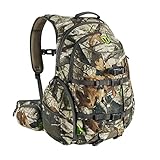
Overview: The TIDEWE Next Camo G2 is a specialized 35L hunting backpack engineered for spot-and-stalk hunters prioritizing stealth and organization during extended treks. Its lightweight 3.7lb frame and camo design target minimal environmental disruption.
What Makes It Stand Out: Integrated rain cover and bow/rifle-specific carry systems (quiver hook, dedicated pocket) provide immediate weather and weapon readiness. The channeled back panel enhances breathability, while multi-pocket compartmentalization ensures gear stays accessible without noisy fumbling.
Value for Money: At mid-range pricing, it outperforms budget packs with durable polyester construction and thoughtful features like hydration compatibility. Though pricier than basic daypacks, its hunting-specific design justifies cost for serious hunters versus generic alternatives.
Strengths and Weaknesses: Strengths: Exceptional weight distribution via padded waist belt; reliable waterproofing; spacious 35L capacity. Weaknesses: Camo pattern may lack versatility in non-woodland terrain; front pockets could be deeper for bulkier gear.
Bottom Line: An ideal investment for hunters needing all-day comfort, weather resilience, and quick-access weapon storage—highly recommended for dedicated field use despite minor terrain-specific limitations.
2. TIDEWE Hunting Backpack with Waterproof Rain Cover, 25L Hunting Pack, Durable Hunting Day Pack for Bow Rifle Gun (Next Camo G2)
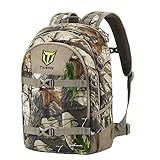
Overview: This compact 25L TIDEWE pack delivers a stealth-focused solution for half-day hunts or minimalist adventurers, weighing just 1.65lb while maintaining essential hunting functionality in unpredictable conditions.
What Makes It Stand Out: Its 600D reinforced base resists punctures during rugged use, and noise-reducing fabric/zipper design enhances concealment. The built-in rain cover and hydration port ensure readiness, while adjustable tree-stand straps add versatility beyond rifle/bow carry.
Value for Money: Outstanding affordability for its durability and specialized features. Competes strongly with pricier packs by offering weatherproofing and organization at entry-level cost—excellent for beginners or supplemental gear.
Strengths and Weaknesses: Strengths: Ultra-lightweight yet robust; exceptional noise reduction; ideal multi-use size for hunting/hiking. Weaknesses: Limited 25L capacity suits short trips only; waist belt less padded than larger counterparts.
Bottom Line: A top-tier budget pick for hunters seeking reliability without bulk—perfect for day hunts or as a secondary pack, though insufficient for multi-day expeditions.
3. AUSCAMOTEK Camo Backpacks for Hunting Accessories Fishing Hiking Camping Camouflage Bag Small Day Pack for Men - Woodland Camo
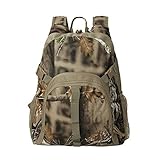
Overview: AUSCAMOTEK’s 19x12x8-inch woodland camo pack targets casual hunters and hikers with a basic, affordable 20L-capacity daypack emphasizing concealment and simplicity over advanced features.
What Makes It Stand Out: The natural foliage camo pattern excels in blending with eastern woodlands, while PVC-coated polyester offers solid water resistance. Minimalist organization (front pocket + side bottle holders) prioritizes speed over complexity during quick movements.
Value for Money: Exceptionally priced for entry-level users, though materials feel less rugged than premium options. Best for infrequent hunters—it’s a functional starter pack but lacks longevity for intense use compared to $20-$30 upgrades.
Strengths and Weaknesses: Strengths: Effective camouflage; comfortable chest-belt stability; lightweight brushed polyester. Weaknesses: Thin shoulder padding causes fatigue on long hikes; no rain cover or hydration sleeve; limited storage for serious gear.
Bottom Line: A decent budget choice for occasional woodland hunters or hikers needing basic concealment, but avoid for demanding hunts due to comfort and feature limitations.
4. PLUSINNO Hunting Backpack for Hunting Essentials, 45L Waterproof Hunting Gear with Rain Cover, & Padded Scabbard Carry System For Deer Hunt Accessories, Hunt Gift For Men

Overview: The PLUSINNO 45L backpack is a premium, field-tested system designed for serious hunters requiring all-day comfort, silent operation, and massive storage for multi-day expeditions or gear-heavy pursuits like waterfowl hunting.
What Makes It Stand Out: Acoustic Stealth fabric and noise-free zippers ensure near-silent movement, while a load-transfer frame shifts 60%+ weight to hips. The suspended cradle scabbard protects rifles, and foliage-pattern camo offers superior visual concealment in diverse terrains.
Value for Money: Commands a higher price but delivers professional-grade durability (600D nylon) and innovation. Justifies cost versus mid-tier packs through unmatched ergonomics and weatherproofing—essential for hunters valuing performance over savings.
Strengths and Weaknesses: Strengths: Industry-leading weight distribution; bombproof weather resistance; intuitive quick-access layout. Weaknesses: Heavier than compact packs (ideal for base camps, not spot-and-stalk); premium cost may deter casual users.
Bottom Line: The definitive choice for dedicated hunters needing silent, stable, and spacious carry—worth every dollar for extended hunts despite its weight and price.
5. OUUTMEE Hunting Backpack, Camo Outdoor Hunting Pack for Bow or Rifle with Holder, for Hunting, Camping, Hiking
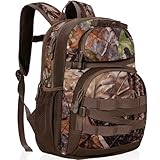
Overview: OUUTMEE’s versatile camo pack offers two size options (S: 17.7"x12.2"x6.9") targeting hunters seeking a lightweight, multi-activity solution for bow/rifle carry across hunting, hiking, or camping trips.
What Makes It Stand Out: Dual-capacity flexibility caters to varying needs, while dedicated weapon holders and adjustable straps prioritize stability. The ergonomic design focuses on basic comfort, though it lacks advanced hunting-specific tech like noise reduction.
Value for Money: Budget-friendly with adequate features for recreational use, but thinner materials and vague specs undermine durability claims. Better suited for casual outings than intense hunting—competes with entry-level TIDEWE models at similar pricing.
Strengths and Weaknesses: Strengths: Lightweight adaptability for multiple sports; user-friendly adjustability; responsive customer service. Weaknesses: Minimal weather protection (no rain cover); sparse organization; camo less effective than specialized patterns.
Bottom Line: A serviceable starter pack for occasional hunters or hikers wanting simplicity, but skip if you require weatherproofing, stealth, or heavy-load capacity.
6. Maelstrom Hunting Backpack for Men Women, Waterproof Hunting Pack with Rain Cover, Long-Lasting 35L Camo Tactical Day Pack for Rifle Bow Gun

Overview: The Maelstrom 35L hunting backpack is a rugged, feature-rich tactical pack designed for serious hunters needing all-weather reliability and extensive gear organization in demanding environments. Its camo pattern prioritizes concealment. What Makes It Stand Out: Its standout features include a dedicated hidden gun scabbard, a comprehensive MOLLE system for accessory mounting, and included rain cover. The massive 35L capacity with smart organization—featuring dual main compartments (one with a laptop sleeve), multiple zippered/mesh pockets, waist bags, and a hydration port—exceeds most competitors. The 900D polyester ensures exceptional durability. Value for Money: Priced competitively within the premium hunting pack segment, it offers superior value due to its extensive storage, robust waterproofing (material + rain cover), and specialized hunting features like the scabbard and MOLLE. It outperforms many similarly priced packs lacking this level of integrated functionality. Strengths and Weaknesses: Strengths: Excellent weather protection, superb organization and capacity, durable 900D fabric, comfortable ergonomic padding, versatile MOLLE/gun storage. Weaknesses: Significant weight due to rugged construction, potentially bulky for minimalist hunters, laptop sleeve is an unusual inclusion for a dedicated hunting pack. Bottom Line: An outstanding choice for hunters prioritizing maximum storage, all-weather readiness, and integrated weapon carry; its minor bulk is a fair trade-off for unparalleled feature density and durability, making it a top-tier investment.
7. OUUTMEE Hunting Backpack, Camo Outdoor Hunting Pack for Bow or Rifle with Holder for Hunting, Camping, Hiking

Overview: The OUUTMEE hunting backpack is a lightweight, streamlined option targeting hunters seeking basic camouflage functionality and comfort for shorter trips or minimalist gear loads, available in two size options. What Makes It Stand Out: Its primary differentiator is the emphasis on lightweight construction for stealth and reduced fatigue, coupled with size flexibility (S dimensions provided). The ergonomic design promises comfort, and its straightforward camo pattern suits various terrains without overwhelming features. Value for Money: Positioned as a budget-friendly entry point, it delivers fair value for hunters needing a simple, dedicated camo pack without advanced tactical features. However, its value is limited compared to packs offering MOLLE systems, rain covers, or specialized weapon storage at similar prices. Strengths and Weaknesses: Strengths: Very lightweight for easy maneuvering, comfortable ergonomic straps, simple and effective camo, good size choice. Weaknesses: Lacks critical hunting-specific features (no MOLLE, no dedicated gun/bow scabbard, no rain cover mentioned), storage organization details are vague, durability of materials unspecified. Bottom Line: A suitable basic pack for casual hunters or hikers wanting lightweight camo, but serious hunters should look elsewhere for essential features like weapon carry systems and weather protection; best for very light, fair-weather excursions.
8. MARITTON Hunting Backpack,Durable Hunting Pack with Bow and Rifle Carry System for Camping,Hunting,Hiking. (Camo-Khaki)
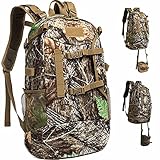
Overview: The MARITTON 40L hunting backpack focuses on secure weapon transport and generous storage, built for hunters needing to carry a rifle or bow alongside essential camping/hunting gear in a single, durable pack. What Makes It Stand Out: Its unique integrated pull-down pocket system securely holds rifles or bows—a major highlight for hunters. The substantial 40L capacity and inclusion of an orange rain cover address core outdoor needs. The fully padded back panel enhances comfort during long treks. Value for Money: Offers strong value for hunters specifically needing a dedicated, secure weapon carry solution within a large-capacity pack. The included rain cover and solid polyester construction provide features often found on pricier models, justifying its mid-range price point effectively. Strengths and Weaknesses: Strengths: Excellent, secure bow/rifle carry system, large 40L capacity, included rain cover, comfortable padded back, strong satisfaction guarantee. Weaknesses: MOLLE system absent, organization details beyond main pockets are sparse, dimensions suggest potential bulkiness, mesh side pockets may lack security. Bottom Line: Highly recommended for hunters whose top priority is safely and conveniently carrying a rifle or bow; its spacious design and included rain cover make it a practical, value-driven workhorse for extended hunts.
9. SOG Specialty Knives & Tools Ninja Tactical Day Pack, 24.2-Liter, Camo, One Size
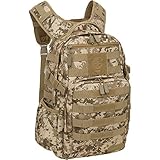
Overview: The SOG Ninja is a compact, water-repellent tactical day pack blending urban utility with outdoor functionality, designed for commuters, hikers, and light-duty tactical users rather than dedicated big-game hunters. What Makes It Stand Out: Its modular MOLLE webbing, ninja-inspired tactical aesthetic, and contoured foam back with air channels prioritize comfort and customization. The tubing port for hydration (reservoir not included) and hook-and-loop flag patch area cater to specific tactical/outdoor needs within a smaller footprint. Value for Money: Good value as a versatile urban/tactical commuter pack, but less compelling for serious hunting due to its modest 24.2L capacity and lack of hunting-specific features (no weapon scabbard, rain cover not mentioned). MOLLE adds utility, but hunters need larger, specialized packs. Strengths and Weaknesses: Strengths: Excellent comfort with yoke straps and ventilated back, versatile MOLLE compatibility, sleek tactical design, water-repellent fabric, practical side bottle pockets. Weaknesses: Too small for multi-day hunting gear, lacks dedicated weapon storage, no included rain cover, hydration bladder sold separately. Bottom Line: A solid tactical day pack for commuting, light hiking, or urban carry where MOLLE is desired, but not recommended for hunters needing weapon transport or substantial gear capacity; choose a larger, purpose-built hunting pack instead.
10. Allen Company Camo Medium Pack - Realtree Edge Camouflage Backpack, 22.1L
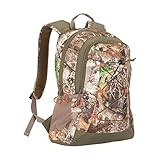
Overview: The Allen Company Camo Medium Pack is a straightforward, heavy-duty hunting backpack emphasizing Realtree Edge camouflage, durability, and essential organization for hunters seeking a reliable, no-frills field companion. What Makes It Stand Out: Its strength lies in trusted Realtree Edge camo, heavy-duty construction for weather resistance, and simple, effective organization with dual large compartments, internal organizers, and dual water bottle pockets. The padded straps and sturdy carry handle focus on fundamental comfort and utility. Value for Money: Represents excellent value for hunters wanting a dependable, brand-name camo pack at an accessible price. It delivers core hunting backpack functionality (durability, camo, organization) effectively without the premium cost of packs with advanced tactical features like MOLLE or dedicated scabbards. Strengths and Weaknesses: Strengths: Authentic Realtree Edge camo, robust weather-resistant build, comfortable padded straps, practical dual compartments and bottle pockets, strong brand reputation. Weaknesses: Lacks modern tactical features (MOLLE, rain cover, weapon scabbard), limited capacity (22.1L) for extended trips, basic design compared to feature-rich competitors. Bottom Line: A highly recommended, budget-friendly workhorse for hunters prioritizing proven camo, durability, and essential storage over advanced tactical features; ideal for day hunts where simplicity and reliability are key.
Understanding Your Hunting Style and Needs
Defining Your Pace and Terrain Demands
Your hunting style dictates your pack’s non-negotiables. Are you glassing vast alpine basins where every mile counts, or navigating thick bottomland where maneuverability trumps distance? Fast-paced hunters targeting public land or spot-and-stalk scenarios need packs emphasizing agility and rapid access. Conversely, multi-day backcountry expeditions demand slightly more capacity without tipping the scales. Honestly assess your typical mission: a pack that’s perfect for a 10-mile ridge run might hinder in tight brush, and vice versa.
Capacity vs. Weight: The Critical Balance
Oversized packs tempt you to overpack, defeating the purpose of going light. For most fast-paced day hunts, 1,500–2,500 cubic inches strikes the sweet spot—enough for essentials (meat bags, optics, extra layers) without encouraging dead weight. Ultralight specialists might drop below 1,500 ci for minimalist glassing setups. Crucially, verify the actual packed weight, not just the empty pack. A “lightweight” pack that balloons to 8+ pounds when loaded isn’t solving your problem. Prioritize packs where the system (frame, straps, materials) keeps total weight under 10% of your body weight when fully equipped.
Seasonal and Environmental Considerations
A pack ideal for a dry, hot September archery hunt becomes a liability in October’s rain or November’s snow. Breathability is paramount for warm conditions—look for extensive mesh panels and airflow channels. For colder months, prioritize weather resistance and storage for insulation layers without compressing them. In wet climates, integrated or compatible rain covers are non-negotiable. Consider how quickly you need to access gear: magnetic closures or top-loading designs excel in sudden storms, while side pockets aid rapid layer changes during temperature swings.
Frame Technology: The Backbone of Performance
Internal Frames: Sleekness and Stability
Internal frames dominate the fast-paced hunting scene by contouring closely to your body, minimizing snag points and shifting weight during dynamic movement. Modern iterations use lightweight, flexible yet supportive materials like aerospace-grade aluminum stays or thermoformed polymer sheets that flex with your stride. The best designs transfer 80%+ of the load to your hips via a structured hip belt, preventing shoulder fatigue. Ensure the frame allows enough torsional flex for natural rotation on uneven ground—rigid frames cause bounce and discomfort over miles.
Frameless Systems: Ultimate Minimalism
For hunters prioritizing absolute weight savings on short, fast missions, frameless packs offer unparalleled simplicity. They rely entirely on your body and intelligent compartment organization to maintain stability. Key for success here is strategic compression: load-bearing straps should cinch gear tightly against your back, preventing sway. Frameless excels when carrying <25 pounds but becomes unstable with heavier loads or bulky items like meat. Ideal for spot-and-stalk hunters who rarely carry more than essentials and a quartered animal.
Hip Belt Suspension: Where Weight Belongs
Your hip belt isn’t just a strap—it’s the engine of your pack’s comfort. High-performance belts feature rigid, molded foam or EVA cores that lock into your iliac crest, preventing slippage and distributing weight evenly across your pelvis. Padding should be substantial but not bulky; excessive foam traps heat. Adjustable torso lengths are critical—many packs now offer micro-adjustments to align the belt perfectly with your hip bones. A poorly fitted belt transfers strain to shoulders, causing fatigue within hours. Always size based on torso, not waist circumference.
Material Science and Durability Innovations
Ultralight Fabrics: Strength Without Bulk
Gone are the days when lightweight meant fragile. Modern packs utilize high-denier, tightly woven fabrics like 210D or 330D ripstop nylon with silicone or PU coatings. These materials resist abrasion from rocks and branches while shedding water. The real innovation lies in material weight-to-strength ratios: fabrics once reserved for backpacking are now standard in hunting packs, offering 30% lighter weight than older 500D+ materials without sacrificing tear resistance. Look for strategic reinforcement in high-wear zones (bottom, shoulder straps) using slightly heavier denier fabrics.
Weatherproofing and Stealth Integration
True hunting packs go beyond basic water resistance. Seam-sealed construction, waterproof zippers, and hydrophobic coatings prevent moisture ingress during downpours or bushwhacking through wet brush. Crucially, modern materials also integrate scent-control properties at the fiber level—not just surface sprays that wash off. Dark, muted earth-tone patterns with micro-textures break up your silhouette better than flat colors. Some fabrics even incorporate infrared-reflective properties to reduce thermal signature, a subtle but critical edge in 2026’s tech-forward hunting landscape.
Abrasion Resistance: Surviving the Real World
Lightweight doesn’t mean delicate. Packs endure constant punishment against granite, timber, and rough hides. Key areas like the bottom panel, shoulder strap undersides, and side pockets use reinforced fabrics with higher abrasion ratings (measured in double-rub tests). Some brands employ strategic Cordura® overlays or thermoplastic polyurethane (TPU) laminates in critical zones. Don’t assume lighter weight equals less durable—rigorous field-testing standards now ensure ultralight packs withstand the same abuse as heavier predecessors. Verify manufacturer abrasion ratings before trusting a pack to your toughest hunts.
Organizational Intelligence for Rapid Access
Intuitive Compartment Layout
A well-organized pack saves seconds that matter when an animal appears. Top-loading main compartments with U-zipper access provide quick entry to your core gear. Critical is the separation of clean/dirty items: dedicated, ventilated meat pockets with easy external access prevent blood and hair from contaminating your clothing or sleeping bag. Internal hydration sleeves (even if unused) double as gear organizers. Avoid complex maze-like interiors; your hands should locate items blindfolded after one season.
Strategic External Attachment Points
D-rings, gear loops, and MOLLE/PALS webbing let you customize carry for specific hunts. Secure attachment points for trekking poles (not just bungees) prevent noise and snagging. Meat haul loops must handle heavy quartered loads without stretching. External pocket placement is vital: side pockets should accommodate water bottles without swinging, while top pockets need glove-friendly zippers for rangefinders or calls. Magnetic closures on critical pockets (like rangefinder slots) offer silent, one-handed access—essential for fast-paced scenarios.
Silent Operation and Secure Closure Systems
Zippers are the enemy of stealth. Opt for packs using heavy-duty, noise-reduced zippers (like YKK’s RC or VISLON®) with fabric garage covers to muffle sound. Velcro® patches should be minimized or replaced with silent magnetic or snap closures. Compression straps need secure, quiet buckles that won’t rattle—look for molded plastic or rubberized hardware. Every closure point should function smoothly with gloves on, as fumbling with tiny pulls wastes energy and creates noise when you need silence most.
Comfort and Ergonomics for Endurance
Shoulder Strap Design: Beyond Padding
Padded straps alone won’t prevent fatigue. Performance straps feature ergonomic, S-curved designs that follow your shoulder’s natural contour, preventing slippage and pressure points. Load-lifter straps (the upper straps connecting to the frame) are crucial—they pull the pack’s top inward toward your body, stabilizing the load and reducing shoulder strain. Padding should be dense foam that rebounds quickly, not memory foam that compresses permanently. Ventilated channels behind straps enhance airflow, critical during steep ascents.
Breathability and Moisture Management
Even lightweight packs cause sweat buildup without proper venting. Look for suspended mesh backpanels with 1–2 inches of standoff space between the pack and your spine—this channel allows continuous airflow, wicking moisture away. Mesh hip belt covers and shoulder straps further reduce hotspots. Some 2026 designs integrate phase-change materials in contact zones that absorb and release heat to regulate temperature. Avoid solid foam backpanels; they turn your pack into a sauna within minutes of movement.
Dynamic Fit Systems for Variable Loads
Your pack should perform whether carrying 5 pounds (just optics and water) or 35 pounds (full pack-out). Adjustable torso lengths accommodate different clothing layers. Load lifters and sternum straps should reposition easily on the fly to maintain stability as weight decreases. Hip belts with multiple adjustment points ensure the load stays anchored to your hips even when partially unloaded. Test packs with varying weights to confirm they don’t “swim” or bounce when not fully loaded—a common flaw in poorly designed ultralight systems.
Future-Forward Features Gaining Traction
Modular Expandability Systems
The holy grail: a pack that starts ultralight but scales for heavier loads. Innovative designs use removable framesheets or stowable hip belts to transition from a 1,800ci day pack to a 3,000ci hauler. Some incorporate zip-on expansion sleeves for meat that integrate seamlessly with the main suspension. Modular side pockets or external frames allow adding capacity only when needed, avoiding permanent weight penalties. This adaptability future-proofs your investment across diverse hunting scenarios.
Integrated Tech Compatibility
As optics and communication gear become essential, packs now feature dedicated, padded slots for thermal monoculars, GPS units, or satellite messengers—secured with silent closures. Wireless charging pockets with internal cable routing keep devices powered without exposing ports to moisture. Some include embedded, low-profile antennas for signal boosters. Crucially, these features add minimal weight and don’t compromise the pack’s low-profile hunting silhouette.
Sustainable Material Sourcing
Eco-conscious hunters increasingly demand packs made from recycled or bio-based materials without sacrificing performance. Leading brands now use 100% recycled face fabrics, plant-based foam padding, and PFC-free waterproof coatings. These materials often match virgin counterparts in durability while reducing environmental impact. Transparency in sourcing (like traceable recycled content) is becoming a key differentiator—proof that performance and sustainability can coexist in 2026’s hunting market.
Frequently Asked Questions
How do I accurately compare empty pack weights across brands?
What’s the ideal hip belt width for all-day comfort?
Can a lightweight pack reliably carry a full elk quarter?
How do I prevent shoulder strain with minimal padding?
Are waterproof zippers worth the slight weight gain?
What’s the biggest mistake hunters make when sizing a pack?
How often should I replace a high-mileage ultralight pack?
Do frameless packs work for hunters over 6 feet tall?
Can I add scent-control features to an existing pack?
How do I balance weight savings with long-term durability?
Related Buying Guides
- 10 Essential Lightweight Hunting Backpacks Every Solo Hunter Needs in 2026
- How to Choose the 10 Best Lightweight Hunting Backpacks for 2026
- The 10 Most Revolutionary Lightweight Hunting Backpacks of 2026
- Stop Gear Sag with the 10 Best Lightweight Hunting Backpacks This Year
- 10 Best Lightweight Crossbows for Backpack Hunting in 2026