Table of Contents
As deer hunting evolves with advancing technology and changing regulations, crossbows have emerged as the preferred tool for many hunters seeking precision, power, and accessibility. The 2026 hunting season promises to be a landmark year, with manufacturers pushing boundaries in speed, noise reduction, and user-friendly features that make ethical harvesting more achievable than ever. Whether you’re transitioning from vertical bows or looking to upgrade your current setup, understanding what separates exceptional hunting crossbows from mediocre ones will directly impact your success in the field.
Selecting the right crossbow for deer hunting requires more than just comparing speed ratings or price tags. The most successful hunters prioritize a holistic approach, considering everything from kinetic energy thresholds and axle-to-axle length to safety mechanisms and post-purchase support. This comprehensive guide distills expert insights into actionable criteria, helping you navigate the 2026 market without getting lost in marketing hype. We’ll explore the critical features that deserve your attention, the performance benchmarks that matter for clean kills, and the emerging technologies that are reshaping modern crossbow hunting.
Top 10 Crossbows for Deer Hunting
Detailed Product Reviews
1. Barnett Whitetail Hunter II Crossbow, with 4x32 Multi-Reticle Scope, 2 Headhunter Arrows, Lightweight Quiver

Overview: The Barnett Whitetail Hunter II represents the gold standard for entry-to-intermediate level crossbows, delivering 350 FPS performance in a remarkably compact 6.4-pound package. Measuring just 16.125 inches axle-to-axle, this Realtree Extra camo crossbow prioritizes maneuverability without sacrificing hunting effectiveness. The ready-to-hunt package includes two 20-inch Headhunter arrows, a 4x32 multi-reticle scope, rope cocking device, quiver, and maintenance wax, arriving mostly assembled for quick field deployment.
What Makes It Stand Out: Barnett’s TriggerTech 3lb zero-creep frictionless release technology sets this crossbow apart from competitors in its price class, providing a crisp, rifle-like trigger break that enhances accuracy. The Soft Lok Floating Bristle Arrow Retainer secures bolts silently while preventing premature wear, and the integrated Anti-Dry Fire system offers essential protection against costly damage. At 350 FPS, it generates sufficient kinetic energy for whitetail deer while remaining manageable for shooters of all statures.
Value for Money: Priced competitively for the feature set, this package eliminates hidden costs by including essential accessories. Comparable crossbows often require separate scope purchases or lack premium safety features. The inclusion of TriggerTech technology—typically reserved for higher-end models—creates exceptional value. While 350 FPS isn’t class-leading, it’s more than adequate for most hunting scenarios, making this a smart investment for budget-conscious hunters seeking reliability over raw speed.
Strengths and Weaknesses: Pros: Ultra-lightweight design enhances field maneuverability; Premium trigger system improves accuracy; Comprehensive accessory package; Proven Barnett reliability; Excellent safety features. Cons: 350 FPS lags behind modern high-performance models; Only two arrows included; Rope cocker requires more physical effort than crank alternatives.
Bottom Line: The Whitetail Hunter II delivers dependable performance and premium features at an accessible price point. Ideal for new hunters or those prioritizing lightweight portability over maximum velocity, this crossbow offers Barnett’s legendary reliability with modern safety innovations. Highly recommended for tree stand and ground blind hunting where compact dimensions matter most.
2. Barnett Whitetail Hunter Crossbow, with 4x32mm Multi-Reticle Scope, 2 Arrows, Lightweight Quiver, STR without Crank Device

Overview: The Barnett Whitetail Hunter STR leverages innovative Step-Through Riser technology to compress overall length while delivering impressive 375 FPS performance. Weighing 6.6 pounds in Mossy Oak Bottomland camo, this ultra-compound design creates an exceptionally controllable profile for hunters of all skill levels. The package ships mostly assembled with two 22-inch Headhunter arrows, a 4x32mm multi-reticle scope, rope cocking device, lightweight quiver, and lubrication wax, providing immediate field readiness.
What Makes It Stand Out: The STR design fundamentally redefines crossbow ergonomics by integrating the foot stirrup into the riser, reducing bulk without compromising power. This engineering feat yields a crossbow that’s easier to maneuver in tight spaces like blinds and tree stands. Barnett’s signature TriggerTech frictionless release technology and comprehensive safety suite—including finger reminders and Anti-Dry Fire—demonstrate the brand’s commitment to shooter protection. The 375 FPS velocity strikes an optimal balance between speed and shootability.
Value for Money: This model positions itself as the sweet spot in Barnett’s lineup, offering 25 FPS more than the Whitetail Hunter II for minimal price increase. The STR technology alone justifies the investment, providing superior handling characteristics that directly translate to hunting success. While it lacks an included crank cocking device, the rope cocker keeps costs down while remaining serviceable for most users. Competitors at this price rarely offer comparable safety systems or trigger quality.
Strengths and Weaknesses: Pros: STR technology enhances maneuverability; 375 FPS provides excellent terminal performance; Comprehensive safety features including finger guards; Premium trigger system; Trusted Barnett heritage. Cons: No crank device included; Only two arrows provided; Slightly heavier than the Hunter II model.
Bottom Line: The Whitetail Hunter STR represents Barnett’s most balanced offering, combining advanced riser technology with proven performance. Perfect for hunters seeking modern ergonomics without premium pricing, this crossbow excels in real-world hunting scenarios where quick handling trumps marginal velocity gains. A top contender for the best mid-range hunting crossbow.
3. Xpedition Archery Scrapeline 390X Crossbow, 6.7LB 390 Feet Per Second Compound Crossbow Package with 4X32 Scope

Overview: The Xpedition Archery Scrapeline 390X targets budget-conscious hunters entering the crossbow market, delivering 390 FPS performance at an aggressive price point. Weighing 6.7 pounds, this package includes a 4x32 illuminated scope, five-bolt quiver, rope cocker, and three Xit-20 carbon bolts with clip-on nocks and shield-cut fletchings. The manufacturer explicitly requires exclusive use of XIT-20 bolts, emphasizing strict adherence to instructions for safe operation and warranty preservation.
What Makes It Stand Out: This crossbow’s primary differentiator is its value proposition—390 FPS speed typically commands premium pricing, yet Xpedition delivers it in an affordable package. The illuminated scope enhances low-light hunting capabilities, while the three included carbon bolts represent better value than competitors’ two-bolt offerings. At 6.7 pounds, it maintains reasonable portability for all-day hunts. The package’s completeness eliminates guesswork for novices, providing everything needed except broadheads.
Value for Money: Exceptional affordability defines the Scrapeline 390X, undercutting major brands while delivering comparable velocity. The inclusion of three carbon bolts and an illuminated scope creates immediate savings of $100-150 over separate purchases. However, the brand-specific bolt requirement limits flexibility and potentially increases long-term operating costs. For hunters committed to the Xpedition ecosystem, the value is undeniable, though resale value may not match established brands like Barnett.
Strengths and Weaknesses: Pros: Impressive 390 FPS for the price; Illuminated scope included; Three carbon bolts provided; Lightweight design; Complete ready-to-hunt package. Cons: Proprietary bolt requirement restricts options; Lesser-known brand affects resale; Safety warnings suggest potential durability concerns; Limited aftermarket support.
Bottom Line: The Scrapeline 390X offers compelling performance-per-dollar for beginners prioritizing speed over brand prestige. While Xpedition lacks Barnett’s legacy, this crossbow delivers where it matters—accuracy, velocity, and hunting effectiveness. Ideal for hunters testing crossbow waters without significant financial commitment, provided they accept proprietary limitations.
4. Barnett Whitetail Pro STR Crossbow, with 4x32mm Illuminated Scope, 2 Arrows, Lightweight Quiver, without Crank Device

Overview: The Barnett Whitetail Pro STR represents the premium tier of Barnett’s STR lineup, generating 400 FPS and 140 foot-pounds of kinetic energy from a 187-pound draw weight. Weighing 6.9 pounds with a 17.625-inch axle-to-axle width, this TruBark camo crossbow integrates a Nock Sensor and Anti-Dry Fire Trigger System for enhanced safety. The package includes a 4x32mm illuminated scope, two 22-inch Headhunter arrows, lightweight quiver, rope cocking device, and lubrication wax, shipping mostly assembled.
What Makes It Stand Out: The Pro STR’s 400 FPS velocity places it in elite territory for hunting crossbows, delivering devastating terminal performance on large game. The Nock Sensor technology adds an extra safety layer by detecting proper arrow seating, while compatibility with Barnett’s crank cocking device allows future upgrades. The illuminated scope extends effective hunting time during dawn and dusk, when trophy animals are most active. At 16.375 inches power stroke, it maximizes energy transfer efficiency.
Value for Money: While priced higher than standard STR models, the Pro STR justifies its premium through significant performance gains and enhanced optics. The illuminated scope alone represents a $75-100 upgrade over standard versions. For hunters pursuing larger game or shooting beyond 50 yards, the additional 25 FPS and increased kinetic energy provide tangible benefits. The crank device compatibility preserves future investment value, though its omission at this price point slightly diminishes immediate value.
Strengths and Weaknesses: Pros: Class-leading 400 FPS velocity; High kinetic energy for large game; Illuminated scope for low-light conditions; Advanced Nock Sensor safety; Crank device compatibility; Premium build quality. Cons: Highest price in Barnett STR series; Only two arrows included; Rope cocker challenging with 187lb draw weight; Heavier than competing models.
Bottom Line: The Whitetail Pro STR is Barnett’s performance flagship for serious hunters demanding maximum velocity and kinetic energy. Its combination of speed, safety innovations, and upgrade potential makes it a long-term investment rather than entry-level purchase. Recommended for experienced hunters pursuing mature bucks or hunting in open terrain where extended range capability proves critical.
5. Xpedition Archery Xpedite 420 Crossbow with Rope and Crank Cocking Device, Compound Crossbow Package with Illuminated 4X32 Scope, 420 Feet Per Second

Overview: The Xpedition Archery Xpedite 420 pushes velocity boundaries, launching bolts at 420 FPS from an ultra-compact 8-inch cocked width platform. Weighing 7.7 pounds, this high-performance package includes both rope and crank cocking devices, a 4x32 illuminated scope, five-bolt quiver, and three Xit-20 bolts. The crossbow features a crisp 3-pound trigger with anti-dry fire technology, positioning itself as a premium alternative to established brands while maintaining aggressive pricing.
What Makes It Stand Out: The Xpedite 420’s 8-inch cocked width makes it one of the most maneuverable crossbows available, excelling in tight tree stand configurations and ground blinds. Including both cocking devices provides immediate versatility for hunters of varying physical capabilities. The 420 FPS velocity rivals top-tier competitors at a fraction of the cost, while the illuminated scope and three-bolt package demonstrate Xpedition’s value-focused approach. The anti-dry fire system and finger guards reflect modern safety expectations.
Value for Money: Exceptional value proposition defines the Xpedite 420, delivering flagship velocities and dual cocking options typically found on crossbows costing twice as much. The crank device inclusion alone saves $150-200, while the illuminated scope adds another $100 in value. For hunters seeking maximum speed without premium brand pricing, this package is unmatched. However, Xpedition’s shorter market presence and unknown long-term durability require careful consideration against Barnett’s proven track record.
Strengths and Weaknesses: Pros: Blazing 420 FPS speed; Ultra-narrow 8" cocked width; Both rope and crank cocking devices included; Illuminated scope; Three carbon bolts; Aggressive pricing. Cons: Heavier than competitors; Unproven brand longevity; Proprietary bolt system; Limited dealer network for service; Resale value uncertain.
Bottom Line: The Xpedite 420 delivers supercar performance at sedan pricing, making it irresistible for speed-focused hunters. Its compact dimensions and included crank device address practical hunting needs while the velocity handles any North American game. Recommended for experienced hunters comfortable with emerging brands who prioritize performance metrics over legacy status. A legitimate disruptor in the crossbow market.
6. Dagger 405 FPS 220 LBS Compound Crossbow - 15 Inch Cocked with Whisper Silencing System

Overview:
The Dagger 405 FPS Compound Crossbow delivers serious hunting performance with its 220-pound draw weight launching arrows at 405 feet per second. This high-powered package combines raw speed with noise reduction technology in a compact 15-inch axle-to-axle design. CNC-machined aluminum construction ensures durability while the complete accessory bundle gets you into the field immediately.
What Makes It Stand Out:
The integrated Whisper Silencing System sets this crossbow apart, featuring string stops, limb dampeners, and string silencers that significantly reduce shot noise—a critical advantage for hunters. The compact 15-inch cocked width offers excellent maneuverability in blinds and tight spaces without sacrificing power. The CNC-machined aluminum rail and cam system with ball bearing retention spring provides consistent accuracy shot after shot.
Value for Money:
At its price point, the Dagger competes well with other 400+ FPS crossbows, especially considering the included 4x32 illuminated scope, parallel quiver, rope cocker, rail lube, and three arrows. Comparable performance crossbows often cost $100-200 more without these accessories, making this a compelling value for serious hunters seeking maximum power.
Strengths and Weaknesses:
Strengths include exceptional 405 FPS velocity, effective silencing system, compact design, and comprehensive accessory package. The 220-pound draw weight requires significant cocking effort despite the rope cocker, potentially challenging for smaller-framed hunters. The included scope, while functional, may not satisfy those wanting premium optics.
Bottom Line:
The Dagger 405 is an excellent choice for hunters prioritizing power and stealth in a manageable package. Its silencing technology and included accessories make it field-ready out of the box, ideal for those seeking serious performance without premium brand pricing.
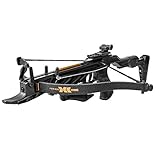
7. Bear X Desire XL Pistol Hunting Crossbow, Self-Cocking, Adjustable Stock up to 2.5", Compact Design, Includes 3 Premium Bolts, Dependable Accuracy
Overview:
The Bear X Desire XL Pistol Crossbow offers a unique blend of pistol-style portability with enhanced stability features. Reaching speeds of 175 FPS, this self-cocking crossbow serves as a compact solution for small game hunting, pest control, or recreational shooting. Its adjustable stock extends up to 2.5 inches, providing surprising customization rarely seen in pistol crossbows.
What Makes It Stand Out:
The self-cocking mechanism eliminates the struggle of traditional pistol crossbow loading, making it remarkably user-friendly. The adjustable stock is a game-changer for this category, allowing shooters to achieve better shoulder alignment and stability. The forearm grip enhances control and safety during shooting, addressing common concerns with pistol crossbow handling.
Value for Money:
Positioned as an affordable entry-level option, the Desire XL includes three premium bolts, providing immediate shooting capability. While its 175 FPS limits effective range compared to full-size crossbows, it delivers fair value for close-range applications. However, serious hunters will find its power insufficient for larger game, restricting its utility to recreational or pest control purposes.
Strengths and Weaknesses:
Strengths include compact portability, easy self-cocking mechanism, adjustable stock, and user-friendly design. Weaknesses are the modest 175 FPS velocity limiting effective range and hunting capability, plus the inherent accuracy challenges of pistol crossbows at distance. The included bolts are decent quality but limited in quantity.
Bottom Line:
The Bear X Desire XL excels as a specialized tool for close-range pest control or fun target shooting. Its innovative adjustable stock and self-cocking design make it accessible, but hunters seeking ethical, versatile performance should invest in a full-size crossbow instead.
8. Barnett Hyper Whitetail 410 Crossbow Bundle – 410 FPS HyperFlite Technology + 5-Pack Arrows + Sling – Illuminated 4x32 Scope, Rope Cocking Sled & String Dampeners for Precision Hunting

Overview:
The Barnett Hyper Whitetail 410 represents the cutting edge of crossbow technology, firing small-diameter HyperFlite arrows at a blistering 410 FPS. This premium bundle includes everything needed for serious hunting, combining Barnett’s legendary durability with innovative engineering designed for maximum penetration and accuracy in the field.
What Makes It Stand Out:
HyperFlite technology is the star feature, using .204-inch diameter arrows that deliver 25% deeper penetration than standard bolts, creating devastating wound channels. The comprehensive bundle adds exceptional value with five extra arrows and a quality sling—items typically purchased separately. Barnett’s attention to user comfort shows in the pass-through foregrip and strategic rubber touchpoints that reduce vibration and improve handling.
Value for Money:
While priced at the premium end, the Hyper Whitetail 410 justifies its cost through included accessories worth $150+ and proprietary technology that enhances lethality. Comparable high-performance crossbows often lack the arrow bundle and sling, making this a cost-effective package for hunters wanting top-tier equipment without piecing together components.
Strengths and Weaknesses:
Strengths include blistering 410 FPS speed, revolutionary HyperFlite arrow system, excellent accessory bundle, and comfortable ergonomic design. The specialized arrows mean standard bolts won’t perform optimally, creating ongoing investment requirements. The higher price point may deter budget-conscious buyers, and the narrow arrows require precise broadhead selection.
Bottom Line:
The Barnett Hyper Whitetail 410 is a top-tier choice for serious hunters demanding maximum penetration and speed. Its innovative arrow technology and comprehensive bundle provide excellent value, making it worth every penny for those pursuing large game in challenging conditions.
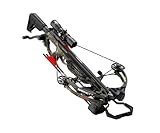
9. Barnett Expedition 385 Hunting Crossbow - Compact, Fast 385fps, Adjustable Butt Stock, Veil Camo, Triggertech Trigger, 4x32 Scope, Aluminum Flight Track, Headhunter Bolts, with CCD.
Overview:
The Barnett Expedition 385 delivers a well-balanced hunting package emphasizing ease of use and reliability. Firing at 385 FPS, this crossbow features a convenient cocking assist crank, TriggerTech trigger, and Veil Camo finish. The ready-to-hunt package includes Headhunter bolts and a side-mount quiver, targeting hunters seeking dependable performance without excessive complexity.
What Makes It Stand Out:
The integrated cocking assist crank is a major advantage, reducing draw weight effort and ensuring consistent string alignment for improved accuracy. Barnett’s TriggerTech trigger system provides a crisp, clean break that enhances shot placement confidence. The Veil Camo pattern offers effective concealment across diverse environments, while the aluminum flight track ensures consistent arrow flight.
Value for Money:
The Expedition 385 hits a sweet spot between performance and affordability. While not the fastest crossbow available, its inclusion of a crank device—which often costs $100+ separately—adds significant value. The package provides premium features like TriggerTech and quality bolts at a mid-range price, making it accessible to dedicated hunters upgrading their gear.
Strengths and Weaknesses:
Strengths include easy cocking crank, excellent TriggerTech trigger, effective camouflage, and stable aluminum track. The 385 FPS velocity, while respectable, lags behind 400+ FPS competitors in this price range. The side-mount quiver can interfere with certain shooting positions, and the included scope is basic compared to premium optics.
Bottom Line:
The Barnett Expedition 385 is an outstanding all-around hunting crossbow that prioritizes user-friendly operation and reliability. Its cocking crank and superior trigger make it an excellent choice for hunters wanting quality performance without the premium price tag of flagship models.
10. Killer Instinct BOSS 405 Camo Crossbow - 405 FPS Compact Hunting Package with Micro‑Lite Barrel, 4×32 IR Scope & Accessories

Overview:
The Killer Instinct BOSS 405 combines devastating power with remarkable portability, delivering 405 FPS velocities from a lightweight 6.7-pound platform. Generating 134 ft-lbs of kinetic energy, this crossbow handles everything from varmints to large game. Its adjustable design and compact 14.75-inch cocked width make it ideal for mobile hunters navigating dense terrain or tight treestands.
What Makes It Stand Out:
The BOSS 405’s exceptional power-to-weight ratio is its defining characteristic, offering flagship velocities in an ultra-maneuverable package. The 6-position adjustable stock and X-Lok foregrip provide customized ergonomics for shooters of all sizes. Killer Instinct’s Micro-Lite aluminum barrel reduces weight while maintaining structural integrity, enhancing balance and aim stability during long hunts.
Value for Money:
This crossbow delivers premium performance specs at a competitive mid-range price point. The included 4x32 IR scope, rope cocker, quiver, three HYPR Lite bolts, and string dampeners represent a complete hunting package. Comparable lightweight crossbows with similar speeds typically cost significantly more, making the BOSS 405 an exceptional value for mobile hunters.
Strengths and Weaknesses:
Strengths include impressive 405 FPS speed, lightweight compact design, excellent adjustability, and comprehensive accessory package. The limited lifetime warranty covers only non-wearable parts for the original owner, which is less generous than some competitors. The rope cocker, while functional, feels like a slight mismatch given the crossbow’s otherwise premium features.
Bottom Line:
The Killer Instinct BOSS 405 is perfect for hunters demanding maximum mobility without sacrificing power. Its lightweight design and adjustable fit make it ideal for spot-and-stalk or treestand hunting, offering professional-grade performance at an accessible price point.
Understanding Modern Crossbow Technology for Deer Hunting
The landscape of crossbow engineering has transformed dramatically in recent years, with 2026 models incorporating technologies borrowed from aerospace and competitive shooting. Today’s premium hunting crossbows deliver speeds that were unimaginable a decade ago while maintaining unprecedented accuracy and reliability. Understanding these advancements helps you make an informed decision rather than chasing specifications that don’t necessarily translate to better field performance.
Kinetic Energy Thresholds for Ethical Harvests
For deer-sized game, experts consistently recommend crossbows generating at least 70-75 foot-pounds of kinetic energy. This threshold ensures adequate penetration through bone and muscle, even on less-than-perfect shot angles. The 2026 generation of hunting crossbows makes this easier to achieve, with many mid-range models comfortably exceeding 80 foot-pounds. Remember that kinetic energy depends on both arrow weight and velocity, so a slower crossbow shooting heavier bolts may deliver more stopping power than a faster model shooting lighter projectiles.
Speed vs. Accuracy: Finding the Sweet Spot
While speeds exceeding 400 feet per minute dominate marketing materials, most seasoned hunters find their sweet spot between 380-420 FPS. Beyond this range, diminishing returns kick in as arrow spine tolerances become more critical and noise levels increase. The most effective deer hunting crossbows in 2026 balance velocity with shootability, offering flat trajectories without sacrificing the forgiveness that comes from moderate power strokes. Consider your typical hunting distances—if most shots occur under 40 yards, extreme speed becomes less valuable than consistent accuracy.
Draw Weight Considerations for Different Hunters
Draw weight directly affects cocking effort, cocking method options, and overall safety. Modern crossbows range from 150 to over 250 pounds of draw weight, with each category serving different hunter profiles and physical capabilities.
Physical Limitations and Cocking Solutions
Not every hunter can manually cock a 200-pound crossbow, and that’s perfectly acceptable. Integrated crank cocking systems have become standard on most 2026 models, reducing effort by 90% while ensuring perfectly consistent string alignment. These systems are quieter than rope cockers and eliminate the twisting motion that can throw off accuracy. For hunters with shoulder issues or reduced upper body strength, looking for crossbows with built-in cranks isn’t just convenient—it’s essential for safe, consistent operation.
Adjustable Draw Weight Systems
Some innovative 2026 crossbows feature modular limb systems that allow draw weight adjustment without replacing entire limbs. This versatility lets you start at a lower weight for practice and target shooting, then increase power for hunting season. It also enables multiple family members to use the same crossbow comfortably. While these systems typically cost more upfront, the long-term value and adaptability make them worth considering for households with hunters of varying statures and strength levels.
Axle-to-Axle Length: Compact vs. Full-Size
The distance between the limbs’ axles significantly affects maneuverability, stability, and overall hunting experience. Each configuration offers distinct advantages depending on your hunting style and terrain.
Maneuverability in Tree Stands
Narrow crossbows measuring under 12 inches axle-to-axle when cocked excel in elevated hunting situations. Their slim profile makes them easier to shoulder in tight quarters and less likely to catch on branches or stand rails when drawing on deer. However, this compactness often comes with a more aggressive power stroke and increased vibration. For 2026, look for narrow designs that incorporate enhanced dampening to offset the physics of their compact geometry.
Stability for Ground Blind Hunting
Wider crossbows (16+ inches axle-to-axle) provide inherent stability due to their longer power stroke and more forgiving limb geometry. In ground blinds where space isn’t as constrained, these full-size models often deliver smoother shots and less felt recoil. The additional mass also helps absorb vibration, making them inherently quieter. If your deer hunting primarily involves stationary blind setups, sacrificing compactness for stability and smoothness typically yields better results.
Optics and Sight Systems
The best crossbow in the world won’t perform if you can’t see your target clearly or accurately judge distance. Modern sight systems have evolved far beyond basic multi-pin setups.
Illuminated Scope Features
Quality illuminated reticles have become non-negotiable for low-light hunting conditions when deer are most active. The 2026 standard includes multiple brightness settings, rheostat controls that won’t accidentally adjust in your pack, and reticles calibrated for specific speed ranges. Look for scopes with etched glass reticles rather than wire— they’re more durable and maintain zero better after rough handling. Red and green illumination options provide versatility for different lighting and vegetation backgrounds.
Rangefinding Integration
Built-in laser rangefinding scopes represent one of the most significant advancements for 2026. These systems display exact distance within the scope view, eliminating the need to fumble with a separate rangefinder when a buck appears. The best implementations offer angle compensation for elevated tree stand shots and can factor in arrow drop automatically. While adding considerable cost, this technology removes the single biggest variable in crossbow accuracy—misjudged distance.
Noise and Vibration Control
A crossbow’s report can spook deer before the arrow arrives, especially at closer ranges. Modern sound suppression technology has become sophisticated enough to make crossbows nearly as quiet as compound bows.
Sound Dampening Technologies
The 2026 crop of hunting crossbows employs multiple dampening strategies: limb vibration absorbers, string stops with progressive cushioning, and barrel-mounted suppressors. The most effective systems use a combination approach, targeting both high-frequency string twang and low-frequency limb vibration. When evaluating crossbows, pay attention to the materials used in these components—quality rubber and proprietary polymer blends outperform basic plastic pieces that harden in cold weather.
The Importance of Stealth
Beyond the shot itself, consider noise during cocking and loading. Some crank systems operate nearly silently, while others produce distinctive clicking that can alert nearby deer. The best hunting crossbows incorporate sound-dampening into every stage of operation, from cocking to safety engagement to the shot. This holistic approach to stealth matters more than any single noise-reduction feature.
Safety Features and Mechanisms
Crossbows store tremendous energy, making robust safety systems essential for injury prevention and confidence in the field.
Anti-Dry Fire Systems
Modern anti-dry fire mechanisms prevent the crossbow from firing without an arrow loaded, protecting both the shooter and the equipment. The 2026 standard includes automatic engagement that resets after each shot, eliminating the possibility of forgetfulness. Look for systems that allow easy de-cocking without firing a bolt—a crucial feature for safely unloading at day’s end. The best implementations work seamlessly without adding complexity to your shooting process.
Finger Guards and Safety First Design
String pinch injuries can be severe, especially for hunters wearing gloves in cold weather. Extended finger guards and flared foregrips help keep digits safely below the string path. Some 2026 models feature tactile indicators on the grip, providing physical feedback when your hand is properly positioned. These design elements demonstrate a manufacturer’s commitment to hunter safety beyond minimum requirements.
Build Quality and Materials
Construction materials directly impact durability, weight, and performance in varying weather conditions. Understanding the trade-offs helps you choose a crossbow that lasts multiple seasons.
Carbon Fiber vs. Aluminum Construction
Carbon fiber risers and barrels reduce weight by 20-30% compared to aluminum while absorbing vibration more effectively. However, premium aluminum alloys offer superior impact resistance and often cost less. For 2026, hybrid approaches are gaining popularity—carbon fiber where it benefits performance, aluminum where durability is paramount. Consider your hunting style: backcountry hunters benefit most from weight savings, while those hunting from permanent stands might prioritize durability over ounces.
Weather Resistance for All-Season Hunts
Quality crossbows now feature sealed trigger boxes, stainless steel hardware, and corrosion-resistant finishes as standard. For hunting in extreme conditions, look for additional protections like o-ring sealed scope mounts and limb pockets designed to shed water and debris. The best manufacturers back their weatherproofing claims with warranties that specifically cover corrosion and water damage, giving you confidence for those wet November rut hunts.
Budget Considerations and Value
Price ranges for capable deer hunting crossbows span from under $500 to over $2,500 in 2026. Understanding where your money goes helps maximize value without sacrificing critical performance.
Entry-Level Options That Perform
Modern budget crossbows (under $800) now include features previously reserved for premium models: integrated cranks, illuminated scopes, and adequate speed for deer hunting. The primary differences lie in materials, refinement, and long-term durability. For hunters shooting a few times per season, these entry-level options often provide everything needed for ethical, successful hunts. Focus on models from established manufacturers who offer solid warranties and customer support rather than chasing the highest speed in this price bracket.
Premium Features Worth the Investment
Higher-end crossbows justify their cost through incremental improvements that serious hunters appreciate: smoother triggers (under 3 pounds), better balance, superior noise suppression, and exceptional build quality. The law of diminishing returns applies strongly above $1,500, but for those who hunt extensively or compete in 3D archery during off-season, these refinements translate to more consistent performance. Consider premium models as long-term investments that maintain value and performance over many seasons.
Legal Compliance for 2026 Seasons
Crossbow regulations vary significantly by state and even change annually. Staying informed prevents legal issues and ensures your equipment meets all requirements.
Minimum Requirements by Region
Most states mandate minimum draw weights (typically 125-150 pounds) and arrow lengths (usually 14-16 inches) for deer hunting. Some jurisdictions also specify minimum kinetic energy or arrow weight. Before purchasing, verify your specific state’s 2026 regulations, as several are updating standards to reflect modern crossbow capabilities. The most hunter-friendly manufacturers publish compliance charts showing which models meet requirements in each state.
Certification and Testing Standards
Look for crossbows tested to ASTM standards, which ensure consistent performance and safety metrics. Some states now require specific certifications for crossbows used in special hunts or during archery seasons. Reputable manufacturers provide documentation of these tests, giving you confidence that performance claims are verified by third parties rather than marketing departments. This documentation can also be valuable if questioned by wildlife officers in the field.
Frequently Asked Questions
What draw weight is necessary for ethical deer hunting with a crossbow?
For most adults, 150-175 pounds provides adequate power for deer, generating sufficient kinetic energy for clean kills. However, modern crossbows with efficient cam systems can achieve lethal performance at 125 pounds when paired with proper arrow weight. Always prioritize shot placement over raw power.
How far can I ethically shoot a deer with a modern crossbow?
Most experts recommend limiting shots to 40-50 yards, even with high-speed models. Beyond this distance, arrow flight time increases, giving deer opportunity to move. Additionally, wind drift and minor form errors magnify dramatically past 50 yards. Practice regularly at your maximum intended hunting distance.
Are narrow crossbows less accurate than wider models?
Not inherently. Narrow crossbows can be just as accurate, but they often have more aggressive power strokes that amplify shooter error. Wider crossbows tend to be more forgiving of imperfect form. For most hunters, quality practice with either style yields excellent accuracy within typical hunting ranges.
What maintenance does a hunting crossbow require?
Inspect strings and cables before each season for wear or fraying. Apply rail lube every 15-20 shots. Check all screws and bolts periodically, especially after the first dozen shots with a new crossbow. Store uncocked in a climate-controlled environment. Most manufacturers recommend professional inspection every two years or 500 shots.
Can I use the same crossbow for deer and turkey hunting?
Yes, with proper broadheads and possibly different arrow setups. Turkeys require precise head/neck shots, so many hunters prefer lighter, faster arrows with mechanical broadheads for turkeys. Deer hunting typically benefits from heavier arrows and fixed-blade broadheads for better penetration. Your crossbow should handle both with appropriate tuning.
How important is crossbow weight for all-day hunts?
Every pound matters when carrying gear long distances, but stability often improves with moderate weight (7-8 pounds). Carbon fiber models can reduce weight to 6 pounds without sacrificing performance. Consider your hunting style—tree stand hunters can prioritize features over ounces, while spot-and-stalk hunters should minimize weight.
Should I buy a crossbow package or individual components?
Packages offer excellent value and ensure compatibility, typically including scope, quiver, and arrows matched to the crossbow. However, serious hunters often upgrade scopes and arrows immediately. If you have specific preferences for optics or want premium arrows, buying bare bow and selecting components separately may be better long-term.
What’s the difference between reverse-draw and traditional crossbow design?
Reverse-draw crossbows position the limbs opposite the traditional orientation, resulting in longer power strokes and smoother shots with less vibration. They often achieve higher speeds with lower draw weights. Traditional designs are simpler, typically more compact, and sometimes more durable. Both designs harvest deer effectively when properly executed.
How long do crossbow strings last?
With proper care, expect 200-300 shots or 2-3 hunting seasons. Heavy use, extreme temperatures, and poor maintenance shorten lifespan. Replace strings at the first sign of serving separation or fraying. Always use manufacturer-recommended strings—aftermarket strings can void warranties and affect performance.
Are crank cocking systems worth the extra cost?
Absolutely for most hunters. Crank systems reduce cocking effort by 90%, ensure perfect string alignment every time, and operate much more quietly than rope cockers. They also allow hunters with physical limitations to use higher-performance crossbows safely. The consistency alone often improves accuracy enough to justify the cost.