Table of Contents
Imagine standing knee-deep in a frozen marsh at dawn, your breath crystallizing in the air while you wait for the perfect shot. One wrong move, one compromised seam, and the icy water seeps in. Within minutes, numbness sets in, not just in your feet, but in your entire hunting strategy. For extreme weather hunters, the difference between a successful expedition and a miserable, potentially dangerous retreat often hinges on a single, overlooked piece of gear: your boot covers. They’re not just an accessory; they’re the critical barrier between you and the elements that can end your hunt before it begins. In conditions where temperatures plummet below freezing, wind howls relentlessly, or snow turns to slush, standard hunting boots frequently hit their limit. That’s where high-performance boot covers step in, transforming your existing footwear into a fortress against nature’s harshest assaults.
The stakes couldn’t be higher. Wet, cold feet aren’t merely uncomfortable—they sap your energy, impair your focus, and significantly increase the risk of frostbite or hypothermia in extreme scenarios. Yet, many hunters still treat boot covers as an afterthought, grabbing whatever’s on sale without considering the specific, brutal demands of their environment. As weather patterns become increasingly unpredictable and hunters push further into remote, unforgiving territories, relying on outdated or inadequate protection is a gamble you simply can’t afford. Investing time to understand what truly makes a boot cover effective for your specific extreme conditions isn’t just smart preparation; it’s fundamental to your safety, endurance, and ultimately, your success in the field. Let’s break down exactly what you need to look for to stay dry, warm, and mobile when it matters most.
Top 10 Hunting Boot Covers
Detailed Product Reviews
1. ArcticShield Boot Insulators Men’s Boot Insulators, Realtree APX, X-Large (12-13)

Overview:
The ArcticShield Boot Insulators are lightweight overboots designed to add significant warmth to existing footwear during cold-weather activities. Made from 100% polyester tricot, they utilize patented heat retention technology and feature a windproof, water-resistant construction suitable for hunting, hiking, or casual winter use.
What Makes It Stand Out:
Its standout features include exceptional packability—rolling down to pocket size—and a practical drawcord adjustment system paired with a heavy-duty locking zipper for a secure, customizable fit over various boot styles. The Realtree APX camouflage pattern enhances stealth in woodland environments, while the focus on minimal bulk differentiates it from heavier alternatives.
Value for Money:
Priced mid-range, these insulators deliver solid value for occasional cold-weather users seeking supplemental warmth without replacing insulated boots. They outperform cheaper neoprene covers in breathability and packability but lack the extreme cold (-4°F) protection of pricier competitors, making them ideal for temps above freezing.
Strengths and Weaknesses:
Strengths: Ultra-lightweight, highly portable, easy on/off with zipper, effective wind resistance, Realtree APX camo. Weaknesses: Limited warmth for sub-zero conditions, no specialized sole (slippery on ice), polyester fabric may snag on rough terrain.
Bottom Line:
A practical, affordable solution for mild to moderately cold conditions, especially for hunters prioritizing mobility and camouflage. Best for temps above 20°F; not recommended for deep-freeze expeditions.
2. Hunthor Insulated Boot Covers, 600D Durable Cold Weather Insulators with Water-Resistant PU Leather, Non-Slip Boot Covers for Hunting, Fishing, Camping, and Outdoor Activities (Next Camo)

Overview:
Hunthor’s insulated boot covers target extreme cold with a focus on hunters, using aluminum foil and 5mm pearl cotton insulation to maintain warmth down to -4°F. Constructed with 600D fabric and water-resistant PU leather, they prioritize durability and weather protection for frozen terrains.
What Makes It Stand Out:
The integrated skid-proof PU leather sole provides critical traction on ice, while the noise-reducing camo fabric ensures stealth in dense cover. The combination of aluminum foil for radiant heat reflection and thick cotton insulation offers superior thermal performance unmatched by basic tricot models.
Value for Money:
Competitively priced for its sub-zero capability, it justifies cost through specialized hunting features like aggressive sole grip and quiet camo. Cheaper alternatives lack the sole durability and precise temperature rating, though budget buyers might find it steep for occasional use.
Strengths and Weaknesses:
Strengths: Exceptional cold retention (-4°F), waterproof upper/sole, non-slip PU leather tread, effective camo, easy zipper/drawstring fit. Weaknesses: Bulkier than ultra-light options, PU sole may stiffen in extreme cold, limited breathability during exertion.
Bottom Line:
A top choice for serious hunters facing sub-zero conditions, offering reliable warmth and safety on slick surfaces. Worth the investment for frequent winter expeditions but overkill for mild climates.
3. Hunthor Insulated Boot Covers, 600D Durable Cold Weather Insulators with Water-Resistant PU Leather, Non-Slip Boot Covers for Hunting, Fishing, Camping, and Outdoor Activities (Next Camo)

Overview:
Identical to Product 2 in features and construction, this Hunthor model delivers the same specialized cold-weather protection for hunters, using aluminum foil and 5mm pearl cotton insulation rated to -4°F. Its 600D fabric and water-resistant PU leather target wet, frigid environments.
What Makes It Stand Out:
The standout element remains the dual-action insulation system (aluminum foil + pearl cotton) and the skid-proof PU leather sole, which prevents slips on icy trails. The noise-minimizing camo fabric also excels for stalking game in snowy forests without rustling.
Value for Money:
Priced identically to Product 2, it offers identical value: premium protection justifying cost for dedicated hunters. While expensive versus basic insulators, the sub-zero rating and sole durability make it cost-effective for those regularly enduring harsh conditions.
Strengths and Weaknesses:
Strengths: Reliable -4°F warmth, waterproof construction, aggressive non-slip sole, quiet camo design, size inclusivity (S–XXL). Weaknesses: Heavier than packable options, potential overheating in variable temps, PU sole requires dry storage to prevent cracking.
Bottom Line:
An essential upgrade for hunters in freezing, slippery conditions. Identical to Product 2—choose based on camo preference (Next Camo). Avoid if seeking minimalist warmth for milder cold.
4. Croknit Insulated Boot Covers for Hunting Fishing Outdoor, Fleece Feet Warmer with Adjustable Drawstring and Interlayer for Heating Pads, for Men Women, Waterproof Hunting Boot Cover for Cold Weather

Overview:
Croknit’s unisex boot covers merge fleece-lined warmth with innovative versatility, featuring a dedicated interlayer for disposable heating pads. Designed for sub-zero hunting or fishing, they combine waterproof protection with customizable heat retention.
What Makes It Stand Out:
The unique heating pad interlayer sets it apart, allowing extended warmth in extreme cold beyond passive insulation. The high-density waterproof outer shell and fleece lining also provide superior moisture management versus competitors relying solely on synthetic insulation.
Value for Money:
Priced at a premium, it’s justified for users needing adaptable heat—especially ice fishers or hunters in prolonged sub-zero waits. Cheaper covers lack the heating pad integration, though casual users might prefer simpler, less expensive options.
Strengths and Weaknesses:
Strengths: Heating pad compatibility, excellent waterproofing, unisex fit, lightweight portability, versatile for multiple activities. Weaknesses: Interlayer adds slight bulk, heating pads require separate purchase, fleece may retain odors over time.
Bottom Line:
Ideal for adventurers facing extreme cold who value customizable warmth. The heating pad feature makes it a standout investment despite the higher cost, particularly for stationary winter sports.
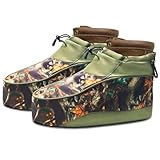
5. Anglekai Insulated Boot Cover, Warmth Boot Covers for Hunting Tree Stand/Cold Weather Protection
Overview:
Anglekai’s boot covers are engineered for tree-stand hunters, featuring 5mm thermal pearl sponge and aluminum foil insulation. With a compact 600D Oxford shell and camo pattern, they prioritize quiet movement and windproofing in elevated hunting scenarios.
What Makes It Stand Out:
The embedded grip points on the sole prevent slipping during climbs, while the smooth, noise-reducing brushed surface avoids snagging on branches—a critical stealth advantage. The included backpack buckle for storage is a thoughtful touch for mobile hunters.
Value for Money:
Offering specialized tree-stand features at a mid-tier price, it delivers strong value for hunters prioritizing safety and silence. Generic insulators lack the grip points and branch-resistant fabric, though non-hunters may find it less versatile.
Strengths and Weaknesses:
Strengths: Tree-stand optimized grip sole, whisper-quiet fabric, compact buckle storage, effective windproofing, green camo for winter woods. Weaknesses: Limited size adjustability, modest warmth (-10°F claimed but unverified), less padding than competitors.
Bottom Line:
A niche but excellent choice for tree-stand hunters needing reliable traction and silent operation. Skip if you require heavy insulation or multi-terrain versatility.
6. Hunthor Insulated Boot Covers, 600D Durable Cold Weather Insulators with Water-Resistant PU Leather, Non-Slip Boot Covers for Hunting, Fishing, Camping, and Outdoor Activities (Next Camo)
Overview:
Hunthor’s insulated boot covers target hunters and outdoor enthusiasts needing foot warmth in sub-zero conditions. Engineered with aluminum foil and 5mm pearl cotton, they claim to keep feet comfortable down to -4°F while featuring a camo pattern for concealment during activities like hunting or birdwatching.
What Makes It Stand Out:
The standout elements are the PU leather non-slip sole for wet terrain, noise-reducing camo fabric, and an adjustable drawstring with zipper for secure fit. The inclusion of size options (S to XXL) accommodates various boot styles, enhancing versatility across hunting, fishing, and camping scenarios.
Value for Money:
Priced mid-range, these covers justify cost through durable 600D construction and multi-scenario usability. While pricier than basic models, the waterproofing, thermal efficiency, and size inclusivity offer better longevity than disposable alternatives, making them cost-effective for frequent winter outdoorsmen.
Strengths and Weaknesses:
Strengths: Excellent insulation for extreme cold, reliable traction on slippery surfaces, effective camouflage, and precise sizing flexibility. Weaknesses: Aluminum foil layer may degrade with rough use; PU sole, while grippy, lacks deep lugs for muddy terrain; zipper could snag with repeated use.
Bottom Line:
Ideal for hunters prioritizing warmth and stealth in freezing, wet conditions. Despite minor durability concerns, the robust features and size range make these a top-tier investment for serious cold-weather expeditions.
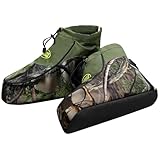
7. MYDAYS OUTDOOR Insulated Boot Covers, Lightweight Insulator for Hunting, Durable Waterproof Blanket for Men Women, Cold Weather XL
Overview:
MYDAYS offers lightweight insulated boot covers focused on warmth and ease of use for hunters and photographers. Constructed with pearl sponge, aluminum foil, and 600D Oxford fabric, they promise windproof comfort in winter while featuring a universal camo design for outdoor concealment.
What Makes It Stand Out:
The minimalist design emphasizes portability and quiet movement, crucial for wildlife photography. The heavy-duty zipper and elastic drawstring ensure quick adjustments, while the camo pattern blends into forested environments. Its multipurpose use—from surveillance to fishing—broadens its appeal beyond traditional hunting.
Value for Money:
Competitively priced for entry-level users, though limited to three sizes (vs. competitors’ five). The materials deliver solid warmth but lack Hunthor’s or UIIHUNT’s refined insulation claims. Best for occasional users; frequent hunters may find durability lacking compared to premium options.
Strengths and Weaknesses:
Strengths: Lightweight and packable, simple one-handed adjustment, effective wind resistance, and versatile camo. Weaknesses: Narrow size selection risks poor fit; no explicit waterproof sole rating; insulation thickness (unspecified) may falter below 15°F.
Bottom Line:
A budget-friendly, portable choice for mild-winter activities like birdwatching, but less suited for extreme cold or users needing precise sizing. Opt for pricier alternatives if durability is critical.
8. Muddy Overshoe Foot Warmer/Brown Clay/Large 8-11

Overview:
Muddy’s neoprene overshoe is a specialized foot-warmer designed exclusively for stationary winter hunting, like treestand sits. It includes two disposable hand warmers stored in an exterior pocket and targets temperatures below 25°F, prioritizing warmth over mobility.
What Makes It Stand Out:
The integrated hand-warmer pocket is unique, allowing active heat customization during long sits. Neoprene construction ensures flexibility without bulk, while the thin grip sole maintains quiet movement—critical for undetected treestand hunting where hiking isn’t required.
Value for Money:
Priced affordably as a niche product, it delivers exceptional value for stationary hunters. Including two Muddy hand warmers adds immediate utility, but the lack of versatility (e.g., no hiking suitability) limits broader appeal. Cheaper than full boot covers but serves a narrower purpose.
Strengths and Weaknesses:
Strengths: Unbeatable warmth for static use, quiet neoprene material, hand-warmer convenience, and durable thin sole. Weaknesses: Zero traction for walking; not waterproof; useless for hiking or active pursuits; size range is limited (Large only).
Bottom Line:
A must-have for treestand hunters battling sub-25°F cold, but avoid if mobility is needed. Its specialized design excels in one scenario but fails as an all-purpose solution.
9. RunNico Waterproof Camo Boot Insulated Covers, 600D Hunting Non-Slip Boot Cover with Adjustable Drawstring, Cold Weather Boot Insulators for Men Women Hunting Camping Fishing Wildlife Photography

Overview:
RunNico’s boot covers blend affordability with practicality for hunters and photographers. Made from 600D Oxford cloth with aluminum-sponge lining, they offer waterproofing and wind resistance, featuring a camo pattern and non-slip soles for diverse cold-weather activities.
What Makes It Stand Out:
The buckle-hang design for backpack storage and smooth, easy-clean fabric enhance portability—a rarity in this category. The adjustable drawstring/zipper combo ensures stability, while the focus on quiet movement benefits stealth-focused users like wildlife photographers.
Value for Money:
An economical mid-tier option, undercutting Hunthor and UIIHUNT. Though insulation specs are vague, the waterproofing and backpack-friendly features provide solid utility for casual users. Best for those prioritizing packability over extreme-temperature performance.
Strengths and Weaknesses:
Strengths: Excellent portability via buckles, easy maintenance, reliable non-slip grip, and unisex sizing. Weaknesses: Size inaccuracies noted in specs; no hand-warmer pocket; insulation less robust than premium rivals below 10°F.
Bottom Line:
Perfect for photographers or weekend hunters needing compact, quiet coverage in damp, moderately cold conditions. Skip if facing deep-freeze temps or requiring precise thermal metrics.
10. UIIHUNT Insulated Boot Covers, Hunting Boot Insulators, Water-Resistant, Lightweight Warmth, Premium Cold Weather Protection for Hunting, Tree Stand & Saddle Accessories

Overview:
UIIHUNT positions itself as a premium insulated boot cover with patented heat retention, targeting hunters in extreme cold. It combines aluminum foil, 5mm pearl cotton, and waterproof fabric to promise comfort at 85°F ambient even when temps drop to 20°F.
What Makes It Stand Out:
The patented insulation system and “85°F” warmth claim (marketing-simplified) differentiate it, alongside brushed tricot fabric for silent movement. The hook-and-roll portability and camo effective within 5 meters cater specifically to stalking hunters and photographers needing stealth.
Value for Money:
Priced at the high end, it justifies cost through superior materials and thoughtful details like the secure hook. While expensive, the durability and thermal performance outclass budget models, making it worthwhile for professionals facing frequent sub-20°F hunts.
Strengths and Weaknesses:
Strengths: Best-in-class insulation claims, exceptional quietness, rugged waterproofing, and ultra-portable design. Weaknesses: “85°F” warmth is misleading (refers to internal microclimate); limited size feedback in specs; premium cost may deter casual users.
Bottom Line:
The top choice for serious hunters demanding reliability in brutal cold, despite the price. Prioritize this for tree-stand or saddle hunting where silence and warmth are non-negotiable.
Why Boot Covers Are Non-Negotiable for Extreme Conditions
Understanding the Limitations of Standard Hunting Boots
Even the best insulated hunting boots have a breaking point when faced with deep snow, icy water, or prolonged exposure to freezing rain. Their materials can become saturated, insulation loses effectiveness when wet, and zippers or seams may fail under extreme pressure. Boot covers act as a sacrificial outer layer, taking the brunt of the punishment—mud, abrasion, freezing water—while preserving the integrity and longevity of your primary investment in quality footwear. They extend the usable range of your boots far beyond their rated specifications.
The Critical Role in Moisture Management
Moisture is the silent killer of comfort and performance in cold weather. It’s not just about external water; sweat buildup inside your boot is equally problematic. Effective boot covers create a critical vapor barrier or utilize advanced breathable membranes that prevent external water ingress while allowing internal perspiration to escape. This dual-action is vital for maintaining a dry microclimate around your foot, preventing the dangerous cycle of wetness leading to cold, which then leads to more shivering and sweat.
Enhancing Thermal Efficiency Beyond Insulation Ratings
While your boots provide baseline insulation, boot covers significantly amplify thermal retention. They trap an additional layer of air close to the foot and leg, creating a buffer zone that slows heat loss. Crucially, they protect the insulation within your boots from compression (which drastically reduces its effectiveness) caused by deep snow or tight waders. In sub-zero winds, this extra layer can mean the difference between functional warmth and debilitating cold.
Decoding Essential Features for Extreme Weather Performance
Waterproofing Technology Beyond Basic Ratings
Don’t just look for “waterproof.” Seek out specific construction details: fully taped internal seams are non-negotiable for true waterproof integrity under pressure. Evaluate the waterproof rating (measured in mm—aim for 20,000mm+ for extreme conditions), but prioritize the type of membrane or coating. Laminated, multi-layer fabrics with durable water repellent (DWR) finishes offer superior long-term performance compared to single-coated options that can degrade quickly. Pay attention to how the waterproofing integrates at critical stress points like the sole attachment and closure systems.
Insulation Types and Strategic Layering
Insulation within boot covers serves a different purpose than in your main boots. It’s primarily about trapping air and protecting your primary insulation from the elements. Look for lightweight, non-compressible synthetic insulation (like PrimaLoft variants) that retains warmth even if slightly damp. Avoid bulky insulation that restricts movement or compresses easily in deep snow. Remember, the cover’s insulation works with your boot’s insulation; the goal is optimal layering, not maximum thickness that hinders mobility.
Breathability: The Often-Overlooked Factor
In high-exertion scenarios like climbing steep terrain in cold weather, breathability is as crucial as waterproofing. Trapped sweat vapor will condense inside your system, making you wet from the inside out. Advanced breathable membranes (look for high MVTR ratings – Moisture Vapor Transmission Rate) allow this vapor to escape while blocking liquid water. Balance is key: the most waterproof materials are often least breathable, so choose based on your primary activity—static hunting vs. high-movement pursuits.
Durability Meets Flexibility: Material Science Matters
Extreme conditions demand materials that resist abrasion from rocks, ice, and brush without sacrificing flexibility. Reinforced high-wear zones (toe cap, instep, lower leg) are essential. Look for high-denier fabrics (400D+), but ensure they are paired with strategic articulation and stretch panels (often using spandex or elasticized zones) around the ankle and calf. This prevents the stiff, restrictive feel of older boot cover designs, allowing natural movement crucial for navigating tricky terrain.
Secure and Weatherproof Closure Systems
A boot cover is useless if water seeps in at the top. Evaluate closure systems rigorously. Overlapping storm flaps with extended Velcro or heavy-duty snaps are superior to simple elastic bands. Look for adjustable calf straps that create a true seal against snow and wind without cutting off circulation. The closure must function reliably even with cold, gloved hands and remain secure during strenuous activity. Test how easily it seals over bulky winter pants or gaiters.
Perfecting the Fit: Where Comfort Meets Function
Sizing for Layering Without Constriction
Boot covers must accommodate your hunting boots plus any additional sock layers you’ll wear in extreme cold, without being so loose they catch on brush or cause tripping hazards. Measure your boot’s widest circumference (usually the calf) and compare it meticulously to the cover’s size chart. Prioritize brands offering multiple calf width options. A slightly oversized cover is better than a tight one, but excessive bagginess compromises mobility and increases snag risk.
Ankle Mobility and Gait Considerations
Restricted ankle movement is a major cause of fatigue and instability on uneven ground. Flex zones, gusseted designs, or strategically placed stretch panels around the ankle are critical features. Try mimicking hunting movements (squatting, stepping over logs) when checking fit. The cover shouldn’t bind or pull excessively. Ensure the sole design (if it has one) doesn’t create an overly stiff or slippery platform underfoot.
Compatibility with Your Existing Footwear System
Consider how the cover integrates with your entire lower-body system. Will it fit smoothly over your preferred hunting pants or bibs? Does the top edge sit comfortably under a gaiter or snow skirt? How does it interact with wader suspenders if you use them? Test the combination before heading into critical conditions. Poor integration can create gaps for water entry or uncomfortable pressure points.
Adapting to Specific Extreme Environments
Deep Snow and Ice Navigation Strategies
For deep powder or icy conditions, prioritize covers with rigid or semi-rigid toe caps to prevent snow from forcing its way in under pressure. A slightly stiffer sole (though not as rigid as a full boot) provides better purchase on ice and prevents the cover from folding underfoot. Look for features like integrated ice grips on the sole or compatibility with aftermarket crampons. Height is also key; taller covers (18+ inches) prevent snow ingress when post-holing.
Frigid Temperatures and Wind Chill Mitigation
In extreme cold with high wind speeds, focus on maximizing thermal efficiency. Covers with windproof face fabrics and minimal air gaps are essential. Consider models with double storm flaps over the closure system and reinforced, wind-tight cuffs. Avoid excessive external pockets or features that create wind-catching surfaces. The goal is to minimize convective heat loss around the leg and foot.
Wet and Muddy Terrain Tactics
When facing relentless rain, sleet, or muddy bogs, prioritize the highest possible waterproof rating and the most robust seam sealing. Covers with slick, hydrophobic outer fabrics (like specific nylon weaves) shed mud and water more effectively, reducing weight and drying time. Ensure the sole has aggressive tread designed for slippery surfaces, and consider how easily the cover can be cleaned and dried after a particularly filthy outing.
Maximizing Longevity and Field Performance
Proper Cleaning and Drying Protocols
Neglecting maintenance drastically shortens a cover’s life. Always remove caked-on mud while it’s still damp using a soft brush. Avoid harsh detergents; use cleaners specifically formulated for technical waterproof fabrics. Crucially, never dry boot covers near direct heat sources (radiators, dryers) as this damages waterproof membranes. Air dry them completely inside-out, stuffed with absorbent towels to draw moisture out, in a well-ventilated area away from sunlight.
Restoring DWR and Waterproof Integrity
The Durable Water Repellent finish that causes water to bead up will wear off over time, especially in abrasive conditions. When water stops beading and soaks into the fabric face, it’s time to reactivate or renew the DWR. This involves thorough cleaning followed by heat application (tumble drying on low for 20-30 mins) or applying a specialized DWR spray treatment. Regular maintenance preserves the fabric’s breathability and overall waterproof performance.
Recognizing When Replacement is Necessary
Even the best covers have a lifespan. Watch for signs: persistent wetting out despite DWR treatment, visible tears or abrasions in high-stress areas (especially seams), significant loss of elasticity in closures or stretch panels, or a noticeable decrease in thermal performance. Don’t wait for a catastrophic failure in the field; proactively replace covers showing these signs to ensure reliable protection on your next extreme-weather hunt.
Frequently Asked Questions
Can I wear boot covers over regular hiking boots for extreme hunting?
Yes, but effectiveness depends heavily on the hiking boot’s inherent water resistance and insulation. Boot covers significantly enhance protection, but starting with a waterproof hiking boot provides a much better base layer than a non-waterproof one. Manage expectations regarding ultimate warmth in severe cold.
How do I prevent ice buildup inside the boot cover?
Ensure your primary socks and boots are moisture-wicking to minimize sweat. Use boot covers with excellent breathability ratings. During breaks, remove covers (if safe) to air out feet. Some hunters use chemical toe warmers inside their main boot (not directly against skin) to slightly elevate temperature and reduce condensation.
Are taller boot covers always better for extreme weather?
Generally yes for deep snow or heavy rain, as they prevent water/snow ingress higher up the leg. However, excessive height can cause chafing, restrict movement, or make the cover harder to secure properly. Match the height (typically 14-20 inches) to your predominant terrain and the height of your hunting pants/bibs.
Do I need insulated boot covers if my boots are already insulated?
Insulated covers provide a crucial secondary barrier, protecting your boot’s insulation from compression and wetness, and adding an extra air-trapping layer. In extreme cold, this additional layer significantly boosts thermal efficiency beyond what the boot alone provides. Non-insulated covers primarily offer waterproofing and wind protection.
How tight should the calf closure be?
It should be snug enough to prevent snow or wind from blowing in, but never tight enough to restrict blood flow or cause numbness. You should be able to fit two fingers comfortably under the strap. Adjustable closures are vital for fine-tuning this fit over different layers.
Can I repair a puncture or tear in my boot cover?
Small punctures (under 1/4 inch) can often be sealed with specialized waterproof seam sealant or repair tape designed for technical fabrics. Larger tears compromise structural integrity and waterproofness; professional repair might be possible, but replacement is often the safest choice for critical gear.
Do boot covers make my feet hotter in milder conditions?
Yes, they add an insulating layer. For variable conditions, prioritize highly breathable models and consider having two pairs: one lightweight, highly breathable cover for shoulder seasons/mild wet weather, and a heavier, more insulated/windproof pair for true extreme cold.
How do I store boot covers when not in use?
Store them completely clean and 100% dry. Loosely fold or hang them in a cool, dry, dark place. Avoid compressing them tightly for long periods (like in a stuff sack) as this can stress the waterproof membrane. Storing them rolled is often preferable to folding.
Are rubber or neoprene boot covers better than fabric ones?
Rubber/neoprene excels in pure waterproofing for static activities (e.g., duck blinds) but lacks breathability and insulation, leading to sweaty feet during movement. Modern high-end fabric covers with advanced membranes offer superior overall performance for active hunting in extreme cold due to better breathability, insulation integration, and mobility.
Can I use boot covers with chest waders?
Yes, and it’s highly recommended in freezing conditions. Wear the boot cover over the top of the wader leg. This protects the wader seam from abrasion and provides critical extra insulation and dryness for your lower leg/foot. Ensure the boot cover’s top edge is securely sealed over the wader material.
Related Buying Guides
- 10 Best Hunting Boot Covers for Extra Protection in 2026
- 10 Game-Changing Hunting Boot Covers for Muddy Season Adventures in 2026
- 10 Best Cold Weather Hunting Boots for Winter Hunts in 2026
- 10 Best Cold Weather Hunting Gloves for Alaskan Moose Hunts in 2026
- Top 10 Best Hunting Gloves for Cold Weather Hunters in 2026