Table of Contents
The pre-dawn chill seeps into your bones as you settle into your stand, heart pounding louder than it should. You shift slightly to ease the cramp in your leg, and a faint shhhhk sound escapes your jacket. Suddenly, the woods go unnaturally silent. The distant chatter of squirrels stops. A twig snaps 75 yards away, followed by the unmistakable, rapid thump-thump-thump of hooves vanishing into the distance. Your hunt is over before it began, not because of your shot, but because of the fabric against your skin. For bow hunters, where every whisper-thin margin matters and game ears detect the faintest disturbance, the base layer isn’t just clothing; it’s your first line of defense against failure.
Forget bulky outerwear for a moment. The critical foundation for success in frigid bow season isn’t the camouflage pattern you wear, but the silent, warm layer touching your skin. Unlike rifle hunters who might move infrequently, bow hunters endure long, motionless hours in bone-rattling cold, punctuated by explosive, silent draws. Your base layer must manage sweat without freezing you, move with absolute silence during critical adjustments, and trap warmth efficiently without bulk that hinders your draw or snags on brush. Choosing the right one isn’t about fashion; it’s about transforming from a vulnerable, noisy intruder into a near-undetectable extension of the frozen landscape itself. Let’s break down exactly what makes a base layer indispensable for the modern bow hunter facing the cold.
Top 10 Base Layers for Bow Hunters
Detailed Product Reviews
1. Realtree Men’s Polyester Performance Baselayer Thermal Underwear Long Johns Bottom, Realtree Edge Camo, Medium

Overview: This Realtree Edge camo thermal bottom is a dedicated base layer designed for hunters and outdoor enthusiasts seeking warmth and comfort in cold conditions. Crafted from soft polyester, it prioritizes skin-friendly wear and functional performance during extended outdoor activity.
What Makes It Stand Out: Its standout features include effective moisture-wicking technology that actively pulls sweat away from the skin, coupled with reliable odor-resistant properties – crucial for multi-day hunts. The tag-free design eliminates irritation, while the snug, fitted cut ensures seamless layering under outer gear without bulk.
Value for Money: Positioned at a mid-tier price point, it delivers excellent value compared to basic cotton thermal sets. The specialized performance features (moisture management, odor control) justify the cost over non-technical alternatives, offering durability and comfort that enhance the hunting experience significantly.
Strengths and Weaknesses: Strengths: Exceptionally soft against skin, superior moisture management, effective odor resistance, tag-free comfort, ideal for layering. Weaknesses: Pure polyester may lack the eco-appeal of merino wool blends, and warmth level might be insufficient for extreme sub-zero temperatures without additional layers.
Bottom Line: A highly functional and comfortable base layer bottom that excels in moisture control and odor resistance, making it a reliable, cost-effective choice for hunters prioritizing performance in cool to moderately cold conditions.
2. Mossy Oak Camo Hunting Shirts for Men Long Sleeve

Overview: This versatile Mossy Oak long-sleeve hunting shirt combines specialized camouflage patterns with advanced performance fabric technology, targeting hunters needing comfort and temperature regulation during active pursuits across various seasons and game types.
What Makes It Stand Out: The standout element is the Hydroplex Cooling Technology within its 4-way stretch polyester/spandex blend, promising up to a 30% reduction in body surface temperature. This, combined with moisture management and the extensive range of authentic Mossy Oak camo patterns, provides significant active cooling during exertion.
Value for Money: While priced higher than basic cotton camo shirts, the investment is justified by the cooling performance, durability of the stretch fabric, and year-round versatility (suitable for spring hunts through layering in fall/winter). It outperforms cheaper alternatives in comfort during warm conditions.
Strengths and Weaknesses: Strengths: Excellent active cooling and moisture wicking, superior 4-way stretch for mobility, authentic Mossy Oak patterns, versatile for multiple seasons/activities. Weaknesses: Cooling claims require real-world verification, and the synthetic fabric may retain odors more than merino if not treated properly; limited warmth for very cold weather alone.
Bottom Line: An outstanding performance hunting shirt for warm-weather pursuits or as a layering piece, offering genuine cooling benefits and mobility that justify its price for serious hunters seeking comfort during active hunts.
3. Realtree Men’s Polyester Performance Baselayer Long Sleeve Thermal Underwear Top, Realtree Edge Camo, Large

Overview: Complementing the bottom, this Realtree Edge camo long-sleeve thermal top serves as a core performance base layer, engineered from soft polyester to provide foundational warmth, moisture control, and comfort for cold-weather outdoor activities like hunting.
What Makes It Stand Out: Identical to the bottom in key performance features, it excels with its moisture-wicking technology and odor-resistant properties, essential for maintaining dryness and freshness during strenuous activity. The fitted design allows easy layering, and the tag-free label ensures irritation-free wear all day.
Value for Money: Offering consistent value within the technical base layer market, its price aligns well with the performance benefits. It outperforms generic thermal tops in moisture management and durability, making it a sensible investment for frequent hunters compared to less functional, cheaper options.
Strengths and Weaknesses: Strengths: Incredibly soft feel, effective sweat management keeps wearer dry, reliable odor control, seamless layering fit, tag-free comfort. Weaknesses: Polyester construction isn’t as naturally temperature-regulating or eco-friendly as merino wool; may feel less plush to some users compared to brushed fabrics.
Bottom Line: A dependable, high-performance base layer top that delivers essential moisture control and comfort, representing strong value for hunters needing a functional foundational layer in cool to cold conditions.
4. BASSDASH Men’s Fishing Fleece Hoodie with Neck Gaiter Water Resistant Performance Hunting Sweatshirt FS18M

Overview: This innovative hoodie merges fishing and hunting utility with a built-in neck gaiter, water-resistant treatment, and fleece warmth, designed as a versatile outer layer for cool, wet conditions during extended outdoor sessions from fall through spring.
What Makes It Stand Out: The integrated neck gaiter with laser-cut breathing holes and adjustable drawcord is its unique hallmark, providing instant face/neck protection without separate gear. Combined with water/stain resistance, a deep three-panel hood, thumb holes, and a large kangaroo pocket, it offers exceptional all-in-one functionality for dynamic weather.
Value for Money: Priced competitively for its feature density, it replaces multiple items (hoodie, neck gaiter, light jacket). The pill-resistant, durable construction and multi-season use justify the cost compared to basic hoodies, offering significant utility for anglers and hunters seeking specialized gear.
Strengths and Weaknesses: Strengths: Revolutionary built-in gaiter, excellent weather resistance, versatile multi-pocket design, comfortable fleece lining, great mobility. Weaknesses: Water resistance is treatment-based (may diminish over time), gaiter integration could feel bulky for some, not suitable for heavy downpours or extreme cold.
Bottom Line: A highly innovative and practical hoodie that excels as specialized cool-weather gear for fishing and hunting, delivering outstanding versatility and value through its unique integrated features and durable build.
5. Muddy Base Layer Bottom
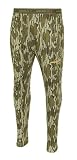
Overview: Muddy’s base layer bottom leverages advanced graphene-infused fabric technology within a performance-focused design, targeting hunters who demand superior temperature regulation, durability, and unrestricted movement in demanding cold-weather environments.
What Makes It Stand Out: The graphene-infused 210gsm jersey fabric is the key differentiator, promising exceptional thermal regulation (conducting heat efficiently) and remarkable durability. Combined with 4-way stretch, chafe-free seams, and lightweight breathability, it offers cutting-edge performance for extended wear.
Value for Money: Positioned at a premium price point, it justifies the cost through innovative graphene technology that enhances longevity and core temperature management beyond standard polyester/spandex blends. Serious hunters valuing high-tech performance over basic layers will find the investment worthwhile.
Strengths and Weaknesses: Strengths: Graphene provides superior temp regulation & strength, excellent 4-way stretch and mobility, highly breathable yet warm, chafe-free seams enhance comfort, soft elastic waistband. Weaknesses: Premium cost may deter budget buyers, limited independent verification of graphene benefits, fewer camo pattern options than competitors.
Bottom Line: A top-tier base layer bottom for tech-savvy hunters seeking maximum performance, where graphene-enhanced temperature control and durability make it a compelling, albeit premium, choice for critical cold-weather missions.
6. SCENTBLOCKER Shield Series Koretec Heavyweight Base Layer Shirt for Men (Charcoal, XX-Large)

Overview:
This heavyweight base layer shirt targets serious hunters needing warmth and odor control in late-season conditions. Constructed from polyester and fleece with 4-way stretch, it prioritizes comfort as a foundational layer while integrating S3 silver-ion technology to combat scent.
What Makes It Stand Out:
The Koretec excels with its smooth, second-skin feel combined with robust thermal performance. S3 silver-ion technology actively neutralizes odors during prolonged wear, a critical edge for hunters tracking game over hours. Flatlock seams and set-in sleeves ensure seamless layering under outer gear without bulk.
Value for Money:
Priced mid-to-high for base layers, it justifies cost through durability and specialized scent-blocking. Cheaper thermals lack silver-ion treatment, while comparable odor-control brands often sacrifice warmth; this delivers both reliably for multi-day hunts, reducing the need for frequent washing or replacement.
Strengths and Weaknesses:
Strengths: Exceptional warmth-to-weight ratio; effective, long-lasting odor control; durable construction withstands rugged use; seamless layering design.
Weaknesses: Limited color options (Charcoal only); fleece interior may trap moisture during high exertion; sizing runs slightly small per chest measurements.
Bottom Line:
A top-tier heavyweight base layer for cold-weather hunters prioritizing scent elimination. Its warmth, comfort, and reliable odor control make it a worthy investment for serious late-season pursuits, though highly active hunters might prefer lighter alternatives.
7. NEW VIEW Camo Hunting Clothes for Men, Quiet Warm Fleece Lining, Cold Weather Deer Hunting Jacket and Pants with Face Mask

Overview:
This complete camo set includes a fleece-lined jacket, pants, and face mask designed for stealth and warmth in cold deer hunts. Featuring patented tree/leaf/reed patterns and ultra-quiet fabric, it caters to hunters needing mobility and concealment for close encounters.
What Makes It Stand Out:
The 15-pocket system offers unmatched storage versatility for gear and ammo, while noiseless zippers and softshell fabric enable silent movement. The fleece lining provides immediate warmth without bulk, and the detachable hood/safety harness port add practical adaptability for varied terrain and hunting styles.
Value for Money:
Competitively priced for a full set, it surpasses cheaper alternatives in fabric quality and functionality. Budget kits lack the noise-reduction tech and pocket utility, making this a cost-effective solution for hunters seeking a single, versatile cold-weather system without layering compromises.
Strengths and Weaknesses:
Strengths: Exceptionally quiet fabric; extensive, well-placed pockets; fleece lining ensures comfort in early cold snaps; face mask included; adjustable fit features.
Weaknesses: Water resistance is only softshell-level (not ideal for heavy rain); loose fit may snag in thick brush; fleece lining reduces breathability during high activity.
Bottom Line:
An outstanding cold-weather kit for hunters valuing stealth and organization. Its silent operation, warmth, and storage make it ideal for stand hunting or still-hunting in dry, cold conditions, though wet-weather users should consider additional rain gear.
8. SCENTBLOCKER Scent Blocker Fused Cotton Lightweight Long-Sleeve Shirt, Camo Hunting Clothes (RT Excape, X-Large)

Overview:
This all-season shirt blends 60% cotton and 40% polyester for breathable comfort without sacrificing durability. Designed as a versatile outer or mid-layer, it leverages S3 silver-ion tech for scent control across diverse hunting environments, from spring turkey to fall deer season.
What Makes It Stand Out:
The cotton-poly blend uniquely balances softness, breathability, and quietness—unlike fully synthetic rivals. Multiple camo patterns (like RT Excape) optimize concealment, while rib-knit neck/cuffs enhance durability. It offers unrestricted mobility for climbing stands or tracking, feeling more like casual wear than technical gear.
Value for Money:
Priced moderately, it outperforms basic cotton shirts with scent control and durability, and undercuts premium synthetics. Hunters gain year-round utility—replacing multiple single-season shirts—making it economical for those seeking reliable, low-profile odor management without synthetic stiffness.
Strengths and Weaknesses:
Strengths: Natural cotton comfort with odor control; quiet fabric for close-range hunting; excellent mobility; durable rib-knit details; versatile for layering or solo wear.
Weaknesses: Dries slower than 100% polyester; minimal insulation (requires layering in deep cold); camo patterns may not suit all terrains.
Bottom Line:
A standout choice for hunters wanting cotton-like comfort with modern scent-blocking. Ideal for mild-to-cool seasons or as a mid-layer, it’s a smart buy for those prioritizing quiet movement and everyday wearability over extreme cold protection.
9. Realtree Base Layer Thermal Underwear for Men - Hunting Gear, Cold Weather Long Sleeve Shirt Long Johns Top

Overview:
This straightforward thermal base layer set (top and bottoms) focuses on core warmth and layering simplicity. Made for cold-weather hunting, it uses classic thermal fabric to trap heat while maintaining a low-profile fit under outer layers across woodlands or wetlands.
What Makes It Stand Out:
Its no-frills design emphasizes reliability and broad compatibility with any outer system. The thermal weave provides consistent insulation without advanced tech, appealing to hunters who prefer proven, maintenance-free warmth over scent-control features. Stylish enough for casual cabin wear.
Value for Money:
Exceptionally affordable compared to tech-infused base layers. While lacking odor control, it matches pricier thermals in warmth retention. Budget hunters or those layering over scent-blocking shirts will find it a cost-effective foundational piece, especially for backup or variable conditions.
Strengths and Weaknesses:
Strengths: Low price point; effective basic warmth; easy layering; durable thermal construction; versatile for hunting or casual use.
Weaknesses: No scent-control technology; limited moisture-wicking; basic fit may lack modern ergonomic tailoring; minimal breathability during exertion.
Bottom Line:
A dependable, economical thermal set for hunters seeking essential warmth without bells and whistles. Best suited as a secondary layer or for short hunts where odor isn’t critical, offering solid value for cost-conscious outdoorsmen.
10. ScentLok ClimaFleece BaseSlayers Midweight Base-Layer Bottoms, Hunting Pants for Men and Women - Black (X-Large)

Overview:
These midweight base-layer pants merge scent control with versatile warmth, featuring triple-threat odor technology. Designed for layering or solo wear, the microfleece-lined polyester construction manages moisture while providing adaptable insulation for fluctuating cold-weather hunts.
What Makes It Stand Out:
ScentLok’s carbon-alloy, silver-alloy, and Fusix technologies work synergistically to adsorb and neutralize odors more comprehensively than single-tech competitors. The smooth outer fabric layers effortlessly, while the rear stretch panel and elastic waist ensure mobility—uncommon in scent-control base layers.
Value for Money:
Premium-priced but justified by the advanced odor-adsorption system. Cheaper base layers lack multi-tech efficacy, and alternatives often compromise fit for scent control. Durability and year-round versatility (hunting, hiking, cabin use) offset the initial cost over time.
Strengths and Weaknesses:
Strengths: Industry-leading triple-scent technology; adaptable midweight warmth; excellent moisture-wicking; comfortable stretch panel; durable smooth outer fabric.
Weaknesses: Black color limits camouflage utility; microfleece may pill over time; higher price than basic thermals; not ideal for extreme cold without layering.
Bottom Line:
A superior base-layer bottom for hunters demanding maximum scent elimination without sacrificing comfort. Its versatility and odor-fighting prowess make it a cornerstone piece for serious hunters, though color options could better suit field concealment needs.
Why Silence is Non-Negotiable for Bow Hunters
For rifle hunters, a slight rustle might be forgiven. For bow hunters closing the distance, it’s catastrophic. Deer and elk possess hearing far superior to humans, capable of detecting frequencies and volumes we miss entirely. The amplified sound of synthetic fabrics rubbing together or against outer layers, even at whisper levels, carries surprisingly far in crisp, cold air. When you’re relying on stealth to get within 20-30 yards, that fabric noise becomes your loudest enemy. A truly silent base layer eliminates this critical point of failure at the source.
The Science of Fabric Noise
Noise generation in fabrics stems primarily from fiber stiffness, weave density, and surface texture. Crisp, tightly woven synthetics often create a distinct “swishing” sound as fibers slide against each other under tension. Natural fibers like traditional wool can sometimes have a slight scratchiness that generates noise during movement. The quietest modern base layers utilize specific knitting techniques (like fine-gauge circular knitting) and ultra-soft, flexible fibers treated with noise-dampening finishes to minimize friction and vibration at the microscopic level.
Movement Amplifies Sound
It’s not just static noise; it’s how the fabric behaves during critical moments. The subtle shift to check your range finder, the slow, deliberate draw of the bowstring, the minute adjustments to relieve pressure points during a long sit – these generate constant micro-movements. A noisy base layer turns these essential motions into audible signals. Silent base layers prioritize four-way stretch and a near-second-skin drape that moves with your body, not against it, preventing the fabric-on-fabric or fabric-on-skin friction that creates telltale sounds.
The Critical Warmth Equation: Trapping Heat Without Bulk
Bow hunting demands exceptional warmth management because you experience extreme physiological shifts: long periods of near-zero exertion followed by intense, explosive energy output during the draw and shot. Your base layer must excel at two seemingly contradictory tasks: trapping body heat efficiently during stillness while wicking moisture aggressively during exertion to prevent chilling. Bulk is the enemy; excessive thickness creates noise, restricts movement, and can snag limbs.
Understanding Insulation Mechanisms
Effective warmth starts with the base layer’s ability to create and maintain tiny pockets of warm, still air next to your skin – your body’s natural heating system. Finer fibers and specific knit structures (like brushed interiors or engineered grids) are designed to maximize this trapped air volume without adding significant thickness. The goal is high warmth-to-weight ratio; achieving significant thermal retention with minimal material, ensuring freedom of movement essential for drawing a bow smoothly and quietly.
The Moisture-Wicking Imperative
Sweat is the silent killer in cold-weather hunting. When you generate heat during a stalk or even just walking to your stand, moisture builds against your skin. If your base layer doesn’t wick that moisture away rapidly, it saturates the fabric. Wet fabric against cold skin conducts heat away up to 25 times faster than dry fabric, leading to dangerous chilling precisely when you need core warmth most. Premium base layers use hydrophobic (water-repelling) fibers combined with capillary action in the knit structure to pull moisture through the fabric to the outer surface where it can evaporate, keeping you dry and warm.
Avoiding the Bulk Trap
Thick, heavy base layers might seem warm initially, but they create multiple problems. Bulk increases noise potential, restricts the full range of motion needed for a clean draw, adds unnecessary weight, and can cause overheating during approach hikes, triggering sweat production. The modern solution lies in advanced materials and construction: ultra-fine merino blends, innovative synthetic microfibers, and strategic zone-mapping (thinner in high-sweat areas, slightly more insulation over core) provide targeted warmth where it’s needed without compromising silence or mobility.
Material Mastery: Natural vs. Synthetic Advancements
The base layer material debate has evolved significantly. While traditionally pitting merino wool against synthetics, cutting-edge 2026 options often blend the best properties of both or leverage entirely new bio-engineered fibers. The key is understanding the core strengths and limitations of each category for the specific demands of silent, warm bow hunting.
Merino Wool: The Natural Benchmark
High-quality merino (18.5 micron or finer) remains a gold standard for odor resistance and natural temperature regulation. Its crimped fibers create excellent insulating air pockets, and it retains significant warmth even when damp – a crucial safety net. Modern processing has largely eliminated itchiness. Its primary advantage for bow hunters is inherent quietness; the soft, flexible fibers move silently against skin and other layers. However, pure merino can be slower to dry than top synthetics and may lack the extreme durability needed in harsh brush.
Synthetic Innovations: Speed and Resilience
Advanced synthetics (primarily polyester and nylon derivatives) dominate in moisture-wicking speed and drying time. Newer 2026 iterations focus intensely on noise reduction, using ultra-soft, peach-skin finishes, specialized knits, and integrated noise-dampening treatments. Recycled content is now standard, enhancing sustainability. Synthetics generally offer superior durability and stretch recovery compared to natural fibers. Their main challenge for bow hunters has been achieving true silence, but recent material science breakthroughs are closing this gap significantly.
The Hybrid Horizon
The most exciting developments lie in strategic hybrids. Blending merino (for warmth, odor control, and quietness) with carefully selected synthetics (for wicking speed, durability, and structure) creates a synergistic effect. These blends often feature merino on the skin side for comfort and quiet, with synthetic fibers woven in for enhanced moisture management and resilience. Some 2026 fabrics incorporate plant-based biopolymers or mineral-infused fibers for added thermal properties or antimicrobial benefits, pushing the performance envelope further.
Design Details That Make or Break Silence
Beyond raw materials, meticulous construction is paramount for eliminating noise. Every seam, every stitch, every design choice impacts the acoustic signature of your base layer. What might seem like minor details to a casual observer are critical failure points for a bow hunter relying on absolute stealth.
Seam Engineering is Paramount
Traditional overlock or coverstitch seams create ridges and bulk that rub and create noise. The quietest base layers utilize flatlock stitching exclusively. This technique joins fabric edges with minimal overlap, lying completely flat against the skin. The result is a smooth surface that glides silently under outer layers and eliminates the “crinkly” sound common in cheaper garments. Seamless construction, particularly in critical areas like underarms and shoulders, is increasingly common in premium 2026 base layers for ultimate silence.
The Neckline Nuance
A high, snug neck is essential for warmth but can be a major noise generator if poorly designed. Look for self-fabric necklines without elastic binding – elastic creates a distinct “squeak” during head turns. A close-fitting, rolled or taped neckline made from the same soft fabric as the body moves silently. Some advanced designs incorporate a subtle, bonded “wind flap” behind the neck for added draft protection without noise.
Zipper Wisdom (If Applicable)
Full-length zippers on base layers are generally discouraged for bow hunting due to inherent noise and cold spots. If a half-zip is preferred for venting during approach, it must be a high-quality, reverse-coil zipper covered by a substantial fabric wind flap. The zipper slider should be small, smooth, and made of quiet materials (like molded plastic), not metal. Ensure the flap is long enough to prevent the zipper teeth from ever contacting your skin or outer layer during movement.
Fit Fundamentals: The Silent Foundation
A poorly fitting base layer is a noisy base layer. The fit must be precise: snug enough to maintain consistent contact for effective moisture wicking and warmth retention, but never restrictive. It should feel like a second skin without constriction, allowing complete freedom of movement for drawing a bow. Too loose, and fabric rubs excessively, creating noise and reducing thermal efficiency; too tight, and it restricts blood flow (causing coldness) and amplifies every movement sound.
The Goldilocks Principle for Base Layers
Think “mild compression,” not athletic compression. The fabric should recover instantly when gently pinched and released. Pay special attention to the shoulders, underarms, and torso length. Excess fabric in the armpit creates a noisy “batwing” effect during arm movement. A base layer that’s too short will ride up when drawing, exposing skin and creating noise; too long will bunch at the waist. Many 2026 brands offer specific “athletic” or “slim” fits tailored for active movement, distinct from looser “hiker” fits.
Layering Compatibility
Your base layer fit must accommodate the mid-layers and outer shell you plan to wear. It should be snug against the skin but not so tight that adding a mid-layer causes uncomfortable restriction or excessive bulk. Test your complete cold-weather system at home. Put on all intended layers and practice your draw stroke repeatedly. Any binding, pulling, or noise generated during this motion indicates a fit issue, often originating with the base layer.
Strategic Layering for Bow Hunting Success
Your base layer is just the start. How it integrates with your mid-layers and outer shell determines your overall thermal regulation, moisture management, and crucially, your acoustic profile. The goal is a seamless system where each layer performs its specific function without compromising the silence of the layer beneath it.
The Mid-Layer Synergy
Mid-layers (fleece, lightweight insulated jackets) provide the primary insulation. Choose mid-layers known for quiet fabrics – brushed fleece is generally quieter than shiny grid fleece. Ensure the mid-layer has a smooth, non-abrasive interior that glides silently over your base layer. Avoid mid-layers with stiff face fabrics or excessive texture that could generate noise against your quiet base. The base layer must efficiently wick moisture through to the mid-layer, which then spreads it for evaporation.
Outer Shell Sensitivity
Your shell is the final barrier against wind and weather, but it must respect the silence below. Shells with overly stiff or crinkly face fabrics (common in some hardshells) will amplify any minor noise from the layers beneath. Look for shells specifically marketed as “quiet” or “silent,” often featuring softer, more pliable face fabrics like tightly woven softshell materials or noise-dampened hardshell membranes. The smoother the interior lining of your shell, the quieter the entire system will be.
Avoiding Layer-on-Layer Noise
The critical interface is between the base layer and the mid-layer. Both need smooth, compatible surfaces. A silky synthetic base layer might snag on a fuzzy fleece mid-layer, creating noise. Conversely, a brushed merino base might generate slight friction against a slick synthetic shell. Testing your complete system is non-negotiable. Sit, stand, draw, and move quietly in a room – listen intently for any unexpected sounds generated by layer interaction.
The Hidden Enemy: Odor Control for Bow Hunters
While not directly about silence or warmth, odor control is intrinsically linked to success in close-range bow hunting. Your base layer is in constant contact with sweat, the primary carrier of human scent. Advanced odor management isn’t a luxury; it’s essential for preventing game from detecting your presence long before they hear you.
Natural Odor Resistance Mechanisms
Merino wool has inherent antimicrobial properties due to its keratin structure and lanolin content, naturally inhibiting the bacteria that cause odor. This is a major reason for its enduring popularity. Some advanced synthetics now incorporate permanent antimicrobial treatments (often silver-ion or plant-based) woven directly into the fiber, providing long-lasting protection without washing out like topical sprays.
The Washing Factor
How you care for your base layer drastically impacts its odor-fighting ability. Harsh detergents, fabric softeners, and high heat can strip natural oils from merino or degrade synthetic treatments. Use specialized technical fabric detergents, avoid bleach and softeners, and air dry whenever possible. Proper care ensures your base layer continues to manage odor effectively throughout the season, keeping you undetected by nose as well as ear.
Durability Demands in the Whitetail Woods
Bow hunters navigate dense cover, brush, and rough terrain. Your base layer needs resilience to withstand snags, abrasion from tree stands, and repeated washing without losing its critical silent, warm properties. Durability isn’t just about longevity; it’s about maintaining performance through the season.
Fiber Strength and Knit Integrity
Finer isn’t always better when it comes to durability. While ultra-fine merino is incredibly soft and quiet, it can be more prone to pilling or abrasion than slightly heavier weights or strategic synthetic blends in high-wear areas (like shoulders and underarms). Look for base layers that use reinforced knit structures in these zones or incorporate stronger synthetic fibers blended with merino for targeted durability without sacrificing overall quietness.
Washing and Wear Longevity
Repeated washing is inevitable, but it takes a toll. High-quality base layers use fibers treated for colorfastness and pilling resistance. The stitching must hold up to repeated stretching and washing without unraveling. Pay attention to construction details like reinforced thumb loops (if present) and flatlock seam integrity after several washes. A base layer that pills excessively or loses its shape quickly will become noisier and less effective over time.
Caring for Your Silent Foundation
Treating your high-performance base layers correctly isn’t optional; it’s fundamental to preserving their noise-reducing capabilities, thermal efficiency, and odor control. Improper care is the fastest way to turn a quiet, warm layer into a noisy, smelly liability.
Washing Wisdom for Performance Fabrics
Standard laundry detergents often contain enzymes, brighteners, and softeners that coat fibers, clogging the microscopic channels responsible for wicking and trapping air. Always use a technical fabric cleaner specifically designed for merino or synthetics. Avoid bleach and fabric softeners entirely – softeners coat fibers, destroying wicking ability and potentially increasing noise. Wash in cold or lukewarm water on a gentle cycle. Turning garments inside out protects the outer surface from abrasion in the wash.
Drying Delicacies
High heat is the enemy of technical fabrics. It can melt synthetic fibers, shrink merino, and degrade elastic components (like in necklines or cuffs, even if hidden). Always air dry your base layers flat, away from direct sunlight or heat sources. Tumble drying, even on low, significantly accelerates wear and tear and can set odors. Patience in drying preserves the fabric’s structure, softness, and silence for many seasons.
Future-Proofing Your 2026 Base Layer Choice
The textile industry is rapidly innovating, especially for demanding applications like bow hunting. Understanding emerging trends helps you choose a base layer that won’t be obsolete next season, focusing on technologies that enhance the core needs of silence and warmth.
Bio-Engineered Fibers on the Horizon
Look for increased use of fibers derived from renewable resources (like eucalyptus, bamboo, or even algae) processed for superior softness and moisture management. These “Tencel-like” lyocell fibers often boast natural quietness and excellent drape. Research is also accelerating into bio-engineered proteins mimicking the best properties of merino at potentially lower cost and environmental impact, with enhanced consistency.
Smart Temperature Regulation
While full “heated” base layers remain impractical for bow hunting stealth, passive phase-change materials (PCMs) are becoming more integrated. These micro-encapsulated materials absorb excess heat when you’re active (storing it) and release it when you cool down (sitting still), smoothing out temperature spikes and reducing sweat. Expect more seamless integration of PCMs into base layer knits by 2026, providing more stable microclimate comfort without bulk or noise.
Frequently Asked Questions
How can I test if a base layer is truly silent before buying?
Move vigorously while wearing it alone – stretch, swing your arms, crouch, and simulate a bow draw. Press your ear close to the fabric over your chest and shoulders while moving. Listen for any swishing, crackling, or rustling sounds. Compare it directly to a known noisy fabric (like a cheap thermal shirt) for stark contrast.
Is merino wool too warm for early season bow hunts?
Not necessarily. Modern merino base layers come in various weights (measured in grams per square meter - gsm). Opt for lighter weights (120-150 gsm) for milder early-season temperatures. Merino’s natural breathability helps regulate temperature better than many synthetics in fluctuating conditions, preventing overheating during hikes while still providing core warmth during sits.
Can I wear a cotton thermal as a base layer in cold weather?
Absolutely not. Cotton is a disaster for cold-weather hunting. It absorbs moisture (sweat) and holds it against your skin, losing all insulating properties when wet. This leads to rapid, dangerous heat loss (“cotton kills” is a survival adage for good reason). It also becomes heavy, cold, and stiff, generating significant noise as it dries or moves.
How tight should my base layer feel for optimal silence and warmth?
It should feel like a second skin – snug but not restrictive. You should be able to pinch the fabric away from your skin slightly and have it spring back immediately. There should be no pulling or binding, especially across the shoulders, chest, or underarms when raising your arms or drawing a bow. Excess fabric creates noise; too-tight fabric restricts movement and blood flow.
Will a noisy outer layer make a quiet base layer pointless?
Not entirely, but it significantly compromises the system. A quiet base layer eliminates noise at the source (your skin), which is crucial. However, a very noisy shell (like a stiff rain jacket) will still generate sound as you move. For maximum stealth, all layers need to be quiet. The base layer is the most critical starting point because noise generated there is amplified by layers above.
Do I need different base layers for extremely cold vs. moderately cold weather?
Yes, primarily in weight/thickness. For extreme cold (below freezing, especially with wind), you need a mid-weight base layer (180-250+ gsm) for maximum warmth-to-bulk ratio. For moderately cold (30s-40s F), a lightweight base layer (120-170 gsm) provides essential moisture management and core warmth without causing overheating during movement. Your mid-layer choices adjust accordingly.
How often should I wash my hunting base layers?
Only when they are genuinely sweaty or smelly. Overwashing degrades fibers and treatments. Air them out thoroughly after each hunt. If they just have camp odor, airing is often sufficient. When washing is needed, use a technical detergent and follow care instructions meticulously. Merino, in particular, has natural odor resistance and doesn’t need frequent washing.
Can I layer two base layers for extreme cold?
Generally not recommended. Layering two base layers usually creates excessive bulk, leading to restricted movement, increased noise from layer-on-layer friction, and potential overheating/sweating during activity. Instead, wear one appropriate-weight base layer (mid-weight for extreme cold) and add a dedicated, quiet mid-layer (like a lightweight fleece) for extra insulation without the noise and bulk issues of double basing.
Do “silent” base layers compromise on warmth?
Not if chosen correctly. The quietest modern base layers use advanced materials and construction (fine-gauge knits, soft fibers, flatlock seams) specifically engineered to maximize trapped air for warmth while minimizing noise. Bulk creates noise; true warmth comes from efficient air trapping, which silent designs achieve through superior material science, not thickness.
Are expensive base layers worth the investment for bow hunting?
For serious bow hunters, absolutely. The cost reflects advanced materials, meticulous quiet construction (flatlock seams, seamless zones), superior fit for movement, and durability. A $100 base layer that keeps you silent, warm, dry, and odor-controlled for multiple seasons, enabling successful hunts, is a far better investment than three $30 noisy, clammy layers that fail when it counts. Your success hinges on this foundational layer.