Table of Contents
Nothing ruins a thru-hike faster than shivering through freezing nights or lugging around unnecessary weight. Your sleeping bag isn’t just another piece of gear—it’s your portable shelter system, your defense against hypothermia, and often the heaviest item in your pack. For thru-hikers covering thousands of miles, every ounce matters, but so does every degree of warmth. Finding that sweet spot between featherlight design and reliable performance can mean the difference between waking up refreshed or struggling through another exhausted day on trail.
The ultralight sleeping bag market has exploded with innovations that weren’t available even five years ago. From advanced hydrophobic down to hybrid baffle designs and paper-thin shell fabrics, today’s options offer incredible warmth-to-weight ratios. But more choices mean more complexity. Understanding what features actually matter for your specific trail, climate, and sleep system will save you money, weight, and countless uncomfortable nights. This guide breaks down everything you need to know to choose the perfect ultralight sleeping bag without getting lost in marketing hype.
Top 10 Ultralight Sleeping Bags
Detailed Product Reviews
1. Teton Trailhead, 20 Degree Sleeping Bag; Lightweight, Warm Mummy Sleeping Bag, Camping, Backpacking, Hiking

Overview: The Teton Trailhead 20 Degree Sleeping Bag delivers reliable three-season performance for campers prioritizing warmth without excessive bulk. This mummy-style bag features innovative microfiber insulation maintaining excellent loft while compressing efficiently. Designed for temperatures down to 20°F, it incorporates a contoured hood with drawstring closure, full-length draft tube, and vaulted footbox that eliminates cold spots. The double-brushed liner provides exceptional next-to-skin comfort rarely found in technical bags at this price point.
What Makes It Stand Out: The compression sack system revolutionizes packing—simply stuff the bag from the bottom and tighten heavy-duty straps, eliminating traditional rolling frustration. Teton’s survival rating methodology gives realistic expectations, and the company backs it with responsive customer service. The hood design specifically retains heat around your head and face, while the vaulted footbox provides natural foot position comfort.
Value for Money: Positioned in the mid-range category, this bag offers premium features typically found in models costing $30-50 more. The durable construction and reliable temperature rating make it a smart investment for regular outdoor enthusiasts seeking quality without premium down prices. It competes directly with REI Co-op and Kelty synthetic bags while undercutting their pricing.
Strengths and Weaknesses: Pros include excellent warmth retention, comfortable interior, user-friendly compression system, and robust build quality. The microfiber insulation performs when wet and requires minimal maintenance. Cons are slightly heavier than down alternatives at approximately 3-4 pounds, and the synthetic fill takes longer to dry when thoroughly soaked compared to hydrophobic down.
Bottom Line: The Teton Trailhead excels for three-season camping and backpacking where reliability matters more than ultralight weight. It’s an ideal choice for campers seeking proven performance without the maintenance demands of down insulation.
2. ECOOPRO Portable, Waterproof, Lightweight Sleeping Bag with Compression Sack - For Camping, Backpacking & Hiking
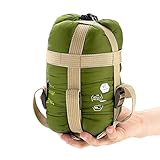
Overview: The ECOOPRO Portable Sleeping Bag targets warm-weather adventurers seeking minimal weight and maximum packability. Rated for 55-60°F, this rectangular bag features a waterproof nylon shell and breathable polyester lining, making it ideal for summer camping and festivals. Weighing just 1.7 pounds and compressing to 11 inches, it prioritizes convenience over thermal performance. The 83" x 30" dimensions accommodate most adults comfortably while allowing freedom of movement.
What Makes It Stand Out: Its envelope design fully unzips to function as a quilt or comforter, offering versatility beyond traditional mummy bags. The waterproof coating provides peace of mind during dewy mornings, while the skin-friendly interior prevents clammy discomfort on humid nights. Unlike down bags that require careful handling, this synthetic fill withstands rough treatment and moisture exposure without performance degradation.
Value for Money: This budget-friendly option delivers exceptional affordability, often priced under $40. For occasional campers or those needing a backup bag, it outperforms similarly priced alternatives with its waterproofing and multipurpose functionality. It costs half as much as entry-level synthetic mummy bags while providing comparable summer performance.
Strengths and Weaknesses: Pros include ultra-lightweight construction, compact compression, waterproof exterior, and versatile rectangular design. The smooth zipper operation and durable nylon shell withstand regular use. Cons are limited temperature range unsuitable for spring/fall camping, basic insulation that compresses permanently over time, and less heat-efficient shape compared to mummy bags.
Bottom Line: Perfect for summer backpacking or as a supplemental bag for car camping, the ECOOPRO shines when weight and cost matter more than cold-weather capability. It’s a practical choice for fair-weather adventurers and families introducing children to camping.
3. Naturehike Ultralight Backpacking Down Sleeping Bag for Adults, 650 Fill Power Sleeping Bag 20oz for 42-52℉, Compact Lightweight Sleeping Bags for Hiking Camping 3 Seasons (Navy-Medium)

Overview: The Naturehike Ultralight Down Sleeping Bag represents the pinnacle of weight-conscious design for serious backpackers. Filled with 295g of 650-fill-power duck down, this mummy bag weighs a mere 1.3 pounds while providing reliable warmth down to 42-52°F. The 20D nylon shell features water-repellent treatment, and premium YKK zippers ensure durability on extended treks. The medium size measures 74.8" x 28.3", optimizing weight while fitting most users.
What Makes It Stand Out: Individual down channel construction prevents fill migration, maintaining consistent insulation throughout the bag’s lifespan. The 650 fill power delivers superior loft-to-weight ratio, compressing to the size of a water bottle (Φ4.7" x 10.2"). Professional-grade details include a snag-free zipper, lint-free Velcro closure, and elasticized neck baffle that seals warmth without adding bulk. The fabric withstands wear while remaining soft and easy to clean.
Value for Money: While priced higher than synthetic bags, it competes with premium brands costing $250+ at a fraction of the price. For ounce-counting backpackers, the investment pays dividends in reduced pack weight and compressibility. It offers down performance comparable to Western Mountaineering’s entry-level models at 60% of the cost.
Strengths and Weaknesses: Pros include exceptional lightweight design, superior compressibility, premium materials, and three-season versatility. The two-way zipper allows bags to be connected for couples. Cons require careful maintenance to preserve down loft, not suitable for temperatures below freezing, and higher price point may deter casual campers. Down requires fluffing before first use.
Bottom Line: This Naturehike bag is the go-to choice for dedicated backpackers prioritizing minimal weight without sacrificing quality. It’s a strategic investment for those logging serious miles where every ounce counts.
4. ECOOPRO Warm Weather Sleeping Bag - Portable, Waterproof, Compact Lightweight, Comfort with Compression Sack - Great for Outdoor Camping, Backpacking & Hiking-83 L x 30" W Fits Adults

Overview: The ECOOPRO Warm Weather Sleeping Bag offers practical functionality for summer adventurers and casual campers. This rectangular bag provides comfort in temperatures from 55-60°F, featuring a waterproof nylon shell and soft polyester lining. At 1.7 pounds and compressing to just 11 inches, it emphasizes portability for short trips and family outings. The generous 83" x 30" dimensions comfortably fit one adult or two children, making it versatile for various camping scenarios.
What Makes It Stand Out: Its true versatility lies in completely unzipping to serve as a camping comforter, useful beyond traditional sleeping scenarios. The weatherproof construction handles morning dew and light moisture effectively. Unlike specialized mummy bags, this rectangular design allows couples to zip two together or use it as a blanket for stargazing. The smooth zipper closure operates without snagging, even after repeated use.
Value for Money: This represents one of the best budget values in outdoor gear, frequently available under $35. For seasonal campers building a gear collection, it delivers essential functionality without financial strain. It costs less than a single night at many campgrounds while providing years of summer service.
Strengths and Weaknesses: Pros include ultra-compact packed size, lightweight portability, waterproof protection, and dual-purpose design. The synthetic fill withstands repeated washing and compression. Cons are restrictive temperature limitations, less efficient heat retention than mummy bags, and basic construction that prioritizes cost over longevity. The rectangular shape creates more dead air space to heat.
Bottom Line: The ECOOPRO Warm Weather bag excels as an entry-level option for summer camping and festival use. While not suitable for cold conditions, its affordability and versatility make it a smart addition to any casual camper’s kit.
5. Teton LEEF Lightweight Mummy Sleeping Bag Perfect for Camping, Hiking, and Backpacking; Cold Weather Option, Compression Sack Included - Black & Sage, 0F

Overview: The Teton LEEF 0°F Sleeping Bag delivers serious cold-weather protection for winter camping enthusiasts. This mummy-style bag features efficient insulation maintaining warmth in sub-freezing conditions down to zero degrees Fahrenheit. The roomier mummy design allows comfortable movement while retaining heat, and the included compression sack packs it to manageable size for winter expeditions. Available in multiple temperature ratings, the LEEF line accommodates diverse climate needs.
What Makes It Stand Out: Teton offers this bag in multiple temperature ratings (0°, 20°, 30°) and three sizes, allowing customization for specific needs. The LEEF line balances weight savings with thermal efficiency using advanced synthetic fill that performs when wet—a critical advantage over down in winter conditions. The contoured hood and draft collar seal warmth effectively, while the vaulted footbox provides ergonomic comfort without cold spots.
Value for Money: For a true 0°F-rated bag, this model punches above its weight class, typically costing 30-40% less than comparable down-insulated winter bags. The synthetic fill eliminates expensive down maintenance while providing reliable sub-zero performance. It rivals Marmot and North Face synthetic winter bags at a significantly lower price point.
Strengths and Weaknesses: Pros include genuine 0°F rating, roomy fit, all-weather synthetic insulation, and robust construction. The compression sack with heavy-duty straps reduces packed volume significantly. Cons are heavier than premium down alternatives, bulky packed size requiring more backpack space, and overkill for three-season use. The synthetic fill is heavier than down for equivalent warmth.
Bottom Line: The Teton LEEF 0°F is a workhorse for winter campers seeking affordable cold-weather capability. It’s the practical choice for occasional sub-zero adventures where reliability trumps ultralight weight.
6. Sleeping Bags for Adults Backpacking - Ultralight Lightweight & Waterproof Sleeping Bags for Womens Mens Youth for Warm Camping Hiking Outdoor Travel Hunting(Gray)
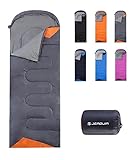
Overview: This synthetic sleeping bag targets budget-conscious campers seeking a versatile three-season option. Designed for temperatures between 50-68°F, it accommodates users up to 5'11" in a spacious 31.5" x 86.6" envelope. At 3.3 pounds, it balances comfort and portability for casual outdoor adventures without breaking the bank.
What Makes It Stand Out: The foot zipper provides exceptional temperature regulation—unzip for ventilation on warm nights or keep closed for cooler evenings. The drawstring hood traps heat effectively, while the waterproof 190T nylon exterior handles morning dew and light precipitation. Its multi-purpose design works for everything from summer camps to emergency vehicle storage, making it a true utility player.
Value for Money: Exceptional. This bag delivers reliable performance at a fraction of premium down alternatives. While heavier than high-end options, it offers comparable weather resistance and easier maintenance. Perfect for families or occasional campers who prioritize savings over ultralight specifications, costing 60-70% less than comparable down bags.
Strengths and Weaknesses: Pros: Affordable price point; roomy dimensions; foot zipper for ventilation; waterproof exterior; easy to clean; versatile for multiple uses Cons: 3.3-pound weight limits backpacking appeal; synthetic fill is bulkier than down; temperature rating may be optimistic for cold sleepers; not suitable for winter conditions
Bottom Line: An excellent entry-level choice for car camping, youth trips, and warm-weather adventures. Skip it for serious backpacking, but embrace it as a reliable, budget-friendly companion for casual outdoor use where weight isn’t critical.
7. Naturehike Ultralight Down Sleeping Bag, 650FP Backpacking Sleeping Bag for Adults, 42℉ Waterproof Sleeping Bags for Camping, Hiking, Traveling with Compression Sack (Black, Regular)

Overview: Naturehike’s premium down sleeping bag combines Responsible Down Standard certification with 650-fill power insulation for eco-conscious backpackers. Rated to 40.4°F comfort, this 2-pound mummy-rectangle hybrid measures 82.7" x 29.5", offering warmth without ethical compromise for three-season adventures where every ounce matters.
What Makes It Stand Out: The innovative hybrid shape merges mummy bag heat retention with rectangular footbox freedom. RDS-certified duck down ensures traceable, cruelty-free sourcing. YKK zippers provide reliable operation, while 400T 20D ripstop nylon delivers durability at just 2 pounds—ideal for weight-conscious hikers who refuse to compromise on ethics.
Value for Money: Strong mid-range value. While pricier than synthetic alternatives, the 650FP down offers superior warmth-to-weight ratio and compressibility. Comparable to bags costing $50-100 more from Western brands. The sustainability certification adds tangible value for environmentally aware consumers seeking verified ethical sourcing.
Strengths and Weaknesses: Pros: Ultralight 2-pound weight; RDS-certified down; hybrid design balances warmth and mobility; premium YKK zippers; excellent compressibility; waterproof shell Cons: Narrow 29.5" width restricts movement; 40°F rating unsuitable for cold weather; down loses insulation when wet; premium price may deter beginners
Bottom Line: A stellar choice for serious backpackers prioritizing weight, ethics, and performance. Invest in this bag for three-season ultralight trips, but consider synthetic alternatives if you frequently camp in wet conditions or need more interior space.
8. ZOOOBELIVES Ultralight Backpacking 32-50F Down Sleeping Bag - 27oz Ultra Compact 650 Fill Power Envelope Sleeping Bag for Hiking, Camping and Backcountry, Lightweight and Compressible – Alplive T400
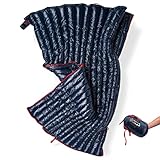
Overview: ZOOOBELIVES’ Alplive T400 pushes ultralight boundaries at just 27 ounces, making it one of the lightest 650-fill down bags available. With a 32-50°F comfort range and 11" x 6.7" packed size, this envelope-style bag targets minimalist backpackers seeking maximum compressibility without sacrificing warmth or breaking the bank.
What Makes It Stand Out: The ability to zip two bags together creates a double sleeping bag system, while complete unzipping transforms it into a backcountry quilt. Foot venting provides crucial temperature control during summer nights. The rectangular shape offers surprising spaciousness despite its featherweight status, functioning as both technical gear and camp comforter.
Value for Money: Outstanding for ultralight enthusiasts. Competing bags with similar specs often exceed $250, making this a budget-friendly entry into premium down. The versatility as both bag and quilt effectively provides two products for one price, delivering remarkable utility per dollar spent for weight-conscious adventurers.
Strengths and Weaknesses: Pros: Incredibly light at 1.7 pounds; highly compressible; doubles as quilt; can mate for couples; foot ventilation; water-repellent shell; anti-snag YKK zippers Cons: 32°F rating may be optimistic; minimal shoulder girth; down vulnerable to moisture; newer brand with limited track record; requires careful handling
Bottom Line: Perfect for experienced ultralight backpackers and summer adventurers. The quilt functionality and weight savings justify the investment, but beginners should practice proper down care. A top-tier value in the ultralight category for those prioritizing pack size above all else.
9. iClimb 3M Thinsulate Insulation Mummy Sleeping Bag with Compression Sack Ultralight Compact Warm Washable for Adults Indoor Outdoor Backpacking Camping Hiking (41F, Blue)

Overview: iClimb leverages 3M Thinsulate synthetic insulation to deliver a washable, water-resistant mummy bag rated to 41°F comfort. Weighing 2.4 pounds and accommodating users up to 6'10", this bag combines brand-name insulation with practical features for three-season backpacking, uniquely serving taller campers often neglected by ultralight designs.
What Makes It Stand Out: The 3M Thinsulate fill maintains warmth when wet—a critical advantage over down. A pillow sleeve prevents midnight head-slippage, while the 3D footbox and draft collar eliminate cold spots. At 82" x 32.6", it uniquely serves taller campers often neglected by ultralight designs, making it a rare find for big-and-tall outdoor enthusiasts.
Value for Money: Excellent mid-range proposition. The 3M brand commands trust, and synthetic ease-of-care justifies the moderate price point. Comparable down bags cost more and require meticulous maintenance, while cheaper synthetics lack the Thinsulate performance pedigree. The tall-person accommodation adds significant value for underserved users.
Strengths and Weaknesses: Pros: 3M Thinsulate insulation; performs when wet; accommodates tall users up to 6'10"; washable; pillow sleeve; draft collar; lightweight at 2.4 pounds; compact packed size Cons: Heavier than premium down; less compressible; 41°F rating limits shoulder-season use; mummy shape restricts movement; synthetic fill may degrade faster than down
Bottom Line: Ideal for tall backpackers and those camping in damp climates. The Thinsulate insulation and washable design offer peace of mind, though ounce-counters may prefer down. A reliable, user-friendly choice for most three-season conditions where moisture management is a concern.
10. Naturehike Lightweight Compact Sleeping Bag, 59℉/32℉ Envelope Ultralight Backpacking Sleeping Bag Portable, Waterproof with Compression Sack for Cold&Warm, Camping, Traveling, Hiking

Overview: Naturehike’s budget envelope bag prioritizes extreme packability at just 1.68 pounds and 5" x 12" compressed size. Filled with imitation silk cotton and rated for 59°F warm weather or 32°F with extra layers, this bag serves casual campers and travelers seeking minimal weight without premium costs, sacrificing some warmth for remarkable portability.
What Makes It Stand Out: The sub-two-pound weight and soda-can-packed size make this exceptionally portable. Its 80.7" x 33.5" dimensions provide surprising roominess. The dual temperature rating offers versatility—use it alone for summer or pair with a liner for cooler nights, adapting to various travel scenarios from hostels to backcountry campsites.
Value for Money: Unbeatable for ultralight budget seekers. While imitation silk cotton lacks down’s loft, the price-to-weight ratio is remarkable. Comparable compact bags cost significantly more. Perfect for hostel-hopping, summer festivals, or as a backup emergency bag where absolute warmth isn’t critical but pack size is paramount.
Strengths and Weaknesses: Pros: Extremely lightweight (1.68 lbs); ultra-compact; very affordable; roomy dimensions; versatile temperature adaptation; durable construction; double-reinforced seams Cons: Imitation silk cotton provides limited insulation; 59°F standalone rating is modest; not suitable for cold weather; less durable than premium materials; compressed size may reduce loft over time
Bottom Line: A fantastic ultra-budget option for warm-weather adventures and travel. Don’t expect winter performance, but for summer camping and international backpacking, the weight and size savings are compelling. Best as a specialist warm-weather bag or liner supplement rather than a primary cold-weather solution.
Understanding Ultralight Sleeping Bag Fundamentals
What Defines “Ultralight” for Thru-Hikers
The term “ultralight” means different things to different hikers, but for sleeping bags, it generally falls under two pounds for a three-season model. Most thru-hikers target the 20-30°F range and expect their bag to weigh between 16 and 28 ounces. The lightest options dip below a pound, but these require significant compromises in durability, features, or temperature rating. Your definition should align with your base weight goals and the specific demands of your target trail.
The Importance of Total Sleep System Weight
Focusing solely on the sleeping bag’s tag weight misses the bigger picture. Your complete sleep system includes the bag, sleeping pad, pillow, and any additional layers. A 19-ounce bag paired with a 12-ounce pad and 2-ounce pillow creates a 33-ounce system. Some hikers achieve lower total weights by choosing a slightly heavier bag but a lighter pad, or vice versa. Consider how these pieces work together before fixating on any single number.
Temperature Ratings and Seasonality Decoded
Decoding EN/ISO Temperature Ratings
Those numbers on sleeping bag tags aren’t just marketing. The EN/ISO standard provides three key figures: Comfort (the temperature where a cold sleeper stays comfortable), Limit (the temperature where a warm sleeper can manage), and Extreme (survival-only rating). For thru-hiking, always base your decision on the Comfort rating, not the Limit. A bag rated “20°F” might have a 20°F Limit but a 30°F Comfort rating, which is the number that actually matters for restful sleep.
Choosing the Right Rating for Your Target Trail
The Pacific Crest Trail demands different insulation than the Appalachian Trail. PCT hikers face cold, dry nights in the Sierra and desert temperature swings, typically needing a 20°F bag. AT hikers battle humidity and consistent cold, often preferring a 15-20°F rating. Continental Divide Trail hikers encounter the most extreme variability, sometimes carrying two bags or a versatile 15°F model. Research your trail’s average nighttime lows during your hiking window, then subtract 10-15°F as a safety buffer.
Insulation Types: The Down vs Synthetic Debate
Goose Down vs Duck Down Performance
High-quality goose down still reigns supreme for warmth-to-weight ratio, but ethical duck down has closed the gap significantly. Goose clusters are typically larger, achieving higher fill power ratings, but premium duck down offers nearly identical performance at lower cost. The real difference lies in fill power—a 950-fill goose down bag will be lighter and more compressible than an 850-fill duck down version with the same temperature rating. For most thru-hikers, the origin matters less than the actual fill power number.
Advances in Synthetic Insulation Technology
Synthetic insulation isn’t what it used to be. Modern continuous-filament and short-staple synthetics compress nearly as small as down and maintain warmth when wet—a critical advantage for humid trails like the AT. The weight penalty has shrunk to just 6-8 ounces more than an equivalent down bag. If you’re hiking in persistent moisture or on a tight budget, today’s synthetics deserve serious consideration despite the slight weight cost.
Hydrophobic Down Treatments Explained
Those water-resistant down coatings aren’t just marketing fluff. They help down maintain loft in humid conditions and dry faster when damp. However, they don’t make down waterproof. After months of use, the treatment wears off, and you’re left with regular down. For thru-hikes longer than three months, treat hydrophobic down as a temporary benefit rather than a permanent feature. It might buy you a few extra dry nights, but proper shelter management remains essential.
Critical Design Features That Impact Performance
Baffle Construction and Heat Retention
How a bag holds its insulation dramatically affects warmth. Sewn-through baffles create cold spots along seams and belong only in summer bags. Box-baffled construction eliminates cold spots but adds weight. Trapezoidal and vertical baffles offer the best compromise, preventing down migration while keeping weight reasonable. Pay special attention to baffle design around the torso—cold spots here will ruin your sleep faster than anywhere else.
Zipper Length and Configuration Choices
Full-length zippers add versatility but cost 2-4 ounces. Three-quarter zippers save weight and reduce heat loss but make entry/exit clumsy. Some ultralight bags use no zipper at all, saving maximum weight but sacrificing temperature regulation. For thru-hiking, a full-length zipper with an anti-snag draft tube offers the best balance. You’ll appreciate venting options on warm nights and the ability to stick your feet out without unzipping completely.
Hood and Collar Design for Heat Retention
A well-designed hood can add 10°F of warmth without increasing insulation weight. Look for hoods that cinch snugly around your face without compressing the down. Draft collars—those insulated tubes around your neck—prevent heat from escaping through the bag’s opening. Some ultralight bags skip the collar to save an ounce, but this is usually a mistake for three-season hiking. The warmth-to-weight ratio of a good collar is exceptional.
Weight and Packability Optimization
Understanding Fill Power and Its Impact
Fill power measures down’s loft efficiency—how many cubic inches one ounce occupies. A 950-fill bag uses less down than an 850-fill bag for the same warmth, resulting in lighter weight and smaller packed size. The jump from 800 to 850 fill saves about 2-3 ounces in a 20°F bag. From 850 to 950 saves another 1-2 ounces but costs significantly more. For most thru-hikers, 850-fill offers the best value, while 950-fill suits those chasing every possible ounce.
Compression and Stuff Sack Strategies
Your sleeping bag’s packed size matters as much as its weight. Most ultralight bags compress to a cylinder 6-7 inches in diameter and 10-12 inches long. Waterproof stuff sacks add an ounce but protect your insulation from pack leaks. Many hikers skip the factory stuff sack and use a pack liner instead, stuffing the bag directly into their pack to fill dead space. This technique also preserves loft better than tight compression.
Shell and Liner Material Considerations
Shell Fabric Denier and Durability Tradeoffs
Ultralight sleeping bags use shell fabrics ranging from 7-denier to 20-denier. Lower denier means lighter weight but reduced durability. A 7D shell might save 3 ounces but can develop holes from simple friction against your pad. For thru-hiking, 10D-15D offers the best compromise—light enough for weight savings, durable enough for 2,000+ miles of use. Consider your sleep style; restless sleepers who move frequently need more durable fabrics.
DWR Coatings and Weather Resistance
Durable Water Repellent coatings bead moisture off the shell fabric, providing critical protection against condensation and accidental spills. However, DWR wears off with use and washing. A bag with a good DWR treatment will stay drier in real-world conditions, but you shouldn’t rely on it long-term. Reapply DWR treatments every few months on trail using spray-on products, or accept that your bag will eventually wet out faster in damp conditions.
Sizing and Fit for Maximum Efficiency
Mummy vs Semi-Rectangular Shapes
Traditional mummy bags maximize warmth and minimize weight but can feel claustrophobic. Semi-rectangular or “athletic mummy” shapes add 2-3 inches of shoulder girth, improving comfort while adding minimal weight. For side sleepers or those with broader shoulders, this extra space is worth the ounce penalty. Stomach sleepers might prefer even more room. Remember, dead space inside your bag requires extra body heat to warm, so don’t size up unnecessarily.
Length and Width Selection Guidelines
Most bags come in regular and long lengths, with some offering short options. A properly sized bag should reach your chin when you’re lying down, with the hood cinched around your face—not the top of your head. Width-wise, you should be able to lie comfortably on your side with knees slightly bent without compressing the insulation. Women-specific bags often have extra insulation in the footbox and torso, which can benefit cold-sleeping men too.
On-Trail Care and Maintenance
Cleaning Techniques Without Washing Machines
After weeks on trail, your bag will lose loft from dirt and body oils. Spot clean with a damp cloth and mild soap for minor soiling. For deeper cleaning, use a large waterproof stuff sack as a portable washing machine: add lukewarm water, specialty down soap, and gently agitate. Rinse thoroughly and squeeze—never wring—out excess water. Dry in direct sunlight, fluffing frequently. This process takes hours but can restore significant loft mid-hike.
Storage and Loft Preservation Strategies
Never store your bag compressed. On zero days, remove it from the stuff sack and let it loft fully. Sleep with it uncompressed in your tent to maintain warmth. When possible, hang it in direct sunlight for an hour to dry accumulated moisture and restore loft. Some hikers use large mesh storage sacks in town to let bags breathe. Consistent attention to loft preservation can add months of effective performance to your bag’s lifespan.
Budget vs Performance Tradeoffs
Understanding Price Tiers and Value
Ultralight sleeping bags fall into three price tiers: budget ($200-350), mid-range ($350-550), and premium ($550+). Budget bags use lower fill power and heavier shells but still perform adequately for most thru-hikes. Mid-range options offer the best value—850-fill down, 10D shells, and thoughtful features. Premium bags shave ounces through 950-fill down and exotic fabrics, suitable only for those prioritizing weight above all else. A $400 bag often performs within 4-6 ounces of a $600 bag.
Long-Term Value and Trail Durability
A sleeping bag that survives your entire thru-hike offers better value than a lighter bag that fails mid-trail. Consider warranty coverage and repairability. Some manufacturers offer free repairs on trail, while others charge. Down bags can last 10+ years with proper care; synthetics typically last 5-7 years. Factor in lifespan when calculating cost-per-use. A more expensive bag that lasts two thru-hikes may cost less overall than replacing a cheaper bag after one season.
Making Your Final Selection
Creating Your Personal Priorities Checklist
Before browsing options, list your non-negotiables: target temperature rating, maximum weight, budget, and any specific features. Rank these in order of importance. If weight trumps cost, you’ll shop differently than if durability is your top concern. This checklist prevents decision paralysis and keeps you focused on what matters for your hike, not someone else’s ultralight philosophy.
Testing Before Committing to a Thru-Hike
Never take a brand-new sleeping bag directly on a thru-hike. Test it on weekend trips in similar conditions. Check for cold spots, zipper snags, and comfort issues. Sleep in it in your backyard during a cold night. If possible, borrow a friend’s bag for comparison. Many gear shops offer rental programs for high-end bags. A $50 rental fee could save you from a $400 mistake and a miserable first month on trail.
Frequently Asked Questions
How do I know if I need a 15°F or 20°F bag for my thru-hike?
Consider your target trail’s coldest expected nights, then subtract 10-15°F as a safety margin. Cold sleepers should choose the warmer option. The AT and CDT generally require 15-20°F bags, while the PCT works with 20-25°F for most hikers. Check historical weather data for your start date and specific sections.
What’s the real weight difference between 850-fill and 950-fill down?
In a typical 20°F bag, upgrading from 850-fill to 950-fill saves approximately 1.5-2.5 ounces of down weight. The total bag weight difference is often 2-4 ounces after accounting for shell fabric differences. Whether that’s worth the $150+ price premium depends on your total base weight goals and budget flexibility.
Can I use a quilt instead of a sleeping bag for thru-hiking?
Quilts can save 6-10 ounces by eliminating insulation underneath you (where it’s compressed anyway). However, they require a higher skill level to use effectively and can create drafts. For restless sleepers or those new to ultralight gear, a traditional sleeping bag offers more foolproof warmth. Many experienced thru-hikers eventually switch to quilts, but it’s not ideal for a first long-distance hike.
How do I prevent down from clumping in humid conditions?
Fluff your bag vigorously every morning to break up minor clumps. Sleep with it loosely draped over you on warm nights to let moisture evaporate. Use a bag with vertical baffles that reduce migration. In persistent humidity, consider a synthetic bag or accept that you’ll need to stop in town periodically to thoroughly dry your down bag.
What’s the best way to store my bag during resupply stops?
Never leave it compressed. Unstuff it completely and hang it in your motel room or spread it out on your bed. If camping, drape it over your pack inside the tent. Some hikers use large cotton storage sacks for town stays. The goal is always maximum loft recovery between hiking segments.
How long should an ultralight sleeping bag last on a thru-hike?
A quality down bag should maintain 80-90% of its original loft for a full 2,000-mile thru-hike with proper care. Expect some performance degradation after 1,500 miles. Synthetic bags may lose 20-30% of their warmth by trail’s end. Budget for a professional cleaning and possible re-lofting service after completing your hike.
Are waterproof sleeping bags worth the extra weight?
Fully waterproof bags add 4-8 ounces and often feel clammy. Instead, focus on water-resistant shell fabrics and use a waterproof stuff sack or pack liner. Your shelter should provide primary moisture protection. Waterproof bags make sense only for mountaineering or situations where you’ll sleep in snow caves—rare for typical thru-hikers.
What size stuff sack should I use for my ultralight bag?
Use a stuff sack just large enough to fit the compressed bag—typically 6-8 liters for a 20°F down bag. Oversized sacks waste pack space. Consider going compression-sack-free and stuffing the bag directly into your pack’s main compartment to fill voids and improve load stability. This technique also reduces compression damage to the down.
How do I deal with a sleeping bag that’s too warm on summer nights?
Unzip it completely and use it as a quilt. Sleep on top of it with just the footbox covering your feet. Some ultralight bags have two-way zippers letting you vent from the bottom. Choose a bag with a full-length zipper for maximum versatility. A 20°F bag on a 60°F night requires creative venting to avoid overheating.
Should I choose a bag with hydrophobic down for the Appalachian Trail?
Hydrophobic down helps marginally in the AT’s humidity but isn’t a game-changer. The treatment wears off after a few months of heavy use. Focus more on your shelter’s ability to keep you dry and your skill at managing moisture. A synthetic bag or a high-quality down bag with excellent DWR on the shell fabric will serve you better than relying on treated down alone.
Related Buying Guides
- The 10 Best Lightweight Sleeping Bags for Ultralight Hikers in 2026
- The 10 Ultimate Best Lightweight Sleeping Bags for Ultralight Hikers in 2026
- 10 Best Alcohol Stoves for Ultralight Hikers This Year
- We Tested 50 Portable Water Filters - Here are the 10 Best for Solo Hikers
- 10 Tips for Finding the Perfect Lightweight Sleeping Bag in 2026