Table of Contents
Clean water is the unsung hero of every great adventure, yet it’s something most travelers take for granted until they’re staring at a questionable tap in a remote guesthouse or a gurgling stream after a long day on the trail. For global adventurers who venture beyond the safety of bottled water, understanding how to reliably purify water isn’t just convenient—it’s essential for health, safety, and peace of mind. Nothing derails an expedition faster than waterborne illness, and the consequences range from mild discomfort to serious medical emergencies in places far from reliable healthcare.
UV water purification technology has revolutionized how modern explorers approach this fundamental challenge, offering a lightweight, fast-acting solution that doesn’t alter the taste of water or introduce chemicals into your system. Unlike traditional methods that rely on filters that can clog or chemicals that require wait times, UV purifiers work in seconds using ultraviolet light to neutralize harmful microorganisms. This guide explores everything you need to know about selecting and using UV water purification systems for your travels, from understanding the underlying technology to evaluating key features that match your specific adventure style.
Top 10 UV Water Purifiers for Travel
Detailed Product Reviews
1. Katadyn Steripen Ultra Portable UV Water Purifier – Rechargeable 2200mAh Battery, Eliminates 99.99% Microorganisms, Fast Water Treatment for Hiking, Camping & Travel

Overview:
The Katadyn Steripen Ultra is a premium UV water purifier designed for serious outdoor enthusiasts and international travelers who prioritize convenience and sustainability. This rechargeable unit eliminates the need for disposable batteries, offering a modern solution for clean water on demand.
What Makes It Stand Out:
The integrated 2200mAh USB-rechargeable battery sets this model apart, allowing you to power it from solar panels, laptops, or car chargers during extended trips. Its robust construction features watertight seals and rubberized grips that perform reliably in wet conditions, while the auto-shutoff function preserves the 8,000-treatment lamp life. The device purifies a liter in just 90 seconds with simple one-button operation.
Value for Money:
While the upfront cost exceeds battery-powered alternatives, the rechargeable design eliminates recurring battery expenses. Over its 8,000-treatment lifespan, you’ll save significantly compared to purification tablets or replacement batteries. For frequent adventurers, this investment pays for itself within a few seasons.
Strengths and Weaknesses:
Strengths include USB charging versatility, durable waterproof design, and rapid treatment times. The neoprene case adds protection. Weaknesses include dependence on power sources for recharging and ineffectiveness in murky water requiring pre-filtration. It’s also heavier than ultralight models.
Bottom Line:
The Steripen Ultra is ideal for regular hikers and travelers who value sustainability and convenience. Its rechargeable design and rugged build justify the premium price for those who spend considerable time off-grid.
2. SteriPen Adventurer Opti UV Water Purifier for Backpacking, Camping & Travel

Overview:
The SteriPen Adventurer Opti is a compact UV purifier built for ultralight backpackers and minimalist travelers who need reliable water treatment without weight penalties. This battery-powered device delivers professional-grade purification in a pocket-sized package.
What Makes It Stand Out:
Weighing merely 3.8 ounces with batteries, this model excels when every gram matters. The integrated LED flashlight is a clever dual-function feature that eliminates carrying a separate light source. Its optical sensor provides clear treatment indicators, while the included neoprene case with belt loop offers quick access on trail. The device runs on CR123 batteries, providing immediate readiness without charging concerns.
Value for Money:
The 8,000-treatment lamp offers excellent longevity, though the initial CR123 batteries only treat 60 liters. Replacement batteries add ongoing costs, making it less economical than rechargeable models for frequent use. However, for occasional backpackers, the lower upfront price and reliability justify the investment.
Strengths and Weaknesses:
Strengths include exceptional lightness, built-in flashlight, and simple operation. The compact form factor fits any pack. Weaknesses include dependency on disposable batteries, limited initial capacity, and reduced cost-effectiveness for heavy users. Performance drops in cloudy water.
Bottom Line:
Perfect for ultralight enthusiasts and occasional adventurers prioritizing weight savings. Choose this over rechargeable models if you rarely travel or need instant readiness without power source dependence.
3. SteriPEN Ultralight UV Water Purifier

Overview:
The SteriPEN Ultralight represents the pinnacle of minimalist water purification technology, stripping away all non-essential features to deliver pure performance for weight-obsessed adventurers. This USB-rechargeable device proves that less can be more in the backcountry.
What Makes It Stand Out:
At just 2.6 ounces, this is the lightest UV purifier available, making it a game-changer for thru-hikers and alpine climbers. Despite its feathery weight, it maintains the same 8,000-treatment lamp and 90-second liter purification as heavier models. The USB charging port ensures you can replenish power from portable battery banks or solar panels common in modern backpacking kits.
Value for Money:
This model bridges the gap between disposable battery units and premium rechargeable options. You avoid ongoing battery costs while paying less than feature-rich alternatives. For those counting ounces without counting dollars, it offers compelling long-term value.
Strengths and Weaknesses:
Strengths include unrivaled weight, USB rechargeability, and straightforward one-button operation. It’s remarkably packable. Weaknesses include lack of a protective case, no flashlight feature, and potential durability concerns with minimal housing. Requires clear water like all UV purifiers.
Bottom Line:
The ultimate choice for ultralight purists who need reliable water treatment without compromise. If weight is your primary concern, accept the stripped-down design and enjoy the freedom.
4. SteriPen Adventurer Opti UV Water Purifier for Backpacking, Camping & Travel
Overview:
The SteriPen Adventurer Opti is a field-proven UV water purifier that has become a staple in lightweight backpacking kits worldwide. This CR123-powered unit offers dependable performance for adventurers who prefer simplicity over rechargeable complexity.
What Makes It Stand Out:
The combination of sub-4-ounce weight and integrated LED flashlight creates a compelling two-in-one tool for minimalist trekkers. Its optical sensor activation is intuitive—simply immerse and stir. The neoprene protective case with integrated belt loop demonstrates thoughtful design for real-world trail use. With 8,000 treatments per lamp, it outlasts most outdoor careers.
Value for Money:
While replacement CR123 batteries represent a recurring expense, the modest initial investment appeals to budget-conscious hikers. The cost per liter decreases dramatically after upgrading to lithium batteries. For occasional weekend warriors, this pay-as-you-go approach makes more financial sense than premium rechargeable models.
Strengths and Weaknesses:
Strengths include instant readiness, flashlight utility, and exceptional portability. The device works reliably in remote areas without electricity. Weaknesses include ongoing battery costs, environmental impact of disposables, and suboptimal cold-weather battery performance. Murky water requires pre-filtering.
Bottom Line:
A trustworthy companion for occasional backpackers and international travelers. Select this model if you prioritize low initial cost and absolute reliability without worrying about recharging logistics.
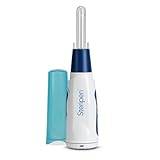
5. KATADYN Steripen Classic 3 UV Water Purifier, Camping, Travel, Hunting, Preparedness
Overview:
The KATADYN Steripen Classic 3 offers a flexible approach to UV water purification, accommodating various battery types to suit different adventure lengths and emergency scenarios. This adaptable model serves everyone from weekend campers to preparedness-minded households.
What Makes It Stand Out:
Unlike one-size-fits-all designs, the Classic 3 accepts alkaline, lithium, or NiMH rechargeable batteries, letting you optimize for cost, weight, or availability. This versatility proves invaluable during extended emergencies when specific batteries become scarce. The LED indicator panel provides clear feedback on treatment progress, battery status, and lamp condition—superior diagnostics compared to simpler models.
Value for Money:
Battery flexibility creates unique value. Use affordable alkalines for short trips (25 treatments), lithium for extended adventures (150 treatments), or NiMH for sustainable regular use (100 treatments). While not as economical as integrated rechargeable units for daily use, it excels as a versatile backup or occasional-use purifier.
Strengths and Weaknesses:
Strengths include unmatched battery versatility, excellent LED feedback, and compatibility with common battery types. It works when other rechargeables fail. Weaknesses include lower treatment counts per battery set, lack of USB charging, and higher long-term costs for frequent users. Requires clear water and proper battery management.
Bottom Line:
The perfect emergency preparedness tool or secondary purifier for versatile adventurers. Its battery flexibility outweighs convenience limitations for those who value adaptability over automation.
6. UVBRITE Go Self-Cleaning UV Water Bottle - 6 Bottles 18.6 oz Insulated Stainless-Steel Rechargeable Reusable Bottle Push Button Sterilization Travel Friendly

Overview:
The UVBRITE Go delivers a six-pack of 18.6-ounce insulated stainless steel bottles with integrated UV-C purification caps. Each unit purifies water and self-sterilizes its interior at the press of a button, claiming 99.99% microbe elimination by scrambling DNA/RNA structures. The system features a critical safety lock preventing UV activation when caps are removed—a key differentiator in UV bottle safety. Constructed from food-grade 304 stainless steel with BPA-free caps, the bottles offer two sterilization modes: standard for typical water sources and “blitz mode” for questionable quality.
What Makes It Stand Out:
The six-bottle bundle immediately distinguishes this offering, providing exceptional value for families, sports teams, or workplace hydration stations. The proprietary safety lock addresses a genuine concern about accidental UV-C exposure that many competitors ignore. Dual-mode sterilization offers practical flexibility for varying water quality conditions. The food-grade construction with leak-proof silicone gaskets ensures durability, while the quartz lens UV-C cap demonstrates thoughtful engineering. This bulk configuration eliminates the “who gets the safe bottle” dilemma in multi-person households.
Value for Money:
Purchasing six insulated UV bottles at this price point delivers significant per-unit savings compared to individual premium brands like LARQ. While costlier per bottle than conventional insulated models, the purification capability and safety interlock justify the premium. For households requiring multiple bottles, the bundle economics are compelling—roughly equivalent to buying two premium UV bottles but receiving six. The elimination of filter replacements and reduced cleaning supply costs provide additional long-term value.
Strengths and Weaknesses:
Pros: Safety lock prevents accidental UV exposure; Six-pack offers exceptional bulk savings; Dual sterilization modes for varying water quality; Quality 304 stainless steel construction; Self-cleaning reduces mold and odor buildup
Cons: 18.6oz capacity may be insufficient for heavy users; Brand recognition lower than market leaders; Bulk purchase unsuitable for solo users; Requires regular charging; UV effectiveness reduced with turbid water
Bottom Line:
The UVBRITE Go six-pack delivers practical UV purification with thoughtful safety features at a compelling group price point. While individual capacity is modest, the safety-first design and dual-mode functionality make it an intelligent choice for families prioritizing portable water safety without paying premium brand markups.
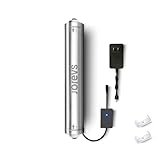
7. JOREVS UV Water Filter - LED UV Water Purifier for Under Sink, Reduce up to 99.999% Bacteria, Maintenance-Free for Reverse Osmosis System with Instant Flow Sensor, Mercury-Free, 1GPM
Overview:
The JOREVS UV Water Filter is an under-sink LED purification system delivering 99.999% microorganism elimination through 270-280nm UVC-LED technology. Designed specifically for reverse osmosis system integration, this point-of-use add-on features an intelligent flow sensor that activates purification only when water runs, conserving energy and extending component life. The mercury-free system processes water at 1 gallon per minute, providing chemical-free disinfection without adding microplastics or altering taste. Its compact design fits standard under-sink configurations without complex modifications.
What Makes It Stand Out:
The on-demand flow sensor represents a significant advancement over continuous-run UV systems, reducing energy consumption by up to 90% while minimizing component wear. The 99.999% effectiveness claim exceeds the typical 99.99% benchmark, offering exceptional pathogen protection. Unlike traditional UV lamps requiring annual bulb replacements, this LED unit is marketed as truly maintenance-free, eliminating ongoing costs and maintenance hassles. Its specific design for RO enhancement rather than whole-house application targets a precise market need with optimized performance.
Value for Money:
While the upfront investment exceeds basic under-sink filters, the elimination of $50-100 annual bulb replacements and 90% energy savings deliver compelling long-term value. For RO system owners seeking absolute water certainty, this adds critical protection at a fraction of whole-house UV system costs. The maintenance-free design saves both money and time over typical 5-10 year ownership periods, while the flow sensor technology pays for itself through reduced electricity consumption.
Strengths and Weaknesses:
Pros: Flow sensor saves 90% energy; Maintenance-free LED technology; 99.999% microbe elimination rate; Mercury-free and eco-friendly; Seamless RO system integration; Compact under-sink design
Cons: Requires existing RO system for optimal performance; 1GPM flow rate may be slow for large families; Not suitable for whole-house filtration; Initial cost higher than non-UV filters; Professional installation may benefit some users
Bottom Line:
The JOREVS UV filter is a smart, eco-conscious upgrade for RO system owners prioritizing maintenance-free operation and energy efficiency. While not a standalone solution, its flow-sensor technology and exceptional kill rate make it a worthwhile investment for households demanding the highest water purity standards without whole-house system costs.
8. FIRSTHEALTH UV Self-Cleaning Water Bottle, 18oz Insulated Stainless Steel Tumbler with UV-C Purifier, Rechargeable Self-Sterilizing Cap, Kills 99.9% Bacteria, Keeps Drinks Hot 12HR/Cold 24HR

Overview:
The FIRSTHEALTH UV bottle merges 18-ounce double-wall vacuum insulation with a rechargeable UV-C purification cap, eliminating 99.9% of germs and odor-causing microbes in three minutes. The cap uniquely functions both inside the bottle and as a standalone handheld sanitizer for purifying water in other vessels. Built for extreme durability, the UV-C LED is rated for 500,000 cycles with IPX6 waterproof protection. The stainless steel construction maintains beverage temperature for 12 hours hot or 24 hours cold without requiring filters, chemical tablets, or replacement parts.
What Makes It Stand Out:
The dual-function cap sets this apart from all competitors—use it to sterilize hotel water glasses, coffee mugs, or even sanitize small personal items. The extraordinary 500,000-cycle lifespan suggests decades of reliable operation, far exceeding typical consumer electronics. Unlike UV bottles limited to water, this unit purifies any liquid including sports drinks and tea. The IPX6 waterproof rating provides confidence for outdoor adventures, while the included metal storage case adds premium travel protection. This versatility transforms it from a simple bottle into a multi-purpose sanitation tool.
Value for Money:
Priced competitively with premium insulated bottles, the added UV purification and handheld sanitizer function deliver significant extra value. A comparable insulated bottle plus portable purifier would cost substantially more. The 500,000-cycle rating implies a cost-per-use far below disposable purification tablets or replacement filters. For adventure travelers and gym enthusiasts who’d otherwise purchase both a quality insulated bottle and separate water treatment, this two-in-one solution offers clear economic advantages and reduces gear clutter.
Strengths and Weaknesses:
Pros: Cap doubles as handheld sanitizer; Extreme 500,000-cycle durability; Excellent temperature retention; Purifies any liquid; IPX6 waterproof rating; No replacement filters needed; Protective metal case included
Cons: 3-minute purification cycle slower than 60-second competitors; 18oz capacity smaller than some alternatives; Heavier than non-UV insulated bottles; Brand recognition limited; UV-C less effective with cloudy liquids
Bottom Line:
The FIRSTHEALTH bottle excels for active users seeking maximum versatility. The handheld sanitizer function and exceptional durability justify its price, making it ideal for travelers, gym-goers, and outdoor enthusiasts who value both purification performance and multi-purpose utility in a single device.
9. LARQ Bottle Movement PureVis 24 oz - Lightweight Self-Cleaning and Non-Insulated Stainless Steel Water Bottle with UV Water Purifier | Reusable & Travel Friendly, Black/Onyx

Overview:
The LARQ Movement PureVis prioritizes portability with its 24-ounce single-walled stainless steel design, making it the lightest UV purification bottle in LARQ’s lineup. Using mercury-free UV-C LED technology, it neutralizes harmful bacteria like E.coli in just 60 seconds. The intelligent self-cleaning function activates automatically every two hours, maintaining bottle freshness without user intervention. With a USB-rechargeable battery lasting up to a month per charge and IPX7 splash-proof rating, it’s engineered for daily carry convenience and travel-friendly hydration.
What Makes It Stand Out:
The single-wall construction achieves remarkable weight savings while offering LARQ’s largest UV bottle capacity, perfect for users who prioritize volume and portability over temperature retention. The 60-second purification cycle is among the fastest available, while the bi-hourly auto-clean function is more frequent than competitors’ 4-6 hour cycles. As a mercury-free, chemical-free solution with EPA establishment number certification, it meets rigorous safety standards. The minimalist aesthetic and established LARQ brand reputation provide confidence in both performance and design integrity.
Value for Money:
The Movement PureVis costs less than LARQ’s insulated models while retaining core purification technology, offering a more accessible entry point to the premium brand. For users who don’t need insulation—such as office workers or commuters who drink room-temperature water—the price premium over non-branded alternatives is justified by proven reliability, elegant design, and the generous 24oz capacity. The elimination of filter replacements and long battery life enhance long-term value, while the lightweight design reduces daily carry burden.
Strengths and Weaknesses:
Pros: Ultra-lightweight single-wall design; Large 24oz capacity; Fast 60-second purification; Frequent bi-hourly auto-clean; Month-long battery life; Mercury-free UV-C LED; Premium brand reliability
Cons: No insulation for temperature control; Single-wall design causes condensation; Higher price than generic UV bottles; UV-C effectiveness reduced with turbid water; No handheld sanitizer function; Premium cost may not suit all budgets
Bottom Line:
The LARQ Movement PureVis is ideal for hydration-focused users who value capacity and weight savings over thermal retention. Its rapid purification cycle and frequent auto-cleaning make it perfect for daily office use, commuting, and travel where insulation is unnecessary. The premium price buys proven reliability and thoughtful design.
10. LARQ Bottle PureVis 17 oz - Self-Cleaning and Insulated Stainless Steel Water Bottle with UV Water Purifier and Award-winning Design | Reusable & Travel Friendly, Obsidian Black

Overview:
The LARQ Bottle PureVis represents the flagship insulated UV purification bottle, combining award-winning design with proven mercury-free UV-C LED technology. This 17-ounce double-wall vacuum insulated bottle delivers 60-second water purification and automatic self-cleaning every two hours. The USB-rechargeable battery provides up to a month of power per charge, while the IPX7-rated connector ensures safe recharging. Capable of keeping beverages cold for 24 hours or hot for 12, it merges premium thermal performance with advanced sanitization in a travel-friendly package.
What Makes It Stand Out:
As an award-winning product, the PureVis sets the industry standard for design integration, seamlessly incorporating UV purification without compromising bottle aesthetics or ergonomics. The combination of rapid 60-second cycles, frequent auto-cleaning, and exceptional insulation is unmatched by competitors. Unlike generic alternatives, LARQ’s EPA establishment number and mercury-free LED certification provide verified safety credentials. The intelligent purification system activates only when the cap is secured, preventing accidental UV exposure. This model perfects the balance between daily convenience, health protection, and premium beverage experience.
Value for Money:
While commanding the highest price in the UV bottle category, the PureVis justifies its premium through dual functionality that would otherwise require separate purchases. A comparable insulated bottle plus portable purifier would exceed this cost. The elimination of filter replacements, exceptional build quality, and proven battery longevity reduce lifetime ownership costs. For consumers who value both pristine water quality and perfect drinking temperature, the investment translates to daily wellness benefits that cheaper alternatives cannot replicate, making it a justifiable luxury for health-conscious users.
Strengths and Weaknesses:
Pros: Award-winning premium design; Superior insulation (24hr cold/12hr hot); Fast 60-second purification; Frequent auto-cleaning; Month-long battery life; Mercury-free UV-C LED; Established brand reliability; Safety interlock prevents cap-off activation
Cons: Highest price point in category; 17oz capacity smaller than non-insulated models; Heavier than single-wall alternatives; UV effectiveness limited with sediment-heavy water; Premium cost may not suit budget-conscious buyers
Bottom Line:
The LARQ Bottle PureVis is the definitive choice for discerning users unwilling to compromise between purification performance and thermal retention. Its award-winning design, proven safety features, and exceptional insulation justify the premium investment. For health-conscious consumers who appreciate engineering excellence and daily luxury, this is the gold standard in self-cleaning water bottles.
How UV Water Purification Works for Travelers
The Science Behind UV Light Purification
UV water purifiers function by emitting ultraviolet light at a specific wavelength—typically 254 nanometers—that penetrates the cell walls of bacteria, viruses, and protozoa. This radiation disrupts the DNA of these microorganisms, rendering them unable to reproduce or cause infection. The process is remarkably quick, often requiring just 60-90 seconds to treat a liter of water, making it one of the fastest purification methods available to travelers. The technology is the same used in municipal water treatment plants worldwide, just miniaturized for portable applications.
Why UV is Ideal for International Travel
The primary advantage of UV purification for global adventurers lies in its comprehensive effectiveness against the full spectrum of waterborne pathogens. While many filter systems struggle with viruses due to their extremely small size, UV light neutralizes viruses just as effectively as larger bacteria and protozoa like Giardia and Cryptosporidium. This is particularly crucial when traveling in developing regions where viral contamination is common. Additionally, UV treatment doesn’t remove beneficial minerals from water or leave any chemical aftertaste, preserving the natural flavor profile of your water source.
Limitations You Should Know About
Understanding the constraints of UV purification is critical for safe use. The technology cannot remove chemical contaminants, heavy metals, sediment, or particulate matter from water. It also cannot improve the taste or smell of water that has been contaminated with pollutants like pesticides or industrial runoff. Perhaps most importantly, UV light can be blocked by particles in cloudy or turbid water, which is why pre-filtration is often necessary. The technology is also power-dependent, requiring batteries or charging, which can be a significant limitation in truly remote areas without reliable electricity access.
Key Features to Evaluate in Portable UV Purifiers
UV Lamp Intensity and Dose
The effectiveness of any UV purifier depends entirely on delivering an adequate UV dose, measured in millijoules per square centimeter (mJ/cm²). For travel applications, look for devices that deliver at least 40 mJ/cm², which meets EPA guidelines for virus inactivation. Higher-end systems may deliver 60-80 mJ/cm², providing an extra margin of safety in challenging conditions. The lamp’s intensity degrades over time, so understanding the initial output and how it declines with use is crucial for maintaining protection throughout your travels.
Battery Life and Power Options
Battery performance varies dramatically between UV purifier designs. Some units use disposable batteries that might last for 50-100 treatments, while rechargeable lithium-ion models can handle hundreds of cycles but require USB charging. Consider your travel context—disposables might be practical for short trips where recharging is uncertain, while rechargeables excel for extended travel with regular access to power. Some advanced models offer hybrid systems with both options, providing flexibility for diverse adventure scenarios. Always verify the claimed battery life against real-world usage reports from other travelers.
Flow Rate and Treatment Capacity
Portable UV purifiers generally fall into two categories: batch treatment devices that purify one bottle at a time, and flow-through systems that treat water as you drink. Batch systems typically treat 0.5-1 liter in 60-90 seconds, requiring you to wait before drinking. Flow-through systems offer instant gratification but may have lower flow rates that require stronger suction or pumping. Consider your typical water consumption—if you’re hydrating for strenuous activity, waiting 90 seconds per liter might become frustrating. For groups, multiple batch treatments or a higher-capacity system becomes necessary.
Durability and Build Quality
Adventure travel subjects gear to extreme conditions, from drops on rocky trails to submersion in rivers. Look for purifiers with robust housing materials like aircraft-grade aluminum or high-impact polycarbonate. Water resistance ratings (IPX7 or higher) indicate the device can withstand accidental immersion. The UV lamp itself is fragile—examine how well it’s protected within the housing. Some designs feature shock-absorbing elements or protective sleeves that significantly extend the device’s lifespan in field conditions.
Size and Weight Considerations
Ultralight backpackers scrutinize every ounce, while car campers have more flexibility. UV purifiers range from pen-style devices weighing under 4 ounces to larger systems approaching a pound. Consider not just the purifier itself but also required accessories like pre-filters, spare batteries, and protective cases. The size-to-performance ratio is crucial—some remarkably compact units still deliver full-strength UV doses, while bulkier models may offer unnecessary features that add weight without practical benefit for your specific travel style.
Pre-Filtration Requirements
Since UV light cannot penetrate particulate matter effectively, most clear water sources still benefit from pre-filtration. Many UV purifier manufacturers offer integrated or companion pre-filters that remove sediment, improving the UV system’s effectiveness. Evaluate whether the pre-filter is included or must be purchased separately, its lifespan, and how easily it can be cleaned or replaced in the field. Some adventurers use a simple coffee filter or bandana as a pre-filter, though dedicated systems provide more reliable and consistent results.
User Interface and Operation
When you’re exhausted after a long day or dealing with altitude effects, complicated operation becomes a significant drawback. The best travel UV purifiers feature intuitive one-button operation with clear LED indicators for successful treatment. Some advanced models include LCD screens showing battery life, lamp status, and treatment countdowns. Consider how easily you can operate the device with cold hands or while wearing gloves. Simplicity often trumps complexity in challenging field conditions where mistakes can have serious consequences.
Safety Features and Certifications
Reputable UV purifiers include safety mechanisms that prevent accidental UV exposure to eyes and skin—essential since direct UV light can cause damage. Look for devices with automatic shutoff when removed from water, child-lock features, and sensors that confirm proper immersion before activation. Third-party certifications from organizations like the Water Quality Association (WQA) or testing against NSF/ANSI standards provide independent verification of performance claims. These certifications aren’t just marketing—they represent rigorous testing that validates the device’s safety and effectiveness.
Maintenance and Lamp Replacement
The UV lamp in portable purifiers typically lasts for thousands of treatments, but it will eventually need replacement. Understanding the replacement process, cost, and availability of spare parts is crucial for extended travel. Some models have user-replaceable lamps that can be changed in minutes, while others require factory service. Consider how you’ll access replacement parts while traveling internationally. Additionally, external cleaning requirements—preventing scale buildup from hard water—vary between models and affect long-term performance.
Cold Weather Performance
Battery efficiency plummets in cold conditions, and water may freeze in treatment chambers. If you’re heading to high altitudes or polar regions, investigate how the purifier performs at low temperatures. Some units include insulation or are designed to operate with water near freezing, while others may fail below certain temperatures. Lithium batteries generally outperform alkalines in cold weather, but even they have limits. Understanding these constraints prevents nasty surprises when you’re melting snow for drinking water at high camp.
Comparing UV Purifiers to Other Travel Water Treatment Methods
UV vs. Filter-Based Systems
Mechanical filters physically remove pathogens but have pore size limitations—most cannot reliably filter viruses due to their tiny size. Filters also clog over time and require cleaning or replacement. UV systems, conversely, treat all pathogens equally but cannot remove sediment or chemical contaminants. Many experienced travelers use both: a pre-filter to remove particulates followed by UV treatment for complete pathogen protection. This combination provides the highest safety margin but adds weight and complexity to your kit.
UV vs. Chemical Treatment
Iodine and chlorine dioxide tablets are lightweight, inexpensive, and effective against most pathogens, but they require wait times of 30 minutes to 4 hours depending on water temperature and contaminants. Chemicals also leave a taste that many find unpleasant and may be ineffective against Cryptosporidium cysts. UV treatment works in seconds without taste alteration but requires power and doesn’t provide residual protection. For international travel where viruses are a concern, UV offers faster, more comprehensive treatment without chemical exposure.
UV vs. Boiling
Boiling is 100% effective against all pathogens when done properly—bringing water to a rolling boil for one minute (or three minutes above 6,500 feet). However, boiling requires significant fuel, time, and equipment, making it impractical for most travel scenarios except basecamp situations. It also doesn’t remove chemical contaminants and can concentrate certain pollutants as water evaporates. UV purifiers offer instant treatment without fuel consumption, making them far more practical for on-the-go hydration needs during active travel.
When to Combine Methods
Smart travelers often carry multiple treatment methods as backup and for different scenarios. UV purifiers excel for daily drinking water from relatively clear sources. Chemical tablets serve as a lightweight backup if batteries die. A simple sediment filter or even a cloth pre-filter enhances UV effectiveness in murky water. For truly questionable water sources—such as near agricultural runoff or industrial areas—combining methods becomes essential since no single portable treatment reliably removes all contamination types.
Practical Considerations for Different Adventure Types
Backpacking and Thru-Hiking
For long-distance hikers counting every ounce, a compact UV pen-style purifier paired with a lightweight squeeze filter offers an excellent balance. The system treats water quickly at water sources without carrying excessive weight. Battery life becomes critical on multi-week trips—calculate your daily water needs and ensure you have enough power capacity or a reliable solar charging system. Many thru-hikers appreciate the speed of UV treatment during quick water stops, allowing them to maintain hiking momentum without long breaks.
International Urban Travel
City travelers face different challenges: tap water of questionable quality in hotels and restaurants, and the temptation to buy environmentally damaging bottled water. A UV purifier allows you to safely drink from taps, reducing plastic waste and saving money. Compact, rechargeable models that fit in a daypack are ideal for urban exploration. Consider models with universal USB charging that work with international adapters. The ability to quickly treat a bottle of water in your hotel room before heading out for the day provides security and convenience.
Remote Expedition Use
Extended expeditions to truly remote areas require robust, high-capacity systems with reliable power solutions. Solar charging capabilities become essential when you’re weeks from the nearest outlet. Consider models with replaceable batteries that can be swapped in the field. Durability is paramount—expedition-grade purifiers should withstand months of harsh conditions. Many expedition leaders bring multiple treatment methods and redundant UV units, recognizing that equipment failure in remote environments can be life-threatening.
Family and Group Travel
Treating water for multiple people multiplies the time and effort required. While individual UV pens work, they become tedious when treating 5-10 liters daily for a family. Larger capacity systems or multiple units may be necessary. Consider the trade-offs: one person becomes the designated water treatment specialist, or each adult carries their own purifier. For family travel, simplicity and reliability trump advanced features—children can be taught to operate basic models safely, empowering them to treat their own water under supervision.
Maintenance and Troubleshooting on the Road
Daily Cleaning Protocols
Sediment and mineral deposits reduce UV transmission, making daily cleaning essential in hard water areas. Most manufacturers recommend wiping the lamp sleeve with a soft cloth after each use. Carry a dedicated microfiber cloth that won’t scratch the quartz sleeve. In areas with very hard water, a weekly descaling with a weak acid solution (like diluted vinegar) prevents calcium buildup. Never use abrasive materials or harsh chemicals that could damage the lamp housing or reduce UV output.
Lamp Care and Protection
The UV lamp is the heart of your purifier and its most fragile component. Always store the device in its protective case when not in use. Avoid touching the lamp with bare fingers—oils from skin can create hot spots that reduce lamp life. If you must handle it, use a clean cloth or gloves. Inspect the lamp regularly for cracks or cloudiness, which indicate it’s time for replacement. Many devices have lamp life indicators, but visual inspection provides additional confidence in remote settings.
Battery Management Strategies
Develop a charging routine that becomes second habit—perhaps each evening in your accommodation or during lunch breaks using a portable power bank. For disposable battery models, carry spares in a waterproof container and rotate them regularly. Cold weather travelers should keep batteries in a pocket close to their body to maintain charge. Solar charging works well in sunny climates but requires patience—position panels optimally and allow extra time, as charging is slower than wall outlets.
Common Field Issues and Solutions
Cloudy water triggering error sensors is the most common issue—pre-filtering solves this. If the device won’t activate, check that sensors are clean and the unit is properly immersed. Battery contact corrosion can occur in humid climates; clean contacts with a pencil eraser. Error lights indicating lamp failure usually mean replacement is needed—carry a spare on long trips. If treatment seems ineffective (you develop stomach issues), immediately switch to backup treatment methods and inspect your purifier for damage when possible.
Safety and Best Practices
Water Source Selection
Even the best purifier cannot make sewage safe to drink. Learn to identify relatively clean water sources: fast-moving streams above human habitation, clear springs, and rainwater (when properly collected). Avoid water near agricultural areas, mines, or downstream from villages. Standing water, especially in warm climates, often contains higher pathogen loads requiring longer UV exposure or multiple treatments. When in doubt, treat twice or combine methods—your caution is justified.
Understanding Treatment Failures
UV treatment fails when the lamp is weak, the water is too turbid, or exposure time is insufficient. Always wait for the complete treatment cycle indicator—premature removal compromises safety. If the water is extremely cold, treatment time may need to increase as UV effectiveness decreases slightly at low temperatures. Carry chemical backup treatment and use it if you suspect your UV purifier malfunctioned or if you’re treating particularly suspect water from sources like stagnant ponds.
Protecting Yourself from UV Exposure
Never look directly at an activated UV lamp—temporary eye irritation similar to welder’s flash can occur. Never immerse your hand in water during treatment. Ensure the device has safety shutoffs that prevent operation when not fully submerged. If the device malfunctions and exposes you to UV light, discontinue use immediately. While brief accidental exposure is unlikely to cause permanent damage, repeated exposure risks cumulative eye and skin damage. Treat UV devices with the same respect as any powerful tool.
Storage and Transportation Tips
Remove batteries during long-term storage to prevent corrosion and leakage. Store the purifier completely dry in a cool, dark place—prolonged heat and sunlight degrade components. For air travel, pack UV purifiers in carry-on luggage to prevent damage from temperature extremes in cargo holds. Some countries have restrictions on UV devices—research regulations before international flights. Keep the device in its protective case surrounded by soft items in your pack to cushion against impacts during active travel.
Frequently Asked Questions
How long do UV water purifier batteries typically last on an international trip?
Battery life varies significantly by model and usage, but most rechargeable UV purifiers handle 40-80 liters per charge. For a two-week trip where you treat 3 liters daily, you’d need to recharge 1-2 times. Disposable battery models typically last for 50-100 treatments. Always carry backup power or chemical treatment, and develop a charging routine to avoid running out of power when you need it most.
Can I use a UV purifier with any type of water bottle?
Most UV purifiers are designed for standard wide-mouth bottles (like Nalgene) or come with their own treatment containers. Narrow-mouth bottles may not accommodate the device properly. Some models work with collapsible bottles or even directly in streams. Check compatibility with your preferred bottles before purchasing, and consider that rigid, clear bottles allow you to see the treatment process and ensure proper operation.
What happens if I accidentally drink water before the UV treatment finishes?
If you consume water before the complete treatment cycle, you’ve ingested potentially contaminated water. Monitor your health closely for the next few days. Symptoms of waterborne illness typically appear within 12-72 hours. If you develop diarrhea, vomiting, or fever, seek medical attention and stay hydrated. This scenario underscores why it’s crucial to wait for the indicator light confirming successful treatment before drinking.
Are UV water purifiers safe for children to use?
Many UV purifiers are simple enough for supervised older children (10+) to operate safely. Teach them to never look at the lamp, ensure complete submersion, and wait for the full treatment cycle. Younger children should not handle UV devices unsupervised due to eye safety risks. Consider your child’s maturity and responsibility level before allowing independent use. Family travel often works best with adults handling water treatment.
How do I know if my UV purifier is still working effectively?
Most devices have lamp life indicators that track usage hours. However, these don’t always account for lamp degradation. Visually inspect the lamp quarterly for cloudiness or darkening. If you’ve dropped the device or it shows error lights, test it with clear water to ensure it completes treatment cycles. When in doubt, replace the lamp—the cost is minimal compared to the risk of waterborne illness. Some travelers replace lamps annually before major trips as preventive maintenance.
Can UV purifiers work in freezing temperatures?
UV lamps function in cold water, but batteries often fail below freezing. Lithium batteries perform better than alkaline but still lose capacity in extreme cold. Keep the purifier insulated in your pack or a jacket pocket until use. Some manufacturers specify minimum operating temperatures—typically around 32°F (0°C). For winter expeditions, chemical backup treatment or boiling may be more reliable than battery-dependent UV systems.
Do I need a pre-filter if my water looks clear?
Even clear water can contain microscopic particles that block UV light. While you might get away without pre-filtering in pristine mountain streams, it’s risky. A simple coffee filter removes most problematic particles and weighs virtually nothing. Many UV purifier failures trace back to inadequate pre-filtering. The few seconds spent pre-filtering significantly improves treatment reliability and extends your purifier’s lifespan by reducing fouling.
How does altitude affect UV water purification?
Altitude itself doesn’t reduce UV effectiveness—in fact, UV intensity increases at higher elevations. However, water boils at lower temperatures at altitude, making boiling less effective for purification. The main altitude consideration is cold water temperature, which can slightly reduce UV transmission. Battery performance also decreases in cold, thin air. The primary challenge at altitude is ensuring adequate pre-filtering of glacial sediment, which is extremely fine and can block UV penetration.
Are there any countries where UV water purifiers are restricted or illegal?
Most countries allow personal UV water purifiers, but regulations vary. Some nations with strict electronics import controls may question the device at customs. Always pack it in carry-on luggage with other electronics and be prepared to explain its function. A few countries have restrictions on mercury-containing UV lamps (though most portable units use mercury-free LEDs now). Check current regulations for your destination, but problems are rare for personal use devices.
What should I do if my UV purifier breaks in a remote area?
Always carry backup treatment methods—chemical tablets are lightweight and reliable. If your UV purifier fails, switch immediately to backup treatment. For mechanical failures, there’s usually no field repair option. If you have access to fire and a pot, boiling becomes your go-to method. In truly desperate situations, solar water disinfection (SODIS) using clear bottles and sunlight can provide some protection, though it’s less reliable than commercial methods. This scenario emphasizes why experienced travelers never rely on a single purification method in remote environments.
Related Buying Guides
- 10 Top-Rated Water Filters According to Hunting Guides in 2026
- 10 Essential Tips for Choosing the Best Fixed Blade Knives for Big Game Hunting
- 10 Essential Tips for Using Turkey Diaphragm Calls Like a Pro Hunter
- 10 Game Calls Mistakes to Avoid This Hunting Season for Better Success
- 10 Proven Methods for Mastering Manual Climbing Systems with Confidence and Speed