Table of Contents
Hunting during the wet season transforms the experience entirely. Instead of crisp autumn air and dry leaves underfoot, you’re navigating through relentless rain, soggy terrain, and the constant battle against dampness seeping into every layer. The right rain gear isn’t just a comfort item; it’s the critical barrier between a successful, focused hunt and a miserable, potentially dangerous situation where hypothermia becomes a real risk. When the elements turn against you, your outer shell becomes your mobile shelter, demanding performance that goes far beyond simply keeping water out. It needs to work with your body’s natural processes, not against them, allowing you to move silently, stay dry from both outside precipitation and internal sweat, and maintain your concentration on the hunt itself.
Too many hunters learn the hard way that not all rain gear is created equal. That cheap poncho might keep the rain off initially, but it traps sweat like a sauna, leaving you just as soaked and chilled from the inside. A stiff, noisy jacket might be waterproof but alerts every creature within earshot. Or perhaps you’ve invested in a high-tech shell only to find the seams failing after a few seasons, or the fabric losing its water-repellent finish after minimal use. Choosing the wrong gear can turn a promising hunt into a test of endurance rather than an enjoyable pursuit. Understanding the why behind the features – the materials, the construction, the design nuances – is what separates gear that merely claims to work from gear that actually delivers when the weather turns hostile and the game is on the move.
Top 10 Rain Gear for Wet Season Hunts
Detailed Product Reviews
1. TIDEWE Rain Suit, Waterproof Breathable Lightweight Rainwear (Next Camo Evos Size M)

Overview: The TIDEWE Rain Suit offers a streamlined solution for staying dry during outdoor excursions. Constructed from high-density polyester and non-woven fabric with sealed seams, it prioritizes core waterproofing for activities like hiking, fishing, and camping. Its lightweight design and included storage bag emphasize portability.
What Makes It Stand Out: Fully sealed seams and adjustable cuffs, waist, and hood ensure reliable weather exclusion. The breathability focus prevents overheating, while two large side pockets provide practical storage without compromising waterproof integrity. The camo pattern adds subtle versatility for nature-based activities.
Value for Money: Priced competitively for entry-level to mid-tier users, it delivers solid waterproof performance without premium materials. It undercuts pricier technical brands but lacks advanced ventilation or rugged durability, making it ideal for casual or intermittent rain exposure rather than extreme conditions.
Strengths and Weaknesses:
Strengths: True 100% waterproofing; lightweight and packable; intuitive adjustability; effective breathability; user-friendly storage bag.
Weaknesses: Sizing requires careful selection (runs small); fabric may lack long-term tear resistance; no specific ventilation features for intense activity.
Bottom Line: A dependable, no-frills rain suit for budget-conscious adventurers tackling light to moderate rain. Best for casual outdoor use where portability and dryness are paramount, but verify sizing meticulously before purchase.
2. BASSDASH Men’s Rain Suit Waterproof Breathable Durable Fishing Rain Gear Packable for Hunting, Hiking, Running, Cycling FW12
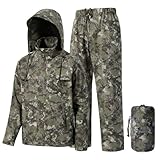
Overview: Engineered for serious outdoor enthusiasts, the BASSDASH Rain Suit combines technical fabrics and thoughtful details for demanding wet-weather pursuits like fishing, hunting, and hiking. Its dual-layer PU/polyester build targets durability and comfort in unpredictable conditions.
What Makes It Stand Out: A standout 5,000mm waterproof rating and PFAS-free coating ensure robust, eco-conscious protection. Strategic ventilation via chest/back openings and mesh lining combats sweat buildup. Functional extras include a foldable hood with adjustable brim, SBS water-resistant zippers, and double-welt pockets that actively repel rain ingress.
Value for Money: Offers exceptional feature density at a mid-range price. Outperforms basic suits with its windproofing, superior seam sealing, and ventilation—rivaling premium brands costing significantly more. Ideal for frequent users needing reliability without breaking the bank.
Strengths and Weaknesses:
Strengths: High waterproof/windproof rating; excellent breathability; secure pocket design; precise adjustability (cuffs, hem, hood); compact packability.
Weaknesses: PU fabric may feel less soft than coated nylons; hood integration could be smoother; limited color options.
Bottom Line: A top-tier value proposition for active users. Its technical features and thoughtful design deliver professional-grade performance, making it highly recommended for anglers, hunters, and hikers facing sustained wet conditions.
3. LOOGU Rain Suit, Rain Gear for Men Waterproof, Lightweight Rain Coat, Breathable Mens Rain Jackets Hood

Overview: The LOOGU Rain Suit delivers a lightweight, camo-patterned option focused on basic waterproof protection for outdoor work and recreation. Made from Poly Pongee with TPU coating and taped seams, it promises dryness during activities like hiking or agriculture.
What Makes It Stand Out: Its distinctive tree camo pattern enhances concealment for hunting or wildlife observation. At just 14oz (0.4kg), it’s exceptionally packable into small bags. Elastic cuffs and boot-compatible pants prioritize practicality, while the oversized fit accommodates layered clothing comfortably.
Value for Money: A strong budget option for occasional use. Its ultra-lightweight build and camo utility justify the low cost, though it lacks advanced features like ventilation. It’s less durable than pricier alternatives but suits users needing emergency rain cover without investment.
Strengths and Weaknesses:
Strengths: Extremely lightweight; effective camo for outdoor stealth; generous sizing; easy storage; taped seams prevent leaks.
Weaknesses: Not for harsh/industrial use (per warnings); limited breathability may cause clamminess; sizing confusion (“choose one size smaller”).
Bottom Line: A capable, affordable rain suit for casual outdoor tasks or as a packable emergency layer. Avoid for strenuous or rugged work, but ideal for hikers, gardeners, or hunters prioritizing portability and camouflage.
4. Fousam Rain Suit, Rain Gear for Men Waterproof, Camo Rain Jacket, Lightweight Rain Coat for Fishing, Hunting, Motorcycling, Hiking, Traveling, L

Overview: Fousam’s Rain Suit provides a no-nonsense, camo-colored solution for staying dry during outdoor hobbies. Built with tear-resistant polyester, it emphasizes simplicity with waterproofing, pockets, and adjustability for fishing, hiking, or travel.
What Makes It Stand Out: The high collar adds wind protection—a rarity in budget suits—while self-adhesive cuffs and trouser legs allow precise customization. Double large pockets securely hold essentials, and the lightweight fabric with included carry bag ensures easy transport. The L-size camo design blends functionality with outdoor aesthetics.
Value for Money: Competitively priced for entry-level users, it covers essentials without frills. While lacking breathability tech or high waterproof ratings, its tear resistance and adjustability offer decent longevity for the cost, outperforming ultra-cheap alternatives in durability.
Strengths and Weaknesses:
Strengths: Windproof high collar; practical adjustable closures; secure large pockets; tear-resistant material; compact storage.
Weaknesses: Minimal breathability; vague material specs (no waterproof rating); basic hood design; limited size flexibility (only L shown).
Bottom Line: A straightforward, durable rain suit for budget-focused users needing reliable basics. Recommended for motorcycling, fishing, or hiking where wind resistance matters, but not for high-moisture-output activities due to breathability limits.
5. AUSCAMOTEK Wetland Camo Rain Poncho Hooded Waterproof Camouflauge Raincoat with Waterfowl Duck Blind Pattern for Hunting Hiking Camping Fishing
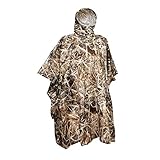
Overview: The AUSCAMOTEK Rain Poncho reimagines rain protection as a versatile, military-inspired multi-tool. This one-size-fits-most camo poncho uses PU-coated ripstop fabric for waterproofing, doubling as shelter or ground cover beyond typical rainwear.
What Makes It Stand Out: Its true innovation lies in multi-functionality: ideal as a hunting blind, emergency tarp, or picnic blanket. The oversized design fits over backpacks, while the roomy hood accommodates hats for unobstructed vision. Compact packing into its camo pouch enhances portability for minimalist adventurers.
Value for Money: Priced slightly higher than standard suits, it justifies cost through unparalleled versatility. Replacing multiple gear items (raincoat, tarp, shelter), it offers exceptional utility for backpackers, hunters, and campers seeking space-saving solutions in variable weather.
Strengths and Weaknesses:
Strengths: Exceptional multi-use functionality; spacious design for gear/backpacks; hat-friendly hood; ultra-packable; rugged ripstop material.
Weaknesses: No leg coverage (poncho style); less secure fit than zippered suits; limited adjustability; camo pattern may not suit all environments.
Bottom Line: A must-have for minimalist outdoor enthusiasts valuing adaptability. Highly recommended for hunters, backpackers, and campers needing emergency shelter alongside rain protection—though traditional suits are better for focused downpour defense.
6. TIDEWE Rain Suit, Waterproof Breathable Lightweight Rainwear (Next Camo Evos Size S)
Overview:
The TIDEWE Rain Suit offers essential waterproof protection for outdoor enthusiasts. Constructed from high-density polyester and non-woven fabric with sealed seams, it targets hikers, campers, and anglers seeking reliable rain defense without bulk. Its Next Camo Evos pattern adds subtle concealment for nature-based activities.
What Makes It Stand Out:
Fully taped seams ensure 100% waterproofing against heavy downpours, while the breathable design minimizes internal condensation. User-friendly features include adjustable cuffs, waist, and hood for a customized fit, plus two large side pockets and a compact storage bag for portability. The camo print enhances versatility for hunting or wildlife observation.
Value for Money:
Priced competitively for entry-level rainwear, it outperforms cheaper alternatives with its durable waterproofing and thoughtful adjustments. While not as specialized as premium hunting suits, it delivers solid all-around performance for casual to moderate outdoor use, making it a sensible investment for budget-conscious adventurers.
Strengths and Weaknesses:
Strengths: Reliable waterproofing, lightweight portability, adjustable fit, practical pockets, camo utility.
Weaknesses: Breathability lags behind high-end models during intense exertion, limited size specificity noted in sizing guidance, no specialized stealth features for hunters.
Bottom Line:
A dependable, affordable rain suit for general outdoor activities. Ideal for hikers and campers needing straightforward protection, though serious hunters may prefer more specialized gear. Verify sizing carefully before purchase.
7. WINWAY Rain Suit Rain Gear for Men Waterproof Camo Rain Jecket Lightweight Raincoat Hood for Outdoor Protection, Fishing,Hunting,Hiking

Overview:
WINWAY’s camo rain suit prioritizes ultralightweight performance (450g) for active outdoor pursuits. Made from TPU-coated polyester with taped seams, it targets hunters and anglers needing mobility without sacrificing weather resistance in wet environments.
What Makes It Stand Out:
Its standout feature is the ultra-lightweight construction combined with double-seamed waterproofing. The tree camo pattern offers effective concealment in forested areas, while the loose-fit design accommodates layering over clothing. Adjustable cuffs, waist, hood, and two side pockets enhance usability in the field.
Value for Money:
Offers excellent value for hunters seeking camo-specific rain gear at a mid-range price. The lightweight portability and effective concealment justify its cost compared to bulkier alternatives, though long-term durability may not match premium brands. Ideal for seasonal or frequent recreational users.
Strengths and Weaknesses:
Strengths: Exceptionally light, effective camo for jungle/forest, loose fit for layering, taped seams prevent leaks, includes carry bag.
Weaknesses: Breathability is adequate but not exceptional for high-exertion activities, TPU coating may degrade faster than laminated membranes over time.
Bottom Line:
A strong choice for hunters prioritizing camouflage and minimal weight. Best suited for moderate rain and forested terrain; verify sizing via the chart for optimal layering fit.
8. AYIN Waterproof Camo Hunting Rain Suit Silent Breathable Jacket & Pants All-Weather Men’s Outdoor Gear, Autumn, Large
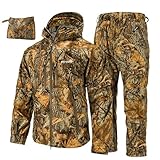
Overview:
AYIN’s rain suit is engineered specifically for serious hunters facing wet, cold conditions. It merges waterproofing with critical noise-reduction technology, targeting bow and rifle hunters who require absolute silence during stalking in autumn weather.
What Makes It Stand Out:
The ultra-quiet stealth fabric is its defining innovation, minimizing rustling sounds when moving through brush. Additional hunting-focused features include headphone ports, gear hooks, waterproof zippers for ventilation, and an elastic waistband for unrestricted movement during critical shots.
Value for Money:
Priced higher than general-purpose rainwear, it delivers exceptional value for dedicated hunters. The specialized stealth features and all-weather reliability justify the cost compared to standard rain suits, making it a worthy investment for those prioritizing success in the field.
Strengths and Weaknesses:
Strengths: Industry-leading quiet fabric, superior wind/water resistance, practical hunting-specific ports/hooks, excellent layering flexibility, effective camo.
Weaknesses: Premium price may deter casual users, breathability, while good, isn’t class-leading for extreme exertion, limited appeal outside hunting contexts.
Bottom Line:
The top recommendation for hunters demanding silent movement and all-weather reliability. Essential gear for deer or waterfowl hunting in rain; less suited for general hiking.
9. Hunt Quiet Rain Suit, Waterproof, 3000g/(㎡・24h) Breathability Rating, Lightweight 2-Piece Rainwear for Men and Women, Camouflage L (Hunting, Fishing, Hiking)

Overview:
Hunt Quiet’s suit emphasizes scientific performance metrics, featuring a verified 3000g/m²/24h breathability rating alongside 100% waterproofing. Designed for active users across hunting, motorcycling, and hiking, it bridges technical outdoor and adventure sports needs.
What Makes It Stand Out:
Its quantifiable high breathability rating sets it apart, significantly reducing sweat buildup during exertion. Motorcycle-ready elements like storm-proof cuffs and a detachable hood add versatility. The 2-piece design packs compactly, and the camo works for both hunting and tactical scenarios.
Value for Money:
Offers premium technical performance at a competitive price point. The breathability metric provides tangible value over suits with vague claims, making it cost-effective for active users who need reliable, sweat-managing protection across diverse wet-weather activities.
Strengths and Weaknesses:
Strengths: Exceptional verified breathability, lightweight mobility, versatile 2-piece design, motorcycle-friendly adjustments, packs small.
Weaknesses: Camo pattern may not suit all environments, sizing requires careful chart consultation for layering, hood attachment mechanism could be sturdier.
Bottom Line:
A top pick for active adventurers needing serious breathability without sacrificing waterproofing. Highly recommended for hikers, motorcyclists, and hunters in humid conditions; prioritize size chart accuracy.
10. TIDEWE Rain Suit, Waterproof Breathable Lightweight Rainwear (Gray Size L)
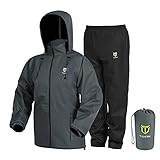
Overview:
This TIDEWE variant swaps camo for a neutral gray hue in Size L, maintaining the same core technology as Product 6. It targets users preferring low-visibility coloration for urban commutes, fishing, or general outdoor use where camouflage isn’t necessary.
What Makes It Stand Out:
The gray color provides discreet versatility for non-hunting scenarios like city commuting or birdwatching. It retains all key features: sealed seams for 100% waterproofing, breathable fabric, adjustable hood/cuffs/waist, two large pockets, and a compact storage bag, now in a universally adaptable shade.
Value for Money:
Identical in performance and price to the camo version, its value lies in color flexibility. For users needing reliable, packable rain protection without camouflage, it’s a practical choice that avoids over-specialization while delivering TIDEWE’s proven waterproof assurance.
Strengths and Weaknesses:
Strengths: Reliable waterproofing, neutral color for broad use, lightweight portability, adjustable fit, includes storage bag.
Weaknesses: Breathability isn’t class-leading for intense activity, gray may show dirt more readily than camo, sizing accuracy requires careful checking as noted.
Bottom Line:
An excellent, no-frills rain suit for everyday wet-weather needs. Choose this over camo versions if you prioritize neutral aesthetics for commuting or general outdoor use; confirm sizing before ordering.
Understanding the Core Challenge: Waterproof vs. Breathable
The Fundamental Trade-Off Explained
The eternal struggle in rain gear design is balancing waterproofness with breathability. A truly waterproof barrier (like solid rubber) will keep rain out but also trap all your sweat vapor, making you wet from the inside. Breathable membranes and coatings attempt to solve this by allowing water vapor (sweat) to escape while blocking liquid water (rain). However, this process isn’t perfect, especially under high exertion or in humid conditions. Understanding this inherent tension is crucial; expecting 100% dryness during a steep climb in a downpour is unrealistic. The goal is management, minimizing internal moisture buildup as much as possible.
How Waterproof Ratings Actually Work
Waterproofness is measured in millimeters (mm), indicating how high a column of water the fabric can withstand before leaking (e.g., 10,000mm, 20,000mm). While higher numbers suggest greater resistance, the real-world difference between 15,000mm and 30,000mm is often marginal for most hunting scenarios. More critical than the absolute number is the durability of that waterproofness – how well the coating or membrane holds up over time, through abrasion, washing, and exposure to oils or dirt. A garment rated at 10,000mm that maintains its rating for years is far more valuable than one starting at 25,000mm that degrades quickly.
Demystifying Breathability Ratings (MVTR)
Breathability is typically measured as Moisture Vapor Transmission Rate (MVTR) in grams per square meter per 24 hours (e.g., 10,000 g/m²/24hr). Higher numbers theoretically mean better sweat escape. However, these lab tests often use ideal conditions (high temperature differential) that don’t reflect the cool, humid reality of a wet-season hunt. Real-world breathability is heavily influenced by temperature, humidity, wind, and your activity level. Don’t get overly fixated on the number alone; construction details like venting and fit play massive roles in actual performance.
Material Science: Beyond the Membrane
Coated Fabrics: Simplicity and Value
Coated fabrics feature a liquid polymer (like polyurethane - PU) applied to the back of the face fabric. They are generally less expensive, very waterproof, and durable against oils and abrasion. Historically, they were much less breathable than membrane options, but modern multi-layer PU coatings have significantly improved. Their main drawback for hunting is often stiffness and noise – they can be crinkly and loud when moving through brush, a critical factor for stealth.
Laminated Membranes: The Breathability Benchmark
Laminated membranes (e.g., ePTFE like Gore-Tex, or PU-based membranes) are bonded between the face fabric and a protective lining. This construction typically offers superior breathability compared to coatings, especially under moderate activity. They also tend to be softer, quieter, and more durable in terms of maintaining breathability over time. High-end hunting-specific membranes often incorporate additional technologies to enhance durability, quietness, and stain resistance, making them a popular (though pricier) choice for serious hunters needing reliable performance.
The Critical Role of the DWR Finish
No matter the core technology, the outer face fabric relies on a Durable Water Repellent (DWR) finish. This microscopic treatment causes water to bead up and roll off before it saturates the fabric. If the DWR fails (due to dirt, oils, or wear), the face fabric “wets out,” feeling cold and clammy, and significantly reducing breathability as the membrane can’t effectively transfer vapor through a saturated outer layer. Proper care and periodic reapplication of DWR are non-negotiable for maintaining performance.
Design Elements That Make or Break Performance
The Imperative of Full Sealed Seams
Stitching holes are potential leak points. Fully taped seams, where a waterproof tape is applied over every seam inside the garment, are essential for true waterproofness, especially in heavy or prolonged rain. Look for “fully seam sealed” – partial taping (just on shoulders, chest) is insufficient for demanding conditions. The quality of the taping (width, adhesion) also matters greatly for longevity.
Hood Design: Your First Line of Defense
A poorly designed hood is worse than useless; it’s a distraction. Hunting-specific hoods need a secure, adjustable fit that moves with your head (not independently), providing full coverage without obstructing peripheral vision or the ability to shoulder a rifle comfortably. A stiff brim helps shed water away from the face. Integration with a hat or cap underneath is a valuable feature for many hunters.
Pocket Placement and Functionality
Pockets must be accessible over your harness or pack straps without compromising the waterproof seal. Strategically placed handwarmer pockets (high enough to use while wearing a pack) and secure chest pockets for essentials are key. All pocket openings should be protected by storm flaps with waterproof closures (zippers or snaps) to prevent water ingress. Avoid pockets that create bulk where your pack sits.
The Silent Movement Factor
Noise is the enemy of the hunter. Fabrics that rustle or crinkle with every movement will spook game long before you see it. Look for garments specifically designed with quiet fabrics – often achieved through softer membrane constructions, specialized face fabric weaves (like micro-ripstop), or laminated linings that reduce internal friction. Don’t underestimate the importance of testing the sound yourself before buying.
Articulated Fit and Freedom of Movement
Rain gear shouldn’t feel like a restrictive sack. Articulated patterning (pre-bent elbows and knees) and gusseted underarms are crucial for allowing full, quiet range of motion when drawing a bow, shouldering a rifle, or climbing steep terrain. The fit needs to accommodate your base and mid-layers underneath without being so baggy that it catches on branches or creates excess noise.
Mastering the Layering System
Why Rain Gear is Just the Outer Shell
Your rain shell is only one component of a complete wet-weather system. Its effectiveness is entirely dependent on the layers worn underneath. The goal is to manage moisture before it reaches the shell. Base layers should actively wick sweat away from the skin. Mid-layers provide insulation but must also allow vapor transmission – avoid non-breathable insulators like standard fleece directly under the shell, as they trap moisture.
Choosing the Right Insulating Mid-Layers
Hunting-specific synthetic or merino wool mid-layers designed for breathability are ideal. Avoid cotton at all costs – it absorbs moisture and loses insulating properties when wet. Consider the expected temperature and exertion level; you may need multiple lighter layers you can add or remove to fine-tune temperature without compromising the shell’s integrity. Remember, overheating inside your shell accelerates sweat buildup.
The Critical Importance of a Good Base Layer
Your base layer is the first defense against internal moisture. High-quality merino wool or specialized synthetic fabrics (not cotton!) are essential. They pull sweat away from your skin to the outer layers where it can evaporate. A damp base layer against your skin is the first step towards discomfort and chilling, regardless of how waterproof your outer shell is.
Durability and Long-Term Value Considerations
Face Fabric Denier: Thicker Isn’t Always Better
Denier (D) measures the thickness of the fabric fibers. Higher denier (e.g., 70D, 100D) generally means greater abrasion resistance, crucial for pushing through thick brush. However, higher denier fabrics can be stiffer, noisier, and heavier. Many high-end hunting shells use durable yet supple lower-denier fabrics (e.g., 30D, 40D) combined with robust membranes and careful construction for an optimal balance of quietness, weight, and longevity.
Reinforcements: Where They Matter Most
Strategic reinforcement in high-wear areas significantly extends a garment’s life. Look for extra fabric or tougher material on shoulders (for pack straps), forearms (for bow hunting or crawling), knees, and the seat. These targeted reinforcements add minimal weight but provide substantial protection against tears and abrasion in critical zones.
Care and Maintenance: Protecting Your Investment
Proper care is paramount for longevity. Regularly clean garments according to the manufacturer’s instructions using tech-specific detergents (never regular laundry soap or fabric softener) to remove oils, dirt, and sweat that clog the membrane and degrade DWR. Always reapply DWR treatment after cleaning. Store clean and dry, loosely folded – avoid prolonged compression in stuff sacks. Neglecting maintenance is the fastest way to render even the best gear ineffective.
Specialized Features for the Hunter
Adjustable Cuffs: Sealing Out the Elements
Effective cuff closures are vital. Look for wide, adjustable closures (hook-and-loop or elastic with a strap) that can be tightened securely over glove cuffs or bare wrists, preventing rain from running down your arms. Some designs incorporate gauntlet-style extensions for extra protection.
Hem Adjusters: Keeping the Drafts Out
A drawcord or adjustable hem at the waist helps seal out wind and rain, especially when bending or sitting. It also prevents the jacket from riding up excessively during movement. Easy-to-reach adjusters that can be operated with gloves on are a significant plus.
Quiet Zippers and Closures
Standard zippers can be incredibly noisy. High-end hunting rain gear often features zippers with special backing tapes, protective flaps, or even molded teeth designed to minimize sound when opening and closing. Even the quality of the zipper pull matters – smooth, quiet operation is essential. Button or snap closures should also be designed for silent use.
Ventilation: Managing the Inevitable
Strategic pit zips or back vents are non-negotiable for managing heat and moisture during exertion. Large, fully waterproof zippers running from the underarm down the side allow for significant airflow without compromising waterproofness when closed. The ability to dump heat quickly can prevent the internal humidity spike that leads to condensation inside the shell.
Making the Right Choice for Your Hunt
Matching Gear to Your Specific Environment
Consider the typical conditions: Is it cold, driving rain in mountainous terrain, or warm, humid drizzle in the swamp? Cold, wet environments demand greater emphasis on insulation compatibility and wind resistance. Warm, humid hunts prioritize maximum breathability and ventilation. Dense timber requires maximum quietness and abrasion resistance, while open country might prioritize lightweight packability.
Activity Level is Paramount
Your physical exertion level drastically impacts moisture management needs. A spot-and-stalk hunter covering miles in hilly terrain needs exceptional breathability and ventilation. A hunter sitting in a stand for hours prioritizes quietness, wind resistance, and potentially more insulation, with less need for high breathability during low activity. Be honest about your typical movement.
Prioritizing Your Non-Negotiables
Every hunter has different priorities. For some, absolute silence is worth sacrificing a bit of breathability. Others, hunting in extreme cold and wet, prioritize warmth and windproofness above all else. Some need the lightest possible packable option. Define your top 2-3 critical requirements before you start evaluating options. This focus will cut through marketing hype and lead you to gear that truly serves your needs.
Frequently Asked Questions
What’s more important: waterproof rating or breathability?
For hunting, breathability is often more critical than an ultra-high waterproof rating. You’ll likely encounter heavy rain, but prolonged exertion causing internal sweat buildup is a constant, more frequent challenge. A shell with excellent breathability (and solid waterproofing, e.g., 15k+ mm) will keep you drier overall in active hunting than a super-high waterproof rating with poor breathability.
Can I wear fleece under my rain jacket?
Standard fleece can trap moisture against your skin and significantly reduce the breathability of your rain shell, leading to condensation inside. Opt for hunting-specific mid-layers designed to work with your shell system – these are often smoother, more tightly woven synthetics or merino blends that wick effectively and allow vapor to pass through to the shell.
Why does my expensive rain jacket feel wet inside after hiking?
This is usually condensation, not a leak. When your body produces sweat vapor faster than the shell can breathe (common during high exertion, in high humidity, or if the shell’s DWR has failed causing the face fabric to “wet out”), the vapor condenses back into liquid water inside the jacket. Better ventilation (pit zips!), managing exertion, and maintaining DWR are key solutions.
How often should I reapply DWR?
Reapply DWR whenever you notice water no longer beading up on the face fabric and instead soaking in (causing “wet out”). This could be after several cleanings or as little as 10-20 days of heavy field use, depending on the garment and conditions. Always clean the garment first according to instructions before reapplying.
Are completely silent rain shells possible?
Achieving absolute silence is difficult, but significant noise reduction is achievable and expected in quality hunting-specific rain gear. Look for shells explicitly marketed as “quiet” or “silent,” often using softer membrane constructions, specialized quiet face fabrics (like micro-ripstop), and laminated linings to minimize internal fabric noise.
Do I need special rain pants, or are regular ones sufficient?
Hunting-specific rain pants are highly recommended. They typically feature articulated knees for silent movement, boot gaiters or reinforced cuffs to keep pants inside boots, strategic quiet fabric placement, and often reinforced seat/knees. Regular hiking pants lack these critical hunting-focused design elements.
How do I prevent my rain gear from making noise when I move?
Beyond choosing inherently quiet fabrics, ensure the fit allows full range of motion without excess fabric dragging. Layering with smooth base and mid-layers reduces internal friction. Break in new gear before a critical hunt. Avoid storing gear tightly compressed for long periods, as this can stiffen fabrics.
Is Gore-Tex the only good option for breathability?
No. While Gore-Tex is a well-known benchmark, numerous high-performance proprietary membranes (from various outdoor brands) and advanced coated fabrics offer excellent, sometimes superior, breathability and durability, often at different price points. Focus on the garment’s overall construction and hunting-specific features, not just the membrane name.
Can I layer too much under my rain shell?
Absolutely. Over-layering traps heat, causing you to sweat excessively, which overwhelms the shell’s breathability and leads to internal condensation. The shell should fit comfortably over your intended base and mid-layers without being tight. Adjust layers underneath based on activity level – it’s better to have removable insulation than to be stuck overheating.
How do I clean my rain gear properly?
Always follow the specific care label. Generally: use a tech-wash detergent (never regular soap/detergent or fabric softener), wash on gentle cycle in warm water, avoid bleach, and tumble dry on low heat after washing (the heat often helps reactivate DWR). Never dry clean. Reapply DWR after cleaning.
Related Buying Guides
- The Complete Guide to the 10 Best Rain Gear Options for Deer Hunters
- The Complete Guide to the 10 Best Elk Decoy Setups for Mountainous Terrain
- 10 Essential Rain Gear Sets Every Backcountry Hunter Needs in 2026
- 10 Game-Changing Rain Gear Sets for Storm-Proof Hunting in 2026
- 10 Game-Changing Rain Gear Options for Storm-Proof Hunts in 2026