Table of Contents
When the sun dips below the horizon and darkness blankets the woods, most hunters pack up their gear and head home—but for the dedicated few, the hunt is just beginning. Night hunting presents a unique set of challenges that test even the most experienced archers, with visibility being the most critical obstacle to overcome. A quality lighted bow sight transforms from a luxury to an absolute necessity when you’re drawing on a target you can barely see against a shadowed backdrop. The right illuminated sight doesn’t just help you aim; it becomes the bridge between opportunity and success when every other visual cue has faded to black.
Choosing the perfect lighted bow sight for night hunting requires understanding far more than just brightness levels. Today’s market offers sophisticated illumination technologies, various power systems, and specialized features designed specifically for low-light conditions. This comprehensive guide walks you through everything you need to know before investing in a night hunting sight—from the science behind different illumination methods to the practical considerations that separate a reliable tool from a disappointing purchase. Whether you’re pursuing hogs under the cover of darkness or participating in regulated predator hunts, making an informed decision will dramatically impact your effectiveness and safety in the field.
Top 10 Lighted Bow Sights
Detailed Product Reviews
1. LWANO Rechargeable Archery Sight Light, 3 Brightness Levels Bow Sight Light for Hunting

Overview: The LWANO Rechargeable Archery Sight Light addresses the primary frustration of archers: dead batteries in the field. This versatile illumination tool eliminates the need for constant battery replacements with its integrated rechargeable design, making it an eco-friendly and convenient choice for serious bowhunters and target archers alike.
What Makes It Stand Out: Unlike competitors offering single-thread compatibility, LWANO provides three thread sizes (1/4"-28, 7/16"-20, and 3/8"-32) ensuring universal fit across virtually all modern bow sights. The three-level brightness adjustment allows precise illumination control from dawn’s first light to dusk’s last legal shooting minute. Its IP-rated waterproof aluminum construction withstands torrential rain and brutal field conditions that would destroy lesser lights.
Value for Money: At its price point, this sight light delivers exceptional long-term value. While traditional battery-powered lights require $5-10 in replacements annually, the LWANO’s rechargeable design pays for itself within two seasons. The multi-thread adaptability means you won’t need separate lights for different bows—a significant cost saving for archers with multiple setups.
Strengths and Weaknesses: Strengths: Rechargeable battery eliminates ongoing costs; three thread sizes for true universal fit; three brightness levels for all conditions; waterproof aluminum construction; lightweight at under 1 ounce.
Weaknesses: Requires charging discipline—forgetting to charge renders it useless; slightly higher initial investment than basic battery models; micro-USB charging port may collect debris if not covered.
Bottom Line: The LWANO is the smart choice for dedicated archers who prioritize reliability and long-term savings over upfront cost. Its versatile design and robust construction make it a field-ready companion that won’t leave you in the dark when it matters most.
2. SOPOGER Archery Compound Bow Sight Light Fiber Optic 3/8-32 LED Sight Light Thread Universal Fit (1pcs)
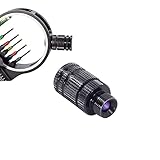
Overview: The SOPOGER Archery Sight Light represents a straightforward, no-nonsense approach to bow sight illumination. This compact LED unit focuses on essential functionality without unnecessary complexity, making it an accessible entry point for archers seeking reliable pin lighting without breaking the bank.
What Makes It Stand Out: The tool-free twist-on design with anti-skid striped texture allows rapid installation and removal even with cold, gloved hands—a practical feature often overlooked by premium competitors. The included three batteries provide immediate field readiness, while the lightweight aluminum construction balances durability with minimal weight addition to your sight housing.
Value for Money: This is among the most budget-friendly options available, typically retailing for less than half the cost of rechargeable alternatives. For occasional hunters or those new to archery, the low investment risk is appealing. However, recurring battery costs accumulate over time, making it less economical for high-volume shooters.
Strengths and Weaknesses: Strengths: Extremely affordable; batteries included for immediate use; simple twist operation; anti-skid texture aids handling; lightweight aluminum build; compact profile.
Weaknesses: Single 3/8"-32 thread limits compatibility; no brightness adjustment—fixed output may be too bright or dim; non-rechargeable design creates waste and ongoing expense; no waterproof rating specified; blue LED may not suit all fiber optic pin colors.
Bottom Line: The SOPOGER delivers basic functionality at a bargain price. It’s best suited as a backup light or for beginners testing sight illumination needs, but serious archers will quickly outgrow its limitations and crave adjustable, rechargeable alternatives.
3. Trophy Ridge Rechargeable Bow Sight Light – USB Rechargeable, Universal Fit, Weather-Resistant, Compact & Lightweight, 3 Brightness Settings, 30-Hour Run Time

Overview: Trophy Ridge leverages its reputation for archery innovation with this premium rechargeable sight light engineered for demanding hunters. Combining extended battery life with intelligent power management, this unit addresses the critical need for dependable illumination across multiple days in remote wilderness.
What Makes It Stand Out: The 30-hour runtime with 30-minute auto shut-off sets a new standard for efficiency, preventing accidental battery drain that plagues other rechargeable models. Its USB charging capability integrates seamlessly with modern hunting gear powered by power banks and solar chargers. The compact, weather-resistant design maintains sight balance while shrugging off rain, snow, and dust that would compromise lesser units.
Value for Money: Positioned at the premium end of the market, this light justifies its price through superior engineering and brand reliability. The 30-hour endurance eliminates range anxiety during week-long backcountry hunts, while the auto shut-off protects your investment from forgetfulness. Compared to replacing batteries twice a season, it pays dividends within 18 months.
Strengths and Weaknesses: Strengths: Exceptional 30-hour battery life; intelligent auto shut-off prevents drainage; USB rechargeable; three brightness settings; proven weather resistance; minimal weight and bulk; trusted brand warranty support.
Weaknesses: Premium pricing may deter budget-conscious buyers; proprietary charging cable (if lost) requires replacement; 30-minute shut-off may interrupt long stakeout sessions requiring brief reactivation.
Bottom Line: For serious backcountry hunters who demand zero-fail performance, the Trophy Ridge is worth every penny. Its marathon battery life and rugged design provide peace of mind that cheaper alternatives simply cannot match when you’re miles from civilization.
4. SAS Compound Bow Fiber Optic LED Sight Light 3/8-32 Thread Universal Fit
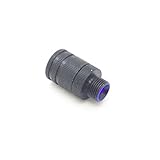
Overview: The SAS Sight Light delivers bare-bones illumination for compound bow shooters seeking the absolute minimum investment. This utilitarian LED unit strips away features to focus on core functionality: lighting your fiber optic pins when ambient light fails, without complicating your setup or draining your wallet.
What Makes It Stand Out: Its explicit compatibility list (Topoint, Apex, Cobra, Copper John, PSE, Trophy Ridge, TruGlo) provides confidence for owners of these popular sight brands. The straightforward design means zero learning curve—screw it in, and it works. This plug-and-play simplicity appeals to traditionalists who view sight lights as occasional tools rather than essential gear.
Value for Money: This represents the entry-level price point for sight illumination, often available for less than a fast-food meal. For hunters who only need low-light visibility a few times per season, the cost-to-usage ratio is unbeatable. However, the lack of features means you’re not getting advanced value—just basic functionality.
Strengths and Weaknesses: Strengths: Lowest possible price point; batteries included; explicitly lists compatible brands; simple operation with no settings to fuss with; extremely lightweight; works immediately out of package.
Weaknesses: Fixed brightness with no adjustment; single 3/8"-32 thread excludes many sights; no durability specifications; non-rechargeable with ongoing battery costs; blue LED may wash out certain pin colors; no warranty information provided.
Bottom Line: Buy the SAS if you need a dirt-cheap, functional sight light for occasional use. It’s a disposable-priced tool that performs adequately, but dedicated archers will find its limitations frustrating and upgrade quickly.
5. Archery Bow Sight Light - Compound 3/8-32 Led Battery Fiber Optic Bow Sight Light Thread Universal Fit (2pcs)

Overview: This two-pack sight light set delivers exceptional value through sheer quantity, providing illumination solutions for multiple bows or a primary-plus-backup configuration. Designed for budget-conscious archers who refuse to compromise on preparedness, this package doubles your lighting capability at a price competitors charge for a single unit.
What Makes It Stand Out: The dual-unit packaging is unique in this category, allowing you to equip two bows for the price of one premium light, or keep a spare in your pack when your primary fails. Each unit includes three batteries, effectively supplying six batteries total—enough for several seasons of moderate use before needing replacements.
Value for Money: Nothing competes with the per-unit cost of this two-pack. At approximately 40% less per light than buying individually, it’s the mathematically superior choice for archers with multiple setups. The aluminum construction and included batteries mean zero additional investment is required, maximizing immediate utility.
Strengths and Weaknesses: Strengths: Two lights for price of one; six total batteries included; durable aluminum housing; universal 3/8"-32 thread fits most compound sights; ideal for backup or multiple bow setups; lightweight design.
Weaknesses: No brightness adjustment or rechargeable capability; single thread size limits versatility; blue LED may not complement all pin colors; no waterproof rating; quality control may vary between units in budget two-packs.
Bottom Line: This two-pack is the undisputed value champion. If you need sight lights for multiple bows or want a reliable backup without premium cost, this package delivers practical functionality that punches far above its weight class.
6. Viper Archery - The Charge - Rechargeable Bow Sight Light | Built-in 15-Min Auto-Off Timer + Micro USB Charging | Universal Fit, 3 Brightness Levels, Waterproof

Overview: The Viper Archery Charge represents a premium evolution in bow sight illumination, addressing the most common frustration among hunters: dead batteries at critical moments. This micro-USB rechargeable sight light combines intelligent power management with rugged construction for serious bowhunters who demand reliability in the field.
What Makes It Stand Out: The revolutionary 15-minute auto-off timer sets this apart from every competitor, automatically shutting down to prevent accidental battery drain while you’re hiking or waiting. Three brightness levels provide precise illumination control from dawn to dusk, while the included thread adapters ensure universal compatibility across major sight brands. The water-resistant construction withstands real hunting conditions, not just ideal weather.
Value for Money: Positioned at the premium end, the Charge justifies its higher price through intelligent features that cheaper alternatives lack. The auto-off function alone saves countless batteries and missed opportunities, making it more economical over multiple seasons. Compared to disposable battery lights, it pays for itself within a year of active hunting.
Strengths and Weaknesses: Strengths include the game-changing auto-off timer, durable weatherproof build, universal fit adapters, and reputable Pennsylvania-based customer support. Weaknesses are its premium pricing that may deter casual archers, and the need to remember charging before extended trips. The micro-USB port, while convenient, isn’t the latest USB-C standard.
Bottom Line: For dedicated bowhunters who’ve experienced the heartbreak of a dead sight light during a trophy opportunity, the Charge is an essential upgrade. The intelligent auto-off feature and robust construction make it worth every penny for serious hunters who demand reliability when it matters most.
7. Rechargeable Archery Sight Light Bow Sight Light - 3 Brightness Levels Blue Light with Universal 6/9/11mm Adapters for Night Hunting Archery

Overview: This rechargeable archery sight light targets night hunters with specialized blue LED illumination and impressive battery endurance. Offering a budget-friendly alternative to premium brands, it delivers essential features for low-light shooting scenarios without breaking the bank.
What Makes It Stand Out: The blue light spectrum is specifically optimized for night hunting, providing excellent visibility without spooking game like white light might. The remarkable 24+ hour battery life on a single charge ensures multi-day hunting trips remain illuminated. The textured anti-slip surface demonstrates thoughtful design for field adjustments with cold or gloved hands.
Value for Money: Exceptional value for dedicated night hunters. The universal adapter kit eliminates compatibility concerns, and the rechargeable design removes ongoing battery costs. While lacking premium brand recognition, it delivers core functionality at roughly half the price of established competitors, making it accessible for hunters experimenting with night archery.
Strengths and Weaknesses: Strengths include the night-optimized blue light, extraordinary battery longevity, solid aluminum waterproof construction, and comprehensive adapter set. Weaknesses involve the generic brand status with uncertain long-term support, blue light’s incompatibility with some fiber optic colors, and potential quality control inconsistencies. The charging port’s weather sealing may be less robust than premium options.
Bottom Line: An excellent entry point for night hunters seeking reliable illumination without premium costs. The blue light and marathon battery life make it ideal for nocturnal pursuits, though serious hunters may eventually upgrade to branded alternatives for proven durability.
8. Trophy Ridge Fix Bow Sight, 5 Ultra-Bright 0.019" Horizontal Fiber Optic Pins, Includes Everything You Would Need, Micro-Adjustable Pins, Increased Accuracy, Innovative Design
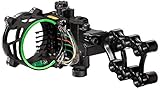
Overview: The Trophy Ridge Fix is a complete micro-adjustable bow sight system designed for archers seeking precision without complexity. Featuring five ultra-bright horizontal fiber optic pins and tool-less micro-adjustments, it delivers tournament-grade accuracy in a hunter-friendly package that includes all necessary mounting hardware and an integrated rheostat light.
What Makes It Stand Out: The tool-less micro-adjustment system allows precise pin tuning in the field without additional tools, a critical advantage for hunters traveling to different elevations. Second-axis adjustment capability ensures bubble level accuracy for uphill and downhill shots. The included rheostat light with pre-charged battery provides immediate low-light capability straight from the box.
Value for Money: Mid-range pricing positions this as an excellent value for archers ready to move beyond entry-level sights. The included adjustment tool, mounting hardware, and integrated light eliminate hidden costs. While more expensive than basic fixed-pin sights, the micro-adjustability and second-axis features typically appear in premium models costing significantly more.
Strengths and Weaknesses: Strengths include the precise micro-adjustments, bright .019 pins for long-distance visibility, comprehensive included accessories, and robust construction. Weaknesses are the fixed five-pin configuration that may not suit all shooters, slightly heavier weight than minimalist sights, and the rheostat light’s battery dependency. Horizontal pins may require adjustment period for vertical-pin users.
Bottom Line: A smart choice for intermediate to advanced archers wanting micro-adjustability without premium pricing. The Fix bridges the gap between basic and high-end sights, making it ideal for 3D shooters and hunters who value field-adjustable precision and bright pin visibility.
9. Compound Bow Sight Light Blue Purple White Bowlight LED 3-Levels Adjustable 1/4-28 (Blue)

Overview: This versatile LED sight light addresses a niche but important need: optimizing illumination for different fiber optic colors. With three distinct LED options—blue, purple, and white—archers can match light spectrum to their specific pin fibers for maximum brightness without washout, all housed in a CNC-machined aluminum body.
What Makes It Stand Out: The multi-color LED system is uniquely practical, as blue/purple LEDs excel with green/blue fibers while white optimizes red/yellow fibers. The aggressive battery bundle—3 batteries installed plus 12 spares, with promotional offers for multi-light purchases—eliminates power anxiety for seasons. The CNC T6 aluminum construction provides durability uncommon at this price point.
Value for Money: Outstanding value, particularly with bulk battery promotions. The light itself is competitively priced, but the included battery stash and purchase incentives create exceptional long-term value. For archers with multi-color fiber setups or those wanting backup lights, the promotional deals make stocking up very economical compared to buying batteries separately.
Strengths and Weaknesses: Strengths include color-matched LED options, premium CNC aluminum body, generous battery package, and universal 1/4-28 threading. Weaknesses are the non-rechargeable battery dependency, generic brand with limited support, and potential for LED color inconsistency between units. Lacks waterproof rating certification despite aluminum construction.
Bottom Line: Perfect for archers wanting to optimize pin brightness through color matching without investing in rechargeable systems. The battery bundle deals make it ideal for budget-conscious shooters or those wanting backup lights, though frequent hunters may prefer rechargeables for convenience.
10. Reikawa 6PCS-S Lighted Nocks for Arrows with .244/6.2mm Inside Diameter Compound Bow Arrow Nock for Hunting Shooting
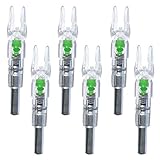
Overview: These lighted nocks from Reikawa solve a hunter’s age-old problem: arrow recovery in low light. Designed for standard .244 ID carbon arrows, this six-pack provides high-visibility LED tracking without the assembly hassle common with other lighted nock systems, featuring an impressive 48+ hour battery life.
What Makes It Stand Out: The zero-assembly requirement distinguishes these from competitors requiring glue, shrink tubing, or complex installations. The plunger activation system reliably ignites upon release, while the side-hole design allows simple deactivation without tools. The extended 48-hour battery life means arrows lost at dusk remain findable the following day, a practical advantage for blood-trailing hunters.
Value for Money: Strong value as a six-pack unit, costing less per nock than premium brands like Nockturnal or Lumenok. The included screwdriver and immediate usability reduce hidden costs and setup time. While not the brightest LEDs available, the longevity and convenience justify the moderate price point for hunters prioritizing recovery over ultra-bright flash.
Strengths and Weaknesses: Strengths include tool-free operation, exceptional battery life, convenient on/off mechanism, and universal .244 fit for most carbon arrows. Weaknesses involve plastic construction that may crack on hard impacts, inconsistent brightness between nocks in some batches, and lack of color options. The activation plunger can occasionally stick, causing misfires.
Bottom Line: An excellent practical choice for hunters wanting reliable arrow tracking without premium pricing or complicated setup. The battery life and simplicity make them ideal for hunting scenarios where arrow recovery is critical, though competitive shooters may prefer brighter, more consistent premium alternatives.
Understanding Lighted Bow Sights for Night Hunting
What Makes a Bow Sight “Lighted”
A lighted bow sight incorporates illumination technology that makes the sight pins visible in near-total darkness. Unlike standard sights that rely on ambient light to glow through fiber optic collection, true lighted sights actively generate or enhance pin visibility through electrical or radioactive means. These systems ensure your aiming points remain crisp and clear when natural light fails, giving you the confidence to take ethical shots at extended hunting hours.
The Evolution of Night Hunting Optics
The journey from basic pin sights to today’s advanced illuminated systems reflects the growing sophistication of archery equipment. Early solutions involved simple battery-powered LEDs that often drained quickly or produced uneven lighting. Modern iterations now feature smart power management, adjustable brightness controls, and hybrid illumination that combines multiple technologies for optimal performance across varying darkness levels.
Why Standard Sights Fail After Dark
Standard fiber optic sights depend on gathering available light to make pins visible. Once light levels drop below a certain threshold, these pins become faint shadows against your sight housing, forcing you to choose between guessing your hold point or abandoning the hunt. This limitation isn’t just inconvenient—it creates dangerous accuracy issues that compromise both hunter safety and clean, ethical harvests.
Essential Features for Night Hunting Success
Pin Visibility and Clarity in Darkness
The primary function of any lighted sight is pin visibility, but not all illumination is created equal. The best night hunting sights produce pins that are bright enough to see clearly without creating halo effects or washing out your target. Look for systems that offer crisp, well-defined pin points rather than blurry glows that obscure vital aiming zones on your quarry.
Brightness Adjustment Capabilities
Fixed-brightness sights might work for dusk hunting but quickly become problematic in true darkness. Adjustable brightness settings allow you to dial in the perfect illumination level for your specific conditions—whether that’s a moonlit field or the deep shadows of a forested ridge. This versatility prevents pins from being too dim to see or so bright they destroy your night vision.
Power Source Options and Management
How your sight receives power directly impacts its reliability and convenience. Some systems use common watch batteries that last an entire season, while others rely on rechargeable cells that require regular attention. Consider how often you’re willing to replace batteries and whether you prefer the simplicity of disposable cells or the eco-friendliness of rechargeable options.
Durability in Harsh Conditions
Night hunting often means exposure to dew, fog, temperature swings, and rough handling in the dark. Your sight must feature robust construction that protects sensitive electronics from moisture intrusion and impact damage. The housing should feel solid in your hands, with quality materials that won’t crack or corrode after a season in the field.
Illumination Technologies Explained
Fiber Optic Enhancement Systems
Even lighted sights often incorporate fiber optics to maximize efficiency. These systems use extremely thin strands of optical fiber to collect and channel any available ambient light to the pin tips. In lighted models, this fiber network works in conjunction with active illumination, creating a backup system that preserves some visibility even if your battery fails at a critical moment.
LED-Powered Pin Systems
Light Emitting Diodes represent the most common modern solution for lighted sights. These tiny, efficient lights produce bright, focused illumination directly at the pin points. Quality LED systems offer consistent brightness across all pins and consume minimal power, making them ideal for hunters who spend multiple nights in the field. The best implementations protect the LED elements behind durable lenses that won’t yellow or crack over time.
Tritium Illumination Pros and Cons
Tritium sights contain tiny amounts of radioactive gas that glow continuously without batteries or external power. This “always-on” feature provides incredible reliability, as you’ll never face a dead battery situation. However, tritium has a limited lifespan (typically 10-15 years before dimming significantly) and cannot be turned off or adjusted, which some hunters find limiting in very dark conditions where the glow might be too subtle.
Hybrid Illumination Approaches
The most sophisticated sights combine multiple illumination methods for maximum versatility. A hybrid system might use LED for primary illumination with fiber optic backup, or pair tritium pins with battery-boosted brightness controls. These combinations ensure you’re never left without sight picture, regardless of conditions or power status.
Pin Configuration Strategies
Single Pin vs. Multi-Pin Setups
Single pin sights excel in low light because they present only one glowing point to focus on, reducing confusion and target obstruction. Multi-pin configurations offer the advantage of preset distances, eliminating movement that could spook game, but require you to mentally select the correct pin in darkness. Your choice depends on hunting style—still hunters often prefer multi-pin, while spot-and-stalk hunters might favor the simplicity of a single adjustable pin.
Pin Size and Thickness Considerations
Thinner pins cover less of your target, allowing for precise shot placement on small vital zones. However, extremely thin pins can disappear against complex backgrounds in low light. The sweet spot for night hunting typically falls between .019" and .029" diameter—thick enough to see clearly but thin enough for accuracy at ethical hunting distances.
Gap Between Pins for Low-Light Acquisition
On multi-pin sights, the spacing between pins affects how quickly you can identify the correct one in darkness. Tightly stacked pins can blend together when illuminated, forcing you to count from top or bottom under pressure. Strategic spacing that separates pins visually while maintaining reasonable gap sizes for your typical hunting distances improves speed and confidence during critical moments.
Power Management Solutions
Battery Types and Longevity
Common battery types include CR2032 coin cells, AAA batteries, and proprietary rechargeable packs. Coin cells offer compact size and long shelf life but can be difficult to replace in the field. AAA batteries are universally available and easy to change, though they add slight weight. Rechargeable systems eliminate replacement costs but require discipline to keep charged. Consider your access to replacement batteries when choosing a system.
Auto-Shutoff Features
Sophisticated sights include motion sensors or timers that automatically turn off illumination after periods of inactivity. This feature prevents accidental battery drain when you forget to manually power down after a hunt. The best implementations activate quickly when you move the bow, ensuring the sight is ready when you need it without fumbling for switches.
Manual vs. Automatic Brightness Control
Manual rheostat dials give you infinite adjustment and predictable performance, while automatic systems use light sensors to adjust brightness based on ambient conditions. Manual controls offer reliability and familiarity, but automatic systems provide hands-free optimization that adapts as darkness deepens or moonlight changes. Many premium sights offer both options for maximum flexibility.
Construction and Weatherproofing
Materials That Withstand the Elements
Aircraft-grade aluminum provides the best balance of strength, weight, and corrosion resistance for sight housings and brackets. Avoid plastic components in critical structural areas, as temperature fluctuations can cause cracking and moisture infiltration. The finish should be hard-anodized to resist scratches and wear from brush, gear, and repeated handling.
Sealing Technology for Moisture Protection
Quality lighted sights feature O-ring seals at all access points, including battery compartments and adjustment knobs. These seals should be tested to IPX ratings that guarantee protection against heavy rain and temporary submersion. Check that the battery door threads smoothly and includes a compression seal that prevents moisture from reaching sensitive electronics.
Temperature Resistance Factors
Night hunting often involves dramatic temperature swings from warm afternoon setups to freezing midnight sits. Your sight’s electronics and materials must function reliably across this range. Look for systems rated to operate from well below freezing to over 100°F, with batteries that maintain consistent voltage output even when cold.
Mounting Systems and Compatibility
Standard Mounting Systems
Most modern bows use either a standard 3/8" dovetail or proprietary mounting systems specific to the bow manufacturer. Your lighted sight must match your bow’s configuration or include adaptable brackets. Some sights offer both options, providing future-proof flexibility if you upgrade bows or want to move the sight between multiple setups.
Tool-Free Adjustment Benefits
The ability to make windage and elevation adjustments without tools proves invaluable when you’re fine-tuning your setup in the field, especially in darkness. Tool-free knobs with positive clicks and clear markings allow precise corrections without fumbling for hex keys or screwdrivers that can be dropped and lost in low light conditions.
Compatibility with Your Bow Setup
Consider how the sight integrates with your peep sight, stabilizer, and quiver. Some lighted sights have larger housings that may interfere with certain peep sizes or create balance issues. Test the sight’s profile against your bow’s riser and accessories to ensure clean lines and unobstructed operation before committing to a purchase.
Adjustment Mechanisms
Micro-Click Windage and Elevation
Precision adjustments require fine-click mechanisms that move the sight housing in small, predictable increments. For night hunting, where shots are typically closer but accuracy remains critical, look for systems offering 1/4" or finer adjustments at 20 yards. These micro-clicks should feel positive and audible, giving you confidence that each adjustment registers correctly even when you can’t see the markings clearly.
Third-Axis Adjustments for Accuracy
Third-axis adjustment compensates for torque and ensures your pins remain level when shooting on uneven terrain or from elevated positions. While often overlooked, this feature becomes increasingly important in night hunting scenarios where you might be shooting from tree stands or hillsides in darkness. A sight with accessible third-axis adjustment helps maintain accuracy across all shooting angles.
Quick-Change Capability in the Field
Some advanced systems allow you to swap pin configurations or entire sight housings without removing the mounting bracket from your bow. This feature lets you adapt your setup from a multi-pin configuration for still hunting to a single-pin slider for spot-and-stalk missions, maximizing your sight’s versatility across different night hunting applications.
Brightness Control Systems
Rheostat Dials vs. Push-Button Controls
Rheostat dials provide smooth, infinite brightness adjustment with tactile feedback, while push-button systems offer preset levels that click through sequentially. Dials allow precise fine-tuning but require two-handed operation. Buttons can be manipulated with your bow hand while at full draw, but may not offer the exact brightness you prefer. Consider which control style matches your hunting technique and physical capabilities.
Memory Settings for Different Conditions
Premium lighted sights include memory functions that recall your preferred brightness settings for various scenarios—perhaps one setting for clear moonlight nights and another for overcast, starlit conditions. This feature eliminates the guesswork of readjusting brightness each time conditions change, letting you focus on hunting rather than fiddling with controls.
Overcoming Light Pollution Issues
In areas with distant light sources—farmyard security lights, roadway illumination, or even bright moonlight—your sight pins can become washed out or create distracting reflections. Advanced brightness controls let you overpower ambient light pollution while maintaining pin visibility. Some sights also feature glare-reducing hoods or angled pin surfaces that minimize unwanted reflection.
Legal and Ethical Considerations
Understanding Local Night Hunting Regulations
Before investing in any lighted sight, verify that your state or region permits night hunting for your intended quarry. Regulations vary dramatically, with some areas allowing only specific species to be hunted after dark and others prohibiting night hunting entirely. Ensure your equipment investment aligns with legal opportunities in your hunting locations.
Light Color Restrictions in Some States
Certain jurisdictions regulate the color of illumination allowed on hunting equipment. While most lighted sights use green or red illumination, some areas may restrict or prohibit certain colors. Green pins often appear brightest to human eyes, but red preserves night vision better and may be required in some locations. Always check current regulations before heading afield.
Ethical Shot Placement in Darkness
Lighted sights enable shots in conditions where target identification becomes challenging. Develop strict protocols for positively identifying your target and the area beyond it before drawing. Practice extensively with your lighted sight during daylight, then in twilight, before attempting any night hunt to ensure you can maintain ethical accuracy standards when visibility is compromised.
Maintenance and Troubleshooting
Cleaning Pins and Fiber Optics
Dust, moisture, and tree sap can accumulate on pin surfaces and fiber optic strands, dimming illumination. Use compressed air and lens cleaning solution on soft cloth to gently clean these delicate components. Avoid harsh chemicals that could damage protective coatings or housing finishes. Regular cleaning ensures maximum light transmission and brightness when you need it most.
Battery Replacement Best Practices
Change batteries at the start of each season, even if the old ones still function. Carry spare batteries in a waterproof container in your pack. When replacing cells, clean the battery contacts with a pencil eraser to remove oxidation that could interrupt power flow. Test the sight after each battery change to confirm all illumination levels work correctly.
Storage During Off-Season
Remove batteries before storing your sight for extended periods to prevent corrosion and damage from leaking cells. Store the sight in a cool, dry place away from direct sunlight, which can degrade fiber optics and housing materials over time. Consider using silica gel packets in your storage container to absorb moisture and protect electronic components.
Performance Optimization
Sighting In Your Lighted Sight
Begin sight-in during daylight hours to establish baseline settings, then verify those settings during twilight and full darkness. Illuminated pins can appear to shift position slightly in different light conditions, so final adjustments should always be made in conditions matching your typical hunting scenarios. Shoot from various distances and angles to confirm consistency across your effective range.
Practice Drills for Night Conditions
Develop muscle memory for adjusting brightness controls without looking at your sight. Practice acquiring targets with minimal light, using your illuminated pins as reference points while maintaining awareness of your surroundings. Set up 3D targets in varying terrain and practice shots at unknown distances to simulate real hunting situations where rangefinding may be difficult.
Coordinating with Other Night Hunting Gear
Your lighted sight works as part of a larger system including headlamps, weapon-mounted lights, and night vision equipment. Practice transitioning between using your sight illumination and scanning with other light sources without losing night adaptation. Some hunters prefer sights with minimal illumination that doesn’t interfere with night vision devices, while others need bright pins that stand out against thermal or infrared backgrounds.
Safety Protocols
Identifying Your Target in Darkness
Never rely solely on your sight pins to identify game. Use quality scanning lights to positively identify species, size, and sex before ever drawing your bow. Your lighted sight is for aiming only, not for target identification. Establish a rule: if you can’t clearly see and identify your target with scanning lights, you don’t take the shot, regardless of how bright your pins appear.
Using Light Responsibly
Bright sight pins can spook game if exposed too early or too long. Practice drawing and acquiring your sight picture in one smooth motion, minimizing the time game sees your illuminated pins. Some hunters use covers or switches that activate illumination only at full draw, keeping the sight dark during approach and setup to avoid alerting wary nocturnal animals.
Communication with Hunting Partners
When hunting with partners at night, coordinate light usage to avoid confusing each other’s positions. Establish clear signals for when you’re at full draw or taking a shot. Lighted sights can make your position visible to others, so maintain awareness of partner locations and ensure everyone understands the direction of fire and safe zones before beginning any night hunt.
Frequently Asked Questions
How long do batteries typically last in a lighted bow sight?
Battery life varies dramatically based on the type of battery, brightness settings, and usage patterns. Most quality sights using CR2032 coin cells will last an entire hunting season (3-6 months) with moderate use at medium brightness settings. Sights with auto-shutoff features can extend battery life to a year or more. Always carry spares and replace batteries at the start of each season as preventative maintenance.
Can I use a lighted bow sight during legal shooting hours?
Yes, lighted sights are legal during daylight hours in most jurisdictions, though you should verify local regulations. Many hunters use their lighted sights for all hunting, simply turning off the illumination or allowing fiber optics to function naturally during daylight. The ability to use the same sight day and night eliminates the need to re-zero when switching between setups.
Will bright sight pins ruin my night vision?
Excessively bright pins can impair your dark adaptation, making it harder to see your target and surroundings. This is why adjustable brightness is crucial. Set your pins bright enough to see clearly but no brighter. Red illumination generally preserves night vision better than green, though green appears brighter to human eyes. Practice finding the right balance before your hunt.
Are tritium sights better than battery-powered options?
Tritium sights offer unbeatable reliability since they don’t require batteries, but they lack adjustability and gradually dim over 10-15 years. Battery-powered sights provide adjustable brightness and can be brighter when needed, but require maintenance and carry the risk of power failure. Neither is universally “better”—the choice depends on your priorities regarding reliability versus versatility.
How do I prevent my lighted sight from spooking game?
Use the lowest effective brightness setting, and consider sights with activation switches that only illuminate at full draw. Practice smooth, quick acquisition to minimize exposure time. Some hunters position themselves so natural cover blocks the sight’s glow from the animal’s perspective. Remember that animals see differently than humans, so what appears dim to you might be more visible to them.
Can I install a lighted sight myself?
Most lighted sights install using the same process as standard sights, requiring only basic tools and following manufacturer instructions. The electrical components typically come pre-assembled. However, if you’re uncomfortable with bow setup or want to ensure perfect alignment, a qualified archery technician can install and sight in your new lighted sight professionally.
What brightness level should I use for different moon phases?
During full moon conditions with good ambient light, lower brightness settings (20-40% power) usually suffice. Quarter moon or overcast nights require medium settings (50-70%). Dark, starless nights or dense canopy coverage demand maximum brightness. Always test your settings at actual hunting locations, as terrain and vegetation significantly affect how much ambient light reaches your position.
Do lighted sights work with peep sights?
Yes, lighted sights work excellently with peep sights, and this combination often provides the best accuracy for night hunting. The peep sight helps align your eye consistently with the sight housing, while illuminated pins provide clear aiming points. Use a larger peep aperture (3/16" or 1/4") for night hunting to allow more light to reach your eye and provide a clearer view of your illuminated pins.
How much should I expect to spend on a quality lighted bow sight?
Quality entry-level lighted sights start around $80-120, offering basic LED illumination and durable construction. Mid-range options ($150-250) provide better brightness controls, improved weather sealing, and more adjustment features. Premium sights ($300+) include advanced illumination technology, tool-free adjustments, and hybrid systems. Invest according to how frequently you hunt at night and the conditions you typically face.
Can lighted sights be used in heavy rain or snow?
Quality lighted sights with proper weatherproofing (IPX7 or better ratings) function reliably in heavy precipitation. However, water droplets on the lens can diffuse pin illumination and obscure your view. Carry a microfiber cloth to wipe the lens, and consider sights with recessed pins or lens hoods that provide some protection from direct precipitation. Always verify seals are intact before hunting in extreme weather.
Related Buying Guides
- We Tested 50 Lighted Bow Sights - Here are the 10 Best for Night Hunting
- The Complete Guide to the 10 Best Bow Sights for Western Hunters in 2026
- 10 Best Hunting Broadhead Tips for Hard-Hitting Impact in 2026
- 10 Best Hunting Broadhead Tips for Tough Game in 2026
- The Complete Guide to the 10 Best Compound Bows for Whitetail Hunting