Table of Contents
There’s something almost magical about watching a trophy bull elk abandon his cautious nature and commit to your setup. That heart-pounding moment when he lowers his head, arches his back, and approaches with purpose is what backcountry hunters live for. Elk decoys have revolutionized how we hunt these magnificent animals, transforming passive waiting into active engagement by triggering instinctual behaviors that no amount of calling alone can replicate.
But here’s the reality: not all decoys are created equal, and the wrong choice can turn a promising hunt into a frustrating pack-out of worthless plastic. Backcountry hunting demands gear that earns its place in your pack—every ounce matters, every setup minute counts, and every detail can make or break your opportunity. This comprehensive guide cuts through the marketing noise to examine what truly matters when selecting an elk decoy for remote wilderness hunts, helping you understand the features, strategies, and considerations that separate effective tools from expensive dead weight.
Top 10 Elk Decoys
Detailed Product Reviews
1. Montana Decoy Eichler Elk

Overview: The Montana Decoy Eichler Elk represents a collaboration with expert hunter Fred Eichler, delivering a highly realistic bull elk decoy designed for serious hunters. This decoy combines authentic visual appeal with practical functionality, featuring an actual elk photograph printed on durable fabric. The included instructional DVD sets it apart from standard decoys, providing valuable field-tested strategies for deployment and hunting techniques.
What Makes It Stand Out: The dual mounting system offers exceptional versatility—use traditional leg poles for stability or Eichler’s signature string hanging system for quick setup in varied terrain. The twist-fold design compresses to a compact 19" x 12" package, making it backpack-friendly. The photographic realism creates a convincing 3D effect that can fool even wary trophy bulls, while the educational DVD content helps hunters maximize their decoying success.
Value for Money: Positioned in the premium tier, this decoy justifies its price through the added educational component and superior realism. Comparable decoys without the DVD and dual-mount system typically cost 20-30% less, but the knowledge transfer and versatility make this a worthwhile investment for dedicated elk hunters.
Strengths and Weaknesses: Strengths include photographic realism, versatile mounting options, excellent portability, and the invaluable instructional DVD. The compact folded size is ideal for backcountry hunts. Weaknesses include a higher price point than basic decoys and a learning curve for mastering the string hanging system. The fabric may also require careful handling to avoid tears in thick brush.
Bottom Line: Perfect for hunters seeking maximum realism and tactical knowledge, the Eichler Elk decoy delivers professional-grade performance that can significantly improve close-range encounters with trophy bulls.
2. RMEF Cow Elk by Montana Decoy
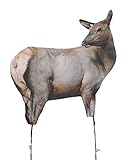
Overview: This official Realtree Montana Decoy cow elk combines proven decoy technology with conservation support, as a portion of proceeds benefits the Rocky Mountain Elk Foundation. Designed for hunters who prioritize mobility, this decoy folds down smaller than a camp chair and weighs mere ounces, ensuring it never gets left behind. Its strategic dimensions balance visibility with portability, making it effective across all hunting phases from early season through the rut.
What Makes It Stand Out: The RMEF partnership distinguishes this decoy, allowing hunters to directly contribute to habitat conservation with their purchase. Its size optimization creates a visible profile that attracts bulls without being cumbersome to transport. The universal effectiveness throughout the season eliminates the need for multiple decoys, while the lightweight design enables rapid deployment during spot-and-stalk situations.
Value for Money: This decoy offers solid mid-range value, typically priced competitively with other quality cow decoys. The added conservation contribution provides intangible value for ethically-minded hunters. While basic decoys may cost slightly less, the RMEF Edition’s seasonal versatility and durability make it more economical than buying specialized early and late-season decoys.
Strengths and Weaknesses: Strengths include exceptional portability, conservation support, all-season effectiveness, and quick setup. The lightweight design encourages hunters to carry it on every outing. Weaknesses include less photographic realism than premium models and a potentially oversized profile for extremely close encounters. The fabric may flap in high winds without proper staking.
Bottom Line: An excellent choice for mobile hunters who want reliable performance while supporting elk conservation, this decoy earns its place in any serious hunter’s pack through versatility and purpose-driven design.
3. Montana Decoy Miss September Feeding Elk

Overview: The Miss September Feeding Elk decoy leverages behavioral psychology with its natural feeding pose, designed to project calm confidence that attracts call-shy bulls. This cow decoy features photo-realistic printing that creates a convincing 3D illusion from various angles. Built for the mobile hunter, it collapses instantly and sets up in seconds, making it ideal for quick deployment when opportunities arise unexpectedly in the field.
What Makes It Stand Out: The feeding posture is the key differentiator, signaling safety and contentment to weary elk. This non-threatening pose often proves more effective than alert or bedded decoys in pressured areas. The quick-setup system allows silent deployment without spiking a bull, while the durable polyester fabric withstands harsh mountain weather and resists tearing in challenging terrain.
Value for Money: This decoy sits in the sweet spot between budget and premium options, offering excellent photographic realism without the higher cost of bull decoys. Its durability ensures multiple seasons of use, and the proven feeding pose increases success rates enough to justify the investment over cheaper, less realistic alternatives that may spook game.
Strengths and Weaknesses: Strengths include the psychologically effective feeding pose, rapid deployment, excellent portability, weather-resistant fabric, and convincing 3D appearance. Weaknesses include the feeding pose’s limited effectiveness during peak rut when bulls seek active cows, and polyester material can be noisy if not handled carefully. The decoy lacks the instructional content of premium models.
Bottom Line: Highly recommended for hunters targeting pressured elk or hunting early seasons, the Miss September decoy’s feeding pose and quick-setup design make it a deadly tool for close-range archery encounters.
4. Montana Decoy 0078: Back Country Elk Decoy

Overview: Engineered for the minimalist bowhunter, the Back Country Elk Decoy prioritizes weight savings and packability above all else. This decoy is specifically designed for hunters who venture far from roads and trails, where every ounce matters. Its innovative design works with a standard trekking pole, eliminating the need to carry dedicated support poles. The decoy folds remarkably small, occupying minimal space in a backcountry pack while still delivering realistic visual appeal.
What Makes It Stand Out: The trekking pole compatibility is a game-changer for backcountry hunters already carrying poles for navigation. Multiple mounting options—including trees, pinning, or the included leg pole—provide unmatched versatility in steep terrain. The ultra-compact fold makes it the most packable decoy in Montana Decoy’s lineup, while the actual elk photograph maintains visual authenticity despite the minimalist approach.
Value for Money: This decoy offers exceptional value for backcountry specialists, priced competitively with standard decoys but offering unique weight-saving features. For hunters who trek deep into wilderness, the reduced pack weight alone justifies the cost. It eliminates the need to purchase separate trekking pole adapters or carry additional support equipment.
Strengths and Weaknesses: Strengths include extreme portability, trekking pole integration, versatile mounting options, and lightweight design. The small packed size is ideal for multi-day hunts. Weaknesses include reduced visibility due to smaller profile, limited stability in high winds without a trekking pole, and less detailed printing than larger models. The minimalist design may sacrifice some realism at longer distances.
Bottom Line: The ultimate decoy for serious backcountry bowhunters, this model’s trekking pole compatibility and ultralight design make it indispensable for those who hunt where others won’t go.
5. GearOZ Elk Game Bags Hunting Meat Bag 5-Pack Reusable Rolled Heavy Duty Quarter Bags, Big Game Hunting Essentials for Elk/Caribou/Moose/Deer, 48" x4, 28" x1

Overview: The GearOZ Game Bag system provides essential meat protection for big game hunters, offering a complete solution for quartering and transporting elk, caribou, moose, and deer. This five-pack includes four 48-inch quarter bags and one 28-inch organ bag, constructed from breathable cotton that protects meat while allowing proper air circulation. The integrated reflective strips solve the common problem of locating bags in low-light conditions, while the reusable design supports sustainable hunting practices.
What Makes It Stand Out: The breathable cotton fabric is the standout feature, preventing meat spoilage through superior air circulation while retaining moisture to avoid drying. The reflective strip innovation is a practical touch that proves invaluable during early morning or late evening pack-outs. The size variety accommodates different game species and organ storage needs, while the included closure ropes ensure secure bundling without additional purchases required.
Value for Money: This set delivers outstanding value, costing significantly less than purchasing individual bags or using disposable alternatives. The reusable design pays for itself after 2-3 hunts, and the durable construction withstands multiple seasons. Compared to synthetic alternatives, the cotton’s breathability provides superior meat protection, justifying any minor weight penalty.
Strengths and Weaknesses: Strengths include breathable cotton construction, reflective visibility, reusable durability, size variety, and included closure ropes. The fabric stretches to accommodate large quarters and washes easily. Weaknesses include cotton’s longer drying time compared to synthetics, slightly heavier weight than mesh alternatives, and potential for staining. The bags require proper cleaning to prevent odor retention.
Bottom Line: An essential investment for ethical hunters processing big game, these breathable, reusable bags combine practicality with meat preservation excellence, ensuring your harvest reaches the freezer in prime condition.
6. Primos Hunting 906 Elk Call, Terminator Elk Reedsper/2 Blue

Overview: The Primos Hunting 906 Terminator Elk Reeds come in a convenient two-pack of pretuned silicone reeds designed for elk hunters who demand reliability. These replacement reeds eliminate the frustration of constant adjustments and premature wear that plague traditional latex options. Engineered for compatibility with Primos elk calls, they offer a plug-and-play solution for hunters heading into the field.
What Makes It Stand Out: The silicone construction is the game-changer here. Unlike latex reeds that deteriorate after weeks of use, these are built to last an entire season without losing tone quality. The pretuned design means zero adjustment period—just install and start calling. This reliability is crucial when that trophy bull finally responds and you need your call to perform flawlessly.
Value for Money: While silicone reeds cost more upfront than latex, the math works in your favor. Considering most hunters replace latex reeds multiple times per season, this two-pack effectively provides two full seasons of calling for the price of 3-4 latex replacements. For serious elk hunters, that’s not just savings—it’s insurance against call failure during peak rut.
Strengths and Weaknesses: Strengths include exceptional durability, consistent sound quality throughout the season, and no tuning required. The silicone material resists moisture and temperature changes that wreck latex. Weaknesses? Silicone offers slightly less flexibility than premium latex, potentially limiting subtle tonal variations. They’re also specific to Primos call designs, limiting cross-brand compatibility.
Bottom Line: These reeds are a smart investment for dedicated elk hunters who prioritize reliability over everything else. If you’re tired of reeds failing at critical moments, the Terminator series deserves a spot in your pack.
7. Delta McKenzie 22540 Pinnacle Elk 3D Hunting Archery Target Decoy
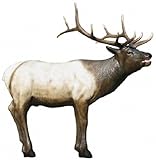
Overview: The Delta McKenzie 22540 Pinnacle Elk 3D target is a beast—literally. At 80 inches long and 54 inches shoulder height, this is a full-sized 3D archery target that doubles as a hunting decoy. Built to handle broadheads, expandable points, and field tips from bows exceeding 350 fps, it bridges the gap between practice tool and field equipment.
What Makes It Stand Out: This dual-purpose functionality is rare. Most 3D targets this durable aren’t realistic enough for decoying, and most decoys can’t survive broadhead practice. The Pinnacle Elk solves both problems. Its massive size creates a lifelike presence that both trains your eye for shot placement and potentially lures in curious bulls during the hunt.
Value for Money: At its price point, you’re essentially getting two products in one. Compare to buying a high-end 3D target ($400+) plus a realistic decoy ($200+), and the Pinnacle represents significant savings. The replaceable vital sections extend its lifespan, spreading the cost over multiple seasons. For serious archery elk hunters, it’s a justifiable one-time investment.
Strengths and Weaknesses: Strengths include incredible realism, versatile use, and outstanding durability against high-velocity bows. The size is both a strength (decoy effectiveness) and weakness—storage and transport require serious planning. At 50+ pounds, it’s not for backcountry hunts. The price, while reasonable for what you get, still stretches most budgets.
Bottom Line: If you have the space to store it and means to transport it, the Pinnacle Elk is unmatched for pre-season practice and in-field application. It’s a specialist tool for committed archery hunters.
8. The Enchantress Elk Slayer | Push Button Elk Call for Realistic Cow Elk Sounds | Call + Bugle + Extra Reed

Overview: The Enchantress Elk Slayer system revolutionizes elk calling with its push-button simplicity. This combo includes a cow call, attachable bugle tube, and backup reed—everything needed to produce realistic elk vocalizations without the steep learning curve of diaphragm calls. Designed for hunters of all skill levels, it promises authentic sounds with minimal effort.
What Makes It Stand Out: The push-button mechanism eliminates the gag reflex and mouth fatigue associated with diaphragm calls. This opens elk hunting to youth hunters and beginners while providing seasoned hunters a reliable backup. The sound quality is remarkably lifelike—reports of calling in both bulls and other hunters prove its effectiveness. The quick-connect system transitions from cow calls to bugles in seconds.
Value for Money: As a complete system under one price tag, it replaces multiple separate purchases. Compare to buying a quality bugle tube ($30+), cow call ($25+), and replacement reeds ($10+), and the combo pricing makes sense. More valuable, though, is the time saved—what might take weeks to master with a diaphragm takes minutes here.
Strengths and Weaknesses: Strengths include unmatched ease of use, excellent sound quality, Made in USA construction, and multi-generational appeal. The mechanical push-button system is intuitive and clean. Weaknesses revolve around mechanical failure potential—dirt or freezing could jam the mechanism. Traditionalists may find it lacks the nuanced control of mouth calls.
Bottom Line: Perfect for beginners, youth hunters, or anyone who’s struggled with diaphragm calls. The Elk Slayer delivers results without the learning curve, making it a field-worthy primary or backup system.
9. Primos Hunting Crow Call, Authentic Turkey Hunting Crow Game Call for Decoying
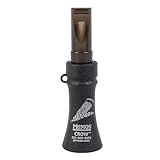
Overview: The Primos Hunting Crow Call is a deceptively simple tool that serves two distinct purposes: locating spring gobblers and hunting crows directly. This compact call produces the raspy, subtle vocalizations that make crows such effective locator calls for turkey hunters. Its straightforward design belies its field effectiveness.
What Makes It Stand Out: Its dual-purpose nature makes it a year-round tool rather than a single-season device. The super-raspy tone perfectly mimics crow cadence, triggering shock gobbles from toms while doubling as an authentic crow hunting call. Primos’ attention to subtle, accurate sounds rather than exaggerated calls sets this apart from generic locator calls.
Value for Money: Priced under most specialized turkey or crow calls, this represents exceptional value. You’re getting two calls for the price of one budget option. For turkey hunters, it’s a fraction of the cost of electronic callers, and its simplicity means no batteries or electronics to fail. The durable construction ensures multiple seasons of use.
Strengths and Weaknesses: Strengths include affordability, versatility, reliable performance, and Primos’ reputation for quality. It’s lightweight, fits in any pocket, and works in any weather. Weaknesses are inherent to its category—it’s a locator call, not a close-range turkey call. Overuse can educate birds, and it requires practice to master the subtle variations that trigger responses.
Bottom Line: Every turkey hunter should carry this call. It’s inexpensive insurance for finding birds on foggy mornings and pulls double duty for crow hunting. A no-brainer addition to any vest.
10. The Enchantress Elk Call Collection – Push Button Cow Call with Bugle Tube, Strap & Replacement Reed – Easy to Use, Season-Long Durability & Consistent Realistic Elk Sounds – Made in USA

Overview: The Enchantress Elk Call Collection represents the premium tier of push-button elk calling systems. This comprehensive bundle includes the cow call, bugle tube, military-grade paracord strap, and a replacement reed—essentially a field-ready kit with season-long durability promises. Made entirely in the USA, it’s built for hunters who refuse to compromise.
What Makes It Stand Out: The emphasis on consistency sets this apart. While traditional reeds vary with temperature, humidity, and wear, the precision-engineered push-button system delivers identical tones every time. The inclusion of a replacement reed engineered for extended use addresses the primary weakness of mechanical calls. The military-grade strap and robust construction signal serious field readiness.
Value for Money: As a complete system, it eliminates the need for separate purchases and the compatibility issues that come with them. The season-long durability promise means fewer replacements and consistent performance during critical hunting periods. For hunters who travel long distances or have limited time in the field, reliability translates to value that exceeds the price tag.
Strengths and Weaknesses: Strengths include complete kit convenience, exceptional durability, consistent sound production, ease of use for all experience levels, and premium USA construction. The push-button system works flawlessly in various conditions. Weaknesses include a higher initial cost than basic calls and the potential for mechanical issues in extreme cold or debris. Traditionalists may prefer mouth calls’ infinite variability.
Bottom Line: For hunters seeking a premium, reliable, and easy-to-use elk calling system, this collection delivers. It’s an investment in consistency and confidence when it matters most.
Why Elk Decoys Are Essential for Backcountry Success
Understanding Elk Behavior and Decoy Effectiveness
Elk are visual creatures, especially during the rut when testosterone-fueled bulls are constantly scanning for rivals and receptive cows. A decoy provides the visual confirmation that backs up your calls, turning suspicious interest into committed approach behavior. In the vast openness of backcountry basins, a decoy gives approaching elk a focal point, preventing them from hanging up at 200 yards and scanning for the source of your bugles. The psychological trigger is powerful—bulls see what they hear, reducing their anxiety and overriding their natural wariness of potential danger.
The Psychology Behind Decoying Trophy Bulls
Mature bulls didn’t survive multiple hunting seasons by being gullible. These wise old warriors have pattern recognition that rivals any predator. Effective decoys exploit specific psychological triggers: territorial aggression toward rival bulls, breeding interest in receptive cows, and protective instincts around calves. The key is matching your decoy presentation to the behavioral state of your target animal. A raghorn bull might charge a dominant bull decoy out of youthful bravado, while a 340-class monster might approach a cow setup with cautious curiosity, looking to steal a receptive female from a lesser bull he assumes is nearby.
Types of Elk Decoys for Different Hunting Scenarios
Cow Decoys: Your Secret Weapon for Drawing in Bulls
Cow decoys represent the most versatile option in your arsenal, particularly during the peak rut when bulls are actively seeking estrus females. A lone cow decoy suggests opportunity without threat, making it ideal for drawing in mature bulls that might avoid confrontational setups. The posture matters significantly—a bedded cow suggests contentment and extended presence, while a standing cow in an alert posture can indicate she’s ready to move, prompting a bull to approach before she leaves. Backcountry hunters often find that a single, ultra-realistic cow decoy outperforms multiple less-convincing options.
Bull Decoys: When Aggression Works in Your Favor
Bull decoys tap directly into the testosterone-driven aggression that defines the rut. These work best in areas with high bull densities where territorial disputes are common. The key is selecting the right posture—an aggressive, challenging pose can trigger a dominant bull’s need to assert superiority, while a subordinate pose might invite a younger bull looking to test his strength. However, bull decoys require careful consideration in the backcountry; they’re heavier and can spook less aggressive animals. They’re most effective when you’re specifically targeting a known dominant bull in his core area.
Calf Decoys: Triggering Protective Maternal Instincts
Often overlooked, calf decoys can be surprisingly effective during late season hunts and in areas with high predator pressure. A lone calf decoy suggests a cow has been separated from her offspring, which can draw in protective cows and the bulls that follow them. During early archery seasons, calf decoys paired with cow decoys create a family group that appears natural and non-threatening. The smaller size makes them exceptionally packable for backcountry hunts where weight is at a premium.
Full-Body vs. Silhouette Decoys: Pros and Cons
Full-body decoys offer unmatched realism from all angles, creating a three-dimensional presence that can fool even wary mature bulls at close range. They catch light naturally and provide consistent visual cues regardless of the viewing angle. However, they demand significant pack space and add considerable weight. Silhouette decoys, conversely, collapse to nearly flat profiles and weigh a fraction of full-body options. Their limitation is angle-dependency—viewed from the side, they’re incredibly convincing; from head-on, they nearly disappear. For backcountry applications, many hunters opt for a hybrid approach: one full-body cow decoy paired with silhouette companions.
2D vs. 3D Decoys: Making the Right Choice
Two-dimensional decoys have evolved dramatically from simple painted plywood cutouts. Modern 2D options feature photographic prints on durable materials with realistic depth through shading and detail. They’re exceptionally lightweight and pack flat, making them ideal for hunts requiring miles of travel daily. Three-dimensional decoys provide that critical depth that sells the illusion at close range, especially when elk circle downwind to investigate. The trade-off is always weight versus realism. Consider your hunting style: if you’re covering vast country and setting up multiple times daily, 2D might be your answer. If you’re hunting from a fixed location where bulls approach within bow range, 3D realism becomes paramount.
Key Features to Evaluate in Quality Elk Decoys
Material Durability for Rugged Mountain Terrain
Backcountry hunting destroys gear. Your decoy must withstand being strapped to a pack, scraped against rocks, stuffed into tight spaces, and exposed to everything from blazing sun to freezing snow. Look for high-density polyethylene or reinforced fabric construction that resists punctures and tears. The material should flex without cracking in sub-zero temperatures and not become brittle after prolonged UV exposure. Pay special attention to seam construction—double-stitched and heat-sealed seams prevent failures when you’re miles from the trailhead.
Realistic Coloration and Detail Work
Elk aren’t uniform brown. Their coats show subtle variations from reddish-copper in early fall to dark chocolate as winter approaches. Quality decoys incorporate multiple color layers, shading, and even individual hair detail visible through binoculars. The most effective decoys use printing processes that resist fading while capturing the subtle gradients of real elk hide. Look for attention to often-overlooked details: the dark mane on a bull’s neck, the white rump patch with its distinctive shape, and the blackened lower legs. These micro-details sell the illusion when a bull studies your setup from 100 yards away.
Portability and Weight Considerations
Every ounce feels like pounds after your third mountain pass. A backcountry-worthy decoy should compress to fit inside or strap securely to your pack without creating awkward bulk that throws off your balance. Weight targets vary by hunter fitness and trip length, but most backcountry specialists aim for decoys under 3 pounds each. Some premium options achieve remarkable realism at under 2 pounds through advanced materials and strategic design. Consider how the decoy packs down—does it fold into a compact square, roll into a cylinder, or collapse into itself? The packed shape affects how it rides on your pack and what else you can carry.
Setup Speed and Ease of Deployment
When a bull answers your bugle at dawn, you have minutes—not hours—to get set up. Complicated decoys with multiple poles, guy-lines, and stakes waste precious time and create noise. The best backcountry decoys deploy in under two minutes with minimal assembly. Look for integrated pole systems that snap together quickly, collapsible designs that spring into shape, and attachment points that are intuitive even in low-light conditions. Practice your setup at home until it becomes muscle memory; fumbling with unfamiliar mechanisms in the field has cost many hunters their opportunity.
Wind Resistance and Stability Features
Mountain thermals and canyon winds can turn a decoy into a kite. Effective designs incorporate low profiles, venting systems that allow air passage without compromising appearance, and stable base configurations. Ground stakes should anchor securely in various soil types—from loose scree to hard-packed clay. Some designs feature sandbag pockets or tie-down points for adding weight in extreme conditions. A decoy that spins, flops, or blows over doesn’t just look unnatural; it can spook elk from incredible distances.
Material Science: What Your Decoy Is Made Of
High-Density Polyethylene Construction
HDPE decoys represent the premium tier for durability and realism. This material holds detailed molding, resists impact damage, and maintains its shape in extreme temperatures. Quality HDPE decoys use rotational molding or blow molding processes that create uniform wall thickness and eliminate weak points. The material accepts paint and UV-resistant coatings exceptionally well, ensuring the decoy looks realistic season after season. While heavier than fabric options, HDPE decoys can last a decade with proper care, making them cost-effective for dedicated hunters.
Fabric and Polyester Blends
Modern fabric decoys use ripstop polyester or nylon with waterproof backings. These materials offer the ultimate in packability—often folding to the size of a sleeping pad. The best fabric decoys use double-wall construction with air bladders or spring-steel frames that create three-dimensional shape when deployed. Look for denier ratings of 600 or higher for tear resistance, and ensure the fabric has a DWR (durable water repellent) coating that sheds moisture rather than absorbing it. Fabric decoys excel in weight-conscious applications but require more careful handling to prevent punctures.
UV-Resistant Coatings and Treatments
Sun exposure is the silent killer of decoy realism. UV rays fade colors, degrade materials, and turn vibrant decoys into pale imitations within a single season. Premium decoys incorporate UV inhibitors directly into the material or apply specialized clear coats that block harmful rays while maintaining color fidelity. Some manufacturers use automotive-grade finishes that resist fading for years. When evaluating a decoy, examine color samples that have been weather-tested; the difference between treated and untreated materials becomes obvious after just a few months of sun exposure.
Weatherproofing for All-Season Hunts
Your decoy must perform in September heat, October snowstorms, and everything between. Quality weatherproofing means sealed seams that won’t leak, materials that don’t absorb water and become heavy, and hardware that won’t rust or corrode. Look for stainless steel or aluminum stakes and poles, non-porous materials that dry quickly, and designs that shed water rather than pooling it. Some decoys feature drainage holes in low points to prevent water weight buildup. Remember, a waterlogged decoy adds pounds to your pack and looks unnatural when deployed.
Portability Factors for Deep Wilderness Hunts
Packability and Compressed Size
The packed dimensions determine whether a decoy fits inside your pack, straps to the outside, or requires its own dedicated bag. Ideal backcountry decoys compress to under 24 inches in any dimension, allowing them to slide inside most packs. Consider the packed shape—a flat profile straps neatly to pack frames, while cylindrical shapes fit well in side pockets or sleeping bag compartments. Some hunters prefer decoys that pack into their own stuff sacks with compression straps, allowing them to shrink the profile further and protect the decoy from pack abrasion.
Weight-to-Effectiveness Ratio
This critical metric balances how much weight you’re willing to carry against the decoy’s ability to fool elk. A 5-pound decoy that consistently brings bulls within 30 yards might be worth its weight, while a 1-pound decoy that elk ignore is just dead weight. Evaluate this ratio by considering your physical conditioning, typical hunt duration, and success rates. Many backcountry hunters find their sweet spot with decoys in the 2-3 pound range that offer 80% of the realism of heavier options. The key is finding the minimum weight that still delivers maximum effectiveness at typical engagement distances.
Attachment Systems for Backpacks
How you carry your decoy affects your entire hunt. Poorly secured decoys swing, catch on branches, and throw off your balance on uneven terrain. Look for decoys with integrated daisy chains, D-rings, or strap channels designed for secure attachment. Some packs include dedicated decoy carry systems with compression wings that hold the decoy tight against the pack body. The best setups position the decoy high and centered, maintaining your natural center of gravity. Avoid decoys that require improvised attachment with bungee cords—they always fail when you need them most.
Realism: The Devil Is in the Details
Lifelike Postures and Body Language
Elk communicate constantly through body language. A bedded cow with her head up and ears forward suggests alertness, while a cow with her head down appears relaxed and feeding. Standing decoys should capture natural weight distribution—elk don’t stand squarely like sawhorses; they lean slightly, with muscles visible under the hide. The best decoys are sculpted from live models or high-resolution 3D scans, capturing the subtle S-curve of a relaxed spine or the aggressive stance of a challenging bull. These nuances might seem minor, but elk notice them instantly.
Accurate Anatomy and Proportions
A decoy with incorrect proportions triggers an uncanny valley response in elk—they know something is wrong even if they can’t identify what. Proper anatomy means correct leg length relative to body size, proper neck thickness and length, and accurate head size with appropriate antler dimensions for the represented age class. The body should show muscle definition and skeletal structure beneath the hide. Even the shape of the ears and the angle of the eyes contribute to the overall realism. When evaluating a decoy, compare it side-by-side with photos of real elk from multiple angles.
Subtle Color Variations and Shading
Real elk aren’t monochrome. Their coats show guard hairs, underfur, and seasonal variations that create complex patterns. Premium decoys use multiple color layers and airbrushing techniques to replicate this depth. The transition from dark back to lighter sides should be gradual, not a sharp line. Look for individual hair detail, particularly in the mane and rump areas. The white rump patch shouldn’t be pure white—it should show subtle shading and the darker outline where it meets the body. These details become critical when a bull circles your setup, viewing it from multiple angles and lighting conditions.
Strategic Deployment in the Backcountry
Setting Up in Natural Corridors
Elk travel predictably through terrain funnels, benches, and drainage systems. Position your decoy where approaching elk have a clear visual path but limited ability to circle downwind without exposing themselves. Natural corridors like timbered fingers leading to open meadows, narrow saddles between peaks, and creek bottoms with limited crossing points force elk into favorable approach angles. Set your decoy 30-40 yards from your position, with the wind crossing from you to the decoy, creating a scent cone that covers the approach path without alerting the animal.
Using Terrain Features to Your Advantage
Terrain is your best friend for concealing approach and limiting elk movement. Set decoys near subtle rises that block the elk’s view of your position while allowing you to see them. Use background vegetation to frame the decoy naturally—placing it against open sky creates an unnatural silhouette. Position decoys near water sources where elk expect to find other animals. In timber, use tree spacing to create natural-looking openings where a single animal would logically stand. The goal is making your setup look like a natural elk that belongs in that exact spot.
Decoy Spacing and Positioning Tactics
Single decoys work for many situations, but multiple decoys create a social scene that can be irresistible. When using two cow decoys, position them 10-15 yards apart, oriented slightly toward each other as if communicating. Add a calf decoy near one cow to complete the family group. For bull decoys, give them space—15-20 yards from any cow decoys—to suggest a bull monitoring his harem without crowding them. Always position decoys quartering toward or away from expected approach paths; broadside presentations look unnatural and limit the approaching animal’s ability to see the decoy’s “face.”
Calling Strategies with Decoy Presentations
Matching Your Call to Your Decoy Setup
Visual and auditory signals must align. A cow decoy setup pairs with cow calls and subtle chirps, not aggressive bugles. A bull decoy justifies your bugles and glunking. The sequence matters—start with location bugles, then switch to cow calls when using cow decoys, or challenge bugles with bull decoys. The decoy provides visual confirmation of what elk hear; mismatched calls create confusion. If you’re running a cow decoy and a bull answers aggressively, switch to estrous whines and mews to suggest a receptive female ready to abandon a smaller bull for a dominant one.
Timing and Sequence for Maximum Effect
The best decoy setups fail with poor timing. Set up before first light, allowing the area to settle before you start calling. Begin with soft cow calls to suggest contentment, not alarm. When a bull responds, gauge his distance and attitude before escalating. With a bull decoy, challenge aggressively if he’s far and vocal. With cow decoys, let him think he’s discovered a secret—be subtle. The magic moment often comes after he’s seen the decoy and you go silent, letting his visual confirmation drive him in while you prepare for the shot.
Overcalling vs. Undercalling with Visual Aids
Decoys reduce the need for constant vocalization. Once a bull has seen your setup, let the visual do the work. Many hunters make the mistake of calling too much after the visual contact, creating an unnatural scene. A real elk doesn’t stand still calling repeatedly. Use calls to get attention, then let the decoy hold it. If the bull hangs up, a single subtle call—just enough to make the decoy seem alive—can reignite his interest. The decoy should reduce your calling by 70%, making each vocalization more impactful.
Wind and Weather Considerations
Reading Thermals in Mountain Terrain
Mountain winds don’t behave like valley winds. Morning thermals flow downhill as air cools, while afternoon thermals rise as air warms. Your decoy setup must account for these predictable patterns. Position yourself above the decoy in morning hours, letting your scent flow downhill away from approaching elk. In afternoons, set up below the decoy. Study how thermals swirl in basins and drainages—decoys placed in these areas need extra distance to compensate for unpredictable scent flow. The best backcountry hunters carry wind checkers and monitor thermal direction constantly, adjusting decoy position accordingly.
Positioning Downwind of Approaching Elk
Elk almost always attempt to circle downwind before committing. Your decoy setup must exploit this behavior. Place the decoy 40-50 yards crosswind of your position, creating a scent corridor that forces the bull to expose himself in open terrain to get downwind. The decoy should be positioned so the bull must cross a shooting lane to check the scent. In timber, use fallen logs or thick brush to block easy downwind access, funneling him into a position where you have a clear shot before he catches your scent.
Adapting to Rain, Snow, and Fog
Adverse weather changes how elk use their senses and how decoys perform. Rain dampens sound, making visual cues more important—this is prime decoy time. Snow creates high contrast; ensure your decoy’s colors aren’t too dark against fresh snow. Fog limits visibility to under 100 yards, making decoys incredibly effective but requiring closer positioning. In these conditions, reduce decoy distance to 20-30 yards and increase calling frequency since sound doesn’t carry. Wet weather also means ensuring your decoy doesn’t become waterlogged—shake it out and allow drainage before packing.
Safety Protocols When Using Decoys
Visibility to Other Hunters
Your realistic decoy looks like an elk to other hunters, creating a serious safety concern. Never place decoys where they can be seen from roads, trails, or other public access points. Use terrain to block long-range visibility from areas where other hunters might be positioned. Consider the background—decoys silhouetted against the sky are visible from miles away. If hunting public land during general seasons, position decoys in areas with limited hunter access or hunt mid-week when pressure is lower. Your safety is more important than any shot opportunity.
Blaze Orange Requirements and Solutions
Most states don’t require blaze orange for archery hunters, but some do during certain seasons. Even where not required, consider adding a small piece of hunter orange to your decoy that’s visible from your position but not obvious to approaching elk. This could be a zip-tie on a stake or a small flag near your setup that you can remove when a bull approaches. Some hunters position orange marker tape on nearby trees to alert other hunters to their presence. Know your state’s regulations—some explicitly prohibit placing hunter orange on decoys, while others require it during firearms seasons.
Field Judging Antler Size from a Distance
Decoys can bring bulls in close, but you need to judge them before they commit. Practice field judging from the exact distances and angles where you’ll be positioned relative to your decoy. Use the decoy’s body size as a reference—if antlers look significantly wider than the ears and extend past the nose, you’re likely looking at a shooter. However, don’t let the excitement of a responding bull override your judgment. Set personal standards before the hunt and stick to them. A decoy that brings in a small bull is still working—don’t blame the tool for your decision-making.
Common Mistakes That Spook Elk
Over-Positioning in Open Areas
The biggest mistake is placing decoys in the middle of meadows where no solitary elk would naturally stand. Real elk seek security—edges of timber, near water, or in small openings within cover. A decoy in the wide open looks like a setup, not an animal. Position decoys where a real elk would logically be feeding, bedding, or traveling. Use cover to break up the silhouette and provide the animal with a sense of security. The exception is during the peak rut when bulls will cross open areas to reach cows, but even then, position near terrain features that provide approach cover.
Ignoring Natural Travel Patterns
Elk follow the path of least resistance through terrain, using benches, game trails, and drainage bottoms. Your decoy must be visible from these natural corridors but not block them. Placing a decoy directly on a heavily used trail can make approaching elk suspicious—they expect other elk to use the trail, not stand in the middle of it. Instead, position 20-30 yards off the trail, oriented as if the decoy just stepped out to feed or scan. This creates a natural scene that integrates with their expected travel patterns rather than disrupting them.
Poor Decoy Maintenance and Storage
A faded, muddy, or damaged decoy looks unnatural and can spook elk faster than no decoy at all. Blood from a previous hunt, dirt ground into the material, or UV-faded colors create a visual that screams “wrong.” Clean your decoy after each hunt with scent-free soap and water, touching up paint as needed. Store decoys in dark, cool places during the off-season to prevent UV degradation. Check for damage before each hunt—a small tear can become a major failure miles from the truck. The best decoy in the world fails if it looks like it’s been through a war zone.
Maintenance and Care for Longevity
Cleaning Techniques After Each Hunt
Elk have incredible noses, and foreign scents on your decoy can destroy its effectiveness. Use scent-free, biodegradable soap and cool water to remove dirt, blood, and human odor. Avoid harsh chemicals or scented detergents. Pay special attention to stake holes and attachment points where scent can accumulate. Allow the decoy to air dry completely before storage—trapped moisture leads to mold and material degradation. Some hunters treat their decoys with scent-eliminating sprays designed for hunting clothing, though these should be applied well before the hunt to avoid chemical odors.
Storage Solutions During Off-Season
Proper storage extends decoy life dramatically. Store decoys in their packed configuration in breathable bags—not sealed plastic that traps moisture. Keep them in dark, climate-controlled areas like basements or closets, away from UV exposure. Avoid attics where extreme heat can warp materials and garages where rodents might chew on them. For fabric decoys, consider storing with moisture-absorbing packets to prevent mildew. Check stored decoys quarterly for pest damage or material degradation, addressing issues before they become irreparable.
Repairing Damage in the Field
Backcountry hunts happen far from repair shops. Carry a field repair kit including duct tape, Tenacious Tape, and super glue for fabric decoys. For rigid decoys, pack marine epoxy or plastic welding sticks that can be heated with a lighter. A small tear in a fabric decoy can be patched temporarily with duct tape on both sides, then properly repaired later. Broken stakes can be splinted with trekking poles or replaced with sturdy sticks. The key is addressing damage immediately before it worsens. A small puncture becomes a massive tear when wind catches it.
Budget Considerations and Value Assessment
Entry-Level vs. Premium Features
Entry-level decoys typically cost $50-100 and offer basic silhouettes or simple 2D designs. They work but lack durability and fine detail. Mid-range options ($150-250) provide good realism, better materials, and improved packability. Premium decoys ($300+) feature advanced materials, exceptional detail, and innovative packing systems. For backcountry hunting, mid-range options often provide the best value—durable enough for multi-day trips, realistic enough to fool elk, but not so expensive that damage causes heartbreak. Consider how many seasons you’ll use it; a $300 decoy used for 10 seasons costs less per year than a $100 decoy replaced every other year.
Cost-Per-Use Over Multiple Seasons
Calculate true value by dividing purchase price by expected uses. A $250 decoy used on 10 hunts per season for 5 seasons costs $5 per use. A cheap $75 decoy that fails after one season of 5 hunts costs $15 per use. Factor in replacement costs, repair time, and missed opportunities from equipment failure. Premium decoys often include warranties that protect your investment. For dedicated backcountry hunters who spend weeks in the field annually, investing in durability pays dividends in reliability and success rates.
When to Invest in Higher-End Options
Consider premium decoys when you hunt exclusively in the backcountry, where reliability is non-negotiable. If you’re packing in for 7-10 day solo hunts, equipment failure isn’t an inconvenience—it’s a hunt-ending catastrophe. Invest in premium options if you hunt areas with exceptionally wary elk that require maximum realism. Also consider your physical limitations; if you can only hunt a few days per season, you need every advantage. However, if you’re a weekend hunter with easy access to hunting areas, mid-range options likely provide everything you need without unnecessary expense.
Legal and Ethical Considerations
State-by-State Decoy Regulations
Regulations vary dramatically. Some states prohibit electronic decoys or decoys with moving parts. Others restrict decoy use during certain seasons or in specific management units. Colorado, for example, prohibits decoys during rifle seasons in some units, while Montana allows them statewide. Check current regulations for your specific hunt area—rules change annually. Some states require decoys to be removed from the field daily, while others allow them to remain. Ignorance isn’t a valid defense, and violations can result in hefty fines and license suspensions.
Fair Chase Principles
The fair chase debate around decoys centers on whether they give hunters an unfair advantage. Most hunting organizations consider decoys ethical when used within regulations, as they still require skill in calling, setup, and shot execution. However, some purists argue decoys violate fair chase by exploiting instinctual behaviors too easily. Consider your personal ethics and the traditions of the area you’re hunting. On public land during crowded seasons, decoys level the playing field against hunting pressure. In wilderness areas with minimal pressure, some hunters choose to hunt without them to maintain challenge.
Impact on Non-Target Wildlife
Your decoy doesn’t just affect elk. Moose, deer, bears, and predators may investigate, causing potential conflicts. A cow decoy can attract amorous moose, creating dangerous situations. Bull decoys might draw in bears scavenging carcasses. Position decoys where you can observe the entire approach path to identify species before they reach the setup. Consider removing decoys when not actively hunting to prevent habituating other animals. In grizzly country, be especially cautious—decoys can draw bears into your camp or hunting area, creating serious safety concerns.
Frequently Asked Questions
How many decoys should I carry on a backcountry elk hunt? Most successful backcountry hunters carry one to two decoys maximum. A single ultra-realistic cow decoy is highly effective and minimizes weight. Adding a calf decoy creates a family group without significantly increasing pack weight. More than two decoys typically isn’t worth the extra pounds unless you’re hunting from a stationary base camp where weight isn’t a concern.
What’s the ideal distance to place an elk decoy from my position? Place decoys 30-50 yards away, depending on terrain and weapon. Archery hunters benefit from closer setups (30-40 yards) for precise shot placement, while rifle hunters can extend to 50-60 yards. The key is positioning the decoy where you have clear shooting lanes but the elk won’t detect your movement as you draw or aim. Factor in the expected approach path and ensure the decoy is visible from where you expect the bull to first see it.
Can elk decoys work during late-season hunts after the rut? Yes, but strategies change. Post-rut bulls are less responsive to breeding scenarios but will investigate cow decoys out of curiosity or herding instinct. Calf decoys become more effective as cows remain protective. Focus on feeding and bedding areas rather than rut zones. Decoys work best during late season when paired with subtle cow calls that suggest contentment rather than estrus. Snow conditions can actually enhance decoy visibility and effectiveness.
How do I prevent my decoy from spooking elk in high-pressure areas? In heavily hunted areas, simplify your setup. Use a single, ultra-realistic cow decoy rather than multiple decoys that look like an obvious setup. Reduce calling frequency and let the decoy work silently. Position decoys in areas with natural cover that limit visibility from long distances. Consider using decoys only during prime times (dawn and dusk) and removing them during midday when hunter pressure is highest. The more realistic and subtle your presentation, the better it performs in educated elk populations.
Should I use scent elimination products on my elk decoys? Yes, but carefully. Wash decoys with scent-free soap after each hunt and store them in scent-free containers. Avoid spraying decoys with chemical scent eliminators just before hunting—these can leave residual odors elk detect. Instead, treat them weeks before your hunt and air them out thoroughly. Some hunters store decoys with natural vegetation from elk country to impart familiar smells. The goal is neutral, not artificially scented.
What’s the best way to transport elk decoys to avoid damage? Use the manufacturer’s stuff sack or a padded decoy bag. Pack decoys inside your pack when possible to protect them from branches and abrasion. If strapping outside, position them where they won’t catch on vegetation—high and centered on the pack. Use compression straps to prevent movement that causes wear. For rigid decoys, consider wrapping them in a lightweight tarp for extra protection. Always ensure stakes and poles are secured separately to prevent puncturing the decoy.
Do decoys work better in open country or timber? Both environments work, but setup differs. In open country, decoys provide a visual anchor that draws elk across vast spaces, but they must be exceptionally realistic since elk can observe them from long distances. In timber, decoys work at closer ranges but must be positioned where approaching elk can see them through vegetation. Timber hunting often benefits from multiple decoys that suggest a small herd, while open country setups typically use single decoys that don’t look out of place standing alone.
How do I deal with wind when using lightweight decoys? Use all provided stake points and consider adding extra stakes in windy conditions. Position decoys in natural windbreaks like brush or terrain depressions. Some hunters add small sandbags or rocks to interior pockets or attach them to the decoy’s base. Orient decoys with their narrow profile to the prevailing wind direction. In extreme winds, consider whether decoy use is practical—sometimes it’s better to hunt without a decoy than fight the wind constantly. Practice setup in windy conditions at home to identify stability issues before you’re in the field.
Can I modify my elk decoy for better realism? Yes, many hunters add natural materials to enhance realism. Attach real elk hair to rump patches using fabric glue, or weave it into fabric decoys. Touch up faded areas with matte paint that matches the original colors. Add natural vegetation to the base to break up the outline. However, ensure modifications don’t add excessive weight or create unnatural movement in wind. Avoid using scents or attractants, as these are illegal in some states. Document your modifications so you can replicate them if they prove effective.
What’s the lifespan of a quality elk decoy with proper care? A premium decoy can last 5-10 seasons with meticulous care. Mid-range decoys typically provide 3-5 seasons of reliable use. Fabric decoys may show wear sooner but can be repaired multiple times. Rigid decoys are more durable but vulnerable to cracking from impact. UV exposure is the primary degradation factor—proper storage between seasons dramatically extends lifespan. Track your decoy’s effectiveness; even if physically intact, faded colors or outdated designs may lose effectiveness as elk become educated. Many hunters refresh their decoys every 3-4 seasons to stay ahead of changing elk behavior.
Related Buying Guides
- 10 Trail Cameras Mistakes Hunters Make (And How to Avoid Them in 2026)
- The Complete Guide to the 10 Best Elk Decoy Setups for Mountainous Terrain
- The Complete Guide to the 10 Best Rain Gear Options for Deer Hunters
- 10 Premium Elk Calls for Professional Guides (Worth the Investment)
- 2026’s Top 10 Elk Decoys for Backcountry Ambush Tactics