Table of Contents
There’s something primal about matching wits with a mature whitetail buck in his own backyard. Success often hinges on countless hours of scouting, stand placement, and understanding deer behavior—but none of that matters if your equipment fails when it counts. Your compound bow becomes an extension of your hunting philosophy, a tool that must perform flawlessly in moments of high adrenaline and unpredictable conditions. Choosing the right one isn’t about chasing the latest trend or copying what works for your hunting buddy; it’s about finding the perfect marriage between your physical capabilities, hunting style, and the specific demands of pursuing America’s most popular big game animal.
The modern compound bow market offers an overwhelming array of options, with manufacturers touting impressive specifications that can confuse even seasoned archers. While it’s tempting to search for a simple “top 10” list, the reality is that the best bow for whitetail hunting is intensely personal. This comprehensive guide cuts through the marketing noise to focus on what truly matters: understanding the features, specifications, and design elements that separate good hunting bows from great ones. We’ll explore how to evaluate performance characteristics, match specifications to your hunting scenarios, and make an informed decision that will serve you season after season in the whitetail woods.
Top 10 Compound Bows for Whitetail Hunting
Detailed Product Reviews
1. Bear Species XT Ready to Hunt Compound Archery Bow, 70lb. Draw Weight, Right Hand, Veil Whitetail/Black

Overview: The Bear Species XT delivers a complete hunting solution in one package. This right-hand compound bow features a smooth single cam system propelling arrows up to 320 feet per second. With adjustable draw length from 23.5-30.5 inches and weight options from 55-70 pounds, it accommodates most adult archers comfortably.
What Makes It Stand Out: The ready-to-hunt bundle eliminates guesswork, including a V-Biscuit rest, four-pin sight, quiver, stabilizer, and peep sight. Bear’s proven single cam design ensures reliability and easy maintenance while delivering impressive speed. The integrated Picatinny mounting system allows for straightforward customization as skills progress.
Value for Money: At its price point, the Species XT undercuts buying components separately by hundreds. Comparable bare bows alone cost as much, making this package exceptional value. You’re getting trusted Bear engineering plus essential accessories that would typically require separate research and investment.
Strengths and Weaknesses: Pros: Complete ready-to-hunt package; smooth-drawing single cam; highly adjustable; reputable brand heritage; good speed-to-price ratio. Cons: Right-hand only limits accessibility; single cam may lack the speed dual cam enthusiasts want; limited finish options.
Bottom Line: Perfect for new to intermediate hunters seeking a turn-key setup from a legendary brand. The Species XT balances performance, affordability, and reliability without overwhelming complexity.
2. Sanlida Archery Dragon X8 RTH Compound Bow Package for Adults and Teens,18”-31” Draw Length,0-70 Lbs Draw Weight,up to IBO 310 fps,No Bow Press Needed,Limited Life-time Warranty,RH Only

Overview: The Sanlida Dragon X8 redefines package bow value with unprecedented adjustability. Spanning draw lengths from 18-31 inches and weight from zero to 70 pounds, this bow grows with any archer. The comprehensive kit includes twelve arrows, a release, case, and every hunting accessory imaginable for immediate field use.
What Makes It Stand Out: No bow press needed for adjustments makes tuning accessible to everyone. The lifetime warranty on main parts demonstrates confidence in the CNC-machined 6061 T6 aluminum construction. Including BCY-D97 strings and a full accessory suite eliminates additional purchases entirely.
Value for Money: This package represents perhaps the best value in archery. Purchasing the included accessories separately would exceed the bow’s cost. For families or growing teens, it’s essentially multiple bows in one, amortizing the investment across years of use and multiple shooters.
Strengths and Weaknesses: Pros: Extreme adjustability (0-70lbs, 18-31"); no bow press required; lifetime warranty; includes 12 arrows and hard case; premium BCY strings. Cons: Lesser-known brand; 310 fps lags behind premium bows; right-hand only; accessory quality varies.
Bottom Line: The ultimate value proposition for budget-conscious hunters or families. Few bows match this versatility and included gear at any price point.
3. Barnett Whitetail Hunter II Crossbow, with 4x32 Multi-Reticle Scope, 2 Headhunter Arrows, Lightweight Quiver

Overview: The Barnett Whitetail Hunter II crossbow prioritizes safety and compact power. Shooting 350 fps from a 16.125-inch axle-to-axle platform, this 6.4-pound crossbow suits hunters of all sizes. The package includes a 4x32 scope, two arrows, quiver, and rope cocking device for immediate use.
What Makes It Stand Out: Barnett’s safety trio—Soft Lok Floating Bristle retainer, Anti-Dry Fire trigger, and TriggerTech 3lb release—sets industry standards. The ultra-compact design excels in blinds and tight spaces while delivering serious kinetic energy for ethical kills on medium game.
Value for Money: Crossbows typically command premium pricing, but this ready-to-hunt package includes essential accessories. While you’ll want more arrows, the included scope and safety features justify the cost compared to bare crossbows requiring separate optics and additional investment.
Strengths and Weaknesses: Pros: Excellent safety features; compact and lightweight; trusted brand; 350 fps speed; ships mostly assembled. Cons: Only two arrows included; crossbow legal restrictions apply; louder than compounds; slower follow-up shots.
Bottom Line: Ideal for hunters prioritizing simplicity and safety over traditional archery. The compact design and reliable performance make it perfect for tight hunting scenarios.
4. Genesis Gen-X Lightweight Compound Bow, Archery Hunting Bow for Adults w/Adjustable Riser, Cam Draw Weight, & Length, Draw Hand - Left, Black

Overview: The Genesis Gen-X offers accessible compound performance for left-handed archers. With adjustable draw length from 21-30 inches and weight from 25-40 pounds, this lightweight bow meets whitetail hunting requirements in most states. The machined 6061-T6 aluminum riser ensures durability without excessive weight.
What Makes It Stand Out: Left-hand availability in a ready-to-hunt package remains surprisingly rare. The progressive let-off cam provides 65% let-off, making it easier to hold at full draw. Genesis’s reputation for building reliable beginner bows translates into trustworthy hunting equipment.
Value for Money: As an entry-level hunting bow, the Gen-X delivers professional-grade materials at an accessible price. The 40-pound maximum keeps costs down while remaining legal for hunting, offering excellent value for youth and smaller-framed archers seeking quality.
Strengths and Weaknesses: Pros: Left-hand option; lightweight design; meets hunting requirements; trusted Genesis quality; adjustable for growth. Cons: Limited 40lb max draw weight; lower speed than premium bows; minimal included accessories; not suitable for larger game.
Bottom Line: Excellent choice for left-handed beginners or youth hunters entering the sport. The Gen-X prioritizes accessibility and safety over raw power.
5. Whitetail INT RTH Compound Bow
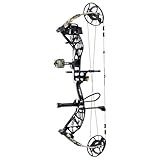
Overview: The Whitetail INT RTH targets performance-focused hunters seeking premium customization. The Whitetail MAXX cam pushes speeds toward 340 fps while offering adjustable let-off from 75-90%. The Trophy Ridge package includes premium accessories like the IMS V-Biscuit rest and KillerWave limb dampeners.
What Makes It Stand Out: Unprecedented let-off adjustability allows personalized comfort at full draw. The roller cable guard paired with the proven EKO cam system creates an exceptionally smooth draw cycle. KillerWave dampeners deliver virtually vibration-free shots, improving accuracy and hunting stealth.
Value for Money: High-end features like adjustable let-off and advanced dampening typically appear on bows costing twice as much. While pricier than entry packages, the performance gains and premium accessories justify the investment for serious hunters seeking every possible advantage.
Strengths and Weaknesses: Pros: Impressive 340 fps speed; adjustable let-off (75-90%); excellent vibration dampening; smooth draw cycle; premium accessory package. Cons: May be overkill for beginners; limited brand recognition; right-hand only; higher price point than basic packages.
Bottom Line: A performance bargain for experienced hunters wanting premium features without flagship pricing. The customization options and speed make it a serious hunting tool.
6. Barnett Whitetail Pro STR Crossbow, with 4x32mm Illuminated Scope, 2 Arrows, Lightweight Quiver, without Crank Device

Overview: The Barnett Whitetail Pro STR is a high-performance compound crossbow designed for serious hunters seeking power and precision. This ultra-compact package delivers impressive 400 feet per second speeds while maintaining a manageable profile. The kit includes essential hunting accessories like a 4x32mm illuminated scope, two arrows, quiver, rope cocking device, and wax, arriving mostly assembled for quick setup.
What Makes It Stand Out: The Pro STR’s blistering 400 FPS velocity combined with 140 ft-lbs of kinetic energy ensures devastating terminal performance on big game. Barnett’s integrated safety suite stands apart, featuring a Nock Sensor and Anti-Dry Fire Trigger System that virtually eliminates dangerous misfires. The Step-Through Riser design reduces overall length while preserving power, making it surprisingly maneuverable in tight blinds or tree stands. Compatibility with Barnett’s crank cocking device offers future upgrade potential for those wanting easier cocking.
Value for Money: At this performance tier, the Pro STR competes favorably with crossbows costing hundreds more. The included illuminated scope alone represents significant value, while the comprehensive accessory package eliminates immediate additional purchases. While the 187-pound draw weight demands physical capability, the rope cocker provides adequate mechanical advantage for most users.
Strengths and Weaknesses: Strengths include exceptional speed, robust safety systems, trusted brand heritage, and ready-to-hunt packaging. The illuminated scope enhances low-light shooting. Weaknesses include the absence of a crank device, substantial draw weight requiring strength, and 6.9-pound weight that may fatigue some hunters during long treks.
Bottom Line: Ideal for experienced hunters prioritizing power and safety, the Whitetail Pro STR delivers premium performance without premium pricing. Ensure you can handle the draw weight before purchasing.
7. Sanlida Archery Dragon X8 RTH Compound Bow Package for Adults and Teens,18”-31” Draw Length,0-70 Lbs Draw Weight,up to IBO 310 fps,No Bow Press Needed,Limited Life-time Warranty, RH Only

Overview: The Sanlida Dragon X8 RTH delivers a complete compound bow solution for adults and teens seeking versatility without complexity. This ready-to-hunt package eliminates traditional barriers with tool-less adjustments spanning 18-31 inches draw length and 0-70 pounds draw weight. The comprehensive kit includes twelve carbon arrows, five-pin sight, stabilizer, release aid, quiver, and protective case—everything needed to start shooting immediately.
What Makes It Stand Out: Revolutionary adjustability without requiring a bow press makes this bow accessible to archers of all sizes and skill levels. The limited lifetime warranty on main components demonstrates manufacturer confidence rarely seen in this price class. CNC-machined 6061 T6 aluminum cams and premium BCY-D97 strings deliver durability typically reserved for premium bows. The package’s completeness is unmatched, including often-overlooked essentials like an arrow puller and bow stand.
Value for Money: Exceptional value proposition—the Dragon X8 costs less than many bare bows yet includes professional-grade accessories worth hundreds separately. Twelve matched carbon arrows alone justify a significant portion of the investment. This represents perhaps the best entry-to-intermediate package available.
Strengths and Weaknesses: Strengths include incredible adjustability, comprehensive accessory bundle, lifetime warranty, and no-press convenience. The 310 FPS IBO speed is adequate for most hunting scenarios. Weaknesses include right-hand-only configuration limiting lefties, moderate speed compared to flagship bows, and lesser brand recognition potentially affecting resale value.
Bottom Line: Perfect for growing archers, families sharing equipment, or budget-conscious hunters wanting premium features without premium cost. The adjustability and included accessories make this a smart, future-proof investment.
8. Sanlida 2024 New Dragon X7 Ready to Hunt Compound Bow Package for Adults, Archery Compound Bow and Arrow Set, 0-70 Lbs Draw Weight, No Bow Press Needed, Limited Life-time Warranty (Black)
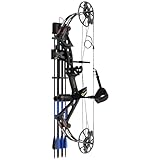
Overview: Sanlida’s 2024 Dragon X7 represents the manufacturer’s direct-to-consumer approach to ready-to-hunt archery. This compound bow package targets value-conscious adult archers with a complete setup featuring 0-70 pound adjustable draw weight and a full complement of matched accessories. The kit includes a five-pin sight, stabilizer, twelve carbon arrows, release aid, quiver, and protective case.
What Makes It Stand Out: The factory-to-customer (F2C) business model eliminates middleman markups, delivering significant cost savings. Sanlida emphasizes accessory matching, ensuring all components work harmoniously for improved accuracy and aesthetics. The A380 aluminum riser combined with CNC-machined 6061 T6 cams provides structural integrity, while tool-less adjustment maintains the user-friendly design philosophy. The brand’s ambitious mission statement reflects confidence in their manufacturing dominance.
Value for Money: Direct manufacturing access translates to aggressive pricing that undercuts traditional retail models. Comparable packages from established brands cost 40-60% more for similar specifications. The included accessory quality appears consistent, eliminating the guesswork of piecing together a kit separately.
Strengths and Weaknesses: Strengths include unbeatable pricing, comprehensive accessory inclusion, no-press adjustability, and solid construction. The matched component approach simplifies setup. Weaknesses include potentially overstated “World’s No.1” marketing claims, limited brand history in Western markets, and less proven long-term durability compared to legacy manufacturers. Documentation may be less comprehensive.
Bottom Line: An excellent entry point for new archers prioritizing budget without sacrificing essential features. The direct model savings are real, but temper expectations against premium brand performance.
9. Barnett Whitetail Hunter Crossbow, with 4x32mm Multi-Reticle Scope, 2 Arrows, Lightweight Quiver, STR without Crank Device

Overview: The Barnett Whitetail Hunter STR crossbow offers a slightly toned-down alternative to the Pro STR, delivering 375 feet per second in a lightweight 6.6-pound package. This ultra-compact hunting crossbow features Step-Through Riser technology for reduced length and improved maneuverability. The ready-to-hunt bundle includes a 4x32mm multi-reticle scope, two arrows, quiver, rope cocking device, and wax, shipping mostly assembled.
What Makes It Stand Out: The Whitetail Hunter balances performance with portability, making it ideal for mobile hunters covering significant ground. Barnett’s safety ecosystem includes the Soft Lok Floating Bristle Arrow Retainer, Anti-Dry Fire Trigger System, and TriggerTech Frictionless Release Technology for consistent, safe shooting. The manageable profile suits hunters of all sizes and experience levels without intimidating recoil or excessive weight.
Value for Money: Positioned as Barnett’s entry-to-mid-level offering, this crossbow delivers premium brand reliability at an accessible price point. The savings over the Pro STR sacrifices only 25 FPS—an imperceptible difference for most hunting ranges. The included scope and accessories maintain quality standards expected from Barnett.
Strengths and Weaknesses: Strengths include lighter carry weight, trusted safety features, respectable 375 FPS performance, and brand reputation. The STR design genuinely improves handling. Weaknesses include lack of included crank device, rope cocker still requires effort, and scope lacks illumination found on the Pro model. Arrow quality is basic.
Bottom Line: A smart choice for hunters wanting proven Barnett performance without flagship pricing. The reduced weight and solid velocity make this a practical, reliable field companion.
10. Archery Bow Set Compound Bow Hunting Bow Metal Material Catapult RH/LH for Hunting Shooting Practice Archery Entertainment Fun Palm Bow Length 7.8 inches

Overview: This palm-sized “compound bow” is a 7.8-inch miniaturized replica designed for casual entertainment rather than serious archery. Constructed with a metal handle and elastic fiber limbs, this catapult-style shooter includes ten mini arrows and a paper target. With a maximum range of just 50 feet, it serves as a novelty item or backyard plinking toy for adults over 18.
What Makes It Stand Out: Extreme portability defines this product—it literally fits in your palm. The ambidextrous design accommodates both right and left-handed users, while the 3:1 reduction mechanism mimics compound bow geometry on a tiny scale. At under eight inches, it’s arguably the most compact projectile launcher available, requiring zero assembly or tuning.
Value for Money: Priced as an impulse-buy novelty, the value equation depends entirely on expectations. For actual archery practice or hunting, value is nil. As a conversation piece or stress-relief desk toy, the low price may justify the purchase. Comparable slingshots offer more practical performance at similar prices.
Strengths and Weaknesses: Strengths include absolute portability, ambidextrous use, included accessories, and metal construction durability. Weaknesses are severe: 50-foot maximum range, insufficient power for hunting or ethical pest control, toy-like performance, and safety concerns if misused. The elastic fiber limbs lack consistency and will degrade over time. The 18+ age restriction seems prudent given potential misuse.
Bottom Line: Not a serious hunting or practice tool. Purchase only as a novelty gift or casual plinking toy, understanding its severe limitations. Serious archers should invest in proper equipment.
Understanding Compound Bow Basics for Whitetail Hunting
Before diving into specific features, it’s essential to grasp the fundamental mechanics that make compound bows uniquely suited for modern whitetail hunting. The cam-and-pulley system revolutionized archery by providing mechanical advantage, allowing archers to hold significantly less weight at full draw while storing massive amounts of energy.
The Evolution of Modern Compound Bows
Today’s compounds bear little resemblance to their 1960s predecessors. Contemporary designs incorporate advanced materials, precision engineering, and computer-optimized geometry that deliver speeds previously thought impossible while maintaining shootability. For whitetail hunters, this evolution means bows that are quieter, more efficient, and more forgiving than ever before—critical factors when drawing on a 150-class buck at 20 yards.
How Compound Bows Differ from Traditional Archery Equipment
Unlike recurves or longbows that maintain full draw weight throughout the pull, compound bows reach peak weight mid-draw before “letting off” to a reduced holding weight. This let-off percentage typically ranges from 70-90%, meaning a 70-pound bow might only require 7-21 pounds to hold at full draw. This mechanical advantage allows hunters to wait for the perfect shot opportunity without muscle fatigue compromising their form, a game-changing benefit when a deer hangs up behind cover or takes its time presenting a broadside angle.
Key Specifications to Evaluate
When comparing hunting bows, specifications tell a story about performance potential. However, numbers alone don’t determine effectiveness in the field. Understanding what each specification means for real-world whitetail hunting scenarios helps you prioritize features that align with your needs.
Speed Ratings and Kinetic Energy
Manufacturers prominently advertise IBO (International Bowhunting Organization) speed ratings, typically measured with a 70-pound draw weight, 30-inch draw length, and 350-grain arrow. While impressive velocity numbers grab attention, kinetic energy—the actual energy delivered downrange—matters more for ethical whitetail harvests. A bow generating 70-80 foot-pounds of kinetic energy provides ample penetration for deer-sized game, even with less-than-perfect shot placement. Focus on efficient energy transfer rather than raw speed alone.
Draw Length Adjustability
Proper draw length is non-negotiable for consistent accuracy and comfort. Most modern compounds offer 3-5 inches of adjustment range, typically through rotating modules or adjustable cams. This flexibility proves invaluable as you refine your form or share equipment with family members. An ideal draw length allows you to reach full anchor with your bow arm slightly bent and your release hand positioned comfortably under your jawbone, creating a straight-line relationship between your drawing shoulder, release hand, and the arrow.
Draw Weight Considerations for Whitetail Deer
Selecting appropriate draw weight involves balancing legal requirements, ethical considerations, and your physical capabilities. While it’s possible to harvest deer with lighter setups, understanding the trade-offs helps you make an informed choice that won’t compromise performance or lead to injury.
Minimum Draw Weight Requirements
Most states mandate minimum draw weights of 30-40 pounds for big game hunting, but these legal minimums shouldn’t dictate your setup. Forty pounds will kill a deer with proper shot placement and razor-sharp broadheads, but marginal hits become problematic. For adult hunters, 50-60 pounds offers a practical minimum that generates sufficient kinetic energy for reliable penetration across various shot angles while remaining manageable during long practice sessions.
Finding Your Optimal Draw Weight Range
Your effective hunting weight should be something you can draw smoothly and silently from awkward positions—sitting, kneeling, or twisted in a treestand. If you must raise the bow above your target to draw and then lower it into position, you’re pulling too much weight. Practice drawing while seated and holding at full draw for 30-45 seconds. If you can do this without shaking or struggling, you’ve found a sustainable weight that won’t fail you during the moment of truth.
Axle-to-Axle Length and Hunting Applications
The distance between a bow’s cams significantly influences its maneuverability, stability, and forgiveness. While personal preference plays a role, your primary hunting method should guide this decision more than any other factor.
Compact Bows for Treestand Hunting
Bows measuring 30-32 inches axle-to-axle excel in elevated hunting scenarios where space is limited. These compact designs swing effortlessly in tight quarters and minimize movement when drawing in confined spaces. The trade-off comes in stability—a shorter bow amplifies minor form flaws and requires more precise shooting technique. However, for hunters who primarily hunt from stands or blinds, the maneuverability benefits far outweigh the marginal stability differences.
Longer Axle-to-Axle for Ground Blinds
Ground blind hunters and those who spot-and-stalk might prefer bows in the 33-35 inch range. The longer platform provides a more stable shooting experience, particularly in windy conditions or when shooting across open agricultural fields. The additional length also creates a more forgiving setup that tolerates slight form variations, beneficial for hunters who don’t shoot year-round. Consider your typical hunting environment when choosing between compact agility and extended stability.
Brace Height and Forgiveness
Brace height—the distance from the grip’s deepest point to the string at rest—directly influences a bow’s forgiveness and speed potential. This often-overlooked specification significantly impacts real-world shooting performance, especially for hunters who can’t practice daily.
Understanding Brace Height Measurements
Modern hunting bows typically feature brace heights between 6-7.5 inches. Shorter brace heights (6-6.5 inches) generate more speed because the arrow stays on the string longer, but they also magnify shooting errors. A slight torque or inconsistent anchor point translates to larger group sizes at hunting distances. Longer brace heights (7+ inches) sacrifice 10-15 feet per second but provide a much wider margin for error, keeping arrows closer to your aiming point despite minor form inconsistencies.
Forgiveness vs. Speed Trade-offs
For most whitetail hunters, forgiveness trumps raw speed. The typical shot opportunity occurs inside 30 yards, where an extra 15 feet per second makes virtually no difference in trajectory or impact point. However, the forgiveness of a longer brace height can mean the difference between a heart shot and a marginal hit when you’re cold, wearing bulky clothing, or forced into an awkward shooting position. Unless you’re consistently shooting perfect scores in tournament conditions, opt for the forgiving nature of a longer brace height.
Cam Systems Explained
The heart of any compound bow lies in its cam system, which controls the draw cycle, let-off, and overall feel. Different designs offer distinct advantages, and understanding these differences helps you select a system that matches your shooting style and maintenance preferences.
Single Cam vs. Dual Cam Designs
Single-cam systems feature an elliptical cam on the bottom and an idler wheel on top, offering simplicity and easy tuning. They produce a smooth draw cycle and eliminate timing issues between cams, making them ideal for hunters who prefer minimal maintenance. Dual-cam systems use mirrored cams top and bottom, potentially delivering more speed and a crisper release but requiring precise synchronization. When perfectly tuned, dual cams offer exceptional performance, but a single mistimed cam creates accuracy problems.
Hybrid and Binary Cam Systems
Hybrid cams attempt to capture the best of both worlds, with a control cam on one limb and a power cam on the other, while binary systems link the cams together so they self-correct timing issues. These advanced designs often deliver the speed of dual cams with reduced maintenance requirements. For hunters who want cutting-edge performance without constant tuning headaches, modern hybrid and binary systems represent the current sweet spot in cam technology evolution.
Let-Off Percentage and Its Benefits
Let-off percentage determines how much weight you hold at full draw, directly affecting your ability to remain steady and patient during long aiming sessions. While higher numbers seem universally better, the reality involves nuanced trade-offs.
How Let-Off Affects Your Hold
Standard let-off ranges from 75-85% on most hunting bows, meaning a 70-pound bow reduces to 10.5-17.5 pounds at full draw. This dramatic reduction allows you to concentrate on aiming rather than fighting the bow’s weight. Some specialized hunting bows offer 90% let-off, holding as little as 7 pounds at full draw. This extreme reduction proves invaluable when a deer feeds at 15 yards and you must hold anchor for minutes while waiting for a clear shot window.
Choosing the Right Let-Off for Hunting
Higher let-off isn’t always better. Some archers find that extremely high let-off reduces the bow’s “back wall”—the solid feeling at full draw that promotes consistent anchor. A slightly lower let-off percentage often provides a more solid back wall and better control over the shot execution. Experiment with different let-off percentages to find what feels most comfortable and controllable for your shooting style, especially when wearing heavy hunting clothing that might affect your draw length and anchor consistency.
Riser Design and Material Construction
The riser serves as the bow’s backbone, influencing weight distribution, vibration damping, and overall stability. Modern manufacturing techniques have created risers that are lighter, stronger, and more feature-rich than ever before.
Aluminum vs. Carbon Risers
CNC-machined aluminum risers dominate the market, offering excellent strength-to-weight ratios and precise engineering at reasonable costs. These risers typically weigh 3-4 pounds and provide rock-solid platforms for consistent shooting. Carbon risers reduce weight by 20-30% while offering superior vibration damping, but command premium prices. For hunters who hike miles into remote stands or hunt mobile setups, the weight savings justify the investment. For those hunting close to roads or using permanent stands, aluminum risers deliver identical performance at better value.
Riser Geometry and Balance
Reflexed risers curve toward the archer, creating shorter axle-to-axle lengths and faster speeds but potentially increasing hand shock. Deflexed risers curve away from the shooter, providing more forgiving geometry and reduced vibration at the cost of some speed. Many modern hunting bows use straight or slightly reflexed designs with advanced damping systems to capture speed benefits while maintaining shootability. Pay attention to how the bow balances at full draw—a well-balanced riser feels steady and neutral, not front- or back-heavy.
Limb Technology and Performance
Limbs store the energy that propels your arrow, and their design significantly impacts a bow’s power curve, durability, and overall feel. Modern limb technology has evolved far beyond simple fiberglass constructions.
Split Limb vs. Solid Limb Designs
Split limbs separate into two parallel sections near the cam, reducing weight and potentially eliminating the limb twist issues that plague solid limb designs. They also create a narrower profile that’s less likely to catch on brush or blind material. Solid limbs remain popular for their simplicity and proven durability, especially in extreme temperature conditions. Both designs perform exceptionally well when properly manufactured, making this choice more about personal preference and brand reputation than inherent performance advantages.
Limb Materials and Durability
Modern limbs use laminated constructions of fiberglass, carbon fiber, and synthetic materials layered for optimal strength and flexibility. These advanced composites resist temperature-induced performance changes and maintain consistent draw weights across varying conditions. Look for limbs with comprehensive warranties—quality manufacturers stand behind their limb designs with lifetime or long-term coverage, reflecting confidence in their durability. Inspect limb pockets for solid, wobble-free connections to the riser, as this junction significantly influences overall bow stability.
Grip Comfort and Shot Consistency
The grip represents your primary connection point with the bow, and its design profoundly influences your ability to execute consistent, torque-free shots. An uncomfortable or poorly designed grip introduces variables that destroy accuracy.
Grip Angle and Hand Position
Modern grips typically feature neutral to slightly forward angles that promote proper hand placement and reduce wrist torque. A grip that positions your hand too far forward encourages grabbing the bow at the shot, while an overly vertical grip creates pressure points that lead to inconsistent hand placement. The ideal grip allows your hand to relax completely, with the bow’s pressure distributed evenly across your palm’s fleshy area beneath your thumb. This relaxed hand position naturally centers the bow without active gripping, promoting consistent torque-free shots.
Aftermarket Grip Options
Many bows offer interchangeable grips, allowing you to customize the feel and angle to match your hand size and shooting style. Side-plate grips reduce weight and provide a slimmer profile, while full-wrap grips offer more comfort during long practice sessions. Don’t hesitate to experiment with aftermarket options—a $30 grip change can transform an average-feeling bow into a perfect extension of your hand. Consider how the grip feels with cold hands and hunting gloves, as range sessions rarely replicate late-November conditions.
Bow Tuning and Setup Essentials
Even the most expensive bow performs poorly without proper tuning. Understanding basic setup principles ensures your equipment delivers consistent accuracy and ethical performance in the field.
Paper Tuning Basics
Paper tuning reveals how your arrow leaves the bow, showing whether you’re dealing with tail-high, tail-low, or left/right tears. A properly tuned bow drives the arrow straight through paper with a perfect bullet hole. Start by setting your arrow rest at the manufacturer’s recommended center-shot position, then make small adjustments based on paper tear results. This process, while sometimes frustrating, reveals issues with cam timing, arrow spine, or rest position that would otherwise go unnoticed until you miss a deer.
Center Shot Alignment
Center shot refers to the horizontal position of your arrow rest relative to the bow’s centerline. Most modern compounds require the arrow to sit slightly left of center (for right-handed shooters) to compensate for the arrow’s natural flex during launch. Use a bow square to measure from the riser’s center to your arrow shaft, following manufacturer specifications as starting points. Incorrect center shot creates horizontal tears in paper tuning and causes arrows to plane left or right at longer distances, turning marginal hits into clean misses.
Accessorizing Your Whitetail Setup
Your bow serves as the foundation, but accessories transform it into a complete hunting system. Each addition affects balance, weight, and performance, requiring careful consideration of how components work together.
Sight Selection for Hunting
Fixed-pin sights dominate whitetail hunting for their simplicity and reliability. Choose between 3, 5, or 7-pin configurations based on your maximum comfortable shooting distance. Most whitetail hunters benefit from 5-pin setups with pins set at 20, 30, 40, 50, and 60 yards. Consider sight housing size—larger apertures gather more light in low-visibility conditions but add weight. Micro-adjustable sights allow precise pin positioning without moving the entire sight, a worthwhile feature for archers who frequently change setups or shoot multiple arrow weights.
Arrow Rest Types and Functions
Drop-away rests have become the standard for serious whitetail hunters, supporting the arrow through most of the draw cycle before falling away at the shot, eliminating fletching contact. Limb-driven drop-aways offer smoother activation and better fletching clearance, while cable-driven models provide simpler setup. Whisker biscuits and other full-capture rests offer foolproof arrow security for hunters who shoot from awkward positions or worry about arrows falling off the rest during the draw. Each design involves trade-offs between simplicity, accuracy, and noise, so choose based on your hunting style and confidence level.
Budget Considerations and Value
Compound bows span a tremendous price range, from entry-level packages under $500 to flagship models exceeding $1,500. Understanding what you gain at each price point helps allocate your budget effectively without overspending on features you won’t utilize.
Entry-Level vs. Premium Features
Budget bows ($400-600) now offer performance that rivals flagship models from a decade ago, with adjustable draw lengths, solid speeds, and reliable components. These bows typically use more standard materials, simpler cam designs, and may include basic accessories in package deals. Premium bows ($800-1,200) justify their cost through refined shooting experiences—smoother draw cycles, reduced vibration, higher-quality materials, and more extensive adjustability. The law of diminishing returns applies heavily above $1,200, where marginal performance gains come at significant cost premiums.
Understanding Price vs. Performance
The most expensive bow isn’t necessarily the best for your needs. A mid-range bow that fits you perfectly will always outperform a flagship model that feels awkward or stretches your budget to the point you can’t afford quality arrows and broadheads. Allocate your total archery budget wisely—arrows, broadheads, and a quality release aid impact accuracy and lethality as much as the bow itself. Many successful whitetail hunters harvest deer annually with bows costing half what their buddies spend, simply because they invested time learning their equipment rather than money buying new gear.
Testing Bows Before Buying
Specifications and reviews provide valuable information, but nothing replaces shooting a bow before purchasing. The feel of the draw cycle, the solidity of the back wall, and the post-shot vibration reveal qualities that numbers cannot quantify.
What to Look for During Test Shots
Shoot multiple bows back-to-back with the same draw weight and length if possible. Focus on how smoothly the bow draws—does it stack weight unexpectedly or roll over the peak smoothly? Evaluate the back wall: does it feel solid and consistent, or soft and spongy? Notice how the bow behaves at the shot: does it jump forward aggressively or settle straight back into your hand? These subjective qualities significantly impact your ability to shoot consistently, especially when your heart is pounding and a buck is broadside at 25 yards.
Evaluating Noise and Vibration
A loud bow alerts deer and destroys confidence. After each shot, notice how much vibration transfers to your hand and arm. Quality bows feel dead in your hand, with minimal feedback. Listen for loud twangs or rattles—sounds that telegraph your presence through the woods. Many shops have decibel meters that objectively measure bow noise. Remember that adding a stabilizer and string silencers will quiet any bow, but starting with a inherently quiet platform makes tuning for silence much easier.
Maintenance for Longevity
Protecting your investment through proper maintenance ensures consistent performance season after season. A well-maintained bow lasts decades, while neglected equipment fails unexpectedly at the worst possible moments.
String and Cable Care
Modern synthetic bowstrings and cables require regular maintenance to prevent premature wear and maintain performance. Apply string wax every 2-3 weeks during heavy use, rubbing it into the fibers until it disappears. Inspect servings (the wrapped sections) for separation or wear, especially where cables contact the cams and where the string touches the arrow rest. Replace strings and cables every 2-3 years or 300-400 shots, whichever comes first. A broken string at full draw can damage your bow and injure you, while a stretched string throws off timing and peep sight position.
Seasonal Inspection Checklist
Before each hunting season, perform a comprehensive inspection. Check all screws and bolts for proper torque, especially cam and limb pocket fasteners. Inspect limbs for cracks or delamination, looking closely at stress points. Verify cam timing marks align perfectly, and check that your peep sight hasn’t rotated. Test your draw weight on a scale to ensure it hasn’t decreased due to string stretch. This pre-season ritual takes 30 minutes but reveals issues that could cost you a deer or create dangerous shooting conditions.
Frequently Asked Questions
What draw weight is needed for whitetail deer?
Most adult hunters should choose 50-70 pounds for optimal performance. While 40 pounds can ethically harvest deer with perfect shot placement, 50+ pounds provides better penetration and more forgiving performance on marginal hits. Select a weight you can draw smoothly and hold for 30+ seconds without shaking.
How much should I spend on my first hunting compound bow?
Quality entry-level bows with packages start around $500-600 and perform admirably for beginners. Plan to spend $800-1,000 for a mid-range bow that offers better adjustability, smoother performance, and higher-quality components. Remember to budget $200-300 for arrows, broadheads, and essential accessories beyond the bow itself.
What’s the difference between single cam and dual cam compound bows?
Single-cam systems use one elliptical cam and an idler wheel, offering simpler tuning and no timing issues. Dual-cam bows use two mirrored cams for potentially more speed but require precise synchronization. Modern hybrid and binary cam systems blend these approaches for performance and reduced maintenance.
How important is bow speed for whitetail hunting?
Speed matters less than most hunters think for typical 20-40 yard whitetail shots. A bow shooting 270-280 fps provides flat enough trajectory for ethical hunting distances. Focus on kinetic energy (70+ foot-pounds) and forgiveness over maximizing speed ratings. The difference between 280 fps and 320 fps changes your 30-yard impact point by less than an inch.
What axle-to-axle length works best for treestand hunting?
Compact bows measuring 30-32 inches excel in treestands and ground blinds where space is limited. The shorter length makes drawing and maneuvering easier without spooking deer. Unless you primarily hunt open country where stability trumps maneuverability, stay under 33 inches for elevated hunting scenarios.
Can I use my target bow for whitetail hunting?
While possible, target bows typically feature longer axle-to-axle lengths (35+ inches), heavier weights, and configurations optimized for stability over maneuverability. Their bright colors and lack of camouflage also present challenges. A dedicated hunting bow offers better portability, stealth, and functionality in field conditions.
How often should I replace my bow’s strings and cables?
Replace every 2-3 years or after 300-400 shots, whichever occurs first. Heavy shooters may need annual replacement. Inspect monthly for serving separation, fraying, or stretching. A failing string damages your bow and creates dangerous shooting conditions. Pre-season replacement ensures reliability when it matters most.
What’s the minimum arrow weight I should use for whitetail deer?
The IBO standard of 5 grains per pound of draw weight serves as a practical minimum—so 350 grains for a 70-pound bow. Heavier arrows (6-7 grains per pound) provide better penetration, quieter shots, and more forgiving performance. Focus on building arrows that maximize momentum rather than chasing minimum weight requirements.
Is a longer or shorter brace height better for beginning bowhunters?
Beginners should choose longer brace heights (7+ inches) for maximum forgiveness. The longer brace height reduces the arrow’s time on the string, minimizing the impact of form inconsistencies and torque. While you sacrifice 10-15 fps of speed, the improvement in accuracy and confidence more than compensates for the minimal trajectory difference at whitetail hunting distances.
Do I need a bow press for routine maintenance?
Modern bows with modular cam systems allow draw length and some adjustments without a press, but eventually you’ll need one for string replacement, cam timing adjustments, and certain tuning procedures. Building a relationship with a pro shop provides press access, or consider portable bow presses for field repairs. Serious archers often invest in their own press after gaining experience.