Table of Contents
Winter mountaineering pushes your gear to absolute extremes. When you’re perched on a windswept ledge at high altitude with temperatures plummeting well below freezing, your sleeping bag transforms from simple equipment into a critical survival tool. The difference between a restorative night’s sleep and a dangerous, shivering ordeal often comes down to understanding the nuanced features that separate exceptional winter bags from inadequate ones.
Choosing the right sleeping bag for 2026’s winter mountaineering season requires looking beyond marketing claims and flashy specifications. This comprehensive guide walks you through the essential considerations, technical features, and real-world factors that matter most when selecting a bag that will reliably protect you in the harshest alpine environments. We’ll decode temperature ratings, explore insulation technologies, and examine construction details that directly impact warmth, weight, and durability—arming you with the knowledge to make an informed decision for your specific adventures.
Top 10 Sleeping Bags for Winter Mountaineering
Detailed Product Reviews
1. ALPS Mountaineering Blaze -20° Sleeping Bag – Extreme Cold Weather Synthetic Mummy Sleeping Bag with TechLoft Silver Insulation, Draft Collar & Durable Ripstop Shell for Winter Camping

Overview: This is a serious winter survival tool designed for campers who venture into sub-zero conditions. The Blaze -20° delivers robust protection with its synthetic TechLoft Silver insulation and meticulous construction. At 6 pounds 12 ounces, it’s built for basecamp scenarios rather than ultralight missions, providing reliable warmth when temperatures plummet dangerously low.
What Makes It Stand Out: The two-layer offset construction eliminates cold spots that plague lesser bags, while the insulated chest and zipper baffles create a fortress against drafts. The mummy shape maximizes heat retention, and the draft collar seals precious warmth around your neck and shoulders. The #8 separating zippers offer durability that won’t fail when you’re miles from civilization, and the 84-ounce fill weight shows serious insulation commitment.
Value for Money: Synthetic insulation at this performance level typically costs less than comparable down, and the Blaze -20° punches well above its weight class. While not cheap, it costs hundreds less than premium down alternatives rated for -20°F. The durability means multi-season reliability, making it a smart investment for serious winter campers who need guaranteed performance regardless of moisture exposure.
Strengths and Weaknesses: Pros: Exceptional cold-weather protection; synthetic insulation maintains warmth when damp; robust construction; reliable hardware; excellent draft prevention. Cons: Heavy and bulky for backpacking; compressed size is substantial; overkill for three-season use; weight may deter ounce-counters.
Bottom Line: For dedicated winter camping and emergency cold-weather preparedness, this bag delivers outstanding protection and peace of mind. Choose it if you prioritize absolute warmth over weight savings. Backpackers should consider lighter options unless they’re hauling sleds or establishing basecamps.
2. 0 Degree Winter Sleeping Bags for Adults Camping (350GSM) -Temp Range (5F – 32F) Portable Waterproof Compression Sack- for Big and Tall in Env Hoodie: Hiking Backpacking 4 Season

Overview: This budget-friendly synthetic bag targets tall campers seeking four-season versatility without breaking the bank. Accommodating sleepers up to 6'10", it offers a generous 7.2-foot length and 2.6-foot width. The 350GSM microfiber fill provides a 5°F to 32°F temperature range, making it suitable for mild winter through summer use for most recreational campers.
What Makes It Stand Out: The machine-washable design is a practical advantage for maintenance, rare in technical sleeping bags. Its compression sack packs it down to a reasonable 15.6" x 7.6" size, while the 190T pongee lining provides skin-friendly comfort. The anti-pinch grosgrain ribbon prevents zipper snags—a thoughtful detail that enhances user experience during midnight exits.
Value for Money: This represents exceptional value, typically priced well under $100. Comparable name-brand synthetic bags cost 2-3 times more. While not built for extreme expeditions, it delivers adequate performance for car camping, festival use, and moderate backpacking. The durability won’t match premium brands, but the cost-per-use is outstanding for entry-level adventurers.
Strengths and Weaknesses: Pros: Very affordable; accommodates tall users; machine washable; decent packed size; skin-friendly lining; good zipper design. Cons: Temperature ratings may be optimistic; less durable than premium options; synthetic fill may compress over time; not suitable for serious winter mountaineering; weight is moderate for backpacking.
Bottom Line: Perfect for casual campers, tall individuals on a budget, and those starting their outdoor journey. Don’t expect alpine performance, but for backyard camping, scout trips, and moderate conditions, it delivers surprising value. Serious backpackers should invest more, but weekend warriors will be satisfied.
3. ALPS Mountaineering Blaze 0° Sleeping Bag – Cold Weather Synthetic Mummy Sleeping Bag with TechLoft Silver Insulation, Draft Collar & Durable Ripstop Shell for Winter Camping and Backpacking

Overview: The Blaze 0° balances winter warmth with backpacker-friendly weight, making it a versatile choice for cold-weather adventurers. Weighing 5 pounds 5 ounces, it’s over a pound lighter than its -20° sibling while maintaining the same quality construction. The 80" x 32" dimensions fit most campers comfortably, and the 60-ounce fill provides reliable insulation down to freezing.
What Makes It Stand Out: TechLoft Silver insulation uses siliconized fibers that resist moisture while maintaining loft, crucial for unpredictable backcountry conditions. The two-layer offset construction eliminates cold spots, and the contoured hood with insulated chest baffle creates a microclimate around your core. The #8 separating zippers glide smoothly even after seasons of use, and the 18.5" x 12.5" packed size fits easily in most packs.
Value for Money: Positioned in the mid-range price point, this bag competes favorably with synthetic offerings from REI and Kelty. It costs less than down alternatives while providing better wet-weather performance. The durability ensures multiple seasons of use, making it a sound investment for three-season mountaineers and winter campers who occasionally encounter damp conditions.
Strengths and Weaknesses: Pros: Excellent warmth-to-weight ratio for synthetic; superior moisture resistance; durable construction; reliable zippers; effective draft prevention; true 0°F performance. Cons: Heavier than down alternatives; compressed size larger than high-end bags; not ideal for ultralight backpacking; may be too warm for summer use.
Bottom Line: A workhorse sleeping bag that excels in damp, cold conditions where down might fail. Ideal for backpackers who prioritize reliability over absolute minimal weight. If you camp in the Pacific Northwest or shoulder seasons, this synthetic champion deserves serious consideration. Down devotees should look elsewhere.
4. QEZER 0 Degree Cold Weather Down Sleeping Bag for Adults 600 FP Winter Backpacking Sleeping Bag with Compression Sack

Overview: This down-filled mummy bag targets weight-conscious backpackers seeking affordable winter performance. Filled with 3.3 pounds of 600-fill-power duck down, it achieves a 4.74-pound total weight—noticeably lighter than synthetic competitors. The 84.65" length accommodates tall users, while the 400T 20D nylon shell provides decent weather resistance for a down bag.
What Makes It Stand Out: The ability to zip two bags together creates a double sleeping bag, a rare feature in mummy designs that appeals to couples. The wide trapezoidal footbox adds comfort without significant weight penalty, and the internal pocket secures essentials. At 17.3" x 8.7" compressed, it’s compact enough for serious backpacking, offering down’s superior warmth-to-weight ratio at a budget-conscious price point.
Value for Money: Down bags at this price typically use lower-quality fill or compromise construction. While 600 FP isn’t premium, it’s respectable for the cost—usually under $150. This undercuts major brand down bags by hundreds. However, durability concerns and temperature rating accuracy questions suggest quality control variability. It’s a gamble that pays off for careful users but may disappoint in extreme conditions.
Strengths and Weaknesses: Pros: Lightweight for winter bag; affordable down insulation; compact packed size; couples compatibility; spacious footbox; decent shell fabric. Cons: Down loses loft when wet; temperature ratings may be optimistic; unknown long-term durability; 600 FP is mid-range; ethical sourcing unclear; requires careful maintenance.
Bottom Line: An excellent entry into down insulation for fair-weather winter backpackers. Choose it for dry climates and careful users who understand down’s limitations. For damp conditions or absolute reliability, synthetic is safer. Budget-conscious couples will love the zip-together feature. Treat it gently and it’ll reward you with lightweight warmth.
5. ALPS Mountaineering Blaze 0° XL Sleeping Bag – Extra Long Cold Weather Synthetic Mummy Sleeping Bag with TechLoft Silver Insulation, Draft Collar & Ripstop Shell for Winter Camping
Overview: The Blaze 0° XL addresses the needs of larger campers without sacrificing the proven TechLoft Silver insulation system. At 86" long and 36" wide, it provides genuine extra space for tall or broad users who find standard mummy bags claustrophobic. The 76-ounce fill weight ensures the larger interior volume still achieves the same 0°F rating as the standard version.
What Makes It Stand Out: Most XL bags simply stretch dimensions without adding insulation, resulting in cold spots. ALPS wisely increased fill weight proportionally, maintaining thermal efficiency. The two-layer offset construction works across the expanded footprint, while the contoured hood and full draft collar adapt to larger frames. The #8 zippers remain reliable even with the increased stress of a bigger bag, and the 20" x 13" packed size is reasonable for its capacity.
Value for Money: XL bags typically command premium prices, but this remains competitively priced with standard technical bags. For big and tall campers, avoiding the discomfort of a too-small bag justifies every penny. It costs only slightly more than the regular Blaze 0° while providing 6 extra inches of length and 4 inches of girth. The durability ensures years of comfortable camping for those often poorly served by standard sizing.
Strengths and Weaknesses: Pros: True XL sizing with appropriate insulation; maintains 0°F rating; durable construction; moisture-resistant synthetic fill; reliable hardware; comfortable for large users. Cons: Heavier at 6 pounds 7 ounces; bulkier packed size; overkill for average-sized campers; not for ultralight pursuits; may be too warm for mild weather.
Bottom Line: If you’re a large camper frustrated by “one-size-fits-all” sleeping bags, this is your solution. It delivers genuine winter warmth in a package that fits. The weight penalty is unavoidable for the size, but the performance is uncompromising. Average-sized users should choose the standard version, but big and tall adventurers finally have a worthy synthetic option.
6. ALPS Mountaineering Blaze -20° XL Sleeping Bag – Extreme Cold Weather Synthetic Mummy Sleeping Bag with TechLoft Silver Insulation, Draft Collar & Durable Ripstop Shell for Winter Camping

Overview:
The ALPS Mountaineering Blaze -20° XL is a serious winter sleeping bag designed for extreme cold weather camping. With its TechLoft Silver synthetic insulation and mummy design, this bag promises reliable warmth down to -20°F. The durable ripstop construction and comprehensive draft protection make it a dependable choice for harsh winter expeditions where failure isn’t an option.
What Makes It Stand Out:
The Blaze distinguishes itself with its two-layer offset construction that eliminates cold spots—a critical feature at subzero temperatures. The full-length #8 separating zippers with insulated chest and zipper baffles create an exceptional draft protection system. The TechLoft Silver insulation offers impressive compressibility for a synthetic fill, making this bulky but packable for its temperature rating.
Value for Money:
Positioned in the mid-range for extreme cold weather bags, the Blaze offers excellent value for serious winter campers. Synthetic insulation means better moisture resistance than down at a fraction of the cost. While not cheap, it’s significantly more affordable than premium down alternatives with similar temperature ratings, making extreme winter camping accessible without compromising safety.
Strengths and Weaknesses:
Strengths:
- True -20°F rating for extreme conditions
- Excellent draft protection system
- Durable ripstop shell withstands abuse
- Synthetic insulation performs when wet
- Two-layer offset eliminates cold spots
Weaknesses:
- Heavy and bulky compared to down alternatives
- Mummy shape may feel restrictive to some
- Limited color options
- Stuff sack could be more robust
Bottom Line:
For winter campers facing genuinely frigid conditions, the Blaze is a trustworthy workhorse that prioritizes warmth and safety over ultralight convenience. It’s an excellent choice for base camping, hunting trips, or any cold-weather adventure where reliable performance trounces weight savings. Consider your priorities before purchasing.
7. ALPS Mountaineering Genesis 0° Sleeping Bag – Cold Weather Synthetic Mummy Bag with Recycled Ripstop Shell, TechLoft Micro Insulation, Adjustable Hood & Compression Sack for Winter Camping

Overview:
The ALPS Mountaineering Genesis 0° represents a step toward sustainability without sacrificing performance. This recycled-material sleeping bag uses TechLoft Micro insulation to keep you comfortable at freezing temperatures. With innovative dual-zipper ventilation and a thoughtful design, it’s built for environmentally conscious campers who need reliable three-season warmth.
What Makes It Stand Out:
The Genesis shines with its 100% recycled polyester ripstop shell and insulation, reducing environmental impact. The extended two-way zipper continuing across the footbox provides unparalleled ventilation control—unzip completely to use as a quilt. A second side zipper allows sitting up without escaping the bag, a surprisingly useful feature for morning coffee in cold tents.
Value for Money:
This bag hits a sweet spot for eco-minded buyers. Priced competitively with conventional synthetic bags, you’re getting recycled materials without a premium. The dual-zipper system adds versatility typically found in more expensive models. While slightly heavier than some 0° competitors, the functionality and environmental benefits justify the cost for the right buyer.
Strengths and Weaknesses:
Strengths:
- 100% recycled materials
- Innovative dual-zipper ventilation
- Extended footbox zipper for versatility
- True 0°F rating
- Durable construction
Weaknesses:
- Heavier than some competitors (5 lbs. 1 oz.)
- Bulky when packed (17" x 10.5")
- Limited temperature range for extreme cold
- Recycled materials may have slight performance trade-off
Bottom Line:
The Genesis is ideal for environmentally conscious campers who prioritize versatility over ultralight weight. It’s perfect for three-season backpacking and car camping where ventilation options matter. If sustainability is a key factor in your gear choices, this bag delivers solid performance with a clearer conscience.
8. MEREZA 0 Degree Winter Sleeping Bag for Adults Kids with Pillow, Cold Weather Sleeping Bag for 4 Season Camping Hiking Backpacking Sleeping Bags for Big and Tall

Overview:
The MEREZA 0 Degree Winter Sleeping Bag breaks the mummy bag mold with its roomy rectangular design that accommodates campers up to 7 feet tall. Measuring 33.5 by 90.5 inches, it’s 20% larger than typical bags. The included plush pillow and innovative storage sack make it a value-packed option for campers who hate feeling confined.
What Makes It Stand Out:
Space is the MEREZA’s superpower—this bag prioritizes comfort and roominess over streamlined efficiency. The separated bottom zipper allows foot ventilation or full blanket conversion. The included 220G plush camping pillow is a thoughtful addition that enhances comfort. The revolutionary storage bag with large opening and watertight cover solves the common frustration of stuffing oversized bags.
Value for Money:
Exceptional value for budget-conscious campers wanting space without sacrificing warmth. The sub-$100 price point includes a pillow and innovative compression sack—accessories often sold separately. While heavier than premium options, the cost-per-feature ratio is outstanding. Comparable spacious bags cost significantly more, making this a smart choice for car camping and family outings.
Strengths and Weaknesses:
Strengths:
- Extraordinarily spacious rectangular design
- Included plush pillow
- Innovative easy-stuff compression sack
- Full-length zipper for blanket conversion
- Affordable price point
Weaknesses:
- Heavy at 5.73 pounds
- Bulky packed size
- Rectangular shape less heat-efficient than mummy
- Synthetic fill may compress over time
- Not for serious backpacking
Bottom Line:
Perfect for car campers, tall individuals, and those who feel claustrophobic in mummy bags. The MEREZA trades weight savings for spacious comfort at an unbeatable price. It’s ideal for family camping, RV trips, or any adventure where pack size isn’t critical. Don’t expect ultralight performance, but do expect a comfortable night’s sleep.
9. HiZYNICE Sleeping Bags for Adults Cold Weather Zero Degree Extra Large Sleeping Bag Adult Big and Tall Winter Camping XXL,Black Right Zip,90" x 39"

Overview:
The HiZYNICE Zero Degree Sleeping Bag caters to big and tall campers with its generous 90 x 39-inch dimensions and soft 100% cotton flannel lining. Rated for 0°F extremes, this bag combines traditional materials with modern features like snag-free zippers and draft tubes. The ability to zip two together or open flat as a mat adds versatility for couples and warm-weather use.
What Makes It Stand Out:
The cotton flannel lining sets this apart from synthetic-only competitors, offering superior breathability and a bed-like feel. The dual-sided zipper operation (inside/outside, top/bottom) provides exceptional convenience. Its double-bag compatibility creates a massive 78-inch wide sleeping space for couples. At 90 inches long, it comfortably accommodates campers up to 6'7" without the premium price tag of specialty tall bags.
Value for Money:
Outstanding value for big and tall campers seeking comfort on a budget. The flannel-lined bags typically command higher prices, yet this remains affordable. Machine washability extends lifespan, adding long-term value. While not the lightest option, the versatility of use as a single bag, double bag, or mat effectively gives you three products for one price.
Strengths and Weaknesses:
Strengths:
- Soft cotton flannel lining
- Generous dimensions for tall campers
- Can zip two together
- Opens flat as a mat
- Machine washable
Weaknesses:
- Cotton absorbs moisture more than synthetics
- Heavier than technical bags
- Bulky when packed
- Limited to 3-season use realistically
- Zippers may wear with heavy use
Bottom Line:
An excellent choice for car campers, tall individuals, and couples wanting versatility without breaking the bank. The flannel lining and spacious design prioritize comfort over technical performance. It’s ideal for family camping, festivals, and base camping where weight isn’t a concern. For backpacking, look elsewhere.
10. Londtren Large 0 Degree Sleeping Bags for Adults Cold Weather Sleeping Bag Camping Winter Below Zero 20 15 Flannel Big and Tall XXL
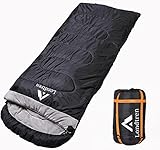
Overview:
The Londtren Large 0 Degree Sleeping Bag pushes spaciousness even further with its 90 x 40-inch dimensions, accommodating campers up to 7 feet tall. Designed for frigid conditions with a 0°F-15°F rating, this bag features a flannel lining, thickened shoulder warmer belt, and drawstring hood. The waterproof 210T polyester shell and two-way zipper system balance comfort with weather protection.
What Makes It Stand Out:
The innovative shoulder warmer belt adds targeted insulation where heat commonly escapes, a feature rarely seen in this price range. The combination of flannel lining and waterproof exterior bridges comfort and protection. At 40 inches wide, it’s among the roomiest zero-degree bags available, addressing the common complaint that warm bags feel restrictive. The two-way zipper enhances ventilation control.
Value for Money:
Strong value for campers prioritizing space and warmth over portability. The extra width, shoulder warmer belt, and robust construction offer features typically found in more expensive bags. While bulkier than premium options, the price-to-space ratio is excellent. It’s an investment in comfortable cold-weather car camping without the ultralight premium.
Strengths and Weaknesses:
Strengths:
- Exceptionally roomy (90" x 40")
- Shoulder warmer belt prevents heat loss
- Flannel lining for comfort
- Waterproof shell
- Accommodates campers up to 7 feet
Weaknesses:
- Heavy and bulky for backpacking
- Flannel adds weight and drying time
- Limited packability
- May be overkill for mild climates
- Quality control can be inconsistent
Bottom Line:
Ideal for tall campers, side sleepers, and those who refuse to sacrifice comfort in cold weather. The Londtren excels at car camping and base camp scenarios where its bulk isn’t a liability. If you need genuine zero-degree warmth with room to move, this delivers. For backpacking, consider lighter alternatives. It’s a specialized tool for specific needs.
Understanding Winter Mountaineering Requirements
The Alpine Environment Challenge
Winter mountaineering subjects your sleeping bag to conditions far more severe than typical backpacking. You’re not just dealing with cold—you’re facing moisture from tent condensation, spindrift blowing under vestibules, and the constant compression from multiple nights in the same bag. Your sleep system must handle temperature swings from frigid nights to potentially warm afternoons in direct sun at high altitude. The bag needs to maintain loft even when partially damp and provide consistent warmth during extended trips where drying opportunities are minimal.
Safety Margins for Extreme Cold
Never select a sleeping bag rated exactly to the lowest temperature you expect to encounter. Smart mountaineers build in a 10-15°F safety margin to account for unexpected cold snaps, fatigue, or inadequate nutrition—all factors that lower your body’s heat production. Remember that temperature ratings assume you’re using a properly insulated sleeping pad and wearing dry base layers. For winter mountaineering, choose a bag rated at least 10°F lower than the coldest anticipated conditions, and consider that most accidents happen when conditions exceed expectations rather than meet them.
Temperature Ratings and What They Really Mean
Decoding EN/ISO Standards
The EN 13537 and ISO 23537 standards provide standardized testing that allows apples-to-apples comparisons between bags. These tests use a heated manikin in controlled conditions to measure heat retention. However, these ratings don’t account for wind chill, humidity, or the psychological aspects of cold perception. Understanding the methodology helps you interpret numbers more realistically—especially important since 2026 brings increasingly sophisticated testing equipment that provides more accurate, though still theoretical, measurements.
Comfort vs Limit vs Extreme Ratings
Three key numbers define a bag’s rating: Comfort (the temperature at which a cold sleeper stays comfortable), Limit (the temperature at which a warm sleeper remains comfortable), and Extreme (the minimum temperature for survival, not comfort). For winter mountaineering, focus primarily on the Limit rating as your functional baseline. The Extreme rating should be viewed as an emergency backup only—using a bag at its extreme rating means you’ll survive, but you certainly won’t sleep, and hypothermia remains a real risk.
Real-World Temperature Considerations
Laboratory testing can’t replicate the unique challenges of alpine bivouacs. At high altitude, thinner air reduces insulation efficiency. Your metabolism changes with altitude and exertion, affecting heat production. Consider your personal cold tolerance—some climbers sleep warm while others need extra insulation. Factor in whether you’ll be using the bag for active mountaineering (generating more body heat) or basecamp-style expeditions (more sedentary, requiring warmer bags). The most reliable approach is to talk with climbers who’ve used specific temperature ratings in conditions similar to your planned routes.
Insulation Types: Pros and Cons
Down Insulation Explained
Premium goose down offers unmatched warmth-to-weight ratio and compressibility—critical when every ounce matters on technical routes. Down’s loft creates countless tiny air pockets that trap heat efficiently. Higher fill power (800-900+) means better insulation per ounce, allowing lighter bags with the same warmth. However, down loses all insulating properties when wet and takes forever to dry in field conditions. For 2026, hydrophobic down treatments have improved significantly, but they still don’t match synthetic performance in truly wet environments.
Synthetic Insulation Benefits
Modern synthetic fills excel in damp conditions, maintaining up to 80% of their insulating ability when wet and drying much faster than down. They’re also more affordable and hypoallergenic. The downside is weight—synthetic bags are typically 30-50% heavier than down equivalents with similar temperature ratings. For mountaineering in maritime ranges or spring conditions where moisture is inevitable, synthetic insulation provides peace of mind that justifies the weight penalty. Some climbers choose synthetic for approaches and down for high camps.
Hybrid Insulation Systems
Emerging designs strategically place synthetic insulation in moisture-prone areas (footbox, hood) while using down in the core body area. This hybrid approach attempts to capture the best of both worlds. Some 2026 models feature water-resistant down in the upper portion with synthetic insulation along the bottom where condensation collects. While innovative, these bags require careful evaluation of the specific hybrid configuration to ensure it matches your typical sleeping position and moisture exposure patterns.
Sleeping Bag Shapes and Their Impact
Mummy vs Semi-Rectangular Designs
Mummy bags maximize thermal efficiency by minimizing dead air space that your body must heat. Their snug fit reduces weight and packed volume but can feel restrictive. Semi-rectangular designs offer more room to move but sacrifice some warmth and add weight. For winter mountaineering, the mummy shape dominates because efficiency trumps comfort when temperatures drop below zero. However, if you routinely sleep cold or need space for layering, a slightly more generous cut might provide better real-world warmth than a tighter bag you can’t fully loft.
Baffle Construction and Heat Retention
The way insulation is held in place dramatically affects performance. Box-baffle construction creates three-dimensional chambers that prevent down from shifting and eliminate cold spots—essential for winter bags. Continuous baffles allow you to shift insulation between top and bottom but risk migration that creates gaps. Side-block baffles prevent down from sliding off the top of you when you roll over. For extreme cold, look for bags with multiple baffle sizes, with smaller chambers in the core body area for consistent loft and larger chambers in less critical zones to save weight.
Key Features to Look For
Draft Collars and Tubes
A well-designed draft collar (the insulated tube around your neck) prevents the chimney effect where warm air escapes from the bag’s opening. The best designs feature dual adjustment cords—one for the collar itself and another for the hood opening—allowing you to seal in heat while still breathing comfortably. Draft tubes running along the zipper prevent cold intrusion through the teeth. For winter use, ensure these features are generously insulated and can be cinched tightly without creating pressure points.
Hood Design and Adjustability
Your head loses significant heat, making hood design crucial. Look for hoods that contour naturally around your face with multiple drawcord adjustments. The best designs create a small breathing hole while sealing the rest of your head in warmth. Some 2026 models incorporate ergonomic shaping that accommodates side-sleepers without gaping open. Test whether you can operate adjustments easily with gloved hands—a critical detail when you’re exhausted and cold at 3 AM.
Zipper Features and Anti-Snag Systems
Winter bags need robust zippers that won’t fail in extreme cold. Two-way zippers allow venting from the bottom if you overheat. The anti-snag system must be reliable—fighting a stuck zipper at -10°F is miserable. Some designs use waterproof zippers or storm flaps for extra protection. Consider whether you prefer left or right zip based on your handedness and how you organize your tent. Full-length zippers add versatility but weight; some ultralight winter bags use 3/4-length zippers to save ounces while still allowing entry.
Weight and Packability Considerations
The Ultralight Trade-off
Every ounce matters on technical routes, but insufficient warmth can be life-threatening. The lightest winter bags often achieve weight savings through narrower cuts, lighter shell fabrics, and minimal features—compromises that may reduce real-world performance. A 2.5-pound bag rated to -20°F sounds appealing until you realize it has a skimpy draft collar and fragile shell. Balance weight against durability and feature set. For approaches and long approaches, consider whether a slightly heavier but more robust bag actually serves you better over multiple seasons.
Compression and Storage Solutions
How small a bag compresses affects pack organization and whether it fits in your expedition pack. Down bags compress dramatically smaller than synthetic. However, repeated over-compression damages insulation over time. Quality stuff sacks should offer compression straps but not force you to squeeze the bag to its absolute minimum. For storage between trips, always use the large cotton storage sack—not the compression sack—to maintain loft. Some 2026 bags include innovative storage systems that maintain shape while allowing airflow.
Shell and Lining Materials
Water-Resistant Shell Fabrics
The shell fabric is your first defense against moisture. Pertex and similar tightly-woven nylon shells offer excellent water resistance while remaining breathable enough to prevent internal condensation. DWR (durable water repellent) coatings are standard but wear off over time. Some expedition-grade bags use waterproof-breathable shells, but these can trap perspiration if not properly ventilated. Consider the shell’s denier rating—higher numbers mean more durability but also more weight. For mountaineering, 15-30D offers a good balance, with higher denier in high-abrasion areas.
Lining Materials for Comfort
The lining fabric touches your skin and affects moisture management. Soft, breathable nylon or polyester taffeta wicks perspiration away from your body, preventing that clammy feeling. Some linings incorporate antimicrobial treatments that reduce odor buildup during extended trips. Avoid cotton or cotton-blend linings—they absorb moisture and take forever to dry. The lining color matters too: dark colors dry faster in the sun and absorb radiant heat, while light colors stay cooler if you’re using the bag in milder conditions.
Sizing and Fit for Optimal Warmth
Regular vs Long Sizes
Proper length ensures maximum warmth. A bag that’s too long creates dead air space your body must heat unnecessarily. Too short compresses the footbox insulation and pulls the hood away from your head. Most manufacturers offer regular (fits up to 6’) and long (up to 6'6") options. Some also offer short sizes for smaller climbers. When in doubt, size up rather than down—you can always stuff extra clothing in the footbox to reduce space, but you can’t stretch a bag that’s too small. Consider your sleeping style: side-sleepers may need extra length to prevent compression when curled up.
Women’s Specific Designs
Women’s sleeping bags account for physiological differences—typically lower metabolic rates and different heat distribution patterns. These bags often have additional insulation in the footbox and torso, narrower shoulder widths, and wider hip areas. The temperature ratings on women’s bags usually reflect the Comfort rating rather than Limit, providing more realistic expectations. However, not all women sleep cold, and many find unisex bags perfectly suitable. The key is matching the bag’s insulation distribution to your personal heat map rather than strictly following gender labels.
Care and Maintenance for Longevity
Cleaning Best Practices
Body oils and dirt reduce insulation loft over time. Wash your sleeping bag only when necessary—typically after 20-30 nights of use or when it loses noticeable loft. Use front-loading washers only; agitators in top-loaders damage baffles. Specialized down or synthetic cleaners preserve insulation properties better than regular detergent. Run multiple rinse cycles to remove all soap residue. Dry on low heat with clean tennis balls to break up clumps, which may take several hours. Never dry-clean a sleeping bag—the chemicals strip natural oils from down and damage synthetic fibers.
Storage Between Expeditions
Proper storage maintains loft and extends bag life significantly. Always store uncompressed in a large, breathable cotton or mesh sack in a dry, temperature-stable environment. Never leave a sleeping bag in its stuff sack for extended periods—this permanently damages insulation. Hang bags in a closet if space allows. Avoid storing in attics or basements where temperature and humidity fluctuations degrade materials. For long-term storage, some climbers loosely roll their bags rather than stuff them, believing it prevents permanent creasing in the insulation.
Budget Considerations and Value
Investment vs Entry-Level Options
Quality winter sleeping bags represent a significant investment, but cutting corners can be dangerous. Entry-level options ($200-400) typically use heavier materials, lower fill-power down, or less sophisticated construction. Mid-range bags ($400-700) offer the best value—quality insulation, durable shells, and proven designs. Premium bags ($700-1200) shave ounces through exotic materials and meticulous construction. Consider cost-per-use: a $600 bag used for 50 nights costs $12 per night, while a $300 bag that fails when you need it most costs far more. For mountaineering, prioritize reliability over savings.
Warranty and Repair Programs
Reputable manufacturers stand behind their products with comprehensive warranties. Look for companies offering at least a lifetime warranty on materials and workmanship. Some provide expedited repair services—a crucial consideration when you’re preparing for a major expedition. Check whether the warranty covers zipper failures and fabric tears, common issues in field use. A few manufacturers offer trade-in programs toward new purchases. Factor in repair costs when budgeting; a $50 zipper replacement is preferable to buying a new $600 bag. Read warranty terms carefully—some exclude commercial use or require professional cleaning before service.
Frequently Asked Questions
What temperature rating do I need for winter mountaineering?
Choose a bag rated at least 10-15°F lower than the coldest temperature you expect to encounter. For most winter mountaineering, a -20°F to -40°F bag provides adequate safety margin. Consider your personal cold tolerance and whether you tend to sleep warm or cold. Remember that ratings assume use with a proper insulated sleeping pad and dry base layers.
Is down or synthetic insulation better for winter mountaineering?
Down offers superior warmth-to-weight ratio and compressibility, ideal for dry, cold conditions and weight-conscious trips. Synthetic insulation performs better when wet and dries faster, making it preferable for maritime ranges or spring conditions. Many mountaineers choose down for high, dry peaks and synthetic for mixed conditions. Hydrophobic down treatments bridge the gap but don’t fully match synthetic performance when soaked.
How much should a winter mountaineering sleeping bag weigh?
Quality winter bags typically weigh between 3-5 pounds for -20°F ratings. Ultralight models can dip below 3 pounds but may compromise durability or features. Synthetic bags run 4-6 pounds for similar warmth. Balance weight savings against reliability—saving 8 ounces means little if you’re dangerously cold. Consider the total sleep system weight, including your sleeping pad, which significantly impacts warmth.
Can I use a 3-season bag with liners for winter mountaineering?
This approach is risky for serious winter conditions. Liners add only 5-15°F of warmth and can compress the main bag’s insulation, reducing its effectiveness. The combination is also heavier and bulkier than a dedicated winter bag. For emergency use or occasional mild winter nights, a liner system works. For regular winter mountaineering, invest in a proper winter-rated bag—it’s safer, more comfortable, and ultimately more reliable.
What’s the difference between a draft collar and draft tube?
A draft collar is an insulated, adjustable tube around your neck and shoulders that seals the bag’s opening, preventing warm air from escaping. A draft tube runs along the inside of the zipper to block cold air infiltration through the zipper teeth. Both are essential for winter bags. The collar should be generously filled and easily adjustable, while the tube should be wide enough to cover the zipper completely without snagging.
How do I know if a sleeping bag fits properly?
Lie in the bag wearing your typical sleeping layers. You should be able to move slightly without compressing insulation, but not so much that you’re heating excess space. Your feet shouldn’t press against the footbox end, and the hood should comfortably surround your head when cinched. Side-sleepers should check that the bag doesn’t gap open when curled up. A properly fitting bag feels snug but not restrictive.
Should I get a waterproof sleeping bag?
Fully waterproof bags often trap perspiration, leading to damp insulation from the inside. Better options include water-resistant shell fabrics with DWR treatments and hydrophobic down. Use a waterproof stuff sack for transport and a quality tent or bivy to protect from external moisture. Some expedition bags feature waterproof-breathable shells in the footbox only, where condensation typically collects—this targeted approach offers better moisture management.
How do I store my sleeping bag between trips?
Always store uncompressed in a large, breathable cotton or mesh storage sack in a dry, temperature-stable environment. Never leave it in the stuff sack long-term. Hanging in a closet is ideal. Avoid attics, basements, or damp areas. For extended storage, loosely roll rather than stuff to prevent permanent creasing. Ensure the bag is completely dry before storage to prevent mildew and insulation degradation.
Can I wash my down sleeping bag at home?
Yes, with proper care. Use a front-loading washer (no agitator) and specialized down cleaner. Run gentle cycle with extra rinses. Dry on low heat with clean tennis balls to break up clumps—this takes 3-5 hours. Check frequently to prevent overheating. Never use fabric softeners or bleach. If unsure, professional cleaning services specializing in outdoor gear provide peace of mind, especially for expensive bags.
What’s a realistic budget for a quality winter mountaineering bag?
Expect to spend $400-800 for a reliable winter mountaineering bag from a reputable manufacturer. Entry-level options around $300 exist but often compromise on weight or features. Premium bags exceeding $1000 offer marginal weight savings for most users. Consider cost-per-use—a quality bag lasting 10+ years costs less per expedition than replacing cheaper bags frequently. Factor in the cost of a good sleeping pad, as the sleep system works together.
Related Buying Guides
- How to Choose the 10 Best Base Layers for Winter Hunting in 2026
- Stop Cold Nights with the 10 Best Insulated Sleeping Bags This Year
- 10 Best Thermal Base Layers for Winter Outdoor Adventures This Year
- 10 Best Thermal Base Layers for Winter Hunting Expeditions This Year
- 10 Essential Cold Weather Hunting Packs Every Winter Hunter Needs in 2026