Table of Contents
Selecting the right mechanical broadhead isn’t just about improving your odds in the field—it’s about honoring the animal you’re pursuing with the quickest, most humane harvest possible. As we approach the 2026 hunting season, advancements in blade metallurgy, deployment engineering, and aerodynamic design have transformed mechanical broadheads into precision instruments that rival fixed-blade reliability while delivering devastating wound channels. The ethical hunter understands that success begins long before the shot, with informed decisions about equipment that match your bow’s kinetic energy, your shooting ability, and the specific game you’re targeting.
The landscape of mechanical broadhead technology continues evolving, with manufacturers introducing features that address past concerns about premature deployment, penetration failure, and durability. Today’s top-tier designs incorporate lessons learned from millions of hunts, resulting in systems that fly like field points yet open reliably on impact to create massive cutting diameters. This guide walks you through the critical considerations for choosing mechanical broadheads that ensure clean kills, focusing on performance characteristics rather than brand names, so you can evaluate any product through the lens of ethical hunting principles.
Top 10 Mechanical Broadheads
Detailed Product Reviews
1. G5 Outdoors G5 Megameat 100 Grain Crossbow Broadhead 3 Pk, Stainless Steel, Model Number: MM102
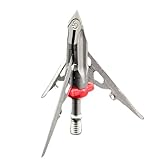
Overview: The G5 Megameat is a premium mechanical broadhead engineered for crossbow hunters who demand devastating wound channels. Featuring a massive 2-inch cutting diameter and three machined stainless steel blades, this 100-grain head delivers exceptional penetration and lethal performance on big game. The rearward-sliding blade design ensures maximum cutting efficiency upon impact.
What Makes It Stand Out: The innovative SnapLock collar system prevents premature blade deployment during flight, guaranteeing field-point accuracy until the moment of impact. The bone-busting chisel tip provides superior penetration through tough tissue and bone. All components—including blades and collars—are replaceable, significantly extending the broadhead’s lifespan and making it a sustainable long-term investment.
Value for Money: Positioned in the mid-to-high price range, the Megameat justifies its cost through solid steel construction and replaceable parts. While more expensive than budget options, the durability and consistent performance make it worthwhile for serious hunters who demand reliability during critical moments. The 3-pack provides enough heads for multiple arrow setups.
Strengths and Weaknesses:
- Pros: Reliable SnapLock retention system; massive 2" cutting diameter; replaceable blades and collars; durable stainless steel construction; field-point accuracy
- Cons: Mechanical design adds potential failure points; requires periodic collar replacement; higher price point; limited to 3-pack quantity
Bottom Line: The G5 Megameat is an excellent choice for crossbow hunters prioritizing large wound channels and reliable deployment. Its robust construction and innovative retention system make it ideal for ethical, efficient harvests on medium to large game.
2. e5e10 12pcs Hunting Broadheads 100 Grain Archery Broadheads New Stell Broadheads + 1 pcs Black Broadhead Case for Arrowheads (Blue)
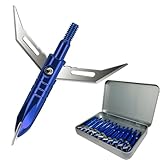
Overview: This e5e10 bulk pack delivers a dozen 100-grain broadheads with an impressive 2.4-inch cutting diameter—one of the largest available. The package includes a convenient metal storage case, providing exceptional quantity for hunters needing multiple practice and hunting heads. Made from 420 high-hardness stainless steel, these heads prioritize functionality over fancy features.
What Makes It Stand Out: The sheer value proposition dominates—you receive 12 broadheads for roughly the price of a premium 3-pack. The oversized cutting diameter exceeds most competitors, while the included case adds practical storage and transport convenience. These are straightforward, no-frills designs that focus on basic functionality and sharpness.
Value for Money: Unbeatable in cost-per-broadhead, this package is perfect for high-volume shooters who go through multiple heads during practice sessions. The budget pricing makes it accessible for beginners or those wanting spare broadheads without financial strain. You can afford to practice with actual hunting-weight heads.
Strengths and Weaknesses:
- Pros: Exceptional quantity (12 heads); largest 2.4" cutting diameter; includes storage case; extremely affordable; sharp out of package
- Cons: Unknown brand reliability; potentially inconsistent quality control; lacks advanced retention systems; basic construction may not withstand tough bone impacts
Bottom Line: Ideal for practice or budget-conscious hunters, the e5e10 pack delivers quantity and cutting size. However, for critical hunts where reliability is paramount, investing in a proven premium brand may be wiser despite the higher cost.
3. G5 Outdoors Deadmeat 100% Steel Expandable Standard Broadhead (3 Pack + Practice Tip) (Made in The USA)
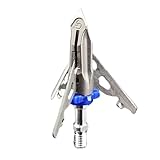
Overview: The G5 Deadmeat V2 is a robust mechanical broadhead machined entirely from A+ grade stainless steel. This 100-grain, three-blade design creates a 1.5-inch cutting diameter and includes a BMP practice tip, allowing hunters to tune their setup without dulling hunting heads. The all-steel construction provides exceptional durability compared to hybrid designs.
What Makes It Stand Out: The 100% steel construction ensures reliable resistance and deep penetration while minimizing component failure. The SnapLock retention system delivers audible confirmation when blades lock, ensuring secure flight. The included ballistic-matched practice tip is a significant value-add, maintaining consistent flight characteristics between practice and hunting scenarios.
Value for Money: While priced at the premium end, the Deadmeat includes a practice tip and replaceable components. The all-steel construction means fewer failures and longer service life, offsetting the initial investment for serious hunters who practice regularly. Made in the USA quality adds to the value proposition.
Strengths and Weaknesses:
- Pros: All-steel durability; SnapLock audible confirmation; includes BMP practice tip; replaceable blades; made in USA; reliable penetration
- Cons: Smaller 1.5" cut compared to competitors; mechanical complexity; premium pricing; requires separate blade kit purchases
Bottom Line: The Deadmeat V2 excels for hunters prioritizing durability and penetration over maximum cutting diameter. Its steel construction and included practice tip make it a smart choice for those who value longevity and consistent performance on tough game.
4. NAP Spitfire Maxx 100 X-Bow Tt 4-Pack
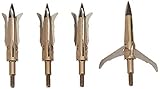
Overview: The NAP Spitfire Maxx X-Bow is a crossbow-specific mechanical broadhead from New Archery Products, a trusted industry veteran. This 100-grain broadhead features a proven design optimized for the higher speeds and kinetic energy of modern crossbows, delivered in a convenient 4-pack configuration for hunters wanting multiple setups or spares.
What Makes It Stand Out: Spitfire broadheads have decades of proven field performance and legendary reliability. The Maxx version offers an expanded cutting diameter while maintaining the field-point accuracy that made the original famous. The four-pack quantity provides better value than typical 3-pack offerings from competitors.
Value for Money: Mid-range pricing combined with four heads instead of three creates solid value. NAP’s reputation for stringent quality control reduces the risk of defective heads, making this a cost-effective choice for hunters wanting brand reliability without paying premium prices. The proven design minimizes costly lost game.
Strengths and Weaknesses:
- Pros: Proven brand reputation; field-point accuracy; optimized for crossbows; 4-pack quantity; reliable deployment; good quality control
- Cons: Limited feature details provided; made in China; smaller cut than premium options; mechanical broadhead failure risk exists
Bottom Line: The Spitfire Maxx X-Bow is a dependable middle-ground option for crossbow hunters seeking proven performance. While it may lack the cutting diameter of premium options, its reliability and brand backing make it a trustworthy choice for most hunting situations where confidence matters.
5. Rage Chisel Tip 2 Blade Broadhead, 100 Grain with Shock Collar Technology - 3 Pack, Red, Model:65100

Overview: The Rage Chisel Tip 2-Blade combines Rage’s legendary expandable design with a tough chisel point for bone-breaking penetration. This 100-grain mechanical broadhead deploys a massive 2-inch cutting diameter through its rear-deploying SlipCam system, creating devastating wound channels and short blood trails on game animals.
What Makes It Stand Out: Rage’s Shock Collar Technology ensures blades stay retracted during flight while allowing instant deployment on impact. The huge .039" leading-edge blade paired with .035" stainless steel expandable blades creates exceptional cutting surfaces. The red anodized ferrule provides corrosion resistance and easy identification in your quiver.
Value for Money: Priced competitively with other premium mechanicals, the Rage offers proven performance and massive cuts. The 3-pack provides enough heads for multiple arrow setups, though replacement Shock Collars add ongoing costs. Made in the USA quality and legendary wound channels justify the investment for serious hunters.
Strengths and Weaknesses:
- Pros: Massive 2" cutting diameter; proven Shock Collar system; chisel tip penetration; large blade thickness; made in USA; legendary wound channels
- Cons: Only 2 blades (less tissue damage than 3-blade); mechanical failure potential; replacement collar costs; blades can deploy prematurely if collars wear
Bottom Line: The Rage Chisel Tip 2-Blade is perfect for hunters wanting maximum blood trails and proven mechanical performance. While the two-blade design sacrifices some cutting surface, the deployment reliability and wound channels make it a top contender for whitetail and similar-sized game where tracking is key.
6. LEANPRO Hunting Broadheads 6PK 100 Grains 420 Stainless Steel 3 Blades Mechanical Hunting Arrow Tips Archery Arrowhead for Crossbow and Compound Bow Hunting 2” Cutting Diameter

Overview: The LEANPRO mechanical broadhead delivers devastating 2-inch cuts through its innovative rear-deploying design. Machined from 7075-T6 aircraft aluminum with 420 stainless steel blades, this 100-grain, three-blade head promises field-point accuracy with lethal expansion upon impact.
What Makes It Stand Out: The no-collar blade retention system eliminates premature deployment in quivers or brush while reducing wind drag during flight. Blades lock into the ferrule via a gasket system, removing the need for shock collars, dental bands, or O-rings that can fail at critical moments. The cut-on-contact design ensures immediate penetration before mechanical blades deploy.
Value for Money: At six broadheads per pack, the LEANPRO offers solid value for mechanical broadhead hunters. While priced slightly above budget fixed-blade options, the advanced retention system and quality materials justify the cost compared to premium mechanicals from major brands. You’re paying for reliability without the top-tier price tag.
Strengths and Weaknesses: Strengths include the collar-free design that simplifies setup and improves reliability, large 2-inch cutting diameter for massive wound channels, and aircraft-grade construction. Weaknesses involve the inherent risks of any mechanical head—potential failure to deploy on quartering shots and reduced penetration through heavy bone compared to fixed blades. The .035-inch blade thickness is standard but not exceptional.
Bottom Line: Ideal for hunters prioritizing large wound channels and field-point accuracy in crossbows or compound bows. The collar-free system provides peace of mind, making it a smart mid-range mechanical option for whitetail and similar-sized game.
7. e5e10 12pcs Hunting Broadheads 100 Grain Archery Broadheads New Steel Broadheads + 1 pc Metal Broadhead Case for Arrowheads (Black)

Overview: This twelve-pack from e5e10 delivers straightforward, no-frills broadheads for hunters wanting quantity without complexity. Made from 420 stainless steel with an impressive 2.4-inch cutting diameter, these 100-grain heads come with a handy metal storage case, emphasizing practicality over advanced engineering.
What Makes It Stand Out: The exceptional value proposition—twelve broadheads plus a durable case—immediately distinguishes this package. The oversized 2.4-inch cutting diameter exceeds most competitors, promising enhanced lethality. These are fixed-blade style broadheads that prioritize simplicity: they install easily, fly predictably, and cut effectively without mechanical complications.
Value for Money: Outstanding budget value. The per-broadhead cost rivals practice points while delivering legitimate hunting performance. The included metal case prevents damage during transport and keeps edges sharp—a thoughtful addition rarely seen at this price point. Perfect for hunters needing multiple practice heads or those stocking up for the season.
Strengths and Weaknesses: Strengths include remarkable affordability, generous cutting diameter, included storage case, and simple reliability. Weaknesses involve basic construction without advanced aerodynamic features, potentially less consistent flight at longer ranges compared to premium heads, and limited information on ferrule material. Quality control may vary across budget batches.
Bottom Line: An excellent choice for beginners, practice sessions, or hunters who value quantity over cutting-edge technology. While not fancy, these broadheads deliver reliable performance where it matters most—putting game on the ground without emptying your wallet.
8. Bloodsport Gravedigger 4-Blade Hunting Hybrid Mechanical Broadhead with Chisel Tip - 100 Grains | 1" Fixed 1.75" Mechanical Cutting Diameter | 3 Pack
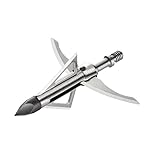
Overview: The Bloodsport Gravedigger revolutionizes broadhead design through its patented hybrid configuration, combining a 1-inch fixed blade with 1.75-inch mechanical expansion. This 100-grain, four-blade head features a bone-splitting chisel tip and 416 stainless steel blades housed in a 7075 aircraft aluminum ferrule for uncompromising performance.
What Makes It Stand Out: The hybrid design delivers the reliability of fixed blades with the devastation of mechanical expansion. The patented blade retention system eliminates O-rings and rubber bands, while two 0.5-inch bleeder blades create secondary wound channels. The chisel tip smashes through bone before mechanical blades deploy, ensuring consistent penetration.
Value for Money: As a premium three-pack, the Gravedigger commands a higher price but justifies it through innovative engineering and material quality. You’re investing in versatility—fixed-blade dependability with mechanical cutting diameter. For hunters pursuing large game, the reliability offsets the cost compared to replacing failed mechanicals.
Strengths and Weaknesses: Strengths include the foolproof hybrid design, exceptional bone-breaking capability, high-grade materials, and elimination of deployment failures. Weaknesses involve a smaller total cutting diameter than pure 2-inch mechanicals, complex design that may not appeal to traditionalists, and premium pricing that limits quantity.
Bottom Line: Perfect for serious hunters who refuse to compromise between reliability and cutting diameter. The Gravedigger excels on elk, moose, or tough whitetails where bone impact is likely. It’s the ultimate insurance policy against mechanical failure.
9. Pro Series Mechanical Broadheads

Overview: The Pro Series line offers three specialized mechanical broadheads tailored to specific hunting scenarios. The Original 3-Blade provides a 1-3/8-inch cut with 40-degree swept blades for enhanced penetration. The Carni-Four introduces staggered blade technology in a four-blade, 1-inch by 1-inch configuration. The Whitetail Special Pro delivers a massive 2-inch cut for maximum impact.
What Makes It Stand Out: This specialized approach allows hunters to select broadheads optimized for their target game and bow setup. The Carni-Four’s staggered blade technology promises unmatched four-blade performance with instant deployment. The 40-degree swept blade design on the Original enhances penetration without sacrificing cutting diameter, while the Whitetail Special Pro focuses on devastating wound channels.
Value for Money: Value depends on which model and quantity you receive, as the listing lacks clear packaging details. The specialized designs suggest premium pricing, but the versatility of choosing your preferred configuration justifies the cost for discerning hunters. Comparable to mid-to-high-tier mechanicals from established brands.
Strengths and Weaknesses: Strengths include purpose-driven designs for different applications, advanced blade geometry for improved penetration, and innovative staggered blade technology. Weaknesses involve ambiguous product details, unspecified materials and construction quality, and potential confusion for buyers unfamiliar with mechanical nuances. No quantity or price clarity hampers evaluation.
Bottom Line: Best suited for experienced hunters who understand their specific needs. The Carni-Four’s unique staggered design intrigues tech-savvy archers, while the Whitetail Special Pro appeals to those prioritizing cutting diameter. Ensure you verify specifications before purchasing.
10. LOQOMI 10-Pack 100 Grain Broadheads for Compound Bows - Precision Archery Broadheads for Hunting, Crossbow Broadheads with Razor-Sharp Blades, Durable and Accurate Hunting Broadheads
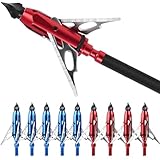
Overview: The LOQOMI ten-pack delivers versatile, user-friendly broadheads compatible with both compound bows and crossbows. These 100-grain heads feature razor-sharp stainless steel blades in an aerodynamic design that reduces wind resistance while promising deep penetration and consistent accuracy across various hunting applications.
What Makes It Stand Out: The ten-pack quantity strikes an excellent balance between bulk value and manageable inventory. Replaceable blade design enables cost-effective maintenance, while the universal compatibility eliminates guesswork for hunters using multiple bow types. The emphasis on easy installation and aerodynamic efficiency appeals to practical hunters who prioritize field time over equipment fussing.
Value for Money: Strong mid-range value proposition. The ten-pack pricing undercuts premium brands while offering more heads than standard three-packs. Replaceable blades extend lifespan, improving long-term economics. You’re getting functional performance without paying for marketing hype or unnecessary features.
Strengths and Weaknesses: Strengths include versatile crossbow/compound bow compatibility, convenient ten-pack quantity, replaceable blades for easy maintenance, and aerodynamic design. Weaknesses involve unspecified cutting diameter and blade thickness, generic “stainless steel” description lacking grade details, and absence of advanced retention systems or bone-breaking tips.
Bottom Line: An excellent all-purpose choice for hunters wanting reliable performance without specialization. Perfect for those who practice frequently and need multiple heads, or hunters transitioning between compound and crossbow setups. The LOQOMI delivers solid fundamentals at a fair price.
Understanding Mechanical Broadheads and Ethical Hunting
What Makes a Broadhead “Mechanical”
Mechanical broadheads, often called expandable broadheads, feature blades that remain concealed during flight and deploy upon impact through various spring-loaded, inertia-driven, or cable-activated mechanisms. This design philosophy prioritizes field-point accuracy while sacrificing some structural simplicity compared to fixed-blade alternatives. The blades typically fold into the ferrule body, reducing surface area and wind planing that can affect arrow flight. Upon hitting the target, the deployment system triggers, extending blades to create a cutting diameter often exceeding two inches—significantly larger than most fixed-blade designs.
The Ethics of a Clean Harvest
Ethical hunting hinges on minimizing an animal’s suffering through rapid incapacitation. Mechanical broadheads contribute to this goal by creating massive wound channels that sever major blood vessels and vital organs efficiently. The larger cutting diameter increases the probability of hitting critical structures even if shot placement isn’t perfect, providing a margin of error that can mean the difference between a quick recovery and a prolonged track job. However, this ethical advantage only materializes when the broadhead performs as designed—penetrating deeply enough to reach vitals and deploying reliably every time.
How Mechanical Broadheads Improve Kill Efficiency
The primary advantage of mechanical designs lies in their ability to conserve kinetic energy during flight, delivering it all to the target upon impact. Since blades remain hidden, there’s no wind resistance or planing to rob your arrow of velocity. This efficiency translates to better trajectory, tighter groups at longer ranges, and maintained penetration power. When blades deploy after initial penetration, they create a devastating wound channel that typically produces excellent blood trails, making recovery faster and more certain—a core tenet of ethical hunting.
Key Features for Ethical Performance in 2026
Blade Material and Sharpness Standards
Modern mechanical broadheads utilize premium stainless steel alloys, often in the 420SS or 440SS range, hardened to specific Rockwell ratings for optimal edge retention and impact resistance. The sharpening process matters as much as the steel itself—quality heads feature blades honed to surgical sharpness with consistent bevel angles between 25-35 degrees. For 2026, look for broadheads advertising replaceable blades with factory-sharpened edges that require no touch-up out of the package, as hand-sharpening mechanical blades often compromises their precise geometry.
Cutting Diameter Considerations
Ethical harvesting requires balancing cutting diameter with penetration potential. While massive 2.5-inch cuts create devastating wounds, they also require significantly more energy to push through tissue and bone. For most whitetail hunters shooting modern compound bows generating 60-70 foot-pounds of kinetic energy, a cutting diameter between 1.75 and 2.25 inches offers the sweet spot—large enough to create massive hemorrhaging while still allowing complete pass-throughs on quartering shots. Consider your target species; larger game like elk may require slightly smaller diameters to ensure adequate penetration through thicker hide and muscle.
Deployment Mechanism Reliability
The deployment system represents the heart of mechanical broadhead performance. In 2026, two primary designs dominate: over-the-top deployment where blades swing forward from the rear, and rear-deploying systems where blades extend backward from the tip. Over-the-top designs typically offer more reliable penetration since they don’t create a “parachute effect” during deployment. Evaluate mechanisms based on their resistance to premature opening during flight (especially critical for crossbows and high-speed compounds) and their consistency across various impact angles. Quality systems use robust retention clips, O-rings, or mechanical locks that release cleanly on impact without requiring excessive force.
Penetration Power and Kinetic Energy
Your bow’s kinetic energy output directly determines which mechanical broadheads will perform ethically. Calculate your setup’s KE using the formula: (Arrow Weight in grains × Velocity²) ÷ 450,240. For reliable performance with mechanical heads, you need minimum 50 ft-lbs for deer, 65 ft-lbs for elk, and 75+ ft-lbs for moose or bear. Lower energy setups should select heads with smaller cutting diameters, more tapered blade profiles, and designs that minimize energy loss during deployment. The best mechanical broadheads for ethical harvests match their deployment resistance to your specific energy output.
Ferrule Construction and Durability
The ferrule must withstand tremendous forces during impact and blade deployment. Aircraft-grade aluminum (7075-T6) offers excellent strength-to-weight ratio for most applications, while titanium ferrules provide ultimate durability for large game or repeated use. One-piece ferrule designs eliminate potential failure points at threaded connections, while machined construction ensures consistent tolerances. For 2026, look for ferrules with reinforced tips—either hardened steel or tungsten inserts—that prevent curling or deformation when striking bone, as a damaged ferrule compromises the entire broadhead’s performance.
Blade Retention and Deployment Consistency
Premature blade deployment ruins accuracy and wastes kinetic energy, while late or partial deployment creates inadequate wound channels. Quality mechanical broadheads feature redundant retention systems—often combining a primary clip or band with a secondary friction fit. Test retention by spinning your arrows; blades should remain locked at speeds exceeding your bow’s maximum velocity. The deployment trigger must activate consistently across impact velocities from 200-300+ fps, ensuring reliable opening whether you’re shooting 30 yards or 60 yards.
Flight Characteristics and Accuracy
The best mechanical broadheads fly indistinguishably from your field points, requiring minimal sight adjustment when switching from practice to hunting heads. This accuracy stems from aerodynamic ferrule profiles, balanced weight distribution, and minimal blade exposure. For 2026, evaluate heads designed with micro-ridges or dimpled surfaces that stabilize flight similar to golf ball technology. Test any broadhead at your maximum comfortable hunting range—if groups open up beyond 1.5 inches compared to field points, that design may compromise your ethical shot placement.
Blood Trail Quality
Ethical recovery depends on visible blood trails, especially during low-light conditions. Mechanical broadheads excel here by creating massive exit wounds when properly matched to your setup. Look for designs that promise both entry and exit hole sizes approaching the advertised cutting diameter. Blades that create a “S-cut” or angled wound channel can improve blood flow compared to straight cuts. Additionally, consider heads with bleeder blades or secondary cutting edges that maximize tissue damage without significantly increasing deployment resistance.
Compatibility with Your Setup
Your arrow spine, bow poundage, and rest type all influence mechanical broadhead performance. Over-spined arrows may not flex properly on impact, reducing penetration, while under-spined arrows can oscillate excessively, affecting deployment timing. Drop-away rests work optimally with mechanical heads, providing clean arrow flight without fletching contact. For 2026, ensure your chosen broadhead weight (typically 100-125 grains) matches your arrow build’s front-of-center (FOC) requirements—most mechanical heads perform best with 12-15% FOC for optimal stability and penetration.
Weight and Front-of-Center Balance
Mechanical broadhead weight affects arrow spine dynamic and penetration potential. While 100-grain heads dominate the market, 125-grain options provide better FOC for longer arrows or lighter shafts, enhancing downrange stability and impact energy. Some systems offer adjustable weights through modular construction, allowing fine-tuning for your specific setup. Don’t overlook the total weight of replaceable blades and retention hardware—some designs add 5-10 grains beyond the advertised head weight, potentially affecting your carefully tuned arrow spine.
Performance Factors for Different Game
Whitetail Deer Considerations
Whitetail hunting demands versatility for shots from various angles and distances. For ethical whitetail harvests, prioritize mechanical broadheads with proven performance on angled shots, as deer rarely present perfect broadside opportunities. Heads with 2-inch cutting diameters and strong bone-splitting tips handle quartering-away shots effectively. Consider designs with minimal blade sweep upon deployment—this reduces energy loss and ensures adequate penetration when hitting the shoulder blade or ribs at oblique angles.
Larger Game Requirements
Elk, moose, and bear present thicker hides, heavier bones, and deeper chest cavities. Ethical mechanical broadhead selection for these species emphasizes penetration over cutting diameter. Choose heads with 1.5-1.75 inch cutting diameters, reinforced ferrules, and blades that deploy after initial tip penetration. Consider mechanicals with “hybrid” designs featuring a small fixed blade bleeder that provides some cutting action even if deployment fails—a critical backup for high-stakes hunts where equipment failure means wounding loss.
Turkey and Small Game Adaptations
Turkey hunting with mechanical broadheads requires specialized considerations for their unique anatomy—small vital areas surrounded by dense feathers and bone. Opt for heads with massive cutting diameters (2.5+ inches) specifically designed for turkeys, often featuring additional cutting edges on the ferrule itself. These “gobbler guillotines” prioritize head and neck shots. For small game like hogs or varmints, durability becomes paramount; select mechanicals with replaceable blades and steel ferrules that withstand repeated impacts and extraction from tough hides.
Pre-Season Testing and Validation
Paper Tuning with Mechanical Heads
Never assume mechanical broadheads will group with field points without verification. Paper tune using the actual broadheads you plan to hunt with, not just practice versions. Shoot through paper at 6-8 feet, analyzing tear patterns. Clean bullet holes indicate proper arrow flight, while tears suggest rest adjustments or spine mismatch. Test at multiple distances—some mechanicals fly perfectly at 20 yards but develop planing issues at 40+ yards due to minor blade exposure or weight distribution flaws.
Penetration Testing Methods
Ethical hunters verify penetration potential before the season. Create a standardized test using layered cardboard, foam, or commercially available ballistic gel. Shoot broadheads into the media at various distances, measuring penetration depth and examining blade deployment consistency. Compare results across different broadhead designs using the same arrow setup. For crossbow hunters, this testing is non-negotiable—some mechanicals designed for vertical bows fail to deploy reliably at crossbow speeds exceeding 400 fps.
Durability and Reusability Checks
Quality mechanical broadheads should withstand multiple shots into practice targets without blade degradation or ferrule damage. Test by shooting into a foam block target five consecutive times, inspecting for bent blades, loose retention systems, or ferrule warping. Ethical hunting requires confidence in your equipment; discovering a flaw after wounding an animal is unacceptable. Reusable designs save money long-term but only if they maintain factory specifications through multiple sharpening cycles.
Legal and Regulatory Considerations for 2026
State-by-State Regulations
Mechanical broadhead legality varies significantly across jurisdictions. Some states prohibit mechanicals entirely for certain species, while others mandate minimum cutting diameters or maximum blade widths. As regulations evolve for 2026, check your specific state’s hunting regulations booklet—don’t rely on last year’s information. States like Oregon and Idaho have historically restricted mechanical use for big game, while others require barbless designs for some hunts. Violating equipment regulations not only risks fines but undermines ethical hunting’s public perception.
Minimum Requirements
Many states specify minimum cutting diameter (commonly 7/8 inch) and maximum blade count for mechanical broadheads. Some regulations address blade retention, requiring designs that prevent blades from detaching inside the animal. For 2026, anticipate increased scrutiny on mechanical reliability, with potential new rules requiring manufacturers to certify deployment consistency. Ethical hunters stay ahead of regulations by choosing broadheads that exceed minimum standards, ensuring clean kills even if rules change mid-season.
Maintenance and Preparation
Pre-Hunt Inspection Protocols
Every mechanical broadhead requires meticulous inspection before heading afield. Check blade sharpness by drawing across your thumbnail—quality edges should catch immediately. Verify retention system integrity, ensuring clips aren’t fatigued and O-rings haven’t dried or cracked. Spin-test each assembled arrow on a flat surface, watching for wobble that indicates bent ferrules or inconsistent blade seating. This 5-minute ritual prevents equipment failure when it matters most.
Sharpening and Replacement Schedules
Even the best mechanical broadheads dull after one shot. Develop a system: never reuse blades that have contacted bone or passed completely through an animal. The microscopic edge damage compromises penetration on subsequent shots. Replaceable blade systems shine here—swap fresh blades for each hunt, keeping used ones for practice. If you must sharpen, use a guided system maintaining the factory bevel angle; freehand sharpening rarely restores mechanical blades to optimal performance.
Storage Best Practices
Store mechanical broadheads in their original packaging or dedicated cases that protect blade edges from contact. Humidity causes corrosion even on stainless steel, especially in coastal regions. Add silica gel packets to storage containers and keep them in climate-controlled spaces. For long-term storage between seasons, apply a light coat of gun oil to blades, wiping clean before use. Never store broadheads assembled on arrows—vibration can weaken retention systems over time.
Frequently Asked Questions
What kinetic energy minimum do I need for mechanical broadheads?
For deer-sized game, aim for at least 50 foot-pounds of kinetic energy. Elk and larger game require 65-75 foot-pounds minimum. Calculate using (Arrow Weight × Velocity²) ÷ 450,240. Lower energy setups should use smaller cutting diameters (1.5-1.75 inches) to ensure adequate penetration.
Are mechanical broadheads ethical for bowhunting?
When matched properly to your setup and game species, mechanical broadheads are highly ethical. Their large cutting diameters increase vital zone hit probability and create excellent blood trails. The key is ensuring reliable deployment and adequate penetration through proper energy matching and quality head selection.
How do I test mechanical broadhead reliability before hunting?
Shoot at least three broadheads into a foam target, checking for consistent deployment and penetration depth. Spin test assembled arrows for wobble. Paper tune with the actual hunting heads to verify flight. Finally, inspect blades under magnification for manufacturing defects. This comprehensive testing builds confidence in your equipment.
Should I use mechanical broadheads for elk?
Yes, but choose wisely. Opt for smaller cutting diameters (1.5-1.75 inches), reinforced ferrules, and designs with delayed blade deployment. Ensure your setup generates 65+ ft-lbs of KE. Consider hybrid mechanicals with small fixed bleeder blades as backup. Test penetration on angled shots to verify adequate performance on quartering opportunities.
Why do my mechanical broadheads fly differently than field points?
This typically indicates improper arrow spine, inconsistent blade retention, or minor blade exposure. Paper tune with the mechanical heads installed. Check that all blades seat identically in the ferrule. Consider increasing arrow spine stiffness or adjusting draw weight. Some designs naturally fly slightly different—verify zero at hunting distances, not just 20 yards.
How often should I replace mechanical broadhead blades?
Replace blades after every shot that contacts an animal, even if they appear undamaged. Microscopic edge rolling compromises penetration. For practice, blades can last 5-10 shots into foam before needing replacement. Never hunt with previously used blades—fresh edges ensure maximum cutting efficiency and ethical performance.
What’s better: rear-deploying or over-the-top mechanicals?
Over-the-top designs generally offer better penetration since blades deploy forward, reducing resistance. Rear-deploying heads often create larger entry wounds but may sacrifice some penetration energy. For most hunters, over-the-top designs provide the best balance of reliability and penetration, especially on angled shots.
Can I use mechanical broadheads with my crossbow?
Yes, but verify the design is rated for crossbow speeds (often 400+ fps). Many mechanicals designed for vertical bows experience premature deployment or blade failure at crossbow velocities. Look for crossbow-specific models with reinforced retention systems and test thoroughly before hunting.
How do cutting diameter and penetration trade off?
Larger diameters increase tissue damage but require exponentially more energy to push through the animal. Each additional quarter-inch of cutting diameter can reduce penetration by 2-3 inches in the same energy setup. Match diameter to your KE: 50-55 ft-lbs use 1.75 inches, 55-65 ft-lbs use 2 inches, 65+ ft-lbs can handle 2.25 inches.
What should I do if a mechanical broadhead fails to deploy?
This rare event typically results from manufacturing defect or improper assembly. If you recover the arrow and find undeployed blades, document the failure and contact the manufacturer. For future hunts, switch to a different design with redundant retention systems and proven reliability. Consider carrying a backup arrow with a fixed-blade head for insurance on once-in-a-lifetime hunts.