Table of Contents
There’s nothing quite like the quiet anticipation of a morning hunt in damp woods—mist hanging between the trees, the soft squish of wet earth under your boots, and that crisp chill that makes you feel truly alive. But that same beautiful, wet terrain can turn your expedition miserable in minutes when your hands become cold, clammy, and numb. Waterlogged fingers don’t just make you uncomfortable; they compromise your ability to load your firearm, handle calls, or maintain a steady grip when it matters most. That’s why investing in quality waterproof hunting gloves isn’t just about comfort—it’s about safety, performance, and extending your time in the field.
Choosing the right pair, however, can feel overwhelming with countless options promising everything from absolute waterproofing to breathability that seems to defy physics. This comprehensive guide cuts through the marketing noise to help you understand what truly matters when selecting waterproof hunting gloves for wet terrain. We’ll explore the technologies that keep water out while letting sweat escape, the materials that balance durability with dexterity, and the features that separate mediocre gloves from exceptional ones. Whether you’re tracking elk through Pacific Northwest downpours or waiting in a soggy duck blind before dawn, you’ll know exactly what to look for to keep your hands warm, dry, and ready for action.
Top 10 Waterproof Hunting Gloves
Detailed Product Reviews
1. Manzella Men’s Stretch Coyote Cold Weather Hunting Glove, Waterproof, Windproof, Touchscreen Capable, Realtree Xtra, X-Large
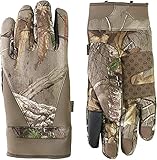
Overview: Manzella positions these gloves as serious hunting equipment, not mere accessories. With over three decades of glove design expertise, they’ve engineered a specialized cold-weather hunting glove that prioritizes warmth, mobility, and stealth. The Realtree Xtra camouflage pattern and scent-control technology make these purpose-built for hunters who understand that details matter in the field.
What Makes It Stand Out: The HydroBlok waterproofing system is the star here—blocking water and wind while allowing internal moisture to escape, preventing that clammy feeling during active hunts. The 40-gram Thinsulate insulation delivers warmth without excessive bulk, while the 3-ply softshell with spandex ensures you maintain dexterity for trigger control and gear manipulation. The scent-control coating is a unique feature that keeps gloves fresher longer and minimizes human odor detection.
Value for Money: Priced in the premium hunting gear category, these gloves justify their cost through specialized features absent in generic winter gloves. While budget options might offer basic warmth, they lack the HydroBlok technology, scent control, and hunting-specific design. For serious hunters who spend countless hours in stand or blind, the durability and performance features represent sound investment.
Strengths and Weaknesses: Strengths include excellent waterproof-breathable performance, scent-control technology, superior mobility, and hunting-specific design. Weaknesses: 40g Thinsulate may prove insufficient for sub-zero temperatures, and touchscreen compatibility isn’t confirmed despite the title claim. Sizing runs snug due to the stretch design.
Bottom Line: Ideal for dedicated hunters needing stealth, weather protection, and dexterity. Not the warmest option for extreme cold, but among the best for active hunting scenarios where mobility and scent control are paramount.
2. HANDLANDY Winter Gloves for Men & Women, Insulated Waterproof for Cold Weather, Thermal Glove for Cycling, Ski, Riding, Driving, Biking, Running (Camo, Large)
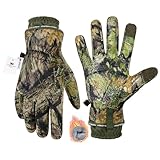
Overview: HANDLANDY delivers a versatile, budget-friendly winter glove designed for the multitasking outdoor enthusiast. These gloves aim to bridge the gap between performance and affordability, targeting cyclists, commuters, and casual winter sports participants who need reliable protection without premium price tags. The unisex design broadens their appeal across activities.
What Makes It Stand Out: The touchscreen-compatible design works across all fingers, not just fingertips—a practical advantage for smartphone-centric users. Reflective detailing on the back enhances visibility during low-light commutes, while the clip buckle keeps gloves paired when not in use. The wool lining provides natural warmth and odor resistance, and the PU leather palm offers decent grip for driving and cycling.
Value for Money: These gloves punch above their weight class in features-per-dollar. Competitors at this price point often lack touchscreen capability or reflective elements. While premium brands offer superior durability and insulation ratings, HANDLANDY provides adequate performance for everyday winter activities at roughly half the cost. Perfect for occasional users rather than hardcore adventurers.
Strengths and Weaknesses: Strengths include exceptional affordability, reliable touchscreen function, reflective safety features, and versatile design for multiple activities. Weaknesses involve uncertain long-term durability under heavy use, unspecified insulation rating, and wool lining that may absorb moisture. The camo pattern seems mismatched for urban cycling.
Bottom Line: An excellent value proposition for casual winter users who prioritize connectivity and safety. Not built for extreme conditions or heavy-duty work, but perfectly adequate for commuting, dog walking, and light outdoor recreation.
3. Carhartt Men’s Waterproof Insulated Knit Cuff Glove, Brown Black, Large

Overview: Carhartt applies their legendary workwear durability to these all-purpose winter gloves. Built for tradespeople and outdoor workers who demand reliable protection without frills, these gloves prioritize toughness and function over specialized features. The polytex shell and reinforced palm areas signal their work-first design philosophy.
What Makes It Stand Out: The FastDry technology lining actively wicks sweat away, a critical feature during physically demanding tasks that prevents the cold, damp feeling common in lesser gloves. The digital-grip palm and stick-grip fingers provide excellent tool handling and driving control. The knit cuff with adjustable wrist strap creates a secure seal against debris and cold air while allowing easy on-off between tasks.
Value for Money: Carhartt’s reputation for durability means these gloves outlast cheaper alternatives, making them economical over time. While lacking touchscreen capability and premium insulation branding, they deliver proven performance at a mid-range price. Comparable work gloves from competitors often cost more without offering the FastDry advantage.
Strengths and Weaknesses: Strengths include exceptional durability, superior sweat management, excellent grip for tool use, and trusted brand reliability. Weaknesses: no touchscreen functionality, bulkier design reduces fine dexterity, and insulation weight isn’t specified. The aesthetic is purely functional, not stylish.
Bottom Line: A workhorse glove for those who earn a living outdoors. Ideal for construction, maintenance, and heavy-duty winter chores. If you need gloves that last season after season and prioritize function over tech features, these are your best bet.
4. Glacier Glove Pro Waterfowler Durable Waterproof Multifunctional Outdoor Fleece-Lined Neoprene Gloves w/Pre-Curved Fingers

Overview: Glacier Glove designed these specifically for waterfowl hunters who face wet, cold conditions requiring both warmth and shooting dexterity. The pre-curved finger design and seamless palm address common complaints about neoprene gloves—stiffness and lack of feel. These are niche tools for dedicated waterfowl hunters.
What Makes It Stand Out: The pre-curved finger design reduces hand fatigue and improves trigger finger responsiveness, a crucial advantage during long days in blind. The seamless palm design enhances durability and provides better feel for decoy setup and gun handling. Touchrite fingertips allow basic touchscreen use without removing gloves—critical for checking weather apps in the field.
Value for Money: Priced moderately for specialized hunting gear, these offer better value than generic neoprene gloves that lack the pre-curved design and seamless palm. While not cheap, they cost less than premium brands like Sitka or Drake while delivering comparable waterfowl-specific features. The durability justifies the investment for serious hunters.
Strengths and Weaknesses: Strengths include excellent waterproofing, improved dexterity from pre-curved design, seamless palm durability, and fleece lining comfort. Weaknesses: neoprene construction limits breathability, causing sweat buildup during active use; 2mm thickness provides limited insulation for extreme cold conditions; sizing runs small.
Bottom Line: Perfect for waterfowl hunters needing waterproof performance and shooting dexterity. Not versatile enough for general winter use, but among the best neoprene options for their specific purpose. Choose these for wet blind hunting over standard insulated gloves.
5. Muddy Waterproof Insulated Glove

Overview: Muddy’s hunting gloves target the stealth-conscious hunter who needs reliable weather protection without sacrificing mobile device operation. The silent brushed tricot fabric addresses a key hunting requirement that many technical gloves overlook—noise discipline. These are designed specifically for tree stand and ground blind hunters.
What Makes It Stand Out: The silent outer fabric won’t betray your position when adjusting gear or grabbing your bow, a critical advantage over crinkly synthetic shells. The tech-touch silicone print on thumb and index finger provides reliable touchscreen control for trail cameras and mapping apps. Debossed polyurethane palm patches offer grip without the bulk of full leather palms, maintaining dexterity for weapon handling.
Value for Money: Positioned in the mid-range hunting glove category, these offer specialized features at a reasonable price. They cost less than premium brands like KUIU or Sitka while delivering essential hunting-specific elements like silent fabric and touchscreen capability. For hunters prioritizing stealth over extreme cold performance, the value is solid.
Strengths and Weaknesses: Strengths include silent operation, effective touchscreen function, secure elastic wrist with cinch cord, and good grip patches. Weaknesses: insulation level unspecified, brand lacks Carhartt-level recognition, may be too warm for early season, and durability concerns with brushed fabric in heavy brush.
Bottom Line: Excellent choice for hunters needing quiet performance and smartphone access. Ideal for mid-season bow and gun hunting where stealth trumps extreme cold protection. Consider alternatives for sub-zero temperatures or heavy-duty brush work in rugged terrain.
6. AUSCAMOTEK Waterproof Neoprene Duck Decoy Gloves - Insulated Blind Gauntlet Stay Warm and Dry in Waterfowl Hunting
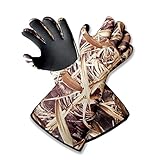
Overview: The AUSCAMOTEK neoprene decoy gloves are purpose-built for waterfowl hunters facing brutal late-season conditions. Constructed from 5mm thick neoprene with waterproof stitching, these gauntlet-style gloves promise to keep hands warm and dry when retrieving decoys or working in icy water. The design extends well beyond the wrist, offering substantial arm protection that integrates seamlessly with waders and jackets.
What Makes It Stand Out: These gloves distinguish themselves through their exceptional coverage and practical design elements. The patented duck blind camouflage pattern provides effective concealment, while the grid-textured palms deliver reliable grip on wet, slippery gear. The combination of 5mm neoprene with fleece lining creates a robust barrier against cold and moisture. The extra-long sleeves accommodate hunting jacket cuffs and prevent water intrusion during reaching movements, a critical feature often overlooked in standard gloves.
Value for Money: Positioned in the mid-range price category, these gloves offer compelling value for dedicated waterfowlers. Comparable neoprene decoy gloves from premium brands often cost 30-50% more while delivering similar performance. The versatility across multiple cold-weather activities—from ice fishing to pool maintenance—extends their utility beyond hunting season, maximizing your investment.
Strengths and Weaknesses: Strengths include superior waterproofing, excellent insulation, generous sleeve length, and dependable wet-weather grip. The stretchable spandex laminate ensures a secure fit for various hand sizes. Weaknesses involve reduced dexterity common to thick neoprene designs, potential bulkiness when handling firearms, and possible overheating during active stalking. The camouflage pattern, while effective, may not match every hunter’s existing gear.
Bottom Line: For waterfowl hunters prioritizing warmth and waterproof protection over nimble finger movement, these AUSCAMOTEK gloves deliver outstanding performance. They’re ideal for stationary hunting, decoy work, and cold-water retrieval tasks where dry hands are non-negotiable.
7. Glacier Glove Pro Waterfowler Durable Waterproof Multifunctional Outdoor Fleece-Lined Neoprene Gloves w/Pre-Curved Fingers
Overview: The Glacier Glove Pro Waterfowler represents a premium evolution in neoprene hunting gloves, engineered specifically for avid waterfowl enthusiasts. Featuring the Mossy Oak Shadowgrass Blades HD pattern and constructed from proprietary TechLine Neoprene, these gloves balance concealment, durability, and comfort. The pre-curved finger design addresses a common complaint with traditional neoprene gloves—hand fatigue during prolonged use.
What Makes It Stand Out: The pre-curved finger construction sets these gloves apart, mimicking natural hand positioning to reduce strain and improve grip on calls, firearms, and gear. The seamless palm design eliminates pressure points and potential leak paths, while the integrated Pro Strap system ensures a secure, comfortable fit without cumbersome adjustments. This attention to ergonomic detail demonstrates Glacier Glove’s deep understanding of waterfowler needs.
Value for Money: While priced at the higher end of the neoprene glove market, the Pro Waterfowler justifies its cost through specialized features that enhance field performance. Serious hunters will appreciate the reduced fatigue during all-day hunts and the seamless construction’s longevity. Compared to standard neoprene gloves requiring frequent replacement, these offer better long-term value for dedicated sportsmen.
Strengths and Weaknesses: Strengths include ergonomic pre-curved fingers, seamless waterproof palm, effective camouflage pattern, and the secure Pro Strap system. The fleece lining provides comfortable warmth without excessive bulk. Weaknesses include limited size options, potential stiffness until broken in, and neoprene’s inherent breathability limitations during high-exertion activities. Some users may find the fingers slightly short if between sizes.
Bottom Line: The Glacier Glove Pro Waterfowler is an excellent investment for serious waterfowl hunters seeking premium performance and ergonomic comfort. The pre-curved design makes a noticeable difference during long hunts, justifying the higher price point for dedicated enthusiasts.
8. Carhartt Men’s A528 TS Guantlet Glove - Large - Mossy Oak

Overview: Carhartt brings its legendary workwear durability to the hunting arena with the A528 TS Gauntlet Glove. Built around a Realtree camo fleece shell with synthetic palm reinforcement, these gloves integrate Carhartt’s FastDry technology for moisture management. The Polyfil insulation and waterproof insert create a protective barrier against cold, wet conditions while maintaining the brand’s reputation for rugged reliability.
What Makes It Stand Out: The FastDry performance lining distinguishes these gloves in a crowded market, actively wicking sweat away from hands during active hunts. This moisture management prevents the clamminess that plagues many insulated gloves. Carhartt’s build quality ensures these withstand tough field abuse, while the recognizable Realtree pattern offers proven concealment. The synthetic palm provides decent dexterity without sacrificing durability.
Value for Money: Carhartt’s pricing reflects its premium brand positioning, sitting slightly above generic alternatives but below specialized hunting brands. For hunters already invested in Carhartt apparel, the consistent quality and warranty support justify the modest premium. The gloves’ versatility across hunting, work, and outdoor chores enhances their overall value proposition.
Strengths and Weaknesses: Strengths include excellent moisture-wicking capability, trusted brand durability, effective insulation, and versatile camouflage pattern. The gauntlet-style cuff blocks wind and debris effectively. Weaknesses include less warmth than thicker neoprene options, potential sizing inconsistencies, and synthetic palm that may become slippery when wet. The waterproof insert can compromise breathability compared to unlined alternatives.
Bottom Line: Carhartt’s A528 TS Gauntlet Glove serves hunters seeking reliable, all-purpose hand protection from a trusted workwear brand. They’re best suited for moderate cold and active hunting where moisture management trumps maximum insulation.
9. LOOGU Camouflage Hunting Gloves Full Finger/Fingerless Gloves Pro Anti-Slip Insulated Camo Glove Hunting Outdoors Waterproof Gear

Overview: LOOGU offers a versatile convertible glove designed for hunters prioritizing dexterity and adaptability. These unique gloves feature fingerless thumb and index finger openings, allowing precise trigger control and equipment operation without removal. Constructed from soft polyester with thin fleece lining and silicone grip patches, they balance minimal insulation with functional design for active hunting scenarios.
What Makes It Stand Out: The hybrid fingerless design addresses a critical hunter need: maintaining warmth while preserving tactile sensitivity. The exposed fingertips enable quick smartphone use, precise shooting, and intricate gear adjustments. Anti-slip silicone mesh on the palm ensures secure weapon and tool handling, while the waterproof insert provides basic weather protection. The adjustable double-row elasticized wrist creates a customizable seal against elements.
Value for Money: Positioned as a budget-friendly option, these gloves deliver exceptional value for hunters needing versatility over extreme weather protection. At a fraction of premium glove prices, they serve as excellent backup gloves or primary gear for mild-weather hunts. The multi-activity suitability further enhances their cost-effectiveness.
Strengths and Weaknesses: Strengths include superior dexterity, affordable pricing, versatile camouflage pattern, and quick-drying construction. The fingerless design proves invaluable for archery and firearm hunting. Weaknesses involve minimal insulation unsuitable for extreme cold, questionable long-term waterproofing at seams, and limited sizing options that may not fit all hands comfortably. The thin construction offers limited protection against thorns and abrasions.
Bottom Line: LOOGU’s convertible gloves excel for early-season hunts, active stalking, and situations requiring frequent finger use. They make an excellent secondary pair for any hunter’s pack but shouldn’t be relied upon as primary insulation in harsh winter conditions.
10. Carhartt Men’s Hunt Waterproof Insulated Camo Gauntlet Glove, Camo, X-Large

Overview: Carhartt’s Hunt Waterproof Gauntlet Glove represents the brand’s flagship hunting handwear, engineered for extreme conditions. Combining wind-resistant camo fleece with a Dura-Dry waterproof insert and Polyfil insulation, these gauntlet-style gloves provide comprehensive protection. The microfiber lining adds comfort while the adjustable wrist strap and barrel lock closure ensure a customizable, weatherproof seal.
What Makes It Stand Out: The Dura-Dry insert technology delivers superior waterproof and windproof performance while maintaining breathability—a critical balance for active hunters. The barrel lock closure system provides more secure cuff adjustment than standard elastic designs, preventing water and debris intrusion during waterfowl retrieval or dense brush work. Carhartt’s attention to functional details, like the reinforced synthetic palm, demonstrates field-tested design philosophy.
Value for Money: These premium-priced gloves justify their cost through superior weather protection and Carhartt’s renowned durability. While more expensive than basic neoprene options, they offer better breathability and versatility across hunting styles. The investment pays dividends for hunters facing variable conditions where adaptability is crucial. Carhartt’s warranty and replacement policy adds long-term value.
Strengths and Weaknesses: Strengths include exceptional weatherproofing, adjustable closure system, wind-resistant shell, and reliable brand performance. The gauntlet length protects forearms effectively. Weaknesses include bulk that reduces fine motor skills, potential over-warming during high-activity hunts, and premium pricing that may deter casual hunters. The synthetic palm, while durable, lacks the natural feel of leather.
Bottom Line: Carhartt’s Hunt Waterproof Gauntlet Glove is ideal for dedicated hunters confronting harsh, unpredictable weather. The superior adjustability and proven weather protection make them worth the premium for those who demand reliable performance when conditions deteriorate.
Why Waterproof Hunting Gloves Matter for Wet Terrain
The Impact of Wet Hands on Your Hunt
Wet hands aren’t merely an inconvenience—they’re a performance liability. When moisture penetrates your gloves, it initiates a cascade of problems that can end your hunt prematurely. First, your body temperature drops rapidly through evaporative cooling, forcing your core to work harder to maintain warmth. This drains energy and reduces your ability to remain still and focused during long waits. Additionally, pruning and numbness severely compromise tactile sensitivity, making it difficult to feel your trigger, operate small buttons on optics, or manage intricate tasks like tying knots or field dressing game. In wet conditions, maintaining dry hands isn’t a luxury; it’s a strategic necessity that directly impacts your success rate and safety.
Health Risks of Prolonged Exposure
Beyond immediate hunting performance, consistently hunting with wet hands poses legitimate health concerns. Prolonged moisture exposure can lead to immersion foot syndrome (trench foot) affecting your hands, causing painful swelling, numbness, and in severe cases, tissue damage. Cold, wet conditions also accelerate the onset of frostbite, even at temperatures above freezing, as moisture conducts heat away from skin 25 times faster than air. For hunters spending multiple consecutive days in the field, these risks compound, potentially forcing you to abandon your expedition for medical reasons. Quality waterproof gloves serve as your first line of defense against these preventable injuries.
Key Waterproofing Technologies Explained
Membrane Technologies
At the heart of any truly waterproof glove lies a microporous membrane—an ultra-thin layer containing billions of microscopic pores per square inch. These pores are small enough to block liquid water molecules from entering but large enough to allow smaller water vapor molecules (sweat) to escape. This one-way street is what keeps rain out while preventing the clammy, sweaty feeling that plagues cheap waterproof gloves. Different manufacturers use proprietary formulations, but the principle remains consistent: look for gloves that specify a breathable waterproof membrane rather than just a coated fabric, as coatings tend to trap moisture inside.
Waterproof vs. Water-Resistant
Understanding the critical distinction between these terms will save you from costly disappointment. Water-resistant gloves repel light precipitation and moisture briefly but will eventually soak through during sustained exposure. They might feature a DWR (durable water repellent) coating that causes water to bead up and roll off, but this treatment degrades over time and doesn’t make the underlying fabric waterproof. Truly waterproof gloves, conversely, maintain a complete barrier against water penetration even during prolonged submersion or heavy, hours-long downpours. For wet terrain hunting, water-resistant gloves are suitable only for light drizzle; anything more demanding requires legitimate waterproof construction.
Seam Sealing Importance
Even the most advanced waterproof membrane fails if seams leak. Manufacturers seal seams using waterproof tape applied with heat activation, covering every stitch hole where panels join. However, not all seam sealing is equal. Fully seam-sealed gloves have every single seam taped, while critically seam-sealed models only tape high-exposure areas like fingertips and palm joints. For wet terrain hunting where you might submerge your hands retrieving decoys or crossing streams, insist on fully seam-sealed construction. Check product descriptions carefully—this detail is often buried but crucial for performance in truly wet conditions.
Essential Features to Look For
Cuff Design and Closure Systems
The cuff-to-sleeve interface represents a critical vulnerability point where water can enter. Gauntlet-style cuffs that extend several inches up your forearm provide superior protection when paired with a rain jacket, creating an overlap that channels water away from your wrist. Look for adjustable closures—whether hook-and-loop straps, drawcord systems, or elasticized wrists—that create a snug seal without cutting circulation. Some designs feature dual closures: a primary wrist seal plus an extended gauntlet adjustment, offering customizable protection based on conditions. For deep-water situations, consider gloves with cinchable cuffs that can be tightened securely over jacket sleeves.
Touchscreen Compatibility
Modern hunters rely heavily on smartphones for GPS mapping, weather apps, and communication, making touchscreen compatibility more than a convenience—it’s a functional necessity. Conductive thread woven into thumb and index fingertips allows you to operate devices without exposing skin to elements. However, not all touchscreen gloves perform equally. The best designs position conductive material precisely where your finger naturally contacts the screen, maintaining sensitivity without sacrificing waterproofing. Test this feature in-store if possible, as some gloves require awkward finger positioning to work. Remember that thick insulation reduces touchscreen precision, so consider this trade-off based on your typical hunting temperature range.
Scent Control Technology
For big game hunters, scent management is paramount, and gloves can either help or hurt your efforts. Some waterproof gloves incorporate antimicrobial treatments that inhibit bacterial growth—the primary source of human odor. Carbon-based scent adsorption technologies can also be embedded in fabrics, trapping odor molecules before they escape. However, these technologies vary widely in effectiveness and longevity. Washable scent-control features maintain their performance longer than permanent treatments that degrade over time. If you hunt scent-wary species like whitetail deer, prioritize gloves specifically marketed with odor-control technology rather than assuming waterproof gloves automatically manage scent.
Reinforced Palm and Finger Areas
Wet terrain hunting often involves grabbing rough, wet surfaces—rocky stream banks, abrasive tree bark, or muddy gear—accelerating wear on high-stress areas. Reinforced palms and fingers, typically using double-layer construction or abrasion-resistant overlays, dramatically extend glove lifespan. Leather reinforcements offer excellent durability but require more maintenance when wet. Synthetic reinforcements like Kevlar or reinforced nylon dry faster and maintain grip when saturated. The reinforcement pattern matters too: full palm coverage provides maximum durability, while strategic patches in wear zones balance protection with flexibility. Consider your hunting style—still hunters need less reinforcement than active spot-and-stalk hunters who constantly handle gear.
Material Matters: Outer Shell Options
Leather Options
Traditional leather gloves offer unmatched durability and natural water resistance when properly treated, developing a personalized fit over time. Full-grain leather provides the best combination of toughness and water resistance, though it requires regular conditioning with waterproofing waxes or oils to maintain performance. Split-grain leather is more affordable and flexible but absorbs water more readily. The major drawback: leather becomes heavy when soaked and takes considerable time to dry. For multi-day hunts in consistently wet conditions, leather requires diligent maintenance to prevent stiffening and cracking. Some modern hybrids combine leather palms with synthetic backs, offering durability where needed while improving drying time.
Synthetic Fabrics
High-tech synthetic shells dominate the waterproof hunting glove market for good reason. Nylon and polyester blends offer excellent strength-to-weight ratios, dry quickly, and maintain flexibility across temperature ranges. Four-way stretch synthetics provide superior dexterity for tasks requiring fine motor skills. Many synthetics feature brushed or textured surfaces that remain quiet when brushed against gear or vegetation—critical for bow hunters and stalkers. The downside: lower-end synthetics can feel less premium and may not breathe as well as natural materials. Look for denier ratings (fabric thickness) between 200-500 for optimal balance of durability and flexibility in hunting applications.
Quiet Materials for Stealth
The sound of rustling fabric can betray your position as effectively as stepping on a dry twig. For bow hunting or close-range rifle hunting, prioritize gloves marketed as “quiet” or “silent.” These typically use microfiber fleece, brushed tricot, or specially woven synthetics that dampen noise. The challenge: quieter materials often sacrifice some water resistance or durability. The sweet spot involves multi-layer construction where a quiet outer face fabric laminates to a waterproof membrane and protective inner layer. Test gloves by rubbing them together near your ear in a quiet room—if you can hear a distinct “swish,” they’ll likely be audible to game animals in calm conditions.
Insulation Types for Different Conditions
Synthetic Insulation
Primaloft, Thinsulate, and similar synthetic insulations dominate hunting gloves because they retain warmth when wet—a critical advantage over natural materials. These polyester-based fibers trap body heat in microscopic air pockets, maintaining 70-90% of their insulating value even when saturated. Different weights (measured in grams per square meter) suit different temperature ranges: 100-200g for mild wet conditions, 200-400g for cold and wet, and 400g+ for extreme cold. The trade-off: bulkier insulation reduces dexterity, making trigger control and fine tasks more challenging. Look for insulation mapped strategically—thicker on the back of hand where dexterity matters less, thinner on palms and fingers.
Natural Down
While down offers unbeatable warmth-to-weight ratio, it becomes virtually useless when wet, clumping together and losing all insulating properties. Some manufacturers treat down with hydrophobic coatings that resist moisture temporarily, but for dedicated wet-terrain hunting, down remains a risky choice. However, down-insulated gloves can work for extremely cold, dry conditions or as a backup pair kept in a waterproof pack. If you choose down, ensure the gloves have a robust waterproof shell and consider them a “dry day only” option. For versatility across variable conditions, synthetic insulation proves far more practical and forgiving.
Layering Systems
The most adaptable approach involves a layered glove system: a thin, highly dexterous liner glove worn inside a waterproof shell glove. This setup allows you to remove the outer shell during high activity periods (preventing sweat buildup) while keeping the liner on for basic protection. When stationary, the shell provides warmth and waterproofing. Some systems integrate the layers with removable liners, while others require purchasing components separately. The advantage: unmatched versatility across temperature swings and activity levels. The downside: added cost and the need to manage two pieces of gear. For hunters facing unpredictable mountain weather or multi-day trips, layering systems justify their complexity.
Fit and Sizing Considerations
Measuring Your Hands
Ill-fitting gloves compromise both warmth and dexterity, making proper sizing essential. Measure your dominant hand’s circumference at the knuckles (excluding thumb) using a flexible tape measure, then measure from wrist crease to middle fingertip. Compare these measurements to manufacturer size charts, but be aware: sizing varies significantly between brands. A “large” from one manufacturer might equal a “medium” from another. When in doubt, size up if you plan to wear liner gloves underneath, or if you have particularly wide hands. Remember that insulation compresses over time, so a slightly snug fit when new often becomes perfect after break-in.
The Importance of Try-Before-You-Buy
Online shopping convenience can’t replace the value of trying gloves on in person. Visit retailers wearing the same base layer or liner gloves you’ll hunt with, and test the fit while manipulating objects: pick up coins, grip a rifle stock, operate your release aid. Pay attention to pressure points at seams, finger length (you shouldn’t have more than ¼ inch of empty fingertip), and wrist closure comfort. Simulate shooting motions—does the glove bind or restrict movement? For bow hunters, draw your bow if possible to check string clearance. Many outdoor retailers have dummy rifle stocks and release aids specifically for this purpose. The 15 minutes spent testing in-store prevents costly returns and disappointment in the field.
Break-in Period Considerations
Even perfectly sized gloves often feel stiff initially, particularly leather or heavily reinforced models. Plan for a break-in period of several hunting sessions before gloves achieve optimal flexibility. During this time, wear them around the house, flexing fingers and working them through their range of motion. Some hunters accelerate break-in by lightly dampening leather gloves and wearing them until dry, allowing the material to mold to their hands. Synthetic gloves typically require less break-in but may still feel bulky until insulation compresses slightly. Never hunt a critical trip with brand-new gloves straight from the package; break them in during practice sessions or short hunts first.
Dexterity vs. Warmth Trade-offs
Activity Level Considerations
Your hunting style dictates the ideal balance between insulation and finger mobility. Still hunters sitting in blinds or tree stands generate minimal body heat and need maximum insulation, accepting reduced dexterity. Conversely, spot-and-stalk hunters covering miles of terrain produce significant metabolic heat and require thinner, more dexterous gloves that allow sweat vapor to escape. Consider your typical heart rate during hunts: if you’re frequently glassing and waiting, prioritize warmth; if you’re constantly moving and glassing on the go, prioritize dexterity. Some hunters solve this by carrying two pairs: heavily insulated gloves for stationary periods and lighter, more dexterous gloves for active hiking.
Trigger Finger Design
The trigger finger represents the most critical dexterity point for firearms hunters. Some waterproof gloves feature pre-curved trigger fingers with reduced insulation in that digit, allowing better feel and faster response. Others offer removable trigger finger covers (often secured with magnets or hook-and-loop) that expose just the fingertip for shooting while keeping the rest of the hand protected. Bow hunters should look for thin, flexible fingertips that don’t interfere with release aid activation. Test trigger finger design by dry-firing your unloaded weapon while wearing the gloves—if you can’t feel the trigger break clearly, the gloves will compromise your accuracy and safety.
Care and Maintenance Tips
Cleaning Waterproof Gloves
Proper cleaning maintains both waterproof performance and longevity. Most waterproof gloves can be machine washed on gentle cycle with mild detergent, but always check manufacturer instructions first. Avoid fabric softeners and bleach, which damage waterproof membranes and DWR coatings. For heavily soiled gloves, pre-treat stains with a soft brush and mild soap solution. Leather components require special care—use leather-specific cleaners and conditioners rather than standard detergents. Wash gloves inside-out if possible to clean the interior where sweat and oils accumulate. After washing, rinse thoroughly to remove all soap residue, which can attract moisture and compromise waterproofing.
Drying and Storage
Never wring waterproof gloves to remove water, as this can damage internal membranes. Instead, gently squeeze out excess water and air dry at room temperature away from direct heat sources. Stuffing gloves with newspaper absorbs moisture from inside and helps maintain shape as they dry. Avoid dryers, radiators, or campfires—excessive heat degrades waterproof membranes and can shrink materials. Once dry, store gloves loosely, not compressed, in a cool, dry place. For long-term storage between seasons, consider placing them in breathable cotton bags rather than airtight plastic, which can trap moisture and lead to mildew growth.
Reapplying DWR Treatment
The durable water repellent coating that causes water to bead up on glove exteriors gradually wears off through use and washing. When water stops beading and starts soaking into the fabric face, it’s time to reapply DWR treatment. Wash gloves first, then spray or wash-in a technical DWR treatment designed for waterproof-breathable fabrics. Apply while gloves are damp, then dry according to product instructions—often requiring low heat activation. This simple maintenance step, performed annually or as needed, restores water-shedding performance and prevents the face fabric from wetting out, which blocks breathability even if the membrane remains intact. Think of DWR as maintaining your gloves’ first line of defense.
Budget Considerations
Price vs. Performance
Waterproof hunting gloves span a wide price spectrum, from budget-friendly pairs under $30 to premium models exceeding $150. Generally, you get what you pay for: higher-priced gloves offer more durable membranes, better seam sealing, superior insulation, and longer lifespans. However, the law of diminishing returns applies. Mid-range gloves ($60-$100) often provide 80% of premium performance at half the cost. Budget gloves work fine for occasional hunters or fair-weather conditions but typically fail sooner under hard use. Consider your hunting frequency and typical conditions: a weekend hunter in moderate climates doesn’t need expedition-grade gloves, while a backcountry elk hunter facing multi-day storms does. Calculate cost-per-use over expected lifespan rather than focusing solely on purchase price.
When to Invest More
Certain scenarios justify premium glove investments. If you hunt in extreme wet-cold conditions (below freezing with precipitation), high-end insulation and membrane technology become safety equipment, not luxuries. Hunters spending 20+ days annually in the field will appreciate the durability and consistent performance of premium gloves. Additionally, if you have circulation issues or are particularly susceptible to cold, investing in superior insulation and fit pays dividends in comfort and extended hunting time. Consider premium gloves as part of your core gear system—the few items where failure isn’t an option. For these critical applications, budget for the best you can afford, then protect that investment with proper care.
Frequently Asked Questions
How long should quality waterproof hunting gloves last?
With proper care, mid-range to premium gloves should provide 3-5 seasons of regular use. Budget models typically last 1-2 seasons before membranes fail or seams leak. Lifespan depends heavily on usage frequency, conditions, and maintenance. Rotating between two pairs extends individual glove life by allowing complete drying between hunts.
Can I make non-waterproof gloves waterproof?
You can improve water resistance using aftermarket waterproofing sprays or waxes, but these can’t create a truly waterproof, breathable barrier. They help repel moisture temporarily but won’t seal seams or create a reliable membrane. For serious wet-terrain hunting, purpose-built waterproof gloves are essential—DIY treatments work only as a temporary fix or for light moisture protection.
Why do my waterproof gloves still get damp inside?
Internal dampness usually comes from sweat, not leaks. Even breathable membranes have limits; during high activity, sweat production can exceed vapor escape rate. This is normal. To minimize it, remove gloves during strenuous hiking, use liner gloves that wick moisture, and ensure your DWR coating is intact so the membrane can breathe properly. If dampness occurs during low activity, check for membrane failure or seam leaks.
Are heated gloves better than insulated waterproof gloves?
Heated gloves provide active warmth superior to any passive insulation, making them excellent for extreme cold or hunters with poor circulation. However, they require batteries, add weight, and can fail electronically. For most wet-terrain hunting, quality insulated waterproof gloves offer sufficient warmth without complexity. Consider heated gloves as a supplement for extreme conditions rather than a primary solution.
How do I know if my gloves’ waterproofing has failed?
Perform a simple test: turn gloves inside-out, fill the fingers with water, and squeeze. If water seeps through the fabric or seams, the membrane has compromised. In the field, failure signs include wetting out (fabric becomes saturated rather than beading), cold spots indicating leaks, and persistent internal dampness during low activity. Most membrane failures occur at stress points like fingertips and palm creases.
Should I buy gloves sized to fit over liner gloves?
Yes, if you plan to use a layering system. Size up by one size to accommodate liner gloves without compressing insulation, which reduces warmth. When trying on gloves, bring your intended liner gloves to test the fit. The combination should feel snug but not tight, with no restriction in finger movement. Some manufacturers design their shells specifically for layering and recommend sizing accordingly.
What’s the best glove material for bow hunting in wet conditions?
Bow hunters need maximum dexterity for string control and release aid operation. Look for thin, flexible synthetics with minimal insulation and a quiet face fabric. The glove should fit like a second skin, with pre-curved fingers and minimal seams in high-contact areas. Some bow hunters prefer fingerless waterproof gloves with mitten covers that flip back for shooting, though these compromise some weather protection.
Can I repair torn waterproof gloves?
Small tears and holes can be repaired using waterproof repair tape or specialized adhesives designed for technical fabrics. Clean the area thoroughly, apply the patch according to instructions, and allow proper curing time. However, repairs are temporary fixes; torn gloves have compromised integrity and will likely leak eventually. Prevent tears by trimming fingernails short and avoiding unnecessary abrasion.
How often should I reapply DWR treatment?
Reapply DWR when water stops beading and starts soaking into the fabric face—typically every 20-30 uses or after 5-10 washes. Heavy use in abrasive conditions or frequent washing accelerates DWR degradation. Always reapply after machine washing waterproof gloves, as detergents strip DWR coatings. Annual treatment before hunting season ensures optimal performance.
Are mittens or gloves better for wet, cold hunting?
Mittens provide superior warmth by keeping fingers together but severely limit dexterity. For hunting tasks requiring frequent gear manipulation, gloves are more practical. The compromise is a convertible mitten/glove hybrid (glomitts) with a flip-back mitten cover and individual finger slots. These offer warmth during inactive periods and expose fingers for tasks without removing the entire glove. For extreme cold with minimal activity, mittens work; for active hunting requiring dexterity, gloves are superior.
Related Buying Guides
- 10 Must-Have Waterproof Hunting Gloves for Wet Terrain Hunters in 2026
- 10 Essential Tips for Mastering Waterproof Hunting Boots in Wet Terrain
- 10 Essential Tips for Choosing the Best Waterproof Hunting Apparel for Wet Seasons
- The 10 Best Hunting Boots for Wet Terrain in 2026
- 10 Best Value Waterproof Hunting Gloves for Multi-Day Backcountry Hunts