Table of Contents
Selecting the right waterfowl decoys for shallow marsh environments requires a different approach than open-water hunting. Shallow marshes present unique challenges—from fluctuating water depths and dense vegetation to wary birds that scrutinize every detail. The perfect spread for these conditions balances realism, functionality, and portability while standing up to mud, debris, and the harsh elements that define wetland habitats.
As we look ahead to the 2026 season, advancements in decoy technology continue to evolve, offering hunters better options for creating convincing spreads in these tricky environments. Whether you’re targeting mallards in flooded timber, pintails in coastal ponds, or geese in agricultural wetlands, understanding the specific features that make decoys effective in shallow water will dramatically improve your success rate. This comprehensive guide breaks down everything you need to know about choosing, deploying, and maintaining waterfowl decoys specifically designed for shallow marsh use.
Top 10 Waterfowl Decoys
Detailed Product Reviews
1. Final Approach Last Pass Mallard Floaters, Decoy 12 Pack

Overview: These compact mallard floaters from Final Approach are designed for hunters who prioritize mobility and easy transport without sacrificing realism. At just 12 inches bill-to-tail, they’re noticeably smaller than standard decoys, making them ideal for packing into remote locations or quickly boosting your spread’s numbers.
What Makes It Stand Out: The collaboration with 17-time World Champion carver Pat Godin elevates these decoys beyond typical budget options. His lifelike carvings translate into credible body postures that fool wary ducks. The one-piece HDPE construction eliminates seam failures and weak points common in two-piece designs, ensuring these decoys withstand seasons of abuse.
Value for Money: While smaller decoys sometimes suggest corner-cutting, these deliver legitimate craftsmanship at a mid-range price point. You’re getting championship-level design in a package that’s easier on your back and wallet than full-sized premium decoys. For hunters who hike long distances or need to augment existing spreads economically, they represent smart spending.
Strengths and Weaknesses: Strengths include exceptional portability, durable one-piece construction, and credible detailing from a master carver. The compact size creates packing efficiency and lets you deploy more decoys for greater visibility. Weaknesses include reduced long-range visibility compared to 14-16 inch decoys, and the smaller profile may be less convincing on open water. Paint detail is good but not as intricate as high-end models.
Bottom Line: Perfect for mobile hunters and those needing to bulk up their spread without breaking the bank. The Godin touch makes these compact decoys surprisingly effective for their size.
2. Extreme Cold Weather PVC Coated with Thinsulate Lined Decoy Hunting Gloves, 330, One Size Fits Most
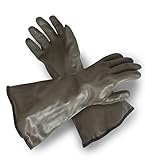
Overview: These specialized hunting gloves tackle the nastiest weather conditions waterfowlers face. Designed for extreme cold and wet environments, they combine a waterproof PVC exterior with Thinsulate insulation, creating a barrier against the elements that lets you focus on the hunt rather than frozen fingers.
What Makes It Stand Out: The extended gauntlet cuff is a game-changer, sealing out snow, ice, and water that inevitably finds its way into standard gloves. The sandy finish grip provides secure handling of decoys, firearms, and fish even when coated in ice or blood. Thinsulate lining offers superior warmth-to-weight ratio compared to traditional fleece, while the brown color maintains concealment.
Value for Money: These gloves deliver multi-season utility—duck hunting, ice fishing, trapping, crabbing, and even snow blowing. At a price point comparable to standard insulated gloves, you’re gaining waterproof protection and extended coverage that would cost significantly more in premium brands. The PVC construction ensures longevity where leather might fail.
Strengths and Weaknesses: Strengths include complete waterproofing, exceptional warmth, versatile application across outdoor activities, and effective camouflage. The extended cuff provides crucial protection during layout blind hunts or boat deployments. Weaknesses include the “one size fits most” limitation that may leave some hunters with poor fit, and the inherent bulkiness that reduces dexterity for tasks like tying knots or adjusting small fasteners.
Bottom Line: An essential piece of gear for serious cold-weather hunters. The waterproof warmth and extended protection outweigh fit compromises for most users.
3. Flambeau Outdoors 1812DPK Masters Series 14” Full-Sized Mallard Duck Decoys, Classic Floaters - 12-Pack
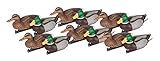
Overview: Flambeau’s Masters Series represents the intersection of artistic tradition and cutting-edge technology in waterfowl decoys. These full-sized 14-inch mallards deliver commanding presence on the water while incorporating scientific advancements that address how ducks actually see their world.
What Makes It Stand Out: The patented UVision paint technology is the headline feature, replicating the ultraviolet reflectance patterns of real waterfowl plumage. This isn’t just cosmetic detail—it’s a scientifically-backed advantage that makes decoys appear authentic to live birds’ vision. Combined with Master Carver Roger Desjardins’ detailed winter plumage scheme and sand-filled keels, these decoys achieve remarkable realism.
Value for Money: Positioned in the premium tier, these decoys justify their price through technology and craftsmanship that cheaper alternatives can’t match. While costing more than budget blocks, they eliminate the need for frequent replacements and potentially increase hunting success through their UV realism. The 12-pack configuration with six drakes and six hens provides a balanced spread.
Strengths and Weaknesses: Strengths include the UVision technology’s scientific edge, heavyweight sand keels that prevent flipping, detailed paint schemes by a master carver, and durable construction. The full 14-inch size ensures excellent visibility. Weaknesses include premium pricing that may strain budget-conscious hunters, and the intricate paint may require touch-ups after seasons of hard use.
Bottom Line: For dedicated waterfowlers seeking every possible advantage, these decoys offer a legitimate technological edge that can make the difference on pressured birds.
4. Flambeau Outdoors 8015SUV Storm Front 2 Green-Winged Teal Decoys, Classic Floaters - 6-Pack

Overview: The Storm Front 2 series addresses the specific needs of teal hunters with species-appropriate sizing and anatomy. These 10.5-inch decoys capture the compact, fast-flying nature of green-winged teal while incorporating Flambeau’s proven UVision technology for enhanced attraction.
What Makes It Stand Out: The variety of included postures—active drakes, resting drakes, resting hen, and dabbler hen—creates a dynamic, natural-looking spread that mimics real teal behavior. Collaboration with multiple master carvers (Tom Christie, Dave Van Lanen, Rich Smoker) ensures anatomical accuracy. The proprietary keel design with four tie-off points allows for versatile rigging in different water conditions.
Value for Money: While only six decoys per pack, the species-specific design and UVision technology deliver targeted value for teal hunters. Generic mallard decoys won’t fool discerning teal, making these a worthwhile investment for those pursuing these small, wary ducks. The multi-pose setup eliminates the artificial uniformity of identical decoys.
Strengths and Weaknesses: Strengths include species-accurate sizing and detail, UVision paint technology, varied postures for realism, and versatile keel design. The compact size stores easily. Weaknesses include the limited six-decoy count requiring multiple packs for adequate spread size, and the specialized nature means less versatility if you switch to hunting larger ducks.
Bottom Line: An excellent choice for teal specialists. The anatomical accuracy and posture variety create a convincing spread that generic decoys simply cannot match for these particular birds.
5. MOJO Outdoors Rippler - Premium Waterfowl and Duck Hunting Decoy

Overview: The MOJO Rippler solves one of waterfowl hunting’s oldest challenges: creating convincing motion on windless days. This innovative decoy generates realistic water movement that brings your entire spread to life, transforming static blocks into a dynamic, living scene that attracts curious ducks from afar.
What Makes It Stand Out: Unlike traditional spinning-wing decoys that can spook pressured birds, the Rippler’s subtle vibration creates natural-looking ripples across the water’s surface. The realistic mallard drake body houses all mechanical components in a waterproof, easily removable housing with screw-lock design. This makes battery changes and maintenance simple, even in the field.
Value for Money: For hunters who frequent calm morning waters or late-season days when ducks become decoy-shy, this device extends the effectiveness of your entire spread. At a price point competitive with other motion decoys, it offers a different approach that may work when flashier options fail. The 6-8 hour battery life on four AAs provides adequate hunting time.
Strengths and Weaknesses: Strengths include subtle, natural motion generation, easy maintenance access, durable construction for harsh conditions, and effectiveness in still water. The ripple effect influences your whole spread, not just one decoy. Weaknesses include reliance on batteries (cost and environmental factors), reduced effectiveness in already-rippled water, and the need to ensure waterproof seal integrity over time.
Bottom Line: A smart addition for hunters facing calm conditions or pressured birds. The ripple effect’s subtlety can succeed where aggressive motion decoys fail.
6. Flambeau Outdoors 5960CD Great Blue Heron Decoy, Includes Metal Stake - 1-Pack

Overview: The Flambeau Outdoors 5960CD Great Blue Heron Decoy serves as a confidence decoy for waterfowl hunting, signaling safety to approaching birds. This full-body decoy stands 31 inches tall and features a sturdy metal stake for easy deployment in various terrains, from marsh edges to open fields.
What Makes It Stand Out: Its primary distinction lies in its dual-purpose functionality. While it attracts waterfowl by conveying security, it simultaneously deters pest herons from koi ponds and water gardens. The high-definition paint scheme creates exceptional realism that distinguishes it from generic decoys, making it effective for both hunting and property management.
Value for Money: Positioned in the mid-range for confidence decoys, this Flambeau offering delivers solid durability through its heavy-duty plastic construction and metal stake. Comparable heron decoys often cost 20-30% more without offering significantly better realism. The seasonal longevity makes it a cost-effective investment for serious hunters and pond owners alike, providing years of reliable service.
Strengths and Weaknesses: Strengths include robust construction that withstands harsh weather, versatile dual-use application, and easy installation with the included metal stake. The realistic paint scheme maintains its integrity through multiple seasons. Weaknesses include its relatively large footprint requiring ample space, and the static design lacks motion features. Some users report the stake could be longer for softer ground.
Bottom Line: This decoy earns its place in any waterfowl spread or pond protection system. The combination of durability, realism, and versatility makes it a worthwhile purchase for hunters seeking to boost decoy confidence or homeowners protecting valuable fish.
7. GUGULUZA Duck Decoy Motor w/Clip for Drive Waterfowl Decoys, Universal Decoys Motors for Hunting

Overview: The GUGULUZA Duck Decoy Motor transforms static decoys into dynamic swimmers, creating lifelike motion that significantly enhances hunting effectiveness. This universal motor attaches discreetly beneath any waterfowl decoy, powered by a standard C Cell battery, making it compatible with virtually any floating decoy in your spread.
What Makes It Stand Out: The adjustable caudal fin represents genuine innovation, allowing hunters to customize swimming patterns and direction manually. Unlike fixed-motion systems, this adaptability lets you respond to wind and water conditions instantly. The anti-skid clip design with interior padding ensures secure attachment without damaging decoy hulls, addressing a common failure point in budget motors.
Value for Money: For budget-conscious hunters, this motor delivers remarkable functionality at a fraction of the cost of premium motion systems. While high-end alternatives with remote controls cost $100+, this unit provides essential motion for under $30. The waterproof sealing rings and durable PE construction ensure it survives multiple seasons, maximizing ROI for hunters expanding their motion capabilities.
Strengths and Weaknesses: Strengths include universal compatibility with all decoy sizes, simple rotary switch operation, and impressive battery efficiency. The waterproof design performs reliably in wet conditions. Weaknesses include manual direction control requiring periodic adjustment, lack of remote operation, and potential for clip slippage on extremely smooth decoy bottoms. Battery life varies significantly with usage frequency.
Bottom Line: An excellent entry-level motion solution that punches above its weight class. Serious hunters on a budget will appreciate its reliability and versatility, though those wanting remote automation should invest in premium alternatives.
8. Flambeau Outdoors 8036SUV Storm Front 2 Mallard Decoys, Classic Floaters - 6-Pack

Overview: The Flambeau Outdoors 8036SUV Storm Front 2 Mallard Decoys offer a six-pack of floating decoys designed for serious waterfowl hunters. These 14-inch decoys feature classic Mallard postures and patented UVision paint technology for unmatched realism in various water conditions, from calm ponds to choppy marshes.
What Makes It Stand Out: UVision paint technology reflects actual ultraviolet signatures of waterfowl plumage, creating scientific-level authenticity that fools even wary birds. The proprietary keel design with four tie-off points allows versatile positioning and natural motion in various water conditions. Carving by master artisans ensures anatomical accuracy that mass-produced decoys simply cannot match.
Value for Money: This six-pack represents exceptional value, costing less per decoy than many premium singles. While budget foam decoys exist at lower prices, they lack UVision technology and realistic detailing. For mid-range pricing, you get professional-grade realism that rivals sets costing twice as much, making it ideal for hunters building serious spreads without breaking the bank.
Strengths and Weaknesses: Strengths include revolutionary UVision paint, multiple realistic postures (active drakes, semi-resting), durable construction, and excellent water motion. The varied poses create natural-looking spreads. Weaknesses include paint chipping on high-impact areas after extensive use, and the anchor eyelet could be more robust. Some hunters may want more drakes in the mix.
Bottom Line: These decoys deliver professional results without premium pricing. The UVision technology alone justifies the investment for serious hunters. Ideal for those wanting realistic floating spreads that consistently draw birds in challenging conditions.
9. Higdon Outdoors Blue Heron Confidence Decoy for Waterfowl and Ornamental Water Garden, Pond and Landscape Decoration Plus Pest Deterrent

Overview: The Higdon Outdoors Blue Heron Confidence Decoy serves dual purposes as both a waterfowl hunting accessory and ornamental pond protector. Standing 26 inches tall, this ultra-realistic decoy deters predatory herons while attracting ducks and geese to your spread, making it valuable year-round.
What Makes It Stand Out: Its true-to-life paint scheme exceeds typical confidence decoy standards, making it equally effective as landscape art. The multi-purpose design addresses two distinct markets—hunters and pond owners—creating exceptional versatility. Unlike pure hunting decoys, this model works year-round for property beautification and pest control without looking out of place.
Value for Money: Competitively priced against single-purpose heron decoys, this Higdon model effectively gives you two products for one price. Koi pond owners often spend hundreds on electronic deterrents, while this static decoy provides reliable protection at a fraction of the cost. The durable construction ensures years of service across multiple applications.
Strengths and Weaknesses: Strengths include stunning realism that enhances any environment, effective dual functionality, and sturdy construction. It deters pest herons without harmful chemicals or noise. Weaknesses include the lack of included mounting hardware, requiring separate purchase of stakes or platforms. At 26 inches, it’s slightly smaller than some competing models. Static design means no motion attraction.
Bottom Line: A smart purchase for anyone needing heron deterrence or spread confidence. Koi enthusiasts will appreciate the natural protection, while hunters gain a convincing confidence decoy. The aesthetic appeal is a bonus that sets it apart from purely utilitarian options.
10. Avian X Topflight Pintail Decoys, Rugged Realistic Floating Duck Decoys for Hunting, Weight-Forward Swim Keel, Set of 6, Multicolor

Overview: The Avian X Topflight Pintail Decoys represent premium floating decoys designed for discerning waterfowl hunters. This six-pack set features weight-forward swim keels that create natural, lifelike motion in any water condition without manual adjustment, replicating mature Pintails with exceptional accuracy.
What Makes It Stand Out: The weight-forward swim keel design automatically generates realistic swimming action, eliminating the need for external motion systems. Avian X’s no-flake paint technology maintains vibrant colors season after season, even in harsh conditions. The craftsmanship replicates mature Pintails with anatomical precision that fools educated birds in heavily pressured areas.
Value for Money: While priced at the higher end, these decoys justify the cost through exceptional durability and realism. Cheaper alternatives may save money initially but require frequent replacement. For serious hunters targeting pressured birds, the investment pays dividends in bag limits. Cost-per-use over five seasons makes it economical for dedicated sportsmen.
Strengths and Weaknesses: Strengths include effortless natural motion, incredible detail and paint durability, rugged construction that withstands ice and debris, and easy deployment. They settle perfectly without repositioning. Weaknesses include premium pricing that may deter casual hunters, limited posture variety in the set, and heavier weight compared to budget decoys for transport.
Bottom Line: For dedicated hunters pursuing wary, pressured waterfowl, these decoys are worth every penny. The automatic motion system and flawless realism consistently produce results when other decoys fail. A professional-grade investment for serious sportsmen.
Understanding Shallow Marsh Environments
Why Shallow Marshes Present Unique Challenges
Shallow marshes typically range from 6 inches to 3 feet deep, creating conditions that standard decoys aren’t built to handle. These environments feature soft mud bottoms, abundant aquatic vegetation, and often unpredictable water movement. Decoys can easily tip over, become fouled with debris, or sit unnaturally high in the water. Additionally, the close proximity of birds in shallow water means they have more time to inspect your spread for inconsistencies. The best decoys for these conditions feature specialized keels, adjustable weights, and designs that prevent them from tipping or filling with water when bumped against vegetation.
Key Species You’ll Target in Shallow Marshes
Different waterfowl species prefer different water depths and habitat types. Puddle ducks like mallards, pintails, teal, and wigeon frequent shallow marshes with abundant food sources. Canada geese increasingly use shallow wetlands and agricultural fields with water. Understanding your target species helps determine decoy size, coloration, and spread configuration. Early season hunts might require decoys with brighter, less-worn plumage, while late-season birds respond better to faded, more realistic paint schemes that match the worn appearance of late-winter waterfowl.
Essential Decoy Features for Marsh Hunting
Floatation and Stability in Shallow Water
The ideal shallow-water decoy features a low-profile design that sits naturally in minimal water depth. Weighted keels should be shallow enough to prevent the decoy from tipping forward and taking on water. Some models incorporate water-filled keels that allow you to adjust buoyancy based on conditions. Look for decoys that list their minimum operating depth—premium marsh-specific models often function effectively in as little as 4-6 inches of water. The keel design should also resist collecting mud and vegetation that can affect balance.
Realism and Detail in Marsh Conditions
In shallow marshes, birds approach at lower altitudes and have extended viewing time. This scrutiny demands superior realism. High-definition paint schemes with intricate feather detail, accurate head positions, and natural body postures become critical. Many modern decoys feature textured surfaces that mimic actual feather patterns and reduce unnatural glare. The head and bill detail should be particularly sharp, as these are focal points for approaching birds. Some advanced models incorporate multiple head positions within a single body style, allowing you to create a more natural-looking spread.
Durability Against Mud and Debris
Mud, sticks, and aquatic vegetation constantly threaten to damage or foul your decoys. The best marsh decoys use impact-resistant plastics that withstand collisions with hidden stumps and rocks. Seam construction should be robust, with sealed bodies that prevent water intrusion even when scraped or bumped. Paint adhesion is equally important—look for decoys that use automotive-grade paints with flexible binders that resist chipping when the decoy flexes or contacts debris. Some manufacturers offer models with reinforced tail sections and head attachments, the most common failure points in rough marsh conditions.
Decoy Types and Configurations
Full-Body Decoys vs. Shell Decoys
Full-body decoys provide unmatched realism but present transport challenges in marsh environments. Modern full-body designs for marsh use feature detachable heads and stackable bodies that reduce space requirements. Shell decoys offer an excellent compromise, providing realistic profiles while nesting together for efficient packing. For shallow marshes, shell decoys with integrated stakes allow you to position them above water in very shallow areas or along edges. The best shell decoys for marsh use feature adjustable stake heights and secure attachment systems that prevent spinning in wind.
Floating Decoys: Standard vs. Shallow-Draft
Standard floating decoys often draw too much water for effective marsh deployment. Shallow-draft models feature modified hull designs that displace less water while maintaining stability. These decoys typically have flattened or rounded bottoms rather than deep keels, allowing them to sit naturally in minimal water. Some shallow-draft decoys incorporate “mud feet”—small projections that prevent them from settling too deeply into soft bottoms. When evaluating floating decoys, check the draft specification and look for designs that specify operation in under 8 inches of water.
Silhouette Decoys for Marsh Edges
Silhouette decoys excel along marsh edges, mudflats, and levees where water is too shallow for floaters. Lightweight and highly portable, quality silhouette decoys feature double-sided printing with different images on each side, creating variety in your spread. For marsh use, select silhouettes with stakes that adjust from 6 to 24 inches, accommodating varying water depths and vegetation heights. The best marsh silhouettes use UV-resistant printing and feature textured surfaces that break up outlines. Corrugated plastic constructions offer durability while remaining lightweight enough to carry dozens in a compact bag.
Motion Decoys: Water Motion and Wind-Activated
Motion adds life to any spread, but shallow marshes limit some motion decoy options. Water motion decoys that create ripples without requiring deep water prove most effective. Jerk rigs work exceptionally well in shallow marshes, allowing you to animate multiple decoys simultaneously. Wind-activated decoys like spinning wing models require careful placement to avoid spooking wary late-season birds. Look for motion decoys with adjustable speeds and remote control operation, letting you fine-tune movement based on bird response. Some advanced models incorporate water-spraying features that simulate feeding activity.
Material Considerations
Foam-Filled vs. Hollow Construction
Foam-filled decoys offer undeniable advantages in shallow marshes—they never sink, even when punctured. This resilience proves valuable when navigating debris-filled waters. However, foam-filled models weigh more and cost significantly more than hollow decoys. Hollow decoys with thick walls and reinforced seams provide adequate durability for most hunters while remaining affordable and lightweight. Some hybrid designs feature foam-filled keels with hollow bodies, combining some benefits of both approaches. Consider foam-filled models for high-traffic areas where damage risk is greatest.
Plastic Types and UV Resistance
Not all decoy plastics are created equal. High-density polyethylene (HDPE) offers excellent impact resistance and UV stability, preventing the chalky appearance that develops on inferior plastics. Some manufacturers use specialized plastic blends with rubber additives that improve cold-weather performance and reduce cracking. UV inhibitors should be integrated throughout the plastic, not just surface-treated, to prevent degradation. Quality decoys maintain their color and structural integrity for multiple seasons despite constant sun exposure.
Paint Durability in Harsh Conditions
Automotive-grade paints with flexible urethane binders provide the best durability for marsh decoys. These paints expand and contract with temperature changes without cracking or peeling. Multi-layer paint systems with base coats, color layers, and protective clear coats offer superior longevity. Some premium decoys feature powder-coated finishes on heads and keels for extreme durability. Avoid decoys with thin, single-layer paint applications that chip easily when scraped against vegetation or debris.
Size and Profile Matters
Oversized Decoys for Visibility
Oversized decoys (up to 125% of natural size) improve visibility in heavy vegetation or choppy water conditions common in shallow marshes. Their larger profiles catch more light and remain visible at greater distances. However, oversized decoys can appear unnatural in calm, clear conditions, especially with educated birds. Use them strategically as “block” decoys at the edges of your spread to draw attention from a distance, then transition to standard sizes closer to your blind.
Standard-Sized Decoys for Realism
Standard-sized decoys (1:1 scale) provide the most natural appearance once birds are committed. In shallow marshes where birds circle multiple times, realism trumps visibility. Standard sizes also weigh less and pack more efficiently. For most marsh hunting situations, a mix of 70% standard-sized decoys with 30% oversized models creates an effective balance. Position standard decoys in your landing zone where birds will have the closest inspection.
Economy of Scale: Packing and Transport
Consider how many decoys you can realistically transport through marsh terrain. Bulky decoys limit your spread size, while compact designs allow you to deploy more units. Stackable decoys with interlocking features reduce storage space by up to 40%. Some systems allow you to pack an entire spread of two dozen decoys into a single bag. For remote marsh locations requiring long walks or boat transport, compactness becomes as important as realism.
Color and Paint Schemes
Understanding Waterfowl Vision
Waterfowl possess tetrachromatic vision, seeing UV light spectrums invisible to humans. This means decoy paint schemes must accurately reflect UV patterns found in natural plumage. Quality decoys use paints formulated to match these UV signatures, appearing natural to approaching birds. Avoid decoys with overly glossy finishes that create unnatural reflections, especially in the UV spectrum. Matte and satin finishes better mimic the light-absorbing properties of real feathers.
Seasonal Plumage Variations
Early season decoys should display vibrant, fresh plumage with distinct color separation. As the season progresses, switch to decoys with faded, worn appearance—duller whites, muted blacks, and less contrast. Some hunters maintain two sets: early-season bright models and late-season faded versions. Alternatively, select decoys with neutral paint schemes that work throughout the season. Pay particular attention to speculum color and wing bar detail, as these features remain visible at distance and help species identification.
Matte vs. Gloss Finishes
Matte finishes dominate modern marsh decoy design for good reason—they eliminate glare and better replicate feather texture. However, some gloss on wet areas like bills and feet adds realism. The best decoys use strategic gloss placement, keeping body feathers matte while adding slight sheen to naturally wet areas. Avoid decoys with uniform gloss finishes that create unnatural reflections, particularly on sunny days when glare becomes most pronounced.
Flocked Surfaces and Texture
Benefits of Flocked Heads
Flocking—the application of tiny fibers to create a non-reflective surface—dramatically improves realism on decoy heads. In shallow marshes where birds examine decoys closely, flocked heads eliminate the plastic shine that can spook wary waterfowl. The texture also mimics the velvety appearance of real feather surfaces. Quality flocking withstands repeated handling and cleaning without wearing off. Some manufacturers now offer replaceable flocked heads, allowing you to refresh your spread without replacing entire decoys.
Full-Body Flocking for Marsh Realism
While more expensive, full-body flocking provides unmatched realism in close-quarters marsh hunting. The entire decoy body receives a textured, non-reflective coating that eliminates plastic appearance entirely. This feature proves most valuable for field hunting and shallow marsh edges where birds have extended viewing time. The downside includes higher cost, increased weight, and more delicate maintenance requirements. Full-body flocking also absorbs water, requiring longer drying times after use.
Maintenance of Flocked Decoys
Flocked surfaces require gentle cleaning to maintain appearance. Use soft brushes and avoid harsh scrubbing that can dislodge fibers. Store flocked decoys completely dry to prevent mold and fiber matting. Some hunters apply protective sprays designed for flocking to extend lifespan. When flocking becomes worn, touch-up kits allow spot repairs. Consider keeping flocked decoys for your closest “money hole” decoys while using standard paint for peripheral blocks that receive less scrutiny.
Weight and Portability
Decoy Weights and Anchoring Systems
Shallow marshes require different anchoring than open water. Heavy anchors sink into mud and become difficult to retrieve. The best systems use lightweight anchors (4-6 ounces) with sliding decoy line that allows adjustment for water depth. Some hunters use homemade anchors from rebar or bent wire that grab vegetation without sinking deep into mud. Decoys with integrated weight systems or water-fillable keels eliminate separate anchors entirely, reducing setup time and tangling.
Transporting Decoys Through Marsh Terrain
Getting decoys to remote marsh locations tests any hunter’s endurance. Decoy bags with backpack straps distribute weight for long walks through mud. Floating decoy sleds work well for water access but prove useless for levee walks. Consider dividing your spread among multiple hunters to share the load. Some manufacturers offer decoy systems where bodies, heads, and stakes pack into dedicated bags that protect finishes and organize components. For boat transport, waterproof decoy boxes prevent water damage to painted surfaces.
Weighted Keels vs. Separate Anchors
Weighted keels simplify setup and retrieval but add weight to each decoy. In shallow marshes, water-fillable keels provide adjustable ballast without permanent weight. Separate anchor systems offer more positioning flexibility and allow decoys to ride naturally in current. For most marsh applications, a hybrid approach works best: weighted keels on primary decoys for quick deployment, with separate anchors for fine-tuning spread configuration. Quick-clip anchor attachments speed setup and breakdown in cold conditions.
Motion and Realism
Jerk Rigs for Shallow Water
Jerk rigs animate multiple decoys simultaneously, creating natural movement that attracts birds. In shallow marshes, jerk rigs require careful setup to avoid snagging on vegetation. Use floating line and position the main cord above water level. Jerk rigs work exceptionally well with sleeper decoys and feeding postures, simulating active feeding behavior. The best systems use bungee cord sections that provide smooth, natural motion without jerky movements that can appear unnatural.
Spinning Wing Decoys in Marshes
Spinning wing decoys (SWDs) remain controversial but effective in shallow marshes. Their effectiveness varies by location and hunting pressure. In heavily hunted areas, birds may avoid SWDs entirely. For early season or less-pressured birds, they add invaluable motion and visibility. Use models with remote controls to turn them off when birds commit. Position SWDs at the edge of your spread, not in the landing zone, to avoid flaring approaching birds. Some hunters use them only during lulls to draw distant birds’ attention.
Wind-Driven Motion Options
Wind-activated motion decoys work reliably without batteries or manual operation. Windsocks, feather flags, and wobble decoys respond to light breezes, creating constant subtle movement. In shallow marshes, position these decoys where wind exposure is consistent but not extreme. Some advanced models feature counterbalanced designs that move realistically even in very light winds. The key is creating motion that mimics natural waterfowl behavior—subtle head movements, slight body shifts, and feeding ripples rather than exaggerated bouncing.
Setting Up Your Spread
The “U” Pattern for Marsh Hunting
The classic U-shaped spread works exceptionally well in shallow marshes, creating a defined landing pocket upwind of your blind. Place the base of the U downwind, with arms extending 20-30 yards on either side of your position. The opening should face into the prevailing wind, guiding birds directly toward you. Use more decoys on the downwind side to create a “wall” that birds follow into the pocket. This configuration naturally funnels birds into shooting range while providing clear approach lanes.
J-Hooks and Landing Zones
J-hook configurations place a concentration of decoys at the downwind end (the hook) with a trailing line of decoys forming the stem. This pattern creates a clear landing zone at the hook while the stem guides birds toward it. In shallow marshes, position the hook in your deepest, cleanest water where birds prefer to land. The stem can extend through shallower areas and vegetation. This setup works particularly well for field hunting and shallow sheet water where birds have multiple approach options.
Using Cover and Natural Features
Integrate your decoy spread with natural marsh features. Place decoys along vegetation edges, around open pockets in reed beds, and near natural points or islands. Avoid symmetrical patterns that look unnatural. Use natural cover to conceal your blind while ensuring clear shooting lanes. Decoys placed in small clusters of 3-5 look more natural than evenly spaced lines. Leave natural openings in vegetation as landing zones rather than forcing birds to land among decoys.
Budget and Value Considerations
Entry-Level Options for Beginners
Budget decoys have improved dramatically, offering acceptable realism at affordable prices. Entry-level models typically feature simpler paint schemes and basic plastic construction but function effectively in shallow marshes. Focus on quantity over quality initially—a larger spread of budget decoys often outperforms a small spread of premium models. Look for decoys with solid warranties and replaceable parts. Avoid the cheapest options with thin plastic that cracks in cold weather or paint that flakes after one season.
Mid-Range Investments
Mid-range decoys represent the sweet spot for most serious hunters. These models offer improved paint detail, better plastic quality, and more realistic body postures without premium pricing. Many include features like flocked heads, weighted keels, and UV-correct paint. A spread of 2-3 dozen mid-range decoys provides excellent results in most marsh situations. These decoys typically last 5-7 seasons with proper care, making them cost-effective long-term investments.
Premium Features Worth the Cost
Premium decoys justify their cost through superior realism, durability, and advanced features. Full-body flocking, taxidermy-quality paint, and species-specific postures provide advantages on heavily pressured birds. Foam-filled construction ensures you never lose a decoy to leaks. Consider premium models for your closest decoys where scrutiny is highest, while using mid-range options for peripheral blocks. The investment pays dividends when hunting educated birds in public marshes where every detail matters.
Maintenance and Longevity
Cleaning Mud and Vegetation
Shallow marsh decoys accumulate mud, algae, and vegetation that affects realism and performance. After each hunt, rinse decoys with clean water to remove debris. For stubborn mud, use a soft brush and mild soap. Avoid pressure washers that can damage paint and flocking. Inspect keel openings and vent holes, clearing any blockages that prevent proper water drainage. Clean decoys dry faster and resist paint degradation from organic material.
Touch-Up Paint Techniques
Even quality decoys require periodic touch-ups. Use acrylic model paints matched to original colors rather than generic spray paint. Apply thin layers with an airbrush or fine brush for feather detail. For flocked areas, specialized flocking repair kits restore worn spots. Keep a repair kit in your blind bag for field repairs. Address chips immediately before they expand. Many hunters touch up decoys during the off-season, ensuring they’re ready for opening day.
Off-Season Storage Solutions
Proper storage dramatically extends decoy lifespan. Store decoys completely dry in breathable bags or boxes to prevent mold and mildew. Avoid stacking heavy items on top that can deform plastic. Keep them in a cool, dark location to prevent UV degradation. Some hunters hang decoys individually to prevent paint contact. Remove batteries from motion decoys and store them separately. Inspect all decoys before storage, repairing damage while it’s fresh in your memory.
Safety and Regulations
Lead Restrictions and Non-Toxic Requirements
Federal law prohibits lead shot for waterfowl hunting, but some states extend restrictions to decoy anchors. Check regulations before using lead decoy weights. Non-toxic alternatives include steel, bismuth, and tungsten anchors. Some hunters use natural stones or concrete weights to avoid metal entirely. The weight of non-toxic anchors may differ from lead, requiring adjustment of your anchoring system. Always verify current regulations before the season, as requirements can change.
State-Specific Decoy Regulations
Some states regulate decoy numbers, types, and placement. Public lands often have specific rules about permanent decoy setups, motion decoys, and retrieval requirements. A few states restrict spinning wing decoys during certain periods. Federal refuges may have additional restrictions. Always consult your state’s hunting regulations and any special area rules before hunting. Violations can result in significant fines and loss of hunting privileges.
Public Land Considerations
Public marsh hunting requires additional etiquette and strategy. Never leave decoys unattended overnight unless regulations specifically allow it. Avoid confrontations over hunting spots—first-come, first-served prevails on public land. Consider using fewer, more realistic decoys on public areas where hunting pressure is high and birds are wary. Some public areas have designated decoy retrieval times—know these rules to avoid equipment confiscation. Respect other hunters’ spreads and maintain safe distances.
Frequently Asked Questions
What makes a decoy specifically suitable for shallow marsh use?
Shallow marsh decoys feature low-profile designs, shallow-draft keels, and stability systems that prevent tipping in minimal water depth. They typically operate effectively in 4-8 inches of water and resist fouling from vegetation and mud. The best models include adjustable ballast systems and durable construction that withstands contact with debris.
How many decoys do I need for an effective shallow marsh spread?
The ideal number varies by location and hunting pressure, but most marsh hunters find success with 2-4 dozen decoys. In heavily pressured areas, smaller spreads of 12-18 highly realistic decoys often outperform large spreads of average decoys. For species like Canada geese in marshes, 6-12 decoys may suffice, while duck hunts typically benefit from larger spreads.
Are foam-filled decoys worth the extra cost for marsh hunting?
Foam-filled decoys excel in marshes because they cannot sink, even when punctured by sharp debris. This reliability justifies the cost for hunters who access remote areas where losing a decoy means it’s gone forever. However, quality hollow decoys with thick walls and reinforced seams provide adequate performance at lower cost and weight.
What’s better: weighted keels or separate anchors?
Weighted keels simplify setup and eliminate tangled lines but add permanent weight. Separate anchors offer more positioning flexibility and allow decoys to move naturally in current. For most shallow marsh hunting, a hybrid approach works best—weighted keels on primary decoys for quick deployment, with separate anchors for fine-tuning spread configuration.
How do I prevent my decoys from filling with mud and water?
Choose decoys with sealed construction and minimal openings. Position decoys with vent holes facing away from prevailing winds. After each hunt, empty any water and rinse mud from keel cavities. Some hunters apply silicone sealant around keel attachments and seam lines. In extreme conditions, tape over vent holes temporarily, but remove tape for storage to prevent condensation.
Should I use spinning wing decoys in shallow marshes?
Spinning wing decoys remain effective but require careful use. In heavily hunted areas, birds may avoid them. Use remote-controlled models to turn them off when birds commit. Position them at the spread’s edge, not in landing zones. Early season success rates are higher than late season when birds become wary of motion decoys.
How do I clean mud off decoys without damaging paint?
Use a soft brush and gentle stream of water rather than pressure washers. For stubborn mud, soak decoys briefly before gentle scrubbing. Mild dish soap helps remove algae and organic stains. Avoid abrasive cleaners or stiff brushes that can scratch paint and flocking. Clean decoys dry faster and resist long-term degradation from organic material.
What’s the most important feature for marsh decoy realism?
In shallow marshes where birds inspect spreads closely, paint detail and non-reflective surfaces matter most. Flocked heads eliminate plastic shine, while high-definition paint with accurate feather detail convinces wary birds. UV-correct paints that match natural plumage patterns provide an advantage, especially on sunny days when UV reflection is pronounced.
How long should decoys last with proper care?
Quality decoys should last 5-10 seasons with proper maintenance. Budget models typically provide 2-4 seasons before requiring significant touch-ups or replacement. Foam-filled premium decoys often last a decade or more. Proper cleaning, storage, and prompt repair of damage dramatically extend lifespan regardless of initial cost.
Can I mix different brands and styles of decoys in my spread?
Absolutely. Mixing decoy styles creates a more natural, less uniform appearance. Combine floating decoys with shells on stakes, integrate silhouettes along edges, and vary head positions. The key is maintaining consistent size scale and paint scheme quality. Avoid mixing obviously different paint styles that create visual inconsistency when birds are close.