Table of Contents
Shallow lakes offer some of the most dynamic waterfowl hunting environments, where depths fluctuate and vegetation creates natural feeding zones that birds trust year after year. As we look toward 2026, the evolution of decoy technology has transformed how hunters approach these unique setups, with innovations focusing on realism, durability, and adaptability to changing conditions. Understanding what makes a decoy effective in knee-deep water versus open water can mean the difference between a successful hunt and watching flocks flare at the edge of your spread.
The modern shallow lake hunter faces different challenges than their deep-water counterparts—mud, fluctuating water levels, and the need for quick repositioning as birds shift their patterns. Today’s decoys are engineered specifically for these scenarios, incorporating features that address the realities of wading through muck, setting up in tight quarters, and creating spreads that look natural in confined spaces. This guide breaks down everything you need to consider when building or upgrading your shallow water spread for the upcoming season.
Top 10 Waterfowl Decoys
Detailed Product Reviews
1. Final Approach Last Pass Mallard Floaters, Decoy 12 Pack

Overview: These compact 12-inch mallard decoys from Final Approach prioritize portability and packability without sacrificing authenticity. Designed by 17-time World Champion carver Pat Godin, they feature lifelike carvings that punch above their weight class despite the smaller footprint. The one-piece HDPE construction eliminates weak points that typically plague assembled decoys.
What Makes It Stand Out: The 12-inch bill-to-tail size is a game-changer for hunters hiking deep into marshes or those needing to supplement existing spreads without breaking their backs. The champion-level carving pedigree ensures these aren’t just filler decoys—they carry genuine artistic credibility that translates to on-water realism.
Value for Money: For hunters prioritizing mobility, this 12-pack offers excellent value. While smaller than standard decoys, they cost significantly less than full-sized premium options, allowing you to double your spread numbers for the same investment. The rugged HDPE construction ensures seasons of use, maximizing your return.
Strengths and Weaknesses: Strengths include exceptional portability, durable one-piece design, realistic champion-grade detailing, and ideal size for adding numbers. Weaknesses: the compact size reduces visibility at long distances and lacks the commanding presence of 14-inch decoys. They’re best used as supplemental blocks rather than primary spread components.
Bottom Line: Perfect for mobile hunters or those needing to bulk up their spread economically. Pair these with larger, detailed decoys for an optimal combination of visibility and numbers.
2. Extreme Cold Weather PVC Coated with Thinsulate Lined Decoy Hunting Gloves, 330, One Size Fits Most
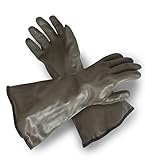
Overview: These specialized hunting gloves tackle the harshest conditions with a waterproof PVC coating and Thinsulate insulation. Designed for waterfowl hunters facing freezing temperatures, they feature a sandy grip finish and extended gauntlet cuffs that seal out ice and water during critical moments like retrieving decoys or field dressing game.
What Makes It Stand Out: The extended gauntlet cuff is a standout feature, preventing water intrusion during deep wading or snow blower operation. The Thinsulate lining delivers superior warmth-to-weight ratio compared to traditional fleece, while the brown color provides effective camouflage across varied wilderness settings.
Value for Money: Thinsulate-lined gloves typically command premium pricing, but these offer professional-grade protection at a mid-range price point. The multi-purpose design extends value beyond hunting to fishing, trapping, and winter chores, making them a year-round investment rather than a single-season purchase.
Strengths and Weaknesses: Strengths include exceptional waterproofing, superior insulation, versatile grip texture, effective camouflage, and protective extended cuff. The “one size fits most” design is the primary weakness, potentially fitting too loosely for smaller hands or too tightly for larger ones. PVC flexibility in extreme cold can also limit dexterity for fine tasks.
Bottom Line: An excellent choice for hunters battling extreme cold and wet conditions. Just be mindful of the sizing limitations and consider trying them on first if possible.
3. Flambeau Outdoors 1812DPK Masters Series 14” Full-Sized Mallard Duck Decoys, Classic Floaters - 12-Pack
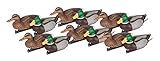
Overview: Flambeau’s Masters Series delivers full-sized 14-inch mallard decoys crafted from master carver Roger Desjardins’ designs. This 12-pack includes six active drakes and six active hens, each featuring sand-filled keels for stability and the revolutionary UVision paint technology that replicates actual waterfowl plumage’s ultraviolet signature.
What Makes It Stand Out: UVision technology sets these apart scientifically, reflecting UV light exactly as live ducks do—something most decoys completely miss. The master carver pedigree ensures anatomical accuracy in posture and detail, while sand-filled keels provide natural motion without the unnatural wobble of hollow keels.
Value for Money: Positioned in the premium tier, these decoys justify their price through technological innovation and craftsmanship. While more expensive than budget blocks, the UVision technology and master carver design can make the difference on pressured birds. The durable construction ensures multiple seasons of service, amortizing the initial investment.
Strengths and Weaknesses: Strengths include scientifically advanced UVision paint, realistic master carver design, effective sand-filled keels, durable construction, and balanced 12-pack configuration. Weaknesses: premium pricing may deter casual hunters, and the active poses lack variety for more subtle spreads. The paint, while advanced, requires careful handling to maintain UV properties.
Bottom Line: Serious waterfowlers targeting educated birds will find the UVision technology worth every penny. These are investment-grade decoys for hunters who understand that realism converts wary ducks.
4. Flambeau Outdoors 8015SUV Storm Front 2 Green-Winged Teal Decoys, Classic Floaters - 6-Pack

Overview: The Storm Front 2 series targets green-winged teal specifically with these 10.5-inch decoys featuring high-definition paint schemes from renowned carvers Tom Christie, Dave Van Lanen, and Rich Smoker. The six-pack includes varied positions—active drakes, resting drakes, resting hen, and dabbler hen—creating natural flock dynamics.
What Makes It Stand Out: The proprietary keel design with four tie-off points offers unmatched versatility for creating motion in wind or current. Combined with UVision paint technology, these decoys replicate both the visual and ultraviolet signature of live teal, crucial for decoying this notoriously wary species.
Value for Money: As a specialized 6-pack, these command a higher per-decoy price than mallard blocks, but that’s offset by species-specific effectiveness. For teal hunters, the varied positions and UVision technology provide targeted performance that generic decoys simply cannot match, making them worth the premium.
Strengths and Weaknesses: Strengths include UVision technology, multiple realistic positions, versatile keel design, master carver craftsmanship, and species-specific targeting. Weaknesses: the 6-pack size limits spread size, 10.5-inch size reduces long-distance visibility, and specialized nature means less versatility for hunting other species. The smaller size also makes them easier to lose in heavy cover.
Bottom Line: Essential for dedicated teal hunters. The species-specific design and UVision technology deliver results where generic mallard decoys fail. Consider buying two packs for adequate spread size.
5. Flambeau Outdoors 5960CD Great Blue Heron Decoy, Includes Metal Stake - 1-Pack

Overview: This full-body Great Blue Heron decoy serves as a confidence decoy, signaling safety to wary waterfowl. Standing 31 inches tall on a sturdy metal stake, it features a high-definition paint scheme on heavy-duty plastic construction, designed to withstand season after season in the field.
What Makes It Stand Out: Herons naturally predate in marshes, so their presence indicates safety to ducks and geese. This decoy adds a layer of realism that standard spreads lack. The included metal stake enables quick deployment in mud, sand, or shallow water, while the full-body design creates a commanding visible presence.
Value for Money: While a single decoy seems expensive compared to multi-pack blocks, its confidence-building effect can transform entire spread effectiveness. The durable construction ensures years of use, and the psychological impact on waterfowl provides value far exceeding its cost. It’s a strategic investment rather than a numbers game.
Strengths and Weaknesses: Strengths include effective confidence-building, realistic full-body design, sturdy metal stake, durable construction, and easy setup. Weaknesses: single decoy limits impact radius, takes considerable space in gear, and effectiveness varies by location and hunting pressure. It’s also species-specific decoration rather than a core decoy.
Bottom Line: A smart addition for serious hunters looking to add authenticity to their spread. Deploy it on the periphery of your spread for maximum confidence-building effect without cluttering your landing zone.
6. MOJO Outdoors Rippler - Premium Waterfowl and Duck Hunting Decoy

Overview: The MOJO Outdoors Rippler revolutionizes still-water duck hunting by solving the oldest problem in waterfowling: motionless decoys on calm days. This innovative device pairs a realistic Mallard drake body with an integrated vibrating mechanism that generates subtle, lifelike ripples across your entire spread, transforming static setups into dynamic, convincing scenes without the need for wind.
What Makes It Stand Out: Unlike traditional spinning-wing decoys that can flare wary birds, the Rippler’s gentle water disturbance mimics natural feeding activity, creating a more authentic presentation. The screw-lock housing design is genuinely user-friendly—no tools required for battery changes or maintenance, a critical feature when you’re fumbling in predawn darkness. The 6-8 hour runtime on four AA batteries provides ample coverage for most hunts.
Value for Money: Positioned as a premium product, the Rippler justifies its price by essentially animating your entire decoy investment. Rather than replacing static decoys with expensive motorized ones, this single unit breathes life into dozens. Compared to purchasing multiple swimming decoys, it offers significant savings while delivering a more subtle, natural effect that works especially well on pressured birds.
Strengths and Weaknesses: Strengths include authentic ripple motion, tool-free maintenance, extended battery life, and rugged construction built for harsh field conditions. Weaknesses are the ongoing cost of batteries (not included), limited to ripple motion only (no swimming action), and potential overuse in areas where any motion is scrutinized by educated ducks.
Bottom Line: The MOJO Rippler is an essential tool for serious waterfowlers hunting calm waters or pressured birds. Its subtle motion technology offers a perfect balance of attraction without alarm, making it a worthwhile investment that enhances your entire spread’s effectiveness.
7. GUGULUZA Duck Decoy Motor w/Clip for Drive Waterfowl Decoys, Universal Decoys Motors for Hunting

Overview: The GUGULUZA Duck Decoy Motor is a clever universal solution for hunters wanting to add realistic swimming motion to their existing decoy spread without breaking the bank. This compact drive motor suspends discreetly beneath any waterfowl decoy, transforming static models into lifelike swimmers that actively cut through the water, creating movement that catches the eye of distant flocks.
What Makes It Stand Out: True universal compatibility sets this apart—the adjustable clips with anti-skid padding securely grip decoys of any size or brand. The hand-controllable caudal fin allows you to fine-tune direction and motion pattern, adapting to wind and current conditions on the fly. Dual waterproof sealing rings provide confidence that this motor will withstand submersion and the inevitable abuse of hunting environments.
Value for Money: This motor delivers exceptional bang for your buck. Instead of investing $50+ per specialized swimming decoy, you can animate multiple decoys you already own for a fraction of the cost. The C-cell battery power (single battery) keeps operating expenses minimal compared to D-cell or rechargeable systems, making it an economical choice for hunters running large spreads.
Strengths and Weaknesses: Strengths include universal fit, waterproof construction, adjustable motion, and incredible affordability. Weaknesses involve manual direction control that requires periodic adjustment, single battery limiting runtime compared to larger systems, and the need to ensure your decoy’s buoyancy can support the motor’s weight without tipping.
Bottom Line: For budget-conscious hunters or DIY enthusiasts, the GUGULUZA motor is a game-changer. It offers an affordable entry into motion decoys with versatility that premium systems can’t match, though it requires more hands-on management during hunts.
8. Flambeau Outdoors 8036SUV Storm Front 2 Mallard Decoys, Classic Floaters - 6-Pack

Overview: The Flambeau Storm Front 2 series represents the gold standard for traditional floating Mallard decoys, offering hunters a deadly combination of artistic craftsmanship and cutting-edge paint technology. This six-pack provides the foundation for a convincing spread with three unique postures that replicate natural flock behavior on the water.
What Makes It Stand Out: The patented UVision paint technology is the real differentiator—this isn’t just pretty paint, but a scientifically formulated coating that matches the actual ultraviolet reflectance of real duck plumage, fooling even the most discerning avian eyes. Combined with master carver-sculpted bodies featuring intricate feather detailing and true-to-life anatomy, these decoys create a visual authenticity that generic foam decoys simply cannot match.
Value for Money: These decoys sit in the sweet spot between budget foam models and ultra-premium brands. You get professional-grade realism and a proprietary multi-anchor-point keel system that provides versatile rigging options for wind or current. The durability means they’ll last multiple seasons, making the per-hunt cost very reasonable for serious waterfowlers.
Strengths and Weaknesses: Strengths include unmatched paint realism, excellent body detail, versatile keel design, and a good mix of active and resting postures. The primary weakness is their static nature—no built-in motion. Additionally, while durable, the hard plastic can be noisier than softer models when transporting, and the paint, though advanced, still requires proper care to prevent chipping.
Bottom Line: The Storm Front 2 decoys are a must-have for hunters building a serious spread. Their UVision technology provides a scientific edge in visibility, making them the smartest static decoy investment for both novice and experienced waterfowlers.
9. Higdon Outdoors Blue Heron Confidence Decoy for Waterfowl and Ornamental Water Garden, Pond and Landscape Decoration Plus Pest Deterrent

Overview: The Higdon Outdoors Blue Heron decoy serves a unique dual purpose in the waterfowl world, functioning both as a confidence-building element in your duck spread and as a standalone ornamental/pest deterrent solution for property owners. At 26 inches tall, this ultra-realistic heron adds a layer of authenticity that signals safety to incoming ducks while simultaneously protecting valuable koi ponds from predatory herons.
What Makes It Stand Out: Its multi-functionality is unparalleled. In hunting scenarios, a heron decoy suggests a safe, natural environment with abundant food, encouraging wary ducks to commit. For pond owners, it exploits territorial heron behavior—most herons avoid areas where others appear established, making this an effective, humane deterrent against koi predation without chemicals or loud deterrents.
Value for Money: While a single decoy at this price point may seem steep compared to duck decoys, you’re essentially purchasing two products in one. The construction quality and true-to-life paint scheme rival dedicated garden ornaments costing significantly more, while delivering legitimate hunting utility that cheaper decorative herons cannot provide.
Strengths and Weaknesses: Strengths include exceptional realism, versatile dual-purpose design, effective pest deterrent capabilities, and sturdy construction suitable for year-round outdoor use. Weaknesses are its niche application—not every hunter needs a heron decoy—and the fact that it adds no direct duck attraction beyond confidence. The tall profile can also be challenging to transport compared to standard duck decoys.
Bottom Line: This heron decoy is a specialized tool that excels at its intended purposes. Waterfowlers hunting pressured areas and pond owners protecting expensive koi will find it invaluable, though casual hunters may find limited use for it in their spread.
10. Avian X Topflight Pintail Decoys, Rugged Realistic Floating Duck Decoys for Hunting, Weight-Forward Swim Keel, Set of 6, Multicolor

Overview: The Avian X Topflight Pintail decoys represent the pinnacle of floating decoy engineering, combining museum-quality aesthetics with innovative motion technology. This six-pack is specifically crafted for hunters targeting wary Pintails, though their realism benefits any waterfowl spread. The weight-forward swim keel creates authentic, species-specific movement that distinguishes these from generic swimming decoys.
What Makes It Stand Out: The weight-forward swim keel is a masterclass in hydrodynamic design—rather than simply moving in circles, these decoys track naturally through the water with the head-leading posture of real feeding Pintails. The no-flake paint formula is battle-tested, resisting the chipping and fading that plagues lesser decoys after a season of hard use. Avian X’s reputation for anatomical perfection is evident in every feather detail and body contour.
Value for Money: These are premium-priced decoys, but the investment pays dividends. The durability ensures multiple seasons of service, while the natural motion eliminates the need for separate motion devices. For hunters specifically after Pintails, the species-specific realism provides a targeted advantage that generalist decoys cannot match, justifying the cost-per-decoy.
Strengths and Weaknesses: Strengths include unmatched realism, natural swimming motion, exceptional paint durability, rugged construction, and effortless setup. Weaknesses center on the premium price point and species-specific design—casual hunters or those targeting mixed species may not fully utilize their specialized features. The motion, while natural, is still wind/wave dependent.
Bottom Line: For dedicated Pintail hunters or those building a premium mixed-species spread, the Avian X Topflight decoys are worth every penny. Their combination of realism and natural motion sets a new standard, though budget-conscious hunters may find better value in multi-species packs.
Understanding Shallow Lake Environments
Water Depth Variations
Shallow lakes rarely maintain consistent depths across their entire surface, creating pockets of deeper water surrounded by extensive flats. Your decoy setup needs to account for these variations, with anchors that hold securely in soft bottoms without dragging your blocks into unnatural positions. Consider how decoys perform when water levels drop during migration periods, leaving your spread high and dry or floating awkwardly in inches of water.
Vegetation Patterns
Aquatic vegetation defines shallow lake hunting, providing both food and cover for waterfowl. Decoys must navigate through lily pads, coontail, and emergent grasses without tangling or losing realism. The best shallow water spreads work with these natural elements rather than against them, positioning decoys in openings and along edges where real birds would naturally feed and rest.
Wind and Current Effects
Even shallow lakes experience wind-driven currents that can push decoys into unnatural clusters or drag them across the bottom. Understanding how subtle water movement affects your spread helps you select decoys with appropriate keel designs and anchor systems that maintain position without constant adjustment.
Key Features for Shallow Water Decoys
Realistic Paint Schemes
Modern paint applications in 2026 utilize advanced UV-reflective pigments that match how birds actually see color spectrums. For shallow water hunting, this matters immensely since birds often circle low, scrutinizing your spread from close distances. Look for multi-layered paint processes that resist chipping when decoys bump against rocks, stumps, and ice edges common in shallow environments.
Durability Standards
Shallow lake hunting is tough on equipment. Decoys get dropped in mud, stepped on while wading, and frozen into ice sheets overnight. The construction quality determines whether your investment lasts one season or ten. Focus on seamless body construction, reinforced keels, and impact-resistant materials that withstand the specific abuses of shallow water deployment.
Anchor Systems
The anchor system makes or breaks a shallow water spread. Traditional cone anchors often drag in soft mud, while fluke-style designs dig in and hold position. For 2026, integrated anchor systems that deploy quickly and retrieve cleanly are essential features. Consider weight-to-hold ratios and how anchors store on decoys during transport through thick cover.
Decoy Types for Shallow Scenarios
Full Body vs. Shell Decoys
Full body decoys provide unmatched realism on water but can be cumbersome to transport through wading environments. Shell decoys offer a practical compromise, delivering realistic profiles with reduced weight and storage space. For shallow lakes, consider hybrid approaches—using full bodies on edges where visibility is critical and shells in interior spread positions.
Floating vs. Field Decoys
While floating decoys seem obvious for water hunts, field decoys placed on mudflats and sandbars create authentic loafing areas that attract wary birds. The key is selecting field decoys with water-resistant properties and stable bases that prevent tipping in light wind. Many hunters now integrate both types to create multi-zone spreads that mimic natural bird behavior.
Specialty Posture Options
Shallow water hunting benefits from decoys showing specific behaviors like feeding, resting, and sentry postures. Feeding postures positioned in shallow areas where birds would naturally tip forward to reach bottom vegetation add incredible realism. Resting decoys placed in calmer water zones suggest safety and comfort to approaching flocks.
Material Innovations for 2026
Advanced Plastics and Polymers
Next-generation decoy materials incorporate flexible polymers that absorb impact without cracking, even in sub-zero temperatures. These materials maintain their shape after being frozen in ice or compressed during storage. The weight distribution in modern foam-filled designs prevents capsizing while keeping overall mass manageable for long carries through marshy terrain.
Eco-Friendly Construction
Sustainability drives 2026 manufacturing, with recycled materials and biodegradable components becoming standard. This matters for shallow lake hunters who value the ecosystems they hunt. Non-toxic, lead-free anchors and paints that don’t leach chemicals into sensitive shallow water environments protect the resource while delivering performance.
Weight Distribution Engineering
Shallow water decoys require careful balance between being light enough to transport yet heavy enough to sit naturally in water and resist wind. New designs distribute weight low in the keel while keeping the body buoyant, creating stability without bulk. This engineering allows for larger spreads with less physical strain during setup and takedown.
Size and Visibility Considerations
Size Scaling Strategies
Shallow lakes often mean closer working distances, making size scaling more critical. Oversized decoys can appear unnatural when birds approach at 20 yards versus 60. Consider mixing standard and slightly larger decoys to create depth perception in your spread, with bigger blocks on the perimeter and more appropriately sized decoys in the landing zone.
Flock Realism Through Numbers
Shallow water areas typically hold smaller, tighter flocks compared to big open water. Your spread size should reflect this reality. Instead of massive rigs, focus on quality over quantity—two dozen highly realistic decoys often outperform four dozen average blocks in shallow scenarios where birds have time to inspect every detail.
Motion and Realism Features
Wind-Activated Motion Systems
Spinning wing decoys revolutionized waterfowl hunting, but shallow lakes require subtler approaches. Modern wind-activated systems include rocking feeders, swimming decoys, and subtle wing movements that create ripples without the flash that can flare educated birds. These systems work in light breezes common during morning hunts in protected shallow bays.
Electronic Motion Options
Battery-powered systems now offer programmable motion sequences that mimic real bird behavior—intermittent swimming, feeding splashes, and gentle wing stretches. For 2026, look for waterproof battery compartments and solar charging capabilities that extend hunt time without adding weight. The key is natural, random movement that doesn’t create patterns wary birds recognize as artificial.
Feeding and Resting Poses
Static decoys with dynamic postures create the illusion of motion without any moving parts. Decoys positioned at different angles, with some appearing to dip their heads and others stretching their necks, break up the uniform look that screams “fake.” In shallow water, where decoys sit higher in the water column, these posture variations become even more visible and important.
Portability and Transport Solutions
Transportation Through Wading Environments
Getting decoys to shallow lake spots often means wading through muck, cattails, and knee-deep water. Decoys that nest together efficiently, with keels that interlock and bodies that stack without damaging paint, make this journey manageable. Consider how many decoys fit in a dry bag or decoy sled without becoming unwieldy during long walks through soft bottom areas.
Storage Systems for Off-Season
Shallow water decoys face unique storage challenges due to mud, vegetation residue, and moisture. Ventilated storage bags that prevent mold growth and rigid containers that protect delicate paint finishes during summer heat ensure your spread is ready when season opens. Look for systems that organize decoys by type and posture for quick deployment.
Strategic Setup Approaches
Spreading Patterns for Confined Spaces
Shallow lakes limit how you can position decoys. Instead of traditional J-hooks or V-patterns, consider cluster setups that mimic family groups feeding in tight quarters. Leave multiple landing pockets rather than one large open area, giving birds options and reducing suspicion. Position sentry decoys on edges where they would naturally watch for danger.
Adaptability to Changing Conditions
Shallow water conditions change hourly with wind direction and water levels. Your spread needs to adapt quickly—decoys with tool-free anchor adjustments and keels that accept different weight systems allow on-the-fly modifications. Being able to shift from a feeding spread to a resting spread by simply repositioning a few key decoys keeps you effective as bird behavior changes.
Maintenance and Longevity
Cleaning Protocols for Shallow Water Use
Mud, algae, and vegetation stain decoys and reduce realism. Establish a cleaning routine that removes organic material without damaging paint. Soft brushes, mild detergents, and thorough drying prevent long-term discoloration. For shallow lake hunters who hunt the same spots repeatedly, monthly deep cleaning maintains the fresh look birds expect.
Repairing Shallow Water Damage
Keels crack, anchors bend, and bodies puncture when hunting in stump-filled shallow lakes. Learning basic repair techniques—plastic welding, keel reinforcement, and paint touch-ups—extends decoy life dramatically. Carry a small repair kit with UV-activated patch material and matching paint for field repairs that keep you hunting instead of packing up.
Budget and Investment Strategy
Performance vs. Price Analysis
Premium decoys offer features that justify their cost for serious shallow water hunters—better paint, superior materials, and realistic postures. However, mid-range options now incorporate many high-end features at accessible prices. Determine which features matter most for your specific shallow lake scenarios and invest there, rather than buying the most expensive spread available.
Building Your Spread Incrementally
Quality shallow water spreads are built over seasons, not purchased overnight. Start with a core group of versatile decoys—perhaps two dozen mixed postures—and add specialty blocks as you identify specific needs. This approach spreads cost over time and allows you to learn what works in your particular shallow lake environment before making major investments.
Frequently Asked Questions
What makes shallow lake decoys different from deep water decoys? Shallow lake decoys prioritize lower profiles, specialized anchor systems for soft bottoms, and enhanced durability against mud and ice. They often feature more varied feeding postures since birds can reach bottom vegetation, and their paint schemes account for closer inspection distances typical in confined shallow water environments.
How many decoys do I need for an effective shallow lake spread? Most shallow lake hunters find success with 18-36 decoys, significantly fewer than big water setups. The key is placement realism over quantity. Two dozen well-positioned decoys in natural postures typically outperform larger spreads in shallow scenarios where birds have extended time to evaluate your setup during approach.
Are motion decoys worth it in shallow water? Subtle motion decoys excel in shallow environments where natural movement is limited. However, avoid aggressive spinning wings that can flare educated birds in confined spaces. Instead, opt for feeding motion, gentle swimmers, or wind-activated rocking decoys that create ripples without excessive flash or unnatural movement patterns.
What’s the best anchor type for soft, muddy bottoms? Fluke-style anchors with 4-6 ounce weights typically perform best in soft mud, digging in and holding position without dragging. For very shallow areas with heavy vegetation, consider screw-in anchors that secure through plant matter. Avoid traditional pyramid anchors which tend to slide across muddy surfaces.
How do I prevent my decoys from freezing in place overnight? Remove decoys from water when temperatures drop below freezing, or use decoy lubricants on keels and lines that inhibit ice formation. Some hunters add a small amount of non-toxic antifreeze to anchor lines, though this requires careful environmental consideration. The simplest solution is storing decoys in water deep enough that they float freely despite surface ice.
Should I use different decoy sizes in my shallow lake spread? Mixing sizes can create depth perception, but avoid dramatic size differences that appear unnatural at close range. A common approach uses standard-sized decoys throughout with 10-15% slightly larger blocks positioned on the spread’s perimeter to increase visibility from distance while maintaining realism up close.
How often should I replace my shallow water decoys? With proper care, quality decoys last 5-10 seasons in shallow water environments. Replace decoys when paint wear reduces realism from 20 yards, when cracks compromise flotation, or when designs become outdated compared to current bird behavior patterns. Many hunters rotate a few new decoys in annually rather than replacing entire spreads.
Can I use field decoys on shallow lake mudflats? Yes, field decoys work excellently on exposed mudflats and sandbars, creating realistic loafing areas. Ensure they’re water-resistant and have stable bases that prevent tipping in light wind. Position them where they won’t float away if water levels rise, and consider them part of a multi-zone spread strategy.
What’s the most important feature for 2026 decoy technology? Integrated motion systems with programmable, randomized movement patterns represent the biggest advancement. These create lifelike behavior without the repetitive motion that educated birds recognize. Combined with improved UV-reflective paints that match avian vision, these features make spreads appear alive rather than static.
How do I clean mud and vegetation from decoys without damaging paint? Use a soft-bristle brush and mild dish soap with lukewarm water. Avoid pressure washers and harsh chemicals that strip UV coatings. For stubborn algae, a diluted bleach solution (1:10 ratio) works, but rinse thoroughly and dry completely to prevent paint dulling. Clean decoys monthly during season for optimal realism.