Table of Contents
There’s nothing quite like waking up deep in the backcountry after a perfect summer night’s sleep. The air is crisp, the birds are singing, and you’re genuinely refreshed – ready to tackle miles of trail with energy to spare. But achieving that ideal night under the stars hinges on one critical piece of gear: your sleeping bag. Forget the bulky winter monsters; summer backpacking demands a lightweight, breathable sanctuary that prevents that dreaded sweaty, overheated misery. Choosing the wrong bag can turn a dream trip into a sleepless slog, leaving you exhausted before noon. The good news? Modern warm-weather sleeping bags are marvels of engineering, designed specifically to keep you cool and comfortable when temperatures climb.
Navigating the sea of options, however, can feel overwhelming. Marketing jargon like “ultra-light” or “mummy-lite” abounds, and temperature ratings often seem more like hopeful suggestions than guarantees. What truly defines a great summer sleeping bag? It’s not just about the lowest possible weight (though that matters plenty on the trail), but a thoughtful blend of insulation type, construction, breathability, and features tailored to warm, dry conditions. This guide cuts through the noise, focusing squarely on the essential factors you need to evaluate to find your perfect warm-weather companion for 2026 and beyond. Let’s ditch the guesswork and build your knowledge for truly restful nights beneath the open sky.
Top 10 Warm Weather Sleeping Bags
Detailed Product Reviews
1. ECOOPRO Warm Weather Sleeping Bag - Portable, Waterproof, Compact Lightweight, Comfort with Compression Sack - Great for Outdoor Camping, Backpacking & Hiking-83 L x 30" W Fits Adults

Overview:
The ECOOPRO Warm Weather Sleeping Bag targets backpackers and campers needing a lightweight solution for mild conditions (55–60°F). Its waterproof nylon shell and breathable polyester lining prioritize comfort in humid or damp environments, while the compact design suits minimalist adventurers.
What Makes It Stand Out:
Its standout feature is exceptional portability: compressing to just 11" and weighing 1.7 lbs, it’s ideal for weight-conscious hikers. The waterproof construction and versatile sizing (fits one adult or two children) add practicality, especially for unexpected rain or multipurpose use as a camping blanket.
Value for Money:
Priced competitively for entry-level kits, it offers solid value for warm-weather campers. While lacking cold-weather versatility, it outperforms bulkier alternatives in portability and ease of storage, making it a smart buy for seasonal use.
Strengths and Weaknesses:
Strengths: Ultra-lightweight; waterproof and durable; compresses small; easy zip closure; includes compression sack. Weaknesses: Narrow temperature range (unsuitable below 55°F); limited insulation for cool nights; basic design lacks hood or draft collars.
Bottom Line:
A reliable, budget-friendly choice for summer backpacking or car camping in mild climates, but impractical for year-round or colder adventures. Best for solo travelers prioritizing minimal pack weight.
2. MalloMe Sleeping Bags for Adults Cold Weather & Warm - Backpacking Camping Sleeping Bag for Kids 10-12, Girls, Boys - Lightweight Compact Camping Essentials Gear Accessories Hiking Sleep Must Haves

Overview:
MalloMe’s sleeping bag promises year-round versatility (50–77°F), targeting families and adults up to 6 feet tall. Its waterproof “hex-tech” shell and synthetic fill aim to balance warmth, weather resistance, and packability for diverse outdoor scenarios.
What Makes It Stand Out:
The dual-layer waterproof shell with S-stitching and 3D fiber fill provides robust insulation, while snag-free double zippers and adjustable head drawstrings enhance comfort. Vibrant colors and a kid-friendly design broaden its appeal beyond typical adult-focused gear.
Value for Money:
At ~3 lbs and a mid-range price, it delivers solid all-season utility. Though not the lightest, its machine-washable shell and family sizing offer long-term value, especially compared to pricier down alternatives with similar temp ratings.
Strengths and Weaknesses:
Strengths: True all-season use (50–77°F); waterproof and durable; machine-washable; includes compression sack; thoughtful details like Velcro zipper lock. Weaknesses: Slightly heavy for ultralight backpacking; limited cold-weather capability below 50°F; color options may not suit all tastes.
Bottom Line:
An excellent family-oriented bag for spring-to-fall camping, offering durability and comfort. Ideal for casual campers but less suited for serious winter expeditions or weight-obsessed hikers.
3. MalloMe Sleeping Bags for Adults Cold Weather & Warm - Backpacking Camping Sleeping Bag for Kids 10-12, Girls, Boys - Lightweight Compact Camping Essentials Gear Accessories Hiking Sleep Must Haves

Overview:
Identical to Product 2 in specs and features, this MalloMe bag again targets versatile, family-friendly camping with a 50–77°F rating. It emphasizes comfort for adults and children, leveraging waterproofing and synthetic insulation for reliability across seasons.
What Makes It Stand Out:
The unique hex-tech shell and S-stitched double layer provide superior water resistance and warmth retention. Kid-appealing colors, combined with adult sizing (fits 6-footers) and practical features like wipe-clean surfaces, make it a versatile family investment.
Value for Money:
Priced fairly for its durability and multi-user design, it justifies cost through machine-washability and longevity. Competes well against single-season bags but may seem redundant if Product 2 is available in desired colors.
Strengths and Weaknesses:
Strengths: Consistent all-season performance; easy maintenance; ergonomic design with head drawstrings; included compression sack. Weaknesses: Near-identical to Product 2, risking confusion; not optimized for sub-50°F conditions; bulkier than premium ultralight options.
Bottom Line:
A repeat of Product 2’s strengths—perfect for families needing a dependable, washable bag for moderate climates. Skip if you already own the first MalloMe variant; otherwise, a sound choice for casual campers.
4. oaskys Camping Sleeping Bag - 3 Season Warm & Cool Weather - Summer Spring Fall Lightweight Waterproof for Adults Kids - Camping Essentials Gear Accessories Hiking Sleep Must Haves

Overview:
The oaskys 3-Season Sleeping Bag covers 50–68°F (10–20°C), catering to spring, summer, and fall adventures. Its waterproof polyester shell and practical design aim to balance comfort and portability for both adults and children.
What Makes It Stand Out:
The foot-venting zipper and adjustable half-circle hood address common pain points—overheating and heat loss. The anti-tearing 210T outer fabric and wipe-clean versatility enhance durability, while the (190+30)cm sizing accommodates taller users comfortably.
Value for Money:
Offering solid weather resistance at an affordable price, it outperforms cheaper bags in longevity. The included compression sack and family-friendly sizing make it a budget-smart pick for occasional campers, though premium alternatives offer better insulation.
Strengths and Weaknesses:
Strengths: Functional foot vent; adjustable hood; lightweight and packable; wipe-clean surface; good height adjustment. Weaknesses: Temperature range slightly narrow for true “3-season” claims; basic insulation lacks draft tubes; customer support details vague.
Bottom Line:
A practical, no-frills bag for fair-weather camping. Great for beginners or warm climates but lacks the refinement for extreme conditions. Best paired with a liner for extended cool-weather use.
5. 3-4 Season Sleeping Bag for Adults & Kids, Lightweight Warm Cold Weather Camping Bag with Waterproof Compression Sack – Portable for Hiking, Backpacking, Traveling & Outdoor Adventures (Dark Gray)
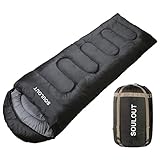
Overview:
This dark gray sleeping bag markets itself as a 3–4 season solution with waterproofing and machine-washable convenience. Designed for adults and teens, it prioritizes warmth, portability, and ease of care for frequent outdoor use.
What Makes It Stand Out:
The spacious rectangular envelope design offers more room than mummy bags, while the high-loft insulation and water-resistant shell tackle variable conditions. Machine-washability is a rare perk in this category, appealing to hygiene-focused campers.
Value for Money:
Priced accessibly, it delivers decent versatility for its cost. The waterproofing and washability add long-term value, though the missing temperature rating makes cold-weather claims questionable compared to precisely rated rivals.
Strengths and Weaknesses:
Strengths: Roomy rectangular shape; machine-washable; water-resistant; includes compression sack; soft interior fabric. Weaknesses: No specific temperature rating reduces trust; insulation likely inadequate below 45°F; lacks technical features like draft collars.
Bottom Line:
A serviceable all-rounder for fair-weather backpacking and car camping, especially for those valuing easy cleaning. Not recommended for serious cold-weather trips due to undefined thermal limits.
6. Sleeping Bags for Adults Backpacking Lightweight Waterproof- Cold Weather Sleeping Bag for Girls Boys Mens for Warm Camping Hiking Outdoor Travel Hunting with Compression Bags(Navy Blue)

Overview: This navy blue sleeping bag targets backpackers and campers seeking a versatile 3-season option. Rated for 41°F–77°F comfort, it accommodates users up to 5'11" with a 31.5"x86.6" design. Constructed with polyester outer, pongee lining, and hollow cotton fill, it emphasizes waterproofing and portability via a compression sack.
What Makes It Stand Out: The dual-zone temperature regulation stands out: a hood drawstring seals in warmth, while a foot-end zipper allows airflow adjustment. Its waterproof-breathable fabric combo and 3.3lb weight balance weather resistance with packability, ideal for unexpected damp conditions.
Value for Money: Priced affordably for its feature set, it undercuts premium brands without sacrificing critical elements like waterproofing or compression. While not ultralight, the 7.9"x14.2" packed size offers solid space efficiency for casual campers and families.
Strengths and Weaknesses: Strengths: Effective waterproofing, intuitive ventilation zippers, easy machine-wash care, and roomy fit. Weaknesses: 3.3lb weight is heavy for serious backpackers, the 50°F lower limit restricts true cold-weather use, and hollow cotton fill may compress faster than synthetic alternatives.
Bottom Line: A reliable, budget-friendly choice for fair-weather camping, family trips, or emergencies. Best suited for spring/summer/fall car campers prioritizing comfort over ultralight performance; not recommended for sub-50°F backpacking.
7. WERTYCITY Warm Weather Sleeping Bag - Portable Waterproof Compact Lightweight, Packable with Compression Sack for Kids Teens Adults Camping Backpacking Hiking, Spring Summer Fall(Army Green)
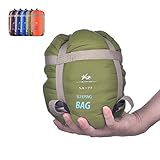
Overview: Designed exclusively for warm conditions (59°F+), this ultralight army green sleeping bag uses nylon outer fabric and imitation silk cotton fill. Weighing just 1.54lbs and compressing to 6.9" tall, it targets summer backpackers, scouts, and travelers needing minimal bulk.
What Makes It Stand Out: Its standout feature is the 2-person capability: zipping two bags creates a double sleeping system. Combined with exceptional packability (smallest claimed size in this group) and a breathable polyester lining, it excels for hot-weather agility and social camping.
Value for Money: At a competitive price point, it delivers unmatched portability for warm climates. While lacking cold-weather versatility, its niche focus justifies cost for seasonal use—outperforming heavier all-season bags where only warmth is needed.
Strengths and Weaknesses: Strengths: Extremely lightweight, innovative 2-person pairing, compact compression, and skin-friendly lining. Weaknesses: Useless below 59°F, no draft collar for unexpected chills, and nylon may lack durability versus polyester in rugged use. Limited to fair-weather scenarios.
Bottom Line: An excellent warm-weather specialist for backpackers prioritizing weight savings. Ideal for summer hikes, festivals, or scout trips; avoid for variable or cold conditions. The 2-person feature adds unique social value.
8. SWTMERRY Sleeping Bag 3 Seasons (Summer, Spring, Fall) Warm & Cool Weather - Lightweight,Waterproof Indoor & Outdoor Use for Kids, Teens & Adults for Camping Hiking, Backpacking (Emerald Green)

Overview: This emerald green 3-season bag covers 41°F–77°F, targeting families and adventurers with waterproof 210T nylon construction. Its double-filled hollow fiber insulation and bottom zipper aim for adaptability across spring, summer, and fall trips.
What Makes It Stand Out: The dual-filled insulation tech enhances warmth retention in cool snaps, while the foot-area zipper provides unmatched ventilation control. Machine-washable fabric and included compression sack with straps boost practicality for frequent use.
Value for Money: A strong mid-tier investment, offering waterproofing and temperature flexibility often found in pricier models. The family-friendly sizing and color variety justify cost for households, though serious mountaineers may seek higher-end specs.
Strengths and Weaknesses: Strengths: True 3-season versatility, effective waterproofing, user-friendly foot zipper, and easy machine-wash maintenance. Weaknesses: 1.7lb weight isn’t ultralight, hollow fiber may lose loft over time, and no draft tube to block zipper cold spots.
Bottom Line: A versatile, family-oriented sleeping bag excelling in damp or variable conditions. Great for car camping, scouting, or beginner backpackers—just avoid extreme cold. The foot zipper is a game-changer for comfort.
9. ECOOPRO Warm Weather Sleeping Bag - Portable, Waterproof, Compact Lightweight, Comfort with Compression Sack - Great for Outdoor Camping, Backpacking & Hiking-83 L x 30" W Fits Adults (B-Black)
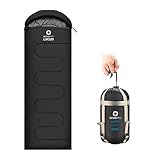
Overview: ECOOPRO’s black sleeping bag focuses on warm-weather reliability (55°F–60°F), featuring nylon waterproofing, polyester lining, and TC cotton fill. Its 83"x30" envelope design fits one adult or two children, weighing 1.7lbs with 11" compressed height.
What Makes It Stand Out: The smooth-operating no-snag zipper and envelope shape (rare in compact bags) enhance accessibility and airflow. The 1.7lb weight strikes a sweet spot between durability and packability, while TC cotton promises consistent warmth without bulk.
Value for Money: Competitively priced for its no-frills efficiency, it outperforms cheaper bags with reliable waterproofing and a 24-hour customer service guarantee. Better suited for budget-conscious backpackers than car campers needing cold-weather gear.
Strengths and Weaknesses: Strengths: Smooth zipper mechanism, ideal warm-weather weight, versatile envelope design, and responsive customer support. Weaknesses: Narrow temperature range (only 55°F+), lacks draft tubes or hood, and envelope shape sacrifices heat retention versus mummy styles.
Bottom Line: A dependable warm-season workhorse for backpackers valuing simplicity and reliability. Skip for cold trips, but ideal for summer hikes, festivals, or emergency kits where minimal weight matters most.
10. Coleman Brazos 20/30°F Adult Cool-Weather Sleeping Bag with No-Snag Zipper & Stuff Sack, Machine Washable

Overview: The Coleman Brazos is a mummy-style bag rated to 30°F (comfort at 20°F), built for cold-weather campers up to 5'11". Featuring Fiberlock insulation and a Thermolock draft tube, it prioritizes heat retention in chilly conditions.
What Makes It Stand Out: Coleman’s Thermolock draft tube—a continuous insulated barrier along the zipper—is the hero feature, eliminating cold spots. The Fiberlock construction prevents fill shifting, ensuring consistent warmth where cheaper bags fail.
Value for Money: An exceptional value for sub-40°F camping. While heavier than premium down bags, its durability, machine-washability, and reliable cold-weather performance undercut specialized brands by 30–50%, ideal for entry-level winter campers.
Strengths and Weaknesses: Strengths: Superior cold retention via draft tube, robust Fiberlock insulation, no-snag zipper reliability, and easy machine washing. Weaknesses: Bulky packed size (not for ultralight backpacking), synthetic fill is heavier than down, and limited room for taller users.
Bottom Line: A top pick for car-based winter camping or shoulder-season backpacking where warmth trumps weight. Avoid for summer hikes, but unmatched in its price tier for genuine cold-weather reliability.
Understanding Warm Weather Sleeping Bag Fundamentals
Decoding Temperature Ratings for Summer Use
Temperature ratings are essential, but they require smart interpretation for summer conditions. Look for bags specifically rated for comfort in the 35°F to 50°F (2°C to 10°C) range as a starting point for most typical summer backpacking. Crucially, understand the difference between “Comfort,” “Lower Limit,” and “Extreme” ratings defined by the EN/ISO 23537 standard. For warm weather, prioritize the “Comfort” rating – this represents the temperature at which a standard woman can expect to sleep comfortably. Don’t be tempted by bags with ratings significantly lower than your expected lows; excess insulation leads directly to overheating and discomfort when temperatures are in the 60s or 70s°F (15-25°C).
Why Warm Weather Bags Differ from 3-Season Models
It’s a common misconception that a standard 3-season bag is sufficient for summer. While 3-season bags often cover cooler spring/fall lows, they typically prioritize warmth retention over breathability needed in consistent warmth. Warm-weather specific bags make deliberate trade-offs: less total insulation, lighter-weight shell and liner fabrics that breathe better, strategic placement of insulation (or even omission in key areas like the chest), and features designed for maximum ventilation. Using a bag rated for 20°F (-7°C) in 70°F (21°C) weather is like wearing a winter coat on a beach day – guaranteed discomfort.
The Critical Role of Breathability and Moisture Management
When temperatures rise, your body’s primary cooling mechanism is evaporative sweat. A sleeping bag that traps moisture against your skin creates a clammy, cold (even in warm air) and miserable environment. Effective warm-weather bags prioritize breathability through fabric choices (lighter deniers, more open weaves) and construction. Look for shell fabrics with high moisture vapor transmission rates (MVTR). Additionally, consider how easily the bag allows you to vent – a full-length zipper is almost non-negotiable, and features like a draft collar that doesn’t suffocate are vital. Trapped humidity is the enemy of comfort in summer.
Insulation Types: Making the Right Choice for Heat
Down Insulation: The Warmth-to-Weight Champion (With Caveats)
Down remains the gold standard for warmth-to-weight and compressibility, making it highly desirable for backpacking. For summer-specific bags, high-fill-power down (750+ FP or higher) is common, allowing sufficient warmth with minimal total fill weight. The key advantage is its superior breathability when dry compared to many synthetics. However, down’s critical weakness is its performance when damp. Even moderate humidity or light dew can significantly reduce its loft and insulating power. If you frequently backpack in humid environments or areas prone to morning dew, this is a significant factor to weigh against the weight savings.
Synthetic Insulation: Reliable Performance in Damp Conditions
Modern synthetic insulations have made tremendous strides in mimicking down’s loft and compressibility while maintaining their insulating properties when wet. This is their paramount advantage for warm-weather use in humid climates, coastal areas, or during unexpected rain. While traditionally heavier and bulkier than equivalent down bags, newer premium synthetics (like PES, PrimaLoft® Gold, or similar high-loft continuous filament fibers) have narrowed this gap considerably. They often dry faster than down if they do get damp. If consistent moisture is a concern, synthetics offer crucial peace of mind, even if the dry-weight is slightly higher.
Hybrid Insulation Systems: Blending the Best of Both Worlds
Increasingly, manufacturers are employing hybrid approaches to leverage the strengths of both materials. A common strategy is using down in the core torso area (where dryness is more likely and warmth is critical) and synthetic insulation in high-moisture zones like the footbox, hood, or shoulders. This aims to provide the weight savings and breathability of down where it performs best, while ensuring reliable insulation in areas most prone to dampness. It’s a smart solution for backpackers who encounter variable conditions but still prioritize summer-specific performance.
Key Design Features for Summer Comfort
Mummy vs. Semi-Rectangular Shapes: Finding Your Fit
Mummy bags are the standard for backpacking due to their superior warmth-to-weight ratio – less dead air space to heat. For warm weather, a well-designed mummy shape is still ideal, but look for “relaxed” or “roomier” mummy profiles. These offer slightly more shoulder and footbox space without significantly sacrificing thermal efficiency, enhancing comfort on warm nights when you might want to sprawl a little. True rectangular bags are generally too bulky and inefficient for backpacking, but a semi-rectangular shape specifically designed for warm weather can be a comfortable option for car campers or those prioritizing space over minimal weight.
The Non-Negotiable: Full-Length, Smooth-Running Zippers
A full-length zipper is absolutely essential for warm-weather bags. It allows you to unzip the bag completely for maximum ventilation, effectively turning it into a lightweight quilt. Look for high-quality, durable zippers (like #5 or #8 YKK) that run smoothly even when the bag is compressed in its stuff sack. Stiff or sticky zippers become a major frustration point on the trail. Consider the zipper draft tube behind the zipper – it should be substantial enough to block drafts when zipped but not so bulky that it impedes easy unzipping for venting.
Hood Design: Security Without Suffocation
A well-fitted hood is crucial for retaining heat if temperatures drop unexpectedly, but it must also allow for easy adjustment and ventilation. Look for hoods with multiple points of adjustment (often a single cord lock) that cinch down snugly around the face without restricting movement or feeling claustrophobic. For summer, a minimalist hood design that doesn’t create excessive dead space or trap heat is preferable. Some warm-weather bags feature simplified hoods or even integrated pillow pockets that double as hood stuff sacks for extra weight savings.
Strategic Insulation Placement and Baffle Design
Not all parts of your body need equal insulation. Warm-weather bags often utilize “differential cut” or “zone insulation,” placing more fill where you lose heat fastest (core, shoulders) and less (or none) in areas where breathability is key (chest, underarms). Look for anatomical baffling that follows the body’s contours. Box-wall baffles generally provide better loft and warmth distribution than sewn-through baffles, which create cold spots at the stitch lines, though they are slightly heavier. Continuous baffles allow you to shift fill towards your core on cooler nights.
Shell and Liner Fabric: Lightweight and Breathable
Fabric weight, measured in denier (D), is critical. Summer bags typically use ultra-lightweight shells and liners, often 10D to 20D. Lower denier means lighter weight and better breathability but potentially less durability. Balance is key – 15D is a common sweet spot for summer bags. Prioritize fabrics with high breathability ratings (MVTR). Nylon is standard, but ripstop weaves add durability. Some premium bags use advanced, highly breathable laminates or ultra-fine denier fabrics for the ultimate in airflow, though these can be more fragile.
Weight and Packability Considerations
Striking the Balance Between Lightness and Durability
The quest for ultralight weight is strong, but pushing deniers too low (e.g., below 10D) for shell/liner fabrics can result in a bag prone to tears and punctures from trail debris or even fingernails. For warm-weather bags, where the primary stress is less extreme cold, durability is often slightly less critical than in winter bags, but still important. Aim for a denier that offers sufficient resilience for your expected terrain without adding unnecessary ounces. Remember, patching a small tear is easy; a shredded bag ruins a trip.
Understanding Compressed Size and Stuff Sack Strategy
How small your bag packs is almost as important as its weight. Look at the compressed volume (usually listed in liters). A bag that stuffs down tiny saves valuable space in your already-packed pack. High-fill-power down generally compresses smaller than synthetics. Ensure the included stuff sack is appropriately sized – one that’s too small forces excessive compression, damaging loft over time. Many experienced backpackers use a dedicated compression sack for storage but a larger, loose stuff sack for packing to preserve loft during the trip.
The True Weight: What’s Included Matters
Always check what the listed weight includes. Does it cover the stuff sack and compression sack? Reputable brands specify “minimum weight” (just the bag) and “packed weight” (bag + stuff sack). For accurate comparisons, use the packed weight. Be wary of brands that only list the unrealistically low minimum weight. Every ounce counts on the trail, so precision here is vital for making fair comparisons between potential options.
Additional Factors for the Discerning Backpacker
Ethical Sourcing and Sustainability Credentials
As outdoor enthusiasts, considering the environmental and ethical impact of gear is increasingly important. Look for certifications like the Responsible Down Standard (RDS) or Global Traceable Down Standard (GTDS) for down insulation, ensuring no live-plucking or force-feeding. For synthetics, check for recycled content (e.g., recycled PET bottles) and PFC-free DWR (durable water repellent) finishes, which are less harmful to the environment. Many brands now publish detailed sustainability reports – reviewing these can align your purchase with your values.
Value vs. Cost: Longevity and Warranty
Warm-weather bags, especially high-end down or premium synthetic models, represent a significant investment. Evaluate cost against expected lifespan. A bag using durable 15D fabric and high-quality components might cost more upfront but last many more seasons than a fragile ultralight alternative. Investigate the manufacturer’s warranty policy – comprehensive warranties covering defects and often incidental damage (like small rips) provide peace of mind and reflect confidence in the product’s construction. Long-term value often trumps the lowest initial price.
Trial Runs and Real-World Testing Before Commitment
Never buy a sleeping bag solely based on specs and reviews for critical trips. If possible, test it in your backyard or on a short overnight before your major summer backpacking adventure. Pay attention to: how easily you can adjust the hood and draft tube, how smoothly the zipper operates, whether the shape allows comfortable sleeping positions, and crucially, how warm or cool you actually feel at expected temperatures. Your personal metabolism is the ultimate test – what works for one person might not for another.
Maintaining Your Warm Weather Investment
Cleaning and Drying: Preserving Loft and Performance
Proper cleaning is essential for maintaining insulation performance, especially down. Use a front-loading washer (top loaders can damage baffles) with a mild, tech-wash specific detergent. Never use standard detergents or fabric softeners. Down requires thorough drying – use a large commercial dryer on low heat with clean tennis balls or dryer balls to constantly break up clumps and restore loft. Synthetic bags are generally easier, often air-drying well, but always follow the care label. A poorly cleaned bag loses significant insulating power.
Storage: Avoiding Permanent Loft Loss
Never store your sleeping bag compressed in its stuff sack for long periods. This crushes the delicate insulation fibers (down clusters or synthetic filaments), leading to permanent loss of loft and warmth. Always store your bag loose in a large cotton or mesh storage sack, or simply draped over a closet rod. Proper storage is the single easiest way to maximize your bag’s lifespan and ensure it performs optimally trip after trip.
Frequently Asked Questions
Frequently Asked Questions
How do I know if a bag is truly warm enough for summer nights? Focus on the EN/ISO “Comfort” rating for women. If your typical low is 55°F (13°C), choose a bag rated for 45-50°F (7-10°C) comfort. Remember, you can always vent a bag that’s slightly too warm, but you can’t add warmth to one that’s too light. Factor in your personal sleeping habits (do you run hot or cold?).
Can I use my 20°F (-7°C) winter bag for summer backpacking? Generally not recommended. It will be significantly heavier, bulkier, and trap too much heat and moisture, leading to a sweaty, uncomfortable, and potentially colder (due to dampness) sleep. The excess weight and packed size are inefficient for summer trips where warmth isn’t the primary concern.
What’s the ideal temperature rating for summer backpacking in the mountains? Mountain temperatures can drop surprisingly low even in summer. Aim for a comfort rating around 35-45°F (2-7°C). Higher elevations or shoulder-season trips (late spring/early fall) might warrant a rating closer to 30°F (-1°C), but for typical summer conditions at moderate elevations, the 35-45°F range offers the best balance of warmth and breathability.
Is down really worth it for summer if it gets damp? It depends on your environment. In consistently dry, arid climates (like the Southwest US), high-fill-power down is superb for summer – lightweight, breathable, and compressible. In humid forests, coastal areas, or anywhere dew is heavy, synthetic insulation’s ability to retain warmth when damp makes it a safer, more reliable choice despite slightly higher weight.
How important is the hood on a warm-weather bag? Very important. Even in summer, nights can get chilly, especially at higher elevations or if cloud cover burns off. A well-fitted, adjustable hood prevents significant heat loss from your head. Ensure it cinches down effectively without being restrictive or trapping excessive heat when fully open.
Why do warm-weather bags often have less insulation on the chest? This is strategic “zone insulation.” Your core generates significant heat, and the chest area is where you most want to allow heat and moisture to escape on warm nights. Reducing fill here enhances breathability without sacrificing critical warmth in areas like the back, shoulders, and feet where you lose heat faster.
Can I sleep with the zipper completely unzipped like a quilt? Absolutely, and this is a key feature for warm-weather bags! A full-length zipper allows you to fully open the bag, effectively using it as a lightweight, insulated quilt. This maximizes airflow and is often the most comfortable configuration when temperatures are warmest.
How do I prevent my sleeping bag from getting damp at night? Ensure your tent is well-ventilated to reduce interior condensation. Avoid breathing into the hood, as this adds significant moisture. Consider using a lightweight, breathable sleep liner which can absorb some body moisture and be easily washed. Setting up camp away from standing water can also help reduce ambient humidity.
Do I need a sleeping pad with a higher R-value for summer? Not necessarily. The primary role of the sleeping pad’s R-value is to insulate you from the cold ground. Even in summer, the ground temperature can be significantly cooler than the air, especially on clear nights. An R-value of 2.5-3.5 is generally sufficient for summer conditions, focusing more on comfort and cushioning than extreme warmth.
What’s the single most overlooked feature in warm-weather sleeping bags? The quality and smoothness of the zipper. A stiff, sticky, or broken zipper renders the bag’s most critical warm-weather feature – ventilation – useless. Prioritize bags with robust, well-integrated zippers (like #5 or #8 YKK) that operate effortlessly, even when the bag is partially stuffed. It makes a massive difference in usability.
Related Buying Guides
- The 10 Most Revolutionary Warm Weather Sleeping Bags of 2026
- 10 Must-Have Summer Sleeping Bags for Hot Weather Comfort in 2026
- How to Solve Nighttime Chills with the 10 Best Warm Weather Sleeping Bags in 2026
- 10 Top-Rated Warm Weather Sleeping Bags According to Outdoor Experts in 2026
- The 10 Ultimate Best Summer Sleeping Bags for Hot Weather Camping in 2026