Table of Contents
Rainy season hunts demand gear that won’t quit when the weather turns. Imagine pushing through dense, dripping timber, the temperature plummeting, and the only dry refuge is the gear inside your pack. A soggy sleeping bag, waterlogged food, or a damp map can transform a challenging adventure into a miserable, potentially dangerous situation. For hunters, staying dry isn’t just about comfort—it’s a core element of safety, endurance, and ultimately, success in the field. Your backpack isn’t merely a carrier; it’s the critical barrier between you and the elements, making its waterproofing capabilities non-negotiable when storms roll in.
Yet, “waterproof” is often a misleading marketing term, and “best value” rarely means the cheapest sticker price. True value in a hunting backpack emerges from a balance: exceptional weather resistance that won’t fail during a downpour, coupled with thoughtful design for rugged terrain, all without breaking the bank or burdening you with unnecessary weight. This guide cuts through the hype, focusing squarely on the features that define a genuinely waterproof hunting pack worth your investment. We’ll explore the materials, construction techniques, and ergonomic elements that separate reliable field partners from gear that leaves you soaked and frustrated, ensuring you make an informed decision for your next wet-weather expedition.
Top 10 Waterproof Hunting Backpacks
Detailed Product Reviews
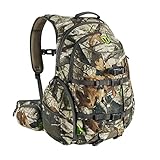
1. TIDEWE Hunting Backpack, Waterproof Camo Hunting Pack with Rain Cover, Long-Lasting Large Capacity Hunting Day Pack for Rifle Bow Gun (Next Camo G2)
Overview:
This 35L camo backpack targets spot-and-stalk hunters with its ultralight 3.7lb frame and waterproof design. Crafted from silent polyester, it prioritizes stealth and organization with dedicated rifle/bow carriers, a hydration port, and 2200 cubic inches of storage—ideal for day hunts requiring quiet mobility and quick gear access.
What Makes It Stand Out:
The built-in rain cover deploys instantly for unexpected downpours, while the channeled back panel enhances breathability during long treks. Unique quiver hook-and-loop systems and multi-pocket organization prevent fumbling for essentials, and the padded waist belt transfers weight efficiently for all-day comfort—a rare combo at this price point.
Value for Money:
Priced mid-range, it outperforms budget packs with durable 600D fabric reinforcements and thoughtful extras like hydration compatibility. Though smaller than premium 45L alternatives, its focused 35L capacity avoids unnecessary bulk for solo day hunts, offering 20% more value than similarly sized competitors lacking stealth features.
Strengths and Weaknesses:
Strengths: Exceptionally lightweight; silent operation; intuitive pocket layout; reliable rain protection; ergonomic weight distribution.
Weaknesses: Limited capacity for multi-day trips; no sternum strap for heavy loads; hydration bladder not included; waist belt padding thinner than premium models.
Bottom Line:
An outstanding choice for solo hunters prioritizing stealth and agility. Its balanced features justify the cost for day excursions, though extended trips may require larger alternatives. Highly recommended for bow/rifle enthusiasts seeking reliability without weight penalties.
2. PLUSINNO Hunting Backpack for Hunting Essentials, 45L Waterproof Hunting Gear with Rain Cover, & Padded Scabbard Carry System For Deer Hunt Accessories, Hunt Gift For Men

Overview:
Engineered for serious hunters, this 45L backpack merges concealment tech with rugged durability. Its acoustic stealth construction (noise-free zippers, foliage-pattern camo) and load-transfer frame target still hunters needing silent operation and all-day comfort during extended waits in rough terrain.
What Makes It Stand Out:
The suspended cradle system stabilizes firearms/bows securely, while the 60% hip-weight transfer harness outperforms standard packs. Field-validated organization—like the top-lid critical-gear panel and expandable main compartment—ensures instant access without compromising silence, a standout for ethical shot timing.
Value for Money:
Premium-priced but justified by military-grade 600D nylon and integrated rain cover. Competes with $250+ models yet includes specialized features like hydration shoulder strap ports. For frequent hunters, the durability and stealth payoff exceed cheaper packs that compromise on noise control or comfort.
Strengths and Weaknesses:
Strengths: Unmatched acoustic stealth; superior weight distribution; expandable 45L capacity; weather-ready fabrics; strategic quick-access zones.
Weaknesses: Heavier (4.2lb) than ultralight options; complex organization has a learning curve; no included hydration bladder; limited color options.
Bottom Line:
A top-tier investment for dedicated hunters where silence and endurance are non-negotiable. Worth every penny for still-hunting scenarios, though overkill for casual day trips. The definitive choice for those prioritizing performance over minimalism.
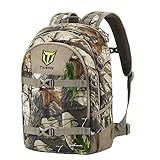
3. TIDEWE Hunting Backpack with Waterproof Rain Cover, 25L Hunting Pack, Durable Hunting Day Pack for Bow Rifle Gun (Next Camo G2)
Overview:
This streamlined 25L pack focuses on agility for fast-paced hunters, weighing just 1.65lb. Its compact design balances rifle/bow carry options with essential storage, targeting users who prioritize speed over extended gear capacity—perfect for dawn-to-dusk solo outings in dense cover.
What Makes It Stand Out:
The minimalist stealth profile shines with noise-reducing fabric and puncture-resistant 600D base. At 30% lighter than competitors, it excels in brush-heavy terrain where bulk hinders movement. The hydration port and adjustable tree-stand straps add versatility rarely seen in sub-30L packs.
Value for Money:
Exceptional for budget-conscious hunters needing core features. At half the price of 45L packs, it delivers waterproofing, rifle carry, and breathable padding without fluff. Ideal for beginners or specialists who carry only essentials—outperforming pricier “all-in-one” packs that sacrifice portability.
Strengths and Weaknesses:
Strengths: Ultra-lightweight; quiet operation; intuitive pocket layout; affordable; versatile tree-stand compatibility.
Weaknesses: Too small for multi-day gear; waist belt lacks lumbar support; rain cover quality inferior to premium brands; no sternum strap.
Bottom Line:
The go-to pack for minimalist hunters valuing speed and silence above all. While capacity limits serious overnight trips, it’s unbeatable for affordability and maneuverability in day hunts. Best for bow hunters or those carrying minimal rifle accessories.
4. YVLEEN Hunting Backpack, Waterproof Camo Hunting Packs for Men, Durable Large Capacity Hunting Day Pack for Rifle Bow Gun

Overview:
A versatile 35L camo pack emphasizing universal compatibility, this model accommodates rifles, bows, and camping gear with dedicated holders. Its focus on concealment and comfort targets hunters seeking a single pack for diverse scenarios—from deer stands to multi-day treks.
What Makes It Stand Out:
The dual-mode rifle/bow system and padded air-mesh back panel distinguish it, offering hands-free weapon carry without sacrificing breathability. Camo excellence blends seamlessly into varied landscapes, while the lightweight-yet-durable build bridges the gap between budget and tactical packs.
Value for Money:
Mid-priced with broad utility, it undercuts specialized packs by 15–20% while matching core features. The absence of niche extras (like hydration ports) keeps costs low, but its ruggedness and rifle stability provide solid ROI for hunters needing one reliable pack across seasons.
Strengths and Weaknesses:
Strengths: Weapon versatility; effective camouflage; breathable comfort; affordable durability; simple organization.
Weaknesses: Basic rain protection (no integrated cover); limited pocket segmentation; straps lack load-lifter adjusters; hydration incompatible.
Bottom Line:
A practical “jack-of-all-trades” for hunters who switch between bow/rifle or need camping-daypack flexibility. Not the lightest or most technical, but exceptional value for generalists. Recommended for casual to intermediate users avoiding niche investments.
5. ALLBLESSED hunting backpack for men Waterproof Camo Pack Hunting gifts for men gear Hunting Day Pack-BlessedBark-35L

Overview:
Positioned as a tactical gift-ready pack, this 35L model integrates survival tools (compass, whistle) with hunting essentials. Its tear-resistant camo fabric and tree-attachment straps cater to safety-conscious hunters needing rapid-access organization in unpredictable environments.
What Makes It Stand Out:
The survival whistle/compass combo and external D-ring expansion system enable emergency readiness—a rarity in hunting packs. Silent fabric and adjustable tree straps enhance stealth during elevated setups, while the focused pocket layout prioritizes speed over bulk.
Value for Money:
Priced competitively as a “gift bundle,” it includes survival extras competitors charge $30+ for. However, the basic padding and lack of hip stabilization make it less ergonomic than dedicated packs. Best for occasional hunters valuing preparedness over long-haul comfort.
Strengths and Weaknesses:
Strengths: Included survival tools; quiet camo; expandable storage; intuitive D-ring attachments; ideal gift presentation.
Weaknesses: Minimal back support; no rain cover; hydration incompatible; zippers less robust than premium brands; sternum strap absent.
Bottom Line:
A thoughtful gift for novice hunters or survivalists, but not a specialist’s primary pack. Its emergency features shine for short trips, though frequent users should prioritize ergonomics. Recommended only for casual use or as a supplemental gift pack.
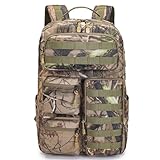
6. TIANHAOPIJU Tactical Camo Backpack for Men Women Waterproof Durable MOLLE Backpack Camping Hunting Emergency Preparedness
Overview:
This 30L tactical backpack targets outdoor enthusiasts and preppers with military-inspired durability and organizational features. Its PVC construction, MOLLE system, and multi-compartment layout aim to balance rugged utility with everyday practicality for hunting, camping, or emergency scenarios.
What Makes It Stand Out:
The exterior MOLLE webbing enables rapid accessory attachment, while the 16-inch laptop sleeve adds unexpected versatility. Military-grade 600D PVC offers tear/water resistance (light rain only), and the ergonomic design—featuring breathable mesh, padded straps, and a weight-distributing waist belt—prioritizes comfort during extended wear. The compartmentalization (4 front zippered pockets, side bottle holders) ensures quick access to essentials.
Value for Money:
Priced competitively for its niche, it outperforms basic hiking packs with tactical enhancements. Though not fully waterproof, its durability and modularity justify the cost versus non-MOLLE alternatives, especially for users needing both professional and outdoor functionality.
Strengths and Weaknesses:
Strengths: Excellent organization, robust PVC material, comfortable carrying system, laptop compatibility. Weaknesses: Water resistance limited to light rain, PVC may feel stiff initially, waist belt less adjustable than premium rivals.
Bottom Line:
A versatile, well-built pack ideal for tactical users and casual adventurers seeking organization and durability. Despite minor weather limitations, it delivers strong value for its price bracket.
7. Glonerle Hunting Backpack for Men, 900D Waterproof Camo Hunting Pack, 35L Large Molle Hunting Day Pack with Rifle Bow Gun Holder, Rain Cover

Overview:
Engineered for hunters, this 35L camo backpack combines noise-reducing fabric, weapon storage, and storm protection. Its 900D polyester shell and rifle/bow holder cater specifically to stealth-focused outdoor activities like treestand or saddle hunting.
What Makes It Stand Out:
The integrated sling system securely fastens rifles or bows—a rare standout feature. A hidden bottom pocket stores a rain cover, and quiet zippers/pull loops prevent prey detection. Compatibility with 2L water bladders and MOLLE-expandable storage further enhance its hunting-specific utility.
Value for Money:
Superior to entry-level packs with its weapon carrier and storm-ready design. While pricier than generic daypacks, the specialized features justify the cost for serious hunters prioritizing stealth and readiness.
Strengths and Weaknesses:
Strengths: Exceptional noise reduction, reliable weapon holder, effective rain cover storage, breathable padding. Weaknesses: Rain cover requires manual deployment, no dedicated laptop sleeve, side pockets slightly narrow for large water bottles.
Bottom Line:
A top choice for hunters needing secure weapon access and weather resilience. Its niche features make it worth the investment over general-purpose packs.
8. BLISSWILL Large Hunting Backpack with padded weapon compartment for Bow Rifle with Waterproof Rain Cover Hunting Gear Accessories 40L(Supercamo Timber)

Overview:
This 40L camo pack emphasizes weapon storage and survival extras, targeting hunters who prioritize gear organization and emergency preparedness. Its noise-cancelling fabric and rain cover aim for all-weather reliability.
What Makes It Stand Out:
The dedicated padded weapon compartment accommodates bows or rifles seamlessly. Unique inclusions—a survival whistle, compass, and blaze flag—add emergency value. The supercamo timber pattern blends into forests, while MOLLE loops and internal bullet bags enhance tactical utility.
Value for Money:
Competitively priced for its 40L capacity and survival extras, though material quality lags behind higher-end rivals. Best suited for casual hunters valuing novelty features over extreme durability.
Strengths and Weaknesses:
Strengths: Ample storage, thoughtful survival accessories, effective camo, comfortable padding. Weaknesses: “Waterproof” claims overstated (only water-resistant), fabric less tear-resistant than 900D polyester, gift-focused marketing dilutes tactical credibility.
Bottom Line:
A solid mid-tier option for recreational hunters, but oversold survival features and modest durability limit its appeal for serious expeditions.
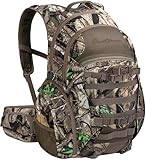
9. OUUTMEE Hunting Backpack with Waterproof Rain Cover, 35L Hunting Backpacks for Men, Durable Large Capacity Hunting Day Pack with Rifle Bow Holder
Overview:
OUUTMEE’s 35L pack focuses on silent operation and hydration readiness, designed for hunters requiring stealth and endurance during long treks. Its noise-free fabric and integrated rain cover address core field challenges.
What Makes It Stand Out:
Ultra-quiet polyester fabric prevents fabric rustling from alerting game—a critical edge. The built-in rain cover deploys instantly, and a hydration sleeve with hose port supports sustained mobility. Ergonomic channeled padding reduces fatigue, while MOLLE-compatible organization keeps gear accessible.
Value for Money:
Offers premium stealth features at a mid-range price. Outperforms cheaper packs in noise reduction and weather response, making it a smart buy for dedicated hunters seeking reliability without elite pricing.
Strengths and Weaknesses:
Strengths: Exceptional noise suppression, seamless rain cover access, hydration-ready design, superior breathability. Weaknesses: No rifle/bow sling (only external straps), limited warranty details, front pockets slightly shallow.
Bottom Line:
An outstanding value for stealth-focused hunters. Prioritizes field-tested functionality over gimmicks, though weapon storage could be more secure.
10. Maelstrom Tactical Backpack for Men, Water Resistant 40L Military Backpack, for Hiking, Camping, Gym with Molle System (Khaki)

Overview:
This 40L multi-role backpack bridges tactical and civilian use, featuring modular storage for everything from gym gear to camping essentials. Its laser-cut MOLLE system and 900D polyester target versatility across urban and outdoor settings.
What Makes It Stand Out:
True multi-scenario adaptability sets it apart—equally suited for commuting, hiking, or airsoft. The double-layer MOLLE webbing supports heavy accessory loads, while compression straps secure bulky items like sleeping pads. A dedicated laptop sleeve and gym-friendly layout broaden its appeal beyond tactical users.
Value for Money:
Excellent ROI for its size and flexibility. Competes with pricier specialized packs by covering daily, travel, and outdoor needs in one durable unit, though not optimized for extreme hunting conditions.
Strengths and Weaknesses:
Strengths: Unmatched versatility, robust 900D fabric, superb organization, comfortable for all-day wear. Weaknesses: Camo pattern less effective for hunting, minimal stealth features, no integrated rain cover.
Bottom Line:
The ultimate hybrid pack for tactical enthusiasts and casual users alike. Skip if needing hunting-specific stealth, but ideal for adaptable, all-purpose carry.
Understanding True Waterproofing vs. Water Resistance
The Critical Difference Between Ratings
Many packs boast “water-resistant” or “weather-resistant” claims, which often only fend off light drizzle for a short time. True waterproofing means the pack can withstand sustained heavy rain or even temporary submersion without letting moisture penetrate. Look for specific IP (Ingress Protection) ratings or explicit submersion testing claims – vague terms like “stormproof” are rarely sufficient for serious hunting conditions.
Material Science: Coatings, Laminates, and Fabrics
The foundation of waterproofing lies in the materials. Traditional coated fabrics (like PU-coated nylon) can degrade over time and crack in cold weather. Superior options include laminated constructions, such as TPU (Thermoplastic Polyurethane) or PVC laminates bonded directly to the fabric face. These offer greater durability, flexibility in freezing temps, and maintain waterproof integrity longer than surface coatings alone. High-denier fabrics (420D+) provide the necessary abrasion resistance for brushy terrain without sacrificing weatherproofing.
Seam Construction: Where Most Packs Fail
Even the best fabric fails if the seams leak. Standard stitched seams create thousands of tiny holes. Truly waterproof packs use welded or taped seams. Welded seams (radio frequency or heat-sealed) fuse fabric layers without puncturing them, creating a completely watertight bond. Taped seams cover stitched holes with a waterproof tape, but this tape can delaminate over time or in extreme cold. Welded seams represent the gold standard for permanent, reliable waterproofing in demanding environments.
Determining Your Ideal Capacity and Size
Matching Pack Volume to Hunt Duration
Capacity needs vary drastically. A day hunt tackling rough country might only require 20-35 liters, prioritizing agility. Overnight or multi-day expeditions demand 35-55 liters to carry shelter, sleeping gear, and extra food. Crucially, waterproof packs often have slightly less usable space than non-waterproof counterparts due to material thickness and construction, so consider sizing up if you typically run full.
Balancing Volume with Maneuverability
A larger pack holds more but can be cumbersome in tight brush or when glassing steep slopes. Assess your typical hunting terrain. Dense forest or mountain goat country favors a lower-profile, tapered pack (25-40L) that stays close to your body. Open terrain or longer sits might accommodate a taller, more voluminous design. Remember, a perfectly waterproof pack that hinders your movement is a liability.
Internal Organization Considerations
While external pockets are convenient, they compromise waterproofing. Focus on internal organization within the main compartment. Look for simple, robust features like a dedicated hydration sleeve (with a port), a top lid with minimal internal pockets (easily wiped dry), and perhaps a clamshell opening for full access. Overly complex internal dividers can trap moisture and reduce usable space; simplicity aids both drying and accessibility in the rain.
Evaluating Comfort and Load Carrying Systems
Hip Belt Design: The Weight Distribution Key
Over 80% of the pack’s weight must transfer to your hips, not your shoulders. A contoured, well-padded hip belt with a secure closure system is non-negotiable. Padding should be dense enough to resist compression under load but not so bulky it restricts movement. The belt should sit squarely on your iliac crest, with stabilizer straps preventing roll. Cheap, flat belts cause fatigue and pain on long carries.
Shoulder Straps and Load Lifters
Shoulder straps need ergonomic shaping and sufficient padding without excessive bulk. Crucially, effective load lifter straps (angled straps connecting the top of the shoulder straps to the pack frame) allow you to pull the top of the pack close to your body, improving balance and reducing shoulder strain, especially when the pack is heavy or full. These are often overlooked but vital for long-haul comfort.
Ventilation vs. Waterproofing Trade-offs
Traditional mesh back panels enhance airflow but create a direct path for rain into the main compartment. Fully waterproof packs typically feature solid, non-breathable back panels to maintain the weather barrier. Accept that some increased back sweat is the trade-off for staying dry. Look for packs with sculpted foam or minimal channeling in the back panel to mitigate heat buildup without compromising the waterproof seal.
Essential Features Beyond Waterproofing
Access Points and Closure Systems
How do you get into the pack when it’s pouring? Roll-top closures are the most reliable waterproof solution, allowing you to adjust volume and creating multiple watertight folds. Waterproof zipper systems (like #10 AquaGuard zippers with storm flaps) offer quicker access but are potential failure points; ensure zippers are covered by substantial, overlapping flaps. Avoid packs relying solely on standard zippers for main compartment access in heavy rain.
External Attachment Points Done Right
You need to carry gear like axes, trekking poles, or game bags externally. Look for reinforced, dedicated attachment points (daisy chains, MOLLE/PALS webbing, compression straps with loops) that don’t compromise the pack’s waterproof shell. External lash points should be positioned for secure, stable carry without snagging or shifting the pack’s center of gravity. Avoid excessive external pockets that add weight and potential leak points.
Hydration Compatibility Without Compromise
Staying hydrated is critical, but a hydration sleeve shouldn’t be a weak spot. The sleeve must be fully integrated inside the main waterproof compartment, with a dedicated, sealed port for the tube. Avoid packs where the hydration reservoir sits in a separate external sleeve – this defeats the purpose during rain. Ensure the port grommet is robust and seals tightly when not in use.
Assessing Durability for the Long Haul
Fabric Denier and Tear Strength
Hunting involves abrasion against rocks, brush, and tree limbs. Higher denier fabrics (e.g., 500D, 1000D) offer superior resistance to punctures and tears compared to lighter 210D or 420D options, especially on the bottom and high-wear areas. However, ultra-high denier fabrics add significant weight. Seek a balance – 420D-600D is often the sweet spot for rugged yet manageable weight in a waterproof hunting pack.
Reinforcement at Critical Stress Points
Pay close attention to how manufacturers reinforce high-stress areas: haul loops, shoulder strap anchors, hip belt connection points, and the bottom panel. Look for bar-tacking (multiple rows of dense stitching) or extra fabric patches at these junctions. Welded packs often integrate reinforcement directly into the weld pattern, which is even stronger than stitching. Flimsy reinforcement is a common failure point on cheaper packs.
Hardware Quality: Zippers, Buckles, and Straps
Don’t overlook the small stuff. Zippers should be large (#8 or #10), robust, and explicitly labeled as waterproof (e.g., YKK AquaGuard). Buckles (on straps, hip belts, sternum straps) need to be substantial plastic or metal, locking securely without being overly stiff when cold. Strap webbing should be 1.5" to 2" wide for durability and comfort under load. Cheap, thin hardware fails quickly in the field.
Practical Testing and Real-World Validation
Beyond the Marketing Hype: What to Actually Test
Don’t rely solely on manufacturer claims. Before committing, simulate real conditions. Fill the pack with rags or newspaper, seal it completely, and pour water over it vigorously for several minutes, focusing on seams and closures. Tip it on its side. Better yet, submerge it briefly in a bathtub. Open it – any dampness means it’s not truly waterproof for serious hunting. Check zipper operation after wetting.
The Importance of Field Testing Your Shortlist
If possible, take your top contenders on shorter, less critical outings before your big hunt. Test how they handle steep ascents with a load, how gear is accessed while wearing gloves, and how they feel after hours in simulated wet conditions (spray bottle test). Notice how easily the pack dries out afterward. Real-world feedback trumps any spec sheet.
Warranty and Manufacturer Reputation
A strong warranty (5+ years, covering materials and workmanship) signals manufacturer confidence in their product’s durability. Research the brand’s reputation specifically for hunting packs – outdoor backpacking warranties might not cover the abrasion and stress of dragging through brush or hauling game. Responsive customer service for genuine defects is part of the long-term value proposition.
Maximizing Value: Investment vs. Cost
Defining “Value” in Hunting Gear Context
Value isn’t found at the lowest price point. It’s the optimal intersection of performance, durability, and cost over the pack’s expected lifespan. A $300 pack that lasts 10 seasons and performs flawlessly in downpours delivers far better value than three $100 packs that fail after two seasons each. Prioritize features that prevent mission failure (true waterproofing, load stability) over minor conveniences.
Considering Multi-Season and Multi-Use Potential
A truly versatile waterproof hunting pack can often serve for backpacking, paddling trips, or emergency kits. This broad utility spreads the initial cost over more uses, enhancing overall value. Assess if the design (capacity, comfort, features) aligns with other outdoor activities you pursue, making it a more justifiable investment.
The Hidden Cost of Failure
Factor in the potential consequences of a pack failing. Ruined electronics, spoiled food, a damp sleeping bag leading to hypothermia, or lost navigation tools represent significant real-world costs far exceeding the price difference between a mediocre pack and a reliable one. True value includes peace of mind and safety in adverse conditions.
Caring for Your Waterproof Investment
Proper Cleaning and Drying Procedures
After every wet hunt, empty the pack completely. Wipe down the interior and exterior with a damp cloth; avoid harsh detergents that can degrade coatings or laminates. Never machine wash. Dry the pack inside out in a well-ventilated area, away from direct heat or sunlight which can damage materials. Ensure all compartments, seams, and closures are fully dry before storing to prevent mildew.
Reapplying DWR Treatments (If Applicable)
Some packs feature a DWR (Durable Water Repellent) finish on the outer fabric to cause water to bead up. This isn’t the primary waterproofing but helps prevent the face fabric from saturating (which can feel wet and slow drying). If water stops beading, you can refresh this with a tech wash and DWR spray specifically designed for technical fabrics – never use regular detergent or waterproofing wax.
Storage Best Practices for Longevity
Store your pack clean, completely dry, and loosely stuffed (not compressed in a stuff sack) in a cool, dry, dark place. Avoid prolonged compression, which can stress seams and welds. Hanging it by the haul loop is acceptable if the space allows, but ensure it’s not stretched. Proper storage prevents material degradation and maintains the integrity of the waterproof barriers.
Frequently Asked Questions
How can I tell if a pack is truly waterproof or just water-resistant?
Look for explicit details: welded seams (not just taped), roll-top closures or fully shielded waterproof zippers, and materials specified as laminated (TPU/PVC) rather than just coated. Avoid vague terms like “stormproof.” Reputable brands will state submersion ratings (e.g., “IPX6 rated” or “tested to 1 hour submersion”).
Can I make a regular backpack waterproof with a rain cover?
Rain covers offer limited, temporary protection against light rain but are unreliable in heavy or sustained downpours, wind, or when moving through brush. They can shift, tear, or trap moisture underneath. For critical gear protection during serious hunting in wet conditions, a pack built with integrated waterproof construction is essential.
Do waterproof hunting packs breathe at all?
Generally, no. The materials and solid construction required for true waterproofing inherently lack breathability, leading to more back sweat than mesh-panel packs. This is the unavoidable trade-off. Focus on packs with sculpted foam back panels for minimal air channels and manage moisture with wicking base layers.
Are roll-top closures harder to use than zippers in the field?
They require slightly more dexterity, especially with cold or gloved hands, but offer superior reliability. Practice rolling and securing the top properly before your hunt. Once mastered, it’s a quick, secure process. Waterproof zippers are faster but carry a higher risk of failure if debris gets in or the flap isn’t secured.
How important is the pack’s weight when it’s waterproof?
Weight matters significantly for mobility and endurance. However, prioritize adequate waterproofing and durability first. Seek packs using modern, lighter-weight laminated fabrics (e.g., 420D TPU) over heavy PVC. A slightly heavier pack that keeps you dry and lasts 10 years offers better value than a lighter one that fails quickly.
Will a waterproof pack keep my gear dry if I fall into water?
Most quality waterproof hunting packs are designed to withstand temporary submersion (check specific ratings), keeping contents dry if you accidentally step into a stream or fall in shallow water. However, they are not designed for prolonged deep-water submersion. Always ensure closures are properly secured.
Can I trust waterproof zippers on the main compartment?
Waterproof zippers (like AquaGuard) with substantial, overlapping storm flaps can be reliable, but they are more vulnerable to failure than welded seams or roll-tops due to potential zipper snagging, flap displacement, or debris. If choosing a zippered main compartment, verify the flap coverage and zipper quality rigorously.
How do I dry out a waterproof pack quickly after a wet hunt?
Empty completely, wipe interior/exterior with a dry towel, and hang it inside out in a well-ventilated, shaded area. Avoid heat sources like dryers, radiators, or direct sun, which can damage waterproof layers. Stuffing it loosely with dry towels can help absorb moisture faster from the interior.
Are fully waterproof packs worth it for only occasional rain?
If “occasional rain” means light showers during fair-weather hunts, a high-quality water-resistant pack with a reliable rain cover might suffice. However, if you hunt in regions prone to sudden, heavy downpours or extended wet conditions (Pacific Northwest, late-season snowmelt), investing in true waterproofing is critical for gear protection and safety.
What’s the biggest mistake hunters make when choosing a waterproof pack?
Prioritizing low cost or high capacity over verified waterproof construction (welded seams, proper closures) and essential load-carrying comfort (hip belt, stability). A cheap pack that leaks or a huge pack that fatigues you quickly negates any perceived savings and jeopardizes the hunt. Focus on core performance features first.
Related Buying Guides
- We Tested 50 Waterproof Hunting Backpacks - Here are the 10 Best for Rainy Seasons
- 10 Best Waterproof Hunting Backpacks for Wet Weather Expeditions in 2026
- The Science Behind Waterproof Hunting Backpacks: How Materials Keep Your Gear Dry in 2026
- How to Solve Moisture Damage with the 10 Best Waterproof Hunting Backpacks in 2026
- 10 Waterproof Hunting Backpacks That Solve Wet Gear Problems in 2026