Table of Contents
Stepping into the woods with a bow in hand demands confidence in every piece of equipment on your rig. Your sight is arguably the most critical interface between you and accurate shot placement, yet many hunters overspend on flagship models or underspend on junk that fails when that once-in-a-season opportunity presents itself. The sweet spot lies in understanding what actually creates value in a fixed pin bow sight—where performance meets reliability without draining your gear budget.
The landscape of archery accessories continues evolving, and 2026 brings exciting refinements to fixed pin technology that benefit budget-conscious hunters more than ever. Modern manufacturing techniques have democratized features once reserved for premium-tier sights, making “value” a far more nuanced concept than simply finding the cheapest option. This guide cuts through marketing noise to examine the construction details, material choices, and design philosophies that separate genuinely good values from expensive disappointments.
Top 10 Fixed Pin Bow Sights
Detailed Product Reviews
1. Trophy Ridge Hotwire Archery Bow Sight - 2 Fixed Pins, 1 Adjustable Pin, On Board Allen Key, 2nd Axis Leveling, Right Hand, 0.019 Pin

Overview:
The Trophy Ridge Hotwire blends fixed-pin reliability with single-pin adaptability through its innovative 2+1 configuration. Designed for right-handed archers, this sight targets hunters who need quick target acquisition at common distances while retaining precision for longer shots. The machined aluminum construction provides durability without excessive weight, making it suitable for both tree stand and spot-and-stalk hunting scenarios.
What Makes It Stand Out:
The hybrid pin system distinguishes the Hotwire from conventional multi-pin sights. Two fixed pins handle your most frequent distances, while the tool-less adjustable third pin lets you dial in exact yardage on demand. The integrated on-board Allen key eliminates fumbling in the field, and the second-axis leveling system ensures accuracy on steep uphill or downhill shots. Rheostat-powered .019 fiber optic pins deliver exceptional brightness during prime hunting hours.
Value for Money:
Positioned in the mid-tier price bracket, the Hotwire delivers premium features typically found on more expensive sights. The inclusion of an on-board adjustment tool and integrated light eliminates additional purchases, while the hybrid design essentially gives you two sight types in one package. Comparable setups would require buying separate fixed and slider sights.
Strengths and Weaknesses:
- Strengths: Versatile 2+1 pin configuration, convenient tool storage, excellent dawn/dusk visibility, second-axis leveling, solid build quality
- Weaknesses: Right-hand only orientation limits audience, three-pin setup may be insufficient for 3D shooters, slightly heavier than barebones sights
Bottom Line:
The Hotwire excels for hunters wanting fixed-pin speed with slider precision. Its thoughtful features justify the investment for serious archers who hunt varied terrain.
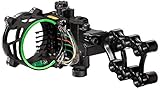
2. Trophy Ridge Fix Bow Sight, 5 Ultra-Bright 0.019" Horizontal Fiber Optic Pins, Includes Everything You Would Need, Micro-Adjustable Pins, Increased Accuracy, Innovative Design
Overview:
The Trophy Ridge Fix is a purpose-built five-pin sight designed for archers who demand consistent reference points across multiple distances. This horizontal-pin configuration provides clear sight pictures for 3D archers and hunters alike, with micro-adjustability that allows precise tuning without guesswork. The all-inclusive package ensures you have everything needed for immediate setup.
What Makes It Stand Out:
The Fix’s micro-adjustable pins represent a significant upgrade over friction-based systems, enabling exact elevation and windage changes with audible clicks. The horizontal pin orientation reduces pin gap clutter, particularly beneficial for longer shots. Second-axis adjustment capability ensures your pins align correctly on angled terrain. The rheostat light with pre-charged battery means you’re ready for low-light conditions out of the box.
Value for Money:
As a complete package including mounting hardware, adjustment tool, and pre-charged light, the Fix eliminates hidden costs. The micro-adjustment feature alone justifies its price point, as this precision typically commands premium pricing. Five ultra-bright .019 pins offer versatility that cheaper three-pin sights cannot match, making it a cost-effective choice for archers needing multiple distance markers.
Strengths and Weaknesses:
- Strengths: Precise micro-adjustments, horizontal pin clarity, second-axis leveling, complete accessory package, bright fiber optics
- Weaknesses: No tool-less adjustment option, fixed-pin design lacks single-pin flexibility, battery will eventually need replacement
Bottom Line:
The Fix delivers professional-grade adjustability at an accessible price. Ideal for archers wanting reliable multi-pin performance with precision tuning capabilities.
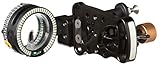
3. Trophy Ridge Drive Slider Bow Sight , Black
Overview:
The Trophy Ridge Drive Slider represents a modern take on single-pin archery sights, prioritizing precision over multiple reference points. This sight caters to hunters and target shooters who prefer uncluttered sight pictures and the ability to dial exact yardages. The vertical .029 pin provides a bold aiming point while the slider mechanism offers infinite adjustability across the entire distance spectrum.
What Makes It Stand Out:
The Drive Slider’s nylon bushing system eliminates metal-on-metal contact, creating remarkably smooth and silent operation—crucial for hunting situations where noise discipline matters. The large .029 vertical fiber optic pin is easier to acquire quickly than thinner alternatives, especially in hunting scenarios. The included sight light and precision bubble level ensure accurate shots in challenging conditions without additional purchases.
Value for Money:
Single-pin slider sights typically command higher prices than multi-pin alternatives, but the Drive Slider sits at an attractive entry-to-mid-level point. The inclusion of a sight light and quality construction materials make it a strong value proposition. While it lacks micro-adjustments of premium sliders, it offers essential features without unnecessary complexity that drives up cost.
Strengths and Weaknesses:
- Strengths: Silent nylon bushings, easy-to-see .029 pin, included sight light, clean sight picture, smooth adjustment
- Weaknesses: Single-pin design slower for multiple quick shots, no micro-adjustment clicks, limited pin size options
Bottom Line:
The Drive Slider suits hunters prioritizing precision and silence over speed. Its thoughtful design and quiet operation make it an excellent value for methodical shooters.
4. JolliLudo 5 Pin Compound Bow Sight with 0.019" Micro Fiber Optic Pins Tool Less Micro Adjust for Precision, Ambidextrous with High Visibility Level for Hunting and Shooting

Overview:
The JolliLudo 5-Pin Sight enters the market as a versatile, budget-friendly option for archers seeking multi-pin functionality without brand-name pricing. This ambidextrous sight accommodates both right and left-handed shooters, making it uniquely accessible. The five .019 fiber optic pins provide comprehensive distance coverage for hunting and recreational shooting applications.
What Makes It Stand Out:
The tool-less micro-adjustment system is remarkable at this price point, allowing precise pin tuning without Allen keys. The ambidextrous design is a genuine differentiator, serving a market segment often ignored by major manufacturers. Multiple mounting holes ensure compatibility across diverse bow models, while the built-in bubble level promotes consistent form. The independent pin spacing lets users customize their sight picture for specific shooting styles.
Value for Money:
This sight delivers exceptional value, offering features typically found on sights costing twice as much. Tool-less adjustments, ambidextrous mounting, and five micro-pins represent significant cost savings. While build quality may not match premium brands, the feature set makes it an ideal choice for beginners, youth archers, or budget-conscious hunters who need functionality over brand prestige.
Strengths and Weaknesses:
- Strengths: Ambidextrous design, tool-less micro-adjustments, five bright pins, versatile mounting options, excellent price point
- Weaknesses: Lesser-known brand durability questions, no second-axis adjustment, materials feel less robust than premium options
Bottom Line:
The JolliLudo punches above its weight class, delivering premium features at entry-level pricing. Perfect for new archers or those needing an ambidextrous solution.
5. TRUGLO Storm G2 Lightweight Compact Durable Highly-Visible Left-Hand Convertible Archery Bow Sight - 3 Pin

Overview:
The TRUGLO Storm G2 positions itself as an entry-level to intermediate sight focusing on simplicity, durability, and ambidextrous versatility. Weighing considerably less than many competitors, this three-pin sight appeals to archers prioritizing maneuverability and ease of use. The convertible left/right design makes it ideal for clubs, families, or archers unsure of their dominant hand.
What Makes It Stand Out:
The PRO-BRITE pin technology enhances durability and brightness beyond standard fiber optics, while the vibration-dampening insert in the aircraft-grade aluminum bracket reduces noise and stabilizes the sight picture. The enlarged circular field of view and glow-in-the-dark shooter ring aid quick target acquisition for beginners. Its true ambidextrous conversion requires no additional parts, setting it apart from “hand-specific” sights.
Value for Money:
The Storm G2 hits the sweet spot for budget-conscious buyers. While it lacks micro-adjustments and includes only three pins, the build quality exceeds expectations at this price. The convertible design essentially provides two sights in one, offering value for families or instructional settings. Note that the light is sold separately, which adds to the total cost for low-light hunting.
Strengths and Weaknesses:
- Strengths: True ambidextrous conversion, lightweight compact design, durable construction, PRO-BRITE pin technology, excellent for beginners
- Weaknesses: Only three pins limit distance options, no micro-adjustments, light sold separately, basic windage/elevation adjustment
Bottom Line:
The Storm G2 is an outstanding starter sight that doesn’t compromise on quality. Its ambidextrous design and durability make it perfect for new archers, youth programs, or backup use.
6. TRUGLO Pendulum Series Ultimate Treestand Bow Sight, Fixed Bracket

Overview: The TRUGLO Pendulum Series is a specialized bow sight engineered specifically for treestand hunters who shoot from elevated positions. This sight features a unique pendulum system that automatically compensates for steep angles up to 35 yards. Constructed from CNC-machined aluminum, it combines lightweight durability with whisper-quiet operation essential for close-range hunting scenarios.
What Makes It Stand Out: The gravity-actuated pendulum adjustment system is the star feature, automatically correcting pin position for high-angle shots without manual calculation. Unlike standard sights, this technology eliminates guesswork when shooting from heights. The included LED light illuminates the pin in low-light conditions, while the glow-in-the-dark shooter’s ring provides quick reference. The ability to lock the pendulum for ground-level shooting adds versatility that pure treestand sights lack.
Value for Money: Priced in the mid-range for specialized sights, the Pendulum Series delivers excellent value for dedicated treestand hunters. Competing gravity-compensating sights often cost 30-50% more, and few include an LED light at this price point. For hunters who primarily hunt from stands, this sight pays for itself by eliminating missed opportunities due to angle miscalculation.
Strengths and Weaknesses: Strengths include automatic angle compensation, included LED light, ultra-quiet operation, lightweight aluminum construction, and ambidextrous design. The lockable pendulum adds ground-shooting flexibility. Weaknesses: the fixed bracket offers limited mounting adjustment, the .029" pin is thicker than precision shooters prefer, and it’s over-specialized for ground-based hunting. The pendulum mechanism may require occasional tuning.
Bottom Line: For treestand hunters seeking an edge, this sight is a game-changer that eliminates angle-induced misses. While not ideal for ground hunting, its specialized performance justifies the investment.
7. TRUGLO Range Rover Single-Pin .019" Dia Right-Handed Archery Hunting Moving Black Bow Sight with Standard Adjustment - Light Not Included

Overview: The TRUGLO Range Rover represents the gold standard in premium single-pin hunting sights, designed for right-handed archers demanding precision and smooth operation. This sight features a large circular field of view with a micro-adjustable .019" fiber optic pin, delivering exceptional clarity and accuracy for ethical hunting shots.
What Makes It Stand Out: The ultra-smooth, one-hand adjustment system with toolless yardage lock sets this sight apart. Laser-engraved reference markings ensure repeatable precision, while the adjustable end-of-travel stop allows customization of maximum yardage. The all-metal pin and CNC-machined construction provide durability that plastic-hybrid sights can’t match. Its readiness for 1.87" scope lenses makes it adaptable for both hunting and target applications.
Value for Money: Positioned in the premium tier, the Range Rover competes with sights costing significantly more. While the initial investment is substantial, the precision engineering, durable construction, and included features like laser markings and adjustable stops justify the price. Comparable single-pin sights from boutique brands often exceed this price point without offering meaningful performance gains.
Strengths and Weaknesses: Strengths include buttery-smooth adjustment, toolless yardage lock, premium CNC-machined build, clean sight picture, and lens compatibility. The .019" pin offers excellent precision, and laser markings enable consistent adjustments. Weaknesses: right-hand only configuration excludes lefties, no LED light included, premium price may deter budget-conscious buyers, and the single-pin design requires more practice for varying distances.
Bottom Line: Serious right-handed hunters seeking premium performance will find the Range Rover delivers exceptional accuracy and durability. It’s a worthy investment for those prioritizing precision over multiple pins.
8. Archery Compound Bow Sight Aluminum Alloy 0.019" Fiber Optic 1/2 Pin Bow Sight Micro-Adjustable Aim Sight Toolless Quickset with Sight Light Compound Bow Accessory (Bow Sight/1 pin)

Overview: This budget-friendly single-pin sight offers surprising functionality for entry-level and intermediate archers. Constructed from aluminum alloy with fully contained .019" fiber optic pins, it provides essential features like toolless windage and elevation adjustment alongside micro-adjustability for fine-tuning. The built-in level helps maintain proper bow alignment for improved accuracy.
What Makes It Stand Out: The combination of toolless quick-adjust levers and precise micro-adjustment capabilities at this price point is remarkable. Pressing the vertical lever enables rapid elevation changes without wrenches, while twisting allows fine horizontal tuning. This dual-mode adjustment system typically appears only in mid-tier sights costing twice as much, making it ideal for archers learning sight tuning.
Value for Money: Exceptional value defines this sight. It delivers features found in $100+ sights for a fraction of the cost. While build quality can’t match premium brands, the functionality-per-dollar ratio is outstanding. For beginners uncertain about their preferred setup or those needing a backup sight, this represents minimal financial risk with maximum learning potential.
Strengths and Weaknesses: Strengths include affordable pricing, toolless adjustment, micro-adjustability, built-in level, and bright .019" fiber optic pin. The lightweight aluminum construction is adequate for most applications. Weaknesses: unknown brand reliability, vague “1/2 pin” description may confuse buyers, potential durability concerns with heavy use, and lack of included sight light despite product name mention. Quality control may vary between units.
Bottom Line: An excellent entry-level option that punches above its weight class in features. Perfect for beginners or as a spare, though serious hunters may want to invest in a proven brand for primary use.
9. Trophy Ridge Gem 3-Pin Bow Sight – .019” Fiber Optic Pins for Low-Light Accuracy, Reversible Design for Left or Right-Handed Shooters, Removable Level, Yellow Hood Accent for Quick Target Acquisition

Overview: The Trophy Ridge Gem 3-Pin sight balances simplicity with versatility, offering a no-frills design that works for any archer. Featuring three .019" fiber optic pins, reversible mounting for left or right-handed shooters, and a distinctive yellow hood accent, this sight prioritizes reliability and user-friendliness over complex features.
What Makes It Stand Out: True ambidextrous design through complete reversibility distinguishes the Gem from most sights that require separate left-hand models. The removable level caters to archers who prefer an uncluttered sight picture, while the yellow hood accent aids rapid target acquisition in split-second hunting situations. Trophy Ridge’s reputation for durable, effective designs ensures this sight withstands field abuse.
Value for Money: The Gem offers solid value in the entry-level to mid-range category. You’re paying for proven Trophy Ridge engineering rather than flashy features. For hunters wanting a dependable multi-pin sight without premium pricing, this delivers essential functionality. It competes directly with budget brands while offering better quality control and customer support.
Strengths and Weaknesses: Strengths include true ambidextrous design, removable level for customization, bright .019" pins for low-light performance, durable construction, and quick-acquisition yellow hood. Trophy Ridge’s brand reputation provides peace of mind. Weaknesses: only three pins limit long-range precision, no toolless adjustment system, no included sight light, and basic features may disappoint tech-focused archers. The fixed pin configuration lacks yardage flexibility.
Bottom Line: A reliable, versatile choice for hunters prioritizing simplicity and ambidextrous functionality. The Gem won’t wow with features but will consistently perform season after season.
10. Single Pin Bow Sight for Compound Bow 0.019" Fiber 4X 6X 8X Lens Carbon Fiber Long Bar Micro Adjustable Sight Right-Hand (Only Bow Sight)

Overview: This target-grade single-pin sight brings competition features to the hunting world with its 6-inch carbon fiber extension bar and precision micro-adjustment system. Designed for right-handed compound bows, it offers six-direction adjustment (front/rear/up/down/left/right) with locking functions and compatibility with optional magnification lenses (4X/6X/8X) for extreme accuracy.
What Makes It Stand Out: The carbon fiber long bar provides exceptional stiffness-to-weight ratio, reducing vibration while extending the sight radius for improved accuracy. Tool-free micro-adjustment knobs enable precise tuning without wrenches, a feature typically reserved for high-end target sights. The lens-ready design allows archers to upgrade from hunting to target precision without replacing the entire sight, offering unique versatility.
Value for Money: Positioned in the mid-to-high range, this sight delivers target archery features at a hunting sight price point. Carbon fiber bars and full micro-adjustment usually command premium prices. While lenses cost extra, the base sight provides exceptional adjustability. For archers bridging target and hunting disciplines, this offers better value than buying separate sights.
Strengths and Weaknesses: Strengths include carbon fiber extension bar, comprehensive six-direction micro-adjustment, tool-free operation, locking adjustment mechanisms, lens compatibility, and lightweight CNC-machined construction. The .019" green fiber optic pin is bright and precise. Weaknesses: right-hand only, lenses not included, carbon bar may be vulnerable to impact in dense brush, and the complexity may overwhelm beginners. It’s over-engineered for simple hunting scenarios.
Bottom Line: Ideal for archers demanding target precision in a hunting-capable package. The carbon fiber bar and extensive adjustability make this a smart investment for serious shooters wanting premium features without boutique pricing.
Understanding Fixed Pin Bow Sights
What Makes a Fixed Pin Sight Ideal for Hunting
Fixed pin sights offer simplicity and reliability that movable single-pin sights can’t match in dynamic hunting scenarios. With multiple pins preset to specific distances, you eliminate the need to adjust your sight in the field when an animal appears unexpectedly. This “grab and shoot” functionality proves invaluable when you’ve got seconds to range, draw, and release. The fixed configuration also means fewer moving parts to fail when you’re miles from civilization or dealing with sub-zero temperatures that freeze mechanisms.
The Evolution of Fixed Pin Technology
The fixed pin sights of 2026 bear little resemblance to their predecessors from even five years ago. Micro-diameter fiber optics now gather exponentially more light, while advanced polymers and aircraft-grade aluminum construction have slashed weight without sacrificing durability. Tool-less micro-adjustments—once a luxury feature—have become standard on mid-tier models. Understanding this evolution helps you recognize which “new” features genuinely enhance performance versus those that merely add cost.
Key Terminology Every Archer Should Know
Before diving into features, familiarize yourself with essential terms. “Pin gap” refers to the vertical distance between pins, which affects sight picture and target visibility. “Fiber optic length” determines brightness, with longer strands collecting more ambient light. “Second and third axis” adjustments allow you to level your sight for uphill and downhill shots. “Sight radius” describes the distance between peep sight and sight housing, affecting precision. Mastering this vocabulary empowers you to evaluate specifications critically rather than relying on manufacturer claims.
Why Value Matters More Than Price
Defining True Value in Archery Equipment
Value isn’t the lowest price tag—it’s the ratio of performance, durability, and features to cost over the product’s lifespan. A $120 sight that lasts three seasons and maintains zero reliably offers better value than a $60 sight that needs replacement after one rainy hunt or a $300 sight whose extra features you never utilize. True value means paying only for capabilities you’ll actually leverage in real hunting situations, not impressive specifications that look good on paper.
Long-Term Investment vs. Initial Cost
Consider total ownership cost when evaluating fixed pin sights. A model with stainless steel hardware resists corrosion from sweat and moisture, preventing the seized bolts that render cheaper sights useless. Replaceable fiber optic pins extend service life indefinitely. Robust mounting brackets maintain zero through repeated disassembly for travel. These durability factors might add $40-50 to the initial purchase but save you from buying a complete replacement within 18 months.
When Budget-Friendly Becomes Expensive
The false economy of ultra-cheap sights reveals itself at the worst moments. Plastic housings crack in cold weather. Short fiber optics fade to unusable dimness in low light when trophy animals emerge. Imprecise adjustment clicks make accurate sighting-in a frustrating exercise in trial and error. That “bargain” sight often forces you to purchase upgrades, replacements, or even miss opportunities—costs that far exceed the initial savings.
Essential Features That Define Quality
Pin Size and Viewing Clarity
Pin diameter directly impacts both precision and visibility. .019" pins offer maximum accuracy for longer shots but can disappear against dark targets or in heavy cover. .029" pins remain highly visible in all conditions but cover more target area at extended ranges. The best value sights often feature .019" pins with exceptionally bright fiber optics, giving you precision without sacrificing visibility. Some models now offer hybrid configurations with varying pin sizes across the vertical array.
Fiber Optic Brightness and Durability
Modern fiber optics utilize advanced materials that gather ambient light more efficiently than older models. Look for sights with fiber optic cables routed through protective channels rather than exposed runs that snag on brush. The best value options feature extended fiber lengths that wrap around the sight housing, maximizing light collection without adding cost. Protected routing ensures your pins remain bright and intact season after season.
Construction Materials and Weather Resistance
Aircraft-grade 6061-T6 aluminum provides exceptional strength-to-weight ratio without premium pricing. Avoid sights with significant plastic components in structural areas, particularly the mounting bracket and windage/elevation adjustment mechanisms. Quality polymer is acceptable for pin guards and fiber optic channels, but metal construction in stress-bearing areas ensures your sight holds zero through thousands of shots and rough mountain packouts.
Adjustment Mechanisms and Precision
Micro-click adjustments with audible and tactile feedback allow precise sighting-in without frustration. Each click should represent a known, consistent value (typically 1/8" or 1/16" at 20 yards). The best value sights offer tool-less adjustments for field corrections while maintaining positive locking mechanisms that prevent vibration from shifting your settings. Look for metal-on-metal contact points rather than plastic components that wear and create slop over time.
Mounting Systems and Compatibility
Standard dovetail mounts offer maximum versatility, allowing you to transfer sights between bows or add quick-detach systems. Direct-mount options save weight and eliminate potential failure points. The best value sights include multiple mounting holes to accommodate different bow configurations and accessory placements. Ensure the sight you choose clears your bow’s cables and accessories at full draw.
Pin Configuration Strategies
Choosing the Right Number of Pins
Three-pin setups excel for tree stand hunters focusing on 20, 30, and 40-yard shots. Five-pin configurations cover typical hunting ranges out to 60 yards without excessive clutter. Seven-pin arrays offer maximum versatility but can obscure target vitals on longer shots. Consider your average hunting engagement distances and terrain. More pins aren’t inherently better—they create visual noise and decision paralysis when seconds count.
Optimal Pin Spacing for Your Hunting Style
Tight pin spacing keeps your sight picture clean but requires more precise aiming. Wider spacing allows faster pin acquisition but can block more of the target. Western spot-and-stalk hunters often prefer slightly wider spacing for quick shots at unknown distances. Eastern treestand hunters typically benefit from tighter groupings for precise shot placement on whitetails. The best value sights offer adjustable pin positions, letting you customize spacing to your preferences.
Color Coding and Visibility Enhancements
Standard fiber optic colors include green, red, and yellow, with green generally appearing brightest to human eyes in low light. Premium value sights arrange colors strategically—often placing green in the middle for maximum visibility and using red or yellow for top and bottom pins to create intuitive reference points. Some models incorporate translucent sight rings that glow for rapid centering, a feature that adds minimal cost but significant functionality.
Sight Housing Considerations
Aperture Size and Field of View
Larger apertures (2" or more) provide expansive views of surrounding terrain, helping you track moving animals and maintain situational awareness. Smaller housings (1-5/8") offer more precise aiming but can feel restrictive in thick cover. The best value sights balance these factors with 1-3/4" to 2" housings that maximize visibility without adding unnecessary bulk or weight to your setup.
Bubble Level Integration
A properly aligned bubble level ensures your bow isn’t canted, which causes left-right impact errors especially pronounced at longer distances. Integrated levels add minimal cost but dramatically improve accuracy. Look for sights where the level is visible without shifting focus from your pins—typically positioned just below the sight picture. Illuminated levels provide reference in dawn and dusk conditions when canting errors compound.
Glow-in-the-Dark Features
Photo-luminescent sight rings and level markings absorb light during the day and glow for several hours in darkness. This technology costs pennies to implement but provides invaluable reference points during legal shooting light’s final minutes. The best value sights incorporate these features subtly without relying on them as primary selling points—they’re simply smart design elements that work when you need them most.
Durability Factors for Harsh Conditions
Aluminum vs. Composite Construction
Machined aluminum components withstand temperature extremes, impacts, and vibration far better than plastic alternatives. While some high-tech polymers perform admirably, aluminum remains the value champion for critical structural components. Look for sights where the main body, adjustment mechanisms, and mounting hardware are metal, with composites used only for non-structural elements like pin guards or fiber optic channels.
Waterproofing and Fog Resistance
Quality sights feature sealed fiber optic channels that prevent moisture intrusion, which dims pins and promotes bacterial growth that clouds optics. Adjustment knobs should have O-ring seals protecting internal threads from water and debris. While no sight is truly “waterproof,” well-sealed designs maintain brightness and function through rain, snow, and early morning fog that would compromise lesser models.
Impact Resistance and Vibration Dampening
Your sight endures thousands of shots, accidental bumps against rocks and tree limbs, and the vibration of rough transport. Look for designs with minimal overhanging components that could snag or break. Quality sights incorporate vibration dampening in their mounting systems, often through polymer isolation washers or strategic material choices that absorb shock before it reaches your pins.
Adjustability vs. Simplicity
Micro-Adjust vs. Tool-Free Adjustments
Tool-less knobs allow quick field adjustments for windage and elevation without fumbling with Allen wrenches. However, these mechanisms must lock positively to prevent vibration-induced shifts. Micro-adjust systems with precise click values enable methodical sighting-in and confident adjustments. The best value sights combine both—tool-less for convenience with robust locking mechanisms for security.
Windage and Elevation Precision
Each adjustment click should move your point of impact a consistent, known amount. Inconsistent click values make sighting-in a guessing game. Quality sights maintain precision through metal detent systems rather than plastic tabs. Look for models where you can feel and hear each click distinctly, even while wearing hunting gloves. This tactile feedback confirms adjustments without requiring visual confirmation.
Second and Third Axis Adjustments
Second axis levels your sight housing vertically, while third axis compensates for uphill/downhill shots. These adjustments prove critical for mountain hunters and those shooting from steep treestands. While budget sights often omit third axis adjustments, many mid-tier models now include this feature without premium pricing. Understanding when you need these capabilities helps you avoid paying for features you won’t use in flat-terrain hunting.
Value-Added Features to Look For
Integrated Sight Lights
LED sight lights illuminate your pins in complete darkness, extending legal shooting opportunities. The best implementations offer variable brightness to avoid overwhelming your night-adjusted vision. Look for lights that activate with a simple push-button and include automatic shutoff to preserve battery life. Quality lights use common battery types you can replace in the field without special tools.
Extended Fiber Optic Lengths
Fiber optic brightness directly correlates with length—the longer the strand, the more light it gathers. Value sights now feature fiber optics that wrap multiple times around the sight housing before terminating at each pin. This extended length costs little to implement but dramatically improves pin visibility during dawn and dusk when game is most active. Protected routing ensures these longer strands survive field use.
Proprietary Brightness Technologies
Some manufacturers develop unique fiber optic treatments or encapsulation methods that enhance durability and light transmission. While brand-specific technologies shouldn’t drive your decision, they can indicate thoughtful engineering. Evaluate these features based on tangible benefits like impact resistance or brightness improvements rather than marketing claims. The best innovations eventually trickle down to value-tier products.
Common Mistakes When Choosing Fixed Pin Sights
Over-Pinning Your Sight
More pins create visual clutter and slow target acquisition. Many hunters configure sights for theoretical maximum ranges they’ll never ethically shoot in hunting conditions. Start with fewer pins covering your realistic engagement distances—you can always add pins later. A clean, simple sight picture builds confidence and speeds decision-making when adrenaline surges.
Ignoring Weight Considerations
Four ounces on your sight affects bow balance and hand torque during extended holds. Heavy sights also impact total bow weight when hiking long distances. Modern aluminum and polymer construction can deliver full-featured sights under 8 ounces. Consider your hunting style—backcountry hunters should prioritize weight, while stand hunters can accept slightly heavier models with more features.
Sacrificing Quality for Price
That $40 sight might seem like a steal until pins break, adjustments slip, or fiber optics dim after one season. Budget sights often cost more long-term through replacement, upgrades, and missed opportunities. Identify non-negotiable features—durable fiber optic protection, metal adjustment mechanisms, and reliable mounting hardware. Compromise on cosmetic features or brand prestige, not structural integrity.
Maintenance and Care for Longevity
Regular Cleaning Protocols
Clean your sight housing monthly during season with a soft brush to remove dust and debris. Use compressed air to clear fiber optic channels without touching the delicate strands. Wipe pins gently with a microfiber cloth dampened with isopropyl alcohol to remove tree sap and fingerprints. Avoid harsh chemicals that can degrade fiber optic material or anodized finishes.
Fiber Optic Care
Inspect fiber optic runs regularly for cracks or breaks that diminish brightness. Replace damaged sections promptly—most manufacturers sell replacement fiber for a few dollars. When storing your bow, cover the sight to protect fiber optics from UV degradation and physical damage. Never bend fiber optics sharply; they have minimum bend radius requirements that, if exceeded, cause internal fractures.
Storage Best Practices
Remove your sight from your bow when storing long-term to prevent vibration and temperature cycles from stressing mounting hardware. Store in a protective case away from direct sunlight, which fades fiber optics over time. Apply a light coat of gun oil to metal adjustment threads before storage to prevent corrosion. These simple steps extend sight life dramatically, maximizing your initial investment.
Matching Your Sight to Your Setup
Compound Bow Compatibility
Ensure your sight’s mounting system matches your bow’s configuration. Most modern compounds accept standard dovetail or direct-mount sights, but axle-to-axle length and cable clearance vary. Measure available space at full draw, accounting for any accessories like quivers or stabilizers that might interfere. Some bows require sights with offset mounting brackets for proper clearance.
Draw Weight and Sight Relationship
Higher draw weights generate more vibration, demanding more robust sight construction. If you’re shooting 70+ pounds, prioritize metal components and secure locking mechanisms. Lower draw weights offer more flexibility, but don’t sacrifice durability—your sight still endures transport abuse and incidental impacts. Match sight construction to your bow’s power to avoid premature wear.
Arrow Speed Considerations
Faster arrows (300+ fps) require more precise sight adjustments and benefit from finer pin diameters. Slower arrows (250-280 fps) create wider pin gaps, making slightly larger pins acceptable. Your sight’s adjustment precision should match your arrow speed—fast bows amplify sighting errors, making consistent click values crucial. Consider your arrow trajectory when choosing pin count and spacing.
Frequently Asked Questions
How many pins should I have on my hunting sight?
Three to five pins cover most hunting scenarios effectively. Three pins (20, 30, 40 yards) excel for treestand hunting where shots are predictable. Five pins (20-60 yards) offer versatility for spot-and-stalk hunting. More pins create clutter without adding practical value for most hunters. Start simple and add pins only if you regularly encounter situations where you need them.
What’s the difference between .019" and .029" pins?
.019" pins cover less target area, providing precision for longer shots but can disappear against dark backgrounds. .029" pins remain highly visible in all conditions but obscure more of your target at distance. Many hunters prefer .019" for all-around use with quality fiber optics that ensure visibility. Consider your typical shooting distances and target backgrounds when choosing.
Do I need a sight light for hunting?
Sight lights extend shooting time during legal low-light periods, particularly in heavy timber or on overcast days. However, they can be illegal in some states during specific seasons, so check regulations. Quality fiber optics often eliminate the need for lights in most conditions. If you hunt dawn and dusk extensively, choose a sight with integrated light capability even if you don’t initially use it.
How important is third axis adjustment?
Third axis adjustment becomes critical if you regularly shoot steep uphill or downhill angles (mountain hunting, elevated stands). It ensures your pins remain level relative to gravity, preventing left-right drift on angled shots. Flatland hunters can often skip this feature without consequence. Evaluate your typical terrain before paying extra for adjustments you won’t use.
Can I install a fixed pin sight myself?
Most archers can install fixed pin sights with basic tools and patience. You’ll need Allen wrenches, a bow press (sometimes), and a method to securely hold your bow. The process involves mounting the sight, setting initial windage/elevation, and then extensive paper tuning and fine-tuning at range. Many archery shops offer installation and setup for a reasonable fee if you’re uncertain.
How often should I replace my sight?
Quality fixed pin sights last indefinitely with proper maintenance. Replace your sight only if it no longer holds zero, adjustment mechanisms fail, or fiber optics become irreparably damaged. Upgrading for specific features (more pins, micro-adjust) makes sense if your hunting style changes. Avoid replacing functional sights simply because newer models exist—durability hasn’t changed fundamentally.
What’s the ideal sight housing size?
1-3/4" to 2" housings offer the best balance of field-of-view and precision for most hunters. Larger housings provide better situational awareness for tracking moving animals. Smaller housings offer marginally more precise aiming but can feel restrictive. Consider your hunting environment—thick timber hunters benefit from larger apertures, while open-country hunters can use smaller ones effectively.
Are metal sights always better than plastic?
Metal excels in structural components—mounting brackets, adjustment mechanisms, and main bodies. Modern high-tech polymers work well for non-structural parts like pin guards and fiber optic channels, often reducing weight without sacrificing function. The best value sights use hybrid construction: metal where strength matters, quality polymers where weight savings help.
How do I protect fiber optics in the field?
Choose sights with fully enclosed fiber optic channels rather than exposed runs. Use sight covers during transport and storage. Inspect regularly for damage. Avoid letting fiber optics contact tree bark, rocks, or gear during stalks. If a strand breaks, replace it promptly before the damage spreads. Protected routing systems minimize these concerns significantly.
What’s the best way to sight in a fixed pin sight?
Start at 10 yards to get on paper, then move to 20 yards for your top pin. Use a solid rest and shoot multiple arrow groups to eliminate human error. Adjust windage first, then elevation. Once your 20-yard pin is set, move back in 10-yard increments for subsequent pins, using the same methodical approach. Never chase individual arrows—always adjust based on consistent groups.
Related Buying Guides
- 10 Best Fixed Pin Bow Sights for Tree Stand Hunting in 2026
- 10 Best Value Compound Bow Sights for Seasoned Hunters in 2026
- 10 Affordable Fixed Pin Bow Sights That Don’t Sacrifice Quality in 2026
- The 10 Best Fixed Pin Bow Sights for Hunters in 2026
- 10 Best Value Fixed Pin Bow Sights for Whitetail Season in 2026