Table of Contents
High-volume broadhead practice is the secret weapon of consistently successful bowhunters, yet the cost of replacing premium hunting heads after just a few shots keeps many archers from training as often as they should. Every arrow loosed with a broadhead is an investment in your skill development, but when you’re shooting dozens of arrows weekly, that investment can quickly drain your wallet. The good news is that the landscape of practice-specific broadheads has evolved dramatically, offering durable, reusable options that mimic hunting performance without the premium price tag.
Understanding what makes a broadhead suitable for repetitive practice requires looking beyond marketing claims and focusing on engineering fundamentals that impact both your shooting consistency and your bottom line. Whether you’re preparing for elk season or fine-tuning your setup for whitetail, choosing the right practice heads involves balancing flight characteristics, target compatibility, blade longevity, and real-world economics. This guide breaks down exactly what to evaluate when building your practice arrow arsenal for 2026, helping you maximize every shot while keeping your budget intact.
Top 10 Broadheads for Practice
Detailed Product Reviews
1. G5 Megameat BMP (Ballistic Matched Point) - Safe for Targets Durable Stainless Steel Practice Broadhead for Archery and Crossbow Training, 3-Pack - 100 Grain

Overview: The G5 Megameat BMP delivers true ballistic matching for archers who demand practice fidelity. Designed specifically to replicate the flight characteristics of G5’s Mega Meat broadheads, this 100-grain practice point eliminates guesswork from your training regimen. The stainless steel construction ensures durability through countless practice sessions while protecting your valuable hunting broadheads from premature wear.
What Makes It Stand Out: The BMP’s aerodynamic precision is its defining feature—engineered to mirror wind drag and resistance patterns of its hunting counterpart exactly. Unlike conventional field points, this practice head safely penetrates foam targets without causing the damage associated with razor-sharp blades. The 100% steel build provides exceptional durability, while the three-pack configuration offers convenient value for serious archers.
Value for Money: At its price point, the BMP represents significant savings compared to burning through actual broadheads. The robust construction means these practice points will outlast multiple hunting seasons, making them a sound long-term investment. For Mega Meat users specifically, the elimination of re-tuning time alone justifies the cost.
Strengths and Weaknesses: Pros include perfect flight replication, target-safe design, and excellent durability. The steel construction withstands repeated impacts without deformation. However, the primary limitation is specificity—these only match Mega Meat broadheads, making them unsuitable for archers using other hunting head designs. The practice points also lack the visual feedback of actual blade deployment.
Bottom Line: If you hunt with G5 Mega Meat broadheads, these practice points are essential equipment. The ballistic matching ensures your practice translates directly to hunting success, while the durable construction and target-safe design make them ideal for year-round training. For other broadhead users, look elsewhere.
2. Swhacker Practice Broadheads #220 | 100 Grain, 3-Pack | Precision Practice Tips for Tuning & Consistent Arrow Flight

Overview: Swhacker’s #220 practice broadheads deliver exact-weight training for archers committed to the Swhacker system. These 100-grain practice points replicate the flight characteristics of Swhacker hunting heads, ensuring your tuning efforts translate directly to field performance. The durable alloy construction handles repetitive impacts while maintaining structural integrity.
What Makes It Stand Out: The practice heads maintain perfect 100-grain consistency, preserving your carefully balanced arrow setup. The standard 8-32 thread design ensures compatibility across all major arrow shafts, simplifying installation and spin testing. Unlike actual broadheads, these tips withstand repeated foam target punishment without blade damage or target destruction.
Value for Money: This three-pack offers exceptional value by preserving your expensive hunting broadheads for actual hunts. The alloy construction provides longevity that exceeds many competitors, while the identical weight eliminates the need for re-sighting between practice and hunting. For dedicated Swhacker users, this is a cost-effective necessity rather than an option.
Strengths and Weaknesses: Strengths include precise weight matching, universal thread compatibility, and durable construction that resists deformation. The design allows extensive practice without target damage. The primary weakness is brand specificity—benefits are limited to Swhacker hunting head users. Additionally, the practice tips don’t simulate the mechanical deployment that defines Swhacker’s hunting advantage.
Bottom Line: For archers using Swhacker mechanical broadheads, these practice points are non-negotiable equipment. They deliver the realistic flight training necessary for ethical hunting while protecting your investment in actual broadheads. If you don’t hunt with Swhackers, standard field points will serve you better.
3. Swhacker Practice Broadheads, 125 Grain, Red, 2.25″ Cut, 3-Pack | Practice Heads for Broadhead Tuning, Precision Arrow Flight
Overview: These 125-grain Swhacker practice heads cater to archers requiring heavier broadhead weights for optimal bow performance. Designed to replicate the flight of Swhacker’s 125-grain hunting heads, the distinctive red anodized aluminum ferrule provides immediate identification in your quiver. The 2.25-inch cutting diameter geometry ensures realistic arrow flight simulation.
What Makes It Stand Out: The larger cut geometry accurately simulates the wind resistance of high-diameter mechanical broadheads, a critical factor often overlooked by standard practice points. The hardened steel tip combined with anodized aluminum construction creates a durable hybrid that withstands repeated impacts. Universal 8-32 threads ensure compatibility with most arrow types.
Value for Money: For archers shooting 125-grain setups, these practice heads eliminate the performance gap between field points and broadheads. The three-pack provides sufficient quantity for building multiple practice arrows while maintaining consistency across your setup. The durable construction ensures these will survive numerous practice sessions, representing solid long-term value.
Strengths and Weaknesses: Pros include accurate weight replication, realistic large-diameter flight simulation, and robust hybrid construction. The red color coding prevents mixing with hunting heads. However, the 125-grain weight is too heavy for many setups, limiting its audience. Like other brand-specific practice heads, benefits don’t extend to non-Swhacker users.
Bottom Line: Perfect for archers committed to 125-grain Swhacker broadheads. The realistic flight simulation and durable construction make these essential for pre-season preparation. If your hunting setup uses this specific weight and brand, purchase without hesitation. Otherwise, seek more universal practice solutions.
4. Swhacker #207 Broadheads, 100 Grain, 2.0″ Cut, Green, 3-Pack | 2-Blade Hunting Broadheads with Practice-Ready Accuracy

Overview: The Swhacker #207 represents a versatile hybrid—true hunting broadheads that double as practice-ready tools. This 100-grain, 2-blade mechanical system delivers a 2.0-inch cutting diameter with field-proven reliability. The green anodized finish provides corrosion resistance while making these heads easily identifiable in your kit.
What Makes It Stand Out: Unlike dedicated practice points, these are actual hunting broadheads with practice-ready durability. The precision-ground blades arrive razor-sharp, yet the robust alloy ferrule withstands repeated target impacts without compromising flight characteristics. This dual-purpose design eliminates the need for separate practice and hunting heads.
Value for Money: While pricier than pure practice heads, these broadheads eliminate the cost of duplicate practice points. The durable construction ensures multiple practice sessions before hunting deployment, effectively splitting the investment across both purposes. For budget-conscious hunters, this represents efficient gear consolidation.
Strengths and Weaknesses: Strengths include genuine hunting performance, durable construction that survives practice, and sharp blades ready for the field. The 2-inch cut balances penetration and wound channel size. However, practicing with razor-sharp blades damages foam targets and poses safety risks. The mechanical design also requires periodic O-ring replacement, adding maintenance complexity.
Bottom Line: Ideal for archers wanting one broadhead for practice and hunting. The durability and flight consistency make them suitable for pre-season tuning, but consider using dedicated practice heads to preserve blade sharpness and protect targets. Purchase these for hunting first, practice second.
5. G 5 Outdoors Montec Pre-Season 1-1/16-Inch Cut Practice Broadheads (3-Pack), 100 Grain
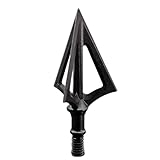
Overview: G5’s Montec Pre-Season practice heads deliver seamless transition for Montec broadhead users. These 100-grain practice points exactly match the dimensions and weight of hunting Montecs, eliminating re-tuning between practice and field use. The one-piece steel construction provides exceptional durability while rounded edges protect targets.
What Makes It Stand Out: The rounded edge design is a standout feature, significantly reducing target wear compared to sharp practice heads. The unique black lubricious coating reduces friction for smoother flight while providing instant visual differentiation from silver hunting Montecs. Multiple weight options (85, 100, 125 grains) accommodate various setups.
Value for Money: The one-piece steel construction ensures these practice heads will last indefinitely, making them a one-time investment for many archers. By perfectly matching hunting dimensions, they eliminate costly re-tuning and sight adjustments. The three-pack provides excellent value for building dedicated practice arrows.
Strengths and Weaknesses: Pros include perfect dimensional matching, exceptional durability, target-friendly rounded edges, and multiple weight options. The coating extends lifespan and improves flight. However, the 1-1/16-inch cut diameter is smaller than many modern broadheads, potentially creating unrealistic flight expectations. Like other brand-specific practice heads, utility is limited to Montec users.
Bottom Line: Essential equipment for G5 Montec hunters. The dimensional accuracy and target-safe design make these perfect for year-round practice. The durable construction justifies the investment many times over. If Montecs are your hunting head of choice, these practice points are mandatory for ethical hunting preparation.
6. Grim Reaper Practice Head for All Std 100Gr RT & RC
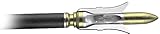
Overview: The Grim Reaper Practice Head is a specialized training tool designed for archers using 100-grain Razortip and Razorcut mechanical broadheads. This practice tip replicates the exact flight characteristics and impact points of its lethal counterpart, allowing hunters to fine-tune their setup without dulling or damaging their actual hunting heads. It’s an essential accessory for serious bowhunters committed to ethical, accurate shots.
What Makes It Stand Out: This practice head’s primary advantage is its identical ballistic profile to live Grim Reaper broadheads. Unlike generic field points that can shift your point of impact, this tool ensures your practice sessions directly translate to field performance. The precision-machined design maintains the same weight distribution and aerodynamic properties, eliminating variables that could compromise your confidence during crucial moments.
Value for Money: While slightly pricier than standard field points, this practice head pays for itself by preserving your expensive hunting broadheads. A single Razortip costs significantly more than this practice version, and using it for target practice accelerates wear on blades and deployment mechanisms. This one-time investment protects your hunting arsenal while providing unlimited realistic practice.
Strengths and Weaknesses: Strengths include perfect ballistic matching, durable construction, and blade-saving design. It builds genuine confidence for hunting season. Weaknesses are its narrow compatibility—useless for non-Grim Reaper users—and limited availability. The specialized nature means you can’t share it with hunting buddies using different broadhead systems, reducing its versatility.
Bottom Line: For dedicated Grim Reaper users, this practice head is non-negotiable. It delivers unparalleled realism in training while safeguarding your investment in premium broadheads. Accept no substitutes if you’re serious about consistent accuracy with this specific system.
7. G5 Montec BMP Archery Durable Versatile Screw-in Practice Broadhead Points for Bow Arrows - for Archery Bow Hunt Trainings | Pack of 3, 125 Grain

Overview: The G5 Montec BMP practice points are engineered as ballistic twins to the renowned Montec broadheads, specifically in 125-grain configuration. This three-pack allows archers to practice year-round without compromising their actual hunting tips. Designed for universal target compatibility including high-density foam, these points deliver consistent performance that directly mirrors your hunting setup’s behavior.
What Makes It Stand Out: G5’s ballistic matching technology sets these apart from generic alternatives. The aerodynamic profile precisely mimics Montec broadheads, ensuring your practice arrows hit exactly where your hunting arrows would. This eliminates frustrating guesswork and last-minute adjustments before season opens. The all-metal construction withstands thousands of shots while maintaining structural integrity across various target types.
Value for Money: At roughly one-third the cost of a single Montec broadhead, this three-pack represents exceptional value. You preserve your sharpened hunting heads while gaining unlimited practice opportunities. The durability ensures they’ll outlast multiple seasons, making them a cost-effective alternative to repeatedly replacing dulled hunting broadheads or buying inferior practice points that don’t match your setup.
Strengths and Weaknesses: Strengths include perfect flight replication, target versatility, robust construction, and brand-specific precision. They’re safe for all target materials and build true hunting confidence. Weaknesses include limited utility for non-G5 users and a higher initial cost compared to universal field points. The 125-grain weight won’t suit archers requiring different configurations.
Bottom Line: G5 Montec users should consider these mandatory equipment. They transform practice sessions into realistic preparation while protecting your investment. The ballistic fidelity justifies every penny for serious hunters demanding perfection from their gear.
8. JGSDD 12pcs Archery Field Points, 100/125/150/300 Grain Field Points, Screw-in Archery Field Broadheads for Recurve, Compound Bow Crossbow, Archery Target Crossbow Practice Tip (5/16-100grain)

Overview: JGSDD offers a comprehensive 12-pack of versatile screw-in field points designed for universal archery applications. These 100-grain, 5/16-inch diameter points feature stainless steel construction with an innovative O-ring system that prevents loosening during repeated impacts. Compatible with recurve bows, compound bows, and crossbows, they provide an economical solution for high-volume practice sessions.
What Makes It Stand Out: The value proposition is undeniable—twelve precision points at a budget-friendly price point. The integrated O-ring design solves a common frustration of points backing out during intense practice. High concentricity ensures consistent flight, while the conical shape facilitates easy removal from foam and cardboard targets without excessive damage, extending target lifespan significantly.
Value for Money: This bulk pack delivers one of the best cost-per-point ratios available. You’re essentially paying less than a dollar per point, making them disposable if damaged yet durable enough for extended use. For archers shooting hundreds of arrows monthly, the savings compared to premium brand-specific practice points are substantial, freeing up budget for other equipment upgrades.
Strengths and Weaknesses: Strengths include exceptional quantity, universal compatibility, anti-loosening O-rings, and easy target extraction. The stainless steel construction resists corrosion. Weaknesses include generic flight characteristics that won’t perfectly match specialized broadheads, potential quality control inconsistencies in bulk manufacturing, and lack of brand-specific ballistic precision for hunting preparation.
Bottom Line: For target archers and recreational shooters prioritizing volume practice over hunting-specific simulation, these points are outstanding. They offer practical functionality and unbeatable value, though serious hunters should pair them with brand-matched practice heads for final tuning.
9. Grim Reaper Practice Head for STD 125Gr, 1 3/8 & 1 1/2" Cut
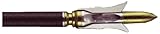
Overview: This Grim Reaper Practice Head serves the 125-grain Razortip and Razorcut mechanical broadhead family, specifically matching the 1 3/8" x 1 1/2" cutting diameter configuration. Archers using this heavier setup can now practice extensively without deploying their actual blades. The practice head duplicates the exact external geometry and weight distribution, ensuring your arrows group identically whether practicing or hunting.
What Makes It Stand Out: The precision engineering maintains identical flight characteristics to the live 125-grain version, which is crucial since heavier broadheads can impact differently than lighter variants. This specificity eliminates the need to re-zero when switching from practice to hunting, a critical advantage during time-sensitive hunting scenarios. The robust construction withstands repeated impacts without deformation.
Value for Money: Investing in this practice head prevents premature wear on your premium mechanical broadheads’ deployment system and blades. Given that a three-pack of actual Grim Reapers costs significantly more, this single practice head pays for itself after just a few avoided blade replacements. It’s a small price for maintaining peak hunting head condition while building essential muscle memory.
Strengths and Weaknesses: Strengths include perfect ballistic matching for 125-grain users, durable one-piece construction, and blade-preserving design. It builds authentic confidence. Weaknesses are its hyper-specific compatibility—useless for 100-grain setups or other brands—and limited availability. The niche application means you’ll need separate practice heads for different broadhead weights in your arsenal.
Bottom Line: If you hunt with 125-grain Grim Reapers, this practice head is essential. It delivers uncompromising realism in training while protecting your investment. Don’t settle for mismatched practice points that could jeopardize your hunt-day accuracy.
10. G5 Montec M3 BMP Archery Durable Versatile Screw-in Off-Season Practice Broadhead Points for Bow Arrows - for Archery Bow Hunt Trainings | Pack of 3, 100 Grain

Overview: The G5 Montec M3 BMP points represent the next evolution in practice head technology, specifically engineered to replicate the Montec M3 broadhead’s unique geometry in 100-grain weight. This three-pack enables off-season and pre-season practice that precisely mirrors your hunting setup’s performance. The M3-specific design addresses subtle aerodynamic differences that could affect point of impact compared to earlier Montec generations.
What Makes It Stand Out: These points are ballistic-matched exclusively to the Montec M3, accounting for its refined blade angles and updated profile. This generation-specific precision ensures that M3 users experience zero variance between practice and hunting. The hardened steel construction survives thousands of shots across all target mediums, while the screw-in design maintains tight tolerances shot after shot without loosening.
Value for Money: While commanding a premium over generic field points, the M3 BMP’s value lies in its specialization. By preserving your sharpened M3 broadheads and eliminating any guesswork about point of impact shift, these practice points prevent costly misses. The three-pack provides enough identical points for proper multi-arrow group testing, essential for tuning modern high-performance bows.
Strengths and Weaknesses: Strengths include M3-specific ballistic fidelity, universal target compatibility, exceptional durability, and confidence-building realism. They maintain zero variance from hunting heads. Weaknesses are the narrow application—ineffective for non-M3 users—and higher cost than universal alternatives. The 100-grain limitation requires separate purchase for those preferring 125-grain setups.
Bottom Line: Montec M3 shooters should treat these as mandatory equipment. The generation-specific matching provides peace of mind that generic practice points cannot. Invest in these to ensure your expensive M3 broadheads remain hunt-ready while you practice with perfect realism.
Understanding High-Volume Practice Broadheads
The Difference Between Practice and Hunting Broadheads
Practice broadheads serve a fundamentally different purpose than their hunting counterparts. While hunting heads prioritize devastating wound channels and maximum hemorrhaging on game, practice heads are engineered for survivability and repeatability. The metallurgy differs significantly—practice heads typically use tougher, less brittle steel alloys that can withstand repeated impacts into foam, bag, or 3D targets without chipping or bending. Blade geometry also diverges; practice heads often feature slightly thicker blade profiles or reinforced tip designs that prevent curling after multiple penetrations. Understanding this distinction prevents the costly mistake of burning through your expensive hunting heads during routine training sessions.
Why Standard Broadheads Aren’t Ideal for Repetitive Shooting
Standard hunting broadheads simply aren’t built to survive dozens of impacts. Their razor-honed edges, designed to slice through hide and tissue, roll over or nick immediately upon hitting dense target materials. The micro-serrations and hair-splitting sharpness that make them lethal on game become liabilities in practice, requiring constant resharpening or replacement. Additionally, the lightweight ferrules and thin blades that contribute to field-point-like flight characteristics can deform under repeated stress, throwing off your tune and creating dangerous stress fractures. This degradation happens subtly—your groups might look fine while microscopic damage accumulates, leading to catastrophic failure when you need reliability most.
Key Features for Value-Focused Practice Broadheads
Durability and Material Construction
The cornerstone of any value-oriented practice broadhead is its material composition. Look for 420 stainless steel or carbon steel ferrules rather than cheaper aluminum options that compress and deform. Blade steel should be heat-treated to a slightly lower Rockwell hardness than hunting heads—around 50-54 HRC instead of 58-62 HRC—providing the toughness needed to survive impact without the brittleness that causes chipping. Some manufacturers now offer practice heads with replaceable blade inserts made from tool-grade steel, allowing you to swap worn edges while retaining the perfectly tuned ferrule. Pay attention to ferrule diameter too; slightly oversized ferrules (compared to your hunting heads) add structural integrity and prevent wobbling after repeated use.
Blade Retention and Replacement Systems
Modern practice broadheads increasingly feature tool-less blade replacement systems that let you swap dull edges in seconds without losing your tune. These systems use precision-machined slots with spring-loaded retention clips or magnetic holders that maintain consistent blade alignment shot after shot. For high-volume shooters, this design is invaluable—instead of discarding an entire head when blades dull, you replace just the consumable component at a fraction of the cost. Evaluate how securely blades lock into place; any wobble or play will introduce flight inconsistencies that defeat the purpose of practice. The best systems allow blade tension adjustment, letting you fine-tune the retention force based on your draw weight and target density.
Weight Consistency and Tuning Stability
Weight variance between identical broadheads destroys group consistency and makes tuning a moving target. Premium practice heads maintain tolerances within ±1 grain across the entire production run, ensuring your 100-grain practice head truly weighs 100 grains, not 98 or 103. This consistency extends to the overall length and blade orientation—heads should spin true on an arrow spinner without wobble. Some designs incorporate adjustable weight systems using threaded inserts or washers, letting you match your practice heads precisely to your hunting broadheads down to the half-grain. For high-volume practice, this tunability means you can practice with identical setups without maintaining two completely different arrow configurations.
Ease of Sharpening and Maintenance
Even practice heads need occasional refreshing, and designs that facilitate quick, effective sharpening save time and money. Look for blade geometries with flat bevels rather than complex convex or hollow grinds—flat bevels take minutes to restore with a diamond stone versus hours of careful work. Some practice heads feature slightly dulled factory edges intentionally; these “semi-sharp” blades penetrate targets smoothly without the grabby, target-destroying bite of razor edges, and they’re easier to maintain. Consider whether the head design allows blade removal for bench sharpening versus requiring you to work around the ferrule. Detachable blade systems win here, letting you clamp blades securely in a vise for perfect, repeatable edge geometry.
Types of Broadheads for Practice
Fixed-Blade Broadheads for Repetitive Use
Fixed-blade practice heads offer unmatched simplicity and durability for high-volume shooting. Their one-piece or screw-together construction eliminates moving parts that can loosen or fail. For practice purposes, consider models with slightly blunted or reinforced tips that resist curling when hitting target stakes or internal frame structures. Three-blade designs typically provide better target penetration consistency than two-blade heads, as they’re less prone to planing or steering off-course in dense foam. The key is selecting fixed heads with blade thickness around .030" to .040"—thick enough to survive impact but thin enough to mimic the flight of your hunting heads. Many archers find that practicing with slightly larger fixed blades actually improves their form, as any torque or release inconsistencies become immediately visible in wider groups.
Mechanical Broadheads: Pros and Cons for Practice
Practicing with mechanical heads presents unique challenges and opportunities. While you can certainly practice with your actual hunting mechanicals, the cost becomes prohibitive quickly, and deploying blades into targets destroys both the blades and often the target itself. Practice-specific mechanical heads use dummy blades that don’t deploy or feature locking mechanisms that keep them closed upon impact. These training versions let you verify flight characteristics and point-of-impact shift without the expense of real deployable heads. However, they introduce a variable—if your practice mechanical doesn’t have identical weight distribution to your hunting version, you’re not truly practicing with the same setup. The solution lies in mechanical heads with replaceable blade kits and practice collars that convert the same ferrule between live and training configurations.
Hybrid Designs and Their Place in Training
Hybrid broadheads, combining fixed and mechanical elements, have carved out a niche in practice scenarios. These heads typically feature small fixed blades with mechanical wings that deploy for larger cutting diameters. For practice, you can often remove the mechanical components and shoot just the fixed portion, giving you a durable trainer that shares the same ferrule and weight distribution as your hunting setup. This modularity is perfect for high-volume shooters who want to practice with their actual hunting arrows without destroying expensive blades. When evaluating hybrids for practice, prioritize designs where the fixed blade portion is substantial enough to serve as a standalone practice head—some hybrids have such small fixed blades that they’re useless for training without the mechanical deployment.
Specialty Practice Heads and Simulation Blades
The market now includes heads designed exclusively for practice that simulate broadhead flight without any cutting ability. These include blunt-tip heads with identical weight and profile to broadheads, or heads with wireform blades that provide wind resistance without slicing targets. While these extend target life dramatically and cost very little per shot, they don’t help you practice the most critical aspect of broadhead shooting—knowing how real blades affect penetration and arrow recovery. The best approach uses these specialty heads for initial tuning and form work, then transitions to actual (dulled) broadheads for final validation. Some innovative designs feature retractable blades that tuck into the ferrule upon impact, reducing target damage while still providing realistic blade presence during flight.
Evaluating Cost-Effectiveness
Price Per Shot Calculations
True value emerges when you calculate cost over the lifespan of a broadhead, not just the purchase price. A $15 head that survives 50 shots costs $0.30 per shot, while a $6 head that breaks after 5 shots costs $1.20 per shot. Factor in target replacement costs too—aggressive broadheads shred targets faster, adding hidden expense. For high-volume practice, a head that costs twice as much but lasts ten times longer delivers far superior value. Track your actual shot count on practice heads by marking them with a permanent marker tick after each session. Most quality practice heads survive 75-150 impacts before requiring blade replacement, with ferrules lasting indefinitely if undamaged. This longevity math should drive your purchasing decisions more than sticker price alone.
Longevity vs. Initial Investment
The relationship between upfront cost and total lifespan follows a predictable curve in practice broadheads. Budget heads under $8 each typically use softer steel and simpler retention systems, showing measurable wear after 15-20 shots. Mid-range heads ($10-15) hit the sweet spot for most shooters, offering hardened steel blades and replaceable components that push lifespan past 100 shots. Premium practice heads ($18-25) justify their cost through exotic materials like titanium ferrules or carbide-reinforced tips that survive thousands of impacts. For shooting 50+ arrows weekly, the premium heads actually cost less per shot than constantly replacing budget options. Consider your annual arrow volume—if you’re shooting 2,000 practice arrows yearly, a $20 head that lasts 500 shots costs $0.04 per shot, while replacing $8 heads every 50 shots costs $0.16 per shot, plus the time spent constantly swapping and retuning.
Bulk Purchase Strategies for 2026
Smart purchasing in 2026 means looking beyond single-pack pricing. Many manufacturers offer practice-specific bulk packs of 6, 12, or even 50 heads at significant discounts—often 30-40% less per head than individual packaging. These bulk offerings frequently include replacement blade kits and storage cases, adding value. Consider splitting a bulk order with shooting buddies to access tiered pricing without overstocking personally. Watch for preseason sales cycles; late winter (February-March) typically sees deep discounts as retailers clear inventory before new model year releases. Some archery pro shops offer “practice head subscriptions” where you pay a monthly fee and receive fresh blades quarterly—this model ensures you always have sharp edges while spreading costs predictably. For maximum savings, purchase unsharpened practice heads and finish the edges yourself; unsharpened heads cost 20-25% less and allow you to customize edge geometry to your preference.
Warranty and Replacement Programs
The best value often comes from companies backing their products with robust warranties. Look for practice heads with at least a one-year warranty against manufacturing defects and a 30-day satisfaction guarantee. More importantly, evaluate blade replacement program availability—some manufacturers sell replacement blade packs at cost ($2-3 per set) or offer free blade replacement for the first year. These programs dramatically reduce long-term ownership costs. Check whether the company requires original purchase receipts or uses a registration system; registered products sometimes receive lifetime blade discounts. For high-volume shooters, warranty terms should weigh heavily in purchasing decisions—a company that stands behind practice heads understands they need to survive real use, not just look good in packaging.
Performance Factors to Consider
Flight Characteristics and Consistency
A practice broadhead must fly identically to your hunting heads, or you’re training for a different sport entirely. Evaluate this by shooting practice heads and field points at 40+ yards; any deviation beyond 2-3 inches indicates a flight issue. The practice head’s center of pressure should match your hunting head—this means blade surface area, ferrule length, and tip profile need to be comparable. Some shooters find that practice heads with slightly larger blades actually improve hunting accuracy, as they magnify form flaws that field points hide. Test this by shooting in varying wind conditions; a good practice head maintains consistent point-of-impact regardless of breeze, proving its aerodynamic stability. Record your groups over multiple sessions; practice heads that produce erratic flyers after 20-30 shots likely have retention issues causing blade shift.
Penetration Simulation on Various Targets
Different target materials interact with broadheads in unique ways, and your practice heads should perform consistently across them. Foam targets grab blades aggressively, while bag targets allow deeper penetration but can cause blade bending if you hit internal frames. 3D targets with foam layers simulate animal resistance but wear quickly with sharp edges. The ideal practice head penetrates smoothly without requiring excessive force to extract, yet doesn’t damage the target excessively. Test extraction force by measuring the pounds of pull needed to remove an arrow—consistent extraction indicates consistent penetration dynamics. If extraction force varies wildly shot to shot, your head is likely deforming or your target is developing hard spots. For realistic practice, your target should stop arrows within 8-12 inches of penetration, mimicking typical game penetration; adjust target density or practice head sharpness to achieve this sweet spot.
Noise and Vibration Differences
Broadheads whistle, hum, and vibrate differently than field points due to blade turbulence. This acoustic signature affects animal behavior in hunting scenarios but also indicates aerodynamic efficiency. Practice heads should produce similar noise levels to hunting heads—if they’re significantly louder, they’re likely creating more drag and will impact lower. Listen for high-pitched whistling that indicates poor blade alignment or rough edges; properly tuned heads produce a low-frequency hum. Vibration upon release also differs; broadheads amplify any arrow spine issues, and practice heads must replicate this feedback so you can identify and correct problems. Shoot bare-shaft tests with practice heads; if they plane or oscillate visibly, your arrow spine is likely mismatched, a problem field points might mask. This vibration analysis is crucial for high-volume practice, as shooting thousands of arrows with poorly matched components can ingrain bad form.
Compatibility with Your Setup
Your practice heads must thread perfectly onto your arrow shafts without adapters or modifications that add weight or length. Check that the ferrule’s insert diameter matches your hunting heads exactly—variations as small as .005" can shift point-of-impact. For deep-six or micro-diameter shafts, ensure practice heads are available in the correct thread size; using adapters introduces failure points and weight inconsistencies. Consider your arrow’s front-of-center (FOC) balance; practice heads should match your hunting heads’ weight to maintain identical FOC percentages. Some shooters keep separate practice arrows with identical spine but slightly heavier practice heads to compensate for target resistance differences—this advanced tuning ensures your hunting arrows hit exactly where expected. Test compatibility by spin-testing arrows with practice heads installed; any wobble indicates poor thread engagement or ferrule concentricity issues that will destroy accuracy.
Target Considerations for Broadhead Practice
Best Target Types for Prolonged Broadhead Use
Not all targets survive broadhead practice equally. Layered foam targets with high-density faces and lower-density cores stop arrows effectively while allowing easy extraction. Look for targets rated for broadhead use with replaceable face sections; these extend overall target life dramatically. Bag targets filled with synthetic fiber or cloth scraps work well for practice heads but require regular rotation to prevent hard spots. Avoid targets with internal metal frames or straps—broadheads catch these and either deform or become dangerous projectiles upon extraction. For high-volume shooting, consider building a dedicated broadhead target using compressed cardboard or carpet squares; these DIY solutions cost pennies compared to commercial targets and can be rebuilt infinitely. The key is matching target density to your setup; too soft and arrows penetrate excessively, too hard and you risk damage to both heads and arrows.
Target Longevity and Broadhead Impact
Every broadhead impact degrades target material, but design choices affect degradation rates. Practice heads with slightly rounded or dulled edges separate foam fibers rather than slicing them cleanly, preserving target integrity. Blade width also matters; narrower blades (under 1" cutting diameter) extend target life by 40-60% compared to wide 1.5"+ heads. Rotate your target faces religiously—shooting the same spot concentrates damage and creates hard spots that destroy broadheads. Some shooters use target pasters or sticky dots to mark aiming points, distributing wear across the entire face. Monitor target temperature; shooting into frozen targets in winter or sun-baked targets in summer accelerates wear and creates unpredictable penetration. For maximum longevity, store targets indoors between sessions and cover them with tarps when not in use to prevent UV degradation and moisture absorption.
DIY Target Solutions for Budget Shooters
High-volume practice demands economical target solutions, and DIY options deliver exceptional value. The classic compressed cardboard target, built from stacked appliance boxes compressed between plywood sheets with all-thread rods, costs under $30 and stops broadheads effectively. Replace the front 6-8 inches of cardboard periodically as it wears. Another proven design uses rolled carpet scraps stood on end in a wooden frame; the carpet fibers self-heal around entry holes, providing hundreds of shots before replacement. For a portable solution, fill a heavy-duty canvas bag with shrink wrap or plastic film collected from shipping departments—this material stops arrows without passing through and costs nothing. Always back DIY targets with a plywood safety backstop, and inspect them frequently for pass-throughs or hard spots. These homemade solutions not only save money but allow you to customize target size and density to your specific practice needs.
Target Maintenance to Extend Lifespan
Commercial targets require maintenance to survive high-volume broadhead practice. For foam targets, regularly rotate the block to distribute wear evenly across all six faces. Every 100 shots or so, use a target wrench to tighten the compression bolts on layered foam targets, maintaining consistent density. Bag targets need periodic fluffing—empty the fill material, break up compacted clumps, and redistribute it evenly before restuffing. This simple maintenance can double target life. For 3D targets, apply foam-safe sealant to entry holes after each session to prevent them from enlarging. Some archers spray target faces with silicone lubricant, which reduces friction and allows broadheads to penetrate more smoothly, decreasing target wear. Keep a target repair kit handy with foam patches, adhesive, and replacement face material; addressing damage immediately prevents small issues from becoming total target failure.
Tuning and Setup for Practice Sessions
Arrow Tuning with Practice Broadheads
Tuning arrows for broadhead flight differs fundamentally from field point tuning. Start by paper-tuning with practice heads installed; you’re looking for a clean bullet hole with three distinct blade tears, not just the point. If tears are uneven, adjust arrow rest position incrementally—broadheads amplify rest misalignment dramatically. Once paper-tuned, move to bare-shaft testing at 20 yards; a properly tuned arrow with a practice head should impact within 3 inches of a fletched arrow. If bare shafts impact left or right, adjust spine stiffness or point weight. For high-volume practice, check tune weekly; repeated impacts can loosen inserts or shift components, gradually degrading flight. Keep a dedicated set of “tuning arrows” with practice heads that you never shoot into targets—use these only for paper and bare-shaft tests to preserve their perfect condition as a baseline reference.
Weight Matching to Hunting Broadheads
Precision practice requires your practice heads match hunting head weight to the grain. Use a grain scale to weigh every practice head and hunting head, then sort them into matched sets. If your hunting heads average 100.3 grains, your practice heads should be within ±0.5 grains of this weight. For shooters using different weight heads for different game (e.g., 100-grain for deer, 125-grain for elk), maintain separate practice sets for each weight to build specific muscle memory. Some archers add small adhesive weights to practice heads to achieve perfect matching; this works but requires periodic verification as weights can shift. Consider that arrow weight affects spine reaction; practicing with heavier heads than you hunt with builds strength but changes impact points. The gold standard is identical weight, identical FOC, identical flight.
Group Testing and Consistency Checks
Validate your practice setup through structured group testing. Shoot three-arrow groups at 20, 40, and 60 yards with both practice heads and field points. Measure the distance between group centers—this is your point-of-impact shift. A well-matched practice head should shift less than 2 inches at 60 yards; larger shifts indicate tuning issues or incompatible design. Shoot these groups in varying conditions: morning calm, afternoon thermals, and evening wind. Document group sizes over time; if your 40-yard groups open from 3 inches to 5 inches after 50 shots, your practice heads are degrading and affecting consistency. For high-volume shooters, conduct this full test protocol monthly, and a brief version (20 and 40 yards only) weekly. This disciplined approach catches problems before they become habits, ensuring every practice arrow builds proper muscle memory.
Recording and Analyzing Practice Data
Serious high-volume practice demands data tracking to identify trends and measure improvement. Keep a logbook (digital or paper) recording date, arrow number, practice head condition, distance, group size, and environmental conditions for each session. Note when you replace blades or retire heads—this builds your personal cost-per-shot database. Photograph target faces periodically to visualize wear patterns and group drift. Some shooters number each practice arrow and track its individual performance, identifying arrows that consistently fly differently due to subtle damage or manufacturing variance. This data reveals the true lifespan of your practice heads and validates (or invalidates) your purchasing decisions. Over a season, you’ll discover which head designs maintain consistency longest and which degrade quickly, informing future buying choices far more effectively than any review or recommendation.
Maintenance and Care
Proper Cleaning After Practice Sessions
Broadhead practice creates metal fouling and target material buildup that degrades performance if left unchecked. After each session, remove heads from arrows and wipe them down with a cloth dampened with isopropyl alcohol. This dissolves foam residue and prevents rust. Inspect the ferrule threads for target material packing; use a brass brush to clean threads gently without damaging them. For heads with blood grooves or vented blades, use compressed air to blow out compacted debris—these channels affect flight if clogged. Dry heads thoroughly before storage; even stainless steel can develop surface rust in humid environments. Some shooters apply a light coat of gun oil to heads before storage, but wipe it off completely before shooting to prevent target contamination. This 5-minute cleaning routine extends head life by 50% or more and ensures consistent performance from session to session.
Sharpening Techniques for Reusable Blades
Practice heads require periodic refreshing, but sharpening them like hunting heads is counterproductive. Use a medium-grit diamond stone (400-600 grit) to restore a working edge rather than a razor edge—this “utility sharp” penetrates targets smoothly without the aggressive bite that destroys target material. Maintain the original bevel angle precisely; changing angles alters blade profile and affects flight. For replaceable-blade heads, consider sharpening only the primary bevel, leaving the micro-bevel factory-fresh to maintain geometry. Test sharpness by shaving arm hair; if it removes hair with light pressure, it’s sharp enough for practice. Over-sharpening thins blades prematurely, reducing lifespan. Establish a schedule—sharpen after every 25 shots rather than waiting for visible dulling. This preventive approach removes minimal material each time, maximizing total blade life. Invest in a quality sharpening jig to maintain consistent angles across all blades; freehand sharpening introduces variance that affects group consistency.
Storage Solutions to Prevent Damage
How you store practice heads significantly impacts their lifespan. Never toss loose heads into a box where blades contact each other—this creates nicks and dulls edges. Use compartmentalized storage boxes with individual slots for each head, or keep them installed on dedicated practice arrows in a vertical quiver. For replaceable-blade heads, store blades in their original packaging or in blade-specific holders that protect edges. Control humidity in your storage area; a small dehumidifier in your archery closet prevents rust on even stainless steel components. Temperature fluctuations cause condensation, so avoid storing heads in unheated garages or sheds. Some shooters use vacuum-sealed bags with silica gel packets for long-term storage of spare blades. Label everything with purchase dates; this rotation system ensures you use older stock first and prevents forgetting heads that have sat for years and potentially degraded.
When to Retire a Practice Broadhead
Knowing when to discard a practice head prevents equipment failures and maintains safety. Retire any head that shows visible cracks in the ferrule, bent blades that won’t straighten, or stripped threads that won’t tighten securely. Blades that have been sharpened past their safe minimum thickness—typically when the bevel extends more than halfway to the blade’s spine—should be replaced. If a head produces unexplained fliers despite perfect tune on other arrows, microscopic damage is likely affecting flight; retire it. Keep a “retirement log” noting why each head was discarded—this data reveals failure patterns and helps you avoid problematic designs. For high-volume shooters, establish a schedule: retire and inspect heads after every 100 shots, even if they look fine. This preventive approach costs far less than a damaged arrow or, worse, a bow damaged by a failed head coming loose upon release.
Safety Protocols for High-Volume Shooting
Range Setup for Repetitive Broadhead Use
Dedicated broadhead practice requires a specialized range setup for safety and efficiency. Your backstop must be rated for broadheads—standard field point backstops may allow pass-throughs. Create a minimum 20-yard clear zone behind your target free of people, pets, and property. Use a secondary backstop like layered plywood or rubber belting behind your primary target to catch any arrows that penetrate completely. Establish a defined shooting lane with clear boundaries; broadheads can deflect unpredictably if they glance off target frames or stakes. For high-volume sessions, set up multiple targets at different distances to vary your shooting angle and prevent target wear concentration. Always shoot from an elevated platform if you hunt from trees; practicing only from ground level builds different muscle memory. Your range should have a safe arrow retrieval path that doesn’t require walking in front of other shooters or across potential ricochet zones.
Inspection Routines Before Each Session
Pre-session inspection prevents accidents and equipment damage. Check every practice head for loose blades, cracked ferrules, or bent tips—any compromised head gets set aside immediately. Spin-test each arrow with the head installed; wobbling indicates loose heads or damaged inserts. Inspect arrow shafts for cracks, especially near the insert, as broadhead impacts stress this area more than field points. Verify that your target is stable and won’t tip or shift when hit; a falling target can cause arrow damage and dangerous rebounds. Check your backstop for wear or holes that could allow pass-throughs. For mechanical practice heads, ensure any locking mechanisms function properly to prevent blade deployment. This 10-minute inspection routine takes little time but catches 99% of potential failures before they become dangerous. Make it non-negotiable, like checking your harness before climbing.
Handling and Transport Safety
Broadheads, even practice-dulled ones, demand respect during handling. Always use a specialized broadhead wrench when installing or removing heads—fingers slip and blades cut. Transport practice arrows in a hard case with head covers installed; never leave bare heads exposed in a vehicle where sudden stops turn them into projectiles. When pulling arrows from targets, grasp the shaft behind the head, not the head itself, and pull straight out with a firm, steady motion—yanking sideways can snap heads off inside the target. Keep a first aid kit with tourniquet accessible during practice; even dulled broadheads can cause serious lacerations. For group practice sessions, establish a “head call” system where shooters verbally confirm heads are secure before drawing. Never walk downrange with arrows nocked or bows drawn. These protocols become second nature with repetition and separate responsible archers from accident statistics.
Common Failures and How to Avoid Them
High-volume practice reveals failure modes that occasional shooters never encounter. The most common is blade loosening from vibration—prevent this with a drop of removable thread locker on blade retention screws, checking tightness every dozen shots. Ferrule bending occurs when hitting target frames; avoid this by using larger targets and improving your accuracy. Blade tip curling happens on hard targets; rotate to softer targets or use heads with reinforced tips. Insert pull-out is catastrophic and results from repeated broadhead impacts stressing the arrow front; prevent it by using high-quality inserts installed with two-part epoxy and allowing full cure time. Perhaps most dangerous is the “hidden crack”—a ferrule that develops an internal fracture from repeated impacts and fails upon release, sending the head flying backward. Avoid this by retiring heads after their rated lifespan and never shooting heads that have hit rocks, metal, or other hard objects, even if they look fine. When in doubt, throw it out—your safety is worth more than a $15 head.
Looking Ahead: 2026 Trends
Emerging Materials and Manufacturing
The broadhead landscape in 2026 continues evolving with materials borrowed from aerospace and medical industries. Expect to see more practice heads utilizing injection-molded carbon fiber composites for ferrules, offering metal-like strength at half the weight and with infinite corrosion resistance. These materials also dampen vibration better than steel, potentially improving flight consistency. Additive manufacturing (3D printing) is entering the practice head space, allowing custom blade geometries optimized for specific target types or shooting styles. While currently premium-priced, printed heads promise perfect weight consistency since each is individually produced and verified. Some manufacturers are experimenting with self-lubricating polymer coatings on blades that reduce target friction and extend both head and target life. These materials represent a shift from traditional metal heads toward engineered solutions that prioritize practice-specific performance over hunting lethality.
Smart Technology Integration
Technology is infiltrating practice broadheads in subtle but useful ways. Embedded micro-chips can now track shot count, impact force, and even head rotation during flight, syncing data to your smartphone via Bluetooth. This eliminates guesswork about when to replace blades or retire heads. Some designs incorporate color-changing coatings that signal when blades have been sharpened past safe limits. Expect to see practice heads with built-in alignment marks that help you install blades perfectly consistently, reducing setup variance. While these features add cost, they provide data-driven insights that high-volume shooters can leverage to optimize practice efficiency. The key is distinguishing gimmicks from genuinely useful metrics—shot count tracking provides clear value, while gimmicks like LED-lit ferrules offer little practical benefit. Focus on technology that answers questions you already have about your equipment’s condition and performance.
Environmental Considerations
Sustainability is driving innovation in practice head design. Manufacturers are moving toward recyclable blade materials and ferrules made from reclaimed steel, reducing environmental impact. Some companies now offer blade recycling programs where you return worn blades for credit toward replacements, keeping sharp metal out of landfills. Packaging is shifting to minimal, biodegradable materials rather than plastic clamshells. For the environmentally conscious shooter, these programs add value beyond cost savings. Additionally, practice heads that extend target life indirectly reduce waste—fewer shredded targets mean less foam in landfills. When evaluating heads for 2026, consider the manufacturer’s environmental policies as part of the total value proposition. A slightly more expensive head from a company with strong sustainability practices may align better with the values of hunters who are inherently conservation-minded.
Community Insights and Field Testing
The archery community has become a powerful force in product development through crowdsourced testing and transparent review platforms. Manufacturers now release beta versions of practice heads to select high-volume shooters, incorporating feedback before final production. This means 2026 models benefit from real-world validation by shooters sending 500+ arrows monthly. Participate in these programs when possible; you get early access to innovative designs and influence product development. Online forums and social media groups dedicated to broadhead testing provide unbiased, long-term performance data that marketing materials never reveal. Look for shooters with similar setups and shooting volumes to yours—their experiences predict your results more accurately than any generic review. This community-driven information ecosystem helps you make informed decisions and avoid investing in heads that work for casual shooters but fail under high-volume use.
Frequently Asked Questions
How many practice shots can I expect from a quality practice broadhead?
A well-built practice broadhead typically delivers 75-150 shots before requiring blade replacement, with the ferrule lasting indefinitely if undamaged. Heads with replaceable blades can see ferrule lifespans exceeding 500 shots when blades are changed as needed. Factors affecting lifespan include target type, draw weight, and whether you rotate heads to distribute wear evenly.
Should I practice with the exact same weight as my hunting broadheads?
Absolutely. Weight variations as small as 2-3 grains noticeably shift point of impact, especially beyond 40 yards. Use a grain scale to match practice heads to your hunting heads within ±0.5 grains for optimal consistency. Different weights also change your arrow’s spine reaction and FOC, building muscle memory for a setup you won’t use in the field.
Are mechanical broadheads worth practicing with, or should I stick to fixed blades for training?
Practice with whatever you hunt with. If you use mechanicals, invest in practice-specific versions or locking collars that prevent blade deployment. However, supplement mechanical practice with fixed-blade training—the larger blades magnify form flaws, accelerating skill development. Many shooters practice 80% with fixed heads for form work, then verify with mechanicals before season.
How do I prevent practice broadheads from destroying my targets so quickly?
Use heads with slightly dulled edges or narrower cutting diameters (under 1") for routine practice. Rotate target faces every dozen shots to distribute wear, and consider using layered cardboard or carpet DIY targets for high-volume sessions. Applying silicone spray to target faces reduces friction and extends life by 30-40%.
Can I sharpen practice broadheads the same way as hunting heads?
No. Practice heads need a “utility edge” (400-600 grit) rather than a razor edge. Over-sharpening thins blades prematurely and increases target damage. Use a medium diamond stone to refresh edges every 25 shots, maintaining the original bevel angle. Replace blades when sharpening removes more than half the bevel width.
What’s the safest way to remove arrows from targets after broadhead practice?
Grip the arrow shaft firmly behind the head, keep the arrow perpendicular to the target face, and pull straight out with steady pressure. Avoid twisting or yanking sideways, which can snap heads off inside the target. Wear cut-resistant gloves and stand to the side of the arrow’s path in case the head releases unexpectedly.
How often should I inspect my practice broadheads for damage?
Inspect every head before each shooting session. Look for loose blades, bent tips, cracked ferrules, or stripped threads. Spin-test arrows with heads installed to check for wobble. After any impact with a hard object (frame, stake, ground), retire that head immediately even if it appears fine—microscopic cracks can cause catastrophic failure.
Is it better to buy cheap practice heads frequently or expensive ones that last longer?
For high-volume shooting (50+ arrows weekly), premium heads cost less per shot. A $20 head surviving 500 shots costs $0.04 per shot, while a $6 head lasting 50 shots costs $0.12 per shot. The math favors durability. Plus, premium heads maintain consistency longer, preventing the tuning drift that cheap heads develop after a few dozen shots.
Can I use my hunting broadheads for practice if I’m careful?
You can, but it’s economically unwise. Hunting heads are engineered for lethal performance, not durability. Their razor edges dull immediately on target impact, and repeated use creates stress fractures that can cause in-flight failure. Save hunting heads for final validation and hunt preparation; use dedicated practice heads for routine training.
What should I do with worn-out practice broadheads?
Many manufacturers offer blade recycling programs—return them for credit toward replacements. Otherwise, wrap blades in tape and dispose of them in metal recycling to prevent injury. Ferrules in good condition can be kept for potential reuse if replacement blades become available. Never throw loose broadheads in general trash where they could injure waste handlers.
Related Buying Guides
- 10 Best Budget Broadheads Under $30 for Practice and Hunting in 2026
- 10 Best Value High Penetration Broadheads for Thick-Boned Game in 2026
- 10 Affordable Broadheads That Don’t Sacrifice Quality in 2026
- 10 Affordable Crossbow Broadheads That Don’t Sacrifice Quality in 2026
- 10 Affordable Mechanical Broadheads That Don’t Sacrifice Quality in 2026