Table of Contents
Planning a group camping adventure requires gear that balances comfort, durability, and smart budgeting. When you’re responsible for sheltering six people, choosing the right tent becomes a critical decision that can make or break your outdoor experience. The market for 2026 has evolved significantly, with manufacturers focusing on innovative materials and designs that deliver more livable space without the premium price tags of previous years.
Understanding what constitutes true “value” in a 6-person tent goes far beyond the sticker price. Today’s savvy campers recognize that the best investment considers weather protection, setup convenience, ventilation technology, and long-term durability. Whether you’re a family of four wanting extra room, a group of friends heading to a music festival, or car campers prioritizing comfort over ultralight weight, knowing which features matter most helps you navigate the options confidently.
Top 10 6-Person Tents for Group Camping
Detailed Product Reviews
1. UNP Tents 6 Person Waterproof Windproof Easy Setup,Double Layer Family Camping Tent with 1 Mesh Door & 5 Large Mesh Windows -10’X9’X78in(H) (Dark Blue)

Overview: The UNP 6-Person Tent in Dark Blue offers a spacious 90-square-foot interior measuring 10’x9’ with a generous 78-inch center height. Designed for family car camping, this double-layer dome tent accommodates two air mattresses or six sleeping bags comfortably. Weighing 18 pounds and packing into a compact 24.6" carry bag, it balances interior space with transportability for campsite deployments.
What Makes It Stand Out: The standout feature is the exceptional 78-inch peak height, allowing most adults to stand upright for dressing. The five-minute setup time with two people (or ten minutes solo) requires no specialized skills. Five large mesh windows plus a mesh ceiling create exceptional cross-ventilation, while the full mesh door provides panoramic views. Four steel leg poles and a rectangular roof structure enhance stability in windy conditions.
Value for Money: Positioned in the mid-range family tent category, this UNP model delivers solid weather protection with its polyurethane hydrostatic coating and robust steel frame. The included one-year unconditional warranty and responsive 12-hour customer service support add significant peace of mind, making it a reliable investment for regular family campers.
Strengths and Weaknesses: Strengths include superior headroom, excellent ventilation, straightforward assembly, and strong warranty coverage. The 18-pound weight may challenge backpackers but suits car camping perfectly. Dark blue color absorbs more solar heat in direct sunlight. The steel poles provide durability but add weight compared to aluminum alternatives.
Bottom Line: This UNP tent excels for families prioritizing interior space and setup simplicity for car-based camping trips. While not ultralight, its weather resistance, ventilation, and warranty make it a dependable choice for seasonal outdoor adventures.
2. FanttikOutdoor Zeta C6 Pro Camping Tent 6 Person Instant Cabin Tent Setup in 60 Seconds with Rainfly & Windproof Portable with Carry Bag for Family Camping & Hiking, Khaki

Overview: The FanttikOutdoor Zeta C6 Pro redefines instant camping convenience with its revolutionary 60-second cabin-style setup. Measuring 120"x108" with a 66-inch ceiling, this 16.8-pound tent comfortably houses six people or a queen air mattress. The pre-installed pole system eliminates assembly frustration, making it ideal for novice campers or quick weekend getaways.
What Makes It Stand Out: True instant setup with pre-attached poles transforms campsite deployment. Premium SBS zippers deliver buttery-smooth operation, while B3 mesh yarn provides superior durability and insect protection. The integrated power cord entrance enables electrical access, and interior mesh pockets organize essentials. Floor vents and four-side mesh windows optimize airflow, while the ceiling mesh panel reveals starry night views.
Value for Money: Though commanding a premium price, the C6 Pro justifies cost through time-saving design, lighter weight, and superior materials. The carbon structural steel frame balances strength and portability, while removable canopy and adjustable guy lines enhance wind resistance. For frequent campers, the 60-second setup alone warrants the investment.
Strengths and Weaknesses: Strengths include unmatched setup speed, lighter 16.8-pound weight, premium hardware, and power accessibility. The 66-inch height, while standable, trails some competitors. Cabin designs can be less stable in extreme winds than dome structures. Premium pricing may deter budget-conscious buyers.
Bottom Line: Perfect for campers valuing speed and convenience above all, the Zeta C6 Pro delivers professional-grade features in a user-friendly package. The premium build and instant setup make it worth the extra cost for regular outdoor enthusiasts.
3. UNP Tents 6 Person Waterproof Windproof Easy Setup,Double Layer Family Camping Tent with 1 Mesh Door & 5 Large Mesh Windows -10’X9’X78in(H) Gray
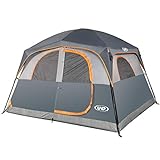
Overview: The UNP 6-Person Tent in Gray provides the same spacious 90-square-foot interior as its sibling models, measuring 10’x9’ with a commanding 78-inch peak height. This double-layer dome tent accommodates families or groups of six with room for two air mattresses or sleeping bags. At 18 pounds with a 24.6" packed size, it’s optimized for vehicle-based camping excursions.
What Makes It Stand Out: The 78-inch center height remains a class-leading feature, enabling comfortable standing movement inside. Setup requires just five minutes with two people, or ten minutes solo, using four steel leg poles and a rectangular roof design that enhances structural integrity. The gray colorway offers practical benefits, reflecting sunlight better than darker shades to maintain cooler interior temperatures on hot days.
Value for Money: This mid-range tent delivers reliable weather protection through polyurethane hydrostatic coating and robust steel construction. The comprehensive one-year unconditional warranty and 12-hour customer service response demonstrate manufacturer confidence. For families camping multiple seasons, the combination of space, ventilation, and support provides strong ROI.
Strengths and Weaknesses: Strengths include exceptional headroom, five mesh windows plus ceiling for superior airflow, straightforward pitching, and strong warranty backing. The 18-pound weight suits car camping but limits backpacking applications. Steel poles ensure durability at the cost of added weight. Gray fabric shows dirt less than lighter colors while reflecting heat effectively.
Bottom Line: The UNP Gray variant excels for families seeking maximum interior volume and rapid deployment for car camping. Its heat-reflective color, weather resistance, and warranty make it a smart choice for summer camping and extended outdoor stays.
4. UNP Tents 6 Person Waterproof Windproof Easy Setup,Double Layer Family Camping Tent with 1 Mesh Door & 5 Large Mesh Windows -10’X9’X78in(H) (Dark Green)

Overview: The UNP 6-Person Tent in Dark Green delivers a generous 90-square-foot footprint at 10’x9’ with an impressive 78-inch center height for full standing comfort. This double-layer dome shelter houses six campers or two air mattresses easily, weighing 18 pounds and packing into a 24.6-inch carry bag for convenient vehicle transport to established campsites.
What Makes It Stand Out: The remarkable 78-inch peak height differentiates this tent from typical dome designs, creating a more livable interior space. The forest-green colorway blends naturally into woodland environments for discreet camping. Five mesh windows and a mesh ceiling maximize ventilation and stargazing opportunities, while the four-pole steel frame with rectangular roof geometry provides robust wind resistance.
Value for Money: As a mid-priced family tent, this model offers excellent utility through its polyurethane waterproof coating and sturdy steel construction. The included one-year unconditional warranty and responsive customer service add tangible value. For regular family campers, the tent’s durability and spaciousness justify the investment over budget alternatives.
Strengths and Weaknesses: Strengths include outstanding vertical space, excellent ventilation system, simple two-person setup, and reliable warranty coverage. The 18-pound package is manageable for car camping but impractical for backcountry use. Steel poles add durability but increase weight compared to aluminum. Dark green color provides natural camouflage but absorbs more heat than lighter tones.
Bottom Line: Ideal for families wanting a spacious, reliable tent that disappears into natural settings. The UNP Dark Green combines generous headroom, weather protection, and ease of use for memorable woodland camping experiences.
5. Amazon Basics Dome Camping Tent, Orange and Grey, 6 Person

Overview: The Amazon Basics Dome Camping Tent provides essential 6-person shelter for budget-conscious outdoor enthusiasts. This three-season dome design features water-resistant coated polyester with welded seams, offering fundamental protection for car camping, hiking, or backpacking. The freestanding structure sets up in under six minutes using shock-corded poles and snag-free sleeves.
What Makes It Stand Out: As an Amazon Basics product, it delivers reliable functionality at an entry-level price point. The removable rainfly features a back window and cool-air port to enhance ventilation. Interior mesh storage pockets keep small items organized, while the compact storage bag simplifies transport. The freestanding design allows positioning flexibility before staking.
Value for Money: This is the most affordable option in the 6-person category, making it accessible to beginners or occasional campers. While using “water-resistant” rather than fully waterproof materials, it performs adequately in moderate conditions. For fair-weather camping or youth groups, the cost savings are substantial compared to premium alternatives.
Strengths and Weaknesses: Strengths include unbeatable price, simple setup, lightweight design, and brand reliability. The water-resistant rating means it may struggle in heavy rain compared to hydrostatic-coated competitors. Fewer windows reduce ventilation versus mesh-heavy designs. Durability is adequate for occasional use but may not withstand years of heavy use. Limited warranty support compared to specialized brands.
Bottom Line: Perfect for first-time campers or those camping infrequently in predictable weather. The Amazon Basics tent trades advanced features and extreme weather protection for affordability and simplicity, making it a sensible starter option for fair-weather adventures.
6. EVER ADVANCED 6 Person Camping Tent, Blackout Design Tent for Camping Instant Cabin Tents for Family with Rainfly, 60s Easy Setup, Water-Resistant

Overview: The EVER ADVANCED 6 Person Camping Tent targets families who prioritize sleep quality in the outdoors. Its signature blackout fabric blocks sunlight and reduces temperature fluctuations, creating a dark, comfortable sleeping environment. The instant cabin design promises deployment in just 60 seconds, while measuring 9’ x 9’ with a 73" peak height—providing ample space for six campers or two queen air mattresses.
What Makes It Stand Out: The revolutionary blackout technology sets this tent apart from standard family shelters, making it ideal for light-sensitive sleepers or families with young children who nap during the day. The 60-second instant setup mechanism uses pre-attached poles that simply unfold and lock into place, eliminating the frustration of traditional pole assembly. Three large mesh windows and an overhead net window deliver 360-degree ventilation while maintaining privacy, and the integrated power cord pass-through adds modern convenience.
Value for Money: Priced in the mid-range for instant tents, the blackout fabric justifies a slight premium over basic cabin tents. The 22.3-pound weight is reasonable for car camping, though the 47.6" packed length requires vehicle storage. While the waterproof rating isn’t explicitly stated, the included rainfly provides adequate protection for three-season use, making it competitive with similarly priced instant shelters that lack specialized light-blocking technology.
Strengths and Weaknesses: Pros: True 60-second setup achievable by one person; effective blackout fabric enhances sleep quality; excellent ventilation system; thoughtful internal storage options; skylight provides natural light when desired.
Cons: Heavier than non-instant alternatives; packed size too long for backpacking; blackout fabric may retain heat in hot climates; durability of instant mechanism untested in high winds; limited waterproofing specifications.
Bottom Line: Perfect for families who value sleep quality and convenience over ultralight portability. The blackout design genuinely transforms the camping experience for late risers and young children.
7. CAMEL CROWN Camping Tents for 6 Person Tent,Weatherproof Tent with Rainfly & Carry Bag,Family Camping Tent for Outdoor

Overview: The CAMEL CROWN 6 Person Tent delivers robust weather protection for families seeking reliable three-season shelter. Constructed with 150D Oxford fabric and a 2000mm PU waterproof coating, this traditional dome tent prioritizes durability over instant-setup convenience. Measuring 142.5" x 94.5" x 74.8", it accommodates six sleepers comfortably while the comprehensive stake and guyline system ensures stability in challenging conditions.
What Makes It Stand Out: This tent’s exceptional waterproofing credentials distinguish it in the crowded family tent market. The 2000mm rating on 150D Oxford fabric provides genuine rain protection, not just water resistance. Iron ground stakes and windproof ropes demonstrate serious engineering for harsh weather, while the included floor mat adds practical value. The 15x19 density weave offers superior tear resistance compared to standard polyester tents, making it suitable for extended expeditions.
Value for Money: Positioned as a budget-friendly weatherproof option, this tent undercuts premium brands while delivering comparable protection. The 10-minute setup time is reasonable for traditional pole construction, and the compact 21.4" x 9.4" carry bag facilitates transport. Fiberglass poles keep costs down while remaining functional, though aluminum would be preferable. For families prioritizing weather protection over instant setup, the value proposition is compelling.
Strengths and Weaknesses: Pros: Excellent 2000mm waterproof rating; durable Oxford fabric resists tears; comprehensive staking system for wind stability; spacious interior with good headroom; affordable price point.
Cons: 10-minute setup requires practice; fiberglass poles less durable than aluminum; weight not specified but likely heavy; limited ventilation details; basic interior organization features.
Bottom Line: A reliable, budget-conscious choice for families who camp in unpredictable weather. The superior waterproofing and sturdy construction outweigh the moderate setup complexity.
8. CAMPROS CP Tents for Camping 6 Person Tent Waterproof Windproof Double Layer Family Camping Tent, Easy Setup Dome Tent with Large Mesh Windows & Wider Door for Outdoor Camping & Hiking

Overview: The CAMPROS CP 6 Person Tent balances rapid deployment with family comfort through its near-vertical wall design and five-minute setup. Measuring 11’ x 7’ with a 72" center height, the dome structure maximizes usable interior space. The double-layer construction features a waterproof rainfly with sealed seams and a 1000mm coating, while large mesh windows and a mesh roof create exceptional airflow for warm-weather camping.
What Makes It Stand Out: The near-vertical walls create genuinely usable standing room throughout most of the tent’s footprint, a rarity in dome designs. The intuitive two-person setup system eliminates learning curves, making it ideal for camping newcomers. The 360-degree ventilation system—comprising four large mesh windows and a full mesh roof—provides superior climate control while keeping insects out. The wider door design simplifies moving bulky gear like air mattresses and coolers.
Value for Money: This tent hits the sweet spot between price and performance for fair-weather family camping. The 1000mm waterproof rating suffices for light to moderate rain, though heavy downpours may challenge its limits. The included one-year warranty adds confidence, while the compact packed size makes it vehicle-friendly. For families camping primarily in summer and shoulder seasons, it offers better ventilation and headroom than comparably priced competitors.
Strengths and Weaknesses: Pros: Excellent headroom from vertical walls; outstanding ventilation system; genuinely quick 5-minute setup; lightweight fiberglass poles; comprehensive accessory package.
Cons: 1000mm rating is modest for serious rain; fiberglass poles less robust than aluminum; limited vestibule space; rainfly coverage could be more extensive; no power port access.
Bottom Line: Ideal for summer camping families who prioritize ventilation and ease of setup. The vertical walls transform livability, but consider a higher waterproof rating for wet climates.
9. CAMPROS CP Tent-6-Person-Camping-Tents, Waterproof Windproof Family Tent with Top Rainfly, 4 Large Mesh Windows, Double Layer, Easy Set Up, Portable with Carry Bag (Deep Gray)

Overview: This CAMPROS 6-Person Tent elevates family camping with premium features and robust weather protection. The 11’ x 7’ footprint with 72" center height accommodates six campers or a queen air mattress with gear space. A 190T polyester shell with 2000mm PU waterproof rating and fully taped seams creates a reliable three-season shelter. Four large mesh windows plus a mesh roof panel deliver 360-degree ventilation and stargazing opportunities.
What Makes It Stand Out: The removable rainfly reveals a full mesh roof for unobstructed night sky viewing—a feature rarely found in family tents. The integrated e-port provides safe power cord access for devices, while steel poles (19mm diameter) offer superior wind resistance over fiberglass alternatives. Double-ended zippers on doors and windows prevent snagging, and interior storage pockets keep essentials organized. The 2000mm waterproof rating matches premium tents at a mid-range price.
Value for Money: This tent delivers exceptional value by combining high-end features—stargazing roof, steel poles, 2000mm waterproofing—at a competitive price point. The 5-10 minute setup time is reasonable for the stability gained. While slightly heavier than fiberglass-pole alternatives, the durability justifies the weight for car camping. For families wanting premium features without premium pricing, this represents outstanding value.
Strengths and Weaknesses: Pros: Excellent 2000mm waterproof rating; steel poles provide superior stability; stargazing mesh roof; convenient e-port access; snag-free double-ended zippers; spacious interior.
Cons: Heavier than fiberglass alternatives; setup time varies (5-10 minutes); packed size not specified; limited vestibule area; dark color absorbs heat in direct sun.
Bottom Line: An outstanding all-around family tent that balances weather protection, ventilation, and premium features. The stargazing roof and steel poles make it worth every penny for serious family campers.
10. Cludcofa Dome Camping Tents for 6 Person Camping Tents, Family Camping Tent, Outdoor Easy Setup, Waterproof Windproof, 210D Oxford Fabric Ground Cloth (Green -6 People)

Overview: The Cludcofa 6-Person Dome Tent emphasizes material durability with its 210D Oxford fabric ground cloth—significantly more robust than standard PE floors. Measuring 118" x 118" with a 71" center height, this spacious dome accommodates 4-6 campers comfortably. The double-layer design includes a detachable canopy and mesh ventilation throughout, while the complete toolkit promises straightforward assembly for family camping, festivals, or backyard adventures.
What Makes It Stand Out: The upgraded 210D Oxford fabric ground cloth provides exceptional puncture and tear resistance, addressing a common failure point in family tents. The manufacturer explicitly notes its winter suitability, suggesting better cold-weather performance than typical three-season tents. The detachable canopy offers versatile coverage options, while the two-way zipper enhances accessibility. The square 118" x 118" layout maximizes floor space efficiency compared to rectangular designs.
Value for Money: This tent positions itself on material quality rather than features. The 210D Oxford floor justifies a modest price premium over PE-floored competitors, potentially saving replacement costs. However, the absence of specified waterproof ratings (rainfly and tent body) creates uncertainty. The included “complete toolkit” adds value, but vague specifications about setup time and weight require caution. For buyers prioritizing floor durability over documented weatherproofing, the value is decent.
Strengths and Weaknesses: Pros: Superior 210D Oxford floor fabric; spacious square footprint; detachable canopy adds versatility; two-way zipper convenience; built-in storage organization; winter suitability claim.
Cons: No specified waterproof rating; unknown setup time; weight not listed; green color may limit visibility; vague ventilation specifications; brand recognition concerns.
Bottom Line: Best suited for campers prioritizing floor durability and interior space. The Oxford fabric is genuinely impressive, but demand clarity on waterproof specifications before purchasing for wet conditions.
Understanding 6-Person Tent Capacity and Space Requirements
Real-World Space vs. Manufacturer Ratings
Tent capacity ratings often paint an optimistic picture that doesn’t account for actual human comfort. Manufacturers typically calculate capacity based on sleeping pads placed side-by-side without considering gear storage, personal space, or the reality that most adults don’t want to be packed like sardines. A true 6-person tent should offer approximately 90-100 square feet of floor space, but smart shoppers look beyond this number.
Consider your group’s sleeping arrangements and habits. Will you use cots, which require more floor space than sleeping pads? Do campers need room for backpacks, clothing, and other essentials inside the tent? Families with children might find a 6-person tent perfectly sized, while six adults would likely feel cramped. Many experienced campers recommend sizing up by two people for optimal comfort, meaning a “6-person” tent often serves four campers ideally.
Peak Height and Livability Factors
Vertical space transforms a tent from merely a sleeping shelter into a livable basecamp. Cabin-style tents with near-vertical walls offer 6-foot peak heights that allow most campers to stand upright, dramatically improving comfort during extended stays. Dome-style designs typically feature lower peak heights around 5-5.5 feet, requiring you to stoop when moving around.
Livability extends beyond peak height to include wall angles, door placement, and interior organization. Tents with multiple doors prevent midnight crawl-overs and reduce congestion when the whole group is entering or exiting. Steeper wall angles maximize usable floor space near the edges, while color-coded pole systems and intuitive designs reduce setup frustration that compounds when handling larger shelters.
Key Features That Define Value in 2026
Weather Protection and Seasonality
Modern tent value hinges on reliable weather protection that matches your camping style. Three-season tents dominate the 6-person category, engineered to handle rain, light snow, and moderate winds. Look for rainfly coverage that extends nearly to the ground rather than minimal “cap” styles, as this provides better protection against wind-driven rain.
Waterproof ratings measured in millimeters indicate how much water pressure fabric can withstand before leaking. For 2026, quality budget-friendly tents offer 1500-2000mm ratings on the rainfly and 3000mm+ on the floor. Seam taping and bathtub floor designs that curve upward 4-6 inches prevent ground moisture intrusion. Full-coverage rainflies create vestibule space for muddy boots and gear storage, keeping the interior clean and dry.
Material Durability and Fabric Technology
Tent fabrics have evolved beyond simple polyester and nylon distinctions. Today’s value tents utilize ripstop weaves that incorporate reinforcement threads in a grid pattern, preventing small tears from becoming catastrophic failures. Denier ratings indicate fabric thickness, with floor materials typically requiring 68D-75D for durability while rainflies can use lighter 68D fabrics to reduce weight.
PU (polyurethane) coatings remain standard for waterproofing, but advanced tents now feature silicone-treated fabrics that offer better UV resistance and longevity. Colorfastness technology prevents fabric degradation from sun exposure, extending tent lifespan significantly. For budget-conscious buyers, understanding that a slightly higher upfront cost for better materials often translates to years of additional use helps justify the investment.
Ventilation Systems and Condensation Management
Condensation can ruin a camping experience faster than a light rain shower. Quality 6-person tents in 2026 feature sophisticated ventilation systems with multiple adjustable vents positioned high and low to create convective airflow. Mesh panels in the tent body allow moisture from breathing to escape, while protected vents in the rainfly let fresh air circulate without admitting rain.
Look for tents with dual-zipper doors that can be opened from top or bottom, allowing you to create airflow pathways even during light precipitation. Ground-level vents that can be opened or closed based on conditions prevent moisture buildup while maintaining weather protection. Some designs incorporate vented rainfly pockets that channel airflow across the ceiling, addressing the condensation that typically forms where warm interior air meets cool rainfly surfaces.
Setup Complexity and Freestanding Designs
A tent that fights you during setup becomes a group morale killer, especially as daylight fades or weather deteriorates. Freestanding designs that don’t require stakes for basic structure offer the best value for most campers, allowing you to pitch the tent and then move it to find the perfect spot. Color-coded pole and sleeve systems reduce confusion, while hubbed pole designs create complex structures from fewer pieces.
Practice setup at home before your trip reveals potential frustrations. Some 6-person tents feature “instant” or “fast-pitch” designs with pre-attached poles that spring into shape, though these often sacrifice some stability. Traditional pole-and-sleeve systems typically offer better strength-to-weight ratios and repairability, important considerations for value-focused buyers who plan to use their tent for multiple seasons.
Tent Styles and Configurations for Group Camping
Cabin-Style Tents: Maximizing Vertical Space
Cabin tents prioritize livable space with near-vertical walls and room-divider options that create separate sleeping areas. These designs excel for basecamping where weight isn’t a primary concern but comfort is paramount. The boxy shape maximizes floor space efficiency, allowing you to place cots or air mattresses along the walls without losing headroom.
However, the flat surfaces and vertical walls make cabin tents more susceptible to wind damage. They require robust staking and often include multiple guy-out points that must be properly tensioned. For fair-weather camping or sheltered campsites, cabin tents offer unbeatable space and comfort per dollar spent. Many include awnings or screened porches that extend livable area beyond the sleeping quarters.
Dome-Style Tents: Wind Resistance and Stability
Dome designs use arched poles that cross at the peak, creating a structure that sheds wind and handles inclement weather better than cabin styles. The aerodynamic shape remains stable in gusty conditions, making dome tents versatile for various environments. While peak heights are lower and walls slope inward, reducing usable space near edges, the overall strength-to-weight ratio is superior.
Modern dome tents for six people often incorporate hybrid elements, using short brow poles to push out walls and increase shoulder space without sacrificing weather resistance. These designs strike an excellent balance between livability and storm-worthiness, often representing the best value for campers who encounter varied conditions. The simpler pole structure also means fewer potential failure points and easier field repairs.
Tunnel and Hybrid Designs: Balancing Space and Weight
Tunnel tents use parallel arched poles creating a long, rounded structure that offers excellent space-to-weight ratios. For 6-person configurations, tunnel designs provide consistent headroom along the length and multiple vestibule options. The shape performs well in wind when properly oriented but can be vulnerable to gusts from the side.
Hybrid designs combine elements of dome and cabin styles, using a central dome structure for stability with extended vestibules or pop-out sections for additional space. These tents often represent cutting-edge value, delivering cabin-like livability with dome-like weather resistance. The complexity increases setup time slightly, but the versatility makes them ideal for campers who prioritize both comfort and performance.
Multi-Room and Divided Layouts
Privacy becomes valuable when camping with mixed groups or families with older children. Tents with removable dividers allow you to create separate sleeping areas, a changing room, or designated gear storage space. Some designs incorporate true multi-room layouts with separate doors for each compartment, preventing disturbances when someone needs a midnight bathroom break.
Consider how dividers affect ventilation and light distribution. Mesh dividers maintain airflow while providing visual separation, while fabric dividers offer true privacy but can trap moisture. The ability to entirely remove dividers transforms the tent from a group shelter to a spacious couple’s retreat, adding versatility that extends the tent’s useful life across different trip types.
Essential Accessories and Add-Ons
Footprints and Ground Protection
A footprint custom-cut to match your tent’s floor shape protects against abrasion, punctures, and ground moisture. While adding $30-50 to your purchase, footprints can double your tent floor’s lifespan, especially when camping on abrasive surfaces like desert sand or rocky terrain. Some manufacturers offer “fast-pitch” options where you can use just the footprint, rainfly, and poles for an ultralight setup.
When evaluating value, consider whether the footprint is included or must be purchased separately. Some tents feature reinforced floor corners and heavier-duty flooring that reduces footprint necessity for casual campers. However, for frequent use or harsh conditions, the protection offered by a footprint represents cheap insurance against expensive tent replacement.
Rainfly Configurations and Coverage Options
Full-coverage rainflies that extend to the ground provide superior weather protection and create vestibule space for gear storage. Partial rainflies reduce weight and improve ventilation but leave parts of the tent body exposed to wind-driven rain. Some tents offer convertible rainflies that can be rolled up or removed entirely for stargazing on clear nights.
Vestibule size directly impacts livability in wet conditions. Look for rainflies that create 10-15 square feet of covered space at each door, allowing you to store packs, boots, and wet clothing outside the sleeping area. Side vestibules offer easier access than front-only designs, especially when multiple campers need to retrieve gear simultaneously.
Storage Solutions and Gear Lofts
Interior organization prevents clutter from consuming precious floor space. Gear lofts suspend from the ceiling, holding headlamps, books, and small items within easy reach. Wall pockets should be positioned at varying heights to accommodate both seated and standing access. Some tents feature removable pocket panels that can be repositioned based on your group’s needs.
Consider door pocket designs that hold water bottles and map cases, keeping essentials accessible without creating tripping hazards. Lantern hooks and light-diffusing ceiling pockets transform harsh LED light into ambient illumination. These organizational features often distinguish good tents from great ones, significantly improving group camping comfort without adding substantial cost.
Budget Considerations and Value Assessment
Entry-Level Price Points and What to Expect
Budget 6-person tents in the $150-250 range provide basic shelter for fair-weather camping. These models typically use lighter-weight fabrics (68D polyester), simpler pole structures, and minimal vestibule space. Expect adequate waterproofing for light to moderate rain but potential weaknesses in prolonged storms. Seams may be taped rather than welded, and zippers might be lighter-weight.
The value proposition lies in occasional use—2-3 trips per season for 2-3 years. For families testing camping interest or groups planning only summer festival outings, entry-level tents offer reasonable performance. Prioritize models with full rainfly coverage and bathtub floors, even at this price point, as these features significantly impact weather protection and can be difficult to assess in store displays.
Mid-Range Investments for Serious Campers
Spending $250-400 unlocks substantial improvements in materials, design, and durability. Mid-range tents feature stronger poles (aluminum vs. fiberglass), heavier-duty flooring (75D+), and more sophisticated ventilation systems. These models often include footprints, better stakes, and improved organizational features that enhance field performance.
The sweet spot for value-conscious frequent campers lies in this range, where durability improvements justify the price increase. Expect 5-7 years of regular use with proper care, and better performance in challenging conditions. Features like color-coded setup, multiple doors, and convertible vestibules become standard, reducing frustration and increasing versatility across trip types.
Premium Features Worth the Splurge
High-end 6-person tents ($400-600+) incorporate advanced materials like silicone-treated fabrics, DAC aluminum poles, and welded seams. These features reduce weight while increasing strength, ideal for campers who prioritize longevity and performance. Innovative designs like inflatable beams or advanced hub systems simplify setup while improving stability.
Consider premium tents if you camp 15+ nights annually or frequently encounter harsh weather. The investment pays dividends in reliability, comfort, and lifespan—often 10+ years with proper maintenance. Features like built-in LED lighting, advanced venting systems, and modular designs that adapt to different group sizes represent true innovation that can justify higher costs for dedicated outdoor enthusiasts.
Seasonal and Environmental Considerations
Summer Camping Priorities
Hot-weather camping demands exceptional ventilation and UV resistance. Look for tents with extensive mesh panels in the tent body, allowing maximum airflow while keeping insects out. Light-colored rainflies reflect solar radiation, reducing interior temperatures significantly compared to dark colors. Some 2026 models incorporate reflective coatings that block infrared radiation while maintaining visibility.
Consider tents with stargazing capabilities—full mesh ceilings under removable rainflies that let you sleep under the stars on clear nights. Freestanding designs become more valuable in summer as you can pitch without a rainfly for maximum ventilation, then quickly add it if afternoon thunderstorms develop. Vestibule space for shade and gear storage becomes crucial when escaping intense sun.
Three-Season Versatility
Most 6-person tents fall into the three-season category, balancing ventilation with weather protection. These designs handle spring through fall conditions, including unexpected early-season snow or late-season storms. Look for adjustable ventilation that can be closed down for cold nights or opened wide for humid days.
Three-season value means prioritizing adaptability. Tents with removable rainfly panels, adjustable ground vents, and convertible vestibules adapt to unpredictable mountain weather or shoulder-season temperature swings. The ability to pitch in various configurations—from minimalist shelter to weather fortress—extends your camping season and justifies the investment.
Winter and Extreme Weather Preparedness
While few true 4-season 6-person tents exist due to weight and complexity, some robust three-season models handle mild winter conditions. Look for snow-shedding roof designs, minimal mesh panels that can be covered, and the ability to withstand snow loading. Geodesic or semi-geodesic structures with multiple crossing poles offer the best strength.
Consider tents with reinforced guy-out points and the ability to double-stake in loose snow or sand. Snow skirts or draft collars that seal the gap between rainfly and ground improve heat retention and block spindrift. For true winter camping, the value equation shifts toward smaller, stronger tents rather than maximizing space, as heating efficiency and structural integrity become paramount.
Maintenance and Longevity Tips
Proper Cleaning and Storage Techniques
Extending your tent’s lifespan requires diligent maintenance. Always pitch the tent at home after purchase to seam-seal any missed areas and familiarize yourself with setup. After each trip, sweep out debris and wipe down with mild soap and water, never using harsh detergents that can damage waterproof coatings. Ensure the tent is completely dry before storage to prevent mildew, which permanently damages fabrics and creates health hazards.
Store tents loosely in large cotton or mesh storage sacks rather than compressed in their stuff sacks. UV exposure degrades fabrics rapidly, so pitch in shade when possible and avoid leaving tents set up for extended periods between trips. Annual treatments with UV-protectant sprays designed for outdoor fabrics can significantly extend rainfly life, especially in high-altitude or desert environments where solar radiation is intense.
Field Repairs and Warranty Considerations
Carry a comprehensive repair kit including fabric patches, seam sealer, pole splints, and zipper lubricant. Learn basic repairs before your trip—practicing pole splinting and patching at home prevents panic in the field when equipment fails. Many 2026 tents feature field-replaceable zipper sliders and grommets, allowing you to fix common failures without ending your trip.
Understand warranty terms before purchase. Lifetime warranties against manufacturing defects offer real value, but read the fine print—normal wear, UV damage, and user error typically aren’t covered. Some manufacturers offer repair services for reasonable fees, extending tent life economically. Keep purchase receipts and register your tent online to ensure warranty coverage, as some companies require registration within 30 days of purchase.
Frequently Asked Questions
How much should I realistically expect to spend on a quality 6-person tent in 2026?
For a reliable three-season 6-person tent that will last 5+ years with regular use, budget $250-400. Entry-level options around $150-200 work for occasional fair-weather camping, while premium models with advanced features range from $400-600. The sweet spot for most families and groups lies in the mid-range, where durability improvements justify the investment.
Is a 6-person tent actually comfortable for six adults?
Generally, no. Manufacturer capacity ratings assume campers sleeping shoulder-to-shoulder on minimal pads without gear. Six adults typically need an 8-person tent for comfort, while a 6-person tent ideally accommodates four campers with gear. Consider sizing up by two people for optimal space, especially on trips longer than two nights.
What’s the difference between fiberglass and aluminum poles in terms of value?
Aluminum poles offer superior strength-to-weight ratios and better performance in cold weather, as fiberglass becomes brittle and can shatter. While tents with aluminum poles cost $50-100 more, they typically last twice as long and are repairable in the field. For frequent campers or those facing variable conditions, aluminum represents better long-term value despite higher initial cost.
How important is a footprint for my 6-person tent?
Footprints significantly extend floor lifespan by protecting against abrasion and punctures, especially on rough terrain. For occasional fair-weather camping on soft ground, you might skip it. However, for frequent use, rocky campsites, or family camping with kids and dogs, a footprint’s $30-50 cost is cheap insurance that can double your tent’s usable life.
Can I use a 6-person tent for backpacking?
Most 6-person tents are designed for car camping, weighing 15-25 pounds and packing into large duffels. Some lightweight models approach 10 pounds, which could be split among three hikers (3-4 lbs each). However, the bulk remains problematic for backpacking. True group backpacking typically uses multiple smaller tents, while 6-person models excel for basecamping and vehicle-accessible sites.
What features are most important for camping with kids?
Look for vertical walls to maximize play space, multiple doors to prevent bedtime bottlenecks, and robust materials that withstand rough handling. Dark-colored rainflies or “dark room” technology help kids sleep past sunrise. Easy setup is crucial when managing excited children, and gear lofts keep small items organized and off the floor where they become tripping hazards.
How do I evaluate waterproof ratings on tent specifications?
Waterproof ratings measure millimeters of water column pressure fabric can withstand before leaking. For 2026, quality rainflies should rate 1500-2000mm minimum, while floors need 3000mm+ to resist ground moisture. However, construction quality—seam taping, bathtub floors, and rainfly coverage—matters as much as fabric ratings. A well-designed 1500mm tent often outperforms a poorly constructed 3000mm model.
Are instant-setup tents worth the premium price?
Instant tents with pre-attached poles save significant setup time (often under 2 minutes) and reduce frustration, valuable for families with young children or frequent location changes. However, they typically weigh more, pack larger, and can be less stable in wind than traditional designs. The value depends on your priorities: time savings versus performance and portability.
How long should a quality 6-person tent last?
With proper care, a mid-range tent should provide 5-7 years of regular use (10-15 nights annually). Premium models can last 10+ years. Key longevity factors include fabric quality, UV resistance, pole strength, and storage practices. Entry-level tents typically last 2-3 seasons before waterproof coatings degrade or poles fail. Proper cleaning, thorough drying, and UV protection significantly extend lifespan.
What should I look for in tent ventilation to prevent condensation?
Seek tents with multiple adjustable vents positioned high and low to create convective airflow. Full mesh tent bodies work well in warm weather, while protected rainfly vents allow circulation during rain. Doors that zip from top and bottom enable airflow control, and interior gear lofts should use mesh to prevent moisture trapping. Ground-level vents that can be opened or closed based on conditions offer the best versatility for managing condensation across seasons.
Related Buying Guides
- 10 Affordable Tents That Don’t Sacrifice Quality in 2026
- 10 Best Budget Tents Under $100 for Beginners in 2026
- 10 Best Value Hiking Tents for Long-Distance Trails in 2026
- 10 Affordable Camping Stoves That Don’t Sacrifice Performance in 2026
- 10 Affordable Camping Stoves That Don’t Sacrifice Quality in 2026