Table of Contents
There’s something uniquely magical about solo camping—the profound silence, the unfiltered connection with nature, and the liberating simplicity of carrying only what you need. When it’s just you, your pack, and the wilderness, every piece of gear becomes a silent partner in your adventure. But let’s be honest: choosing the wrong tent can turn that dream into a soggy, windy nightmare. Your shelter isn’t just a place to sleep; it’s your command center, your storm refuge, and the difference between feeling invigorated or utterly drained by morning. For solo explorers, where every ounce matters and self-reliance is non-negotiable, the right tent transforms solitude from a challenge into pure, unadulterated joy.
Gone are the days when “solo tent” meant a cramped, heavy dome barely fit for one. Today’s market offers specialized shelters designed for the unique demands of solo travel—ultralight builds, intuitive setups for tired hands, and weather resistance that punches far above their weight class. But navigating this landscape requires more than just chasing the lightest number on a spec sheet. It’s about understanding how features like ventilation, footprint integration, and pole geometry impact your real-world experience miles from the trailhead. Whether you’re bivouacking on a windswept ridge or tucking into a forest nook, this guide cuts through the marketing noise to focus on what actually matters when your safety and comfort hinge on a few square feet of fabric and poles. Let’s unpack the critical factors that turn a good solo tent into your most trusted wilderness ally.
Top 10 Tents for Solo Campers
Detailed Product Reviews
1. Clostnature 1 Person Tent for Backpacking - Ultralight One Person Backpacking Tent, Hiking Tents for One Man, Solo, Single Person
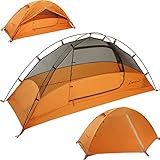
Overview: This ultralight solo tent targets backpackers seeking reliable, weather-resistant shelter without excessive weight. Designed for all-season use, it emphasizes portability and ease of setup for solo adventurers in varied conditions.
What Makes It Stand Out: Its standout features include exceptional waterproofing (PU 5000 coating, sealed seams), a roomy 7.25’x2.7’ footprint despite minimal weight (2.97 lbs trail weight), and a D-door vestibule for gear storage. The freestanding aluminum pole design enables quick one-person setup and stability in wind.
Value for Money: Priced mid-range, it delivers premium waterproofing and durability often found in costlier tents. The included repair kit, stakes, and comprehensive carry system justify the investment for frequent backpackers versus cheaper, less reliable alternatives.
Strengths and Weaknesses: Strengths: Outstanding weather protection; highly packable; intuitive setup; generous interior space. Weaknesses: Minimum trail weight requires omitting stakes/guylines; polyester material may lack long-term durability of silnylon; vestibule space is modest.
Bottom Line: An excellent choice for backpackers prioritizing weatherproofing and ease of use in a lightweight package. Ideal for three-season trips where storm resistance is critical, though minimalists might seek even lower weight.
2. OneTigris Coco-NEST Solo Hot Tent with Stove Jack, 3000mm Waterproof Windproof Free-Standing Dome Tent with Mesh Inner
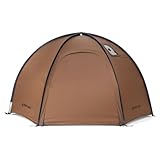
Overview: A specialized hexagonal hot tent engineered for winter camping with stove compatibility, blending backpacking portability (7.3 lbs) with robust cold-weather performance. It functions as both a stove-heated shelter and a standard three-season tent.
What Makes It Stand Out: The integrated stove jack, 360° wind-resistant hex design, and pole-sleeve system enabling 5-minute setup in freezing temps are unique. The pole-free interior maximizes space for stoves/gear, while triple-layer fabric (3000mm waterproofing) ensures all-weather resilience.
Value for Money: Premium pricing is justified for winter campers needing a safe, efficient hot tent. It outperforms generic four-season tents in heating and usability, though overkill for three-season-only users. The included clips and stove jack add significant value for its niche.
Strengths and Weaknesses: Strengths: Unmatched winter versatility; rapid setup; exceptional wind stability; spacious stove-compatible layout. Weaknesses: Heavy for backpacking; complex stove integration requires expertise; limited ventilation without stove heat; expensive for non-winter use.
Bottom Line: Essential for serious winter backpackers requiring a stove-heated shelter. Its specialized design offers unparalleled cold-weather functionality but is impractical for casual or warm-weather camping due to weight and cost.
3. Top Lander Airy Solo Mesh Tent with 2 Openings Inner Tent for Tarp Waterproof Bathtub Floor for Backpacking Hiking Patio Outdoor Camping

Overview: A minimalist mesh-only insect shelter designed for warm, bug-prone environments. It lacks poles (user-supplied) and focuses purely on ventilation and bug protection, functioning as a “bug bivy” rather than a full-weather tent.
What Makes It Stand Out: Its 3D ventilation system with dual doors and ultra-fine mesh provides superior airflow and insect blocking. The waterproof bathtub floor and compact 1.5 lb weight make it ideal for ultralight trips where rain isn’t a concern.
Value for Money: Extremely affordable for its purpose, but value hinges on context. It’s a steal for bug-heavy summer hikes or festival use, yet useless as a standalone shelter without poles or rain protection. Cheaper than full tents but incomplete.
Strengths and Weaknesses: Strengths: Unbeatable breathability; ultra-lightweight; effective insect barrier; simple setup with trekking poles. Weaknesses: No included poles; zero weather protection; minimal durability; not a true tent (requires external tarp).
Bottom Line: A niche solution for hot, buggy conditions where weight and ventilation trump weatherproofing. Only recommended as a supplementary bug shield with a tarp—avoid for unpredictable weather or as a primary shelter.
4. iClimb Ultralight 4 Season Solo Tent Waterproof with Snow Skirt Rainfly, Ground/Off The Ground Tent for Backpacking Camping Hiking Trekking Mountaineering (Grey)

Overview: A versatile four-season tent built for extreme conditions, featuring a snow skirt and cot compatibility. Weighing 5 lbs, it bridges ground camping and elevated setups while prioritizing weather resilience.
What Makes It Stand Out: The dual-use design (ground or cot-mounted), integrated snow skirt, and PU 3000mm waterproofing stand out. Buckle-connected rainfly enables rapid deployment, while 7001 aluminum poles ensure stability in high winds or snow.
Value for Money: Competitively priced for a true four-season tent. Cot compatibility adds unique utility, justifying cost versus single-purpose models. However, weight may deter ultralight backpackers, though justified by robust construction.
Strengths and Weaknesses: Strengths: Excellent all-weather protection; innovative cot integration; easy one-person setup; strong wind/snow resistance. Weaknesses: Heavier than three-season rivals; cot use compromises winter warmth; limited vestibule space; polyester less durable than silnylon.
Bottom Line: A top pick for mountaineers or winter campers needing adaptable, storm-ready shelter. Its cot functionality and snow skirt justify the weight for cold-weather specialists, but three-season backpackers should consider lighter options.
5. POMOLY Camping Hot Tent Wood Stove Tents, Dune Solo Portable Tents with Inner Tent for 1 Person Hiking, Hunting, Backpacking

Overview: A compact stove-compatible hot tent focused on portability (under 4 lbs), featuring a removable inner tent and dual-door design. Tailored for hunters or backpackers needing lightweight winter shelter with heating flexibility.
What Makes It Stand Out: The removable inner tent (with mesh/cloth door options), dual opposite doors for cross-ventilation, and single-pole freestanding structure differentiate it. PU 2500mm waterproofing and alloy pegs enhance weather readiness without excessive weight.
Value for Money: Offers strong value for stove-tent functionality at a lower weight than competitors like the Coco-NEST. Ideal for budget-conscious winter campers, though waterproofing is less robust than premium models.
Strengths and Weaknesses: Strengths: Ultra-portable stove tent; versatile inner tent configuration; excellent airflow via dual doors; stable in snow/wind. Weaknesses: Lower waterproof rating (2500mm); inner tent adds setup complexity; minimal vestibule storage; silnylon requires careful handling.
Bottom Line: Best for ultralight winter adventurers prioritizing packability and stove use. Its dual doors and removable inner provide flexibility, but durability concerns may deter long-term users in heavy storms.
6. iClimb Ultralight 4 Season Solo Tent Waterproof with Snow Skirt Rainfly, Ground/Off The Ground Tent for Backpacking Camping Hiking Trekking Mountaineering (Green)

Overview: The iClimb Ultralight 4 Season Solo Tent is a versatile, all-weather shelter designed for serious backpackers and mountaineers seeking reliable protection across diverse conditions, from summer hikes to winter expeditions. Its unique snow skirt and cot compatibility set it apart in the solo tent market. What Makes It Stand Out: Its true 4-season capability is exceptional, featuring a dedicated snow skirt to block wind and moisture, plus elastic straps enabling secure mounting on cots for elevated sleeping. The ultralight 5 lb weight (using ripstop 210T polyester and 7001 aluminum poles) combined with PU 3000mm waterproofing and fully taped seams offers serious weather resistance without bulk. The buckle-mounted rainfly speeds setup significantly. Value for Money: Priced competitively for its class, it delivers features typically found in heavier or more expensive tents. The included stakes, guy lines, and packability justify the cost for frequent backpackers needing year-round reliability, outperforming many 3-season alternatives in harsh conditions. Strengths and Weaknesses: Strengths: Genuine 4-season performance, snow skirt, cot compatibility, ultralight yet durable, fast setup, excellent waterproofing. Weaknesses: Not ideal for cot use in high winds (as noted), limited vestibule space, inner tent attachment could be more intuitive. Bottom Line: An outstanding choice for backpackers and mountaineers needing a single, reliable shelter for all seasons. Its unique snow skirt and cot integration offer unmatched versatility, making it a top-value investment for serious adventurers despite minor vestibule limitations.
7. Kelty Late Start 1P Backpacking Tent – Lightweight Solo Camping Tent Shelter with Quickcorners, Aluminum Poles, Waterproof Poly Fly, Updated for 2024 (1 Person)

Overview: The updated-for-2024 Kelty Late Start 1P is a streamlined, user-friendly backpacking tent prioritizing rapid setup and eco-conscious design, ideal for solo campers valuing simplicity and speed on the trail without sacrificing weather protection. What Makes It Stand Out: Its revolutionary 3-minute setup time is the standout feature, enabled by color-coded Quickcorners and buckles. Kelty’s commitment to sustainability is notable as a Conservation Alliance founding member, using DWR/PFC-free fabrics. The 68D polyester with 1200mm waterproofing offers solid storm resistance in a lightweight package, while the single door/vestibule design maximizes gear storage. Value for Money: Excellent value for beginners or fair-weather backpackers seeking hassle-free shelter. While not the lightest or most robust for extreme conditions, its durability, ease of use, and eco-credentials provide strong justification at its price point compared to basic competitors. Strengths and Weaknesses: Strengths: Unbeatable quick setup, eco-friendly materials, durable waterproofing, good vestibule storage, reliable brand reputation. Weaknesses: Peak height (37") feels cramped for taller users, 1200mm waterproofing is adequate but not exceptional for heavy storms, limited interior space. Bottom Line: Highly recommended for novice backpackers, festival-goers, or casual campers prioritizing speed and simplicity. Its eco-focus and foolproof setup make it a smart buy for most 3-season adventures, though seasoned mountaineers may desire more robust weather specs.
8. ATEPA Backpacking Tent, 1-2 Person Nylon Lightweight 4000MM+ Waterproof Windproof Portable Solo Tent with Aluminum Frame & Rainfly for Backpacking Hiking Camping Motorcycle, 4 Season, Light Grey

Overview: The ATEPA 1-2 Person Tent targets adventurers needing aggressive weather protection in a surprisingly spacious, ultralight package, boasting exceptional 4000mm+ waterproofing and windproofing for challenging 4-season conditions. What Makes It Stand Out: Its standout feature is the industry-leading 4000mm+ waterproof rating using 20D silicone-coated nylon, far exceeding typical tents (usually 1500-3000mm). The vertical-wall rainfly design effectively deflects wind-driven rain, while high-density mesh panels and dual vents combat condensation. Smart storage (removable pouches, ceiling hook) and trekking pole compatibility for an awning add versatility. Value for Money: Represents strong value for those prioritizing stormworthiness. The premium materials (silnylon, 7001 aluminum poles) and 4-season capability justify a mid-to-high price point, outperforming cheaper polyester tents in heavy rain/snow while remaining packable. Strengths and Weaknesses: Strengths: Exceptional waterproofing/windproofing, superior ventilation, spacious interior for solo use, excellent gear organization, trekking pole awning option. Weaknesses: “1-2 Person” claim is generous; truly best for solo; large packed size; complex setup may challenge beginners. Bottom Line: A top recommendation for backpackers and mountaineers facing extreme weather. Its unmatched waterproof rating and ventilation make it worth the investment for storm-prone adventures, though solo users will maximize its space efficiency.
9. Camping Essentials for Tent and Trailer Camping: Required Gear for Families, Couples or Solo Campers What You Need and What You Don’t

Overview: This guidebook cuts through the noise of camping gear marketing, providing a pragmatic, experience-based checklist for campers of all types—families, couples, or solo adventurers—focusing on essential items versus unnecessary clutter for tent or trailer trips. What Makes It Stand Out: Its no-nonsense approach is refreshing, clearly distinguishing critical safety and comfort items (like water filtration, rain gear, and first-aid) from common “wants” that burden packs. It offers tailored lists for different group sizes and camping styles (car vs. backpacking), emphasizing versatility and multi-use gear. Value for Money: Extremely cost-effective knowledge. For a modest book price, it prevents costly mistakes from buying redundant or inappropriate gear, saving readers significant money and frustration. The focus on “what you don’t need” delivers immediate ROI by streamlining purchases. Strengths and Weaknesses: Strengths: Practical, unbiased advice; adaptable for all experience levels; saves money and space; emphasizes safety essentials. Weaknesses: Lacks visual aids for gear setup; minimal brand comparisons; not a substitute for hands-on skill practice. Bottom Line: An indispensable resource for new and overwhelmed campers. It pays for itself instantly by preventing poor gear choices, making it a highly recommended foundation before any camping trip—essential reading, not optional.
10. OneTigris Solo Mesh Tent, Ultralight Screen House with 3000 Waterproof Bathtub Floor for Camping Hiking Backpacking Traveling Fishing Patio
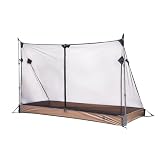
Overview: The OneTigris Solo Mesh Tent is a specialized ultralight bug shelter, not a full tent, designed to provide maximum ventilation and insect protection while keeping gear dry via its waterproof floor—ideal for warm-weather camping, fishing, or patio use. What Makes It Stand Out: Its ultra-breathable 70D nylon mesh construction eliminates condensation, while the 3000mm taped-seam bathtub floor ensures ground moisture stays out. The 28.6oz weight is exceptional for the roominess (6.5’ x 2.8’), and the taut triangle-straps/supported corners enable rapid, stable setup. Trekking pole compatibility adds versatility. Value for Money: Excellent value as a dedicated bug shelter. At its price, it’s significantly lighter and more ventilated than full tents, perfect for hot/humid climates or as a companion shelter. It’s not a rain solution alone but shines when paired with a tarp, offering unmatched airflow at minimal weight. Strengths and Weaknesses: Strengths: Unbeatable ventilation, ultralight weight, simple quick setup, effective bug protection, versatile tarp pairing. Weaknesses: Not weatherproof (requires separate rainfly/tarp), limited privacy, minimal storm protection, floor-only waterproofing. Bottom Line: A must-have for warm-weather backpackers, anglers, or festival-goers seeking bug-free comfort without suffocating in a full tent. Highly recommended as a specialized tool, but understand it’s solely a screen shelter requiring complementary rain protection.
Understanding Solo Camping Shelter Needs
Solo camping demands a unique approach to shelter. Unlike group trips where weight can be distributed, every gram you carry falls squarely on your shoulders. This shifts priorities dramatically—you need maximum protection and livability in the absolute lightest, most compact package possible. But it’s not just about shedding ounces; it’s about designing for one person’s movement, gear storage, and psychological comfort in isolation. A tent that feels spacious for two might feel cavernous and drafty when occupied solo, while one optimized for a single sleeper maximizes warmth and minimizes setup time when you’re exhausted after miles on the trail.
Why Solo-Specific Designs Matter
Generic one-person tents often fail solo adventurers because they don’t account for how a single occupant uses space. Purpose-built solo shelters typically feature tapered footprints that eliminate dead air space, reducing condensation and making the interior feel more intentional. They prioritize asymmetric layouts where the door aligns with your head for easier entry without disturbing gear, and often include dedicated vestibule space sized perfectly for one pack and boots. Crucially, they’re engineered with solo weight distribution in mind—poles are positioned to withstand off-center forces during storms, a common vulnerability when only half the tent is occupied.
Balancing Weight and Durability
The eternal solo camper’s dilemma: how light is too light? While ultralight models (<2 lbs) are alluring, they often sacrifice long-term durability for minimal weight savings. Consider your typical terrain—rocky alpine zones demand tougher fabrics than soft forest floors. Look for tents using 20D or 30D ripstop nylon where strength is critical (like rainflies), paired with lighter 10D fabrics in lower-stress areas. Remember, a tent that tears on your third trip ultimately weighs more than a slightly heavier model that lasts years. Always check the denier rating and fabric type (silnylon vs. polyester) alongside the advertised weight.
The Psychological Factor of Space
Feeling claustrophobic at 2 AM after a long hike ruins any trip. Solo tents need thoughtful interior volume—not sheer square footage, but usable space where you can sit up comfortably to change clothes or organize gear without contorting. Pay attention to peak height and wall steepness; a tent with 38" peak height but near-vertical walls feels vastly roomier than one with 42" peak height and sloping walls. Also consider door size—wide, tall doors prevent that “coffin” sensation and make entry/exit smoother when your headlamp is your only light.
Critical Weather Performance Factors
Your tent isn’t just a roof—it’s your primary defense against the elements. For solo campers venturing into unpredictable conditions, understanding how design translates to real-world protection is non-negotiable. This goes beyond basic waterproofing; it’s about how wind loads are distributed, how condensation is managed when you’re the sole heat source, and whether the structure remains stable during sudden storms when you might be miles from help.
Rainfly Coverage and Geometry
Not all rainflies are created equal. Full-coverage flies that extend to the ground offer superior storm protection but increase condensation risk. For solo use, look for hybrid designs where the fly covers critical areas (head and torso) but leaves breathable mesh panels lower down. Critical details include taped seams (not just bonded), a high hydrostatic head rating (2000mm+ for reliable performance), and strategic venting at the fly’s peak to create airflow without letting rain in. The shape matters too—a steeply angled fly sheds water faster than a flat one.
Wind Resistance Through Design
Solo tents face unique wind challenges; with only one occupant, there’s less internal mass to stabilize the structure. Dome shapes naturally shed wind better than tunnels, but modern geodesic designs (with multiple crossing poles) offer superior stability for minimal weight. Check if the tent uses continuous pole sleeves (more stable but slower to pitch) or clip-in systems (faster setup but slightly less rigid). Also note guyling points—four is bare minimum, but six or more allow fine-tuning tension in shifting winds. Avoid tents with large single-wall sections; crossed poles create smaller, more resilient panels.
Managing Condensation Alone
Here’s the solo sleeper’s hidden battle: you are the main moisture source. Without another person’s body heat creating convection currents, condensation pools more easily. Prioritize tents with extensive mesh panels (even in shoulder seasons), large peak vents that stay open in rain, and rainflies with generous overhang to keep walls dry. Double-wall construction (separate inner mesh and rainfly) outperforms single-wall for breathability, though it adds slight weight. If considering single-wall, ensure it uses advanced breathable fabrics like Dyneema Composite Fiber, not basic silnylon.
Setup Efficiency for the Solo Traveler
When you’re setting up camp at dusk with cold fingers, simplicity isn’t just convenient—it’s critical. Solo tents must excel at intuitive, tool-free pitching where every step makes logical sense for one person. Complex setups requiring “hold this while adjusting that” become frustrating or impossible when you’re alone. The best designs let you stake corners, tension poles, and secure guylines in a seamless sequence without backtracking.
Intuitive Pole Systems
Avoid tents requiring you to thread poles through multiple sleeves while balancing the structure—this is notoriously tricky solo. Clip-in pole systems (where poles attach via plastic clips) win for speed and ease; you can stake the footprint, raise the poles with one hand, and clip the inner tent in seconds. If choosing sleeve-style, look for single-pole designs or color-coded sleeves that eliminate guesswork. Geodesic crosses should snap together intuitively at the apex—fumbling with joint connectors in the dark is a recipe for frustration.
Footprint Integration
Your footprint (ground cloth) isn’t optional—it protects your tent floor from abrasion and adds critical moisture barrier. The best solo tents integrate footprints seamlessly: pre-attached loops for staking, identical shape to the tent floor (no flapping edges), and sometimes even grommets that align perfectly with tent corners. Avoid generic rectangular footprints; they create tripping hazards and let water pool underneath. A custom-fit footprint adds minimal weight but dramatically extends your tent’s lifespan.
Dark-Operation Features
When headlamp beams are your only light, small details become huge. Reflective guylines prevent midnight tangles, color-coded stakes simplify sorting, and large zipper pulls (with tabs you can grab with gloves) save frozen fingers. Bonus points for tents where the main door zips both ways—you can crack ventilation from either end without fully unzipping. Also check if vestibule guylines attach outside the rainfly; adjusting them without getting soaked is a game-changer in storms.
Interior Layout and Livability Essentials
A solo tent’s interior should feel like a thoughtfully designed micro-habitat, not a collapsed sack. Every inch must serve a purpose: storing gear without crawling over it, providing light without glare, and offering psychological comfort during long nights. This is where minor design choices separate functional shelters from truly exceptional solo companions.
Vestibule Utility Optimization
Your vestibule is precious real estate—it’s where wet boots, cooksets, and packs live without invading your sleep space. For solo use, 8-12 sq ft is ideal; smaller feels cramped, larger adds unnecessary weight. Look for steeply angled walls that maximize floor space, and a door that opens fully (180+ degrees) for easy access. If you plan to cook in the vestibule (in safe conditions), ensure adequate height to sit upright. Bonus: vestibules with dual-door access let you stash gear from either side of the tent.
Internal Organization Solutions
Cramming gear into corners wastes space and creates hazards. Seek tents with smart storage: ceiling loops for hanging headlamps (casting soft, shadow-free light), small mesh pockets near shoulder level for phones or glasses, and gear lofts that don’t eat headroom. Avoid floor-level pockets—they force you to dig through gear horizontally. Some tents feature “corner pockets” that utilize otherwise dead space near stakes; these are gold for keeping essentials accessible without cluttering your sleeping area.
Light and Airflow Synergy
Natural light transforms cramped interiors. Tents with large, opposing mesh panels (not just one door-side panel) create cross-lighting that eliminates gloom. Pair this with a rainfly that has mesh windows under the drip line—these can stay open in light rain for airflow without leaks. For night use, ensure interior fabric is light-colored; dark liners absorb headlamp beams, making the space feel smaller. Also check if vents stay operable when the rainfly is fully deployed—a common oversight in budget models.
Seasonal Adaptability Strategies
Few solo campers stick to one season all year. The ideal tent adapts to changing conditions without requiring you to carry multiple shelters. True four-season capability isn’t about brute strength—it’s intelligent design that lets you shed layers in summer and lock down for winter blizzards with the same footprint.
Convertible Rainfly Configurations
The most versatile tents offer rainfly adjustment: fully deployed for monsoons, partially staked for stargazing, or completely removed for bug-free summer nights. Look for flies with multiple stake-out points along the edges—this lets you tighten coverage in wind or create high vents in calm weather. Some advanced models even have removable end panels for ultimate airflow when bugs aren’t a threat, turning a three-season tent into a minimalist summer shelter.
Winter-Ready Reinforcements
If you’ll face snow loads, prioritize tents with robust pole structures (7000-series aluminum or carbon fiber), steep fly angles to shed snow, and minimal mesh to retain heat. Critical but often overlooked: ensure all zippers are covered by storm flaps and have zipper garages to prevent ice buildup. Also check if the footprint has extra stake points for snow stakes—you’ll need them when the ground freezes solid. Remember, true winter tents often weigh more, but for occasional deep-cold trips, a convertible design beats carrying a dedicated four-season shelter.
Bug Protection Without Compromise
Mosquito season demands full mesh coverage, but standard fine-mesh can feel suffocating in humidity. Seek tents with dual-density mesh: ultra-fine weave near the ground for no-see-ums, paired with larger hexagonal mesh higher up for better airflow. Bonus if the inner tent has a “no-see-um door” that’s separate from the main rainfly door—this lets you ventilate freely while keeping bugs out during the day. Avoid tents where the mesh is bonded directly to the rainfly; this creates condensation traps.
Packability and On-Trail Considerations
What good is a perfect tent if its packed size drowns your pack’s capacity? For solo thru-hikers and bikepackers, how a tent compresses and where it lives on your rig matters as much as its liveable space. This is where material choices and packaging design become trail-deciding factors.
Compressed Volume Realities
Don’t trust the manufacturer’s “stuff sack size”—it’s usually achieved with heroic compression. Test how small you can realistically pack it: a 1 lb tent should fit in a 8x4 inch cylinder, not a 12-inch cube. Silnylon compacts smaller than polyester but loses loft over time. Dyneema tents pack tiny but demand careful folding to avoid crease damage. Always consider where it’ll sit in your pack; cylindrical shapes slip into side pockets, while flat bricks work better in main compartments.
Strategic Weight Distribution
Solo packs feel imbalances acutely. A tent weighing 1 lb 12 oz with heavy poles stuffed in the bottom of your pack handles worse than a 2 lb tent with evenly distributed weight. Look for tents where poles are segmented into shorter sections—they nest better and prevent “pole pokes” through thin pack fabric. If using trekking pole-supported designs, ensure the included poles weigh less than your trekking poles; otherwise, you’re carrying redundant weight.
Access and Deployment Speed
In sudden downpours, seconds count. Tents that pack into stuff sacks with external attachment points (like daisy chains) let you secure them to your pack before the storm hits, avoiding fumbling with slippery zippers. Bonus for stuff sacks with clear windows—you can identify your tent instantly in a gear pile. Also consider deployment: can you pitch it while wearing your pack? Some designs let you stake the rear corners first, then swing the pack off without detaching lines.
Long-Term Durability and Maintenance
Your tent is a long-term wilderness investment, not a disposable item. For solo campers who might not have quick resupply options, understanding repairability and wear patterns prevents mid-trip disasters. This means looking beyond initial weight savings to how the tent ages under UV exposure, abrasion, and repeated packing.
Fabric and Seam Longevity
Ultralight fabrics (7D-10D) are incredibly packable but vulnerable to abrasion from rough ground or sharp gear. If you frequently camp on rocky terrain, prioritize 20D+ floors and 15D+ walls. Always check if the rainfly uses silicone-coated fabric (more durable, retains water resistance longer) versus polyurethane (cheaper, degrades faster in UV). Critical: all stress points (like pole sleeves and zipper bases) should have bartack stitching—look for those dense zigzag reinforcements in product photos.
Pole Resilience Testing
Carbon fiber poles are lighter and stiffer than aluminum but can shatter on impact. Aluminum (especially DAC Featherlite) bends before breaking—vital if you trip over a guyline. For solo travelers, poles with color-coded segments prevent assembly errors that weaken joints. Always carry a pole repair sleeve; it’s lighter than spare poles and fixes most breaks. Test pole flex before buying—a quality pole should bend smoothly without kinking.
Field Repair Friendliness
When a zipper fails or a seam splits miles from help, DIY fixes save trips. Choose tents with standardized components: YKK zippers (universal replacement coils), repairable pole sleeves (not bonded fabric), and seam tape that can be re-applied with Gear Aid Seam Grip. Avoid proprietary parts. Carry a fist-sized repair kit: tenacious tape, seam sealer, pole sleeve, and needle/thread matching your fabric. Practice repairs at home—doing it in the rain with numb fingers is exponentially harder.
Budgeting Smartly for Solo Adventures
Solo tents span a massive price range, but cost doesn’t always correlate with suitability for your needs. Investing wisely means understanding where premium materials deliver real value and where budget models suffice—especially since carrying a heavier tent you can afford beats skimping on a critical shelter.
Value vs. Cost Per Trip
Calculate your tent’s “cost per adventure”: a $500 tent used 50 times costs $10 per trip; a $200 tent lasting 10 trips costs $20. For frequent campers, premium ultralights often win long-term. But if you camp 2-3 times yearly, a durable mid-range tent ($300-$400) offers the best balance. Never sacrifice critical weather protection for price—compromising on waterproofing or wind stability risks safety. Instead, trim costs on nice-to-haves like colored interior fabric or extra pockets.
When to Splurge vs. Save
Prioritize spending on: pole quality (DAC aluminum is worth it), rainfly fabric (silnylon > polyester for longevity), and zipper durability (YKK #3 or #4). Save on: included footprint (buy separate for exact fit), color choices (tan vs. orange makes no functional difference), and oversized vestibules you won’t use. Consider refurbished models from reputable brands—they’re rigorously tested and often 30% cheaper with full warranties.
Hidden Cost Savers
Some features reduce long-term expenses. A tent with easily replaceable poles avoids full-replacement costs after a break. UV-resistant fabrics last longer in sunny climates, delaying replacement. Also, a tent that packs small might let you downsize your backpack, saving weight and money elsewhere. Always factor in repair kit costs—$20 now prevents a $500 replacement later.
Future-Proofing Your Solo Shelter
The outdoor industry evolves fast, but your tent should serve you for years. Choosing a design with timeless fundamentals—not just current hype—ensures relevance as your adventures grow more ambitious. Focus on adaptable features that accommodate changing gear or skills.
Timeless Design Over Trends
Avoid gimmicks like integrated LED strips or “self-healing” fabrics with unproven longevity. Instead, seek classic engineering: geodesic pole structures, double-wall ventilation, and modular components. These fundamentals withstand shifts in ultralight trends. Also, favor tents using standardized materials (e.g., 20D nylon) over proprietary fabrics that may become unrepairable if the brand discontinues them.
Skill Growth Compatibility
Your first solo trip might be a forest weekend, but what about future alpine traverses? Choose a tent with guyling points for snow stakes, robust pole geometry for high winds, and optional winter accessories (like snow skirts) even if you don’t need them yet. This avoids outgrowing your shelter prematurely. Similarly, ensure the packed size fits modern ultralight packs—you don’t want to replace your tent because it’s too bulky for your new 40L pack.
Sustainability as Longevity
Eco-conscious materials often mean better durability. Recycled ripstop nylons (like rDSM) now match virgin fabric strength, and plant-based coatings reduce environmental impact without sacrificing performance. Brands with strong repair programs (like lifetime warranty options) signal commitment to longevity. Choosing these supports ethical manufacturing while ensuring parts remain available for fixes years later.
Frequently Asked Questions
Frequently Asked Questions
What’s the ideal weight range for a reliable solo backpacking tent?
For most backpackers, 2 to 3 pounds strikes the best balance—light enough for long miles but durable enough for frequent use. Ultralight options under 2 pounds excel for thru-hikers but require more careful handling on rough terrain.
Can I use a two-person tent solo to save money?
While possible, it’s inefficient—you’ll carry unnecessary weight and fabric that traps moisture. Solo-specific designs optimize space and weight for one person, often costing less than a high-quality two-person model while performing better.
How do I prevent condensation without compromising warmth?
Maximize airflow: pitch with the door/vents facing prevailing winds, avoid blocking vents with gear, and cook outside to reduce interior moisture. In cold weather, crack vents slightly—even 1/4 inch makes a difference without significant heat loss.
Are single-wall tents suitable for solo backpacking?
They work well in dry, windy conditions (alpine zones) but struggle with condensation in humid or still air. Double-wall tents are generally more versatile for most solo campers due to superior breathability.
What’s more important: floor size or interior height?
Prioritize floor dimensions where your shoulders and hips sit—you need room to turn without touching walls. Height matters less if walls slope; focus on usable “sitting volume” rather than peak height alone.
How often should I re-waterproof my tent?
Reapply silicone-based seam sealant every 1-2 years, or whenever water beads stop forming on the rainfly. Always reseal after repairs. Avoid polyurethane sealers on silnylon—they can degrade the coating.
Do I really need a footprint?
Absolutely—it nearly doubles your tent floor’s lifespan by shielding it from abrasion and ground moisture. Custom-fit footprints prevent water pooling and are worth the minor weight addition.
What’s the fastest setup technique for solo pitching?
Stake the rainfly first at four corners, insert poles to create the structure, then attach the inner tent. This creates a stable “skeleton” to work against, eliminating the need to hold fabric while assembling poles.
Are trekking pole tents less durable than freestanding models?
Not inherently—they distribute stress differently. Trekking pole tents often use lighter fabric since poles are external, but quality models are equally storm-worthy. The main trade-off is flexibility (you need poles to pitch).
How do I test a tent’s wind resistance before buying?
Check for multiple guyling points (6+), crossed pole structures, and low-profile design in reviews. Look for videos of the tent in high winds—reputable brands often publish real-world stress tests. Avoid tunnel-shaped tents for exposed sites.